


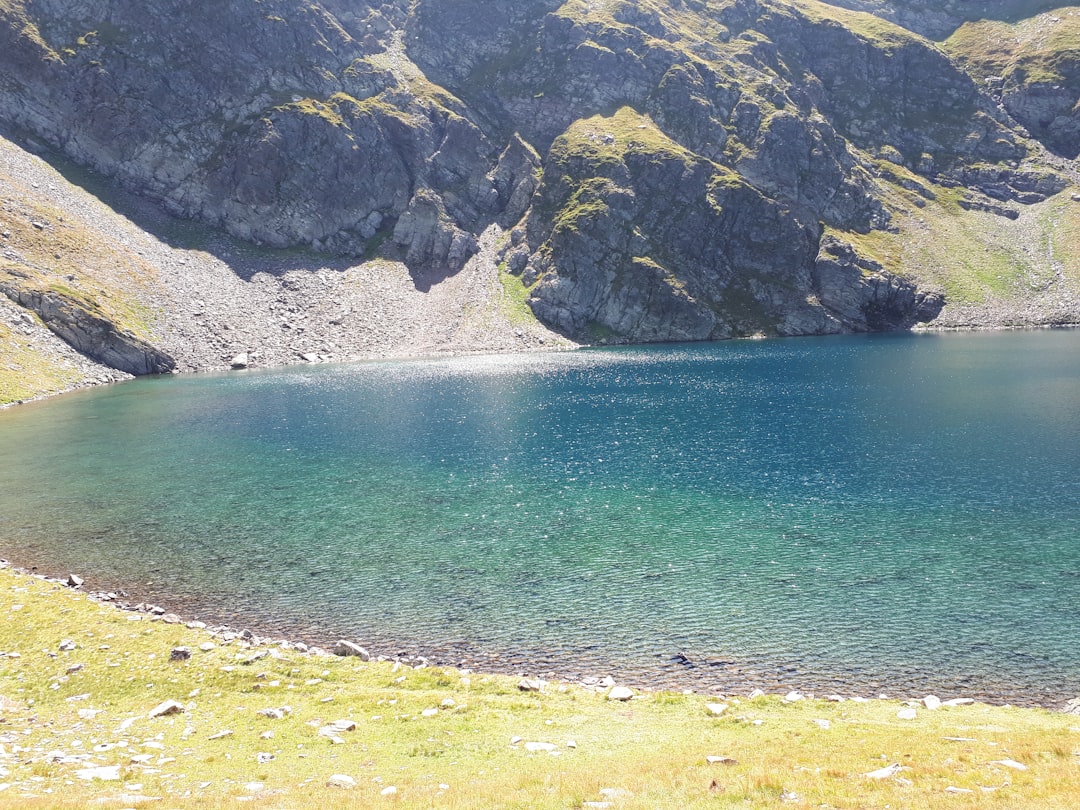
My lungs were burning with that specific, metallic taste you only get when the air gets thin and you stop pacing yourself. It was 3 PM on a Tuesday, and the sun had just crested the jagged ridge of Malalya Peak, throwing a harsh, white glare off the glacial ice. I wasn't alone, but the silence was absolute. No traffic, no tourists, just the crunch of gravel and the wind whipping off the plateau. This is the real Bulgaria. Not the ski slopes or the Black Sea resorts, but this high-altitude, granite-toothed wilderness where the weather turns on a dime and the views are earned, not given. I sat on a rock, shivering despite the sun, and realized I had never felt more awake in my life.
Getting to the Seven Rila Lakes is a pilgrimage for anyone who respects the mountain. It's not a walk in the park. It's a 14-kilometer loop that climbs over 1,200 meters of elevation, crossing the Rila Ridge and taking you into a landscape that feels prehistoric. The lakes themselves are glacial, carved out by ice thousands of years ago, and they sit at an altitude that makes your head spin as much as your eyes. If you think you can just show up and stroll, you're wrong. You need boots, you need layers, and you need respect for the altitude. Here is how to survive and thrive on one of the Balkans' most iconic hikes.
The Glacial Scars of the Rila Mountains
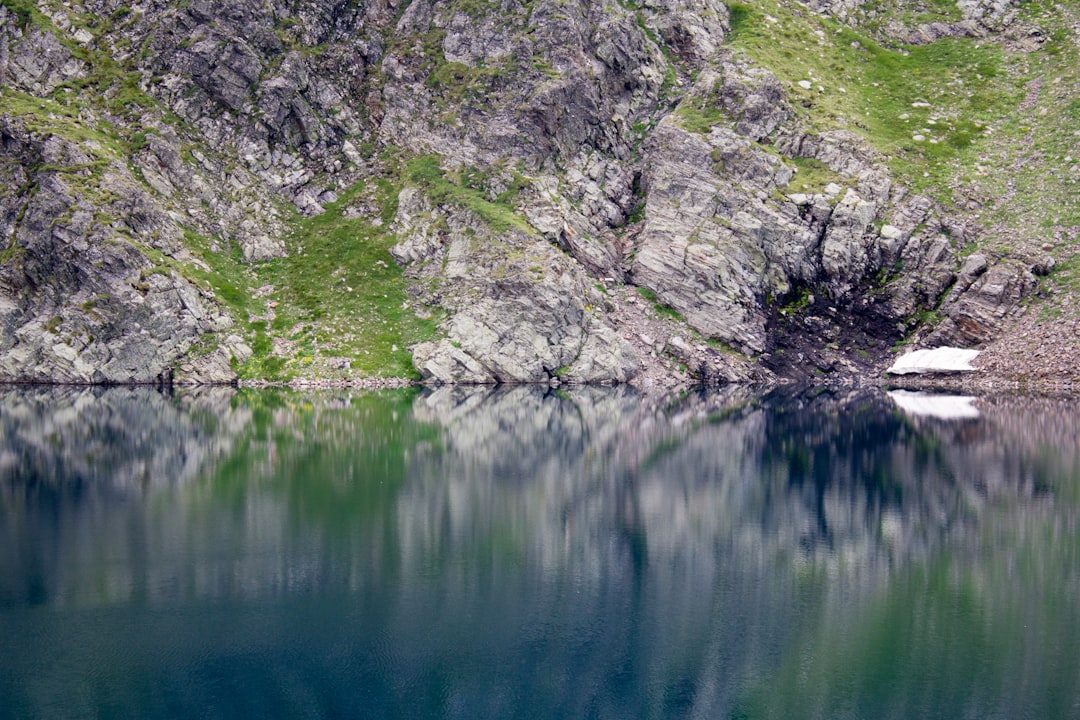
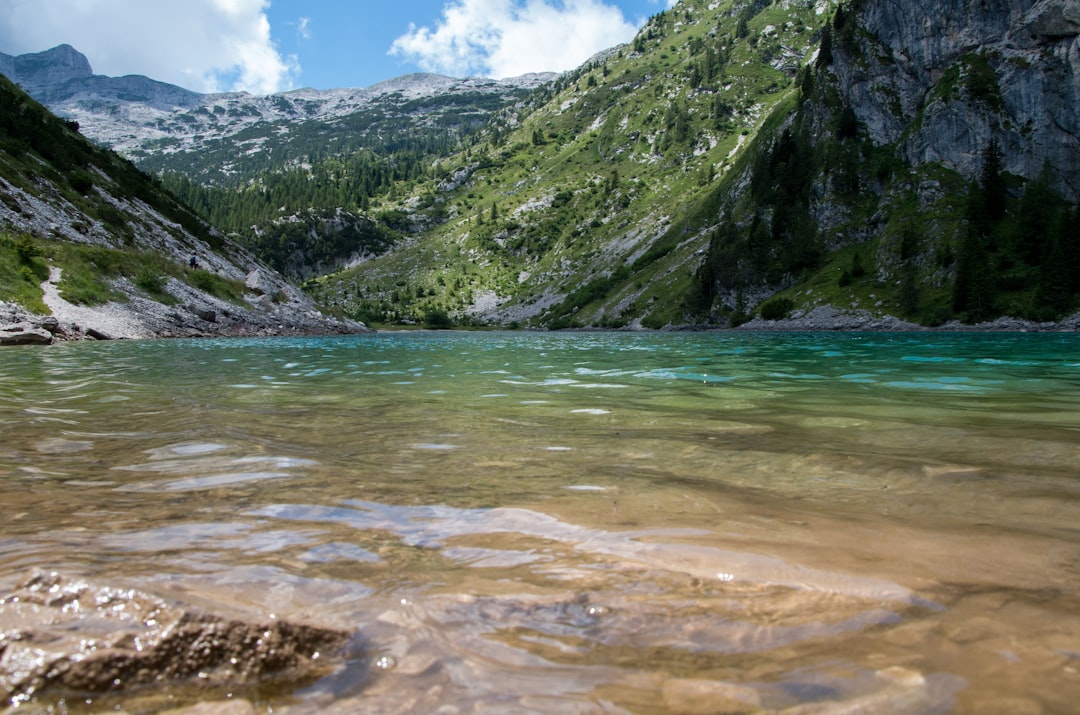
The Seven Rila Lakes are not just pretty water; they are geological evidence of the last Ice Age. Located inside Rila National Park, these lakes are scattered across a high-altitude plateau at roughly 2,500 meters. They vary in size, shape, and color, but they are united by their origin: glacial cirques. The largest is the Big Lake (Golyamoto Ezero), a deep, dark blue basin that dominates the skyline. The smallest is the Dead Lake (Mrtvoto Ezero), which often remains frozen until late summer. The water is so cold that swimming is not just discouraged, it's physically impossible. These are not swimming holes. They are mirrors for the sky, reflecting the peaks of Malalya and Pyata with a clarity that feels unnatural.
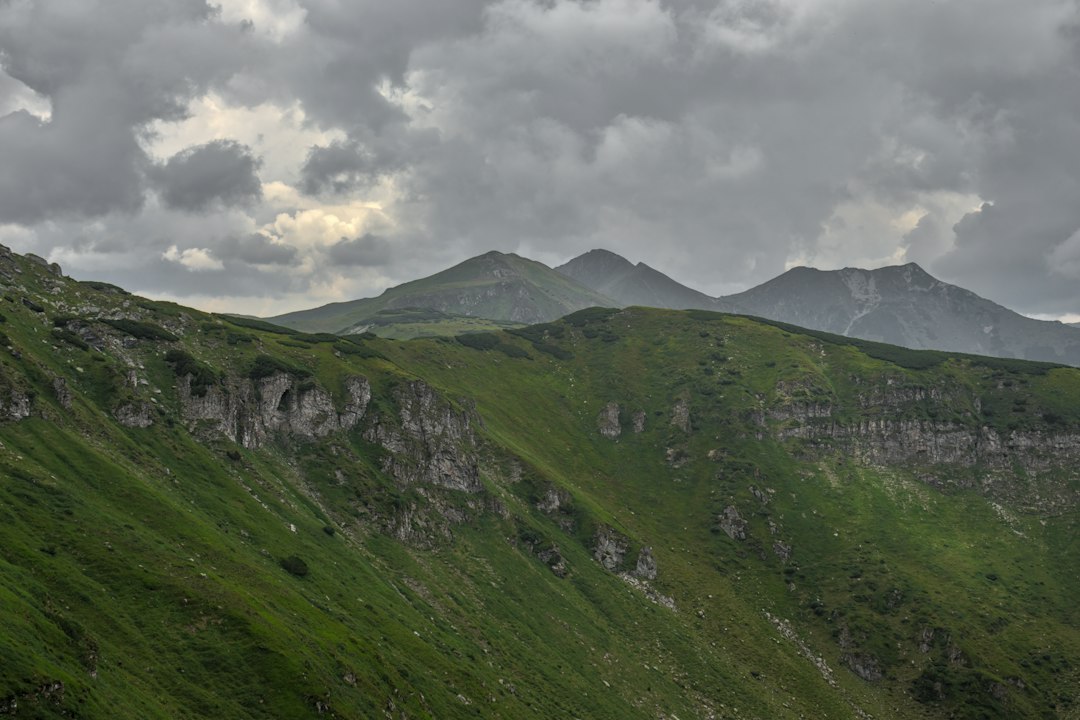
The geology here is dramatic. The mountains are composed of gneiss and granite, ancient rock that has been folded and pushed up over millions of years. The trails cut through this rock, offering views of deep valleys and distant peaks. In the distance, you can see Musala Peak, the highest point in the Balkans at 2,925 meters. It looks deceptively close, but it is a separate challenge entirely. The Seven Lakes trail is its own beast, a high-altitude loop that rewards you with 360-degree views of the entire range. The air is thin, the light is sharp, and the silence is profound. This is a place where you feel small, and that is the point.
The weather in the Rila Mountains is unpredictable. At this altitude, summer temperatures can hover around 10-15°C, but wind chill can make it feel much colder. Fog can roll in without warning, reducing visibility to zero. Thunderstorms are common in July and August, and lightning is a real danger on the exposed ridges. You need to be prepared for rain, wind, and sudden drops in temperature. The trail is well-marked, but navigation can be tricky in poor conditions. Always check the forecast before you go, and turn back if the weather looks bad. The mountains will be there tomorrow. Your safety is not negotiable.
The Route: A High-Altitude Loop
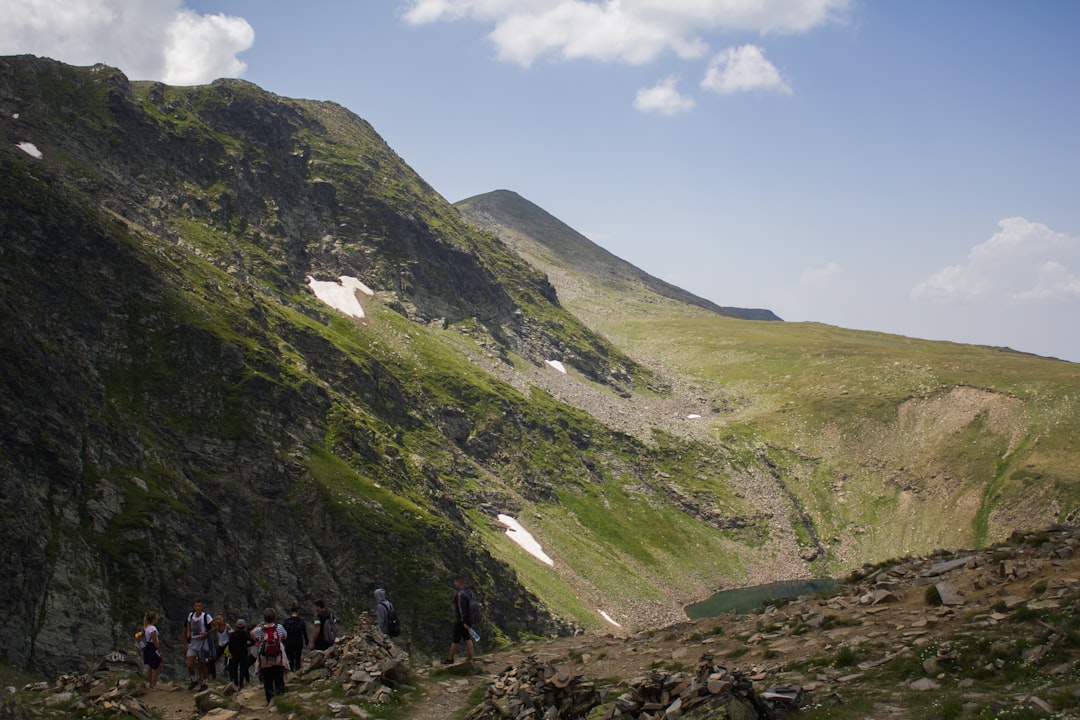
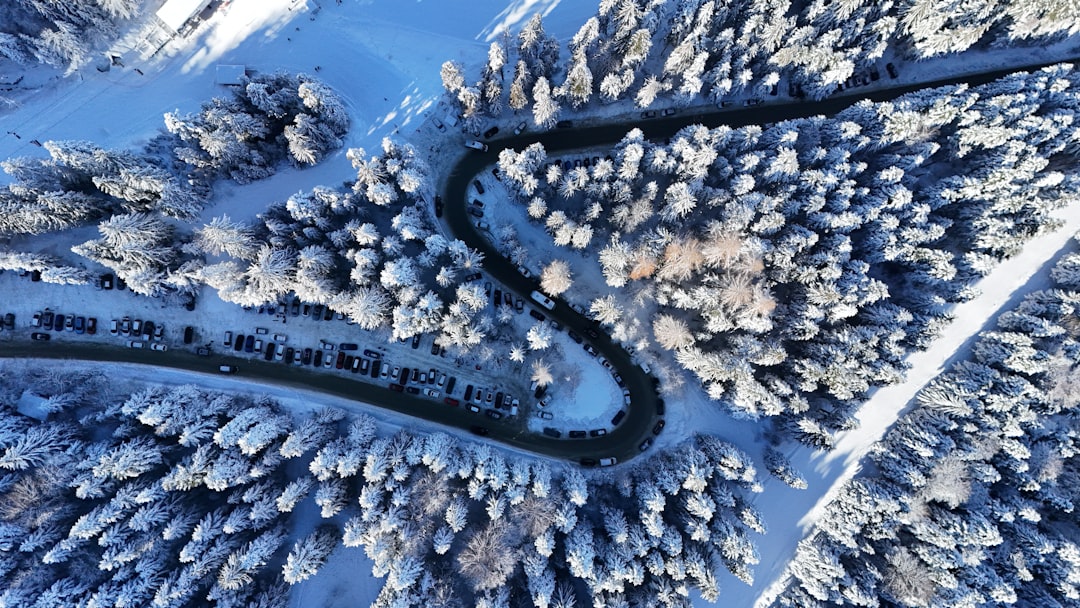
The standard route is a clockwise loop that starts at the Banya Ski Resort parking area. The trail is marked with the standard Bulgarian mountain symbols: white and blue stripes. The first section climbs steadily from the resort at 1,600 meters to the Big Lake at 2,535 meters. This is the hardest part of the hike, gaining over 900 meters in about 3 kilometers. The trail is steep, rocky, and exposed. You will pass smaller lakes along the way, including the Eye Lake (Okoto Ezero) and the Double Lake (Dvoynoto Ezero). Each lake has its own character, its own shade of blue, its own reflection of the sky. Take your time. Stop often. The altitude will catch up with you if you push too hard.
From the Big Lake, the trail continues along the ridge to the Dead Lake and then to the Twin Lakes (Bliznatata Ezera). This section is less steep but more exposed. The wind is stronger here, and the views are more dramatic. You can see the Rila Monastery in the valley below, a tiny speck of red and white against the green forest. It's a reminder of how far you've come. The trail then descends slightly to the Heart Lake (Srdcheto Ezero) before climbing again to the ridge between Malalya and Pyata. This is the highest point of the loop, and the views are spectacular. You can see the entire range, from Musala in the south to the Rhodope Mountains in the east. It's a panorama that puts everything in perspective.
The final section of the loop descends back to the Banya Ski Resort via a different route. This path is steeper and more technical, with some rocky scrambles. It's faster than the ascent, but it's harder on the knees. You need good boots and a steady pace. The trail passes through alpine meadows and rocky fields, offering a different perspective on the landscape. The total distance is about 14 kilometers, and the total elevation gain is around 1,200 meters. Most hikers take 6-8 hours to complete the loop, depending on fitness and weather. It's a long day, but it's rewarding. You'll be tired, but you'll feel alive.
Difficulty: Intermediate to Experienced. This is not a beginner hike. The altitude, the distance, and the terrain require a good level of fitness. You need to be comfortable with steep climbs, rocky trails, and exposed ridges. If you haven't hiked before, this is not the place to start. But if you have experience, this is a world-class hike. The views are worth the effort, and the sense of achievement is real. Just remember to respect the mountain. It's bigger than you, and it doesn't care if you're tired.
On the Ground: Survival and Strategy
Start early. The Banya Ski Resort parking lot fills up fast, especially on weekends. Aim to be there by 7 AM to avoid the crowds and the traffic. The trail is busy, but it's not overcrowded. You'll share the path with other hikers, but you'll also have plenty of space. The key is to keep moving. Don't stop for long breaks. The altitude makes you tired, and the cold makes you sluggish. Keep your energy up with snacks and water. You'll need at least 2 liters of water for the day, and more if it's hot. There are no water sources on the trail, so bring everything you need.
Food is simple. Pack a sandwich, some fruit, and some nuts. You don't need gourmet meals on the trail. You need calories. A chocolate bar or a protein bar can keep you going when you're tired. There are no cafes or restaurants on the trail, so you're on your own. The Banya Ski Resort has a few cafes and restaurants, but they're expensive. A coffee and a pastry will cost you 3-5 EUR. A meal will cost you 10-15 EUR. It's cheaper to bring your own food. You can buy supplies in Sapareva Banya, the town below the resort, before you start. It's a small town, but it has supermarkets and bakeries. Buy bread, cheese, and meat for sandwiches. It's cheap and it's good.
Shelter is limited. There are no huts on the Seven Lakes trail. The nearest hut is the Boyana Hut, which is on the trail to Musala Peak. It's not on the loop, so you can't use it as a stop. If you want to stay overnight, you need to camp. Camping is allowed in designated areas, but not next to the lakes. The Rila National Park has strict rules to protect the environment. You need a permit to camp, and you need to follow the rules. Bring a tent, a sleeping bag, and a sleeping pad. The nights are cold, even in summer. Temperatures can drop to freezing at night. You need to be prepared for the cold.
Children can do this hike, but only if they are experienced and fit. The altitude is hard on kids, and the trail is long. I wouldn't recommend it for children under 10. Older kids can do it, but they need to be supervised. They need to know how to hike, how to drink water, and how to rest. Don't push them. If they're tired, stop. If they're cold, add layers. The mountain is not a playground. It's a serious environment. Treat it with respect, and your kids will learn to respect it too.
Getting There & What to Expect
The nearest town is Sapareva Banya, a spa town at the foot of the Rila Mountains. It's about 100 kilometers from Sofia, the capital of Bulgaria. You can drive there in about 1.5 hours, or take a bus. Buses run regularly from Sofia to Sapareva Banya, and the journey takes about 2 hours. The ticket costs 5-8 EUR. From Sapareva Banya, you need to take a local bus or a taxi to the Banya Ski Resort. The bus runs every hour, and the journey takes about 30 minutes. The ticket costs 2-3 EUR. A taxi will cost you 10-15 EUR. It's more expensive, but it's faster and more convenient.
Accommodation in Sapareva Banya is cheap. You can find a hostel or a budget hotel for 20-40 EUR per night. Mid-range hotels cost 50-80 EUR per night. There are also guesthouses and apartments available, which are often cheaper than hotels. Book in advance, especially in summer. The town is small, and places fill up fast. If you want to stay closer to the trail, you can book a cabin at the Banya Ski Resort. They are more expensive, costing 100-150 EUR per night, but they are convenient. You can walk to the trailhead in the morning. It's a good option if you want to start early and avoid the traffic.
The best time to visit is between July and September. The snow has melted, and the weather is stable. June can be too snowy, and October can be too cold. July and August are the busiest months, so expect crowds. September is quieter, but the weather can be unpredictable. Check the forecast before you go. If it's raining or snowing, wait. The trail is slippery when wet, and the rocks are dangerous. Safety is more important than the photo. The mountain will be there tomorrow. Your legs might not be.
What to expect: A long, hard hike with incredible views. The trail is well-marked, but it's not easy. You need fitness, you need gear, and you need respect for the altitude. The lakes are beautiful, but they are not the only reason to go. The reason to go is the experience. The feeling of being high up, far from civilization, surrounded by rock and ice. It's a humbling experience. It reminds you that the world is big, and you are small. And that's a good thing.
Search accommodation in Sapareva Banya on Booking.com →
The Descent and the Dust
By the time I made it back to the parking lot, my legs felt like jelly. The sun was setting, casting long shadows across the valley. The air was cooler now, and the wind had died down. I sat on the hood of my car, drinking warm water from my bottle, and looked back at the mountains. They were purple in the twilight, silhouetted against the fading light. I was exhausted, sore, and covered in dust. But I was also happy. Not the superficial happiness of a good meal or a sunny day, but the deep, quiet satisfaction of having done something hard. Something real.
The Seven Rila Lakes are not for everyone. They require effort, preparation, and respect. But for those who are willing to put in the work, they offer a reward that money can't buy. A moment of clarity. A sense of scale. A reminder that the world is still wild, and that we are still part of it. I wiped the dust from my face, stood up, and walked to the car. My body ached, but my mind was clear. I knew I'd be back. The mountains always call you back. You just have to be strong enough to answer.
Comments