


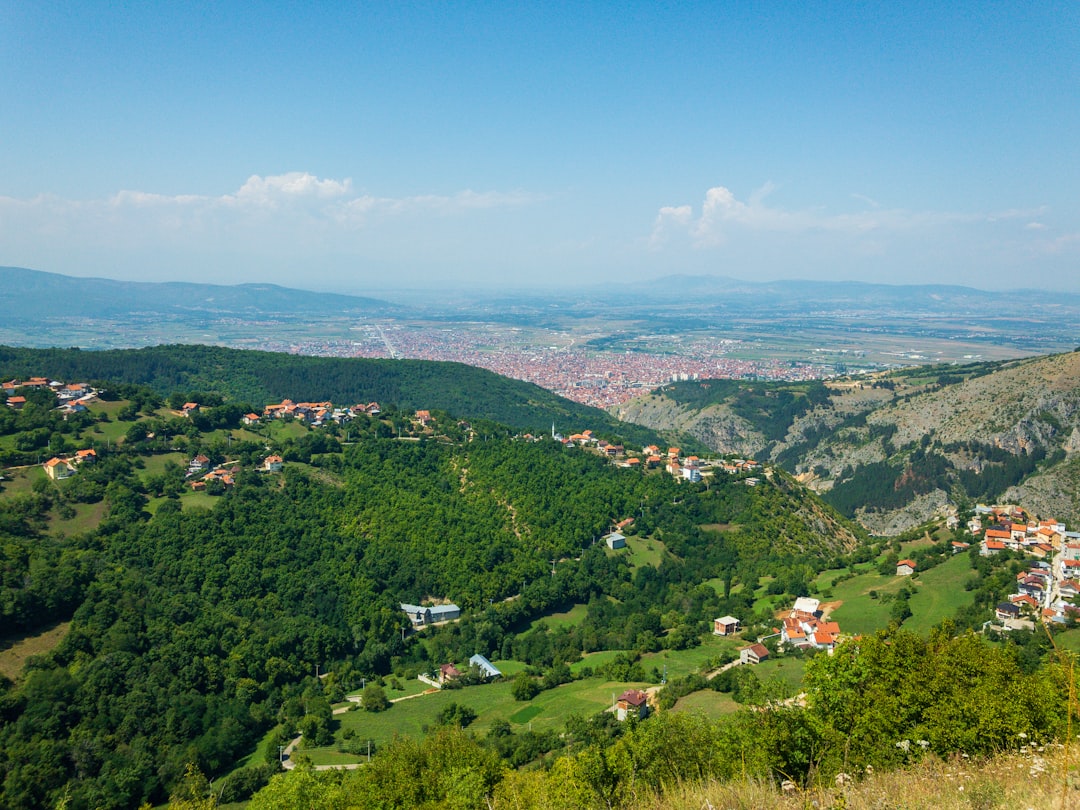
The air up here doesn't just thin; it vanishes. I am standing at 2,500 meters on the jagged spine of the Prokletije Mountains, and my lungs are burning a hole straight through my chest. There is no cell service, no Wi-Fi, and no escape. Just the deafening silence of the Bjeshkët e Nemuna — the Accursed Mountains — and the sudden, sharp bleating of a goat that decided my presence was an insult. I am not here for a curated tour. I am here because I heard rumors of shepherds who still live in these clouds, moving with the seasons just as their ancestors did for centuries. I expected romance. I got mud, altitude sickness, and the most honest conversation of my life with a man named Bajram, who doesn't care about my camera gear and only cares if I can help him fix a fence before the storm rolls in.
This is not a hiking trail. There are no markers, no trailheads, and no gift shops. This is a working landscape, harsh and unforgiving, where the line between survival and tourism is drawn in blood and wool. To understand Kosovo, you don't go to Pristina. You come here, to the northern frontier where the mountains touch the sky and the people still speak to the land in a language older than borders.
The Last Frontier of the Balkans
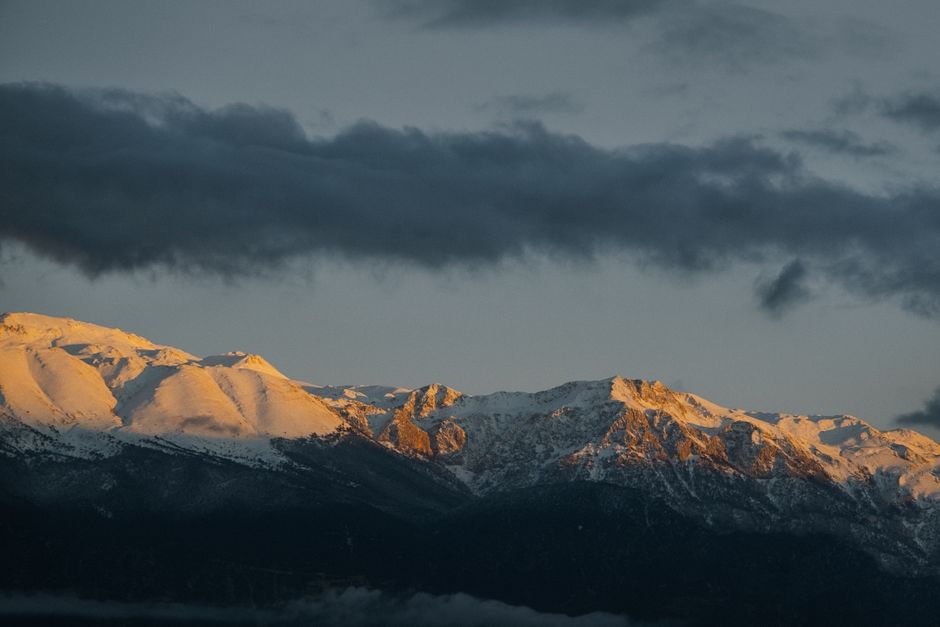
The Prokletije range is the highest in the Balkans, a jagged wall of limestone and granite that separates Albania, Montenegro, and Kosovo. In Kosovo, they are known as Bjeshkët e Nemuna, a name that translates to "Accursed Mountains." The locals believe the mountains are cursed because they are so steep, so cold, and so isolated that even God gave up on them. I don't know about the curse, but I know the terrain will break you if you don't respect it. The peaks here, including Jezerca at 2,694 meters, are not just geological formations; they are the guardians of a culture that refuses to die.
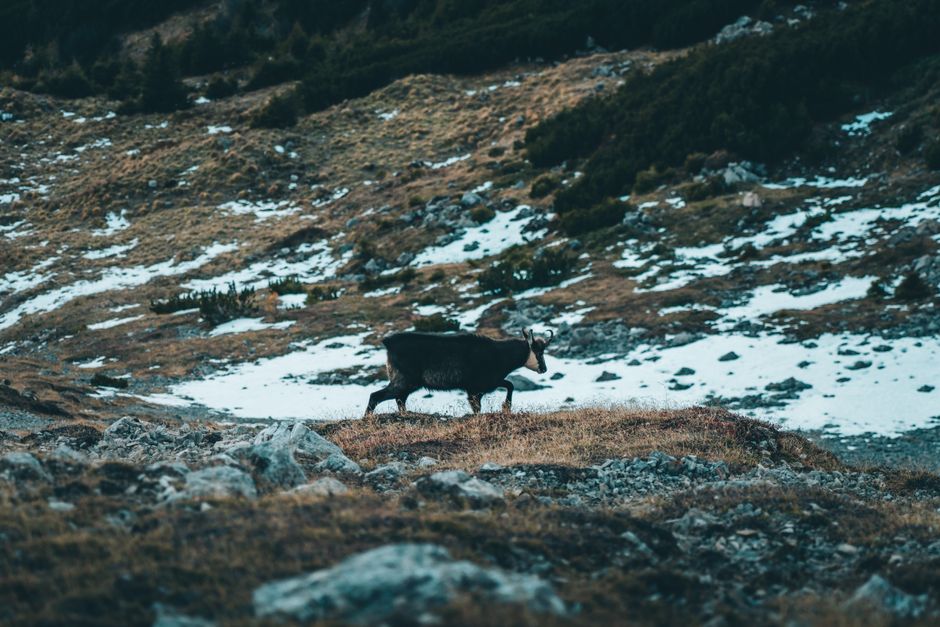
Shepherding in this region is not a hobby. It is a legacy. For generations, families have practiced transhumance, moving their flocks from the lowland valleys in winter to the high alpine pastures in summer. It is a brutal cycle. The shepherds spend months in wooden huts, known as kulla, living off cheese, bread, and the milk of their animals. The isolation is absolute. In the winter, the passes close, and the villages become islands. In the summer, the shepherds climb higher, chasing the green grass that appears for only a few weeks each year. This rhythm has dictated life in Kosovo for centuries, shaping the food, the music, and the fierce independence of the people.
Today, this way of life is under threat. Young people leave for cities or abroad, seeking easier lives. The old huts are crumbling. But for those who remain, the mountains are not a backdrop; they are a family member. When I met Bajram, he didn't see me as a journalist. He saw me as an intruder in his workspace. It took three hours of watching him repair a stone wall before he offered me a cup of raki and a piece of plevac cheese. That was the moment I realized I was no longer an observer. I was part of the landscape, however briefly.
Routes Through the Clouds
Accessing the high shepherding grounds is not for the faint of heart. There are no paved roads to the summits. The journey begins in the valley villages, such as Rogovec or Klina, and ascends through dense forests of spruce and beech. The trails are faint, often hidden by undergrowth, and require a good sense of direction. GPS is unreliable at this altitude, and the weather can change in minutes. What looks like a sunny morning can turn into a whiteout by noon.
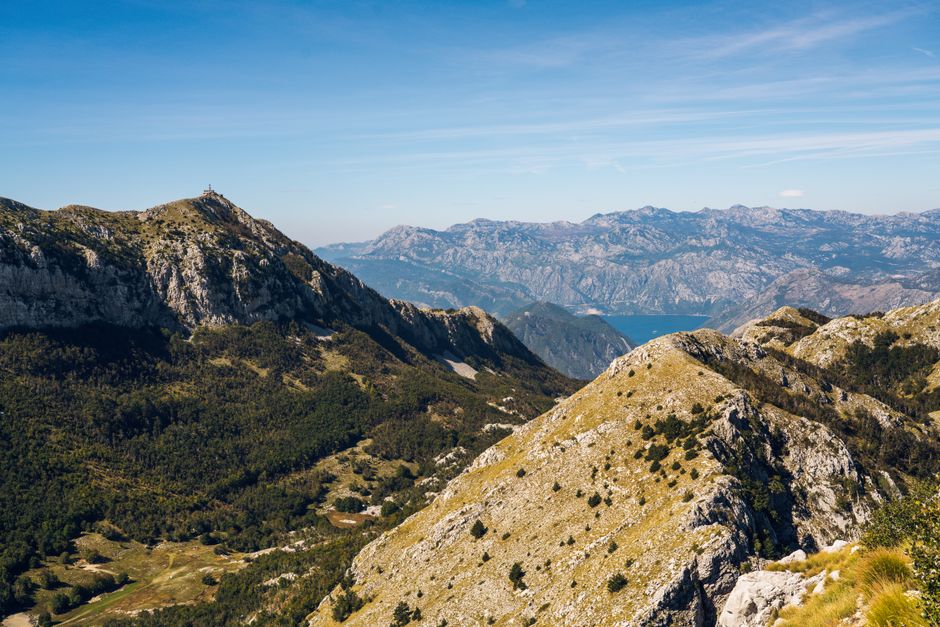
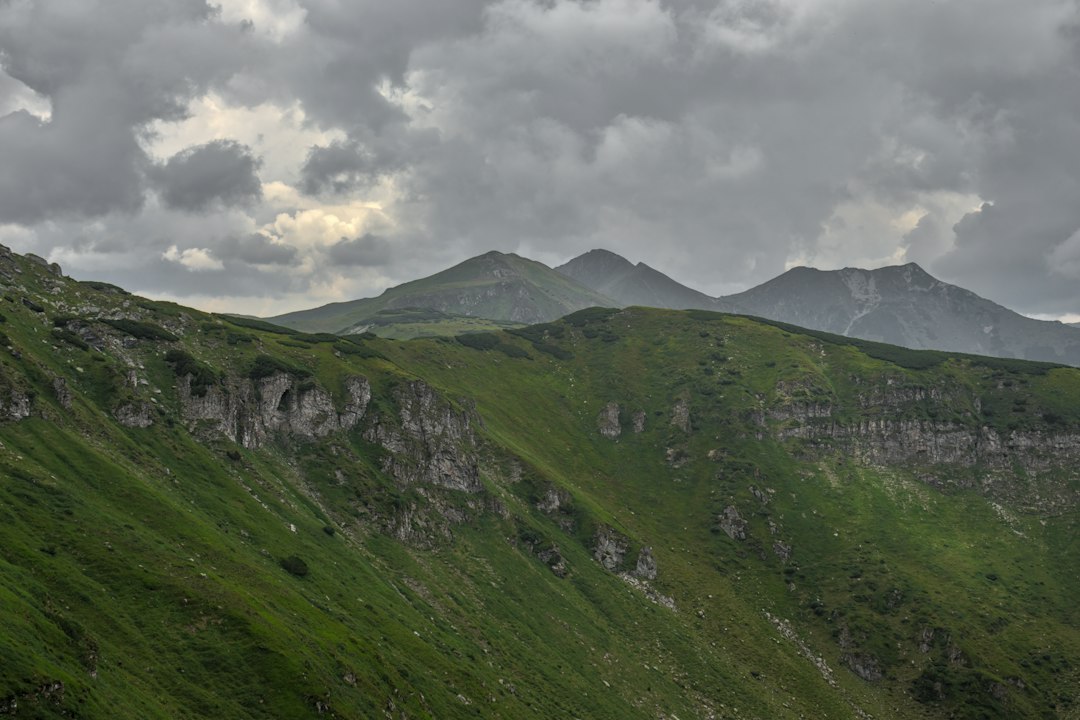
The main route to the high pastures follows the ridge line, offering panoramic views of the surrounding peaks. The terrain is rocky and uneven, with steep ascents and descents that test your knees and your resolve. Along the way, you will pass abandoned huts, their walls covered in moss and their roofs collapsed under the weight of snow. These are the ghosts of the old shepherding life, reminders of the hardship and beauty of this world.
For the experienced hiker, the route to Jezerca Peak is a challenge. It requires a full day of hiking, starting early in the morning to avoid the afternoon storms. The final ascent is steep and exposed, with narrow ledges and loose rock. But the view from the top is worth every step. You can see all the way to Albania and Montenegro, and on a clear day, even the Dinaric Alps. It is a view that puts everything in perspective. Down here, the problems of the world seem small. Up here, there is only the mountain, the sky, and the silence.
Routes & Trail Info
There are no marked trails in the high Prokletije. Navigation is by map, compass, and local knowledge. The most common starting point is the village of Rogovec, located in the Klina municipality. From here, hikers can ascend towards the Jezerca massif. The route is difficult and requires good physical condition. Altitude sickness is a real risk, so acclimatization is essential.
Another option is to start from Klina town itself, driving up the valley road as far as possible before hiking. This reduces the distance but not the difficulty. The terrain is rugged, and the weather is unpredictable. Always carry extra water, food, and warm clothing. A satellite phone is recommended, as mobile coverage is non-existent in the high areas.
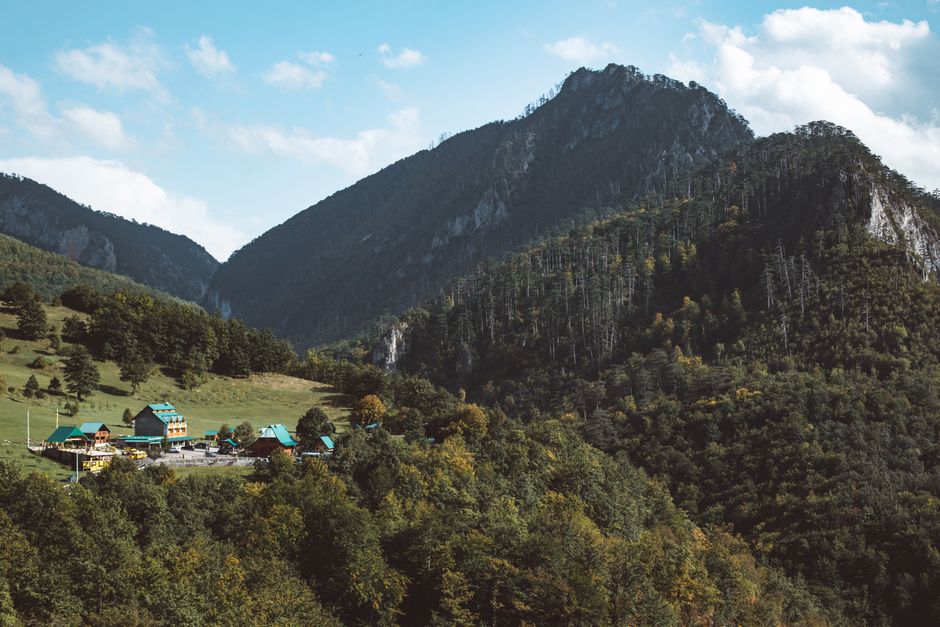
For those who want to experience the shepherding life, it is possible to stay in a kulla with a local family. This requires advance arrangement and respect for their way of life. You will not have luxury, but you will have authenticity. You will eat what they eat, sleep where they sleep, and wake up to the sound of goats and the wind. It is an experience that changes you.
Getting There & What to Expect
The nearest major town is Pristina, the capital of Kosovo. From Pristina, it is about 100 kilometers to Klina, taking roughly 1.5 to 2 hours by car. Buses run regularly between Pristina and Klina, costing around 5 EUR. From Klina, you can hire a taxi or a 4x4 vehicle to take you to the trailhead in Rogovec. This will cost around 30-50 EUR round trip.
Accommodation in Klina is limited. There are a few guesthouses and hotels, with prices ranging from 30-60 EUR per night for a basic room. For a more authentic experience, try to arrange a stay in a kulla with a shepherd family. This is not a commercial service, so you must contact locals in advance. Expect to pay 20-40 EUR per night, including meals. Food is simple but delicious: cheese, bread, meat, and vegetables from the garden.
The best time to visit is between July and September, when the weather is warm and the pastures are green. In June, there may still be snow on the higher peaks. In October, the storms begin, and the temperatures drop. Always check the weather forecast before you go, and be prepared for sudden changes. Bring sturdy hiking boots, a good rain jacket, and a warm layer. The mountains do not forgive unpreparedness.
Search accommodation in Pristina on Booking.com →
The View From the Edge of the World
I left the Prokletije with mud on my boots, a blister on my heel, and a heart full of something I can't quite name. It wasn't adventure. It wasn't exploration. It was recognition. In the eyes of Bajram, I saw the same stubborn pride that keeps these mountains alive. He doesn't need the world to know he is here. He is here because he belongs. And for a few hours, so did I.
The Accursed Mountains are not a destination. They are a mirror. They reflect back what you bring to them. If you come with arrogance, they will break you. If you come with respect, they will show you the truth. And the truth is that we are small, and the world is big, and the only thing that matters is the ground beneath your feet and the sky above your head. I went looking for shepherds. I found myself.
Comments