


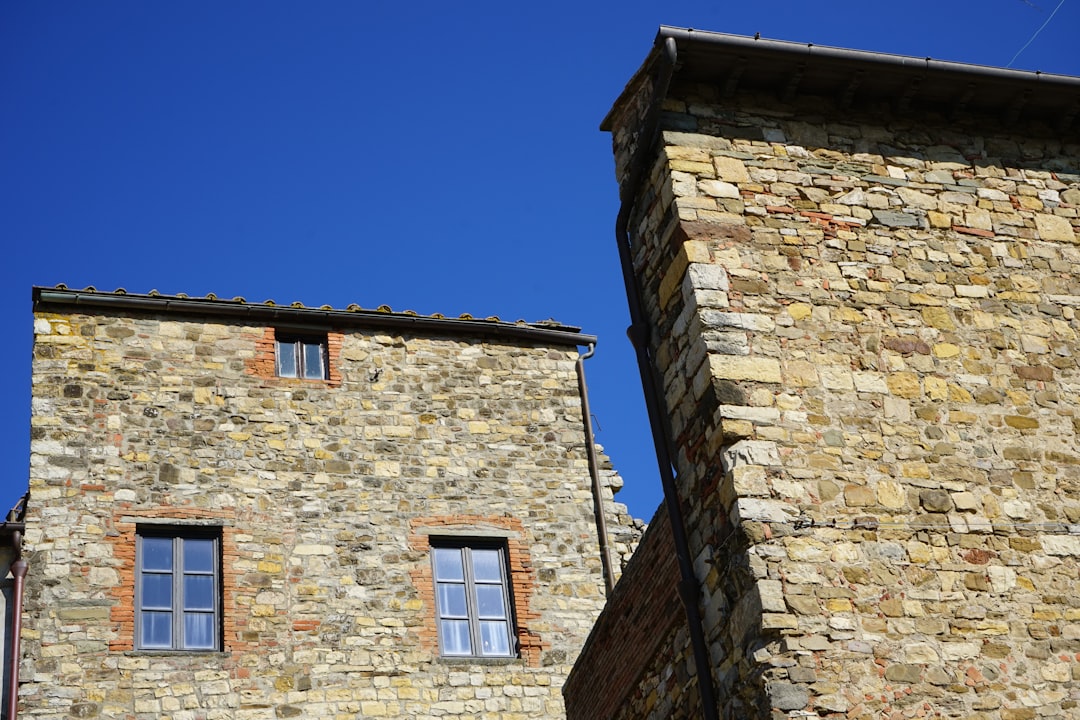
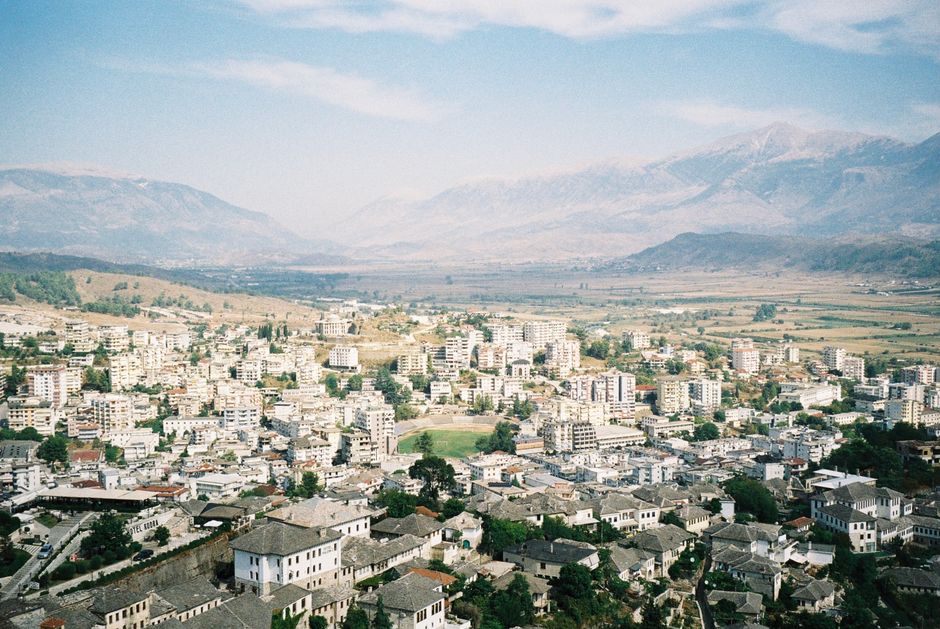
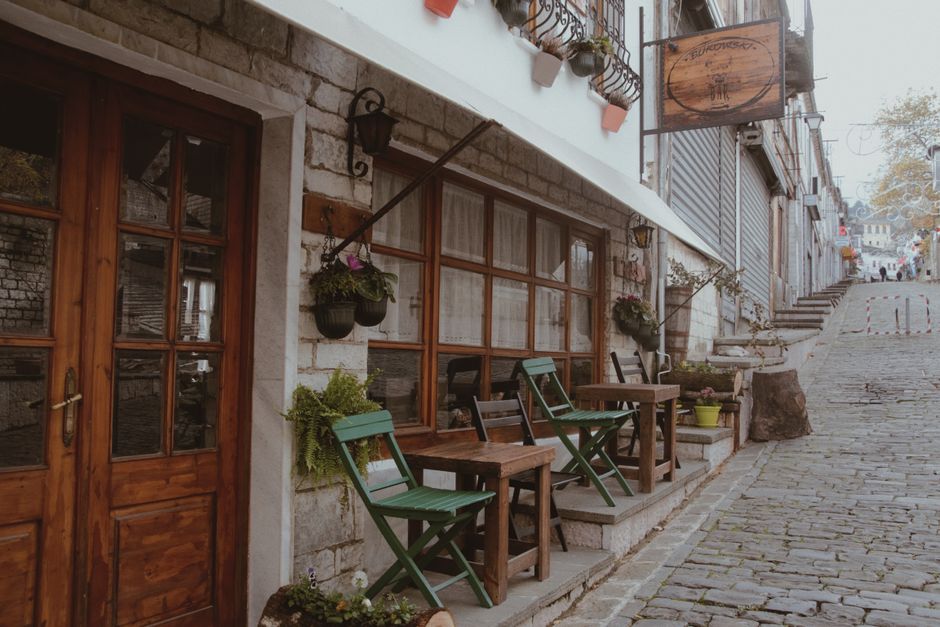
The limestone dust in Gjirokastër doesn't just sit on your clothes; it seems to work its way into your pores, a gritty reminder that you are standing inside a geological time capsule that refuses to crack. I sat on a café terrace near the castle ramparts, watching the sun hammer down on the slate roofs of the old town, and it hit me: this place isn't just "historic." It is a fortress of geometry, a vertical city where gravity and Ottoman imperial order colluded to create something that feels less like a residential neighborhood and more like a strategic military exercise in masonry. The air smelled of roasting coffee and hot stone, and the only sound was the clatter of heavy boots on cobblestones. This is not a place for passive sightseeing. You don't just look at Gjirokastër; you feel the weight of it pressing down on your shoulders.
There is a myth that Albania is a country of ruins, but here, the ruins are alive. The Ottoman Empire didn't just pass through; it poured concrete and stone into the bedrock of the Drino Valley, leaving behind a structural legacy that survived communism, civil war, and modernization. The architecture here isn't decorative. It is defensive, pragmatic, and brutally honest. Every window is a potential arrow slit, every roof a shield against the elements. Walking these streets feels less like tourism and more like an archaeological dig where the artifacts are still inhabited by people who make their living selling leather shoes and mountain herbs.
History & Identity
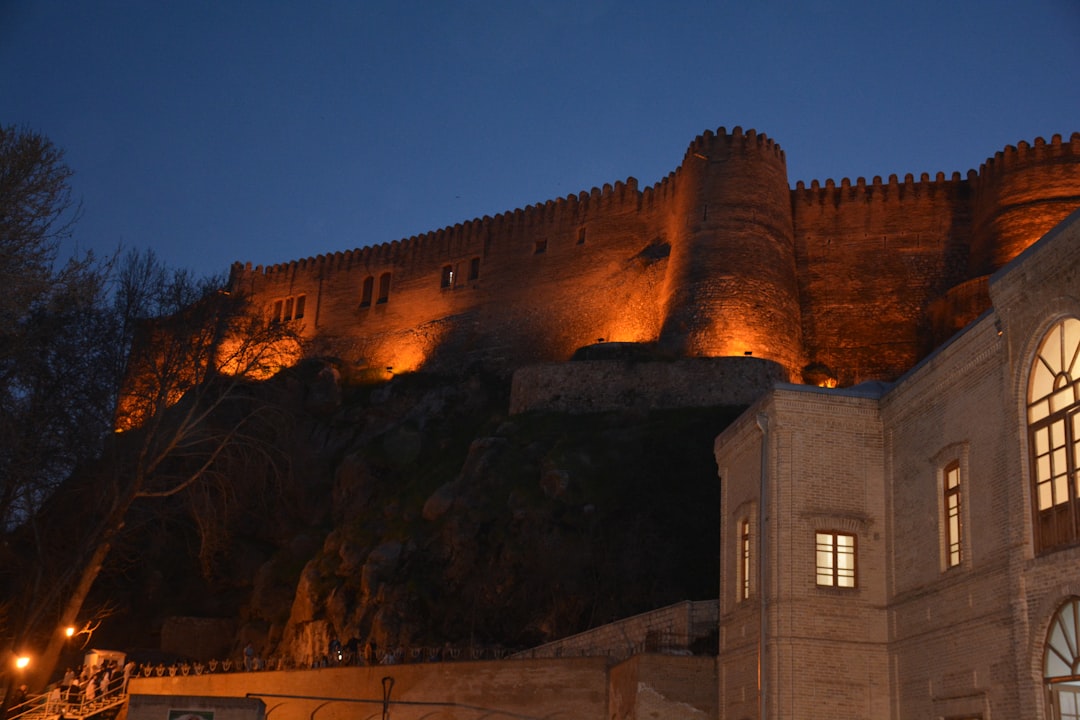
The story of Gjirokastër begins with the mountain. The Kala, the massive fortress that dominates the skyline, was built in the 13th century, but it was the Ottoman conquest in the 15th century that truly defined the city's architectural DNA. Under Ottoman rule, Gjirokastër became a provincial capital, a hub for trade, and a center of power. The Ottomans didn't erase the local building traditions; they adapted them. They took the local limestone and slate and combined them with Ottoman urban planning principles, creating a city that was both a commercial center and a fortified military outpost. Gjirokastër
The identity of the city is inextricably linked to its stone. The "City of Stone" moniker isn't just a tourism slogan; it's a historical fact. The houses were built to withstand earthquakes and sieges, with thick stone walls and heavy slate roofs. The layout of the old town, with its narrow, winding streets, was designed to confuse invaders and control movement. Even today, the social structure of the city reflects this Ottoman heritage. The old merchant families still live in the grand stone mansions, while the working class occupies the smaller, more modest homes that cluster around the central square. The Ottoman legacy is not just in the buildings; it is in the social fabric, the way people interact, and the lingering sense of order that permeates the city.
During the communist era, the city was largely preserved because it was designated as a museum city. While many other Albanian cities were demolished and rebuilt with Soviet-style concrete blocks, Gjirokastër was left intact, albeit neglected. This preservation has allowed the Ottoman architectural legacy to survive in a relatively pure form. Today, the city is a UNESCO World Heritage site, but the real value lies in the daily life that continues within these ancient walls. The stone houses are not just museums; they are homes, shops, and cafes, breathing with the life of the 21st century while standing on the foundations of the 16th.
Where to Go
The Kala Fortress — This is not just a ruin; it is a vertical city within a city. Perched high on the hill, the fortress offers a 360-degree view of the slate roofs below. Inside, you will find Ottoman-era barracks, a mosque, a cistern, and a museum that houses artifacts from the Illyrian, Roman, Byzantine, and Ottoman periods. The climb up is steep, but the view from the top is worth the effort. Entry is 200-300 EUR (approx. 0.20-0.30 EUR, but check current rates as they fluctuate). Best visited early in the morning to avoid the heat and the crowds.
The Ottoman Ethnographic Museum — Housed in the former home of the Qemali family, this mansion is one of the best-preserved examples of Ottoman architecture in the city. The interior is a time capsule, with original furniture, textiles, and household items from the 19th century. The layout of the house, with its inner courtyard and separate living quarters for men and women, reflects the social norms of the Ottoman period. Entry is 500-1000 EUR (approx. 0.50-1.00 EUR). It is a small museum, but the detail is incredible.
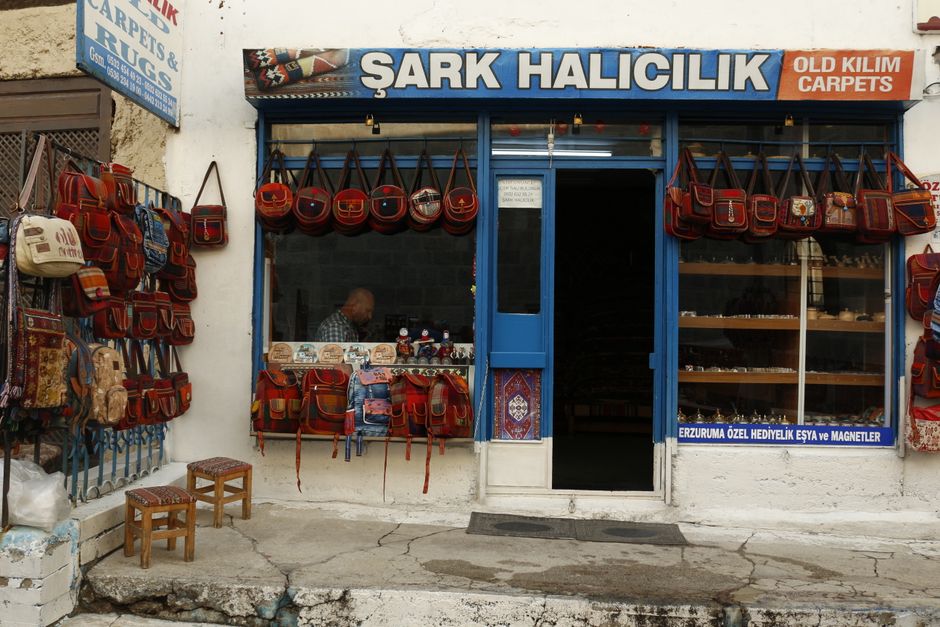
The Bazaar Street — This is the commercial heart of the old town. The street is lined with stone buildings that house shops selling leather shoes, handmade textiles, and local crafts. The architecture here is more modest than the mansions, but the layout is typical of Ottoman bazaars, with narrow streets and covered arcades. It is a great place to people-watch and buy souvenirs. There is no entry fee, just bring cash for your purchases.
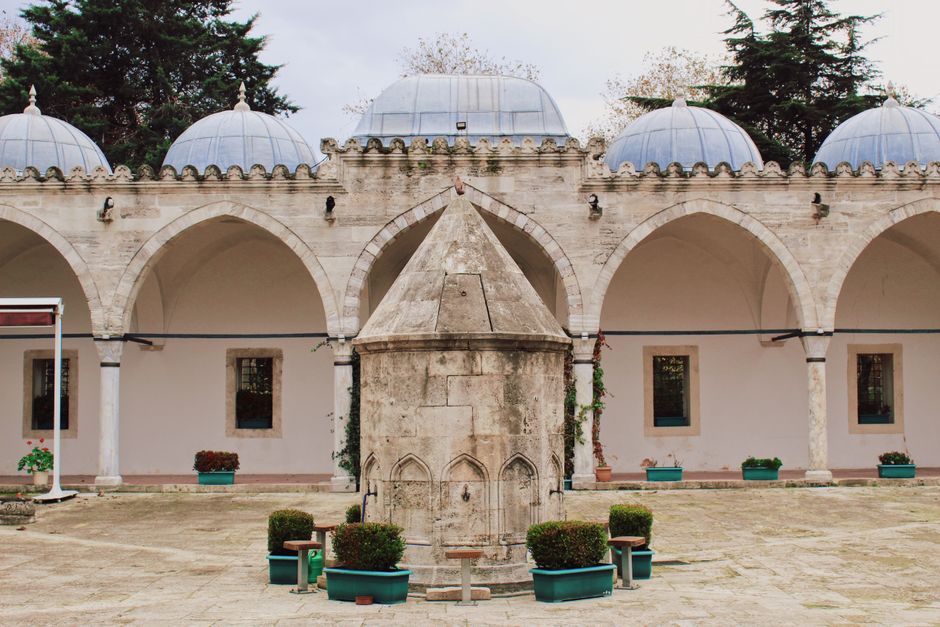
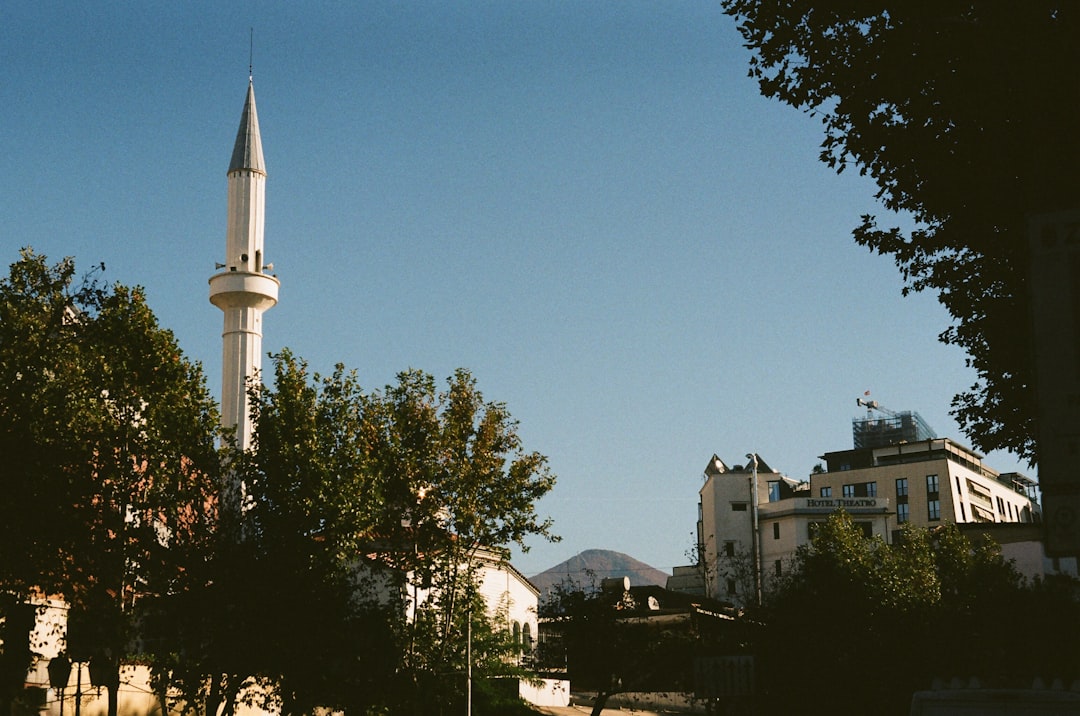
The Mosque of Gjirokastër — Also known as the Tekke Mosque, this is the oldest mosque in the city, dating back to the 16th century. It is a simple structure, but its location near the castle and its well-preserved minaret make it a significant landmark. The mosque is still in use, so visitors should dress modestly and remove their shoes before entering. Entry is free, but donations are appreciated.
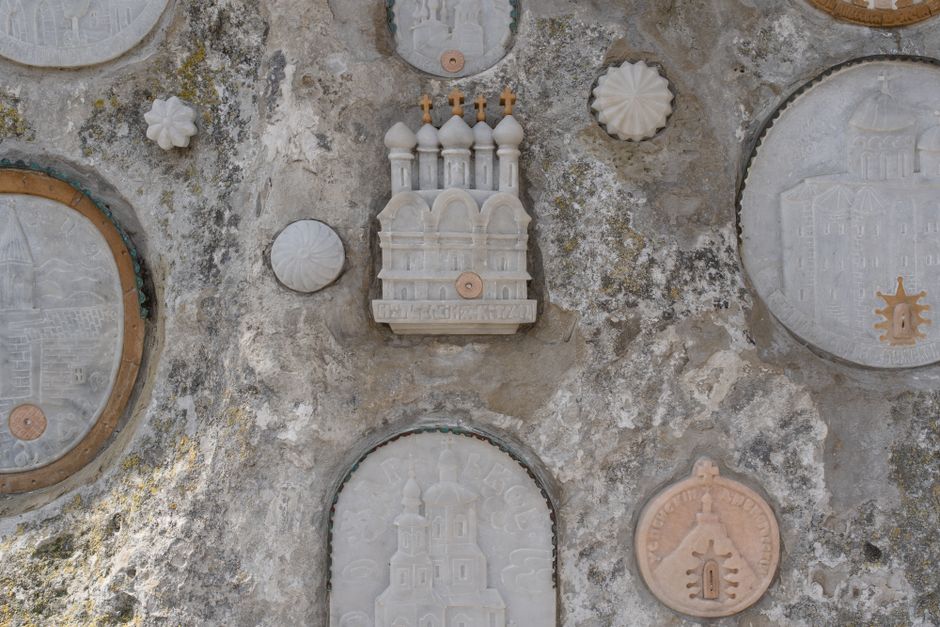
The Marble Church of St. John — While the city is known for Ottoman stone, this church is a reminder of the earlier Byzantine presence. Built entirely of white marble, it stands out against the grey slate and limestone of the surrounding buildings. The church is small and simple, but the quality of the marble work is exceptional. It is located near the castle and is worth a quick visit.
What to Eat & Drink
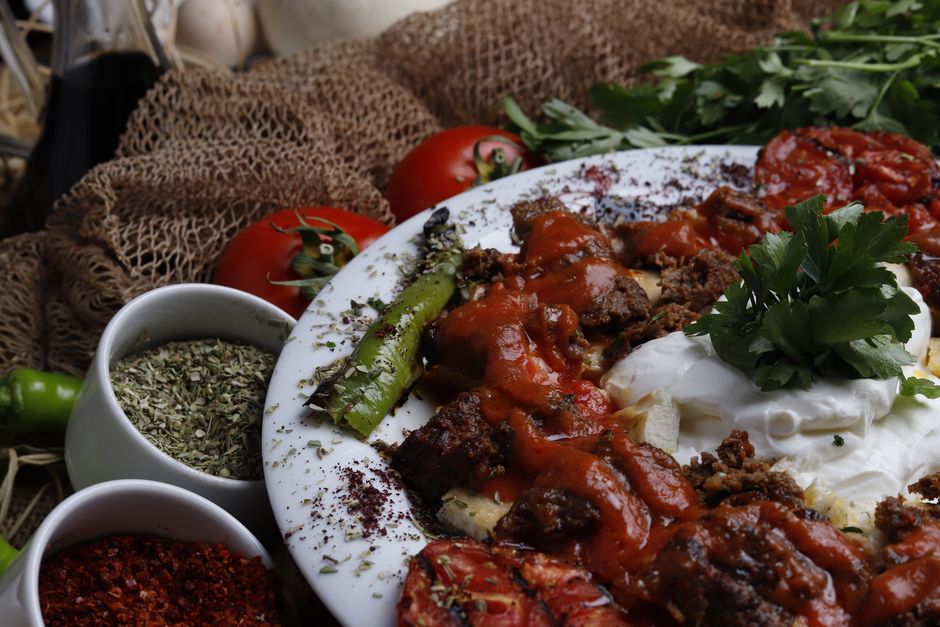
The food in Gjirokastër is a reflection of its mountain location and Ottoman history. Expect hearty, simple dishes made with local ingredients. Byrek — a flaky pastry filled with cheese, spinach, or meat — is a staple, typically costing 1-2 EUR. Tavë Kosi — baked lamb with yogurt and rice — is the national dish of Albania and is excellent here, usually 5-8 EUR per serving. Shepherd's Salad — a fresh salad of tomatoes, cucumbers, onions, and feta cheese — is a refreshing accompaniment to any meal, costing 3-4 EUR. For a sweet treat, try Trilece — a three-milk cake — which is widely available in cafes, costing 2-3 EUR per slice.
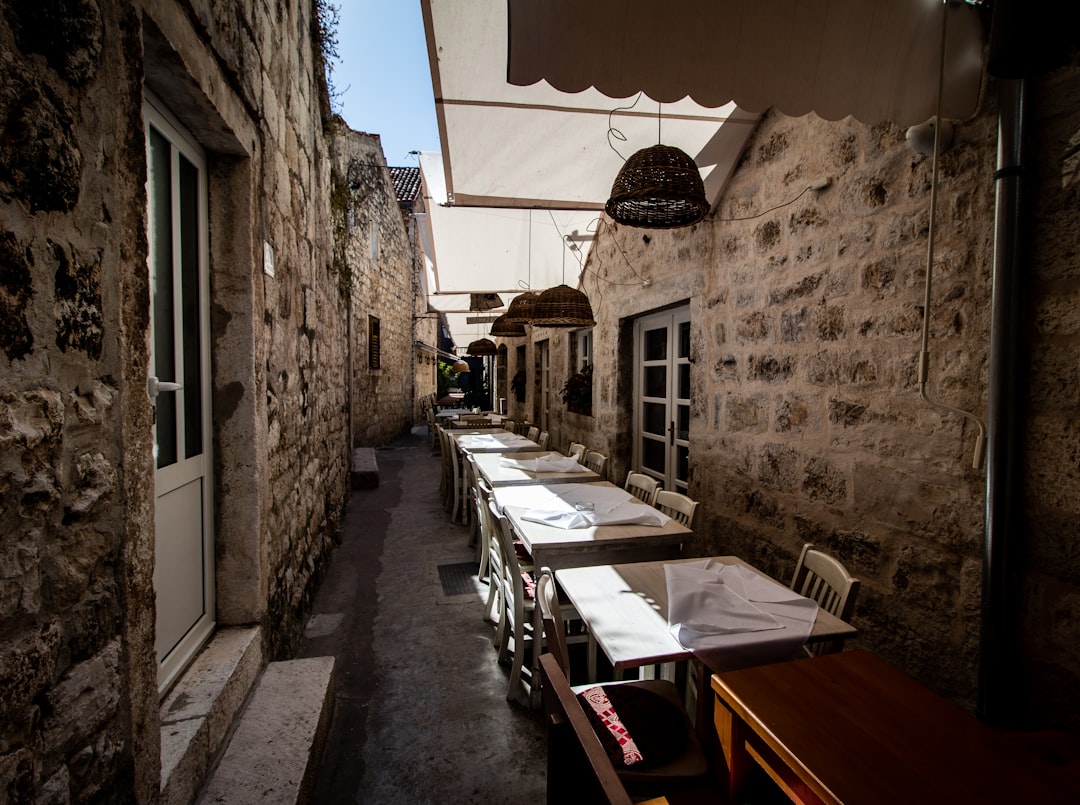
Budget breakdown: Street food and take-away meals, such as byrek or sandwiches, will cost you 3-5 EUR per meal. A sit-down meal at a local restaurant, including a main course and a drink, will cost 8-15 EUR per person. Mid-range restaurants, with a wider menu and better ambiance, will cost 15-25 EUR per person. The Old Town has several restaurants and cafes that cater to tourists, but the best food is often found in the smaller, family-run eateries that are less visible from the main streets. Look for places where locals are eating. Take-away options are plentiful, with several bakeries and sandwich shops offering quick and cheap meals. Food courts are not common in Gjirokastër, but the bazaar area has several small stalls selling snacks and drinks.
Nightlife
Nightlife in Gjirokastër is low-key and centered around the old town. The main bar and club district is around the Skanderbeg Square and the surrounding streets. The atmosphere is relaxed, with outdoor seating and live music on weekends. Bar Kala is a popular spot with a view of the fortress, serving cocktails and local beer. Café Gjirokastër is a more traditional cafe, serving coffee and pastries. Club Gjiro is the main club in town, playing pop and dance music. Cover charges are low, typically 1-2 EUR, and drinks are reasonably priced. The nightlife scene is not vibrant compared to larger cities like Tirana or Saranda, but it is sufficient for a quiet evening.
Getting There & What to Expect
The nearest airport is Tirana International Airport Nënë Tereza, located in the capital city of Tirana. From Tirana, you can take a bus to Gjirokastër, which takes approximately 4-5 hours and costs 5-10 EUR. You can also rent a car and drive, which takes about 3.5 hours and allows you to stop at other attractions along the way. Bus tickets can be purchased at the Tirana bus station or online. The bus station in Gjirokastër is located on the outskirts of the city, and you will need to take a taxi or a local bus to reach the old town.
Accommodation prices in Gjirokastër are reasonable. Budget hostels cost 15-25 EUR per night, mid-range hotels cost 40-70 EUR per night, and luxury hotels cost 80-150 EUR per night. There are also several guesthouses and apartments available for rent, which can be a good option for longer stays. The best months to visit are April to June and September to October, when the weather is mild and the crowds are smaller. Summer can be very hot, and winter can be cold and rainy.
Search accommodation in Gjirokastër on Booking.com →
The Stone That Remembers
As the sun sets over the Drino Valley, the stone houses of Gjirokastër seem to glow with a faint, inner light. It is a strange sensation, standing in a place where history is not just recorded in books but carved into the very walls around you. The Ottoman legacy is not a ghost here; it is the skeleton of the city, the framework that holds everything together. Walking back to my hotel, I felt a strange sense of connection to the people who lived here centuries ago, the merchants, the soldiers, the families who built these houses to last. They succeeded. The stone remains, and so does the story. Gjirokastër is not just a place to visit; it is a place to feel the weight of time, to understand how architecture shapes identity, and to witness the endurance of human ingenuity. It is a city that refuses to be forgotten, and for good reason.
Comments