


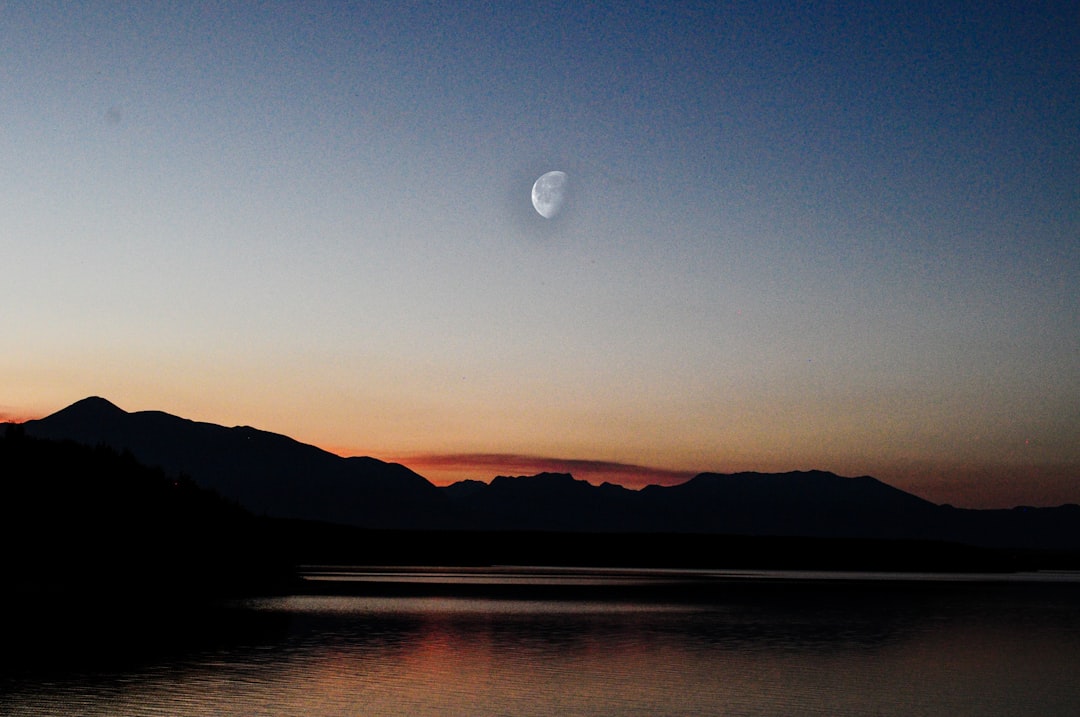
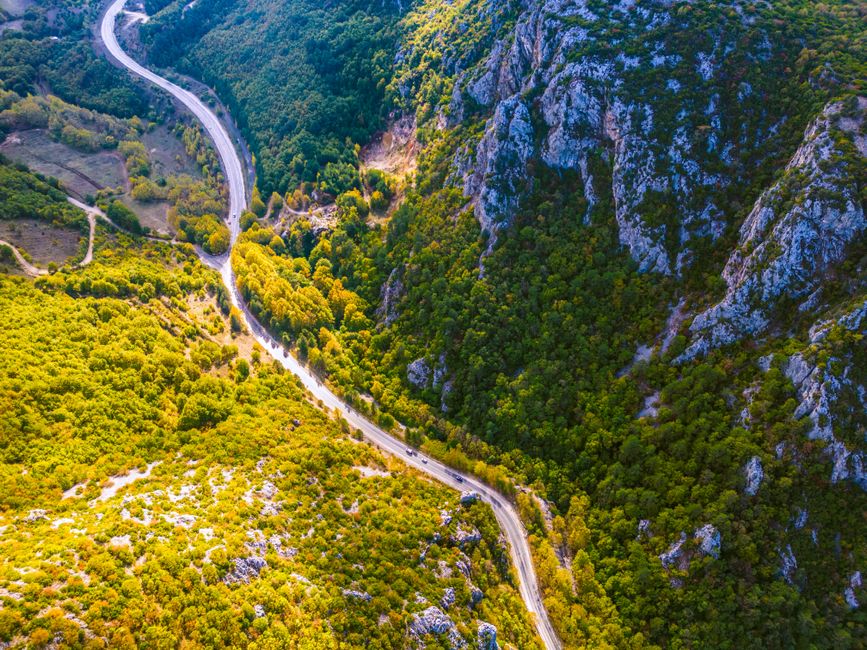
The asphalt ends at Bislat, and the world shrinks to the width of a dirt track. I am sitting on the hood of a rented Skoda, watching a goat with one horn stare at me like I'm the weird one for being here. The air in Gjakova is thick with the smell of roasting coffee and diesel, but up here, ten kilometers out, it just smells like pine and wet stone. A local shepherd, wrapped in a fleece vest that has seen three decades of winters, offers me a sip of raki from a plastic bottle. It burns going down, sharp as a knife. He points a calloused finger toward the jagged spine of the Bjeshkët e Nemuna range and says something I don't catch, but the gesture is clear: "That way. Up. Where the maps stop."
Kosovo is often reduced to headlines and political diagrams, but the mountains around Gjakova operate on a different frequency. This is a place where time is measured in harvests and snowfall, not elections. I came here to find the mountain villages that cling to the slopes like barnacles, places where the stone houses seem to grow out of the earth rather than being built upon it. It is a landscape of brutal beauty, where the hospitality is fierce and the silence is heavy enough to weigh on your chest. This isn't a gentle hike; it's an immersion into a world that has survived empires by staying small, stubborn, and deeply connected to the land.
History & Identity
The region around Gjakova has been a crossroads for centuries, a buffer zone between the Ottoman Empire and the Habsburg powers, and later a battleground for modern national identities. The mountain villages were not just settlements; they were fortresses. Built from local limestone and slate, the traditional houses feature thick walls designed to withstand winter cold and, historically, conflict. The architecture is a language of survival. You see it in the qafa (pass) routes that connect these isolated hamlets, paths worn smooth by generations of shepherds, traders, and fighters.
Identity here is tied to the kanun, the ancient customary law of the Albanian highlands. While modern Kosovo is a young state, the social codes of these villages are old. Honor, hospitality, and family lineage dictate social interactions. To enter a village home is to enter a sacred space. The odaja, or guest room, is always prepared, even if the family is struggling. This isn't just politeness; it's a moral imperative. The history of the region is written in these stone walls, in the names of the peaks, and in the stories told over cups of thick, sweet tea. It is a resilience forged in isolation, a quiet defiance against the forces that have tried to erase or control this land.
Where to Go
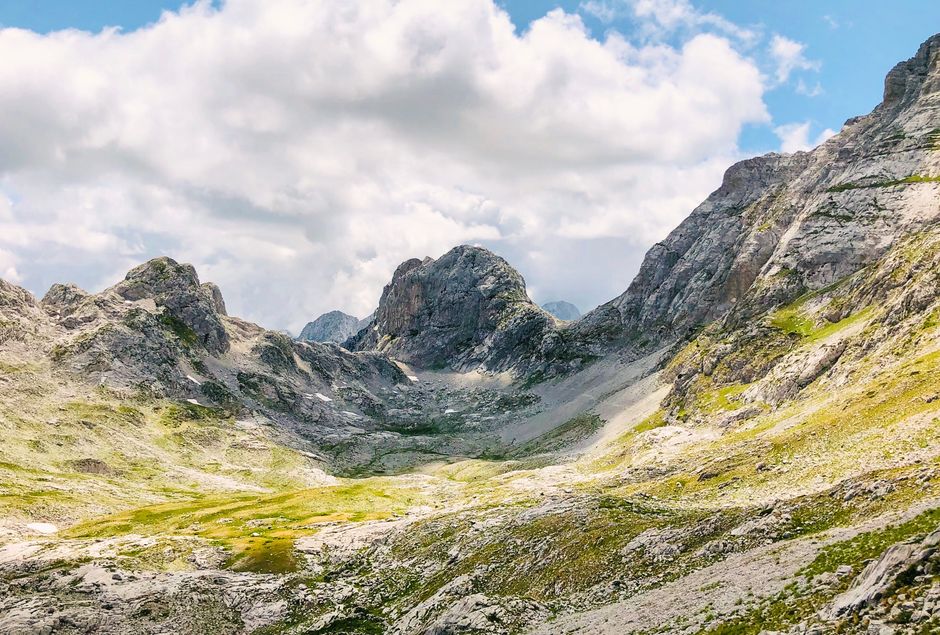
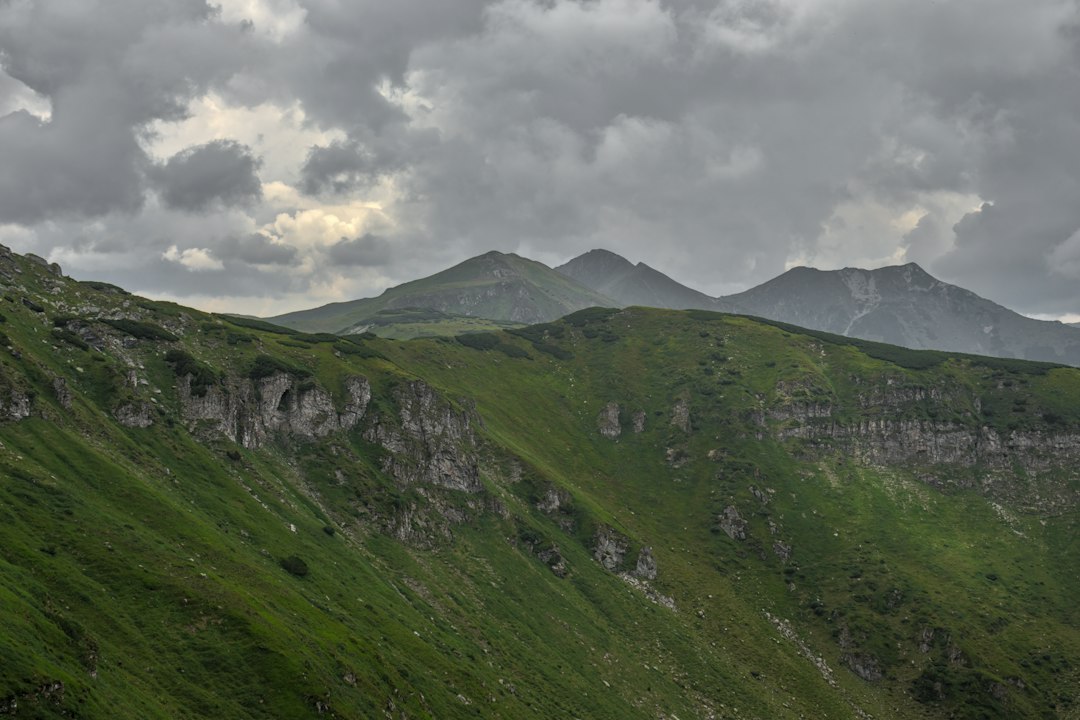
Bislat — The gateway to the high peaks, Bislat is a small village that serves as the primary trailhead for accessing the upper valleys of the Bjeshkët e Nemuna. It is not a tourist hub; it's a living community. The main attraction is the view: a sweeping panorama of the Prokletije mountains, with snow-capped peaks rising abruptly from green valleys. In summer, it's a base for hikers; in winter, it's a quiet retreat. There are no entry fees, just the cost of your respect for the locals. Visit early in the morning to catch the mist rolling off the ridges.
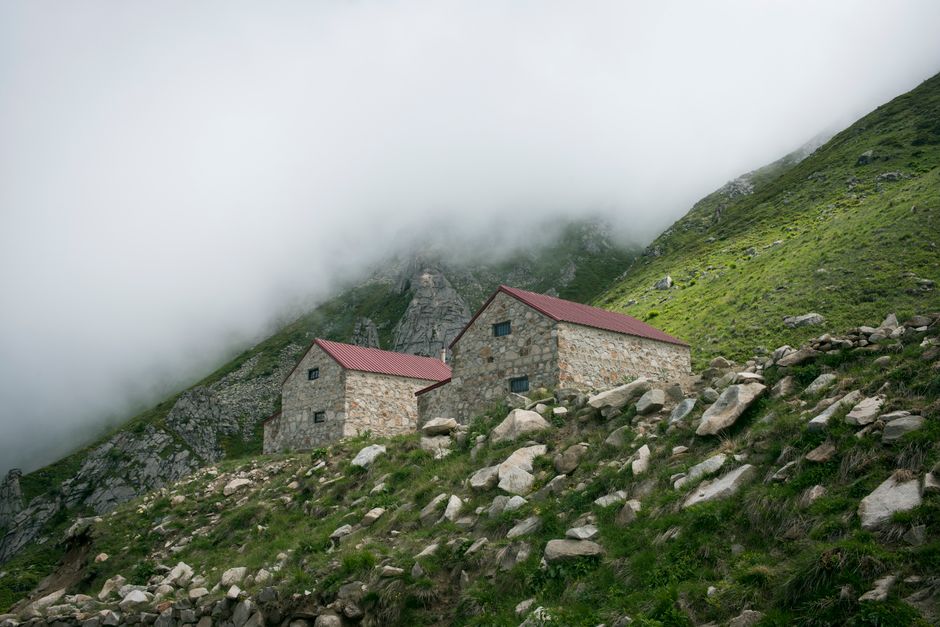
Murati Castle Ruins — Perched on a hill near Bislat, the ruins of Murati Castle offer a stark reminder of the region's turbulent past. The structure is crumbling, with only fragments of walls and towers remaining, but the strategic position is undeniable. You can climb the short path to the site for a free, unguided tour of history. The view from the top includes the entire Gjakova valley. It's a place for contemplation, not just sightseeing. Bring sturdy shoes; the terrain is rocky and uneven.
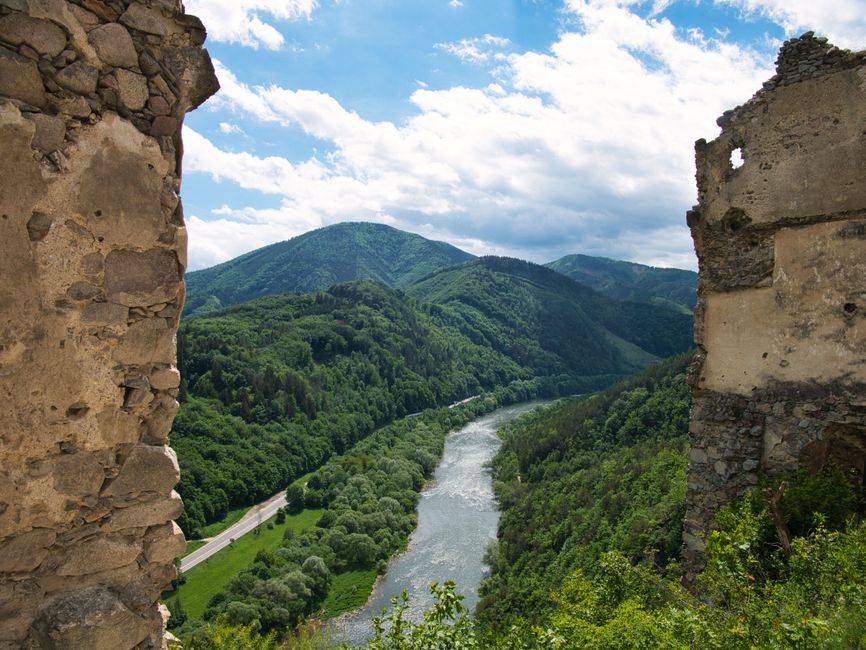
Grnčar Village — A traditional stone village located in the upper reaches of the Drin i Bardhë valley. Grnčar is known for its well-preserved Ottoman-era architecture, with wooden balconies and thick stone walls. The village is small, with only a handful of inhabited houses, making it an intimate encounter with rural life. Locals are known for their pottery and weaving. It's a place to slow down, talk to residents, and understand the rhythm of mountain life. Entry is free, but buying a small craft from a local is a good gesture.
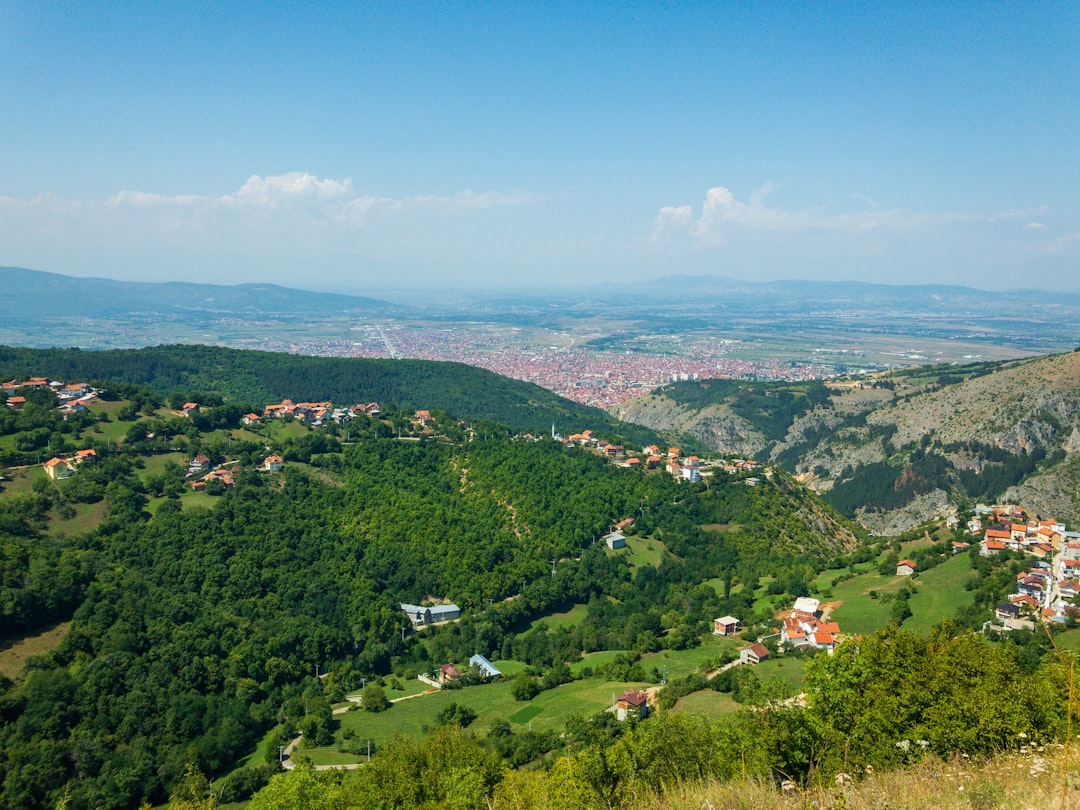
Shoshni Pass — A high mountain pass that connects the Gjakova region with the Albanian Alps. It's a dramatic landscape, with steep cliffs and narrow trails. The pass is a key route for shepherds moving livestock between summer and winter pastures. Hikers can traverse the pass for a challenging day trip, with views of the Jezerce mountains. The road is rough and often unpaved, so a 4x4 vehicle is recommended if you're driving. The best time to visit is late spring or early autumn, when the wildflowers are blooming or the leaves are turning.
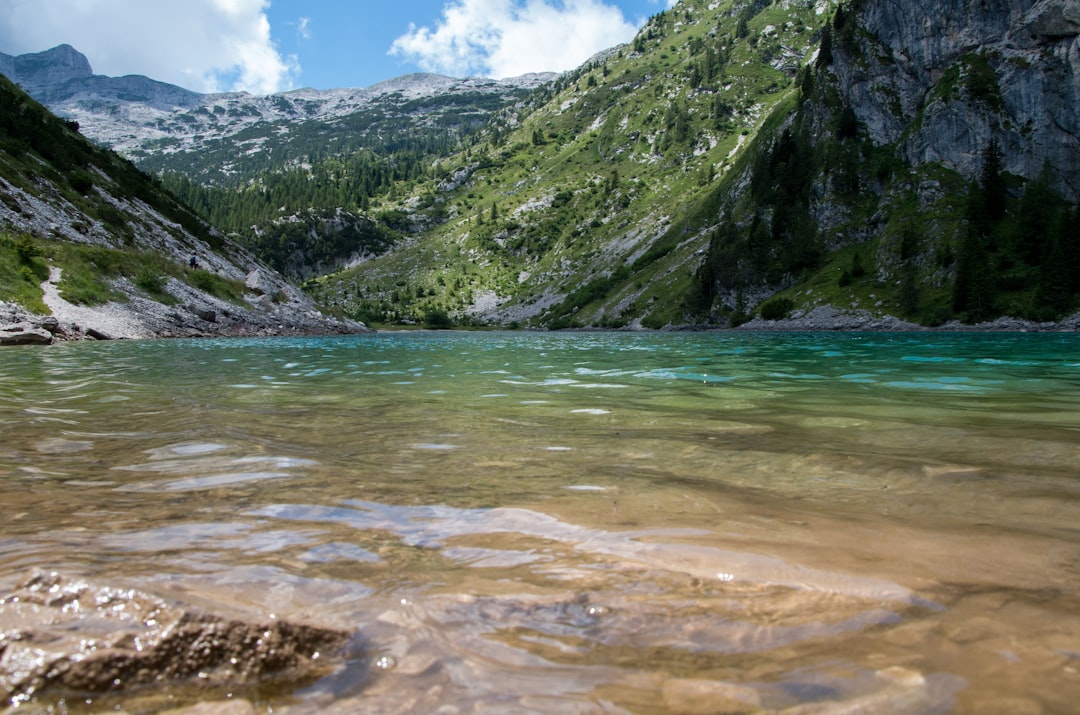
Bajram Curri Border Area — While technically near the border with Albania, the approach from the Gjakova side offers a raw, rugged landscape. This area is part of the larger Prokletije range, known for its high peaks and deep gorges. It's a place for experienced hikers, with limited infrastructure. The beauty is wild and untamed, with jagged peaks and alpine lakes. Visiting requires careful planning and respect for border regulations. It's not a casual day trip; it's an expedition.
What to Eat & Drink
The food in these mountain villages is simple, hearty, and deeply rooted in tradition. You won't find fancy restaurants here; you'll find home-cooked meals served in family homes or small, local taverns. The ingredients are local: lamb, goat, potatoes, beans, and wild herbs. The cooking methods are slow and deliberate, designed to extract maximum flavor from simple ingredients. It's food that fuels you for a day of hiking or hard labor.
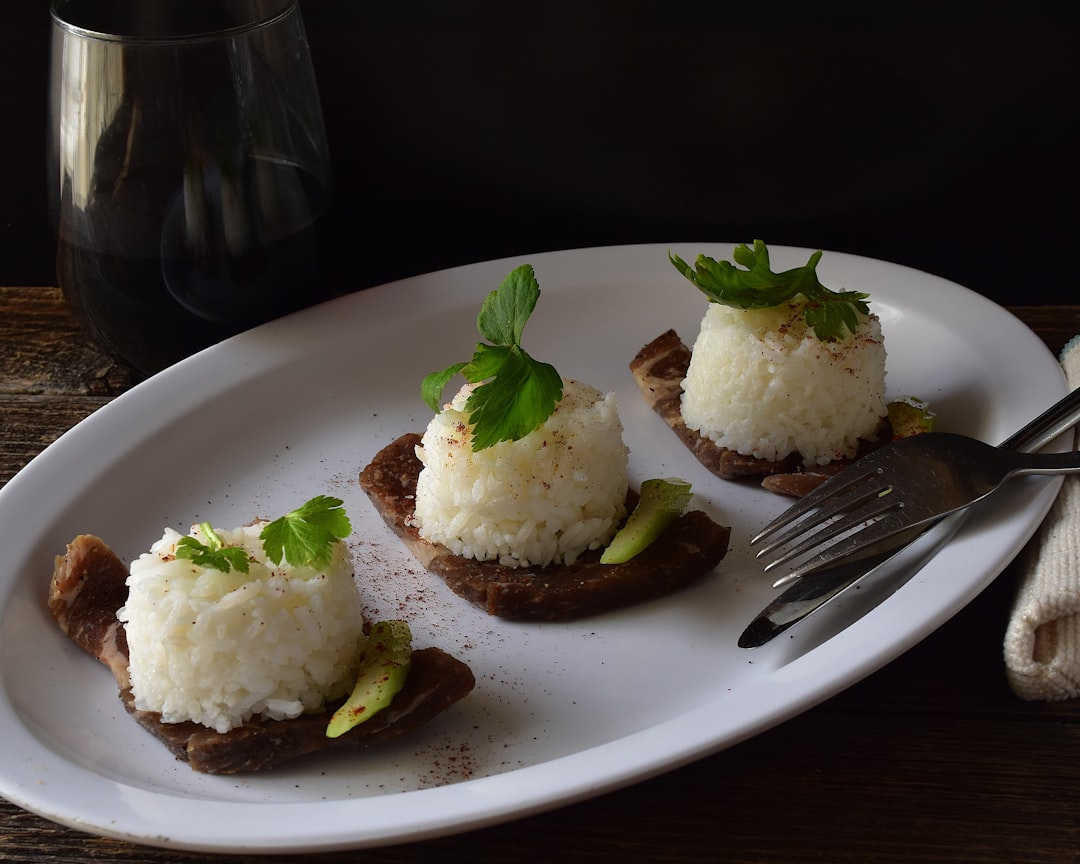
- Tavë Kosi — Baked lamb or chicken with yogurt and rice. A national dish, but in the mountains, it's made with local lamb and free-range eggs. Price: 6-8 EUR per serving.
- Byrek — Flaky pastry filled with cheese, spinach, or meat. Often eaten for breakfast or as a snack. Price: 1-2 EUR per slice.
- Flia — Thin, sweet pancakes filled with jam, honey, or walnuts. A traditional dessert, often served with coffee. Price: 2-3 EUR per plate.
- Raki — Fruit brandy, usually made from plums or grapes. It's strong, clear, and served in small glasses. Price: 2-4 EUR per shot.
Budget travelers can survive on street food and take-away options in Gjakova town for 5-8 EUR per meal. Sit-down meals in local village homes or small taverns range from 8-15 EUR per person, depending on the dish and whether you include drinks. Mid-range restaurants in Gjakova town cost 15-25 EUR per person. For budget travelers, markets in Gjakova offer fresh produce, cheese, and bread for cheap. There are no food courts in the villages, but small kiosks sell basic snacks and drinks.
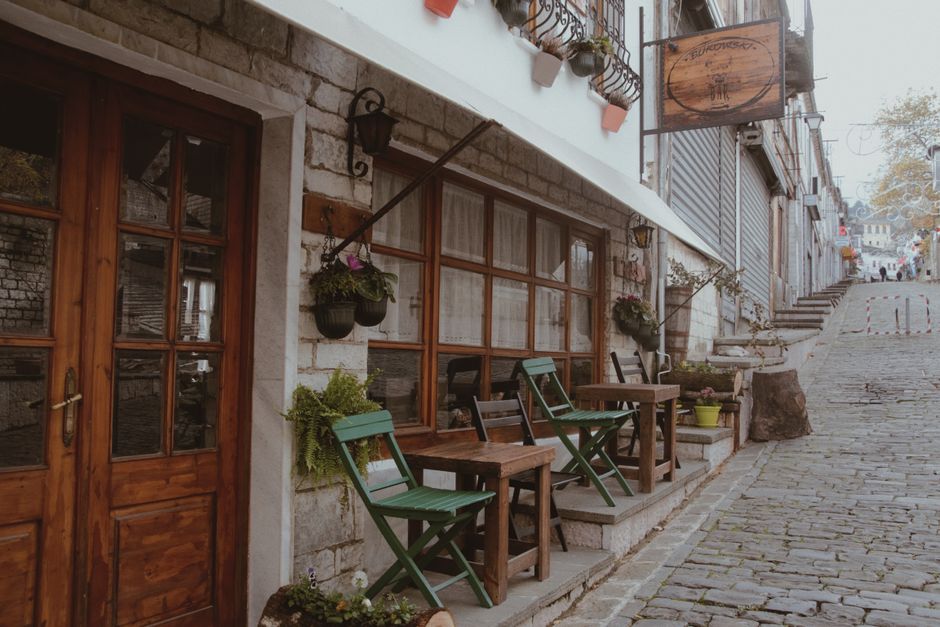
The main food scene is in Gjakova town, specifically around the Old Bazaar (Baza i Vjetër). Here, you'll find traditional cafes, bakeries, and small restaurants serving local dishes. It's a lively area, with the smell of coffee and baking bread in the air. For a more authentic experience, ask locals to recommend a home-cooked meal in one of the surrounding villages. It's not just about the food; it's about the hospitality and the stories.
Nightlife
Nightlife in the mountain villages is non-existent. When the sun goes down, the villages go quiet. There are no clubs, no bars, no neon lights. The "nightlife" is sitting on a porch, drinking raki, and talking to locals under a sky full of stars. It's a different kind of experience, one that values silence and connection over noise and spectacle.
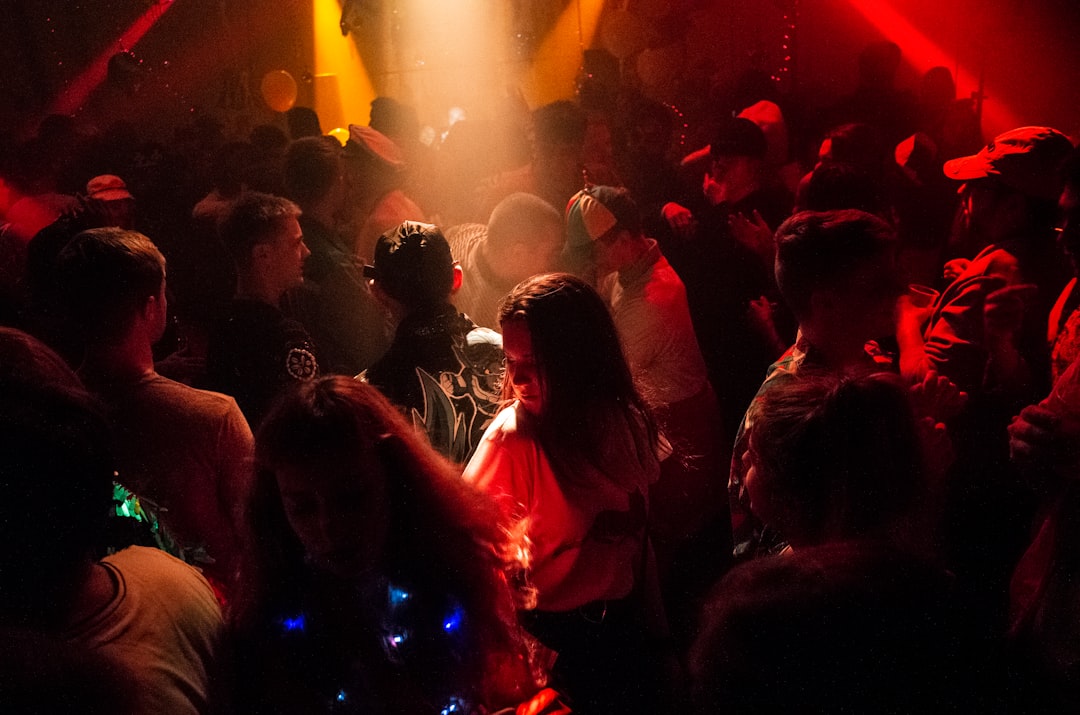
In Gjakova town, however, there is a vibrant nightlife scene. The main area is around the City Park and the Old Bazaar, where you'll find cafes, bars, and small clubs. The atmosphere is relaxed, with young people gathering to drink, dance, and socialize. Music is a mix of local Albanian pop, Balkan hits, and international tracks. Cover charges are low, usually 2-5 EUR or free if you buy drinks.
Some well-known venues include Cafe Bar Qafa, a popular spot with a rooftop view of the city, and Club Kova, a larger club with live DJs and dancing. The scene is friendly and welcoming, with locals and tourists mixing easily. It's a good place to unwind after a day of hiking, to listen to music, and to meet people. But remember, this is only in the town. The villages offer a different, quieter kind of night.
Getting There & What to Expect
The nearest airport is Pristina International Airport, about 80 kilometers from Gjakova. From Pristina, you can take a bus or a taxi to Gjakova. The bus takes about 1.5 hours and costs 3-5 EUR. A taxi will cost 40-60 EUR and takes about 1 hour. From Gjakova town, you can hire a local driver or take a minibus to Bislat or other villages. A private driver for a day trip costs 50-80 EUR.
Accommodation in Gjakova town ranges from budget hostels at 15-25 EUR per night to mid-range hotels at 30-50 EUR per night. In the villages, there are few formal accommodations; most visitors stay in guesthouses or with local families. Prices vary, but expect to pay 20-40 EUR per night for a room with breakfast. Camping is possible in some areas, but you need permission from locals and should leave no trace.
The best months to visit are May to October, when the weather is mild and the trails are accessible. Winter is harsh, with heavy snow and closed passes. Spring can be muddy, and autumn can be cold. The landscape is beautiful year-round, but the conditions dictate the experience. Expect raw, unpolished tourism: no signposts, no tourist offices, no English menus. But you'll get authenticity, hospitality, and landscapes that will stay with you long after you leave.
Search accommodation in Gjakova on Booking.com →
The Silence After the Raki
I left Bislat at dusk, the sky turning a deep, bruised purple over the peaks. The shepherd who had given me the raki was gone, retreated into his stone house for the night. The only sound was the wind in the pines and the distant bleating of a goat. I drove down the winding road, the headlights cutting through the darkness, feeling the weight of the mountains pressing down on me. It wasn't a comfortable feeling, but it was a real one. In a world of noise and speed, these villages offer something rare: silence. Not the absence of sound, but the presence of something deeper. A reminder that the earth is old, that people are small, and that some things — like stone, like memory, like hospitality — endure. I didn't find answers in Gjakova's peaks. I found questions. And that, perhaps, is the point.
Comments