


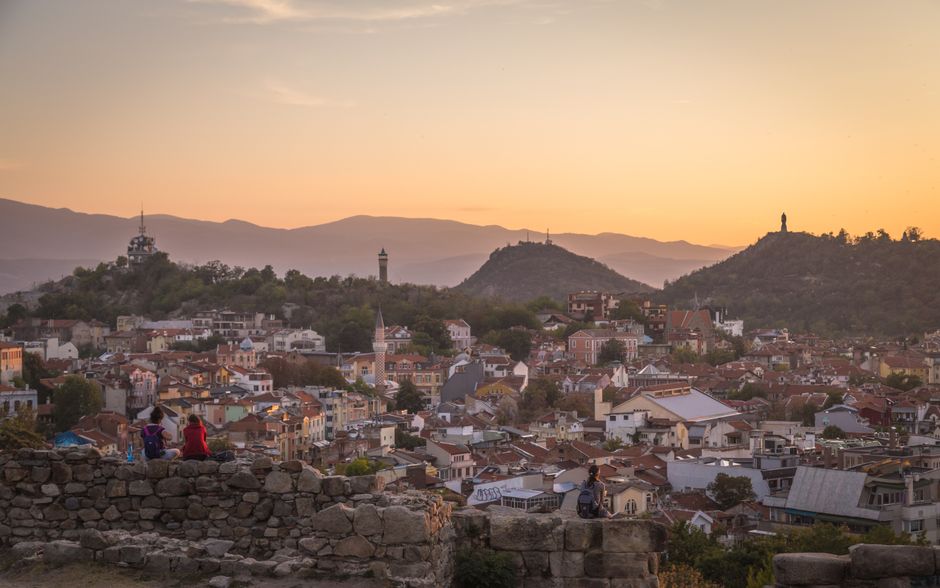
The air in Plovdiv tastes like roasted coffee beans and old dust. It is 2:00 AM, and I am standing in the shadow of the Old Town, my boots scuffing against cobblestones that have seen empires rise and crumble. A stray cat with one ear missing judges me from atop a stack of crates outside a shuttered gallery. This is not the Plovdiv you see in the glossy brochures with the sun-drenched rose fields. This is the raw, electric underbelly of Bulgaria's cultural capital, where the ghosts of Roman senators mix with the bass thumping from basement clubs. I am here to chase the line between the ancient and the absurd, walking from the silent grandeur of the Roman Theater down into the neon-soaked veins of Kapana.
Most tourists treat Plovdiv like a museum. They take their photos, buy their souvenir spices, and retreat to their hotels. But the city only truly wakes up when the sun dies. The transformation is violent and beautiful. The quiet dignity of the archaeological sites gives way to the chaotic energy of the bohemian quarter. This walk is not just a tour; it is a collision of timelines. You step out of the 2nd century AD and directly into the 21st-century Balkan avant-garde. It is disorienting, exhilarating, and utterly unforgettable.
History & Identity
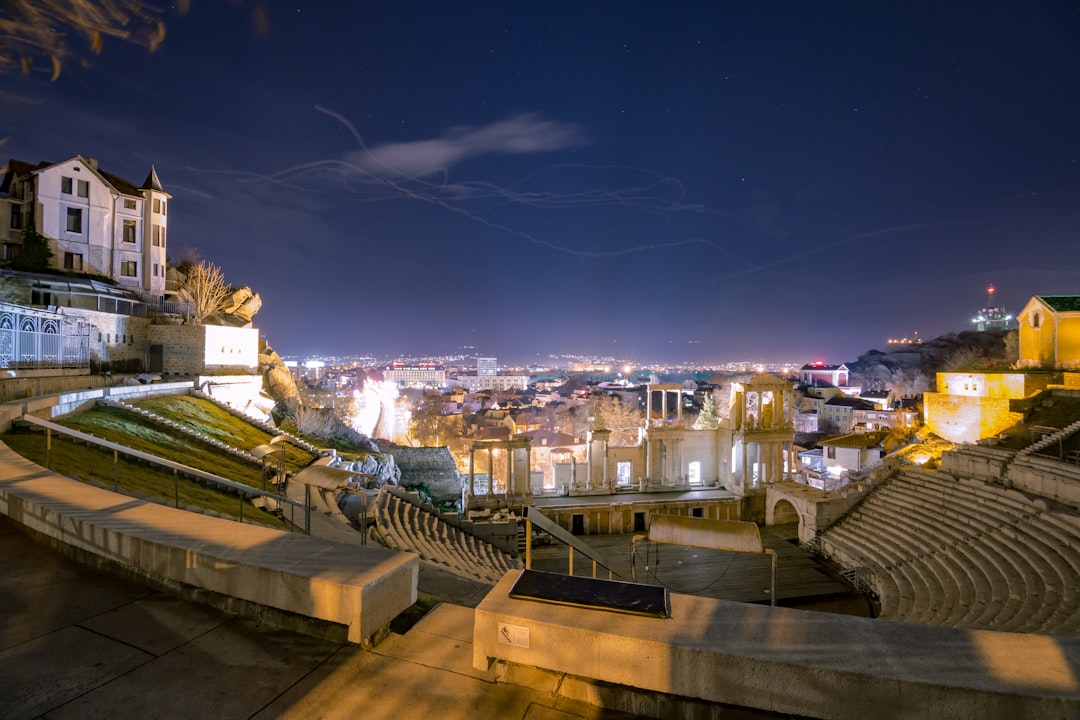
Plovdiv is not just a city; it is a geological layer cake of human ambition. Founded over 6,000 years ago, it claims to be one of the oldest continuously inhabited cities in Europe. But its identity is defined by its Roman roots. The Roman Theater is not a ruin to be admired from a distance; it is a functioning stage that still hosts performances today, a testament to the engineering genius that built this place. The theater was constructed in the 1st century AD, carved directly into the slope of Nemetska Hill. It could seat 5,000 spectators who came to watch gladiatorial games and theatrical performances, much like the crowds that flock here now, but for a different kind of spectacle.
The city's modern soul, however, beats in Kapana. The name comes from the Turkish word for "cage" or "jail," referring to the narrow, winding streets that once confined the Ottoman-era artisans and merchants. In the 19th century, this area became the industrial heart of Plovdiv, filled with textile factories and workshops. After the fall of communism, the factories fell silent, and the buildings began to crumble. But instead of being demolished, they were repurposed. In the early 2000s, artists, designers, and rebels moved in, turning the decaying warehouses into galleries, cafes, and studios. This organic regeneration turned Kapana into the creative engine of the city, a place where history is not preserved in amber but lived in.
The connection between the Roman Theater and Kapana is not just geographical; it is spiritual. Both are places of performance and creation. The theater represents the classical order, the structured beauty of the past. Kapana represents the chaotic innovation of the present. Walking between them is like walking between two halves of the Balkan psyche: the reverence for history and the desperate need to reinvent it. This duality is what makes Plovdiv compelling. It is not trying to be something it is not. It is proudly, loudly, itself.
Where to Go
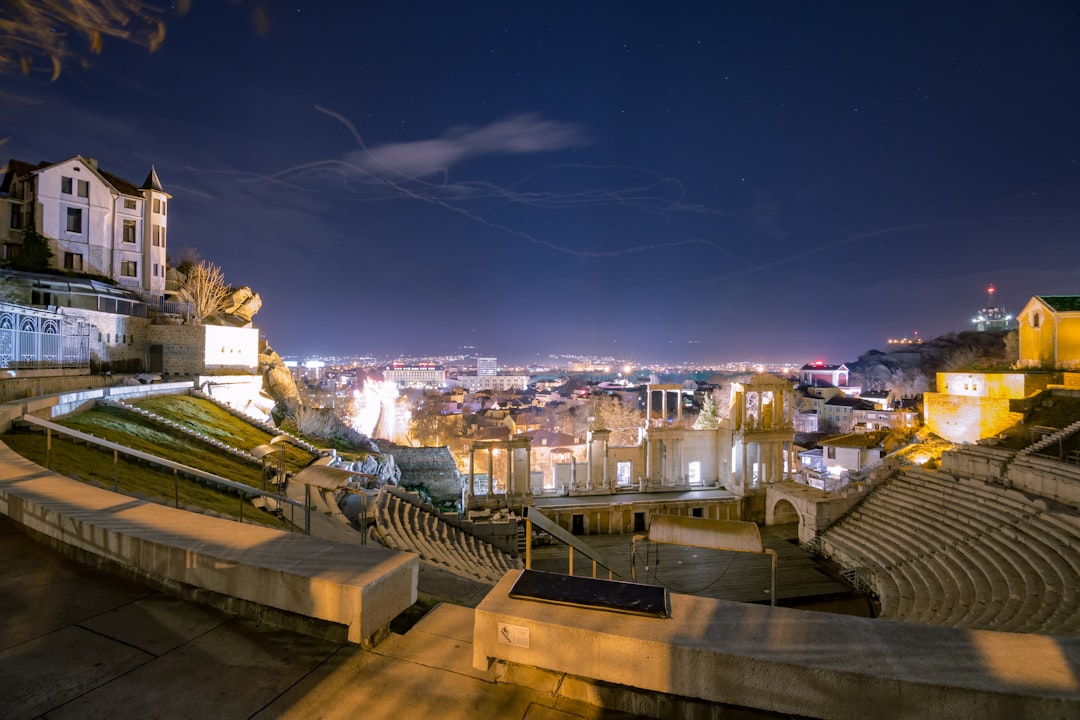
Roman Theater — The anchor of the walk. This is not a dusty ruin; it is a vibrant cultural space. The stone seats are worn smooth by centuries of bodies, and the stage is often lit for evening concerts. The view from the upper tiers looks out over the modern city, a surreal juxtaposition of ancient stone and neon lights. Entry is free, but donations are appreciated. The best time to visit is just after sunset, when the lights come on and the acoustics are perfect for listening to the city breathe. The theater is located at the foot of Nemetska Hill, easily accessible from the Old Town.
Nemetska Hill — Also known as Banya Hill, this is the geological spine of the Old Town. The steep, narrow streets are lined with Ottoman-era houses, many of which have been converted into boutique hotels and restaurants. The climb is short but steep, and the view from the top is worth the effort. You can see the entire city spread out below, from the river Maritsa to the industrial districts. The hill is dotted with small churches and archaeological sites, including the Roman Fortress. It is a perfect place to pause and catch your breath before descending into the chaos of Kapana.
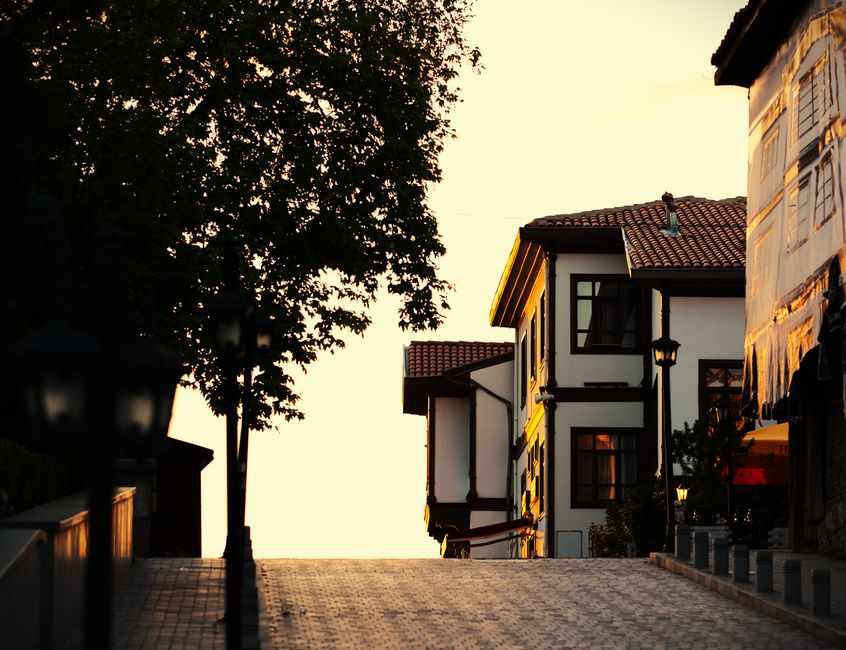
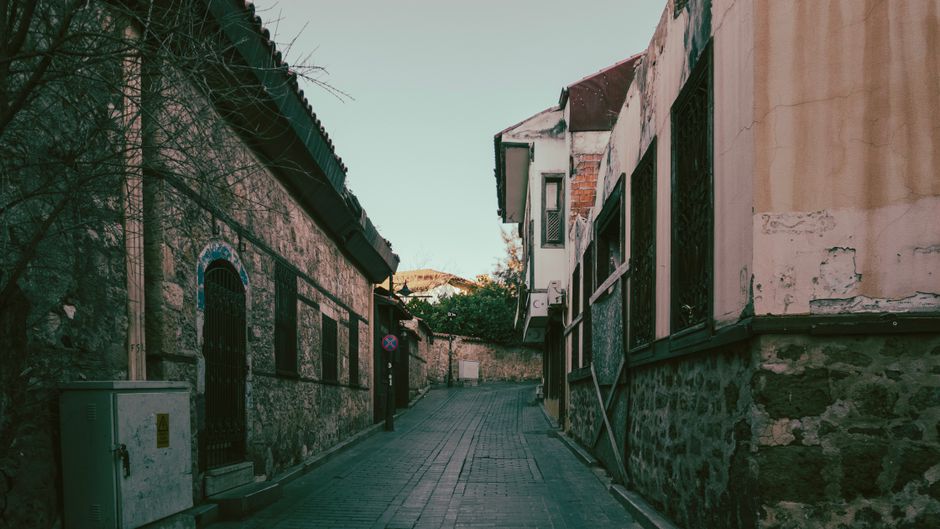
Kapana District — The heart of the walk. This is a maze of narrow streets and hidden courtyards, each one more vibrant than the last. The area is filled with street art, pop-up galleries, and independent shops. The atmosphere is electric, especially on weekends. You will find everything from vintage clothing stores to experimental art spaces. The district is best explored on foot, allowing you to stumble upon hidden gems and local secrets. The central square, Square of the Arts, is the main hub, but the real magic is in the side streets.
Rotonda of Galerius — A massive Roman structure that stands as a testament to the city's imperial past. Built in the early 4th century AD, it was part of a larger complex that included a triumphal arch and a church. Today, it houses a museum of ancient art, but the exterior is impressive enough on its own. The red brick dome is a striking feature, especially at night when it is illuminated. It is located near the Kapana district, making it a perfect stop on the walk. The museum entry is 5 EUR, and it is open until late on weekends.
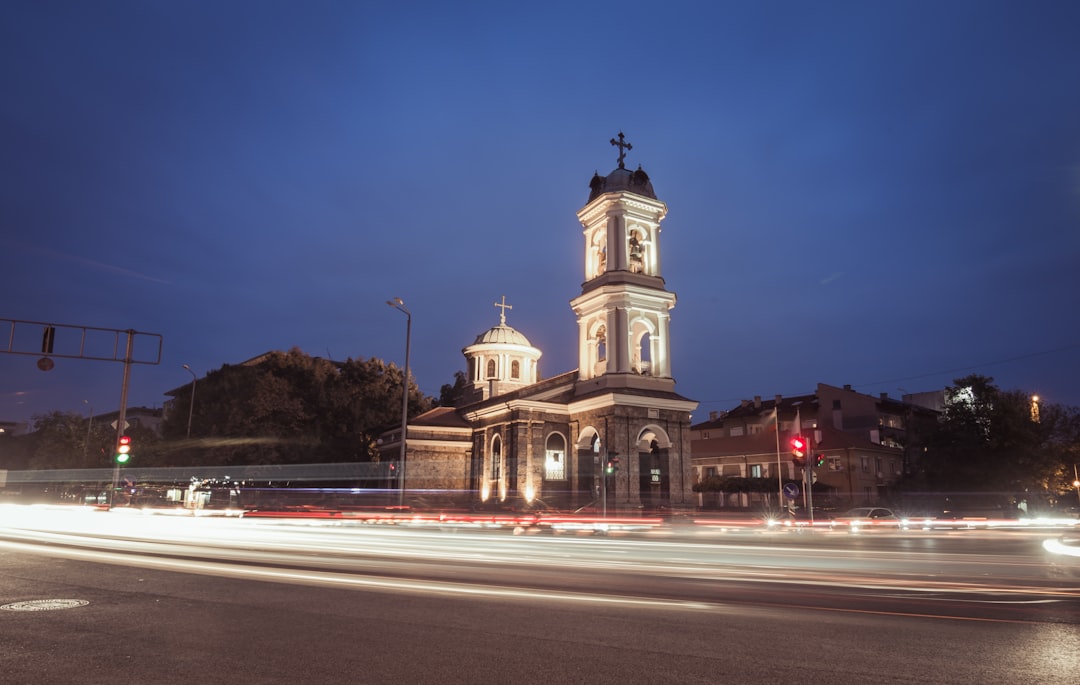
Old Town Synagogue — A hidden gem in the heart of the Old Town. This is the oldest synagogue in Bulgaria, dating back to the 14th century. It is a small, unassuming building, but the interior is richly decorated with Ottoman-era tiles and woodwork. The synagogue is not open to the public regularly, but it is worth trying to catch a special tour or event. The surrounding area is quiet and peaceful, a stark contrast to the noise of Kapana. It is a reminder of the diverse communities that have called Plovdiv home.
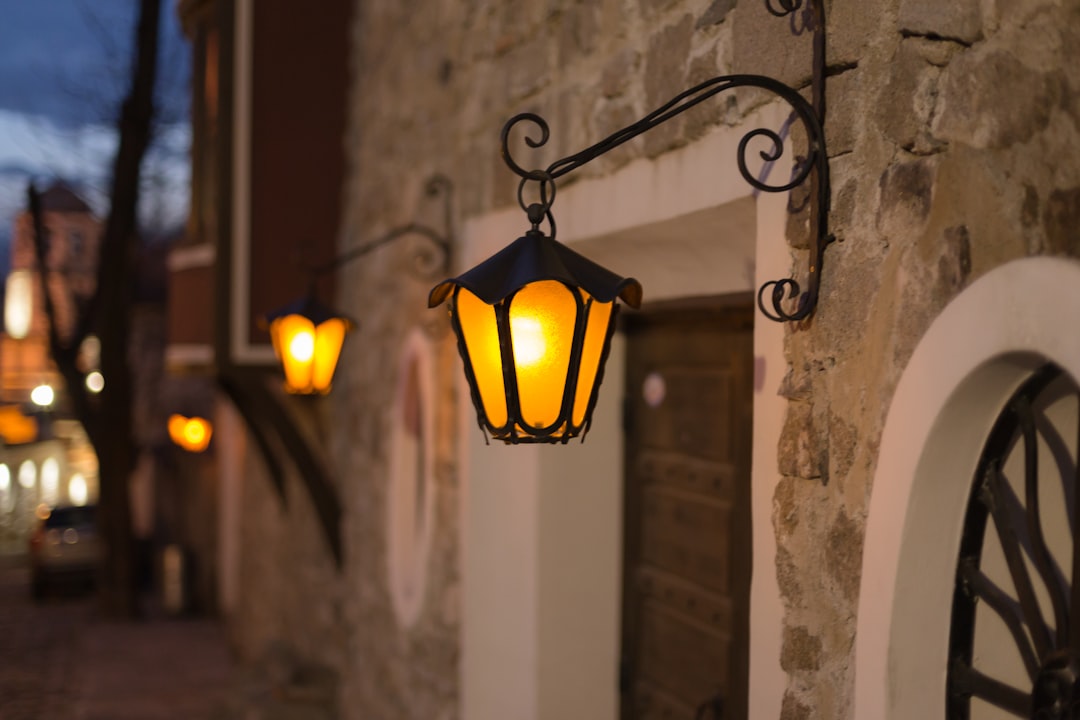
What to Eat & Drink
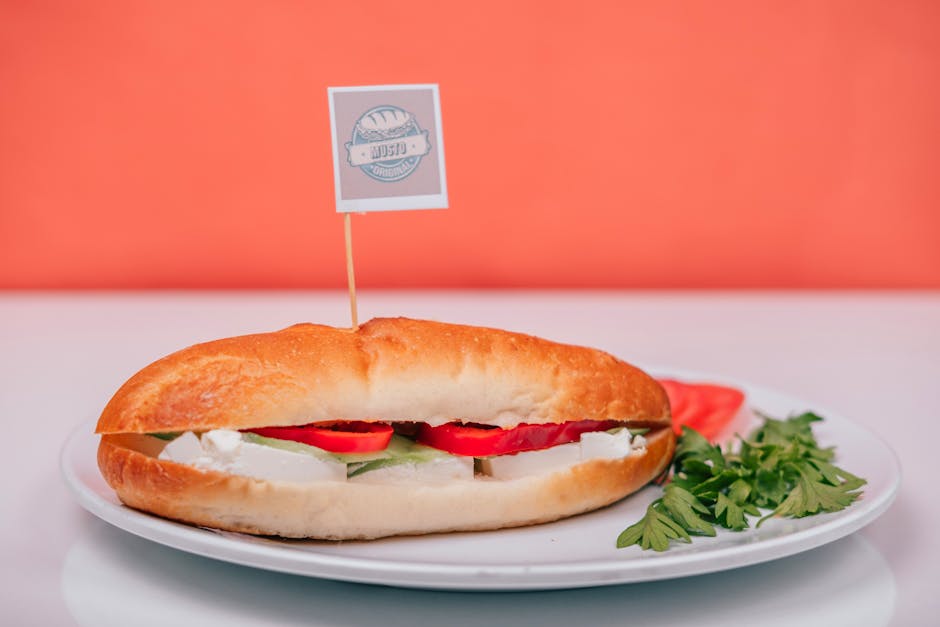
The food scene in Plovdiv is a reflection of its history: a mix of Ottoman, Balkan, and modern European influences. In Kapana, you will find a concentration of high-quality cafes and restaurants, but the best food is often found in the Old Town. Shopska Salata is a must-try, a fresh salad of tomatoes, cucumbers, onions, and peppers, topped with grated sirene cheese. It is light, refreshing, and perfect with a cold beer. Kravatski is a local specialty, a dish of roasted lamb with potatoes and peppers. It is hearty and flavorful, ideal for a chilly evening. Baklava is ubiquitous, but the version in Plovdiv is particularly good, with thin layers of phyllo and a sweet walnut filling. Lyutenitsa is a spicy tomato and pepper relish that is a staple of Bulgarian cuisine. It is perfect on bread or as a condiment for meat dishes.
Budget travelers will find plenty of options under 5 EUR per meal, including banitsa (cheese pastry) and kyufte (meatballs). Mid-range restaurants charge 10-20 EUR per person for a main course and a drink. High-end dining can cost 30-50 EUR per person. The Central Market Hall is a great place to sample local foods, with vendors selling everything from fresh produce to traditional cheeses. The Old Town has a concentration of cafes and restaurants, but Kapana is more expensive. For a true local experience, try the street food stalls in the market area, where you can find sarmi (stuffed grape leaves) and tarator (cold yogurt soup) for 2-4 EUR.
For a nightcap, head to Old Town Bar in the Old Town, where you can find a wide selection of local wines and rakia. Underdogs in Kapana is a popular spot for craft beer and live music. Cafe de Roka is a historic cafe in the Old Town, known for its traditional Bulgarian coffee and pastries. The beer culture in Plovdiv is strong, with local breweries producing high-quality craft beers. Chateau Plovdiv is a local favorite, known for its lagers and pilsners. The wine scene is also growing, with many local wineries producing excellent wines from the Thracian Valley. Kapana has a number of wine bars, where you can sample local varieties like Mavrud and Grozde.
Nightlife
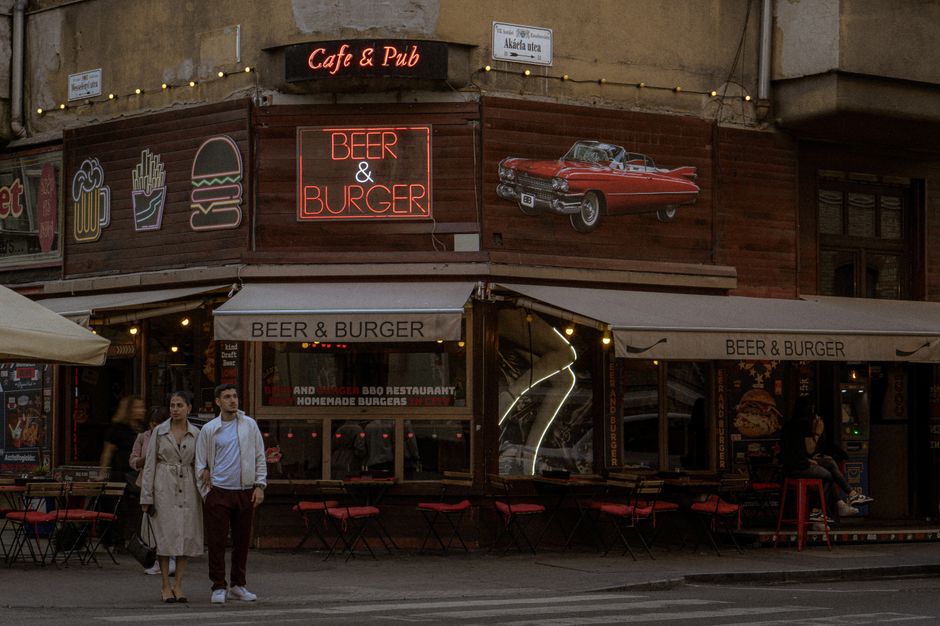
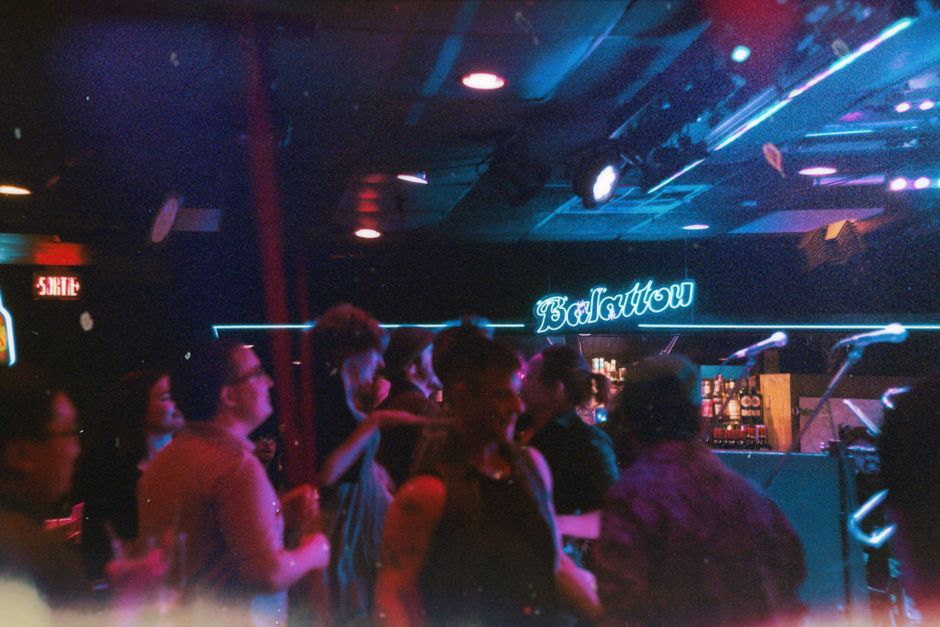
The nightlife in Plovdiv is concentrated in two main areas: the Old Town and Kapana. The Old Town is more traditional, with a number of bars and clubs that cater to a mix of locals and tourists. Old Town Bar is a popular spot for live music and local wines. Underdogs is a craft beer bar with a relaxed atmosphere. Kapana is more bohemian, with a number of independent bars and clubs that host experimental music and art events. Club B is a popular spot for electronic music, while Art Club hosts live performances and art installations. The atmosphere in Kapana is more eclectic, with a mix of locals, artists, and tourists.
The best time to experience the nightlife is on weekends, when the streets are filled with people and the bars are packed. The Square of the Arts is the main hub, with a number of bars and restaurants around it. Kapana is best explored on foot, allowing you to stumble upon hidden gems and local secrets. The area is also home to a number of pop-up events and festivals, which are worth checking out. The Plovdiv Summer Festival is a major event, with performances in the Roman Theater and other venues. The Kapana Art Festival is another popular event, with art installations and live music throughout the district.
For a more relaxed evening, head to the Old Town, where you can find a number of quiet bars and cafes. Cafe de Roka is a historic spot, known for its traditional Bulgarian coffee and pastries. Old Town Bar is a good place to start, with a wide selection of local wines and rakia. The Central Market Hall is also a good option, with a number of food stalls and bars. The atmosphere is more casual, and the prices are lower. The Old Town is best explored on foot, allowing you to stumble upon hidden gems and local secrets.
Getting There & What to Expect
Plovdiv is easily accessible from Sofia, the capital of Bulgaria. The Plovdiv Airport has a limited number of international flights, but the Sofia Airport is the main hub for international travel. From Sofia, you can take a bus or train to Plovdiv, which takes about 2.5 hours. The bus is cheaper, costing around 10-15 EUR, while the train is more comfortable, costing around 15-20 EUR. Taxis are also available, but they are more expensive. The Plovdiv Train Station is located in the center of the city, making it easy to reach the Old Town and Kapana. The Plovdiv Bus Station is also central, with connections to other cities in Bulgaria and Europe.
Accommodation in Plovdiv is affordable, with a wide range of options. Budget hostels cost around 15-25 EUR per night, while mid-range hotels cost around 40-60 EUR per night. Luxury hotels can cost 100-200 EUR per night. The best places to stay are in the Old Town or Kapana, where you can experience the city's vibrant atmosphere. Hotel Kapana is a boutique hotel in the heart of the creative quarter, while Hotel Plovdiv is a luxury hotel in the city center. The Old Town has a number of boutique hotels and guesthouses, while Kapana has a number of hostels and budget hotels.
Search accommodation in Plovdiv on Booking.com →
The best time to visit Plovdiv is in the spring or autumn, when the weather is mild and the crowds are smaller. The summer is hot and crowded, while the winter is cold and quiet. The Plovdiv Summer Festival is a major event, with performances in the Roman Theater and other venues. The Kapana Art Festival is another popular event, with art installations and live music throughout the district. The city is also home to a number of other festivals and events throughout the year, including the Plovdiv Jazz Festival and the Plovdiv Film Festival. The city is walkable, with most attractions located within a short distance of each other. The Old Town and Kapana are best explored on foot, allowing you to stumble upon hidden gems and local secrets.
Final Thoughts: The Echoes in the Stone
As I walk back towards my hotel, the neon lights of Kapana fading behind me, I realize that Plovdiv is not a place that you visit. It is a place that visits you. The ancient stones of the Roman Theater whisper secrets of empires long gone, while the neon signs of Kapana shout promises of a future that is still being written. The city is a paradox, a place where the past and the present collide in a beautiful, chaotic dance. It is not perfect. The streets are uneven, the noise is loud, and the history is heavy. But it is authentic. It is real. And in a world that is increasingly sanitized and homogenized, that is a rare and precious thing. Plovdiv does not care what you think. It simply is. And that is enough.
Comments