


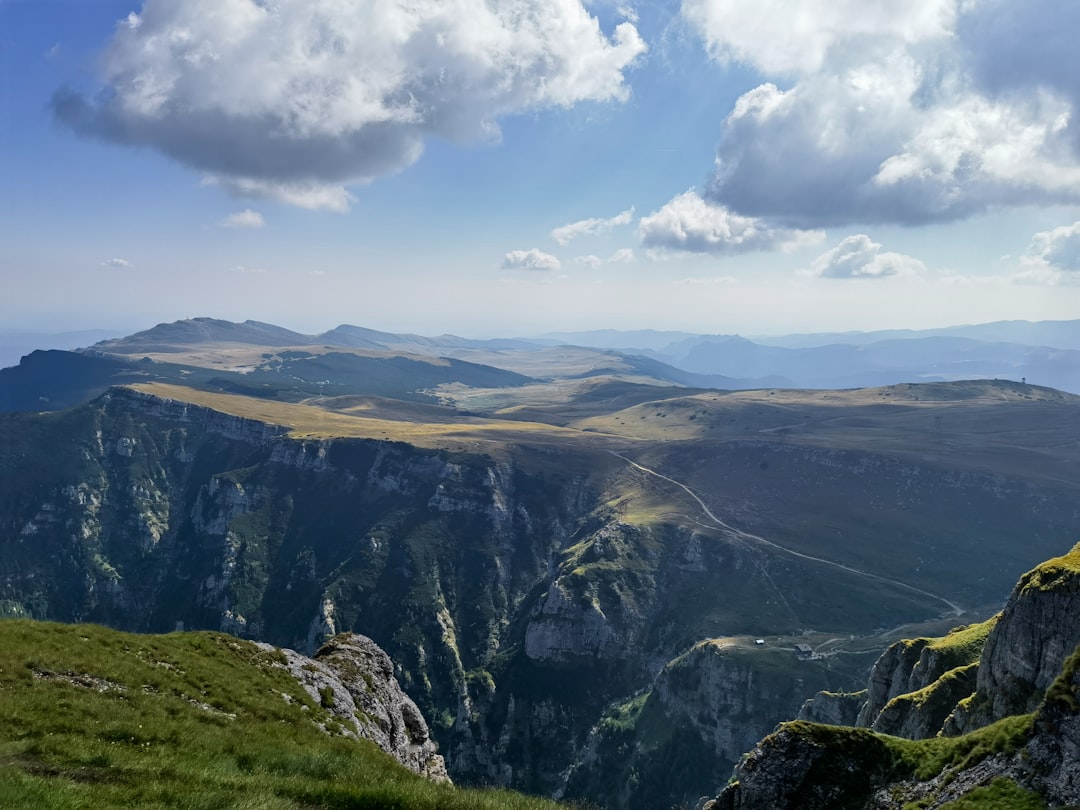
My lungs are burning like I just swallowed a pack of unfiltered cigarettes, and the wind off the limestone spires is trying to peel the skin off my face. I am standing on a ridge in the Bucegi Mountains, staring down at a drop that defies logic, with the jagged, alien silhouettes of the Bucegi Teeth rising like broken molars against a bruised purple sky. There is no railing. There is no safety net. There is just me, a pair of worn hiking boots, and a primal instinct screaming that I am not built for this. A local shepherd, wrapped in a woolen blanket that has seen more winters than I have years, watches me from a distance, sipping coffee from a tin cup. He doesn't offer encouragement. He just nods, as if to say, "You made it this far, don't stop now."
This isn't a leisurely stroll through a manicured park. This is the raw, untamed spine of Romania, where the Fagaras Mountains hold the title of the highest range in the Carpathians. The air here is thin, sharp, and tastes of pine resin and ancient rock. You don't come to the Bucegi to relax; you come to be humbled. The geology here is aggressive, a chaotic jumble of limestone karst formations that look like they were carved by a giant's hammer. As the sun dips below the horizon, painting the white stone in shades of blood orange and deep violet, the fear begins to fade, replaced by a quiet, electric awe. This is the Balkans at its most visceral, unpolished, and utterly unforgettable.
The Geology of Fear
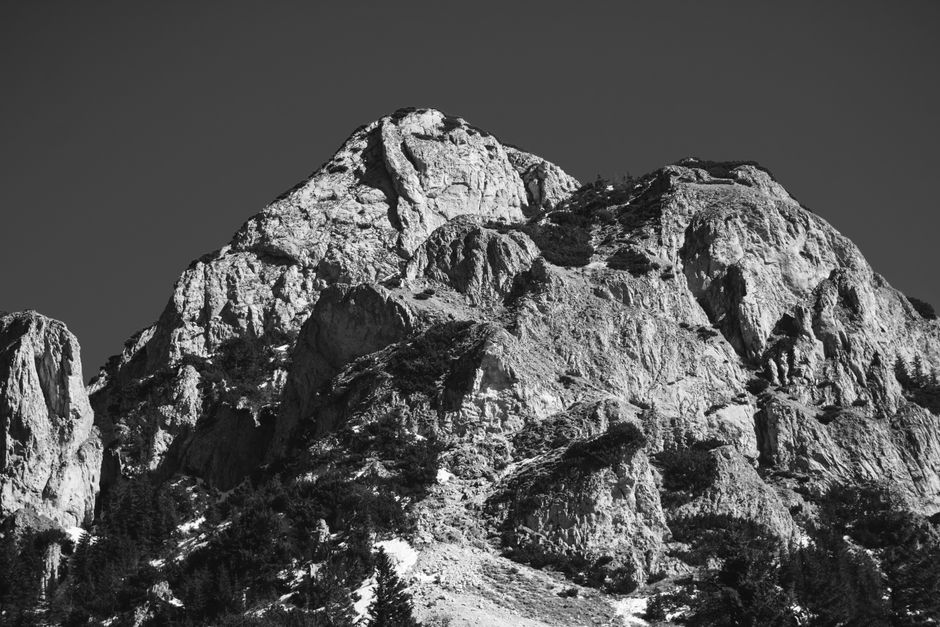
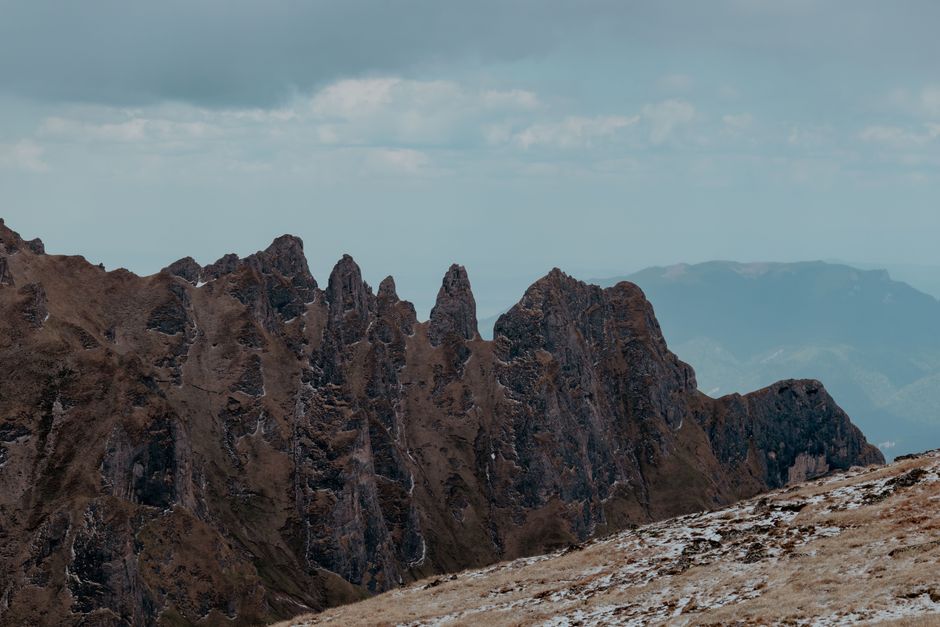
The Bucegi Mountains are not just a hiking destination; they are a geological anomaly that demands respect. Located in the southern Carpathians, this range is part of the larger Curvature Unit, a complex tectonic zone where the earth's crust has been folded, faulted, and uplifted over millions of years. The result is a landscape of sheer verticality, where limestone cliffs rise hundreds of meters in a single, unbroken stroke. The Bucegi Teeth, or Colții Bucegi, are the crown jewel of this formation, a series of four jagged spires that look like the fangs of a sleeping dragon.
Access to these teeth is restricted for a reason. They are not a casual hike; they are a technical climb requiring ropes, harnesses, and experience. But the surrounding plateau offers a view that rivals any alpine panorama in Europe. The rock here is porous, riddled with caves and sinkholes, creating a labyrinthine terrain that can disorient even seasoned hikers. The weather changes with violent speed. One moment, the sky is a brilliant, cloudless blue; the next, a wall of fog rolls in, obscuring the path and turning the world into a white void. You learn to trust your compass and your instincts, not the map.
What makes this place truly special is its isolation. Unlike the crowded trails of the Alps or the Dolomites, the Bucegi remain largely unknown to mass tourism. You might hike for hours without seeing another soul, save for the occasional mountaineer or a lone eagle circling overhead. This solitude is intoxicating, a rare commodity in a world that never stops talking. Here, the only sounds are the wind, the crunch of gravel underfoot, and the beating of your own heart.
Trailhead to the Sky
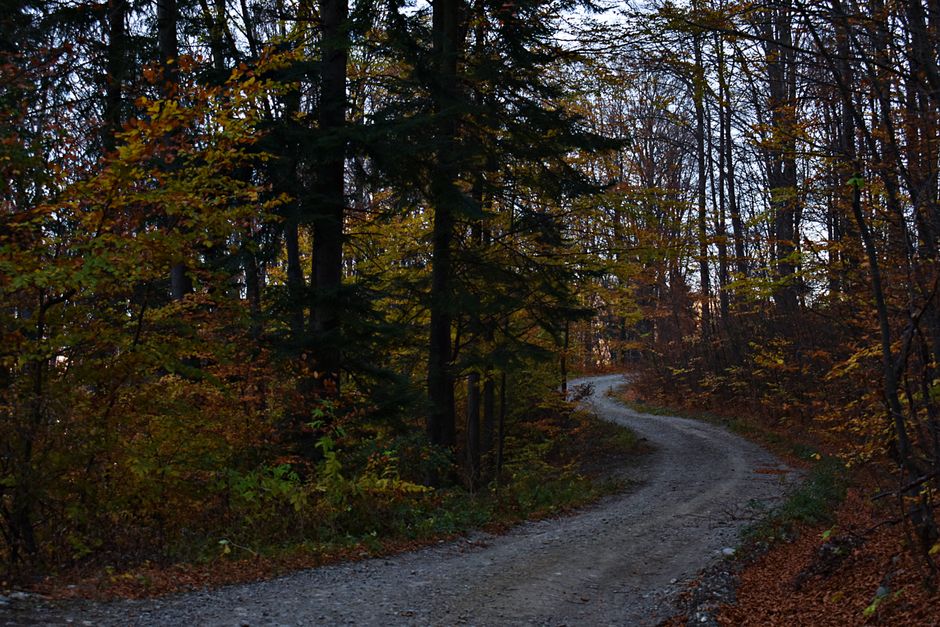
Most trekkers begin their ascent from the Predeal ski resort, a bustling town that serves as the gateway to the southern Carpathians. From here, you can take a bus or a private transfer to Bran, the town famous for its medieval fortress, and then connect with a local guide or shuttle service to the trailhead at Piatra Arsita. This plateau is the starting point for the most iconic approach to the Bucegi Teeth, a route that climbs steadily through beech and spruce forests before breaking out into the open alpine zone.
The trail from Piatra Arsita is well-marked with a green square on a white background, but don't let the simplicity of the marking fool you. The terrain is rugged, with loose scree, steep inclines, and exposed ridges. The climb to the Vali Orbului plateau takes about four hours, gaining over 1,000 meters in elevation. Along the way, you'll pass several mountain refuges, including the Carpați Refuge, which offers basic accommodation and hot meals for weary hikers. These refuges are lifelines in bad weather, providing shelter and a chance to recharge before the final push to the teeth.
For those seeking a more challenging approach, there is the route from Paltinis, a smaller resort town with fewer crowds and a more authentic mountain village feel. The trail from Paltinis is steeper and less maintained, offering a more rugged experience. It passes through the Sfinxul (The Sphinx), a natural rock formation that resembles a seated lion, and the Babele (The Hags), two towering spires that look like ancient guardians. These formations are visible from the trail, adding a touch of myth and mystery to the hike.
Routes & Trail Info
Route 1: Piatra Arsita to Vali Orbului Plateau
Starting Point: Piatra Arsita parking area
Total Distance: 12 km (round-trip)
Elevation Gain: 1,100 m
Estimated Duration: 6-7 hours
Difficulty: Intermediate to Experienced
This is the classic route for viewing the Bucegi Teeth from a safe distance. The trail is well-marked and passes through diverse vegetation zones, from dense forest to alpine meadows. The final ascent to the plateau is steep and exposed, requiring good stamina and sure footing. The view from the plateau is panoramic, with the teeth rising dramatically against the horizon. This route is suitable for fit hikers with some experience in mountain terrain. Children over 12 can attempt it with close supervision.
Route 2: Bran to Bucegi Pass
Starting Point: Bran village
Total Distance: 18 km (round-trip)
Elevation Gain: 1,400 m
Estimated Duration: 8-9 hours
Difficulty: Experienced
This route is longer and more challenging, starting from the historic town of Bran. The trail climbs steadily through mixed forest, passing several waterfalls and rocky outcrops. The final section to the Bucegi Pass is steep and rocky, with some exposed sections that require caution. This route offers a more immersive experience, with fewer crowds and a deeper connection to the mountain environment. It is not recommended for beginners or those with a fear of heights.
Route 3: Paltinis to Sfinxul and Babele
Starting Point: Paltinis resort
Total Distance: 8 km (round-trip)
Elevation Gain: 600 m
Estimated Duration: 4-5 hours
Difficulty: Intermediate
This shorter route focuses on the iconic rock formations of the Bucegi. The trail is well-maintained and passes through open meadows and rocky terrain. The Sfinxul and Babele are easily accessible from the trail, offering close-up views of these remarkable formations. This route is suitable for fit hikers and families with older children. The views are spectacular, especially at sunset when the rock glows orange and pink.
Getting There & What to Expect
The nearest major city is Bucharest, the capital of Romania, located about 120 km away. From Bucharest, you can take a direct bus or train to Predeal or Bran, with travel times of 3-4 hours. Buses are frequent and affordable, with tickets costing around 5-8 EUR one way. Alternatively, you can rent a car in Bucharest and drive north on the DN1 highway, which takes about 2 hours. The road conditions are generally good, but be prepared for mountain passes and potential snow in the early or late season.
Once in Predeal or Bran, you can arrange transport to the trailheads. Local taxis and private drivers are available, with costs ranging from 20-40 EUR for a one-way trip to Piatra Arsita. For a more adventurous option, you can hitchhike, which is common in rural Romania, but always prioritize safety and use your judgment. Accommodation in Predeal and Bran ranges from budget hostels to mid-range hotels. A night in a hostel costs around 15-25 EUR, while a mid-range hotel room is 40-70 EUR. For a more authentic experience, consider staying in a mountain refuge, where beds are 10-15 EUR per person and meals are 8-12 EUR.
The best time to visit the Bucegi Mountains is from June to September, when the weather is stable and the trails are clear of snow. July and August are the peak months, with the highest temperatures and the most visitors. May and October can be beautiful, but the weather is unpredictable, with a higher risk of rain and early snow. Winter hiking is possible but requires technical gear and experience in snow and ice conditions. Always check the weather forecast before heading out, and be prepared for sudden changes.
Search accommodation in Bran on Booking.com →
Into the Thin Air
As the last light fades and the stars begin to pierce the velvet darkness, I sit on a flat rock, legs dangling over the abyss, and feel a strange sense of peace. The fear is gone, replaced by a profound connection to the land. I think about the millions of years it took to form these peaks, the countless hikers who have walked this path before me, and the countless who will follow. We are small, transient creatures in a world that is ancient and enduring. But for a moment, we are part of it. The wind picks up again, cold and biting, but I don't care. I am alive, I am here, and I have conquered the Bucegi Teeth. Not in the sense of domination, but in the sense of understanding. This is what travel is all about: not just seeing new places, but seeing yourself in a new light. And in the shadow of these giants, I have never felt more human.
Bucegi Mountains Fagaras Mountains Bran Castle
Comments