


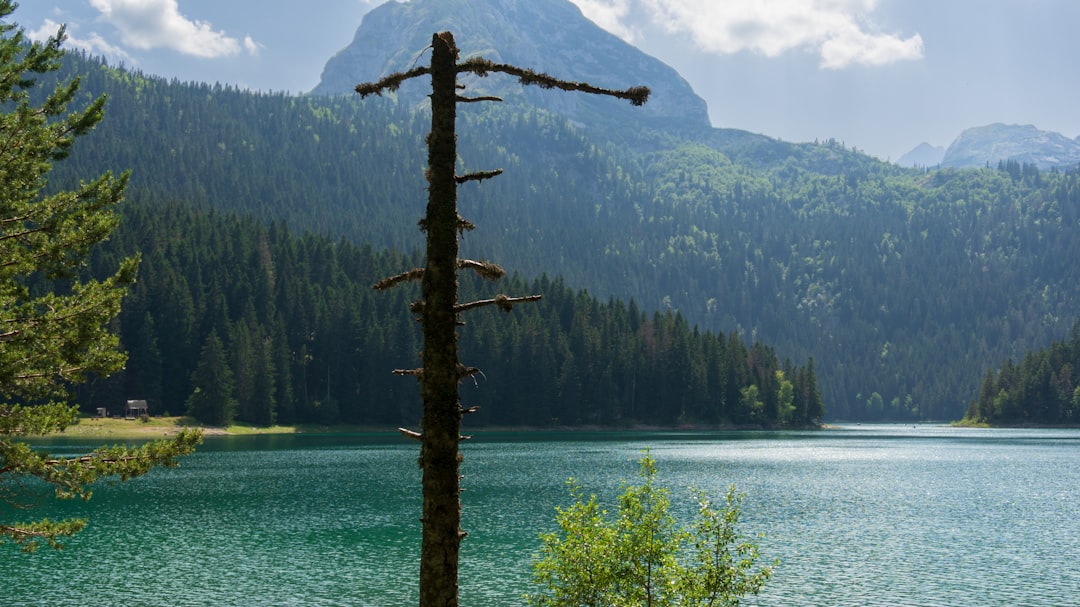
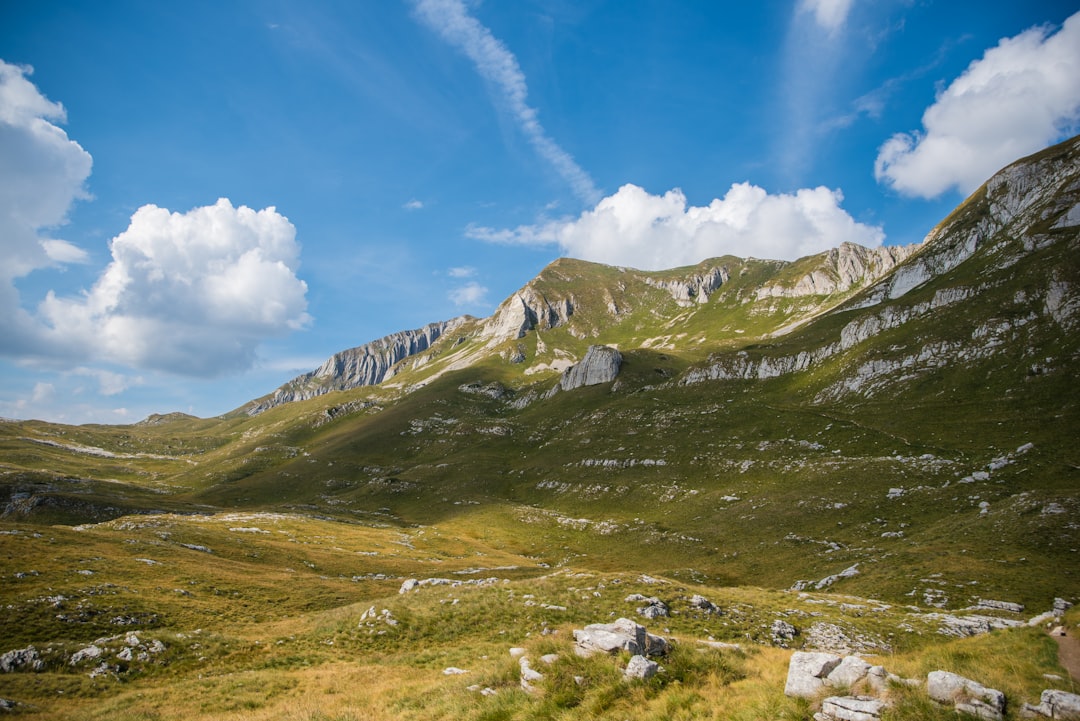
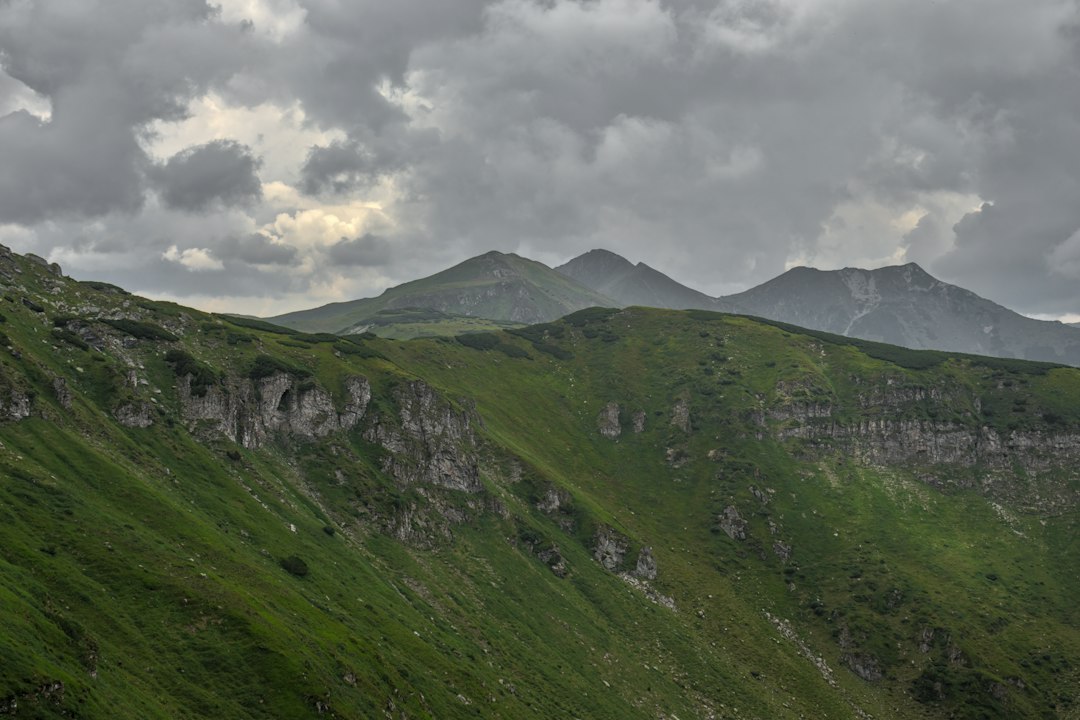
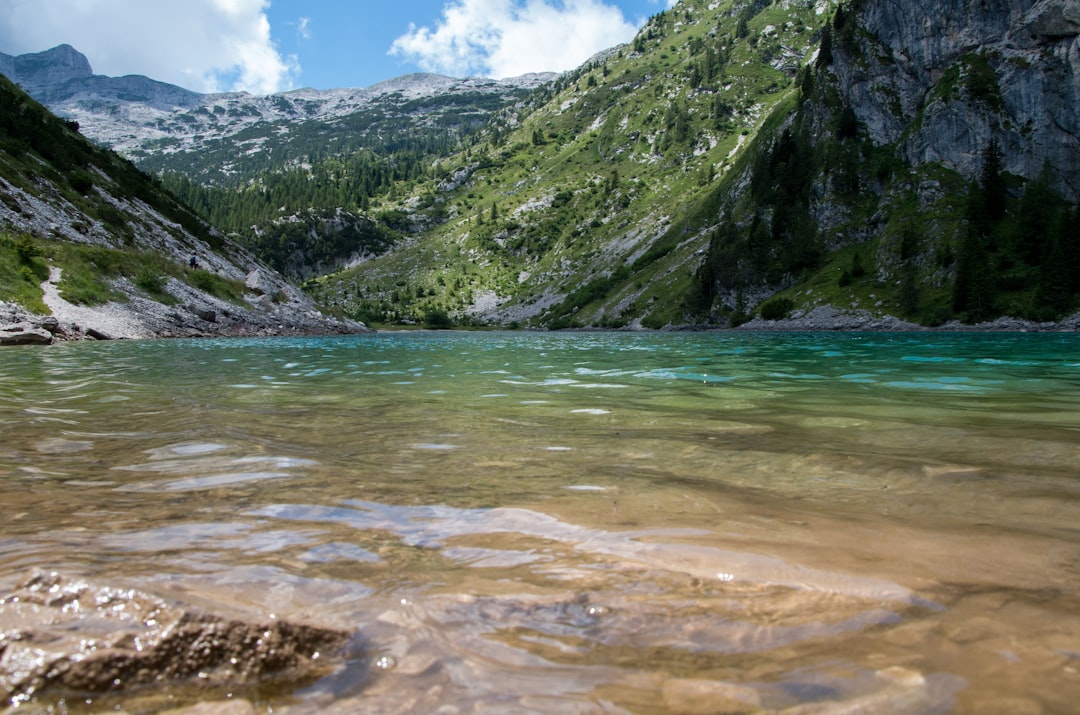
The wind in Durmitor National Park doesn't ask permission; it just takes everything you have. I was sitting on a jagged slab of limestone at Crno Jezero, or the Black Lake, watching the clouds roll over the Seven Sisters peaks like a heavy, wet blanket. My coffee was gone cold in my thermos, and my fingers were numb, but the view was worth the misery. This isn't a place for casual strolls or selfie sticks. It's a place where the mountains feel alive, ancient, and completely indifferent to your existence. The air smells of pine and wet stone, and the silence is so profound you can hear your own heartbeat.
Montenegro's north is a different beast from the Adriatic coast. Here, the Durmitor massif rises abruptly from the valley floor, a jagged spine of rock and ice that has resisted erosion for millennia. It's raw, it's rugged, and it's fiercely protective of its secrets. I came here to escape the noise of the modern world, and I found something much older and much louder. The mountains don't whisper; they roar.
The Heart of the Durmitor
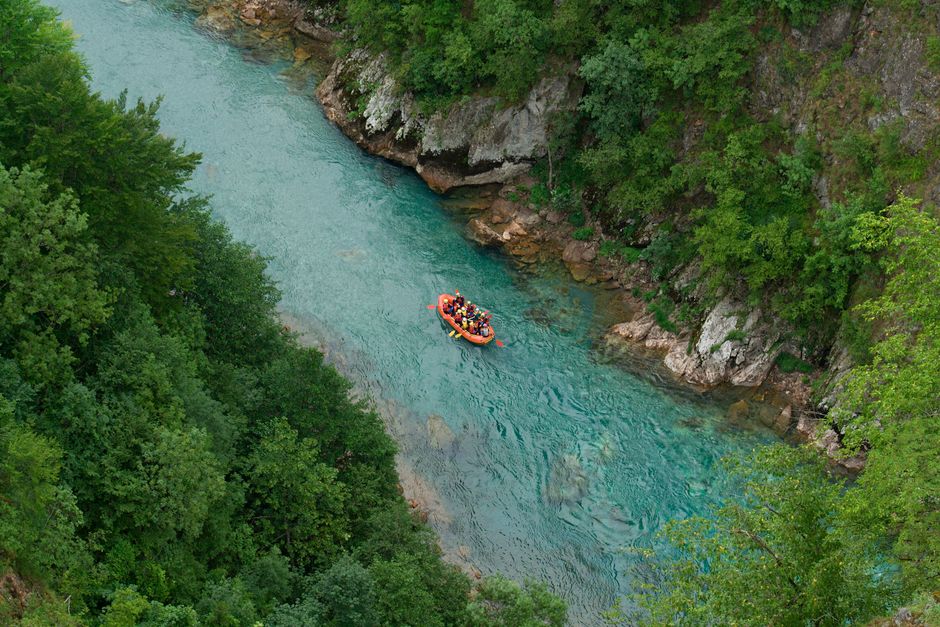
Durmitor National Park is the largest protected area in Montenegro, covering over 380 square kilometers of high-altitude wilderness. It's a UNESCO World Heritage site, not just for its stunning peaks, but for the complex karst landscape that defines it. The park is a maze of canyons, caves, and glacial lakes, each one more dramatic than the last. The Tara River cuts through the Tara River Canyon, one of the deepest canyons in Europe, plunging nearly 1,300 meters below the rim. Standing on the edge, looking down at the turquoise ribbon of water far below, is a humbling experience. It's a place where nature's scale is put into perspective, and human concerns seem trivial.
The park's history is as rugged as its terrain. For centuries, it was a refuge for bandits, monks, and rebels. The Žabljak monastery, perched on a hillside overlooking the town, is a testament to this complex past. Founded in the 17th century, it's a place of quiet contemplation amidst the chaos of the mountains. The monks here live a simple life, tending to their gardens and welcoming visitors with open arms. It's a place to pause, to reflect, and to connect with something deeper than the surface.
Where to Go: The Essential Stops
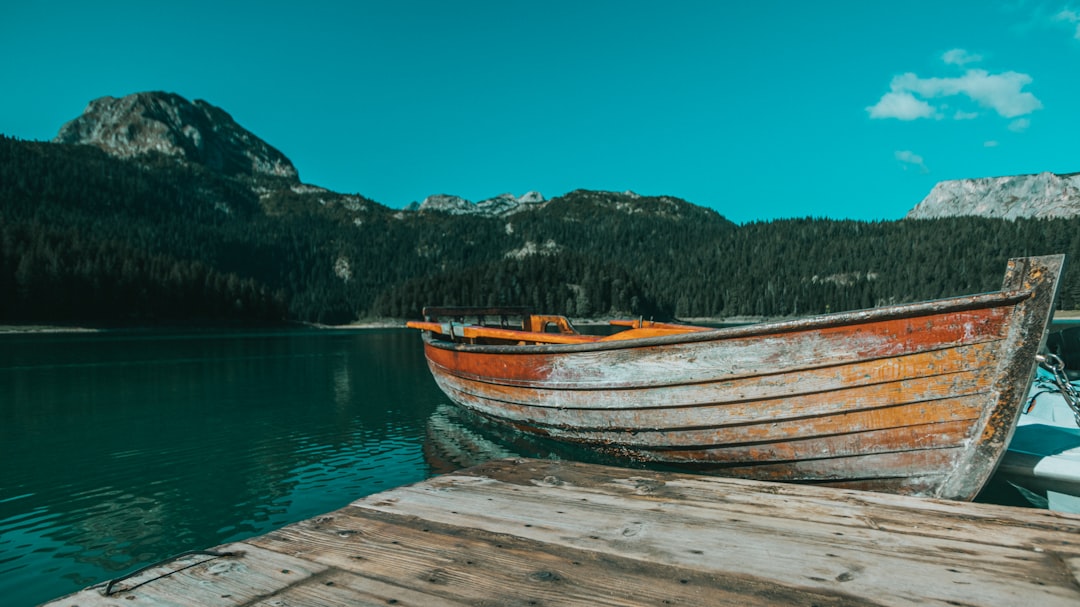
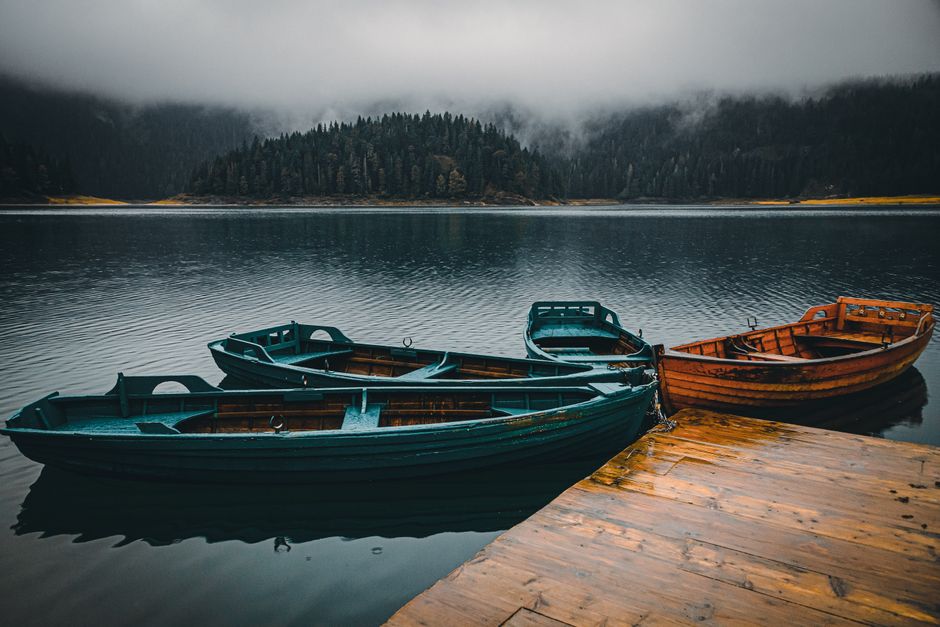
Crno Jezero (Black Lake) — This glacial lake is the crown jewel of the park, sitting at an altitude of 1,416 meters. It's surrounded by dense forests and towering peaks, making it one of the most photographed spots in Montenegro. The lake is home to a few islands, and you can rent a wooden boat to row around. It's a peaceful place, but don't expect solitude. It's a popular spot, especially in summer. Entry fee: 3 EUR. Best visited early in the morning to avoid the crowds.
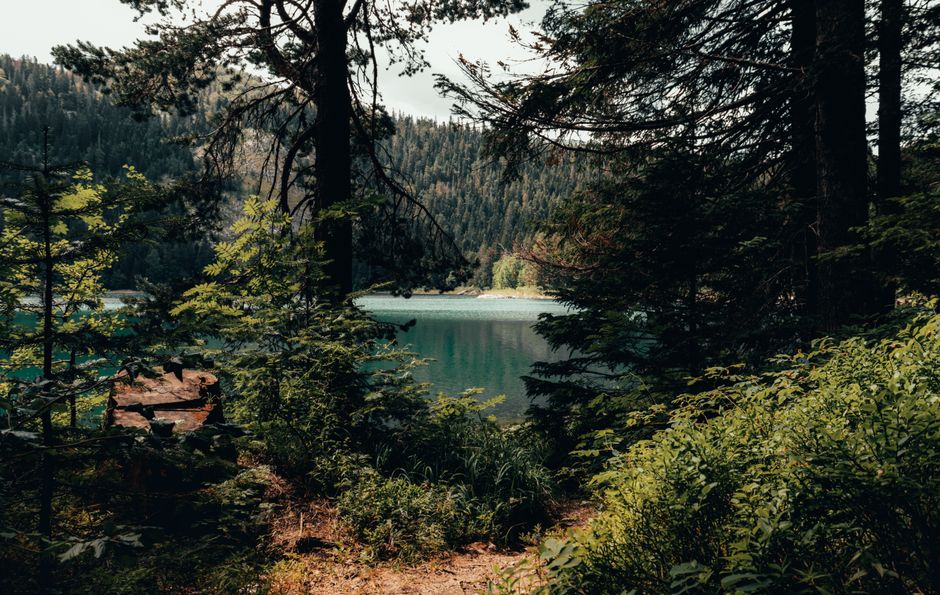
Biogradska Gora — Just a short drive from Žabljak, this ancient forest is one of the last primeval beech forests in Europe. The trees here are centuries old, some over 400 years, and the air is thick with the scent of pine and damp earth. It's a place to slow down, to breathe, and to reconnect with nature. The Biogradsko Lake is a small, tranquil gem surrounded by the forest. Entry fee: 2 EUR. Best for a quiet hike or a picnic.
Sedlo Pass — This high mountain pass offers some of the most breathtaking views in the park. It's a popular spot for sunset watching, with the peaks of the Seven Sisters glowing in the fading light. The road to Sedlo is winding and steep, so take your time and enjoy the ride. Entry fee: Free. Best visited in the late afternoon.
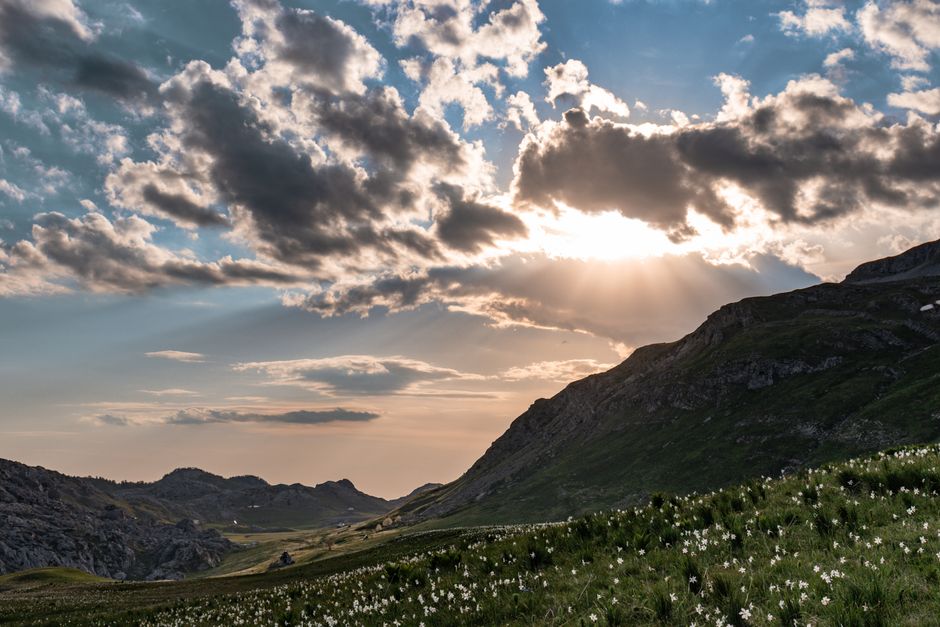
Tara River Canyon Bridge — This iconic bridge spans the Tara River Canyon, offering panoramic views of the gorge below. It's a popular spot for photos, and the view is definitely worth it. You can also take a short hike along the canyon rim for an even more dramatic perspective. Entry fee: Free. Best visited during the day.
What to Eat & Drink: Mountain Fuel
Eating in Žabljak is about fueling up for the mountains. The food is hearty, simple, and delicious. You'll find plenty of ćevapi (grilled minced meat) and burek (flaky pastry filled with meat or cheese), which are perfect for a quick bite on the go. For a sit-down meal, try the Montenegrin stew, a slow-cooked dish made with lamb, potatoes, and vegetables. It's filling, flavorful, and perfect for a cold mountain evening.
- Ćevapi — 3-4 EUR
- Burek — 1-2 EUR
- Montenegrin Stew — 8-12 EUR
- Local Cheese Platter — 5-7 EUR
Budget breakdown: Street food and take-away options are plentiful and cheap, with most meals costing under 5 EUR. Sit-down restaurants in Žabljak range from 10-15 EUR per person for a main course and drink. Mid-range hotels and restaurants can cost 20-30 EUR per person. There's a small market in town for groceries, and a few bakeries for fresh bread and pastries.
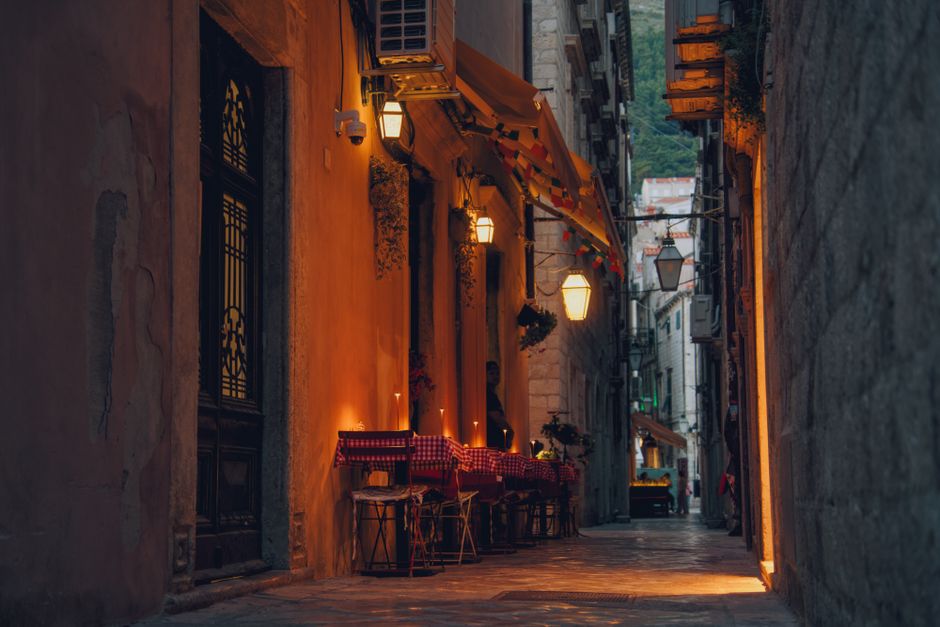
The main food street is Patrijarha Pavla, where you'll find most of the restaurants and cafes. It's a lively spot, especially in the evening, with the sound of laughter and music filling the air. For a more authentic experience, try Konoba Durmitor, a traditional tavern known for its homemade food and warm hospitality.
Nightlife: Low-Key and Local
Don't expect wild nightlife in Žabljak. This is a mountain town, not a party capital. The nightlife is low-key, centered around a few bars and cafes in the town center. Cafe Bar Sedlo is a popular spot, with a cozy atmosphere and live music on weekends. It's a good place to meet locals and fellow travelers, and the drinks are reasonably priced. Bar Vuk is another option, with a more relaxed vibe and a good selection of local beers and wines.
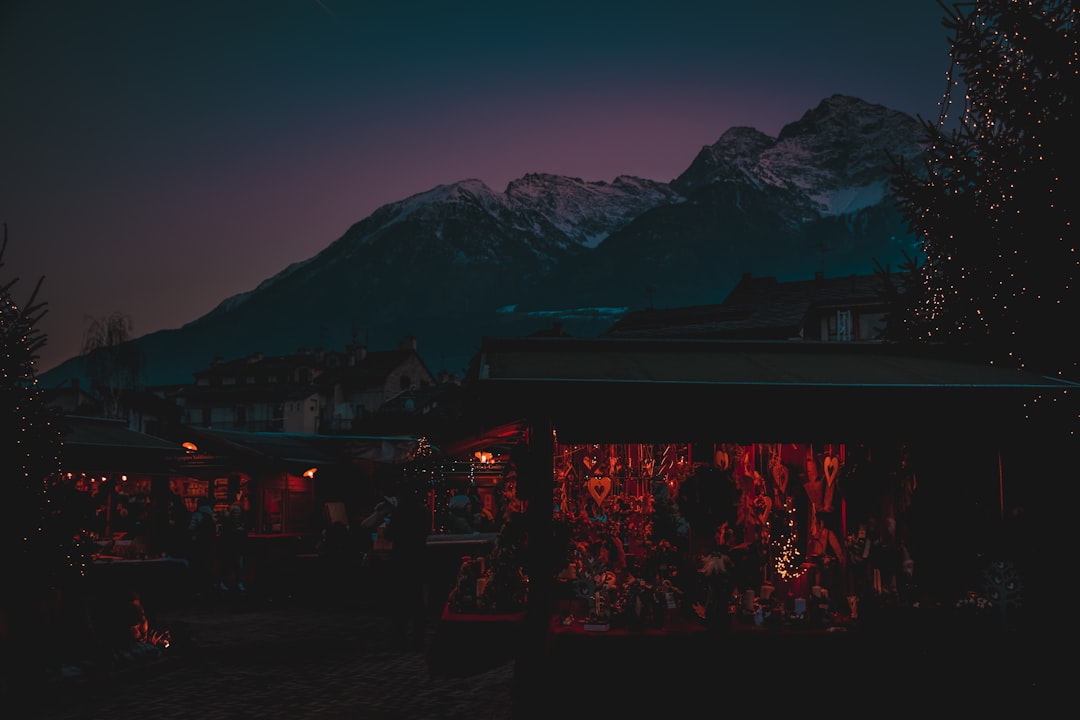
The best nightlife in Žabljak is actually outside. Grab a bottle of wine, find a quiet spot with a view, and enjoy the stars. The mountains are dark, and the night sky is a spectacle of light. It's a magical experience, and one you won't forget.
Getting There & What to Expect
The nearest airport is Podgorica Airport, about 150 kilometers from Žabljak. From there, you can take a bus or rent a car. The drive is scenic, winding through mountains and valleys, and takes about 2-3 hours. Buses run regularly from Podgorica to Žabljak, with a journey time of about 3-4 hours. The cost is around 10-15 EUR one way.
Accommodation in Žabljak ranges from budget hostels to mid-range hotels. Budget hostels cost around 20-30 EUR per night, while mid-range hotels range from 50-80 EUR per night. There are also several guesthouses and apartments available, which are a good option for longer stays.
The best time to visit Durmitor National Park is from June to September, when the weather is warm and the trails are accessible. Winter is also beautiful, with skiing and snowshoeing opportunities, but the weather can be unpredictable and the roads can be icy.
Search accommodation in Zabljak on Booking.com →
The Mountain's Last Word
Leaving Durmitor feels like waking from a dream. The mountains stay with you, etched into your memory like a tattoo. You leave with a sense of humility, a respect for nature's power, and a longing to return. It's a place that changes you, that strips away the superficial and leaves you with something real. The wind still howls in my ears, the smell of pine still lingers in my clothes, and the image of the Seven Sisters is burned into my mind. This is not a place to be conquered. It's a place to be experienced, to be felt, to be remembered. And that, perhaps, is the greatest gift of all.
Comments