


Introduction
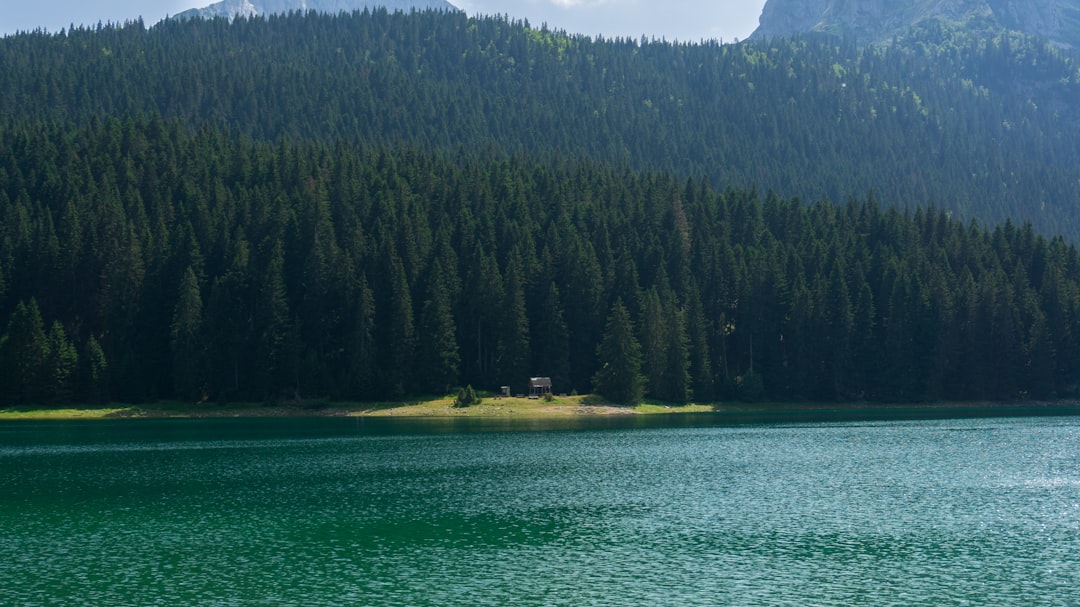
The wind off Crno Jezero doesn't just blow; it bites. I was gripping the plastic handle of a rental kayak, my knuckles white, watching the water churn like a washing machine set to "agitate." The lake is called the Black Lake for a reason—it’s fed by glaciers and snowmelt that keep the temperature hovering somewhere between "refreshing" and "hospital admission." A local guide named Marko, a man whose face looked like it had been carved from the same limestone as the surrounding peaks, shouted something over the roar of the wind. I couldn't hear him, but I saw him point toward Bobotov Kuk, the jagged, snow-dusted summit looming at 2,522 meters. It looked impossible. It looked necessary. This isn't a vacation where you sip espresso and browse postcards. This is the Durmitor National Park in Montenegro, a place where the mountains don't care if you're tired, and the only thing that matters is whether you have the legs to climb them.
The Black Lake Challenge
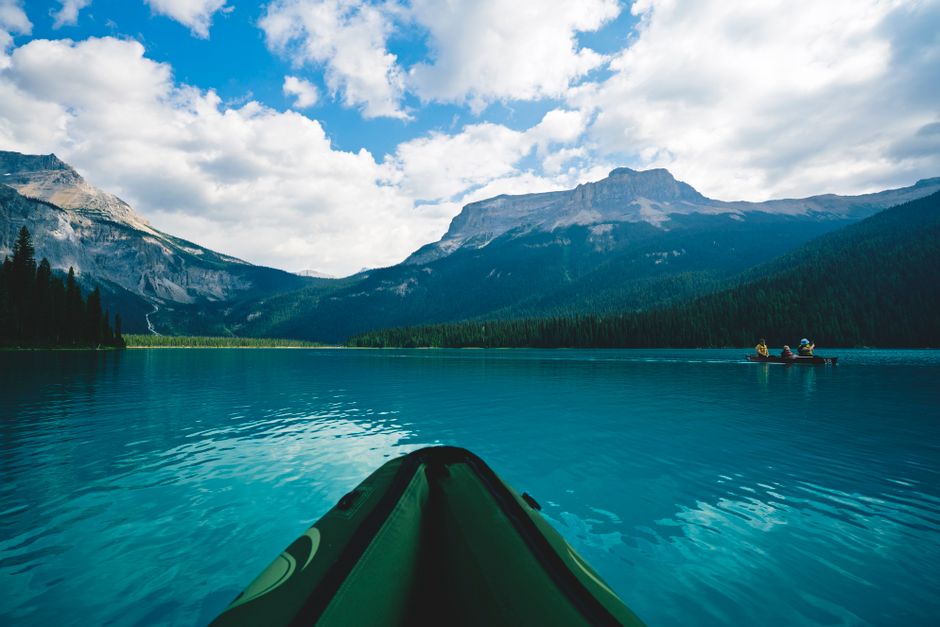
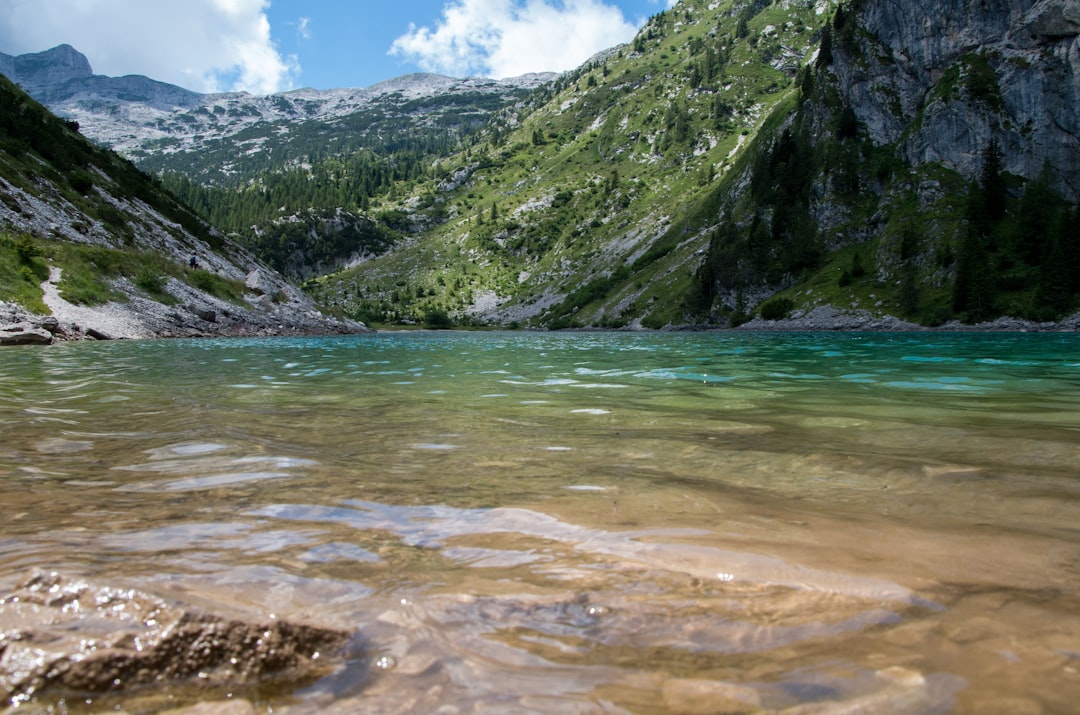
Kayaking on Crno Jezero is less about paddling and more about survival. The lake sits at an altitude of 1,416 meters, nestled in a valley that feels like the floor of a cathedral built by giants. The water is a deep, opaque blue-black, reflecting the towering peaks of the Durmitor massif. We launched from the wooden dock near the Žabljak side of the lake. The air was thin enough to make the first few strokes feel heavy. The wind gusts are unpredictable here, funneling down from the high passes and turning the lake into a choppy sea. You have to keep your center of gravity low and your eyes on the horizon, not the waves. It’s a humbling experience, realizing how small you are against the backdrop of the Accursed Mountains.
The paddle is a simple, double-bladed affair, rented from the few outfitters in Žabljak. The cost is reasonable, but the effort is not. You’re not just fighting the wind; you’re fighting the cold. The water temperature rarely exceeds 10 degrees Celsius, even in July. One splash, and you’re sobered up. The kayaks are sturdy, designed for this rough terrain, but they offer little protection from the elements. You wear layers, you wear a life jacket, and you pray for a break in the wind. The silence between gusts is profound, broken only by the slap of the paddle against the water and the distant call of a hawk circling overhead.
Ascent to Bobotov Kuk
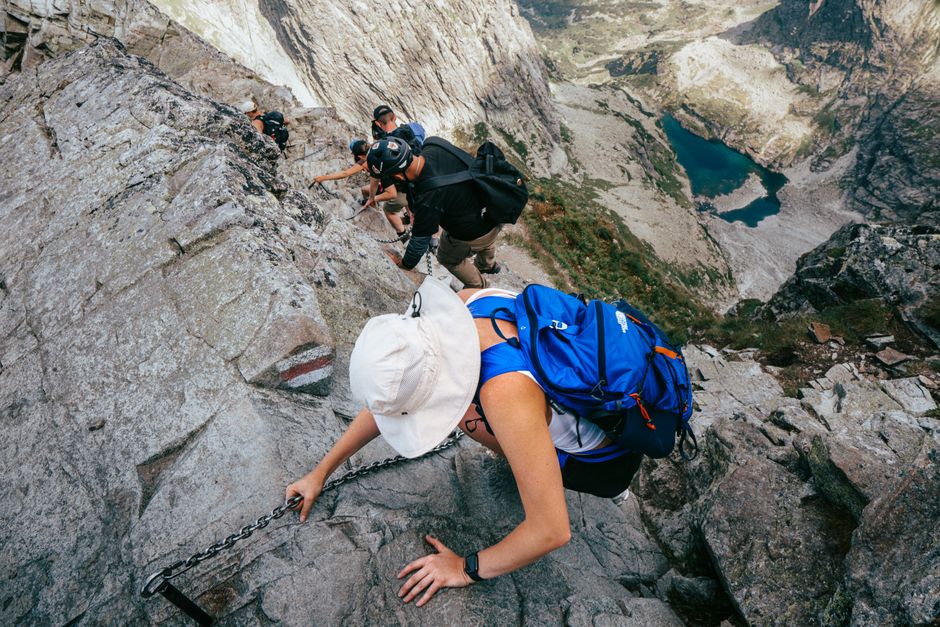
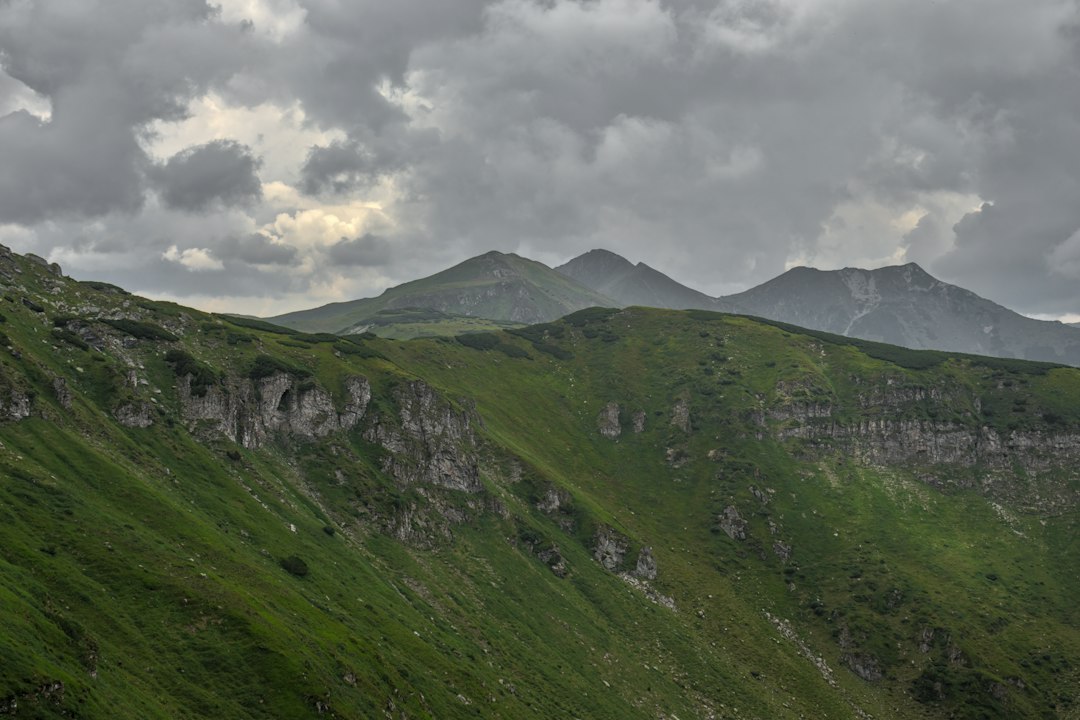
After the lake, the real work begins. Bobotov Kuk is the highest peak in Montenegro, and the standard route from Žabljak is a grueling 14-kilometer trek with an elevation gain of over 1,000 meters. The trail starts near the Žabljak town center, winding through pine forests before breaking out into the alpine meadows. The first few hours are a steady climb, the path well-marked but steep. The air gets thinner as you ascend, and the landscape changes from green to grey, from trees to scree. The summit is a long way off, visible but distant, a taunting peak that seems to move further away with every step.
The trail is exposed, with little shade and little shelter from the elements. The sun is fierce at this altitude, and the wind is constant. You need good boots, plenty of water, and a head for heights. The final ascent is a scramble over loose rocks, a test of endurance and balance. When you finally reach the summit, the view is worth every step. You can see all the way to Kotor on a clear day, the Adriatic Sea a sliver of blue on the horizon. The sense of accomplishment is immense, but it’s fleeting. The mountain doesn’t care about your feelings; it just waits for the next person to try.
Routes & Trail Info
Standard Route from Žabljak — This is the most popular and straightforward path to the summit. It starts in the town of Žabljak, near the main street. The trail is well-maintained and marked, passing through forests and alpine meadows. Total distance: 14 km round-trip. Elevation gain: 1,000 meters. Estimated duration: 6-8 hours. Difficulty: Intermediate to Experienced. This route requires a good level of fitness and experience with hiking at altitude. Start early in the morning to avoid afternoon clouds and storms.
Alternative Route from Sedlo — For those looking for a longer, more challenging trek, the route from Sedlo is an option. This trail is longer and more rugged, with less frequent signage. Total distance: 18 km round-trip. Elevation gain: 1,200 meters. Estimated duration: 8-10 hours. Difficulty: Experienced. This route is not recommended for beginners or those without proper navigation skills. The terrain is rougher, and the exposure is greater. It’s a route for seasoned hikers who are comfortable with self-navigation and variable conditions.
Getting There & What to Expect
Žabljak is the gateway to Durmitor National Park. It’s a small mountain town, population around 2,000, but it’s packed with hotels, restaurants, and gear shops. The nearest airport is in Tivat, about 150 kilometers away, or Podgorica, about 180 kilometers away. From either airport, you can take a bus or rent a car. The drive is scenic but winding, with narrow roads and sharp turns. The bus is cheaper but takes longer. Once in Žabljak, you can walk everywhere. The town is small enough that you don’t need a car.
Accommodation in Žabljak ranges from budget hostels to luxury hotels. A hostel bed costs around 15-25 EUR per night, while a mid-range hotel room is around 50-80 EUR. Food is affordable, with a meal at a local restaurant costing 10-15 EUR. The best time to visit is from June to September, when the weather is warm and the trails are clear. Winter is for skiers, not hikers. The park is part of the UNESCO World Heritage Site since 1980, and the beauty is undeniable. But it’s not a place for the faint of heart. It’s a place for those who want to test themselves, who want to feel the wind in their face and the burn in their legs. It’s a place that demands respect, and if you give it that, it will give you back something unforgettable.
Search accommodation in Žabljak on Booking.com →
The Raw Truth
I sat on the summit of Bobotov Kuk, my legs trembling, my lungs burning, and I realized something. This place doesn’t want you. It tolerates you, maybe, if you’re strong enough, if you’re prepared enough. But it doesn’t welcome you. And that’s what makes it great. In a world of curated experiences and sanitized adventures, Durmitor is raw, unfiltered, and utterly indifferent. It’s a place where you can lose yourself, not in a spiritual sense, but in a literal one. The trails are long, the weather is unpredictable, and the mountains are huge. You come here to be small. You come here to remember that you are not the center of the universe. And if you survive, you leave with a story that no amount of money could buy.
Comments