


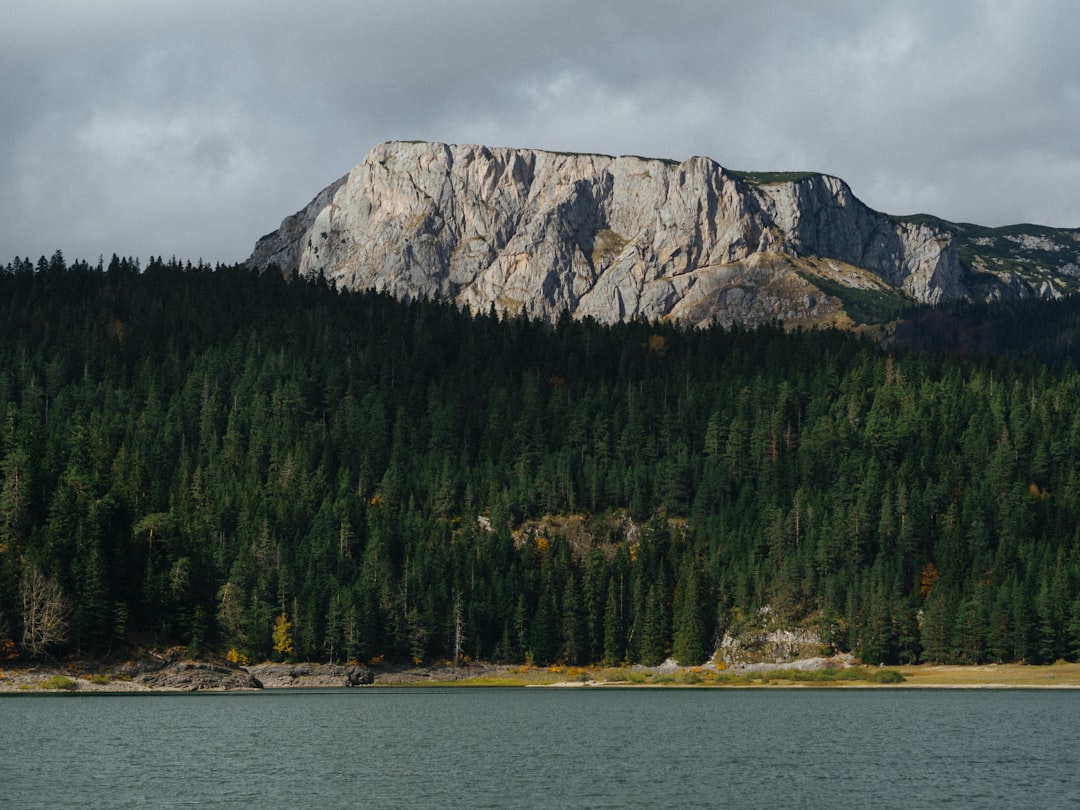
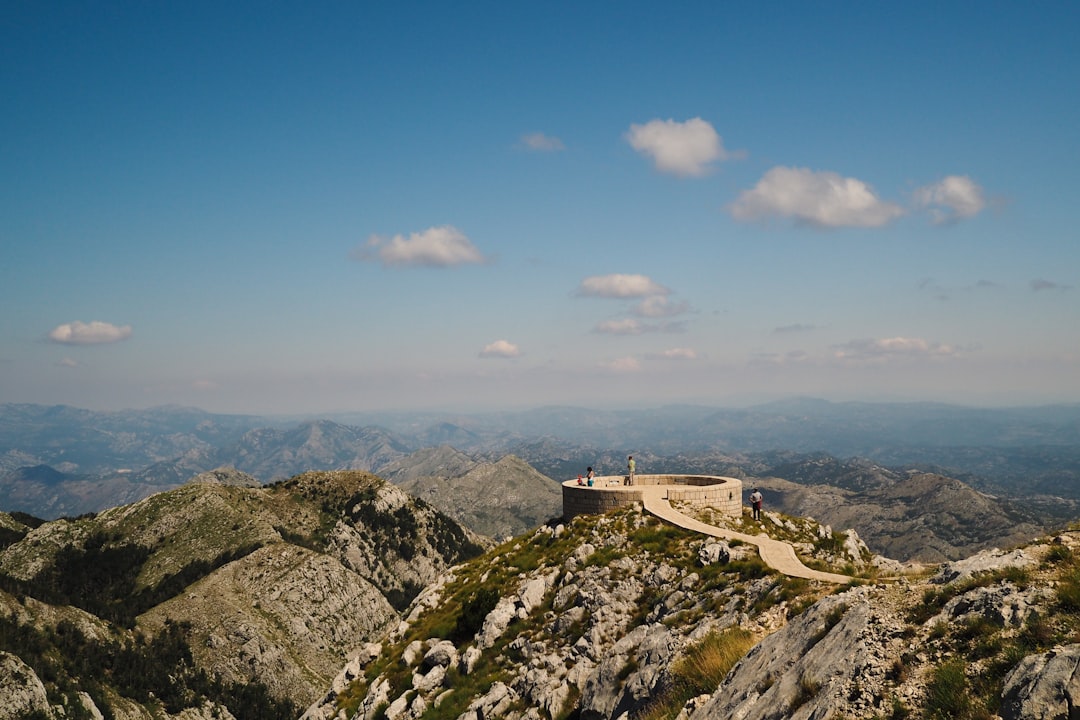
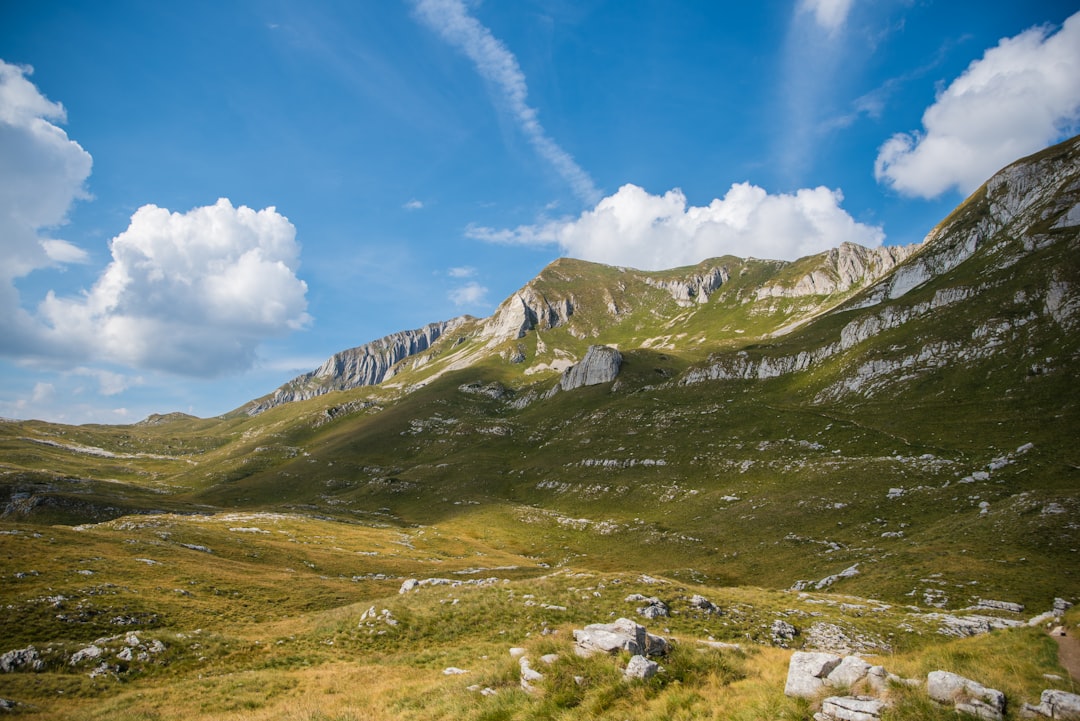
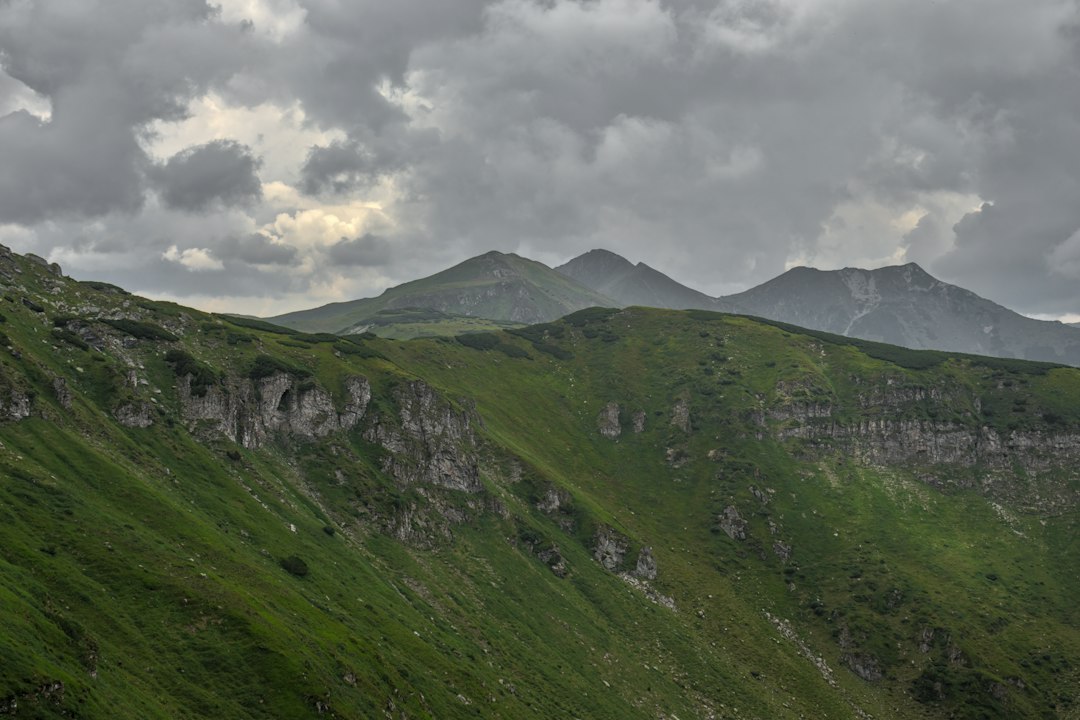
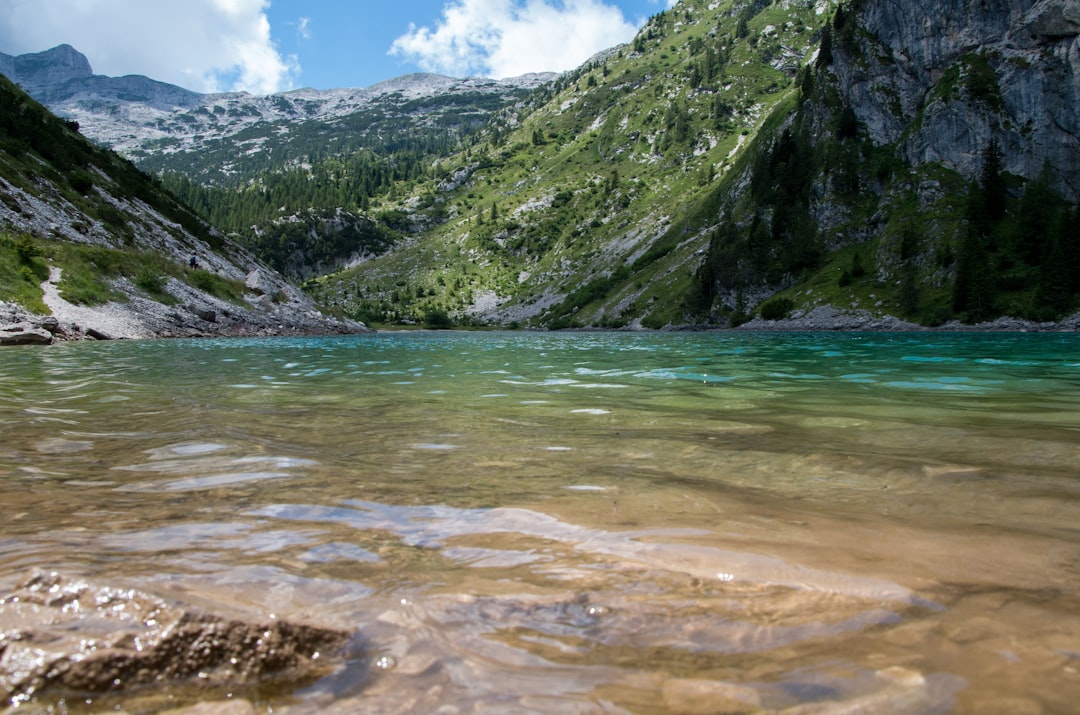
The wind in the Durmitor Mountains doesn't just blow; it scours. I sat on a crumbling limestone block near the edge of a shepherd's abandoned hut, my fingers numb despite the fleece, watching a cloud bank roll over the jagged teeth of the peaks like a bruise healing in fast-forward. This isn't a place for gentle strolling. It is a geological argument between the earth trying to rise and the water trying to wash it away. I came here looking for the famous glacial lakes, the postcard views of the Black Lake, but I found myself obsessed with the stone. Not the towering cliffs, but the human stone. The walls, the roofs, the stubborn geometry of survival carved into the alpine void.
There is a specific silence in the high pastures of Montenegro that feels heavy, almost pressurized. It breaks only with the clip-clop of hooves or the distant bleat of a sheep. I followed a goat path, more of a suggestion of a trail, toward a cluster of stone structures that looked less like buildings and more like geological accidents. A local shepherd, face weathered like the rock face behind him, nodded at me without stopping his work. He didn't speak English, I didn't speak Montenegrin, but we shared a look that said: *You are small here. The stone remembers everything.* That feeling—that you are an intruder in a cathedral of rock—is the only context you need to understand the architecture of this place.
Living in the Lithosphere
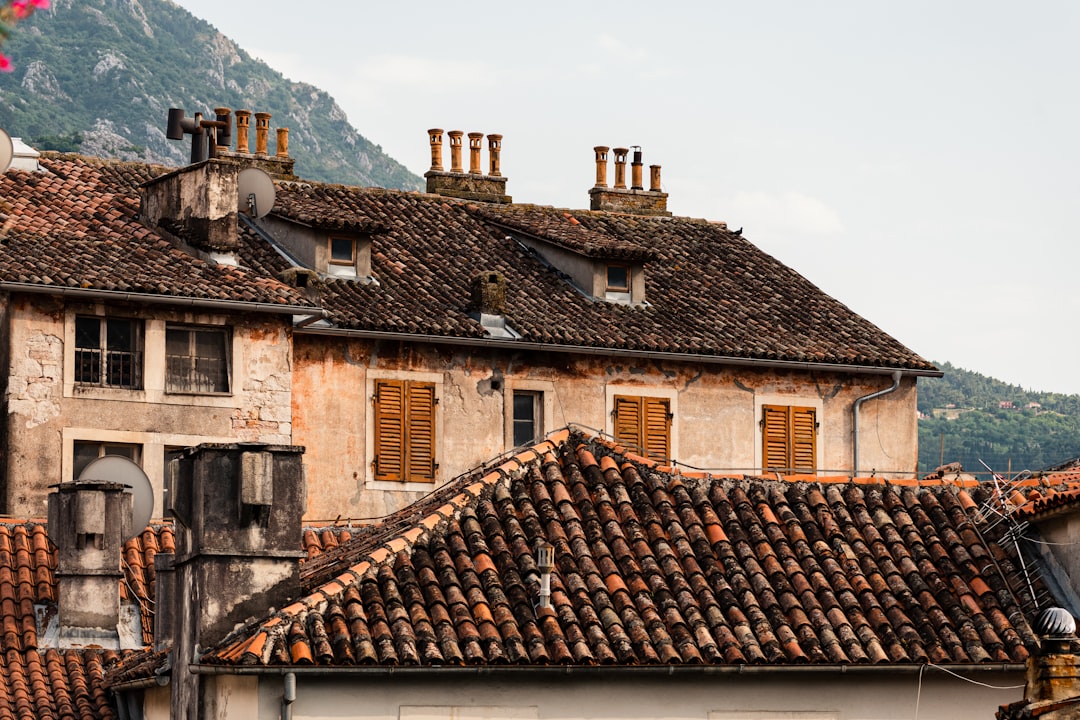
The traditional architecture of Durmitor is not decorative. It is defensive. When you are living at altitudes where the growing season is measured in weeks and the winter snowpack can bury a house to the roof, style is a luxury. Survival is the only aesthetic. The stone houses here, known locally as *kule* or simply stone cottages, are built from the very limestone that dominates the landscape. The builders didn't import materials; they quarried the ground beneath their feet. The result is a vernacular style that seems to grow out of the mountain rather than sit on it.
These structures are low, squat, and incredibly dense. The walls are thick, often exceeding half a meter in thickness at the base, tapering slightly as they rise. This isn't just for stability against earthquakes, though the region is seismically active. It is for thermal mass. In the sweltering, dry summers, the thick stone keeps the interior cool. In the bitter winters, it retains whatever heat the small wood-burning stove can produce. The roofs are the other defining feature: steeply pitched, covered in flat limestone slabs called *greda*. These slabs are heavy, requiring a robust wooden framework of oak or beech to hold them up. The weight of the roof keeps the house anchored against the violent winds that sweep down from the Bobotov Kuk, the highest peak in the park.
The layout is equally pragmatic. Typically, the house is rectangular, with a central hearth that serves as the heart of the home. The smoke doesn't always go up a chimney in the oldest structures; instead, it vents through a hole in the roof or lingers under the eaves, preserving the wood and keeping insects at bay. This "black house" tradition, common throughout the Balkans, leaves the interior walls stained with centuries of soot, creating a dark, intimate atmosphere. The windows are small, high, and few. You don't want to lose heat, and you don't want to expose yourself to the elements. Every architectural decision here is a negotiation with a harsh climate.
The Water Mills and the River's Pulse
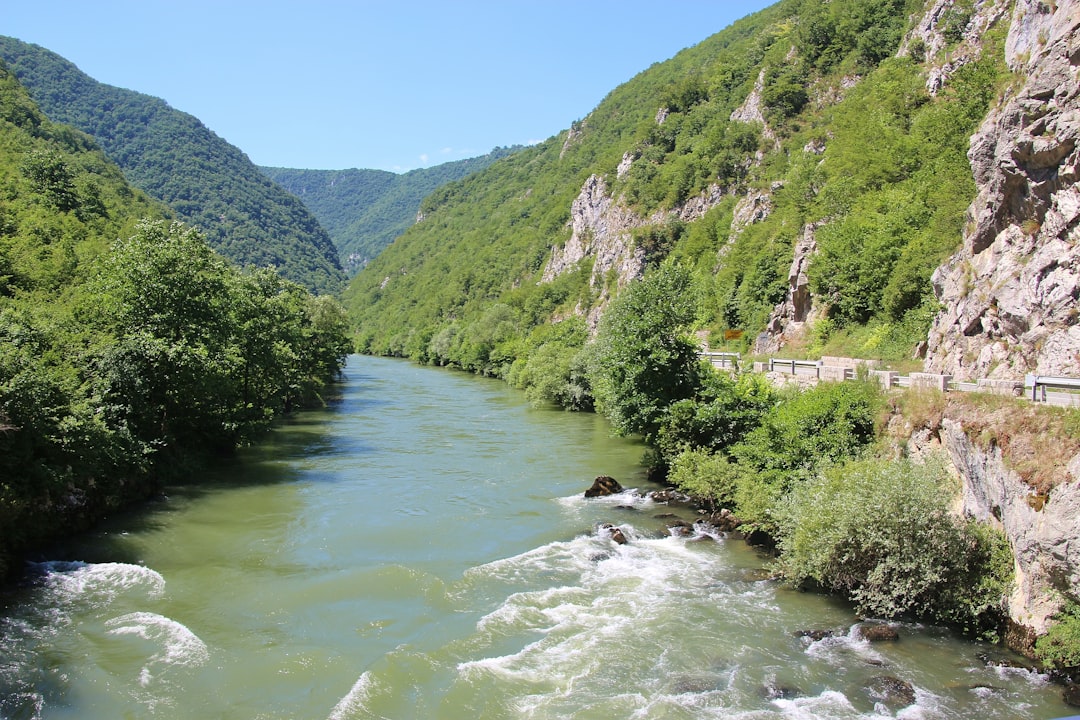
If the houses are about retention, the mills are about extraction. The Tara River, which carves the deepest gorge in Europe, and its tributaries, have powered the lives of these villages for generations. Traditional water mills, or *mlins*, are scattered along the waterways, often isolated and accessible only by foot. They are engineering marvels of simplicity. A wooden wheel, powered by the relentless flow of the river, turns a stone millstone inside a small, dark chamber.
These mills were the communal heart of the village economy. Grain was brought here from the high pastures, ground into flour, and taken back for baking. The architecture of the mills mirrors the houses: stone walls, flat stone roofs, but with the addition of the water channel and the wheel mechanism. Many of these mills are now silent, replaced by modern electric grinders, but they stand as testaments to a hydraulic civilization. Walking into one, the air is cool and damp, smelling of wet stone and ancient grain. The sound of the water, even when the wheel is still, is constant. It is the sound of life in this region.
The preservation of these mills is uneven. Some have been restored by the park authorities or private owners, serving as museums or tourist stops. Others are in ruins, their roofs collapsed, their stones reclaimed by moss and ivy. But even in decay, they hold a powerful presence. They remind you that this landscape was not just a backdrop for human life, but an active participant in it. The river didn't just flow; it worked.
Shepherd Towers and the High Pastures
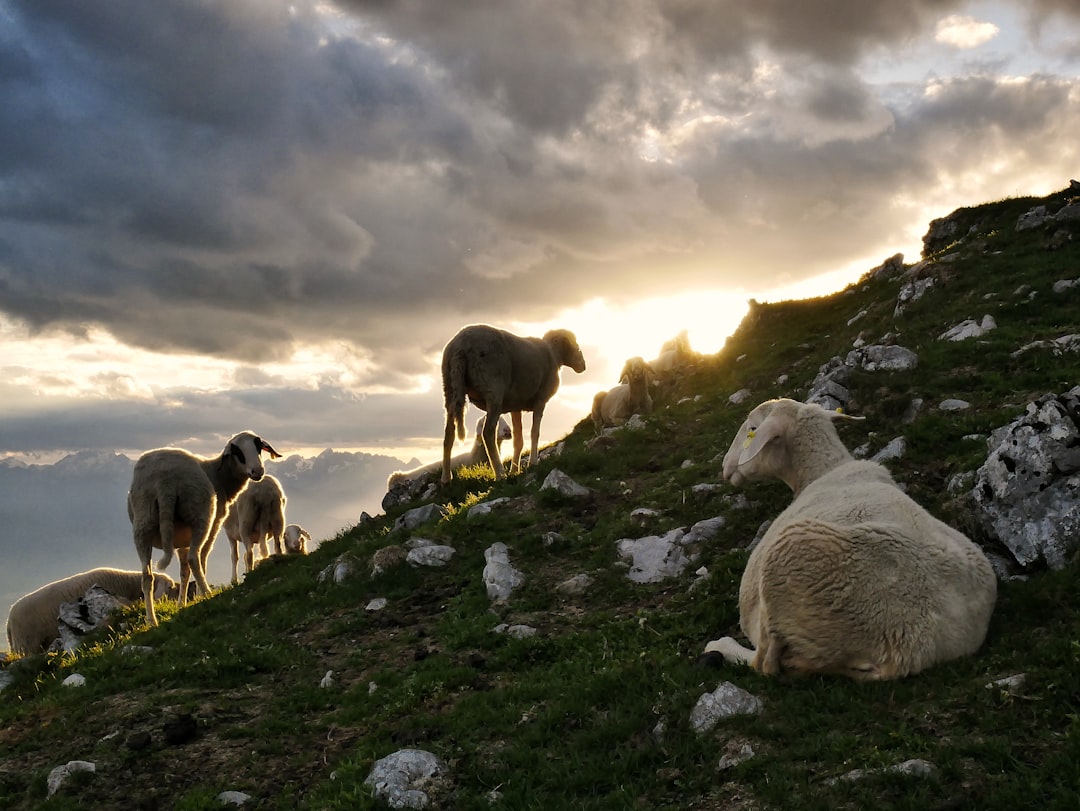
Move higher, above the tree line, into the high pastures known as *brda*, and the architecture changes again. Here, you find the shepherd towers, or *kuline*. These are not homes for families, but temporary shelters for the shepherds and their flocks during the summer months. They are smaller, often circular or square, and built with even greater haste and simplicity. The walls are lower, the roofs sometimes just a layer of turf over wooden beams.
These structures are designed for mobility. The shepherd's life is nomadic, moving with the seasons. In spring, they bring the sheep up from the valleys; in autumn, they drive them back down. The tower is just a place to sleep, to store cheese and milk, and to protect against the wolves. The cheese-making process is central to this life, and many of these towers have small, dedicated spaces for curing the famous mountain cheese. The smell of aged sheep's milk cheese is pungent, sharp, and unforgettable. It is the scent of the high altitude.
The isolation of these towers is profound. There are no roads, no electricity, no running water. Just stone, wood, and the vast, open sky. It is a stark, brutal beauty. Seeing one of these towers silhouetted against the sunset, with the jagged peaks of the Durmitor range rising behind it, is a moment that stays with you. It is a reminder of how long humans have lived in this place, and how hard they have had to work to do so.
Routes & Trail Info
Experiencing this architecture requires getting off the main roads. The best way to see these structures is on foot, following the old paths that connect the villages and pastures. Here are three recommended routes, ranging from easy to demanding.
Route 1: The Black Lake Loop — Starting point: Crno Jezero parking area. Distance: 7.4 km round-trip. Elevation gain: 200 m. Duration: 2-3 hours. Difficulty: Beginner. This paved path circles the iconic Black Lake. While primarily a nature walk, it passes several restored stone cabins and offers views of the surrounding peaks. It is the most accessible route and suitable for families.
Route 2: The Sutorman Peak Approach — Starting point: Zabljak town center. Distance: 14 km round-trip. Elevation gain: 800 m. Duration: 5-6 hours. Difficulty: Intermediate. This trail takes you up towards the Sutorman peak, passing through forests and open meadows. Along the way, you will encounter several abandoned stone huts and water mills. The views of the Tara River gorge are spectacular.
Route 3: The Sedlo Plateau Traverse — Starting point: Sedlo village. Distance: 10 km one-way. Elevation gain: 300 m. Duration: 4-5 hours. Difficulty: Intermediate. This route crosses the high Sedlo plateau, offering the best chance to see active shepherd towers and grazing flocks. The terrain is open and exposed, so weather can change quickly. It is a remote and wild experience, far from the tourist crowds.
Getting There & What to Expect
The main gateway to Durmitor National Park is the town of Zabljak. It is a small mountain town, built at an altitude of 1,400 meters. The nearest international airport is in Podgorica, about 120 km away. The drive takes roughly 2 hours via the winding mountain road, which is a scenic but challenging drive. Buses run regularly from Podgorica and other major cities like Nikšić and Kolašin. The bus fare from Podgorica is approximately 5-7 EUR.
Accommodation in Zabljak ranges from budget hostels to mid-range hotels. A bed in a hostel dorm costs around 15-25 EUR per night, while a double room in a family-run guesthouse is 40-60 EUR per night. For a more authentic experience, look for traditional stone guesthouses, which often offer homemade food and a glimpse into local life. Meals in local restaurants are affordable; a main course with a drink costs 8-15 EUR.
The best time to visit is from June to September, when the weather is warm and the high pastures are accessible. In winter, the park transforms into a ski destination, with the main resort located in Zabljak. However, the roads can be dangerous, and many of the trails are closed. If you are interested in the traditional architecture, summer is the best time, as the shepherds are up in the high pastures and the stone huts are in use.
Search accommodation in Zabljak on Booking.com →
Stone and Silence: A Final Reflection
Leaving Durmitor, I felt a strange sense of loss. Not for the views, though they were undeniable, but for the weight of the stone. In a world of plastic and prefabrication, of digital noise and instant gratification, there is something radical about a house built to last centuries, made from the earth, by hands that knew the value of every block. It is architecture that speaks of endurance, of respect for the landscape, and of a life lived in close communion with nature.
I drove back down the mountain, the road winding through the darkening gorge, and I couldn't shake the image of that shepherd, standing still against the wind. He was part of the stone, and the stone was part of him. In Durmitor, that connection is still alive, if you know where to look. You just have to be willing to climb, to listen, and to sit on a cold block of limestone until the wind tells you its secrets.
Comments