


Chasing Ice and Abyss: The Split Personality of Montenegro's Durmitor
I am sitting on a jagged outcrop of limestone, my fingers numb from gripping a freezing wet rope, staring into the abyss of the Tara River Canyon. The wind here does not blow; it attacks. It carries the scent of pine resin and wet stone, cutting through the thin layer of fleece I foolishly thought would suffice for a morning in the Albanian Alps. Below me, the river is a ribbon of turquoise violence, carving through rock that has stood since the Miocene. I am not here for the postcards. I am here because the guide, a local with hands like cured leather, told me that if I want to understand this place, I have to touch its extremes. First, the freezing drop of the canyon in spring. Then, the white powder silence of the peaks in winter. This is Durmitor National Park, a land where the seasons do not transition; they collide.
Montenegro is often sold as a Mediterranean beach holiday, but to stop at the coast is to miss the spine of the country. Here, in the northwest, the terrain is hostile and magnificent. It is a playground for those who find comfort in exposure. Whether I am dangling over the deepest canyon in Europe or carving turns on the slopes above Zabljak, the feeling is the same: smallness. The mountains do not care if you are a tourist, a journalist, or a local. They only care if you are prepared. This is not a gentle destination. It is a test of endurance, wrapped in scenery that will break your heart if you let it.
History & Identity
The identity of Durmitor National Park Durmitor National Park is forged in fire and ice. The name "Durmitor" comes from the Slavic word for "thunderstorm," a fitting title for a mountain range that seems to generate its own weather. Historically, this region was a fortress. The rugged terrain made it a natural stronghold for the Montenegrins, who resisted Ottoman rule for centuries. The mountains provided cover for rebels and a sanctuary for those who refused to submit. This history of resistance is etched into the landscape, visible in the scattered ruins of mountain huts and the fierce independence of the people who still live in the shadow of the peaks.
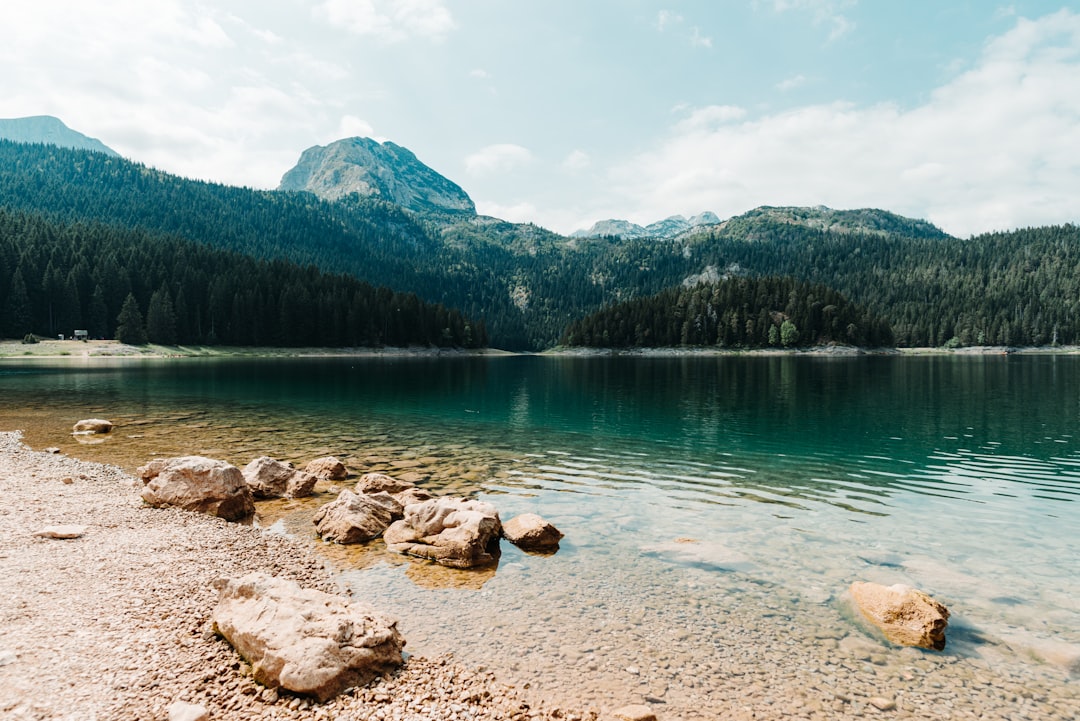
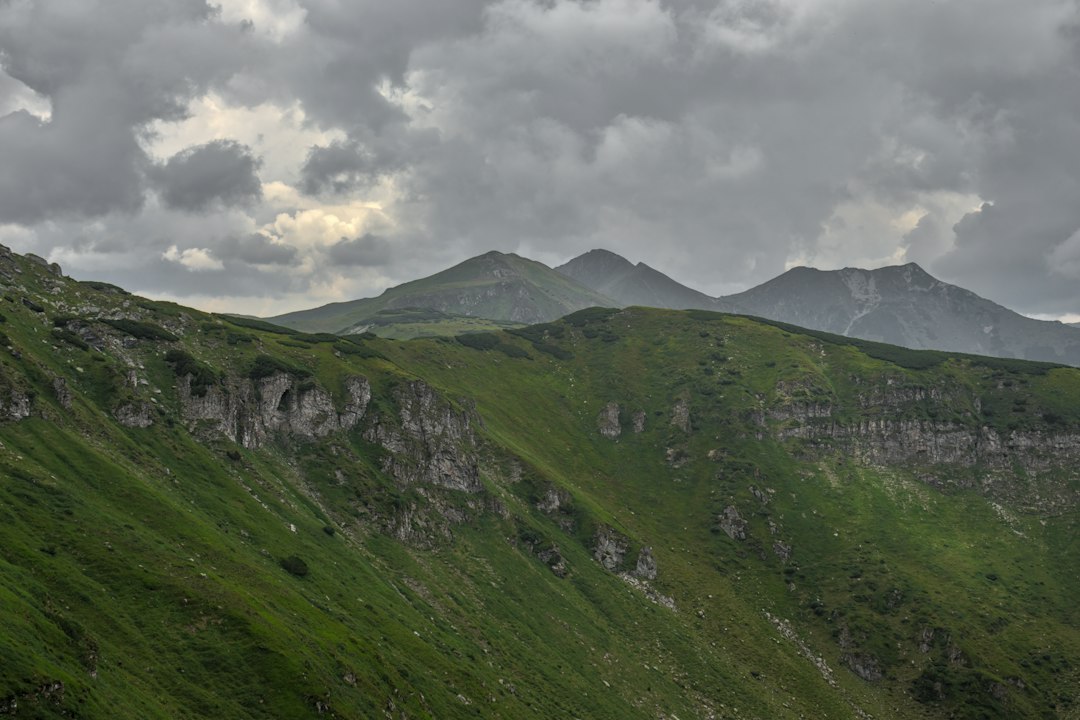
In 1952, the area was declared a national park, and in 1980, it was inscribed as a UNESCO World Heritage site. This protection was crucial, as the region's glacial lakes and deep canyons are geologically significant. The park covers 39,000 hectares, dominated by the Durmitor Massif, which includes 49 peaks over 2,000 meters. The highest is Zla Kolata Zla Kolata, standing at 2,522 meters. The park is not just a geological wonder; it is a living museum of glacial activity. The Black Lake Crno Jezero, a glacial lake at the foot of the main peak, is the heart of the park, feeding the rivers that carve the canyons below. The identity here is one of preservation against the odds, a wild heart beating in the Balkans.
Where to Go
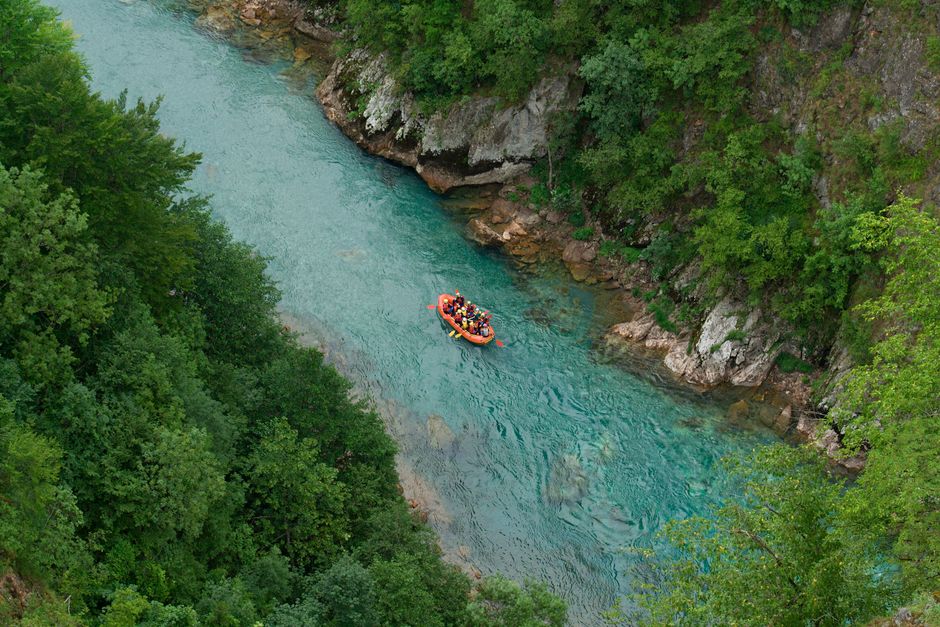
Tara River Canyon — The deepest canyon in Europe, reaching depths of 1,300 meters. It is a massive scar in the earth, formed by the Tara River over millions of years. The canyon is a protected area, and the river itself is a blue-ribbon fishery for brown trout. The best way to experience it is by rafting in summer or canyoning in late spring when the water levels are manageable. The sheer scale is humbling; from the top, the river looks like a thread.
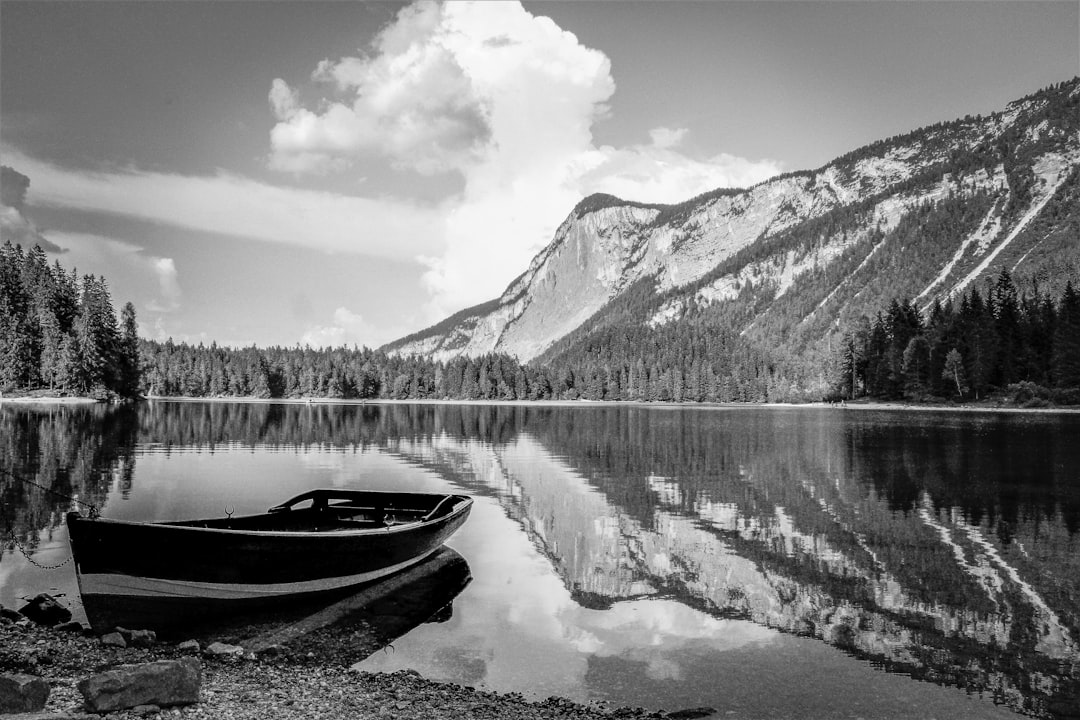
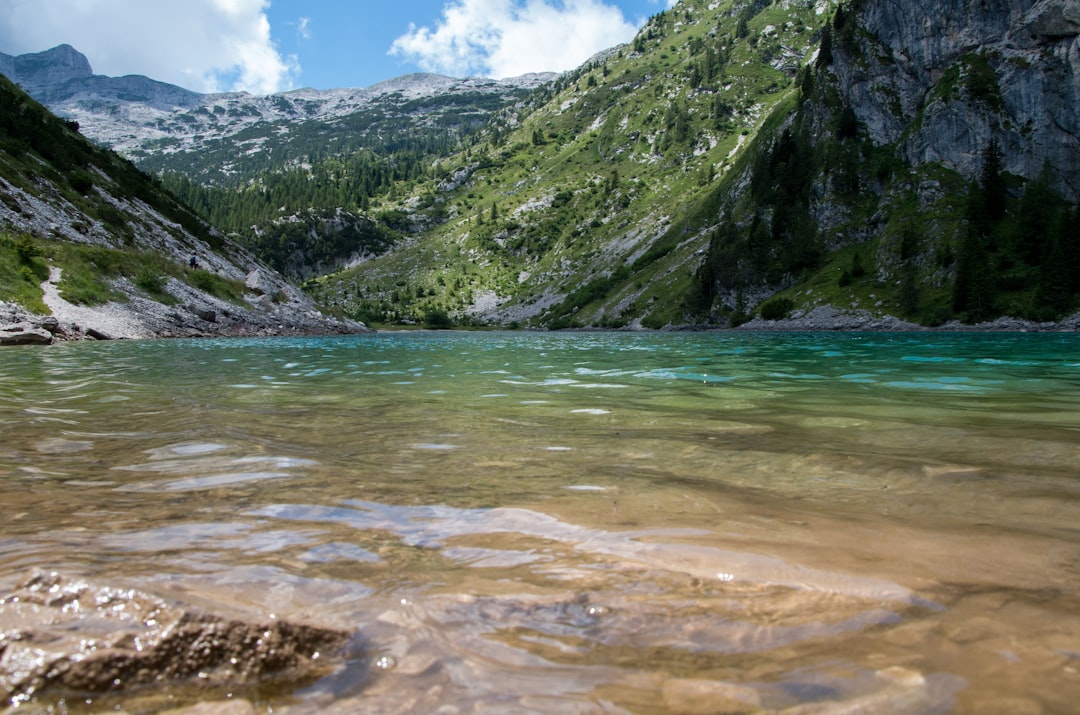
Black Lake — A glacial lake situated at 1,416 meters above sea level, at the foot of Zla Kolata. It is the largest of the park's lakes and is surrounded by a forest of spruce and fir. There is a walking path around the lake, and in summer, you can rent rowboats. The water is cold and clear, reflecting the peaks above. It is a place of stillness, a stark contrast to the roaring canyons.
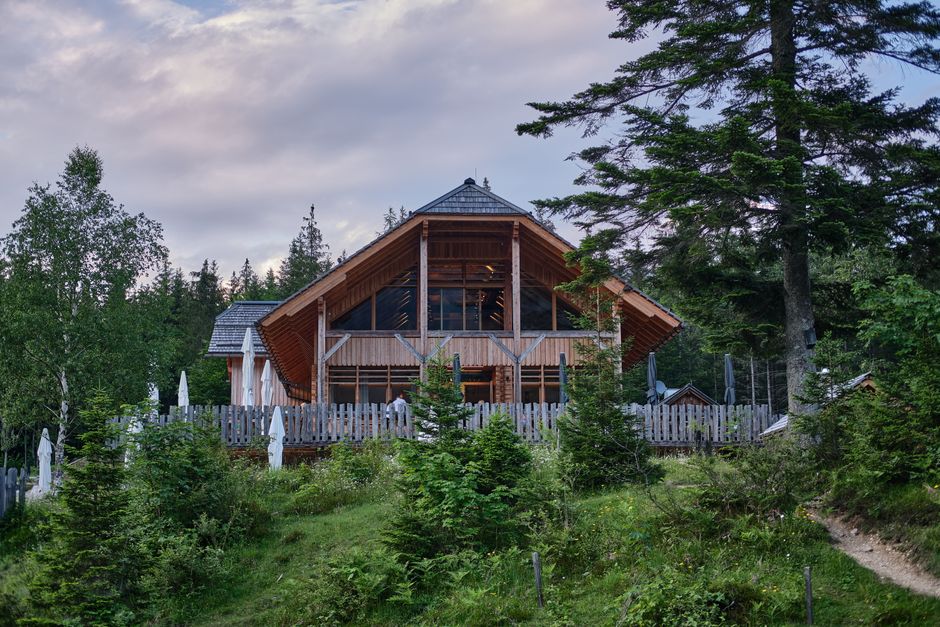
Sutorman Mountain Hut — Located at 2,100 meters, this is the highest mountain hut in Montenegro. It is a historic refuge, offering basic accommodation and meals to hikers and climbers. The hut is a starting point for climbing the higher peaks, including Zla Kolata and Baba. The views from the terrace are panoramic, covering the entire massif and the surrounding valleys. It is a place of camaraderie, where strangers share stories over hot soup.
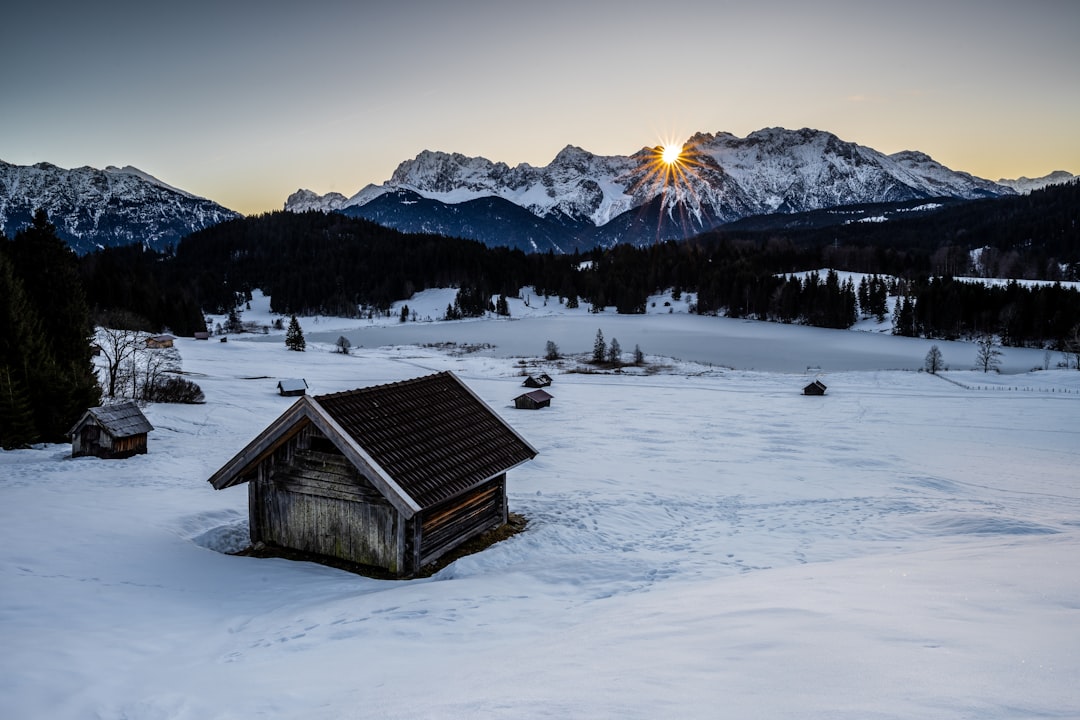
Žabljak — The main town in the park, situated at 1,456 meters. It is a hub for tourists, with hotels, restaurants, and shops. The town itself is charming, with wooden houses and a relaxed atmosphere. It is the gateway to the park, and most activities start here. The Old Town area has several traditional restaurants serving local cuisine.
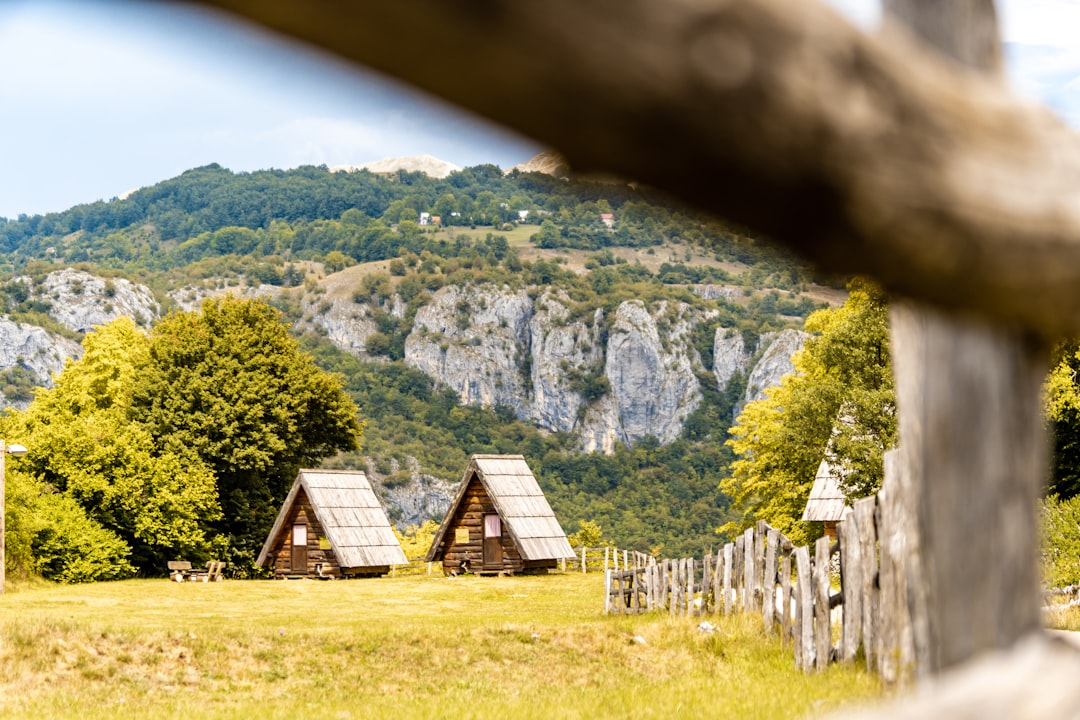
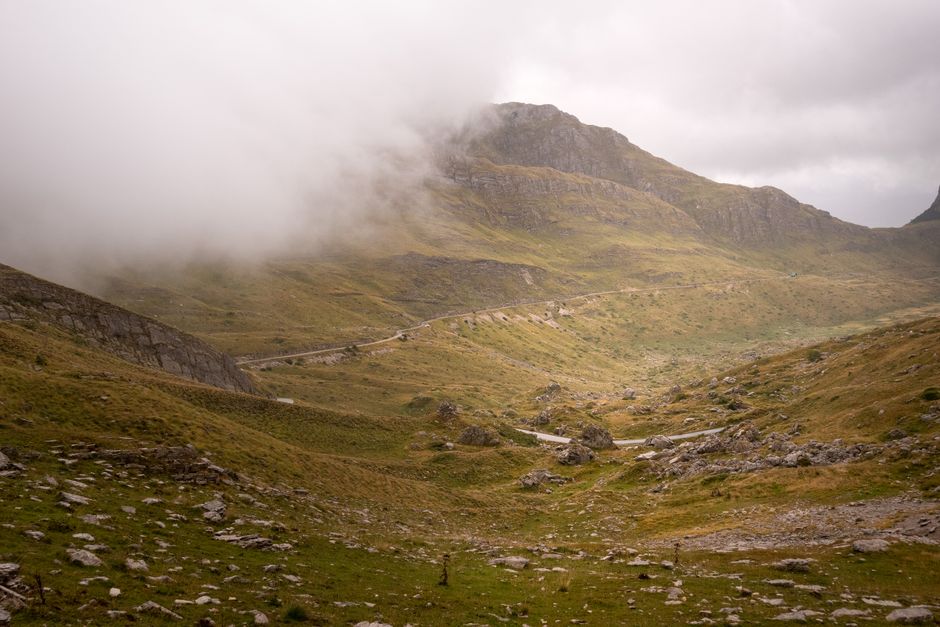
Sedlo Pass — A high mountain pass at 1,627 meters, offering spectacular views of the Accursed Mountains to the north and the Durmitor Massif to the south. It is a popular spot for hiking and photography. The road to the pass is winding and steep, but the drive is worth it. The views are particularly stunning at sunrise and sunset.
What to Eat & Drink
Eating in Žabljak is an experience in hearty, mountain fare. The cuisine is designed to fuel hard work in cold conditions. You will find dishes that are heavy on meat and dairy, with local cheeses and smoked meats featuring prominently. The prices are reasonable, especially compared to the coast. A typical meal at a local restaurant will cost you 10-15 EUR per person. Street food options are limited, but you can find bakeries selling fresh bread and pastries for 1-2 EUR.
Krivodolski sir — A local cow's milk cheese, known for its strong flavor and texture. It is often served with bread and honey. 5-7 EUR per serving.
Pršut — Dry-cured ham, similar to prosciutto. It is a staple in Montenegrin cuisine and is served as an appetizer. 8-12 EUR per plate.
Jagnjetina — Roast lamb, often cooked in a spit. It is a traditional dish for special occasions. 12-15 EUR per portion.
Kajmak — A creamy dairy product, similar to clotted cream. It is served with bread or as a side dish. 2-3 EUR per serving.
Lozovača — A strong grape brandy, often served as a digestif. 2-4 EUR per shot.
The main restaurant district is around the town square in Žabljak. There are several traditional restaurants here, such as Restoran Durmitor and Restoran Sutorman. These places offer a wide range of local dishes and a warm atmosphere. For budget travelers, there are also cafes and bakeries that serve simple meals and snacks.

Nightlife
Nightlife in Žabljak is modest, reflecting the town's role as a mountain resort rather than a party destination. The bars and clubs are focused on live music and socializing, with a relaxed atmosphere. The main nightlife area is around the town square and the main street. There are several bars here, such as Bar Durmitor and Club 404, which offer live music and drinks. The cover charge is usually free or low, around 1-2 EUR.
The music style is primarily traditional Montenegrin folk music, with some international hits. The atmosphere is friendly and welcoming, with locals and tourists mixing easily. The bars are usually open until late evening, and the clubs may stay open until midnight. It is not a place for wild parties, but rather for enjoying a drink and some music in a beautiful setting.
Getting There & What to Expect
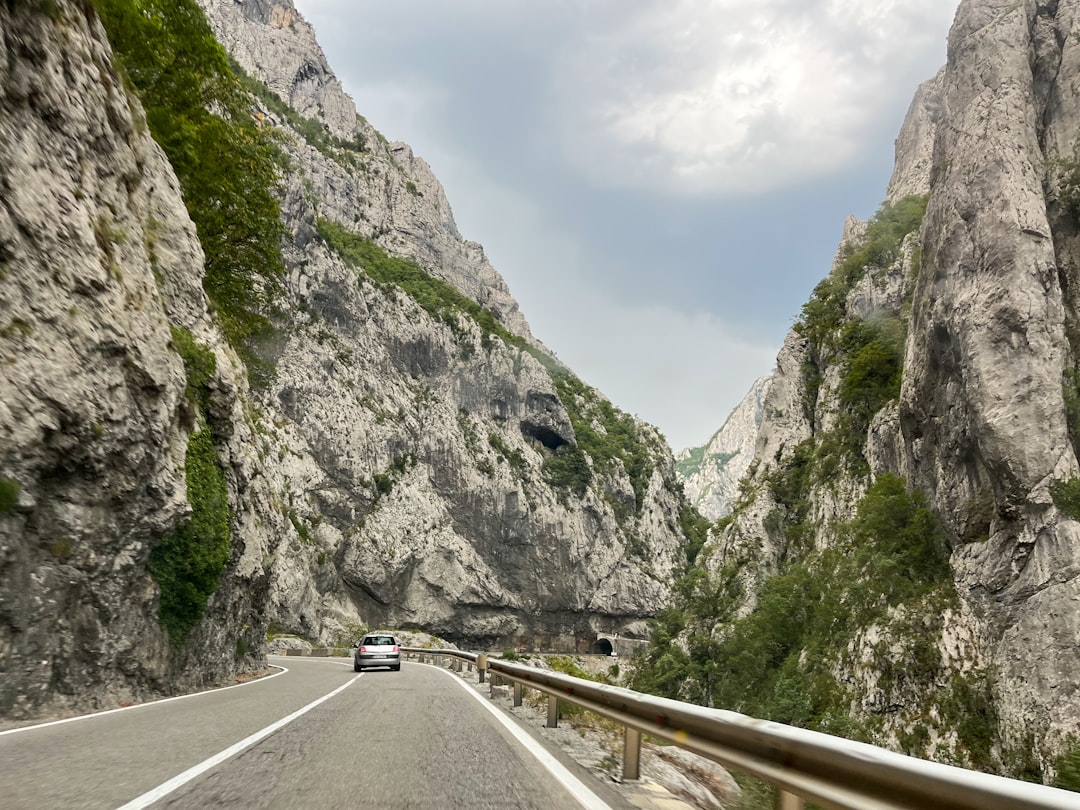
The nearest airport is Tivat Airport, located on the coast. From there, you can take a bus or a car to Žabljak, a journey of about 3-4 hours. The road is scenic but winding, and conditions can be challenging in winter. Buses run regularly from Podgorica and Belgrade, with travel times of 4-6 hours. The cost of a bus ticket is around 10-15 EUR. If you prefer to drive, car rentals are available in Tivat and Podgorica, with prices starting from 30-50 EUR per day.
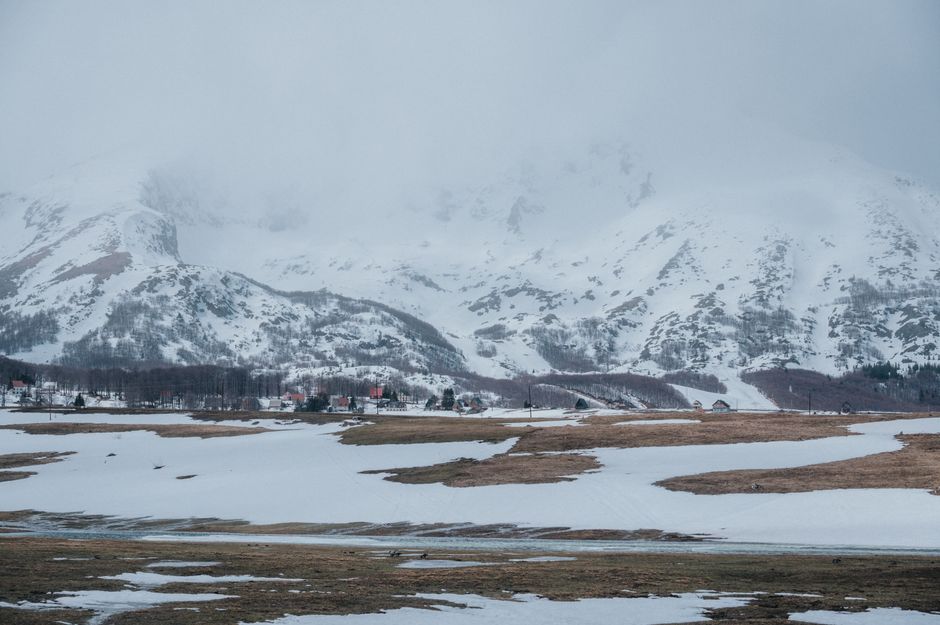
Accommodation in Žabljak ranges from budget hostels to mid-range hotels. A bed in a hostel costs around 15-25 EUR per night, while a room in a mid-range hotel is around 40-60 EUR per night. There are also several mountain huts in the park, such as Sutorman and Sedlo, which offer basic accommodation and meals. The best time to visit depends on your interests. For skiing, the season runs from December to April. For canyoning and hiking, the best time is from May to October.
Search accommodation in Zabljak on Booking.com →
The Final Descent
I pull myself out of the canyon, muscles screaming, skin raw from the rock. The sun is setting, casting long shadows across the valley. The guide claps me on the back, a silent acknowledgment of survival. We drive up the winding roads to Žabljak, the air growing colder with every kilometer. The contrast is jarring: from the wet, chaotic energy of the canyon to the dry, crisp silence of the high plateau. I check into my hotel, the smell of woodsmoke and damp wool in the air. Tomorrow, I will wake before dawn, strap on my skis, and climb back up. The park demands your full attention, your full body, your full fear. It gives back nothing but the view, and the memory of being alive in a place that does not forgive mistakes. This is Durmitor. It is not for everyone. But for those who come, it is unforgettable.
Comments