


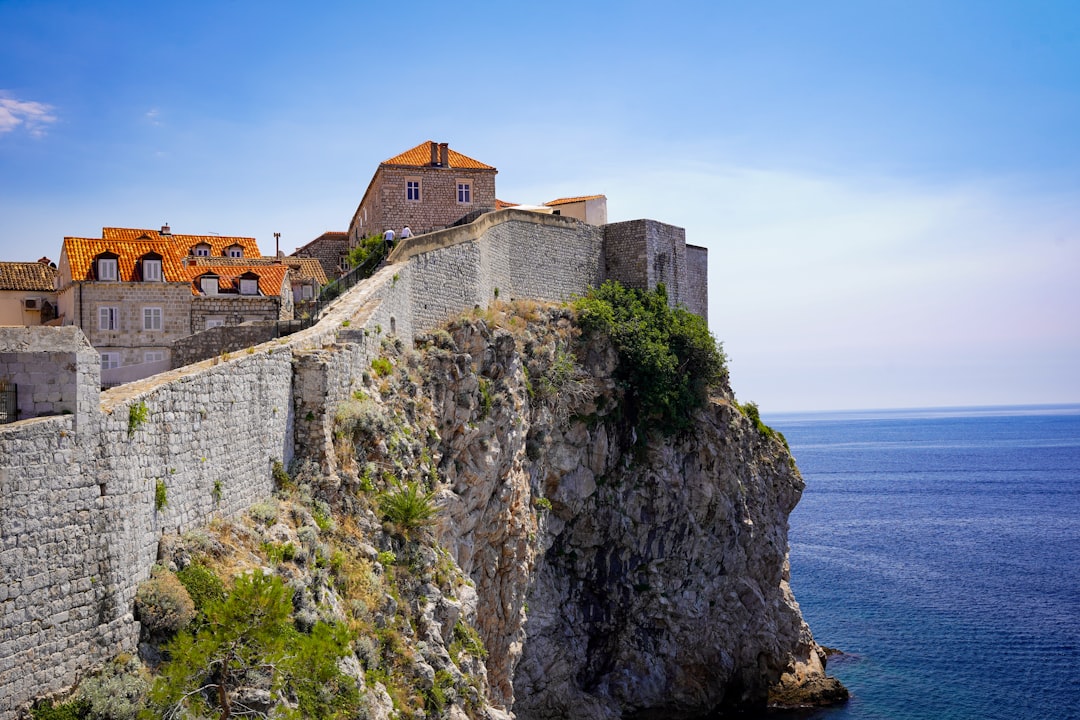
The sun hadn't even crested the Adriatic yet, and the limestone was already radiating a dry, ancient heat that prickled the soles of my sandals. I stood at the Pile Gate, watching the first shuttle bus of the day rumble past, its windows packed with families clutching ice creams and guidebooks. I turned my back on them. The real story of Dubrovnik isn't in the crowded Stradun or the overpriced gelato shops; it's up here, on the three-and-a-half-kilometer loop of fortifications that once kept the Ottoman Empire at bay. At 6:00 AM, the walls are silent. The only sound is the slap of my own feet against stone worn smooth by centuries of boots, cannons, and now, my own desperate need for solitude. This is the only time the city breathes.
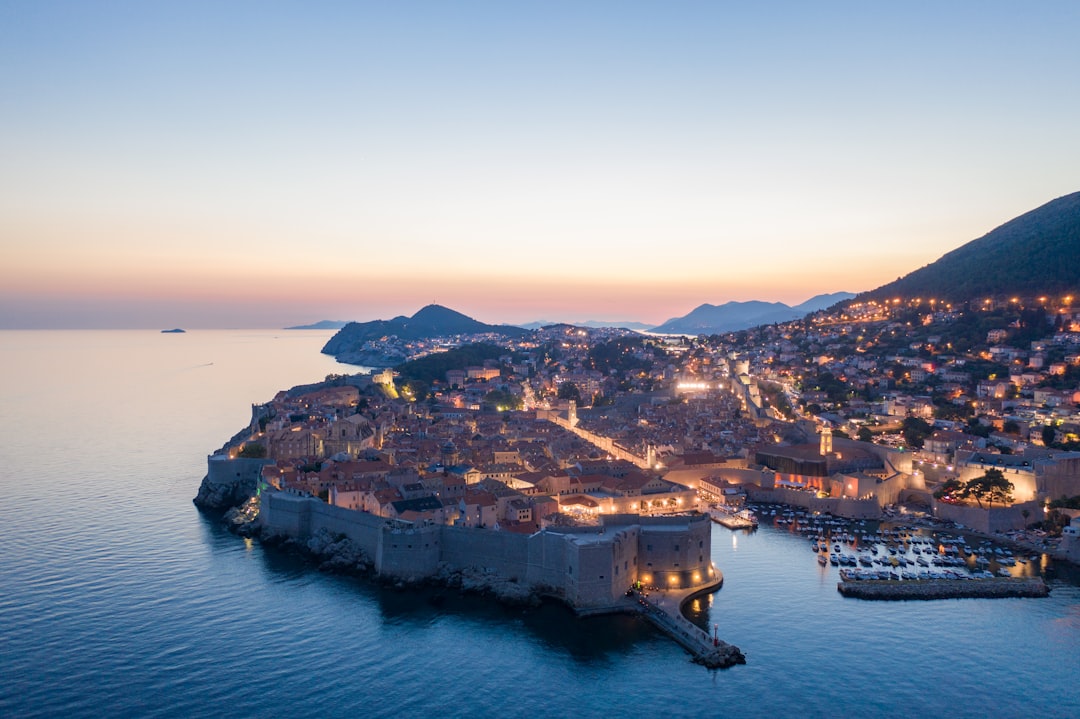
Most people treat the City Walls of Dubrovnik like a scenic overlook, a place to snap a selfie with the red-tiled roofs before heading back to the air conditioning. They miss the point. These aren't just ruins; they are a masterclass in medieval military engineering, a continuous loop of bastions, towers, and gates that survived earthquakes, fires, and the Yugoslav artillery bombardment of the 1990s. Walking them when the crowds are thinning—or better yet, before they arrive—changes the entire texture of the city. You stop seeing postcards and start seeing the scars, the strategic genius, and the sheer stubbornness of a merchant republic that refused to die.
History & Identity
To understand the walls, you have to understand the paranoia of the Republic of Ragusa. For over five centuries, this tiny city-state on the Dalmatian coast was a powerhouse of trade, diplomacy, and survival. It wasn't a military giant, but it was smart. The walls weren't built in a day; they were expanded, reinforced, and rebuilt over four centuries, from the 12th to the 16th century, adapting to every new threat. When the Ottomans pressed from the east, the walls went up. When the Venetians threatened from the west, the walls got thicker. When the Spanish Empire loomed, the walls got higher. By the 16th century, the fortifications were a complete circle, a stone belt that turned Dubrovnik into an impregnable fortress.
But the walls aren't just about war; they're about identity. Inside, the city was a sanctuary of law, culture, and wealth. Outside, it was a hostile world. The walls created a psychological boundary that defined Ragusan life. Even today, the city feels enclosed, intimate, and slightly claustrophobic, a feeling that the walls deliberately induce. The 1991-1992 siege by the Yugoslav Army and Montenegrin forces left deep scars, particularly on the western and northern sections. Restoring them wasn't just about tourism; it was about national healing. Walking the walls now is walking through a timeline of resilience, where medieval mortar sits beside modern concrete patches from the post-war reconstruction.
Where to Go
Pile Gate — The main entrance to the Old Town from the west, this is where most tourists enter. It's a massive, fortified gateway with a drawbridge mechanism that once protected the city from land attacks. The best view is from the top of the adjacent tower, looking down at the modern city of Ploče. Entry to the walls starts here, and it's the most crowded point, so aim for early morning or late evening.
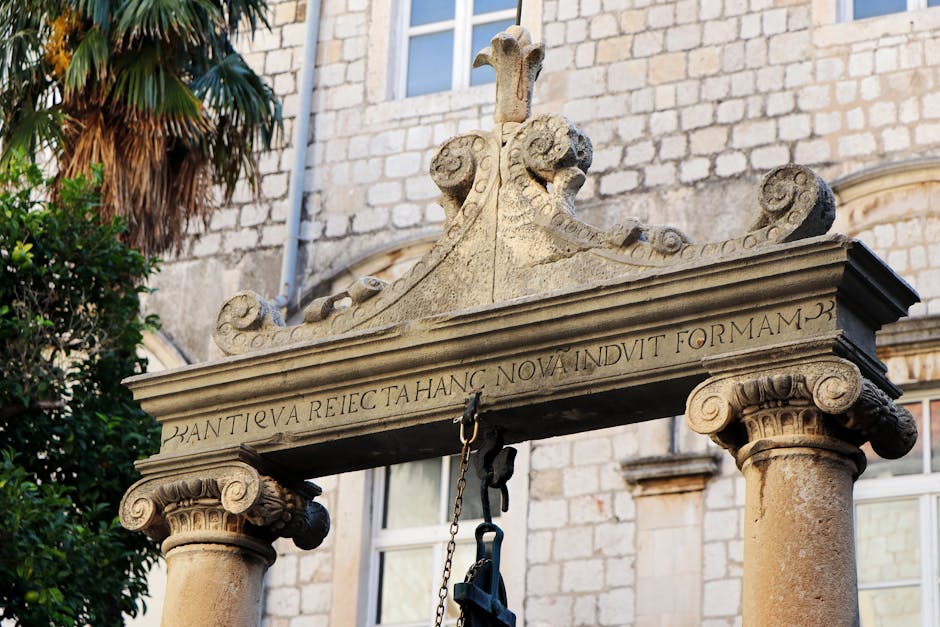
St. John's Fortress — Located at the southwestern corner of the walls, this fortress is the most intact and visually striking. It's a massive, square-shaped bastion with a central courtyard and a church dedicated to St. John the Baptist. The fortress offers panoramic views of the western sea and the Elafiti Islands. It's less crowded than the eastern sections and provides a dramatic backdrop for photos.
St. John's Fortress — Located at the southwestern corner of the walls, this fortress is the most intact and visually striking. It's a massive, square-shaped bastion with a central courtyard and a church dedicated to St. John the Baptist. The fortress offers panoramic views of the western sea and the Elafiti Islands. It's less crowded than the eastern sections and provides a dramatic backdrop for photos.
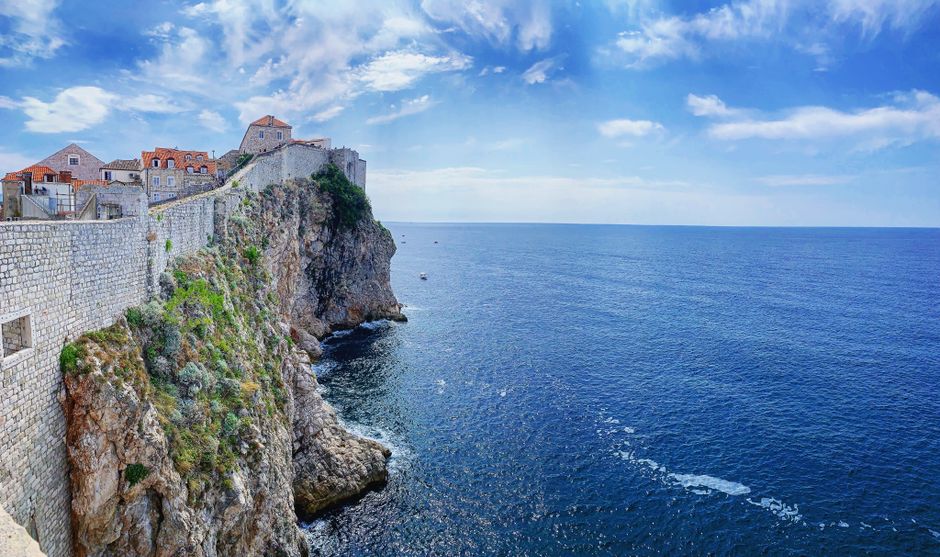
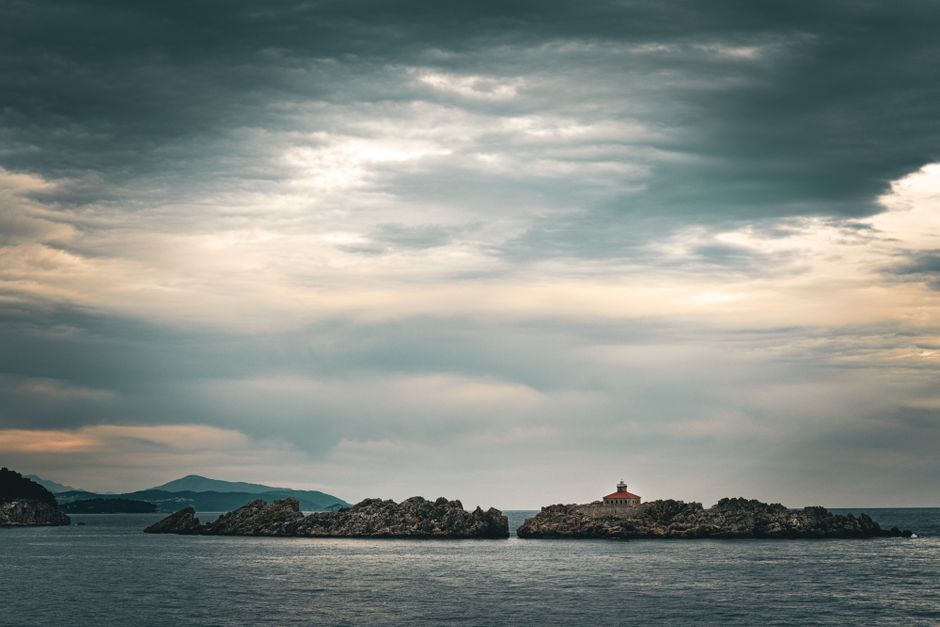
St. Ivan Fortress — Perched on a rocky islet just off the eastern tip of the Old Town, this fortress is connected to the mainland by a narrow stone bridge. It's the most isolated and dramatic of the fortifications, offering a 360-degree view of the city, the Adriatic, and the Lokrum Island. The climb up is steep, but the reward is a sense of total separation from the city below. It's a photographer's dream.
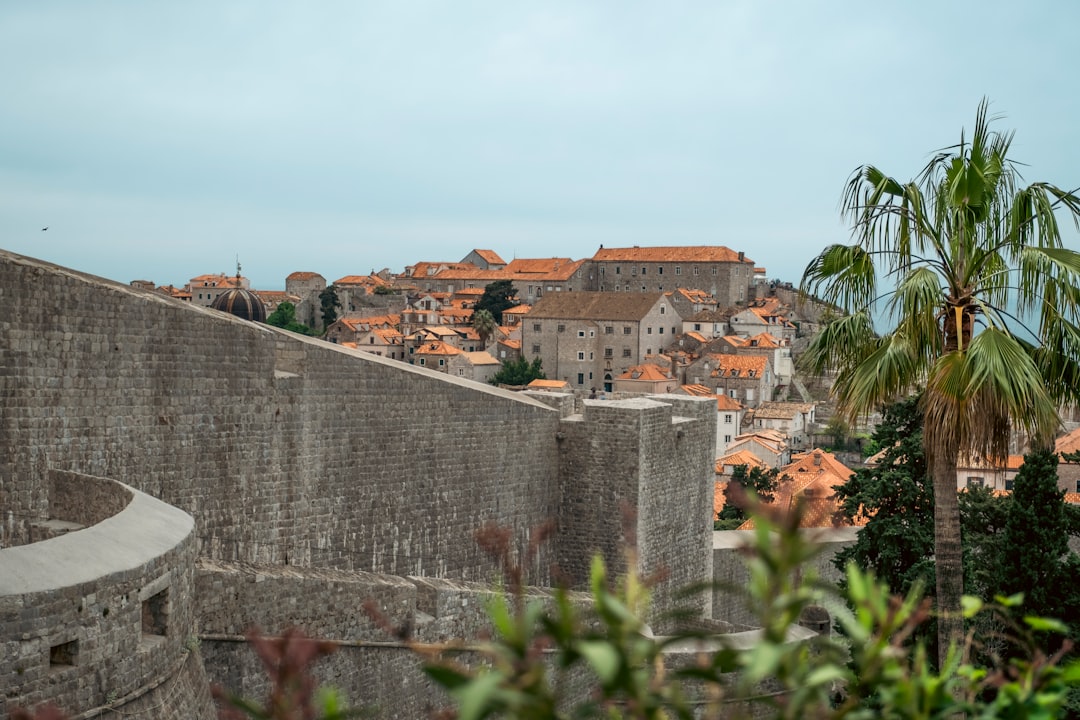
Bunje Tower — Located on the northern wall, this is the highest point of the fortifications, standing 25 meters tall. It offers a bird's-eye view of the entire Old Town, the red-tiled roofs, and the surrounding mountains. The tower is narrow and steep, but the climb is worth it for the sheer scale of the city laid out below. It's a quiet spot, often overlooked by the masses.
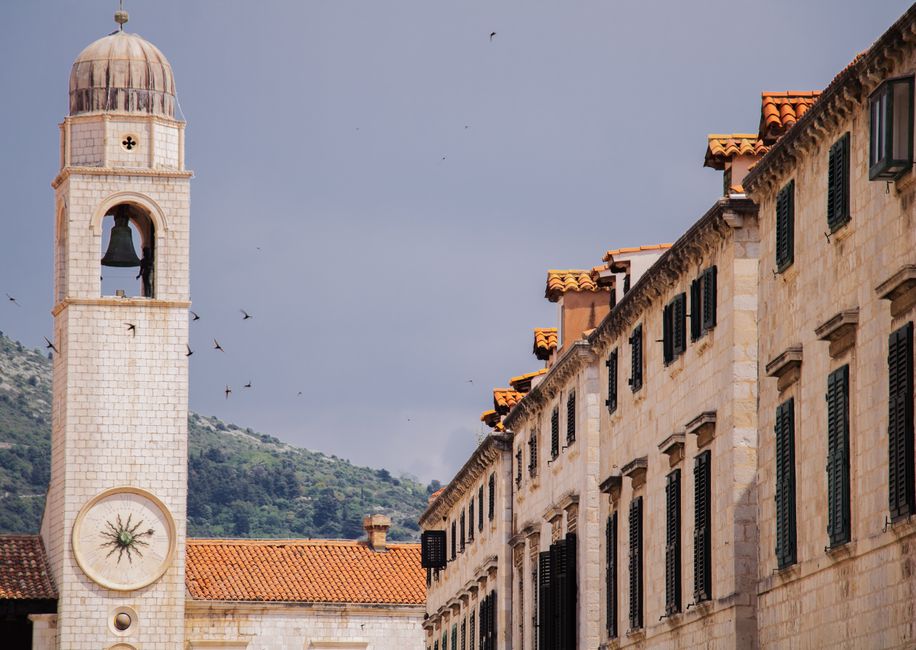
Bunje Tower — Located on the northern wall, this is the highest point of the fortifications, standing 25 meters tall. It offers a bird's-eye view of the entire Old Town, the red-tiled roofs, and the surrounding mountains. The tower is narrow and steep, but the climb is worth it for the sheer scale of the city laid out below. It's a quiet spot, often overlooked by the masses.
Ploče Gate — The eastern entrance to the Old Town, this gate is less grand than Pile Gate but equally historic. It's the starting point for the wall walk if you want to avoid the worst of the crowds. The area around Ploče Gate is quieter, with a small square and a few cafes. It's a good place to end your walk, emerging back into the city with a sense of accomplishment.
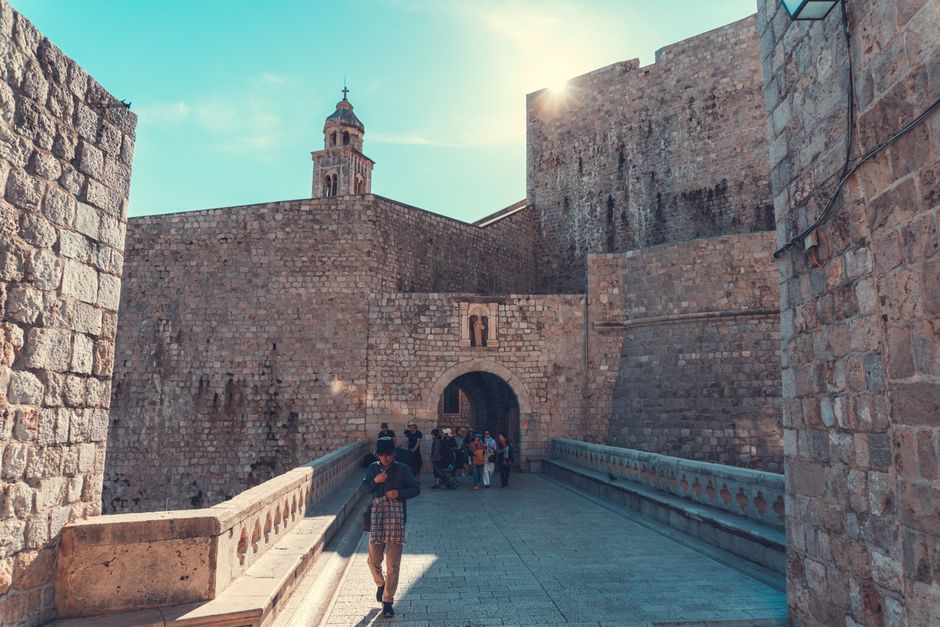
Ploče Gate — The eastern entrance to the Old Town, this gate is less grand than Pile Gate but equally historic. It's the starting point for the wall walk if you want to avoid the worst of the crowds. The area around Ploče Gate is quieter, with a small square and a few cafes. It's a good place to end your walk, emerging back into the city with a sense of accomplishment.
What to Eat & Drink
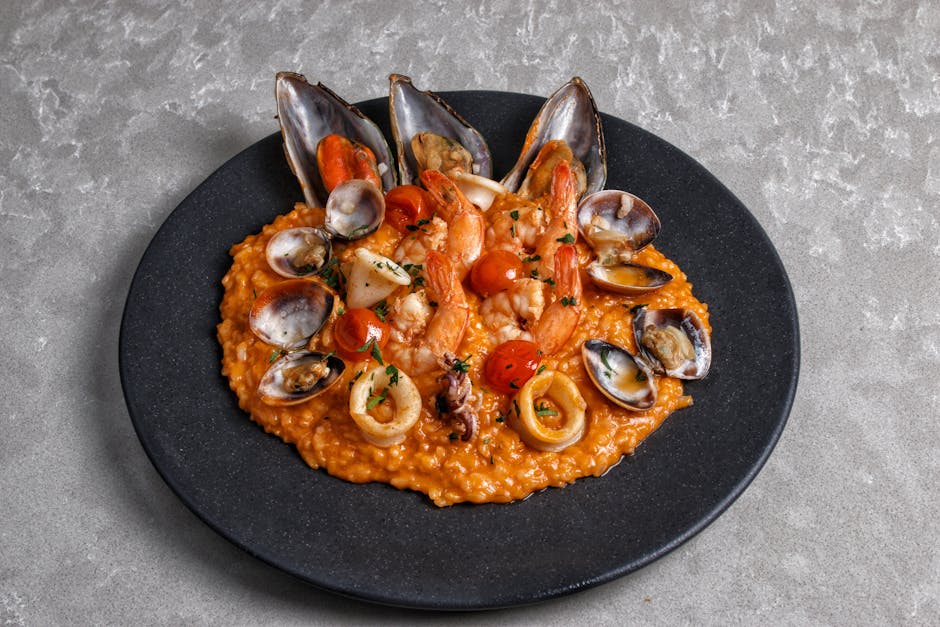
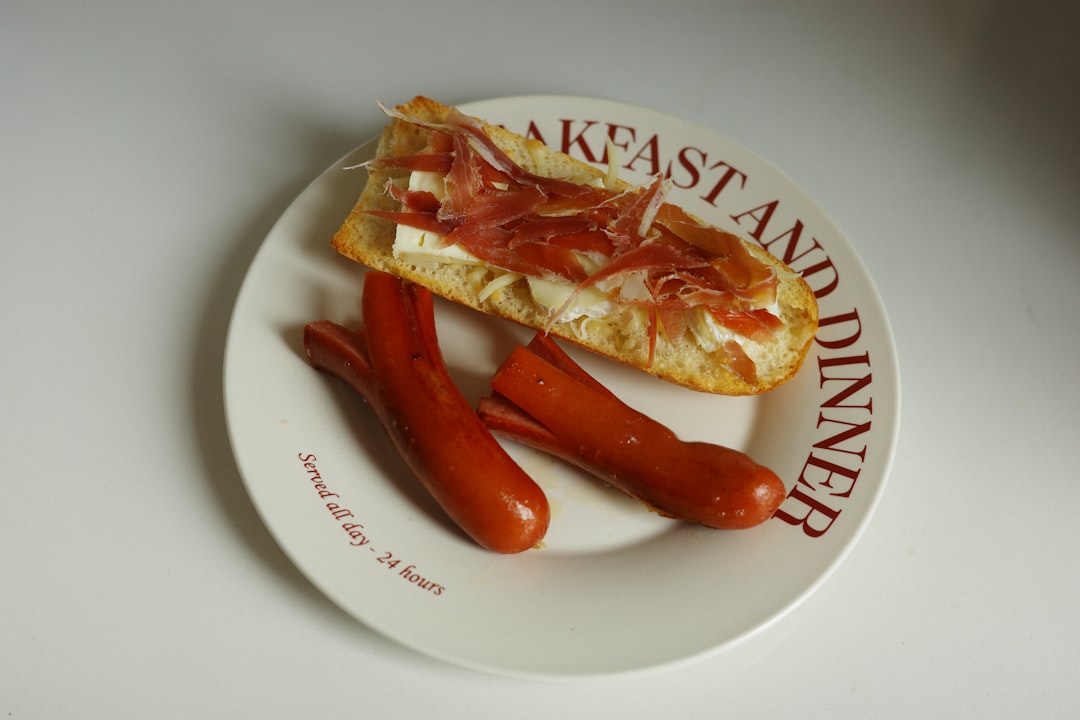
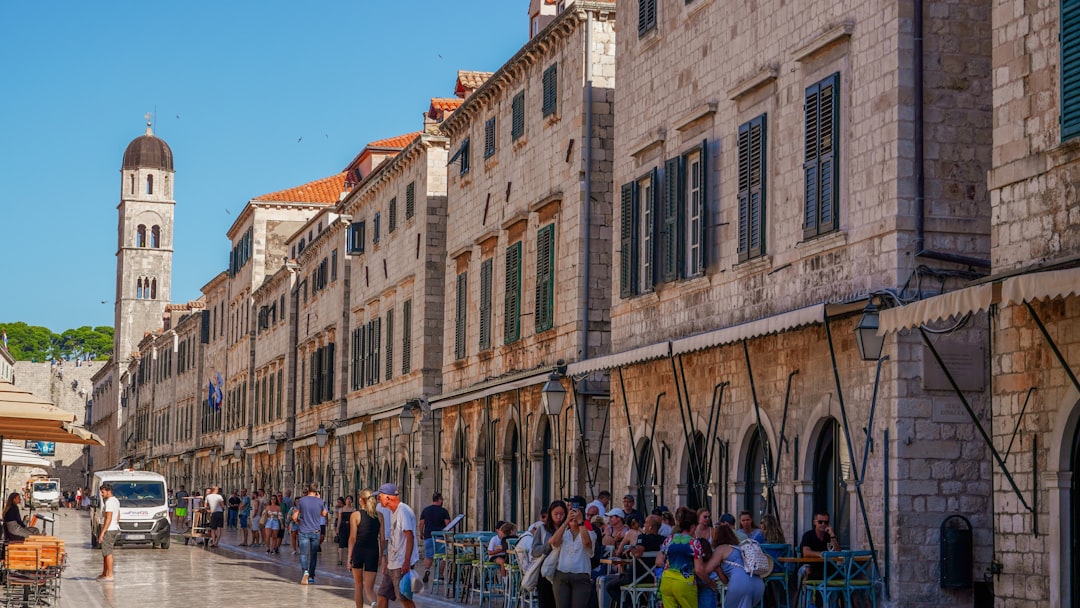
After the walk, you'll be hungry. The Old Town is full of restaurants, but many are tourist traps. Head to the Stradun for a quick bite, but venture into the side streets for better value. Try black risotto — a local specialty made with squid ink, served with polenta — for about 12-15 EUR. Or go for pršut — Dalmatian cured ham — with fresh bread and olive oil, a simple but satisfying snack for 5-8 EUR. For a beer, look for Kamenica, the local Dubrovnik brew, which is crisp and refreshing, perfect after a long walk in the sun. A half-liter costs around 3-4 EUR in most bars.
Budget travelers can grab a štrudla (strudel) from a bakery for 2-3 EUR or a pirog (savory pastry) for 1-2 EUR. For a sit-down meal, a local restaurant like Bebe or Kamenica offers hearty Dalmatian dishes for 20-30 EUR per person. The Onofrio's Fountain area has a few cafes where you can sit and watch the world go by for 5-10 EUR for a coffee and a pastry. Avoid the restaurants right on the Stradun; they're expensive and often mediocre. Instead, head to the Ploče district or the Pile area for better prices and more authentic food.
Nightlife
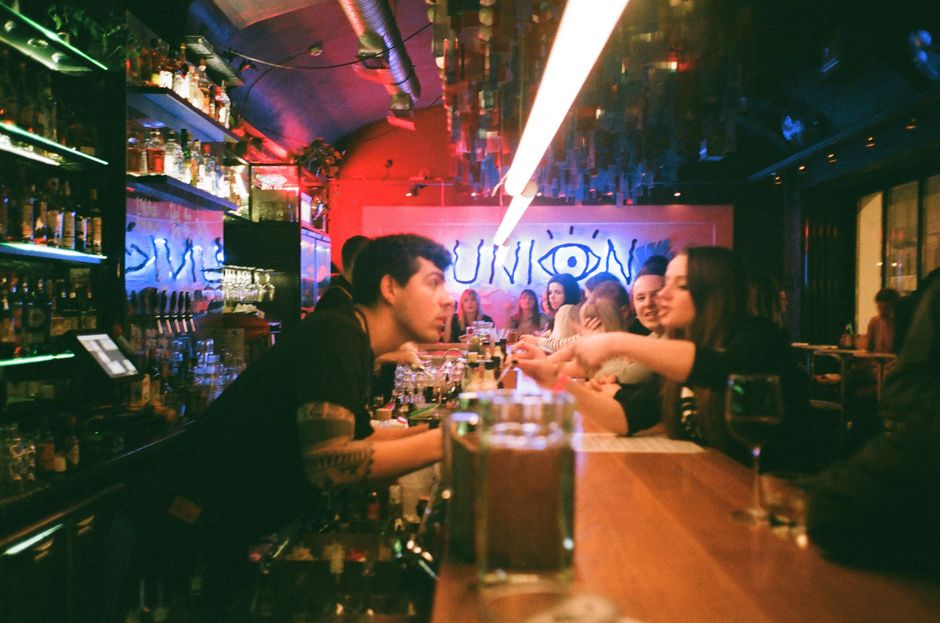
Dubrovnik's nightlife is concentrated in the Old Town and the Lapad district. The Old Town has a few bars and clubs, but the real action is in Lapad, where the Lapad Beach area comes alive at night. Barok is a popular spot for cocktails and live music, with a cover charge of 5-10 EUR. Club 100 is another option, known for its electronic music and dance floor. For a more relaxed vibe, head to Sea Garden, a park-like area with several bars and restaurants where you can sit outside and enjoy the sea breeze. The Stradun also has a few bars that stay open late, but they're more tourist-oriented and less lively.
Most bars and clubs in the Old Town close by midnight, so if you're looking for late-night action, you'll need to head to Lapad. The Buffalo Bar is a good option, with a relaxed atmosphere and a mix of local and international music. Club 100 is louder and more energetic, with DJs playing until the early hours. For a more upscale experience, Barok offers a sophisticated menu of cocktails and live jazz music. The Sea Garden is a great place to end the night, with its peaceful atmosphere and stunning views of the sea.
Getting There & What to Expect
The nearest airport is Dubrovnik Airport, located about 20 km from the city center. Buses run regularly from the airport to the Old Town, taking about 30 minutes and costing 4-5 EUR. Taxis are more expensive, around 30-40 EUR. If you're coming from other parts of Croatia, buses and trains are available, with journeys from Split taking about 4-5 hours and costing 15-20 EUR. From Budva, Montenegro, it's a short ferry ride or a drive across the border, taking about 30 minutes.
Accommodation in Dubrovnik ranges from budget hostels to luxury hotels. A hostel bed costs around 20-30 EUR per night, while a mid-range hotel room is 80-150 EUR. Luxury hotels can cost 200-500 EUR or more. The best time to visit is from April to June or September to October, when the weather is pleasant and the crowds are thinner. July and August are peak season, with high temperatures and large crowds. If you're planning to walk the walls, go early in the morning or late in the evening to avoid the heat and the tourists.
Search accommodation in Dubrovnik on Booking.com →
The Wall Whisperer
I sat on a crumbling stone parapet, my legs dangling over the edge, watching the sun dip below the horizon. The city below was a sea of red tiles and shadows, the streets emptying as the day's tourists retreated to their hotels. The walls were silent again, but this time it wasn't the silence of solitude; it was the silence of satisfaction. I had walked the length of the city's history, felt the weight of its past, and seen it from a perspective that most people never get. The crowds would come back tomorrow, but for now, the walls were mine. And in that moment, I understood why Dubrovnik had survived. It wasn't just the stone; it was the spirit of the people who built it, maintained it, and lived within it. A spirit that still echoes in the wind that sweeps across the Adriatic, carrying with it the whispers of a city that refuses to be forgotten.
Comments