


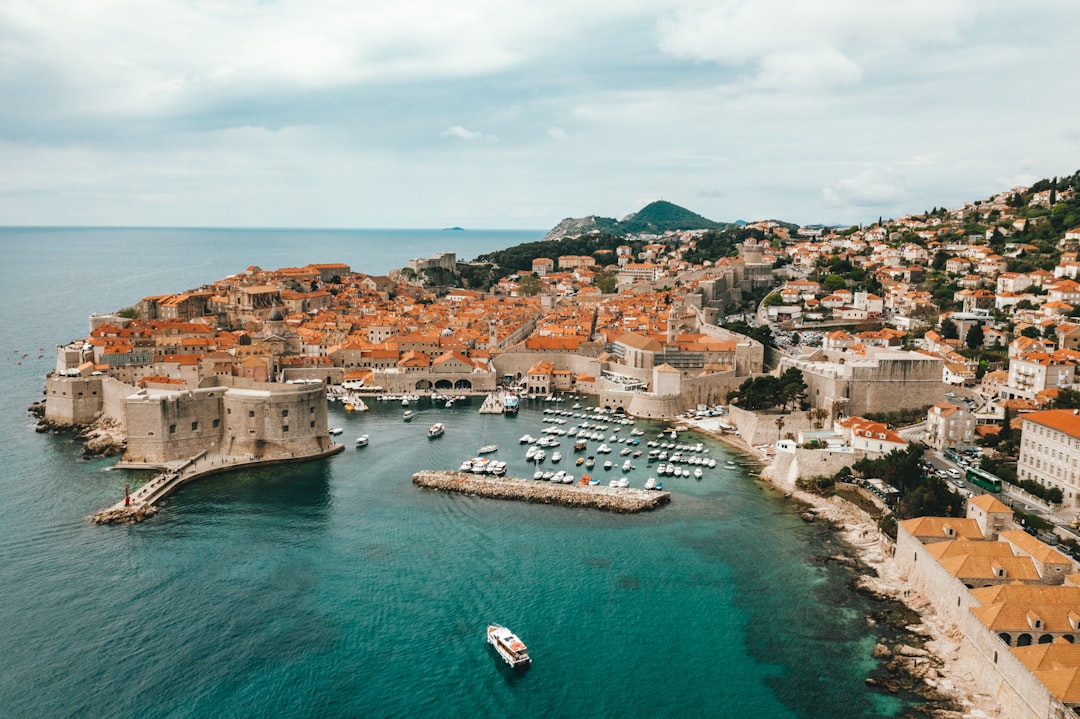
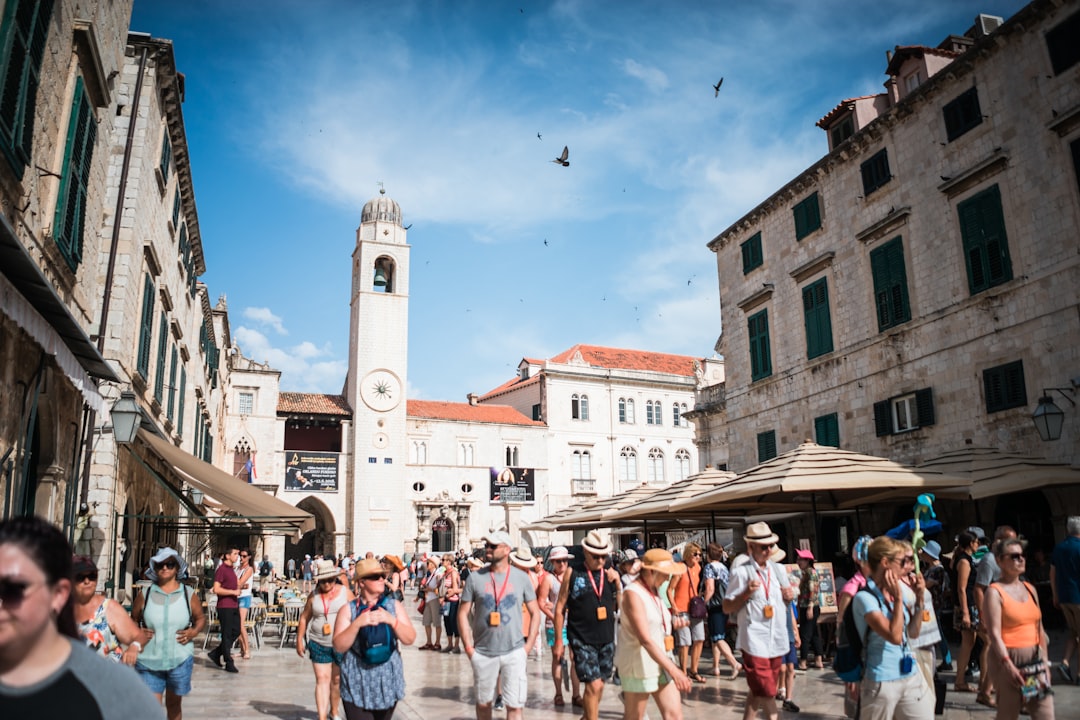
The air in Dubrovnik tastes like salt, diesel, and desperation. I stood at the base of the cable car, watching a queue of sunburned tourists snake around the bend, sweating through their linen shirts, clutching tickets they bought online three weeks ago. Above me, the Stradun glittered under a relentless Adriatic sun, a river of selfie sticks and cruise ship day-trippers. I had come here to find the soul of the city, not to be processed like cargo in a logistics hub. The choice before me was simple: spend an hour in a metal box whirring up to a mountain peak, or sweat through the medieval fortifications that have kept out Ottomans, French, and now, apparently, my own sanity. It’s a battle for your budget, your knees, and your perspective.
I chose the walls first. There is a reason. The cable car is a spectacle, sure, but the walls are the city’s actual spine. Walking them feels less like tourism and more like trespassing in a living museum. You aren't just looking at history; you are standing on the exact stones where cannons were loaded and walls were breached. The cable car gives you a postcard view. The walls give you the scars. But both are expensive, both are crowded, and both are essential if you want to understand why this city wears its armor with such pride.
History & Identity
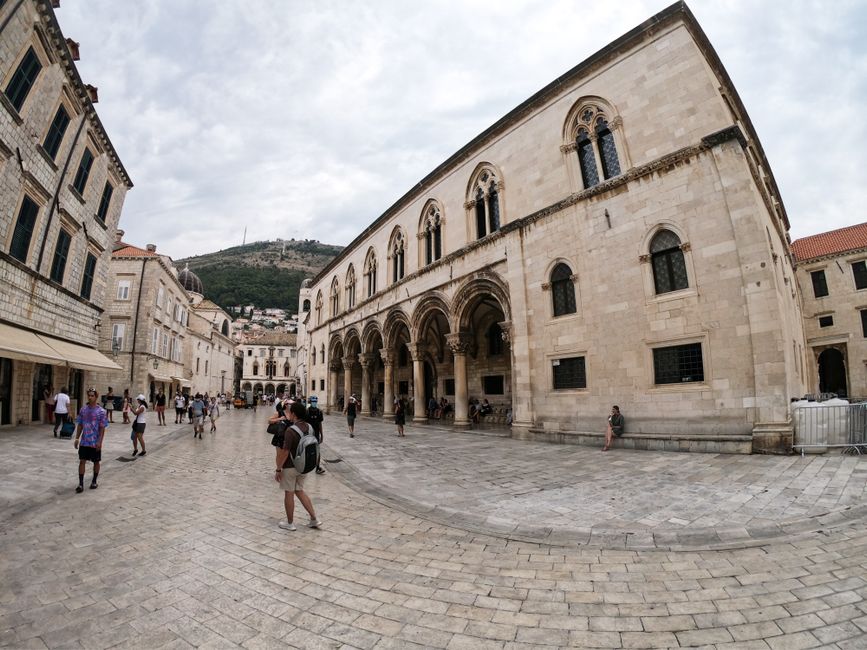
Dubrovnik is not just a city; it is a fortress masquerading as a resort. For centuries, the Republic of Ragusa was a maritime power that danced between empires, using diplomacy and naval might to survive. The walls you walk on today were built, rebuilt, and expanded over nearly 500 years, from the 12th to the 17th century. They are not a single structure but a complex network of towers, bastions, and gates designed to withstand siege warfare. When Napoleon’s forces arrived in 1806, they didn't break the walls; they negotiated with them. The city’s identity is inextricably linked to this defensive posture. Even today, the walls define the urban fabric, separating the old town from the modern sprawl beyond.
The cable car, by contrast, is a 20th-century addition. Opened in 1969, it was built to bring locals and tourists to the top of Srđ Mountain, offering a panoramic view of the peninsula that the walls simply cannot provide. While the walls speak of isolation and protection, the cable car speaks of accessibility and modern tourism. It’s a juxtaposition of eras: one built with stone and blood, the other with steel and convenience. Understanding this difference helps you decide which experience aligns with your travel style. Do you want to feel the weight of history under your boots, or do you want to float above it in a glass cabin?
Where to Go
The City Walls — This is the crown jewel of Dubrovnik. The circuit is 2 kilometers long, taking you past the Minčeta Tower, the Sarajevo Gate, and the Pile Gate. You’ll walk on narrow paths, climb steep stairs, and peer through arrow slits at the terracotta roofs below. The entry fee is steep, but the experience is unmatched. Go early in the morning or late in the evening to avoid the midday crush. The sun beats down mercilessly on the stone, so bring water and a hat. The walls are closed on Mondays in winter but open daily in summer. 25-30 EUR per person for adults. Children under 7 are free.
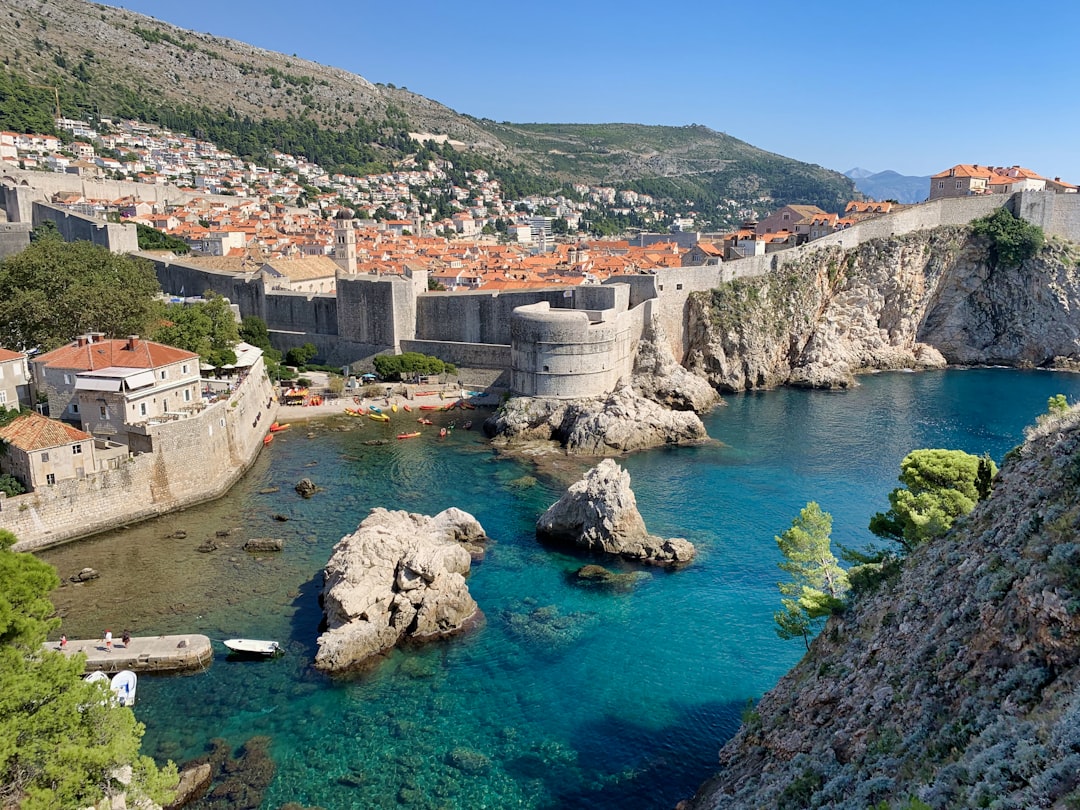
Srđ Mountain Cable Car — The lift takes you to the summit of Srđ Mountain in about 3 minutes. The station is located just outside the Pile Gate, making it easily accessible. From the top, you can see the entire Dubrovnik peninsula, the Elafiti Islands, and on clear days, even the mainland. The cable car operates daily, weather permitting. It’s a quick, efficient way to get a bird’s-eye view without the sweat. The round-trip ticket includes access to the Srđ Fortress at the top, which houses a museum and restaurant. 25-30 EUR for a round-trip adult ticket. Children under 1.2m travel free.
Minčeta Tower — Located on the north wall, this is the largest and most iconic tower in Dubrovnik. Built in the 15th century, it was designed to house heavy cannons. Climbing the 140 steps to the top is a workout, but the view is worth it. You can look down into the courtyard and see the layers of construction that show how the walls evolved over time. Entry is included with the city walls ticket, but you can also buy a separate ticket if you’re only doing the tower. 5-10 EUR for tower-only access.
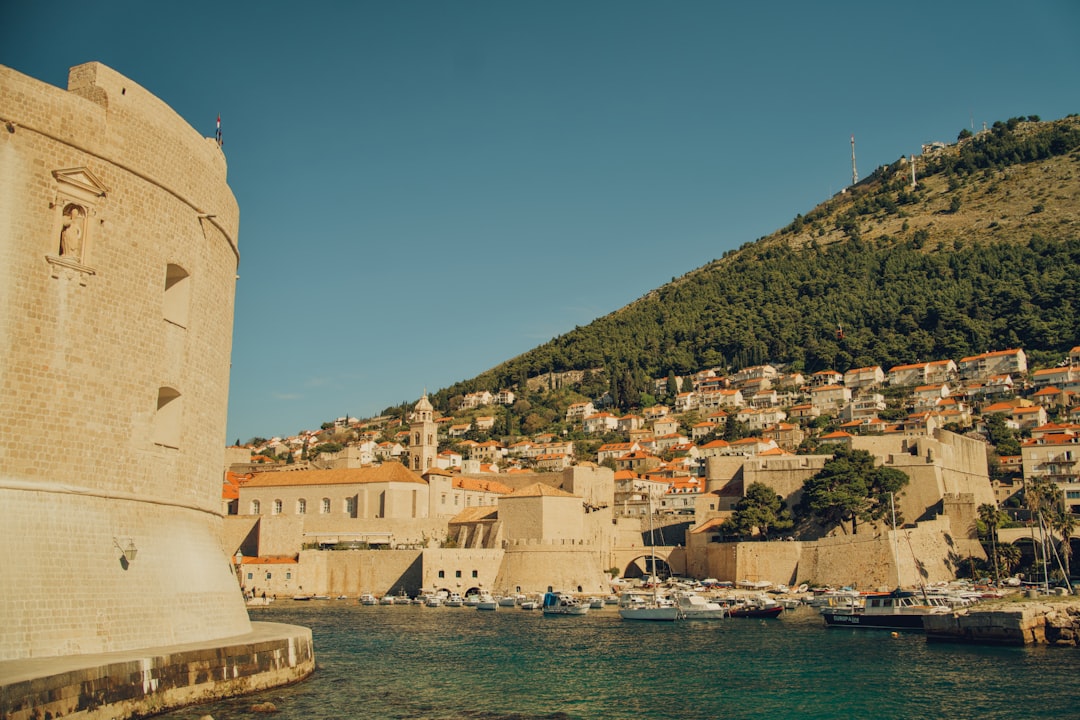
Sarajevo Gate — The eastern entrance to the Old Town, this gate is a masterpiece of military architecture. It features a double-arched design and a watchtower. The area around the gate is quieter than the Pile Gate, making it a good spot to escape the crowds. You can climb the stairs to the top of the gate for a great photo opportunity. The view looks out towards the Fort Revelin and the sea.
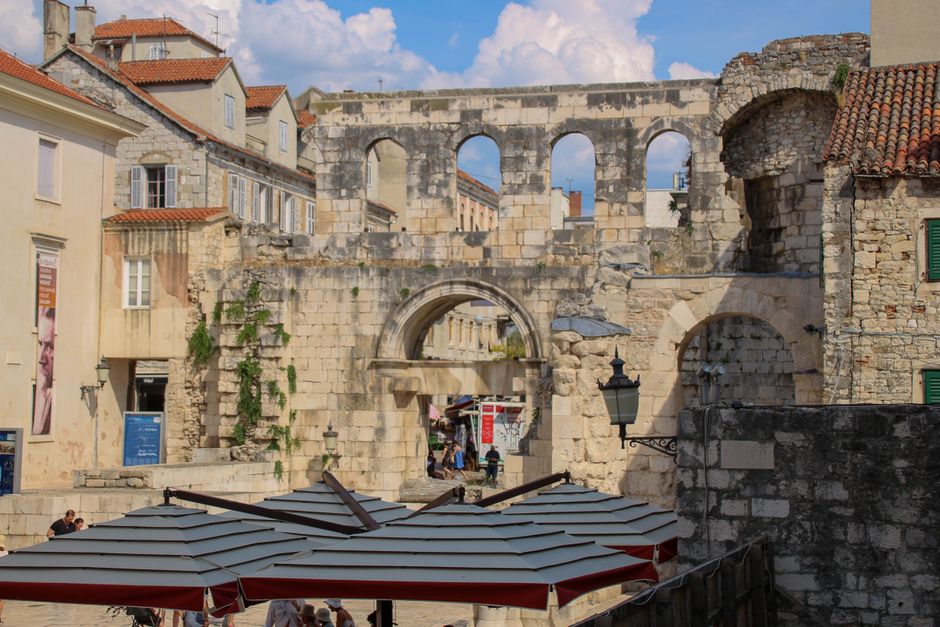
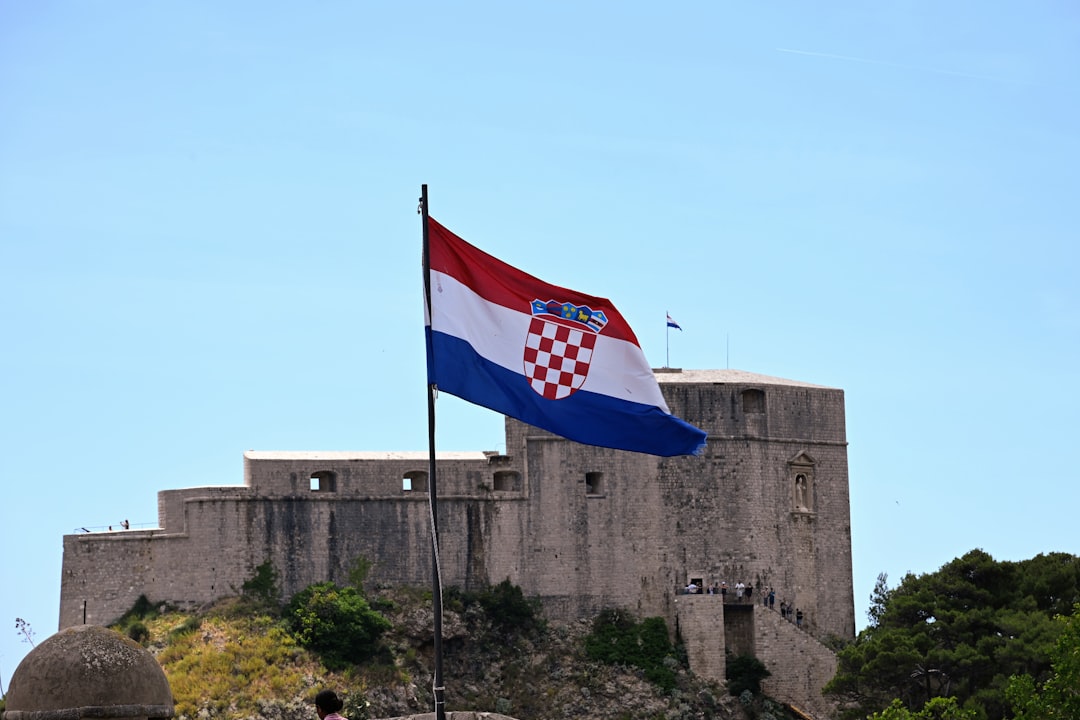
Fort Lovrijenac — Located just outside the Pile Gate, this fortress was never part of the city walls but served as a protective outpost. It’s famous for hosting the Rudolf Nureyev Festival and the Dubrovnik Summer Festival. The climb up the stone path is steep, but the views of the Old Town from the top are spectacular. Entry is separate from the walls. 15-20 EUR for adults.
What to Eat & Drink
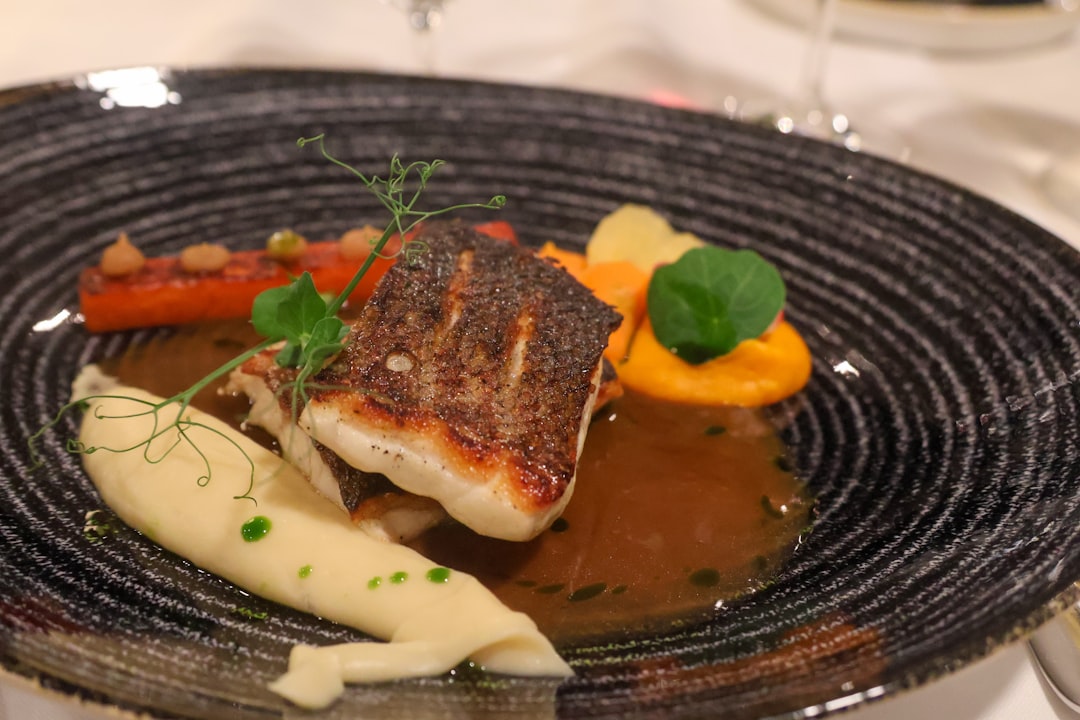
Dubrovnik is expensive, but you can still eat well if you know where to look. Start with black risotto (crni rižot), a local specialty made with cuttlefish ink. It’s rich, briny, and visually striking. A typical serving costs 12-15 EUR. Pair it with pršut, the Dalmatian dry-cured ham, which is thinner and saltier than its Italian counterpart. A plate of pršut costs 8-10 EUR. For a lighter option, try pasulj, a white bean stew that’s hearty and cheap. A bowl costs 5-7 EUR. Don’t forget to try stefanija, a local liqueur made from herbs and citrus, often served as a digestif. A small glass costs 3-5 EUR.
Budget travelers should head to the Onofrio’s Fountain area for street food and take-away options. There are several kiosks selling panini and ice cream for 3-5 EUR. For sit-down meals, the Stradun is lined with restaurants, but prices can be inflated. Look for places in the side streets, like Placa Stradun or Od Žala, where locals eat. A mid-range meal for two, including drinks, will cost 40-60 EUR. For a splurge, book a table at Arbato or Ilonda for seafood with a view. Expect to pay 80-120 EUR per person.
One specific spot to visit is Barbaro, a restaurant near the Pile Gate that serves excellent Dalmatian cuisine at reasonable prices. Their black risotto is a must-try. Another good option is Konoba Španjol, located in a 14th-century cellar, which offers a cozy atmosphere and traditional dishes. For take-away, Sladoledar near the Rector’s Palace serves some of the best gelato in the city.
Nightlife
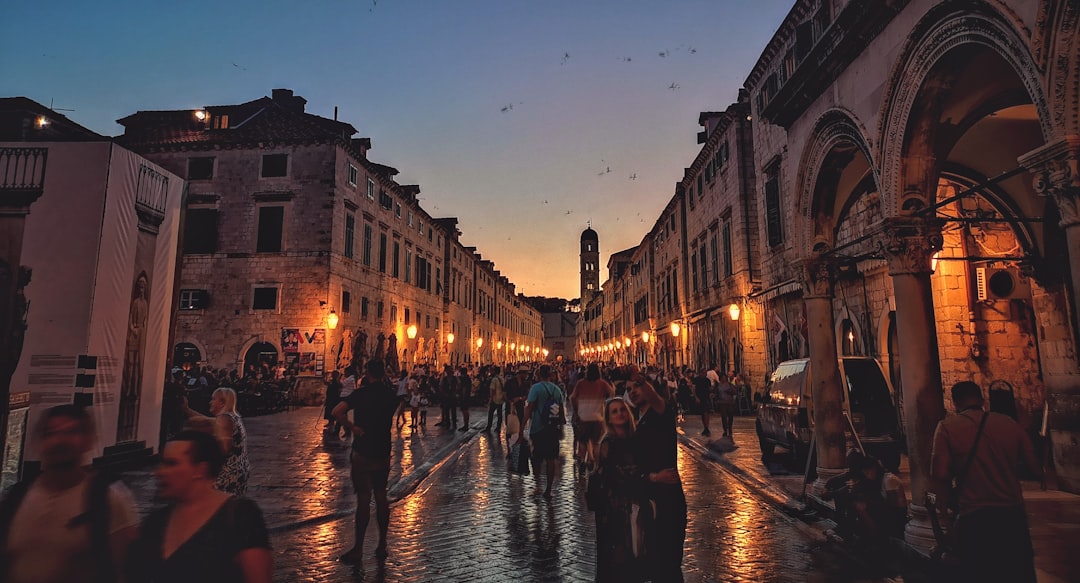
Dubrovnik’s nightlife is concentrated in the Old Town and the nearby Orlando district. The Stradun comes alive at night, with bars and clubs spilling out onto the stone pavement. The main bar district is around Pile Gate and Sarajevo Gate, where you’ll find a mix of tourist bars and local spots. Barbaro offers live music and a lively atmosphere, while Club Kava is a popular spot for younger crowds. Cover charges are rare, but drinks are expensive. A beer costs 5-7 EUR, and a cocktail costs 8-12 EUR.
For a more upscale experience, head to the Hotel Excelsior rooftop bar, which offers stunning views of the Old Town and the sea. It’s a popular spot for sunset drinks and late-night parties. Cover charge is 10-15 EUR. Another good option is Bar Dubrovnik, located near the Rector’s Palace, which serves craft cocktails and has a sophisticated vibe. For clubbing, Club Kava and Barbaro are the main venues, with DJ sets and live bands playing until the early hours.
Getting There & What to Expect
The nearest airport is Dubrovnik Airport, located 20 kilometers from the city center. Buses run frequently from the airport to the Old Town, taking about 30 minutes. A ticket costs 5-7 EUR. Taxis are available but expensive, costing 30-40 EUR. From major Balkan hubs, you can fly into Dubrovnik from Belgrade, Zagreb, or Sarajevo. Bus connections are also available from Sarajevo and Mostar, taking 4-6 hours. A bus ticket costs 15-25 EUR.
Accommodation in Dubrovnik is expensive, especially during peak season (June-August). Budget hostels cost 30-50 EUR per night, while mid-range hotels cost 80-150 EUR per night. Luxury hotels can cost 200-400 EUR or more. The best months to visit are April-May and September-October, when the weather is pleasant and the crowds are smaller. In summer, the city is packed, and prices are at their highest. Book accommodation and tickets well in advance.
Search accommodation in Dubrovnik on Booking.com →
The View from the Edge
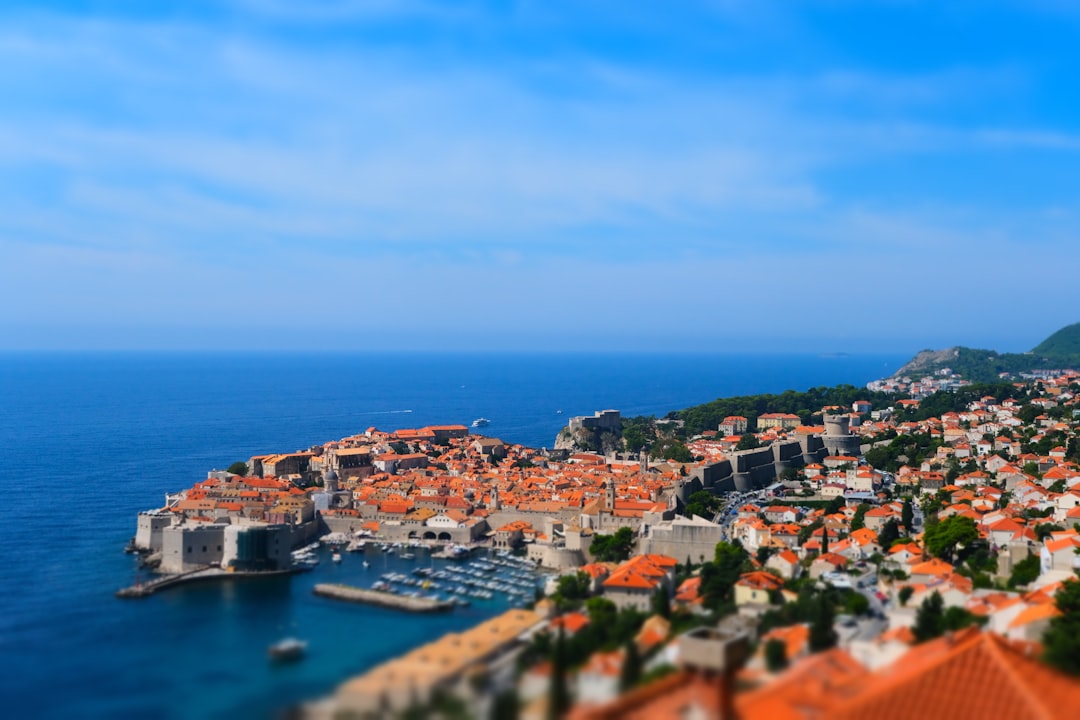
I stood on the walls as the sun dipped below the horizon, painting the sky in shades of orange and purple. The city below was a mosaic of light and shadow, the terracotta roofs glowing in the fading light. The cable car cabins whirred up the mountain like mechanical insects, carrying tourists to their own version of paradise. I didn't join them. I stayed on the stone, feeling the coolness of the ancient blocks beneath my feet, listening to the wind whisper through the arrow slits. This city is not just a place to see; it is a place to feel. The walls are its bones, the cable car its eyes. Choose wisely, but choose quickly. The sun doesn't wait for anyone.
Comments