


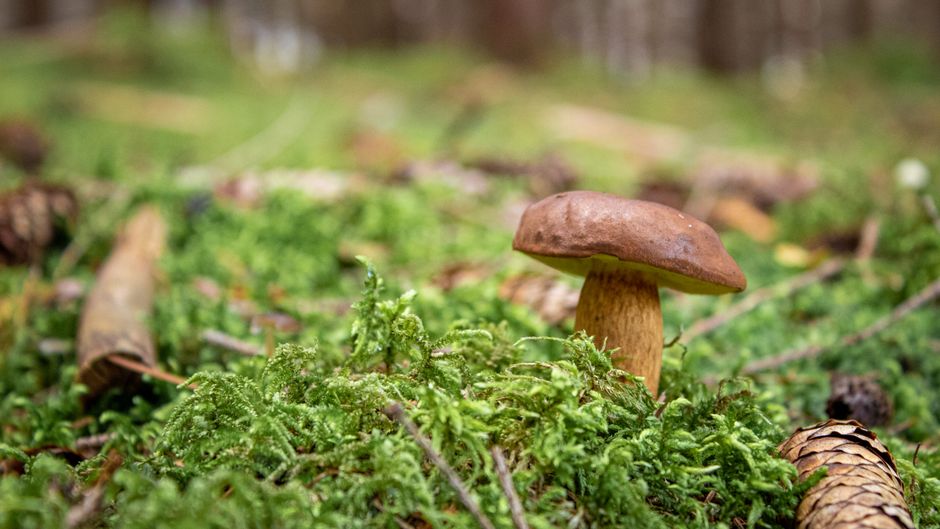
I'm on my knees in the mud, staring at a wire-haired dachshund named Luka who is currently sniffing a root with the intensity of a bomb disposal expert. The air in the Goriška Brda region is thick with the scent of damp earth, crushed oak leaves, and the metallic tang of a morning that hasn't quite shaken off its fog. My host, a local forager with hands like twisted rope, spits a wad of tobacco into the dirt and tells me, in broken English, that the truffle is "shy today." I look around. We are in a vineyard, or what passes for one when the vines are dormant, surrounded by stone walls that have stood since the Habsburgs were still deciding what to do with this corner of Europe. This isn't a picnic. This is a hunt. And in Slovenia, the hunt is for the Tuber melanosporus, the black truffle, a fungus that costs more per gram than gold and smells like a wet basement that a philosopher died in.
The dachshund goes rigid. A low whine escapes his throat. The forager pulls a small, hand-forged iron tool from his belt and starts scraping the soil with a rhythm that sounds like a heartbeat. I hold my breath. The mud sucks at my boots. When the dark, knobby lump is finally pried loose, it looks like a potato that gave up on life. But as the forager brushes it off and hands it to me, the aroma hits me—earthy, musky, primal. In this region, known locally as the Tolmin Hills, you don't just eat truffles. You worship them. And if you're here between November and March, you're either hunting them or eating them, usually both, with a glass of local wine in hand to keep the existential dread at bay.
History & Identity
The Goriška Brda region has always been a borderland, a place where empires collided and cultures blended into something distinctively Slovenian yet undeniably Mediterranean. Historically, the area was a prized possession of the Venetian Republic, which left its mark in the form of stone houses, vineyards, and a culinary tradition that favors quality over quantity. The truffle, however, has been here long before the Venetians arrived. The dense oak and beech forests that cover the hillsides provide the perfect symbiotic environment for the Tuber melanosporus to thrive. For centuries, locals foraged these fungi not for wealth, but for survival, using them to flavor simple dishes during the harsh winter months.
Today, the truffle has become the region's identity, a symbol of prestige and culinary excellence. The Truffle Festival in the town of Ribčava draws thousands of visitors every January, turning a small village into a hub of gastronomic activity. The festival celebrates the harvest, with markets, cooking demonstrations, and auctions where rare truffles can fetch hundreds of euros. But beyond the festivals, the truffle is woven into the daily life of the region. It's in the pasta, the risotto, the cheese, and even the chocolate. The people of Goriška Brda take their truffles seriously, and they expect visitors to do the same.
The region's wine industry is also inextricably linked to its truffle fame. The same terroir that produces the finest Rebula and Riesling also nurtures the truffle. Winemakers and foragers often work together, sharing knowledge and techniques to ensure the sustainability of both industries. This synergy has created a unique cultural landscape where food, wine, and nature are celebrated as one. To visit Goriška Brda during truffle season is to step into a world where the past and present collide, where tradition is not just preserved but lived and breathed.
Where to Go
Ribčava is the undisputed capital of the Slovenian truffle scene. This small village, nestled in the heart of Goriška Brda, is home to the annual Truffle Festival and a number of truffle farms and restaurants. The village itself is charming, with narrow cobblestone streets and stone houses that date back centuries. The Truffle Museum in Ribčava is a must-visit, offering insights into the history and biology of the truffle. Entry is free, but donations are appreciated. The best time to visit is during the festival in January, but the village is lively year-round.
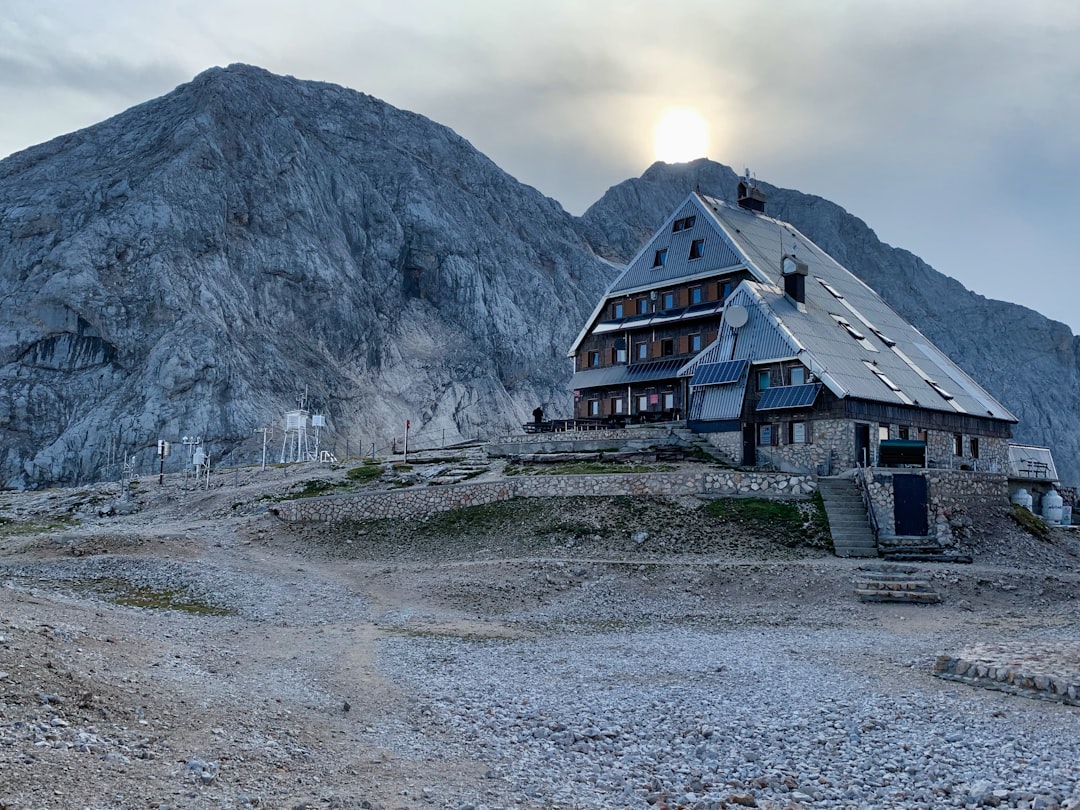
Gornja Radgona is the nearest town to Goriška Brda and serves as a gateway to the region. While it doesn't have the same truffle-centric vibe as Ribčava, it offers a range of accommodation options and restaurants. The town is also home to the Radgona Castle, a 16th-century fortress that overlooks the town. The castle houses a museum and offers panoramic views of the surrounding hills. Entry to the castle is 5 EUR. The best time to visit is in the afternoon, when the light is soft and the crowds are thin.
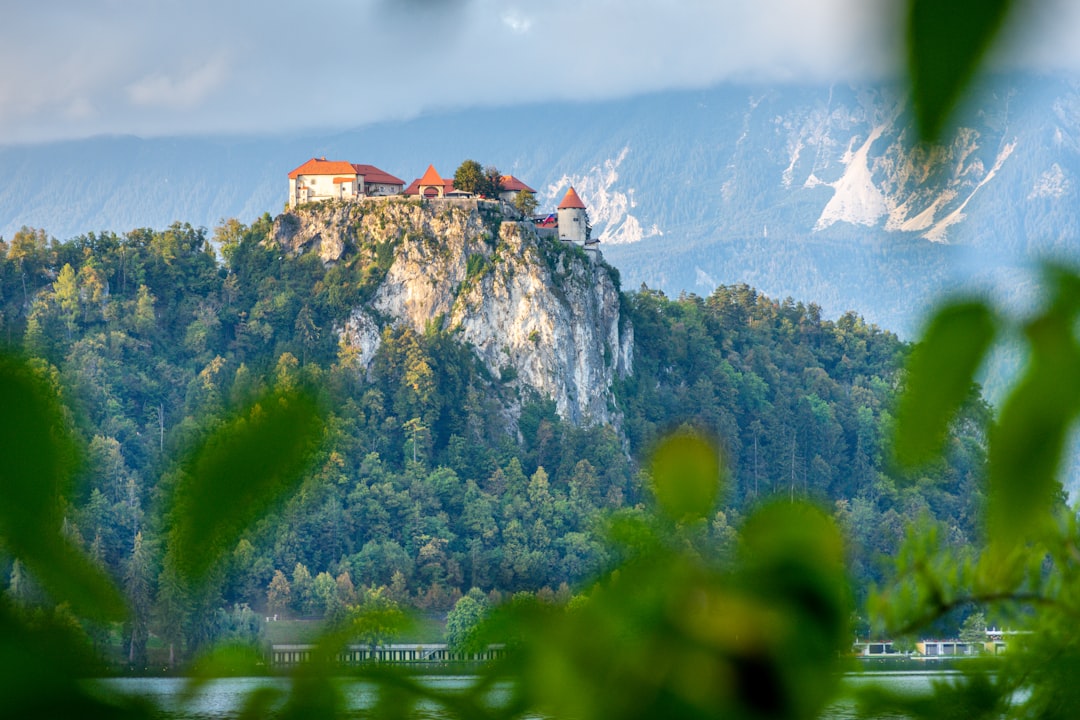
Cerkno is another town worth visiting, known for its karst landscape and caves. The Cerkno Caves are a popular attraction, offering guided tours through a network of underground tunnels. While not directly related to truffles, the caves provide a fascinating insight into the geology of the region. Entry to the caves is 10 EUR. The best time to visit is in the morning, when the tours are less crowded. The caves are cool and damp, so bring a jacket.
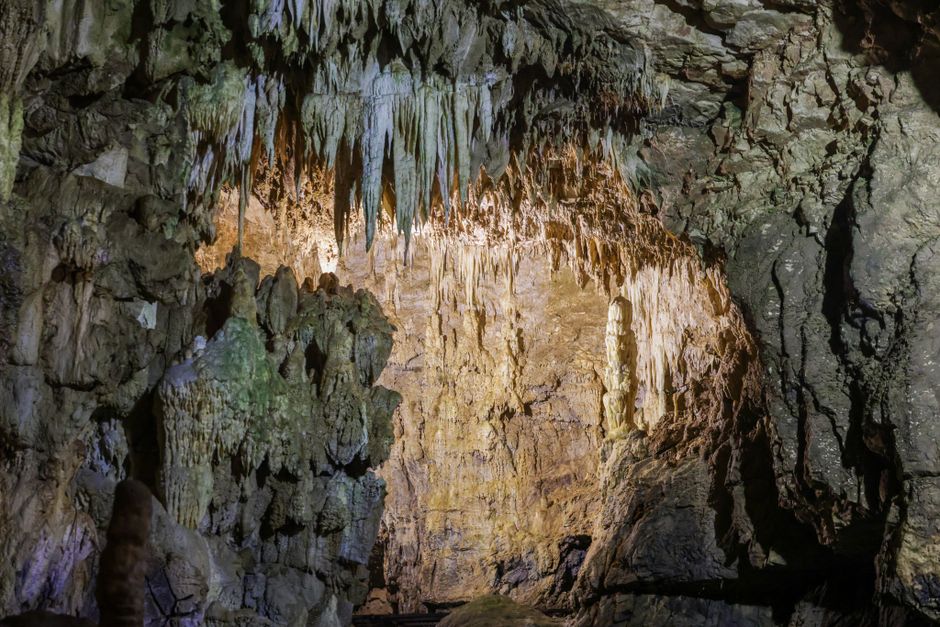
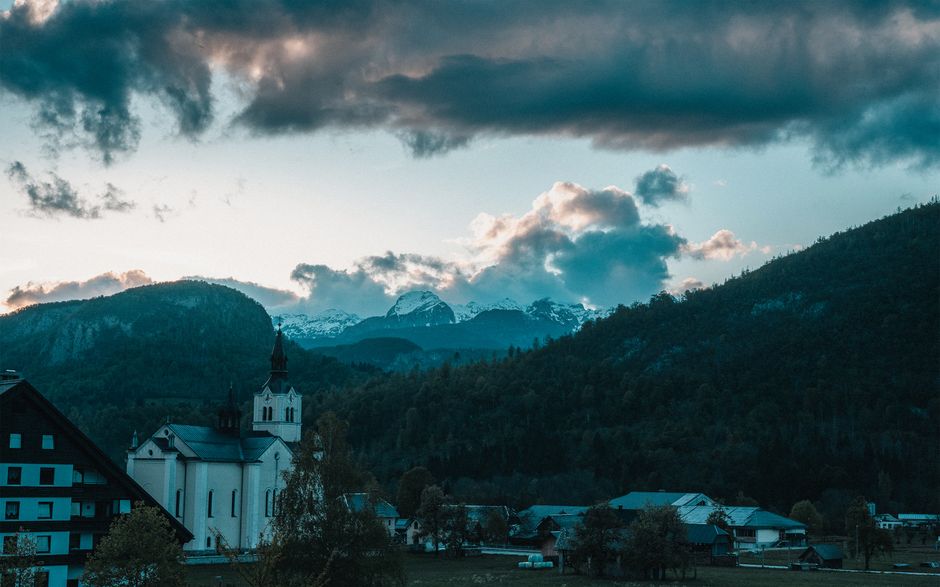
Štanjel is a picturesque hilltop village that offers stunning views of the Goriška Brda region. The village is known for its well-preserved medieval architecture and narrow streets. The Štanjel Castle is a popular attraction, offering a museum and a restaurant with panoramic views. Entry to the castle is free, but the restaurant charges for food and drinks. The best time to visit is in the late afternoon, when the sun sets over the hills. The village is quiet and peaceful, a perfect place to escape the crowds.
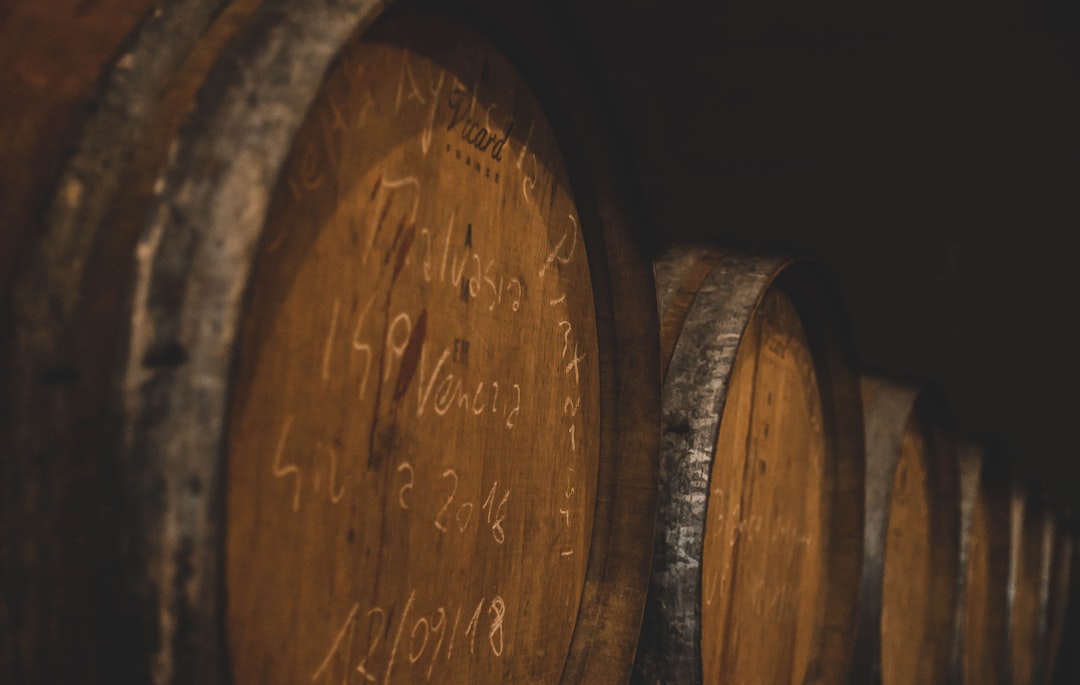
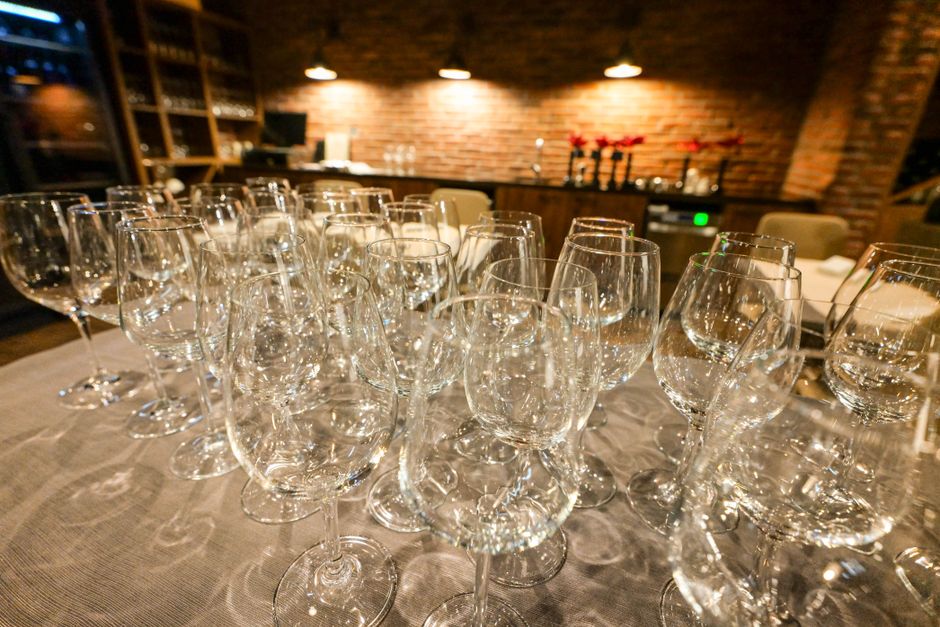
Rakita is a small village known for its wine production. The village is home to a number of wineries, many of which offer tastings and tours. The Rakita Wine Cellar is a popular spot, offering a range of local wines and food pairings. Tastings start at 5 EUR. The best time to visit is in the afternoon, when the wineries are less busy. The village is quiet and charming, a perfect place to spend a few hours.
What to Eat & Drink
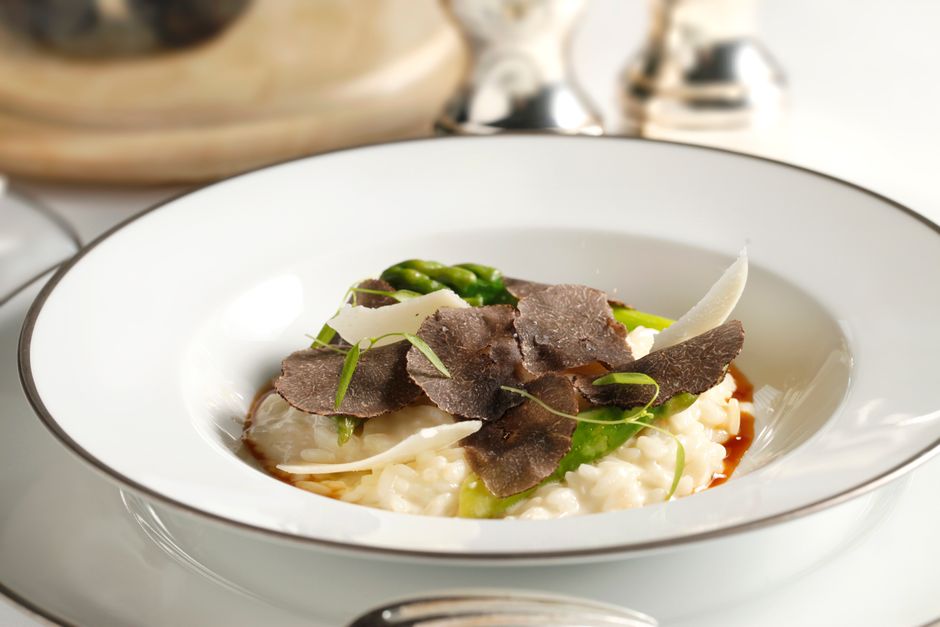
Truffle pasta is the undisputed king of the Goriška Brda table. Look for truffle tagliatelle, a simple dish of fresh pasta topped with shaved black truffle and a light butter sauce. Prices range from 15-25 EUR per serving, depending on the restaurant and the quality of the truffle. For a more budget-friendly option, try truffle cheese, which is available at local markets and shops. A small wedge of truffle cheese costs around 10-15 EUR.
Rebula is the local white wine, known for its crisp acidity and floral notes. It's the perfect pairing for truffle dishes, as it cuts through the richness of the fungus. A glass of Rebula costs around 4-6 EUR in most restaurants. For red wine lovers, try Riesling, which is also produced in the region. A glass of Riesling costs around 5-7 EUR.
Štruklji are a traditional Slovenian dish, similar to rolled crepes. They can be filled with a variety of ingredients, including cheese, meat, or fruit. Truffle štruklji are a specialty of the region, featuring a filling of mushrooms and truffle. A plate of truffle štruklji costs around 10-15 EUR.
For street food, try potica, a traditional Slovenian roll filled with walnut, poppy seed, or chocolate. A slice of potica costs around 2-3 EUR at local bakeries. For a more substantial meal, try kranjska klobasa, a type of sausage that is popular in Slovenia. A kranjska klobasa costs around 5-7 EUR at local butcher shops.
The main food street in Ribčava is the main square, where a number of restaurants and cafes are located. The square is lively during the Truffle Festival, with food stalls and cooking demonstrations. For a more relaxed dining experience, try the restaurants in Gornja Radgona, which offer a range of Slovenian and international cuisine.
Nightlife
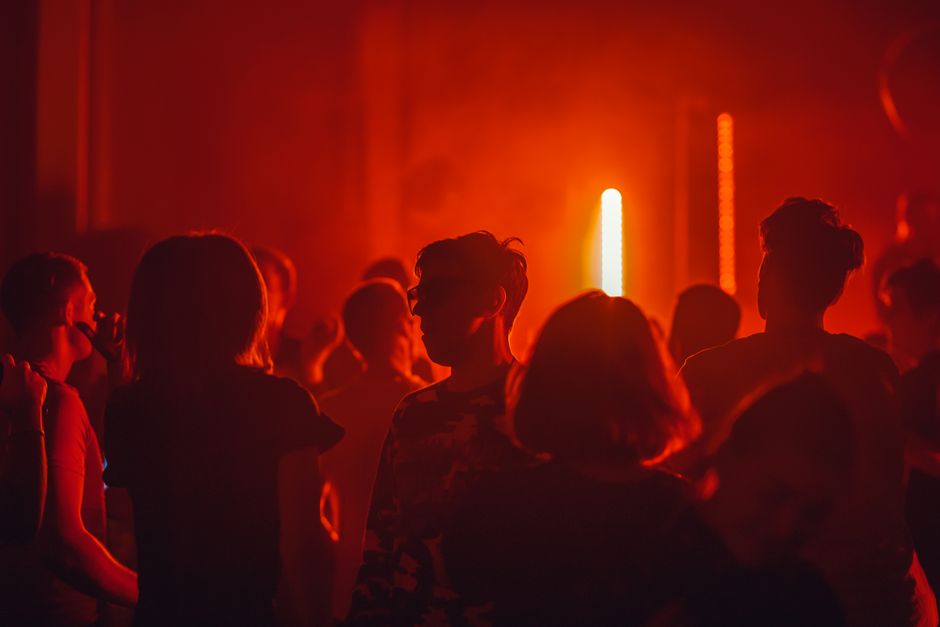
Nightlife in Goriška Brda is subdued, reflecting the region's focus on food and wine. The main nightlife area is in Gornja Radgona, where a number of bars and clubs are located. The Radgona Pub is a popular spot, offering live music and a range of local beers. Cover charge is 3-5 EUR. The Club 90 is another popular venue, offering electronic music and a lively atmosphere. Cover charge is 5-10 EUR.
In Ribčava, nightlife is limited to a few bars and cafes. The Truffle Bar is a popular spot, offering a range of local wines and spirits. Cover charge is free. The Ribčava Cafe is another popular venue, offering coffee, pastries, and live music. Cover charge is free.
For a more upscale nightlife experience, try the restaurants in Štanjel, which offer a range of wines and cocktails. The Štanjel Castle Restaurant is a popular spot, offering panoramic views and a range of local dishes. Cover charge is free, but prices are high.
Getting There & What to Expect
The nearest airport to Goriška Brda is Ljubljana Jože Pučnik Airport, which is about 100 km away. From Ljubljana, you can take a bus or train to Gornja Radgona, which is about 1.5 hours away. Buses cost around 10-15 EUR and take about 2 hours. Trains cost around 15-20 EUR and take about 1.5 hours. From Gornja Radgona, you can take a taxi or rental car to Ribčava, which is about 20 km away. Taxis cost around 30-40 EUR and take about 30 minutes.
Accommodation in Goriška Brda ranges from budget hostels to luxury hotels. Budget hostels cost around 20-40 EUR per night, while mid-range hotels cost around 80-120 EUR per night. Luxury hotels cost around 150-250 EUR per night. The best time to visit is during the Truffle Festival in January, but the region is beautiful year-round.
Search accommodation in Gornja Radgona on Booking.com →
The Mud and the Magic
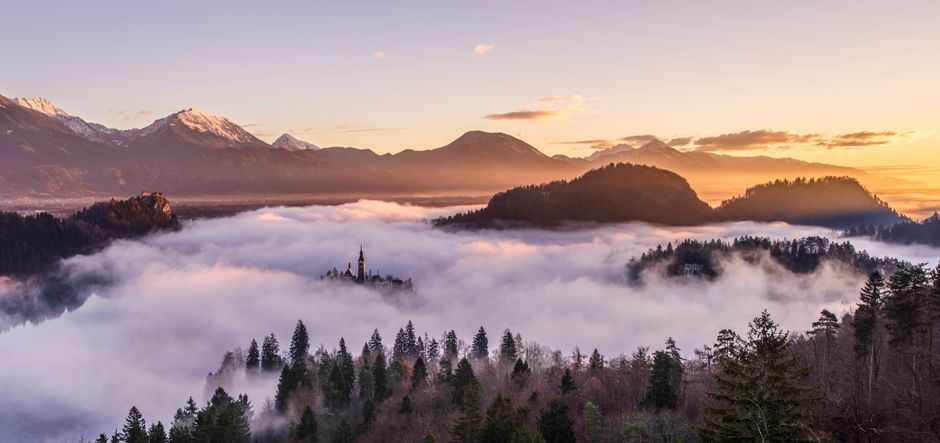
As the sun sets over the Goriška Brda hills, the fog rolls back in, thick and white, swallowing the vineyards and the stone houses. I'm sitting in a restaurant in Ribčava, a plate of truffle tagliatelle in front of me, the aroma of the fungus filling the room. The dachshund, Luka, is asleep under the table, his paws twitching as he dreams of more truffles. I take a bite of the pasta, the truffle flavor exploding in my mouth, rich and earthy and complex. It's not just food. It's an experience. It's a connection to the land, to the people, to the history of this place. And as I look out the window at the fog-shrouded hills, I know that I'll be back. The truffle hunt is addictive, and Goriška Brda is the place where the hunt begins.
Comments