


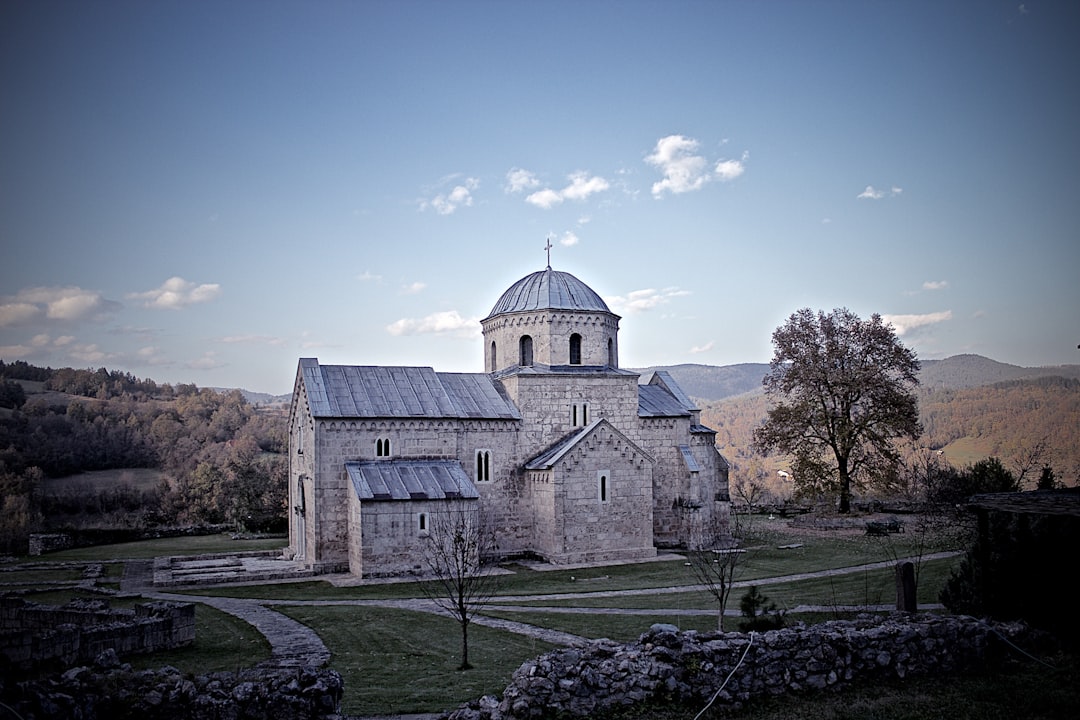
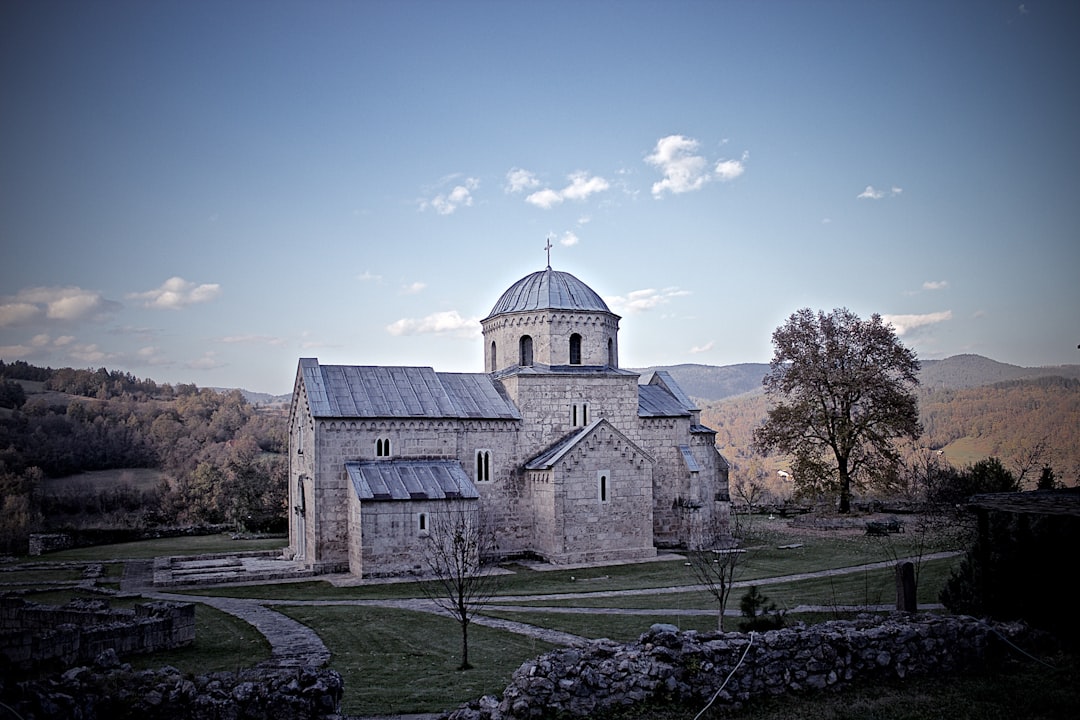
I arrived at Studenica Monastery with a thermos of lukewarm coffee and a headache that felt like a personal insult. The drive down from Novi Sad had been a blur of grey asphalt and rain, the kind of Serbian weather that makes you question your life choices and your passport application. But then I turned the corner, and the white stone facade of the monastery rose out of the mist like a ghost ship. It wasn't picturesque. It was imposing. The air smelled of wet stone and old incense. I walked into the Church of the Virgin, and the silence hit me first. Then the colors. They weren't just paint on a wall. They were a scream frozen in time, a thousand eyes staring back at me from the vaulted ceilings, judging my cheap sneakers and my tourist soul.
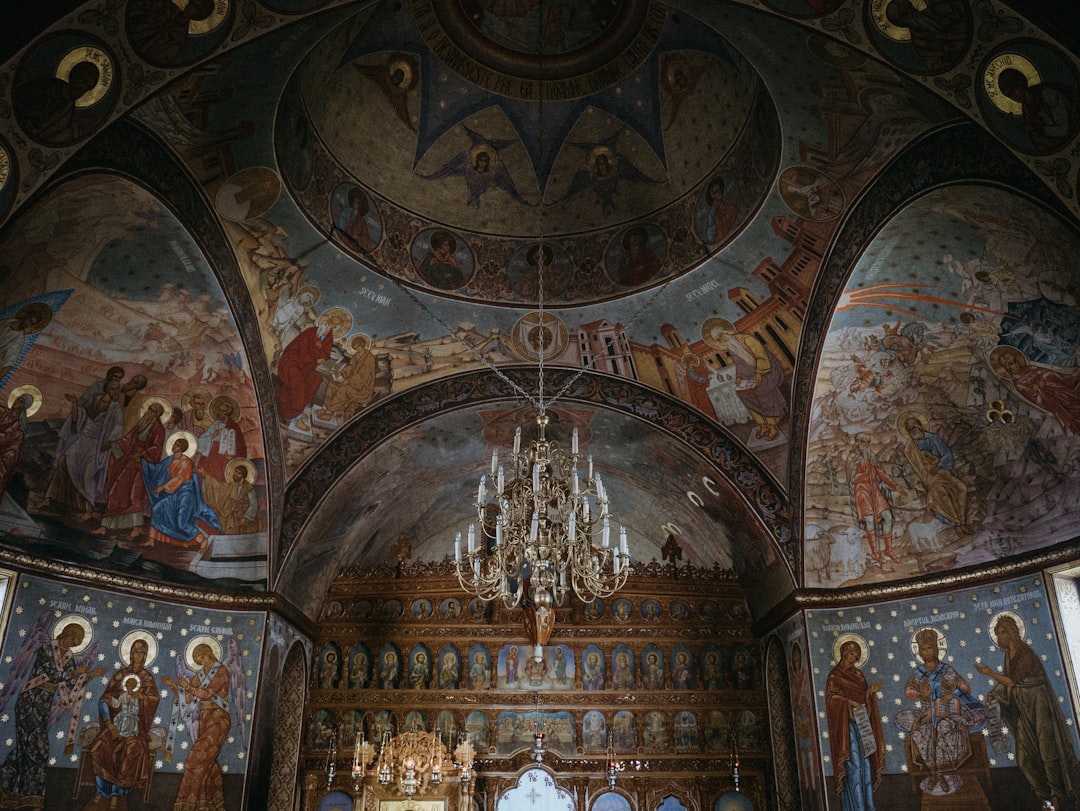
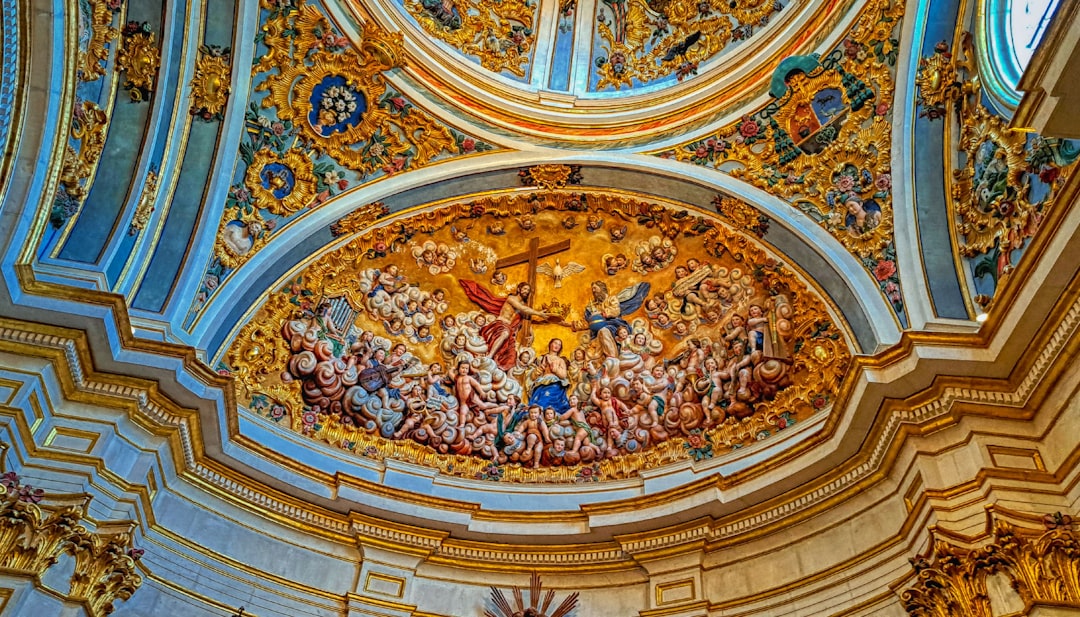
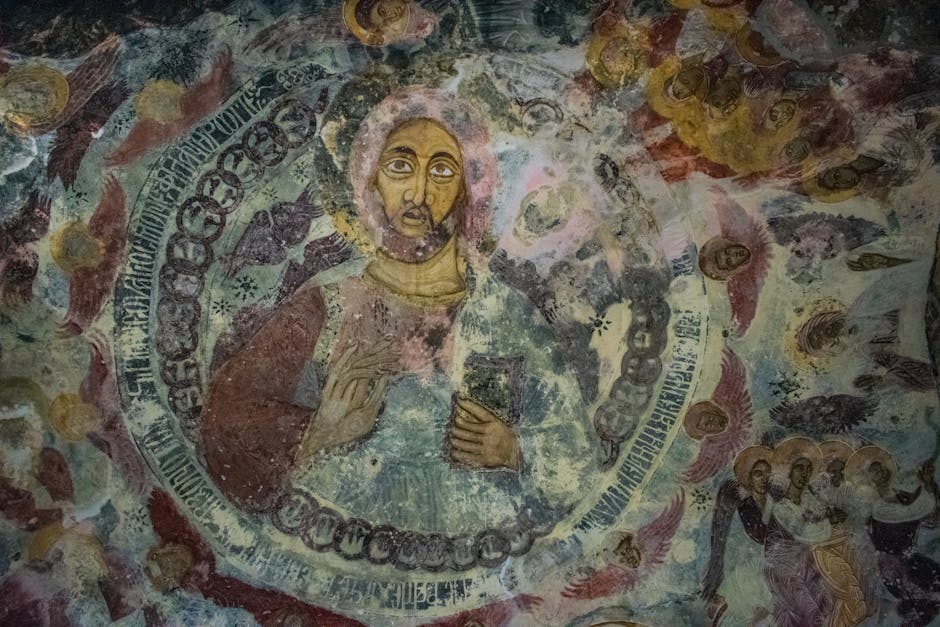
People come here for the history, for the UNESCO plaque, for the Instagram photo in the cloister. But they miss the point. The frescoes here aren't decorations. They are a theological argument painted in egg tempera and crushed lapis lazuli, a visual sermon that has survived Ottoman raids, communist neglect, and the Balkan wars. I spent three hours just staring at the Crucifixion in the apse, trying to decode the grief in the Virgin's face. It wasn't the polished, serene Madonna of Italian Renaissance art. This was raw, visceral pain. This was Serbian.
History & Identity
The story of Studenica Monastery Studenica Monastery begins in 1163, when King Stefan Nemanja Stefan Nemanja founded it at the confluence of the Studenica and Gornja Ravanica rivers. He didn't just build a church; he built a statement. The Nemanjić dynasty wanted to assert Serbia's independence and Orthodox identity against the Byzantine Empire and the Catholic West. The monastery became the spiritual and cultural heart of medieval Serbia. Nemanja abdicated his throne, became a monk, and was later canonized as Saint Simeon. His son, Saint Sava, followed suit, turning Studenica into a center of learning and art.
The Church of the Virgin, the oldest part of the complex, was consecrated in 1170. It's a Romanesque-Byzantine hybrid, with thick walls and small windows that feel like defensive slits. The frescoes inside are a timeline of Serbian medieval art. The earliest layers, from the 12th century, show a bold, monumental style. Later additions from the 13th and 14th centuries reveal a more refined, emotional approach. The Ottomans seized the monastery in 1439, turning it into a mosque at times, but the Christians never fully left. The frescoes survived because they were too valuable to destroy, even to enemies. They are a testament to the resilience of Serbian Orthodox identity.
During the 20th century, the monastery suffered under communist rule, but it was never completely secularized. It remained a place of pilgrimage, a quiet rebel against the state's atheism. After the wars of the 1990s, it became a symbol of national mourning and hope. The frescoes aren't just religious art; they are a national archive, a visual diary of a people who have survived through faith and stone.
Where to Go
Church of the Virgin — The main event. This is where the oldest frescoes are, including the famous Crucifixion and the Virgin with Child. The light is dim, so use a flashlight app on your phone, but keep it respectful. Entry is free, but donations are expected. Go early in the morning to avoid the tour buses.
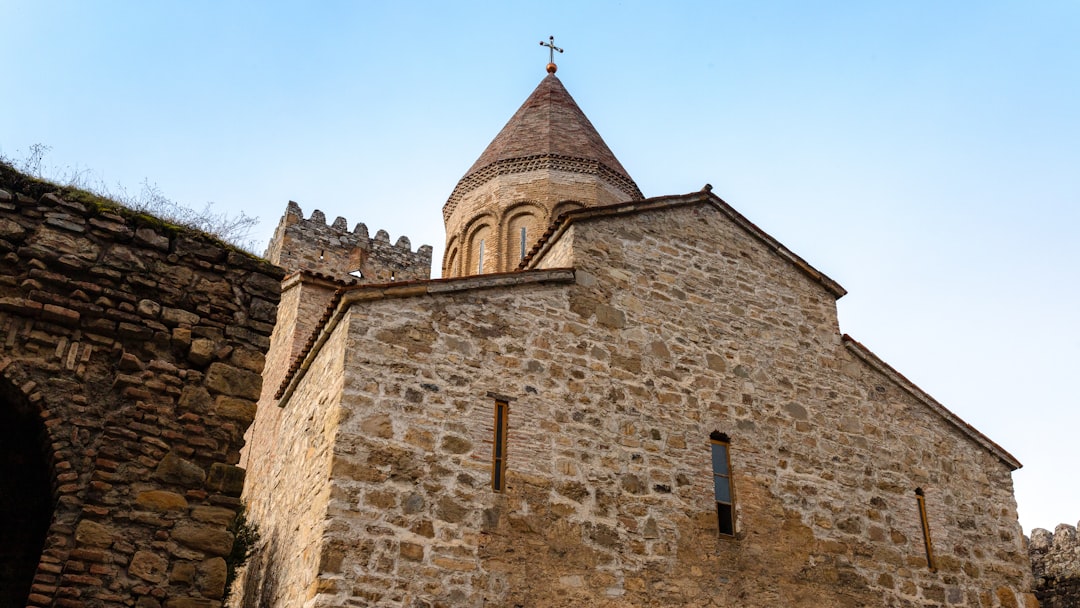
Church of Saint Nicholas — Built in the 13th century by King Stefan Milutin, this church has later frescoes in a more Gothic style. It's smaller and quieter than the main church, but the iconography is intricate. Look for the scenes from the life of Saint Nicholas, which are unusually detailed for the period.
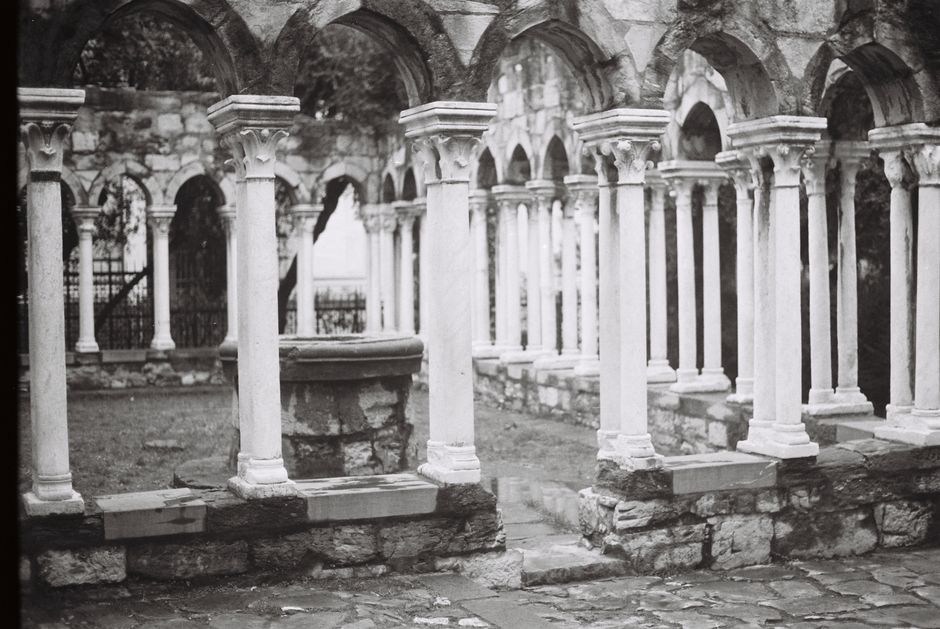
Cloister — The rectangular courtyard surrounded by arched porticos is a masterpiece of medieval architecture. It's peaceful, with stone benches and potted plants. The frescoes on the upper walls are faded but still legible. It's a good place to sit and think, or to escape the heat.
Treasury — A small museum housing icons, manuscripts, and liturgical objects. The highlight is the 13th-century icon of the Virgin, which is said to be miraculous. Entry is 3 EUR. It's worth it if you want to understand the material culture of the monastery.
Museum of Serbian Orthodoxy — Located in a separate building, this museum covers the history of the Serbian Orthodox Church from the early Christian period to the present. It's well-curated, with artifacts, documents, and multimedia displays. Entry is 5 EUR. Good for context.
What to Eat & Drink
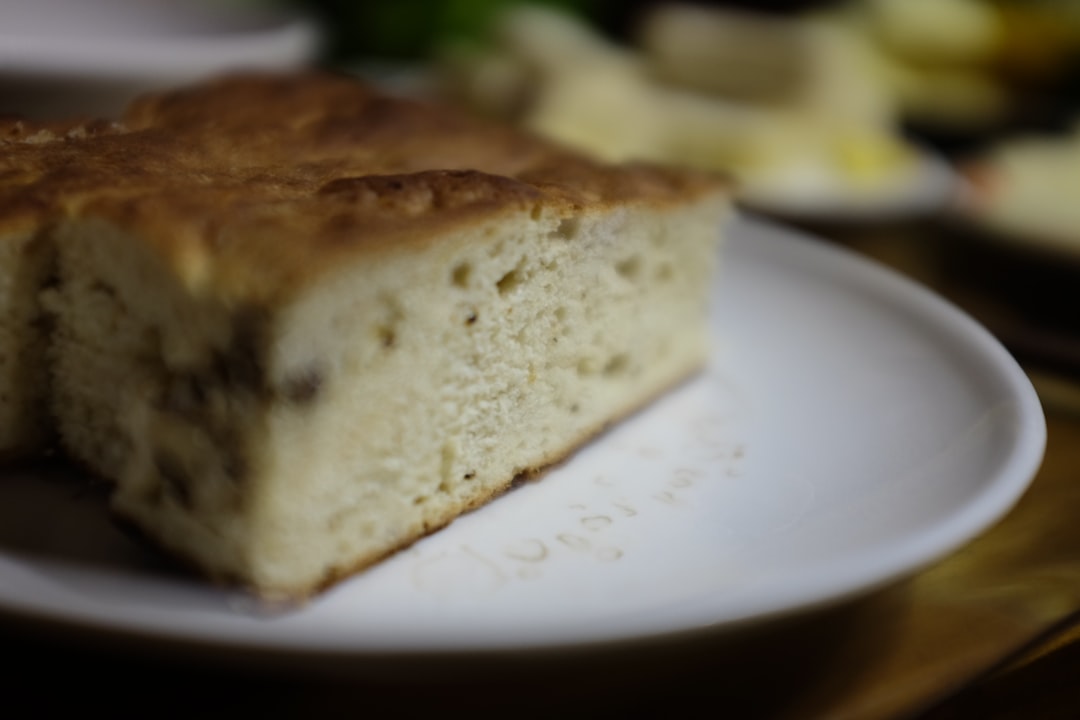
Studenica is not a food destination. The village is small, with a few basic restaurants and a monastery shop. But the nearby town of Gornji Milanovac Gornji Milanovac has better options. For a quick bite in Studenica, try the gibanica (cheese pie) from the local bakery, about 2-3 EUR. It's dense, savory, and perfect with coffee. For a sit-down meal, head to Restaurant Studenica, which serves ćevapi 4-5 EUR, karadjordjeva salata 3 EUR, and raja (stuffed peppers) 4-5 EUR. The portions are large, and the prices are fair. For a drink, the local rakija (plum brandy) is strong and sweet, about 2 EUR for a shot. It's a acquired taste, but it's part of the experience.
Nightlife
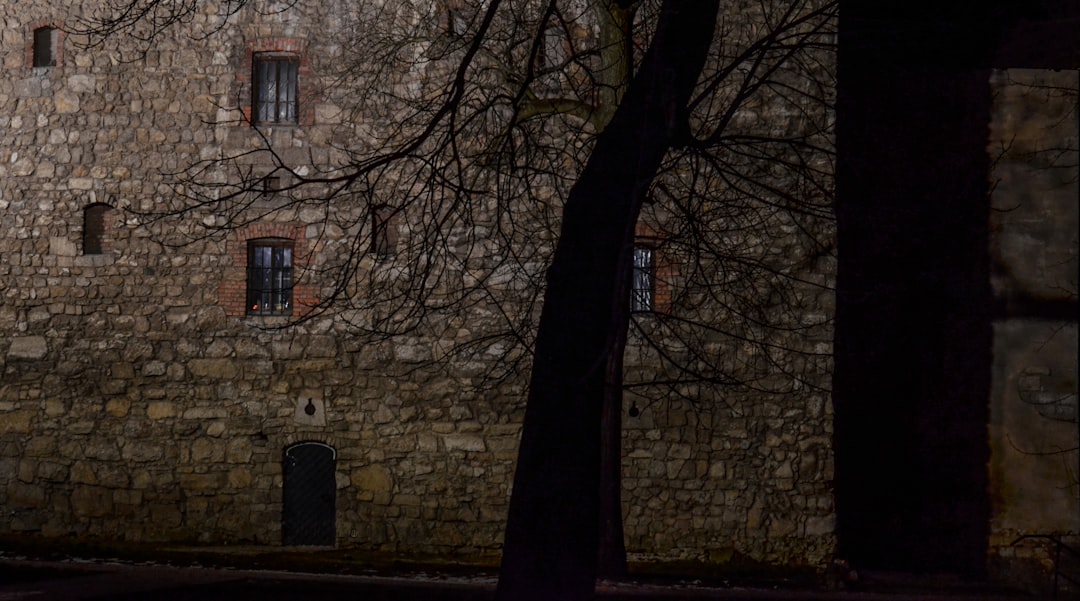
There is no nightlife in Studenica. The village sleeps early, and the monastery is quiet after dark. If you want bars and clubs, go to Gornji Milanovac or Požega Požega, Serbia. But honestly, you'll want to be asleep by 10 PM so you can visit the monastery at dawn, when the light is best and the crowds are gone. The real party here is the silence.
Getting There & What to Expect
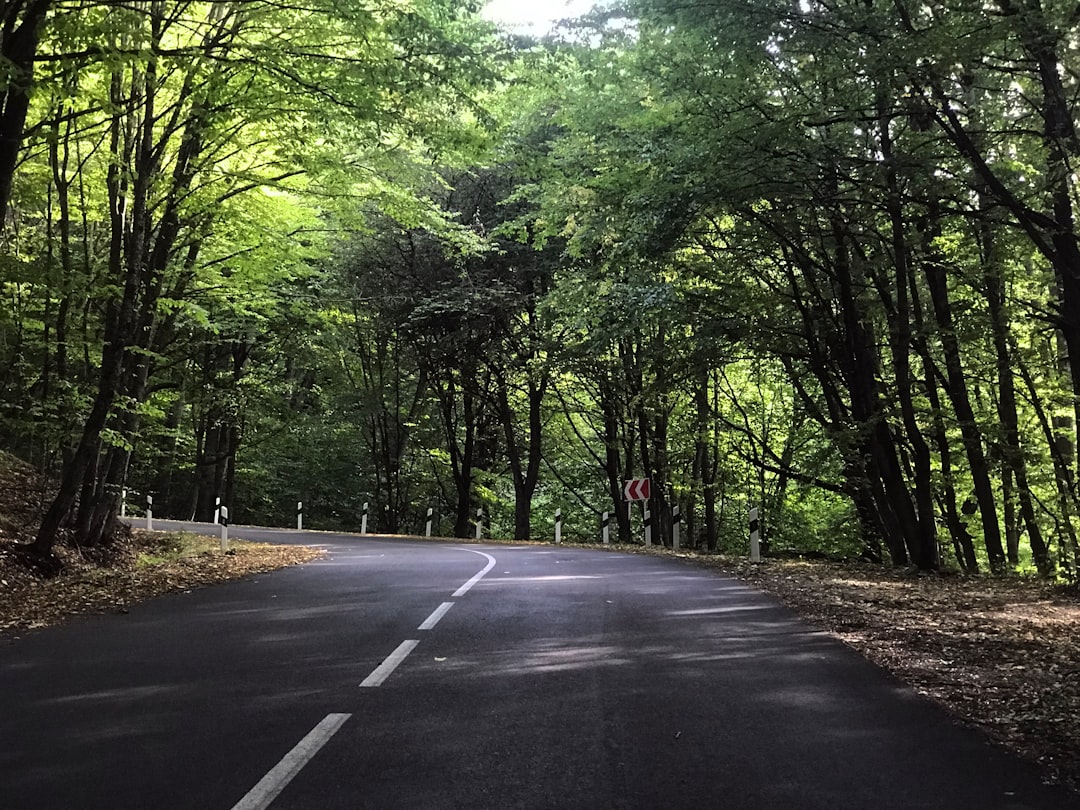
The nearest major city is Novi Sad, about 150 km away. You can take a bus from Novi Sad to Gornji Milanovac (about 2.5 hours, 10-15 EUR), then a local bus or taxi to Studenica (15 minutes, 5-10 EUR). By car, it's a 2-hour drive on good roads. The monastery is open daily from 8 AM to 5 PM. Accommodation in Studenica is limited; the monastery guesthouse offers basic rooms for 30-50 EUR/night. Gornji Milanovac has more hotels, from budget to mid-range, around 40-80 EUR/night. The best time to visit is spring or autumn, when the weather is mild and the crowds are smaller. Summer is hot and busy; winter is cold and some parts may be closed.
Search accommodation in Gornji Milanovac on Booking.com →
The Final Silence
I left Studenica as the sun was setting, the white stone turning pink in the fading light. My headache was gone, replaced by a strange sense of clarity. The frescoes had spoken to me, not in words, but in images. They had shown me the pain and the hope of a people who have survived through faith and stone. I got back in my car, the engine roaring to life, and drove away into the darkness. I didn't look back. I didn't need to. The images were burned into my mind, a thousand eyes staring back at me, judging, comforting, reminding me that I was alive, and that this place, this art, this history, still mattered.
Comments