


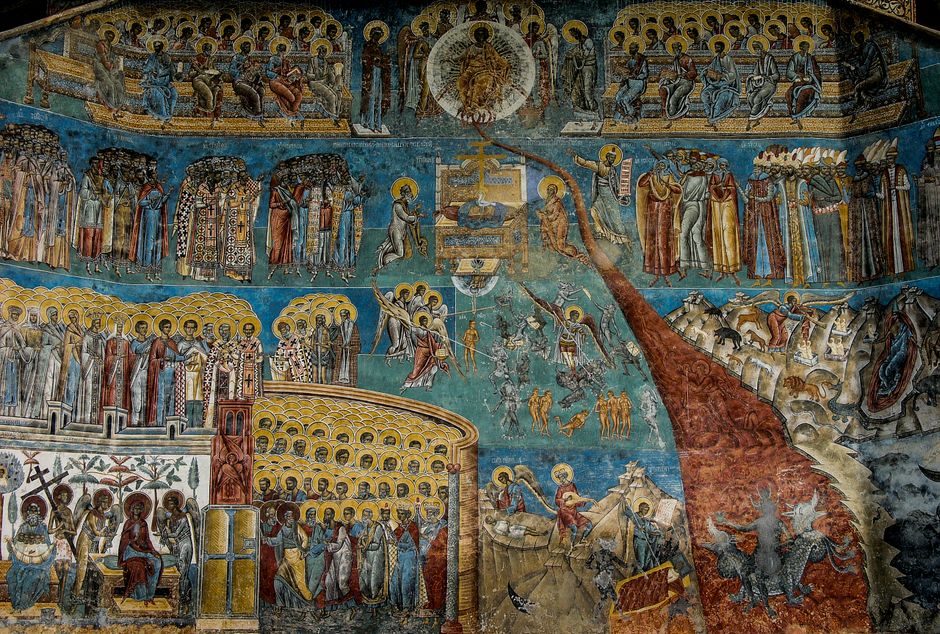
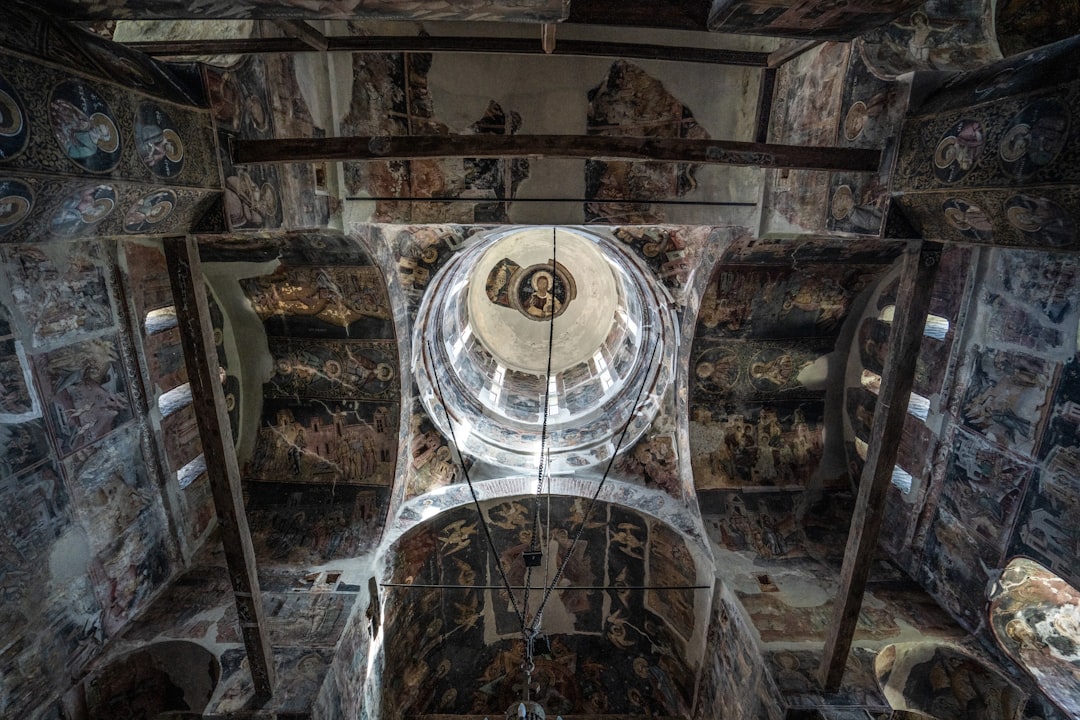
The dust in the nave of Cozia Monastery tastes like crushed limestone and centuries of candle wax. I am standing on a wooden crate, trying to get a clear line of sight past a group of pilgrims lighting tapers, staring at a fresco of Saint George that looks less like a painting and more like a psychological portrait. The horse is muscular, almost aggressive, and the dragon beneath its hooves is rendered with a chaotic, swirling energy that feels alive. This is not the static, iconographic freeze-frame you see in a textbook. This is Wallachian painting, a style born in the heartland of Wallachia, where the religious art is bold, narrative, and unapologetically human. I came here to trace the visual lineage of Orthodox art in Romania, and I quickly realized that these walls are not just decorations; they are the region’s primary historical document, painted in a style that balances Byzantine rigidity with a wild, local exuberance.
My journey takes me from the medieval stone fortresses of the south to the wooden sanctuaries of the north, all orbiting the cultural gravity of Bucharest. The goal is to understand how the Wallachian school of painting evolved, why it matters, and where you can still see these vibrant, often startling images today. It is a road trip through time, where every monastery is a chapter and every fresco is a sentence in a story about faith, power, and identity in the Balkans.
History & Identity
The story of Wallachian painting is inextricably linked to the Principality of Wallachia, the historical region that forms the southern half of modern Romania. During the 14th to 17th centuries, this area was a crucible of cultural exchange, caught between the Ottoman Empire to the south and the Habsburg and Polish influences to the north. The local rulers, known as Voivodes, used the construction of monasteries and churches as a primary tool of statecraft. They weren't just building places of worship; they were building visual propaganda. The frescoes commissioned during this period tell the story of the ruler's piety and power, often depicting the Voivode offering the church model to Christ or the Virgin Mary.
What defines the Wallachian style is its distinct departure from strict Byzantine iconography. While it retains the theological framework, the execution is different. The figures are often more dynamic, with exaggerated gestures and intense, sometimes almost grotesque, emotional expressions. The color palette is rich and earthy, dominated by ochres, reds, and deep blues, but with a surprising amount of local flora and fauna woven into the borders and backgrounds. This is art that feels rooted in the soil of Wallachia, reflecting the daily life and natural surroundings of the people who commissioned it.
The peak of this artistic tradition is often associated with the reign of Vlad Țepeș (later known as Vlad the Impaler) and his successors, particularly Mircea the Elder and Radu the Great. The monasteries built during this era, such as Cozia, Villages, and Horezu, serve as the primary repositories of this style. They are not just religious sites; they are open-air museums of medieval Romanian art, preserved in stone and pigment.
Where to Go
Cozia Monastery — Located in the Romanian Carpathians near Sibiu, this is arguably the most important site for understanding early Wallachian painting. Founded in the 14th century by Vladislav I, the frescoes here are a masterclass in narrative art. The exterior walls are covered in scenes from the Old and New Testaments, executed with a boldness that is striking. The figures are large, muscular, and expressive, and the color palette is vivid even after centuries of exposure. It is a must-see for anyone interested in the origins of the style. Entry is free, but donations are welcome. Visit early in the morning to avoid the crowds and get the best light for photography.
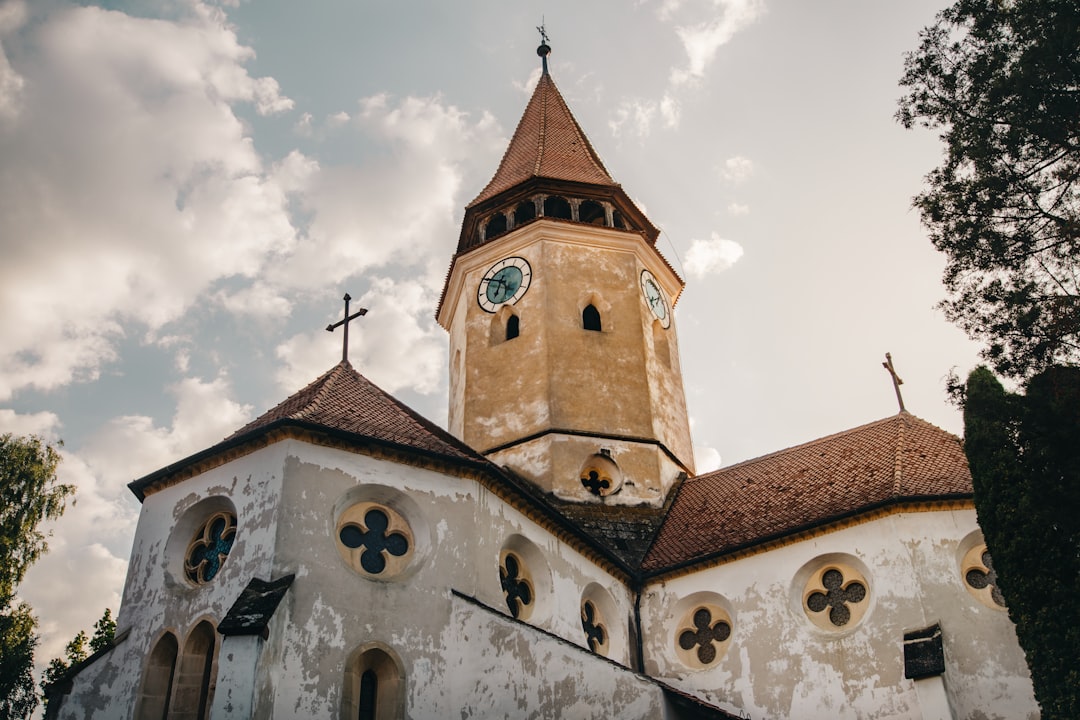
Horezu Monastery — Situated in the Vâlcea county, this UNESCO World Heritage site is a prime example of the Brâncovenesc style, a later evolution of Wallachian painting that incorporates more ornate architectural details. The frescoes here are more refined and decorative, with intricate floral patterns and a softer color palette. The church itself is a masterpiece of Wallachian architecture, with a tall bell tower and a beautifully carved wooden iconostasis. It is a quieter, more contemplative site than Cozia, but no less significant for understanding the evolution of the style. Entry is ~2 EUR.
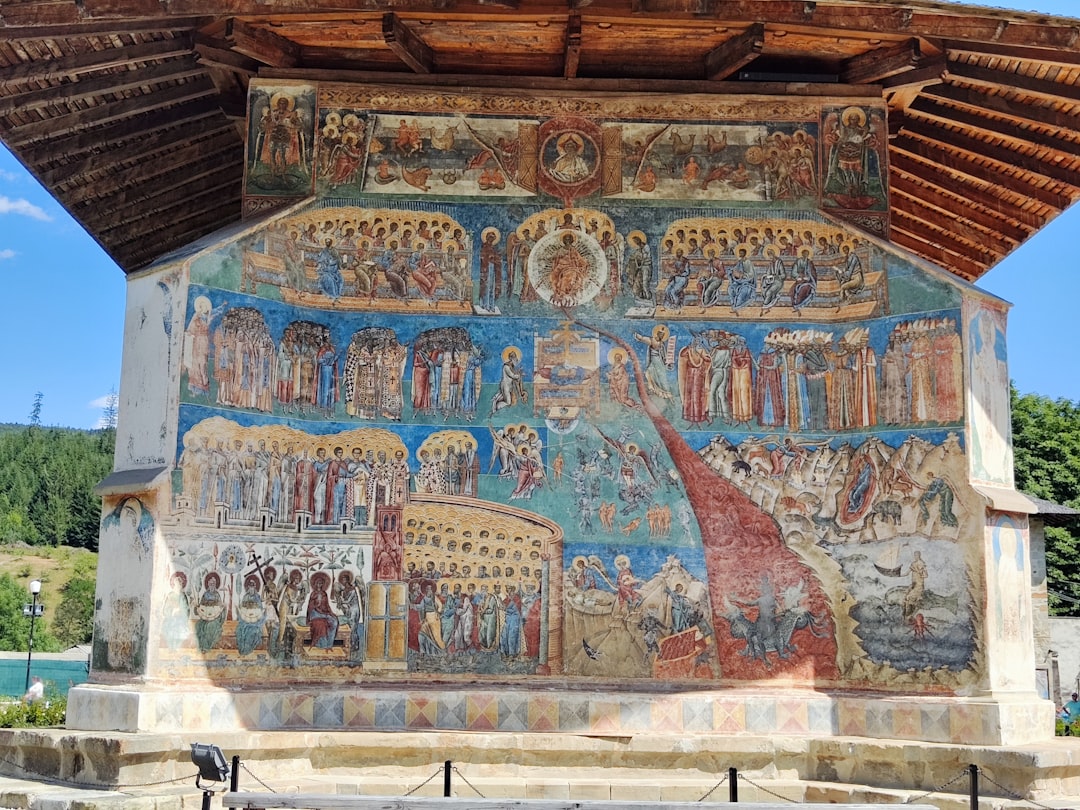
Villages Monastery — Located in the Vâlcea county, this monastery is known for its well-preserved frescoes that depict scenes from the life of Christ and the saints. The style here is more traditional, closer to the Byzantine model, but with distinct Wallachian touches in the facial expressions and gestures. The monastery is set in a beautiful natural landscape, surrounded by forests and hills, making it a peaceful retreat. Entry is free.
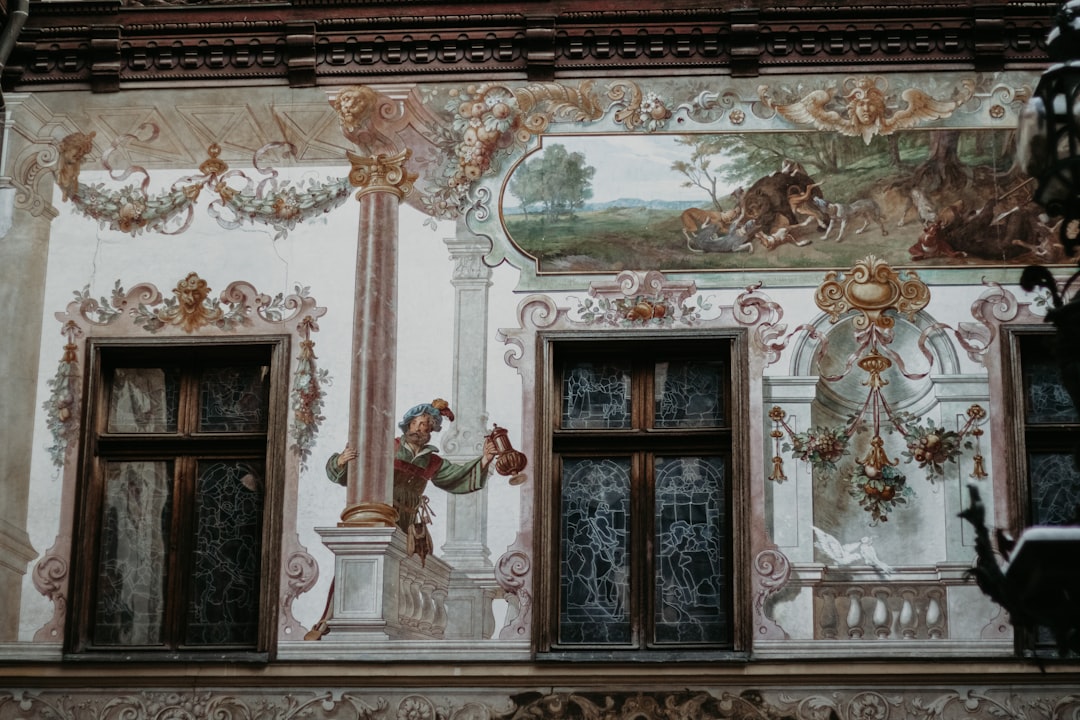
Curtea de Argeș Cathedral — This cathedral in Curtea de Argeș is one of the most important religious sites in Romania. The frescoes inside are a mix of styles, reflecting the various renovations and restorations over the centuries. The interior is dominated by a large dome and a beautifully carved wooden iconostasis. The cathedral is also the burial place of many Wallachian rulers, making it a significant historical site. Entry is ~3 EUR.
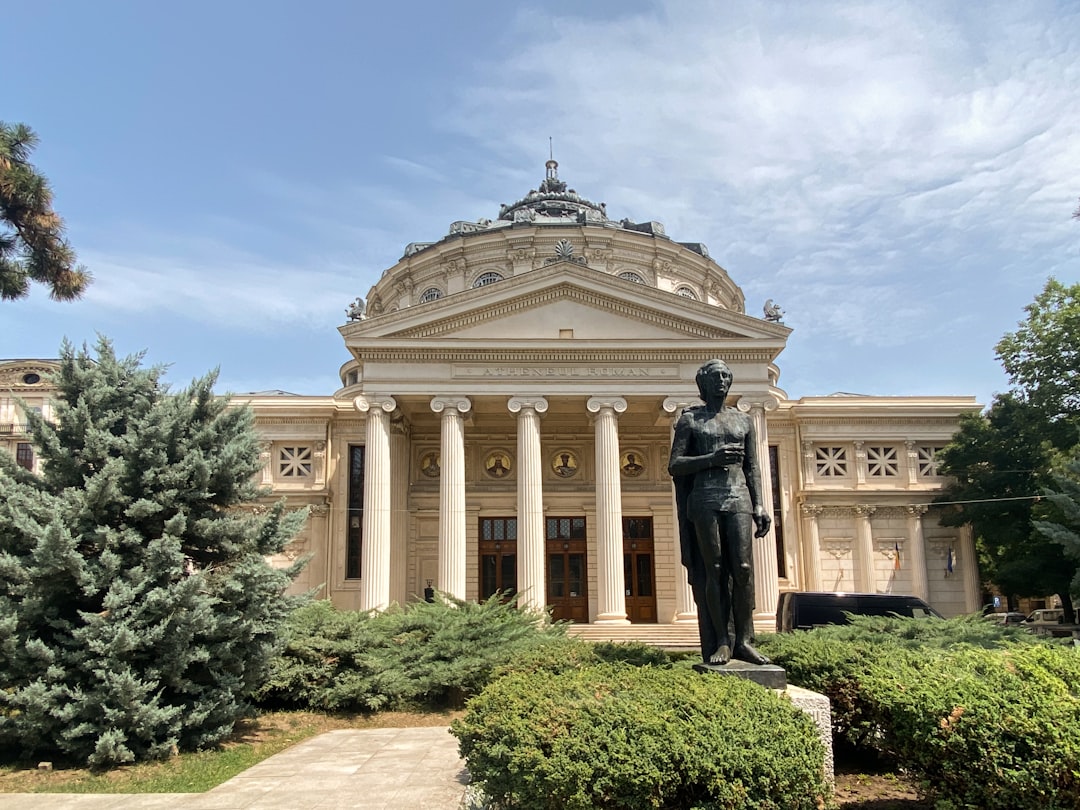
Bucharest National Museum of Art — For a more curated experience, this museum in Bucharest houses a significant collection of Wallachian religious art, including frescoes, icons, and manuscripts. The collection provides a comprehensive overview of the style, from its early origins to its later developments. It is a great place to learn more about the history and techniques of Wallachian painting before heading out to the monasteries. Entry is ~5 EUR.
What to Eat & Drink
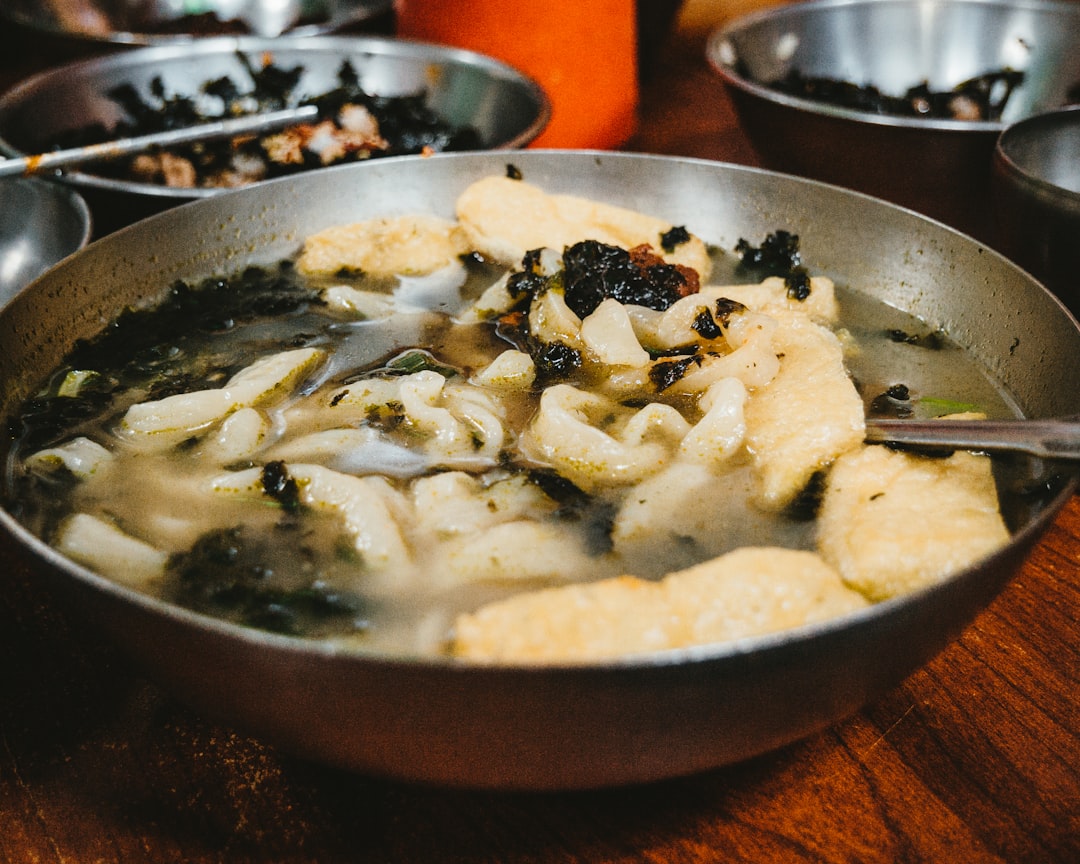
Exploring the monasteries of Wallachia is a physical undertaking, so fueling up is essential. The local cuisine is hearty and flavorful, perfect for replenishing energy after a day of hiking and sightseeing. Here are a few dishes to look out for:
Sarmale — Cabbage rolls stuffed with meat and rice, served with sour cream and polenta. This is a staple of Romanian cuisine and a must-try. Typical price per serving: 6-10 EUR.
Mămăligă — A type of polenta made from cornmeal, often served with cheese, sour cream, and stews. It is a simple but satisfying dish. Typical price per serving: 3-5 EUR.
Plăcinte — Savory pies filled with cheese, potatoes, or meat. They are often sold at street stalls and make for a quick and cheap meal. Typical price per serving: 2-4 EUR.
Țuică — A traditional plum brandy, often served as a digestif. It is strong and flavorful, and a great way to end a meal. Typical price per glass: 2-4 EUR.
Budget breakdown: Street food and take-away options are generally under 5 EUR per meal. Sit-down local restaurants range from 8-15 EUR per person, while mid-range restaurants are around 15-25 EUR. In Bucharest, the Lipscani district is a hub for restaurants and bars, offering a wide range of options. In smaller towns, the main square or market area is usually the best place to find local eateries.
Nightlife
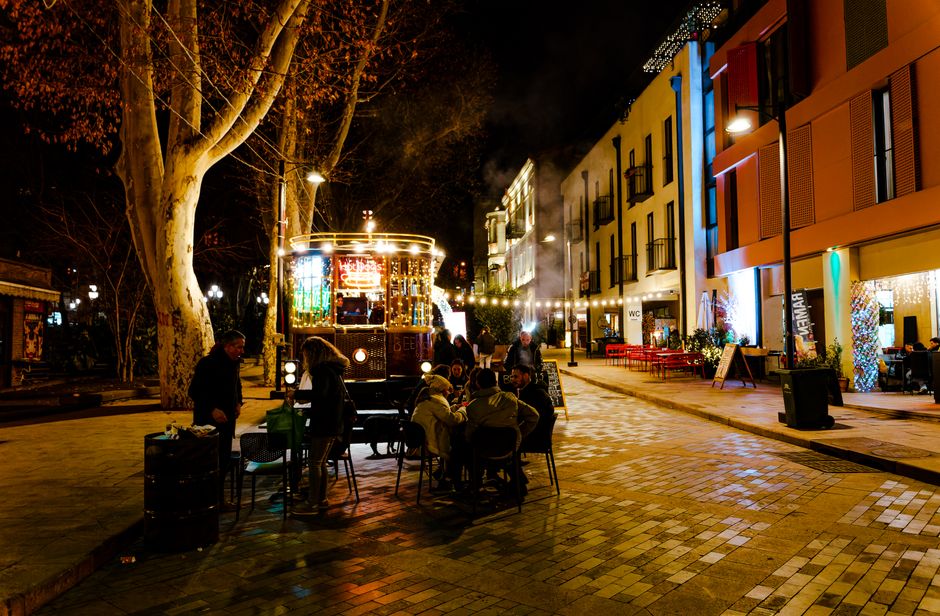
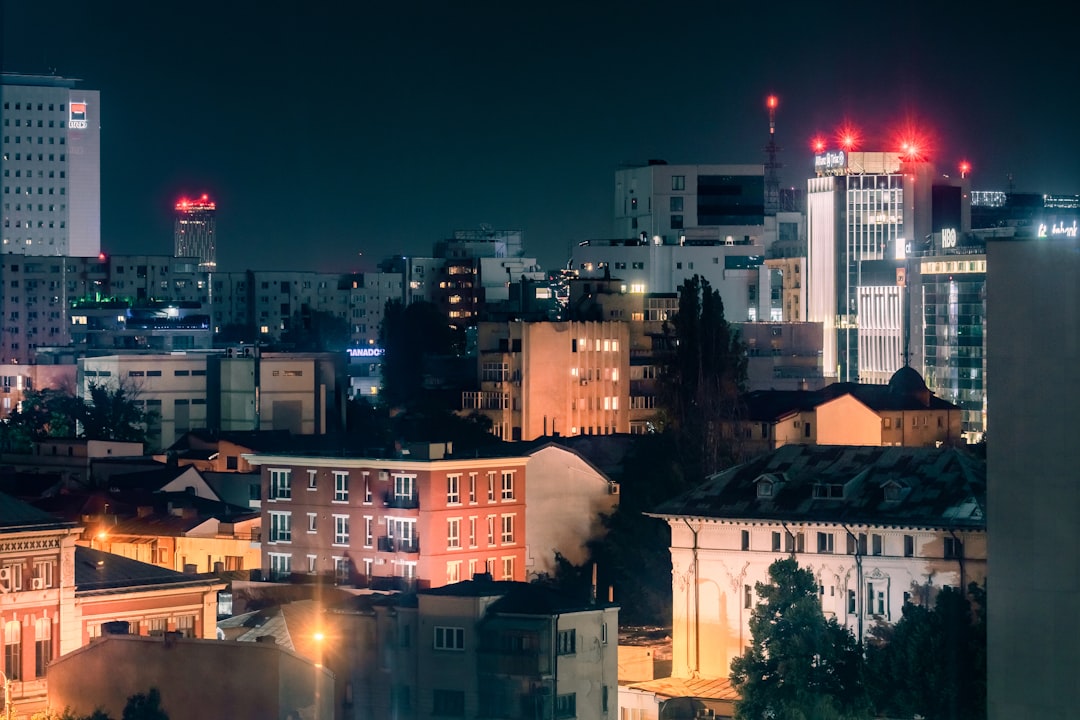
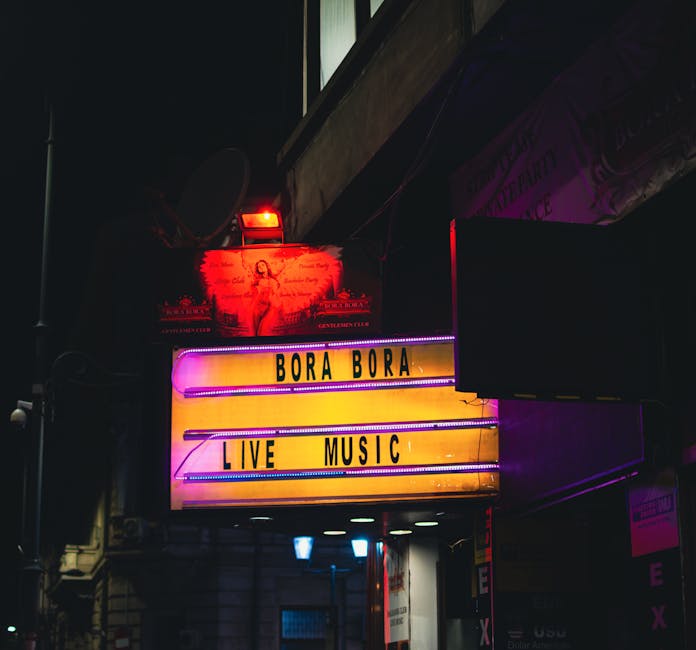
While the monasteries themselves are quiet places of worship, the surrounding towns and cities offer vibrant nightlife. Bucharest is known for its lively bar and club scene, particularly in the Lipscani and Old Town areas. Here are a few specific venues to check out:
Enzo Club — A popular nightclub in the Old Town, known for its electronic music and vibrant atmosphere. Cover charge: 10-20 EUR.
Caru' cu Bere — A historic restaurant and bar in the Old Town, known for its traditional Romanian cuisine and live music. It is a great place to experience local culture in a lively setting.
The Beer House — A cozy bar in Bucharest offering a wide selection of local and international beers. It is a great place to relax after a day of sightseeing.
In smaller towns, the nightlife is more subdued, with a few local bars and pubs offering live music and traditional drinks. It is a good opportunity to interact with locals and learn more about the region.
Getting There & What to Expect
Getting There: The nearest major airport is Bucharest Henri Coandă International Airport. From there, you can take a train or bus to the various monasteries. Cozia Monastery is about 2 hours by car from Bucharest. Horezu Monastery is about 1.5 hours by car. Curtea de Argeș is about 1 hour by car. Buses are cheaper but less frequent. A bus from Bucharest to Sibiu (near Cozia) costs around 10-15 EUR and takes about 4 hours.
Accommodation: Budget hostels in Bucharest range from 15-30 EUR per night. Mid-range hotels are around 40-70 EUR per night. In smaller towns, guesthouses and pensions are available for 20-40 EUR per night. Camping is also an option in some areas, with sites costing around 5-10 EUR per night.
Best Months to Visit: The best time to visit is during the spring (April to June) or autumn (September to October), when the weather is mild and the crowds are smaller. Summer can be hot and crowded, while winter can be cold and some sites may be less accessible.
Search accommodation in Bucharest on Booking.com →
The Lasting Impression
Standing in the nave of Cozia at dusk, the candles flickering in the draft, I feel the weight of the centuries pressing down. The frescoes are not just images; they are a testament to a culture that used art to define itself, to assert its identity in a turbulent region. The Wallachian style is bold, unapologetic, and deeply human. It reminds us that art is not just about beauty; it is about survival, about making a mark on the world. As I leave the monastery, the dust still clinging to my clothes, I realize that I haven't just seen paintings; I've witnessed a legacy. And that is a journey worth taking.
Comments