


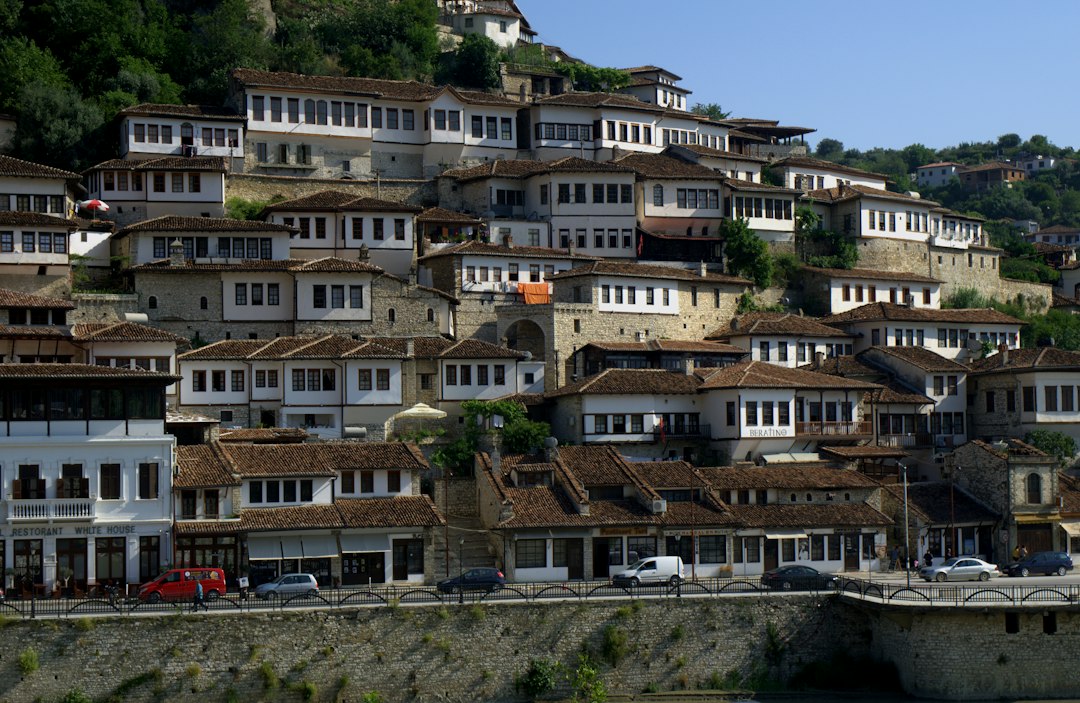
History & Identity
The story of Ivanova Korija is tied inextricably to the Byzantine Empire and the spiritual fervor of the Balkans in the medieval period. The complex was founded in the 11th century, a time when the region was a crossroads of empires and faiths. The name "Ivanova Korija" translates roughly to "John's Gorge," likely named after a local hermit or saint who first sought refuge in the caves. The site became a significant monastic center, offering a place of contemplation away from the political turmoil of the lowlands.
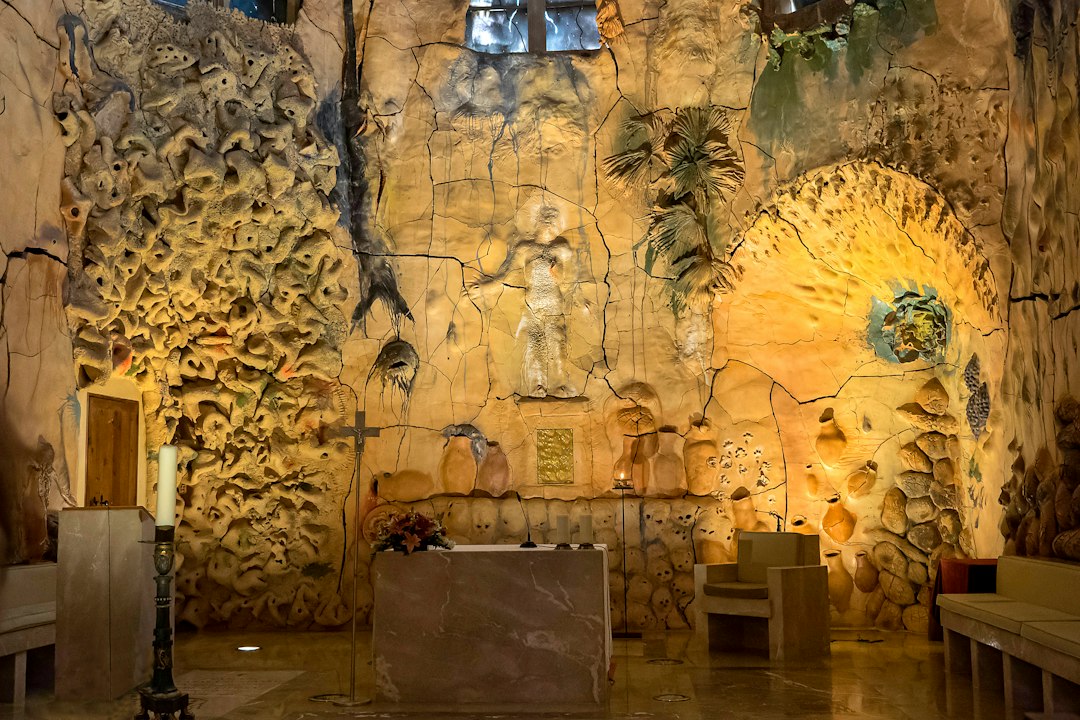
What makes these churches unique is their construction method. They are not built *on* the rock; they are cut *from* it. The monks excavated the interiors from the solid limestone, creating vaulted ceilings, apses, and iconostases directly from the cliff face. This technique provided natural insulation, keeping the interiors cool in summer and warm in winter. The main church, dedicated to St. Nicholas, is the largest and most well-preserved, featuring remnants of frescoes that depict biblical scenes with a stark, powerful simplicity. The secondary structures, smaller chapels and living quarters, were similarly carved, creating a self-contained spiritual community suspended in the gorge.
During the Ottoman period, the site fell into relative obscurity, though some sources suggest it continued to be used sporadically by local Orthodox Christians. In the 20th century, under Albania’s strict atheist regime, the churches were abandoned and left to decay. It wasn’t until the fall of communism that the site began to be recognized for its historical and archaeological value. Today, it stands as a testament to the resilience of faith and the ingenuity of medieval craftsmen. It’s a place where history isn’t just read; it’s touched, felt, and experienced in the silence of the stone.
Where to Go
St. Nicholas Church — The centerpiece of the complex, this is the largest rock-hewn structure. The interior is spacious, with a high vaulted ceiling and remnants of frescoes on the walls. The iconostasis is carved directly from the rock, a rare feature that showcases the skill of the medieval artisans. It’s best visited in the morning when the light filters in through the narrow openings, illuminating the dust motes dancing in the air. Entry is free, but donations are appreciated to help with preservation efforts.
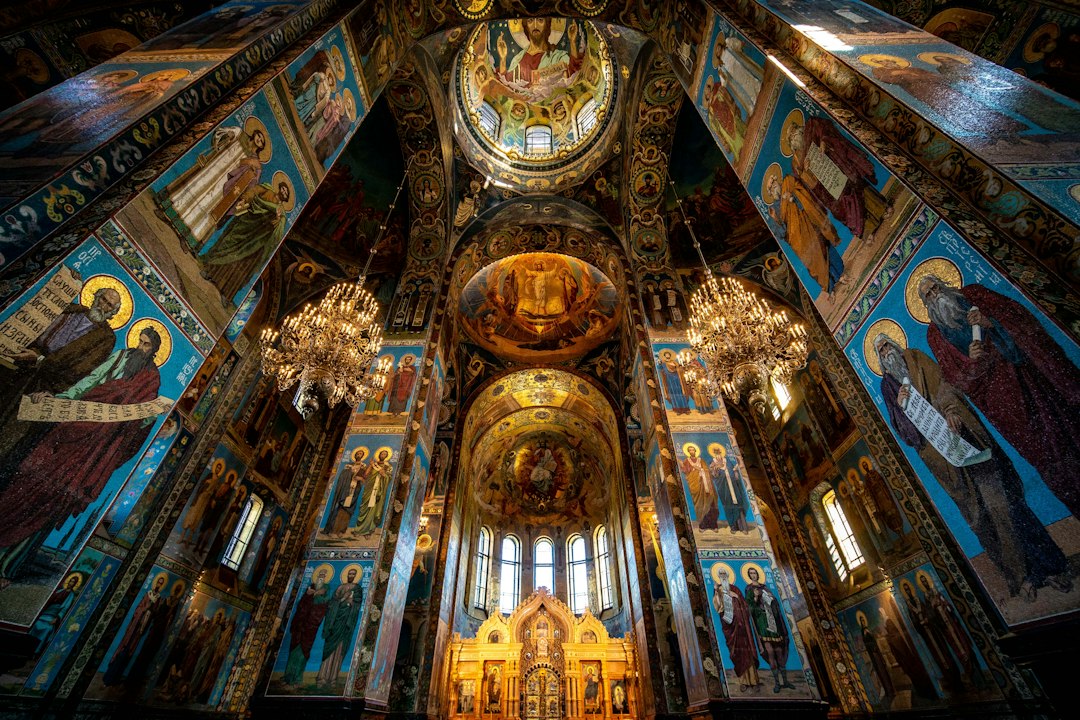
The Secondary Chapels — Scattered around the main church are smaller chapels and living quarters. These are more intimate spaces, some barely large enough to stand in. They offer a glimpse into the daily lives of the monks who lived here. The walls are rougher, the spaces tighter, but the sense of presence is palpable. Exploring these smaller caves feels like walking through a medieval monastery’s back rooms. It’s a quieter, more contemplative experience than the main church.
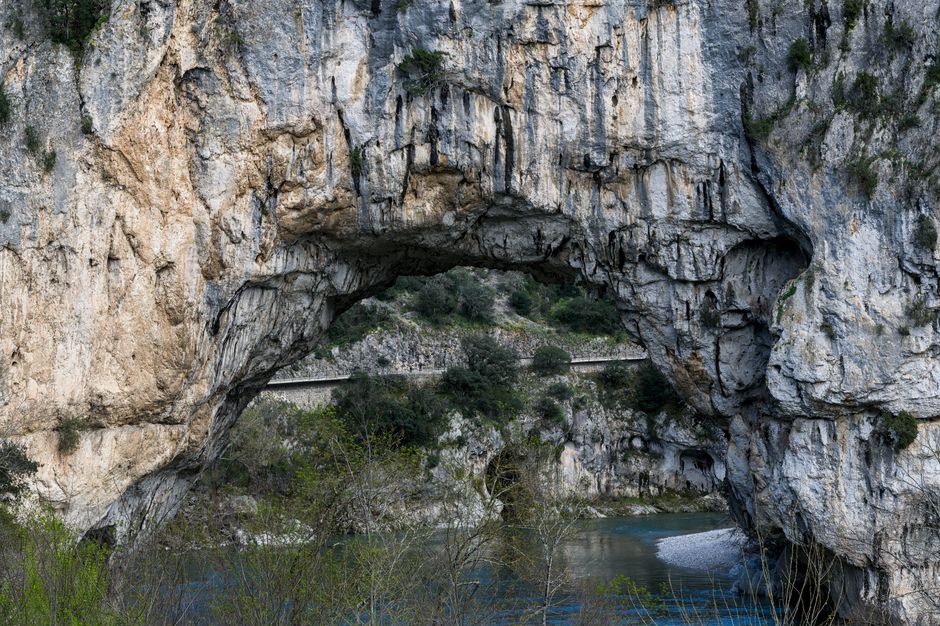
The Viewing Platform — Located at the top of the cliff, this small platform offers a breathtaking view of the gorge and the Devoll River below. It’s the perfect spot to understand the strategic and spiritual significance of the location. The isolation is evident from here; the site is hidden from view from the road below, accessible only by foot. The view is particularly stunning at sunset, when the light turns the limestone cliffs to gold. It’s a place to sit, breathe, and reflect on the scale of history.
What to Eat & Drink
There are no restaurants or cafes at Ivanova Korija itself. The nearest option is in the village of Korçë, about 15 kilometers away. If you’re planning a visit, pack a picnic. Local markets in Korçë offer excellent supplies: fresh bread, olives, cheese, and wine. A simple meal of byrek (savory pastry) and a bottle of local wine can cost around 5-8 EUR. For a sit-down meal in Korçë, expect to pay 10-15 EUR per person for a traditional Albanian dinner. Street food options are limited, but you can find qofte (meatballs) for 3-4 EUR in local eateries. The key is to self-cater for the hike and enjoy a proper meal in the town afterward.
Nightlife
Ivanova Korija is a place of silence, not nightlife. The nearest nightlife scene is in Korçë, known for its cultural events and cafes. The town has a vibrant evening atmosphere, with cafes lining the main street and occasional live music. It’s not a party hub, but a place for relaxed conversation and local culture. Bars in Korçë charge around 3-5 EUR for a drink. For a more energetic scene, travelers often head to Tirana, but for those seeking the medieval atmosphere of Ivanova Korija, the silence is part of the experience.
Getting There & What to Expect
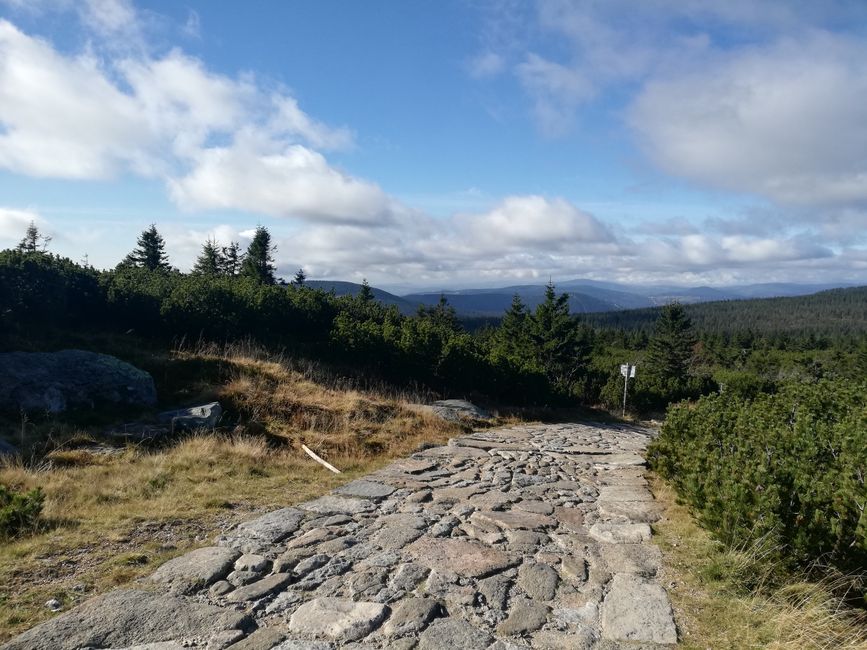
The nearest major city is Korçë, located about 15 kilometers from Ivanova Korija. You can reach Korçë by bus from Tirana (around 4 hours, 5-7 EUR) or by car via the SH6 highway. From Korçë, you’ll need a car or a taxi to reach the trailhead. Taxis from Korçë cost around 15-20 EUR each way, but be prepared to negotiate. There are no regular buses to the site. The trailhead is a small parking area on the side of the road, marked by a signpost. From there, it’s a 30-45 minute hike up a steep, rocky path. Wear sturdy shoes; the terrain is uneven and can be slippery. Children over 10 can manage the hike if they are fit, but the lack of railings makes it risky for younger kids. Accommodation in Korçë ranges from budget hostels at 15-25 EUR/night to mid-range hotels at 40-60 EUR/night. The best time to visit is spring (April-May) or autumn (September-October) to avoid the summer heat and winter rain.
Search accommodation in Korçë on Booking.com →
The Weight of Stone
Leaving Ivanova Korija, I brushed the dust off my jacket and looked back at the cliff face. The churches disappeared into the shadows as the sun dipped below the horizon. It’s a place that doesn’t want to be found easily, and that’s its greatest strength. In a world of curated experiences and Instagram-ready spots, Ivanova Korija remains stubbornly real. It’s raw, unpolished, and demanding. The silence there isn’t empty; it’s full of voices from the past, echoing off the stone walls. You don’t just visit Ivanova Korija; you survive it, and in doing so, you carry a piece of its weight with you long after you’ve left.
Comments