


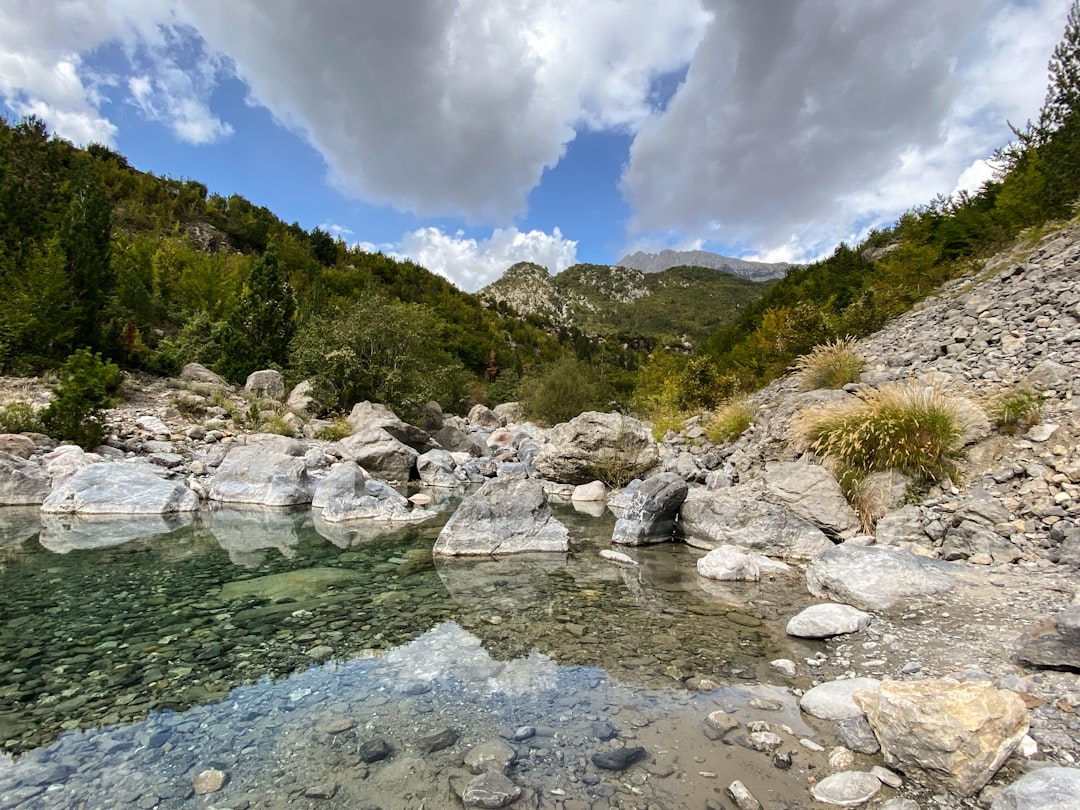
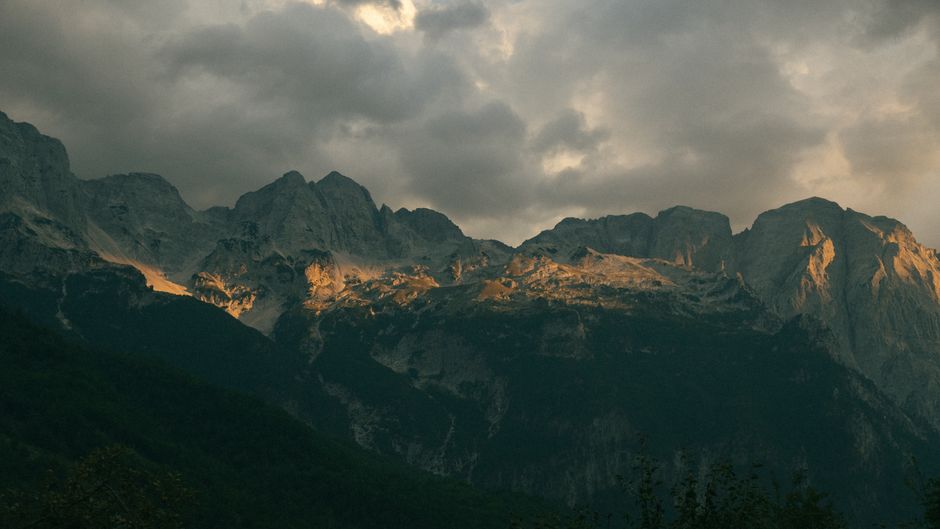
The fog didn't roll in; it attacked. One minute I was staring down the jagged spine of the Accursed Mountains, the other I was drowning in a wet, grey static that smelled of pine resin and wet dog. My boots, already caked in the black mud of the Albanian highlands, slipped on a patch of unseen ice near the Theth National Park trailhead. A local shepherd, his face carved from the same granite as the peaks above, didn't offer sympathy. He just spat into the void, muttered something about the mountain spirit, and kept walking. This isn't a vacation. This is a negotiation with gravity. The Valbona Valley National Park trek isn't just a hike; it's a physical argument you have with the terrain, where the only winning move is to keep moving until your lungs burn and your legs forget how to stop shaking.
I came here looking for the "Albanian Alps" cliché, the kind of postcard-perfect scenery that gets sold in travel brochures in Tirana. What I found was raw, unforgiving, and utterly indifferent to my presence. The air is thin, the paths are often little more than goat tracks carved into vertical cliffs, and the silence is heavy enough to crush a lesser spirit. But there is a magnetic pull to this place. It's the kind of place that strips away the pretense of modern life and leaves you with nothing but the next step, the next rock, the next breath. If you're looking for comfort, go to the coast. If you're looking to feel alive, come here and let the mountains break you down.
History & Identity
The Accursed Mountains (Prokletije) get their name from a local legend about a village cursed by God for its inhabitants' lack of faith. The curse turned the people into stone, creating the jagged peaks that define the horizon. Whether you believe in curses or not, the history here is written in blood and isolation. For centuries, these mountains were a refuge for those fleeing Ottoman rule, a place where tribal codes of honor, or kanun, dictated life and death. The valleys of Theth and Valbona were virtually inaccessible, preserving a culture that felt frozen in time. Even today, the stone houses, built with thick walls to withstand the brutal winters, stand as testaments to a people who refused to yield to the elements.
During the communist era under Enver Hoxha, the region was largely ignored, left to its own devices while the regime focused on the plains. This isolation protected the natural beauty from the industrialization that scarred much of Europe, but it also meant poverty and neglect. Today, the national parks are protected, and tourism is booming, but the spirit of the place remains untamed. The locals are proud, often skeptical of outsiders, but generous once you earn their respect. The history here isn't just in museums; it's in the way the old men sit outside their stone houses, watching the passersby with eyes that have seen centuries of struggle.
Where to Go
Theth Village — The starting point for most trekkers, this village clings to the side of a valley like a barnacle. It's small, with a handful of guesthouses and a few cafes, but the atmosphere is electric with anticipation. The stone architecture is stunning, and the view of the Theth Waterfall from the village center is a quick, easy hike that sets the tone for what's to come. Entry to the national park is nominal, around 5 EUR, but you can wander the village streets for free. Best visited early in the morning before the tour buses arrive.
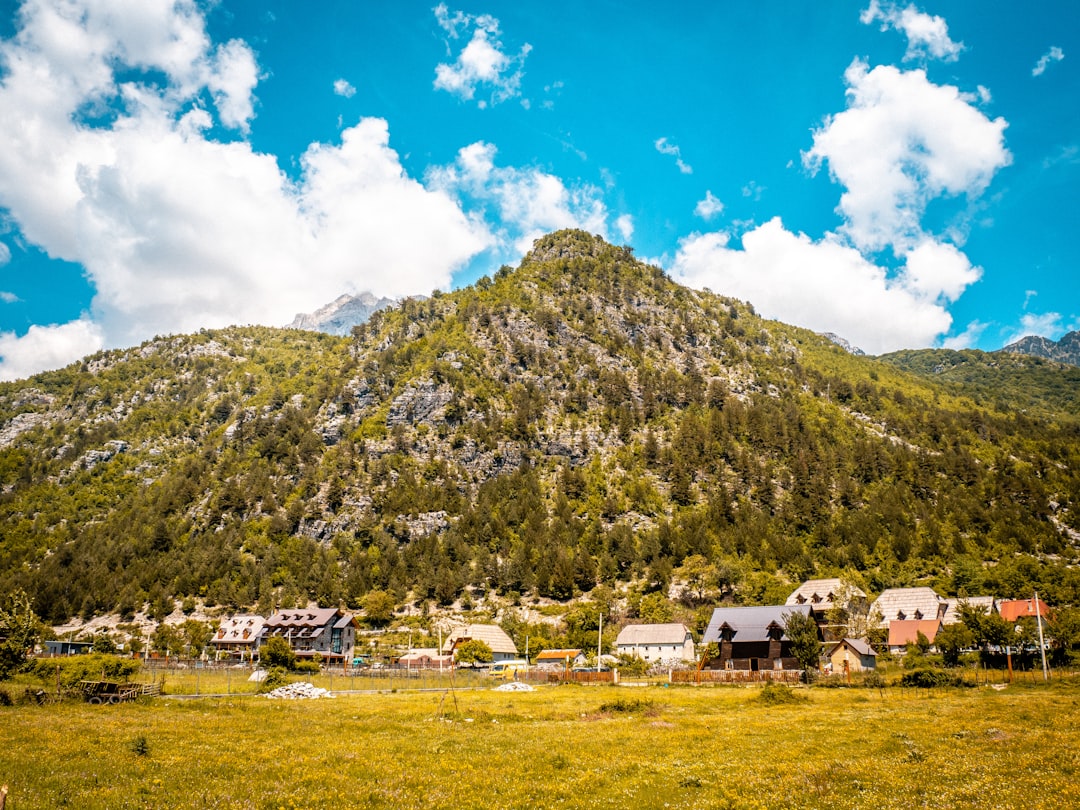
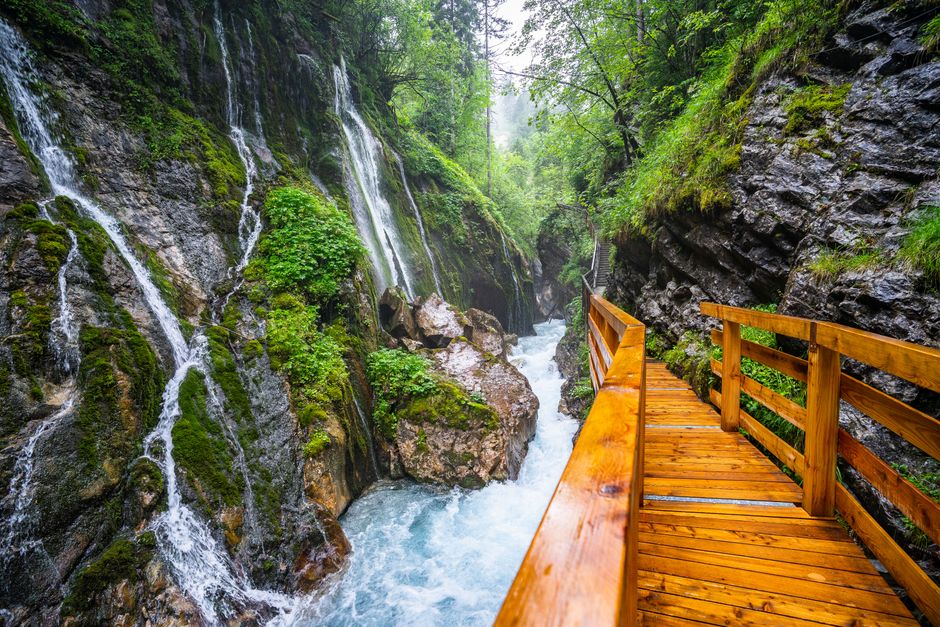
Grunas Waterfall — A short hike from Theth leads to this powerful cascade. The path is steep and rocky, requiring some scrambling, but the reward is a thunderous roar of water crashing down into a pool surrounded by dense forest. It's a place to get wet, to feel the power of the mountain's runoff. There are no facilities here, just raw nature. Bring a towel and a sense of adventure.
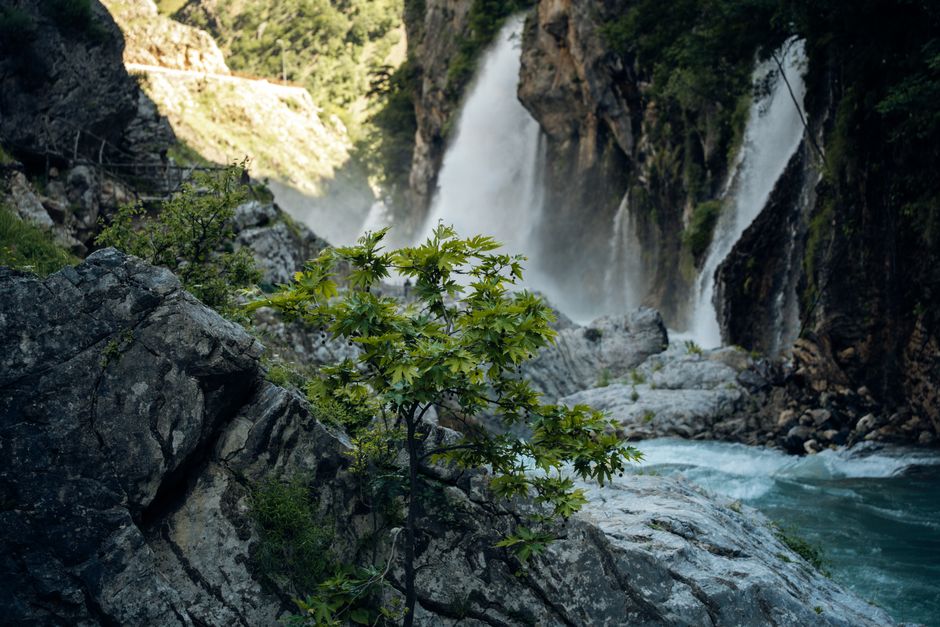
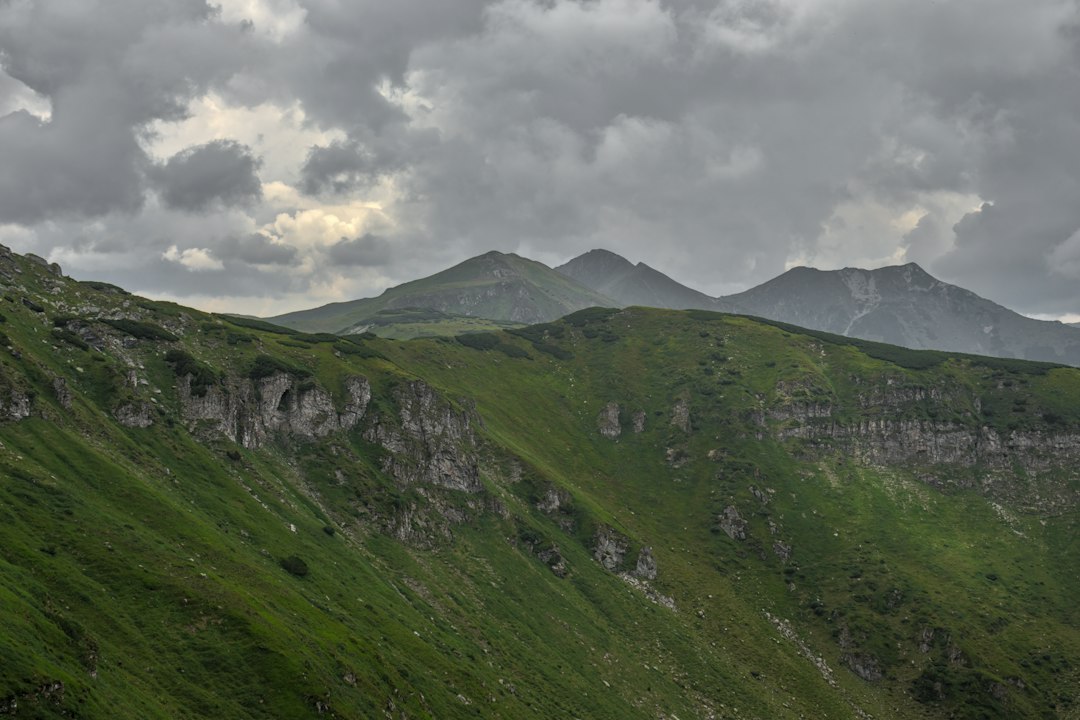
Rragam Pass — The highest point of the Theth to Valbona trek, sitting at 2,050 meters. It's a long, grueling climb, often done in the early hours to avoid the afternoon storms. The view from the top is panoramic, stretching across the entire range of the Accursed Mountains. It's a place of thin air and thin patience, but the sense of accomplishment is unmatched. There are no buildings here, just a marker and a few benches for the exhausted.
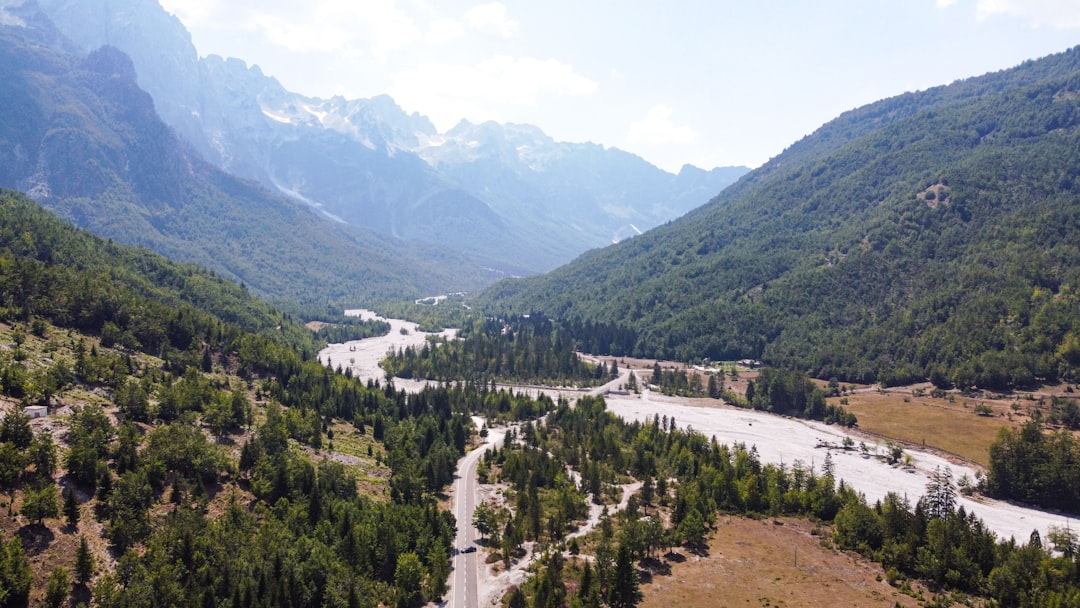
Valbona Valley — The destination, a wide, green valley that opens up like a relief after the tight, steep climb of the pass. The village of Valbona is larger than Theth, with more amenities and a more relaxed vibe. The valley is home to several waterfalls and hiking trails, but the main draw is the sense of arrival. You've made it. The stone bridges and the river flowing through the center of the village offer a place to rest and recover.
Valbona Waterfall — Located just outside the village, this waterfall is accessible via a well-maintained path. It's less dramatic than Grunas, but easier to reach, making it a good option for those who are too tired to hike further. The surrounding area is lush and green, with plenty of spots for a picnic. It's a gentle end to a hard journey.
What to Eat & Drink
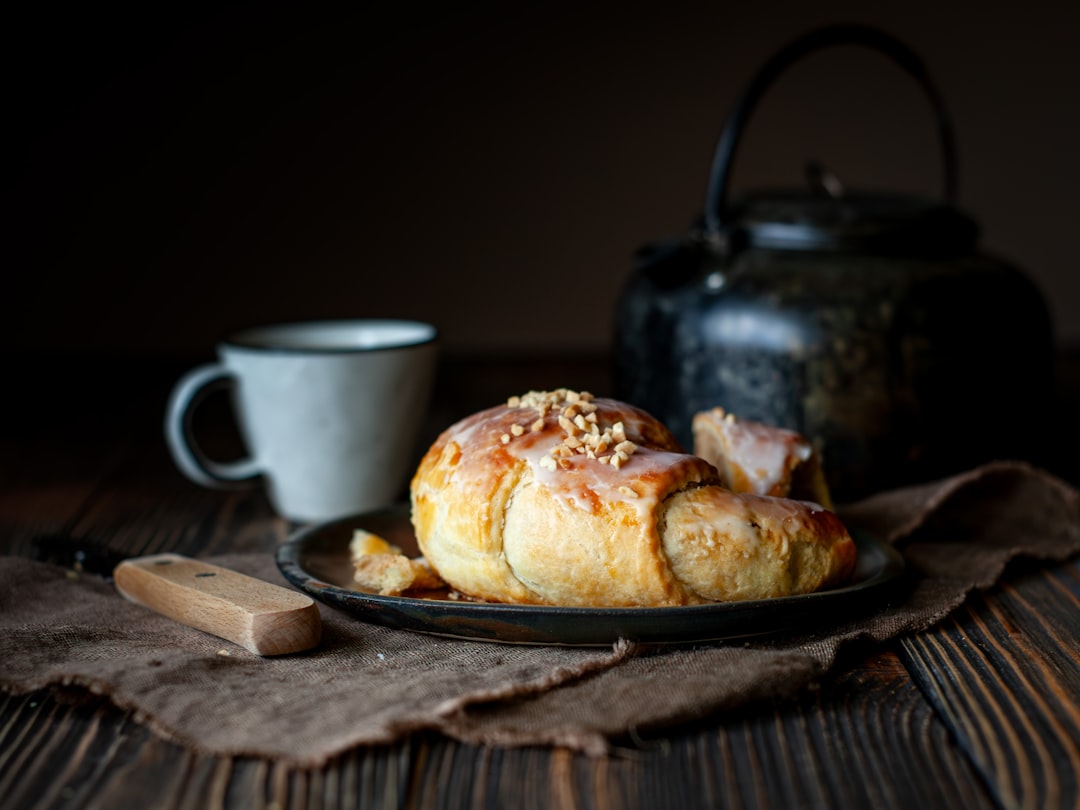
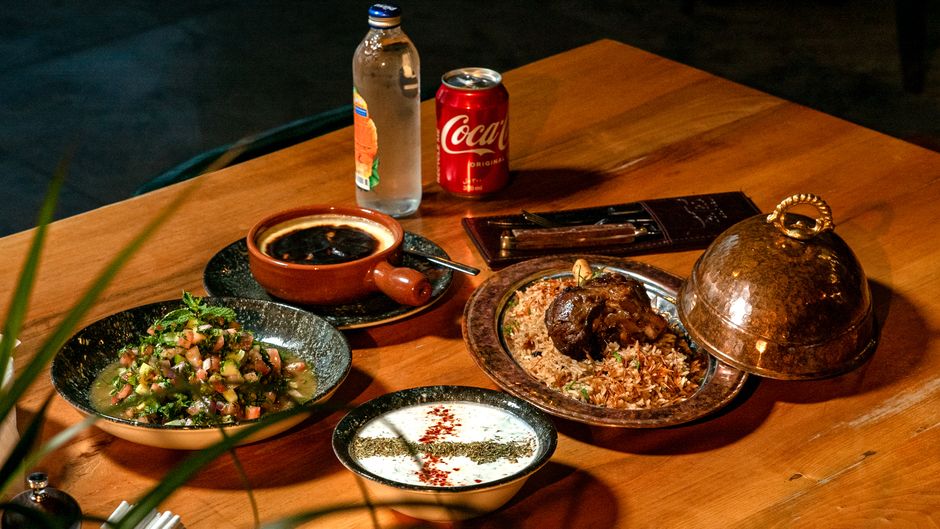
Eating in the mountains is a serious business. The food is hearty, designed to fuel long days of hiking. Expect lots of meat, cheese, and bread. Byrek — a flaky pastry filled with cheese, spinach, or meat — is a staple, costing around 1-3 EUR per slice. It's perfect for breakfast or a quick lunch on the trail. Tavë Kosi — baked lamb with yogurt and rice — is the main dish in most restaurants, a heavy, comforting meal that costs 8-12 EUR. It's not light, but it's satisfying. Speca me Kajmak — roasted peppers with a creamy dairy spread — is a common side dish, costing 3-5 EUR. For drink, Raki is the local spirit, a strong plum brandy that burns going down and warms you up afterwards. A glass costs 2-4 EUR.
Budget breakdown: Street food and take-away options are limited in the villages, but you can find sandwiches and pastries for under 5 EUR. Sit-down meals at local guesthouses range from 10-15 EUR per person, while mid-range restaurants in Valbona might charge 15-25 EUR. There are no food courts, but the village squares in Theth and Valbona have a few small shops selling snacks, drinks, and basic supplies. Bring your own water and snacks for the trek, as options on the trail are non-existent.
Nightlife
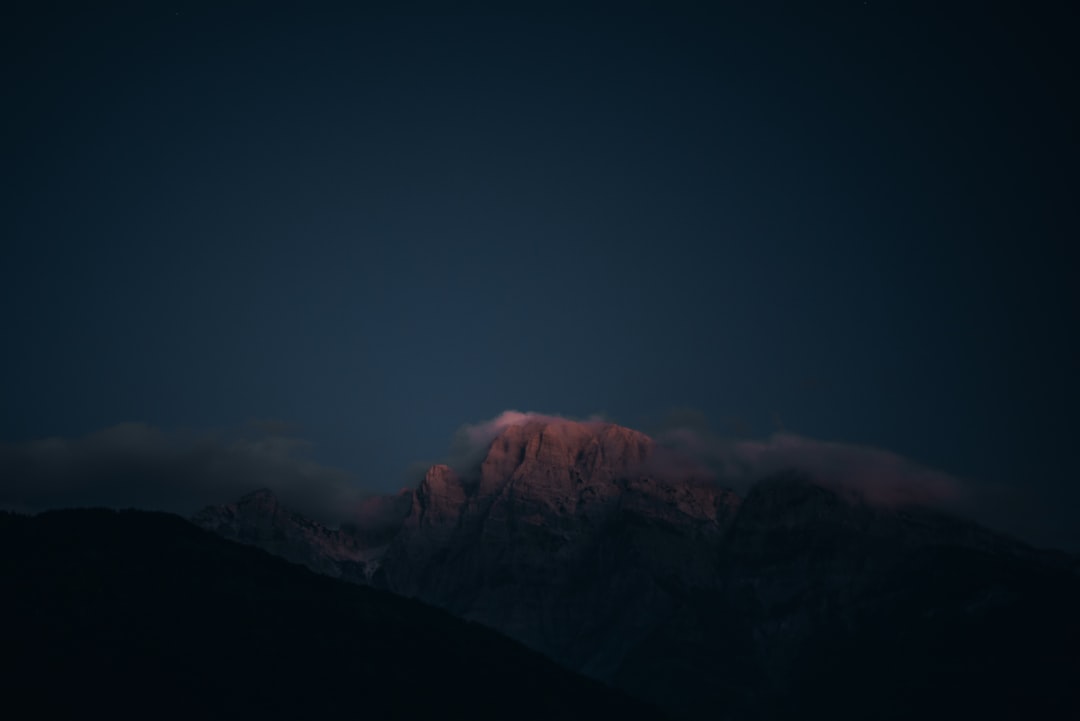
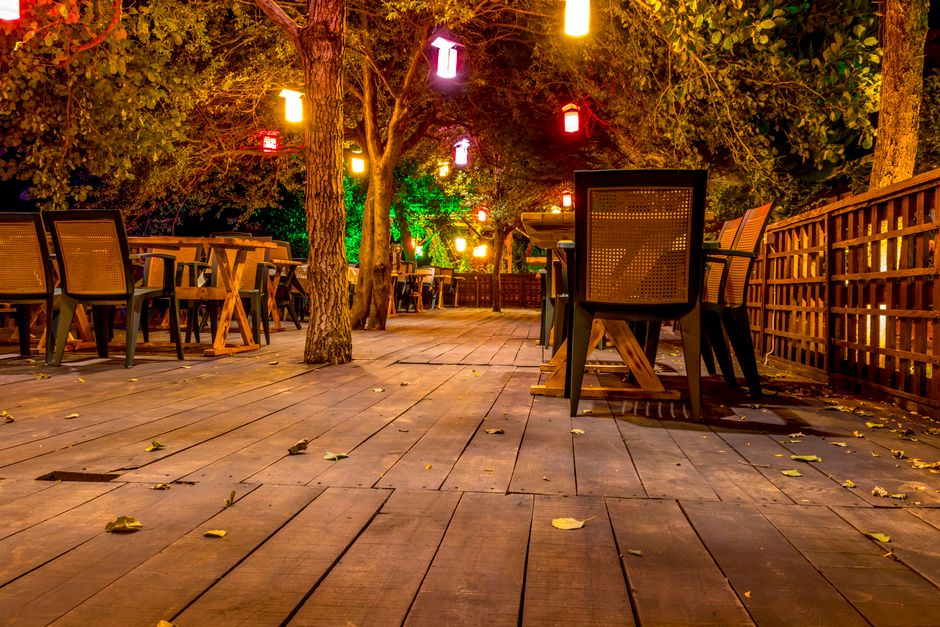
Nightlife in Theth and Valbona is not what you'd find in Tirana or Shkodra. There are no clubs, no bars with DJs, no neon lights. The "nightlife" consists of sitting outside with a glass of Raki, watching the stars come out, and listening to the sounds of the mountain. The guesthouses often have communal areas where travelers gather to share stories, compare notes on the trail, and plan the next day. It's a quiet, intimate experience, far removed from the party scene. The best "venue" is the terrace of your guesthouse, with a view of the dark peaks looming overhead. If you're looking for a drink, the small cafes in Theth and Valbona serve beer, wine, and spirits, but the hours are early, usually closing by 10 PM. The real entertainment is the silence, the cold, and the sense of being far away from everything.
Getting There & What to Expect
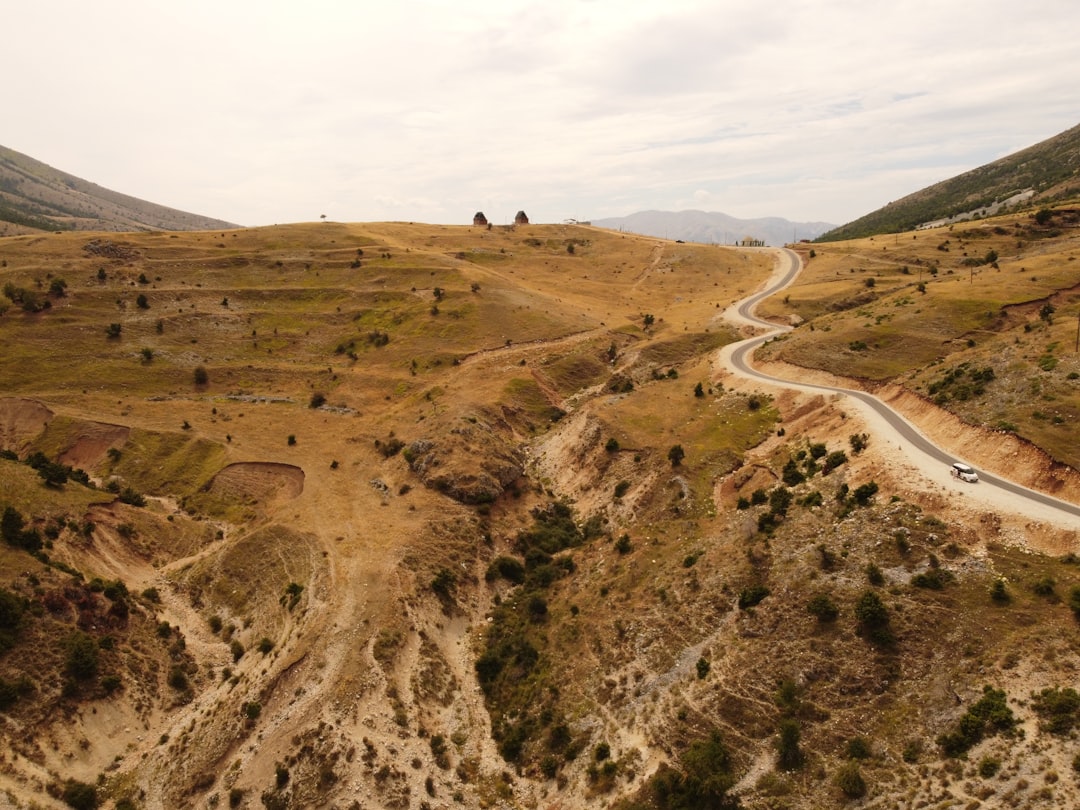
Getting to Theth is an adventure in itself. The nearest major city is Shkodra, about 60 km away. Buses run regularly from Tirana to Shkodra, costing around 5-8 EUR and taking 3-4 hours. From Shkodra, you can take a minibus to Theth, which costs 5-7 EUR and takes about 1.5-2 hours, depending on the road conditions. The road is narrow, winding, and often unpaved, so motion sickness is a real risk. If you're driving, be prepared for a challenging drive. The last stretch to Theth is steep and rocky, requiring a 4x4 vehicle or a very confident driver.
Accommodation in Theth and Valbona ranges from budget guesthouses to mid-range hotels. Budget options, such as basic rooms with shared bathrooms, cost 15-25 EUR per night. Mid-range hotels, with private bathrooms and better amenities, cost 25-40 EUR per night. There are no luxury resorts here, just simple, clean places to sleep. Meals are included in some guesthouse packages, but you can also eat at local restaurants. The best time to visit is from May to October, when the weather is mild and the trails are clear. Winter is brutal, with heavy snow and closed roads, so avoid it unless you're an experienced mountaineer.
Search accommodation in Theth on Booking.com →
The Aftermath
I didn't sleep that first night in Valbona. My muscles were screaming, my feet were blistered, and my mind was still reeling from the sheer scale of the place. I sat on the terrace of my guesthouse, wrapped in a blanket, staring at the dark shapes of the mountains against the starry sky. I thought about the curse, the stone people, the centuries of isolation. I thought about the shepherd who had spat into the fog, the old men who watched me with their ancient eyes. I felt small, insignificant, and yet, strangely connected. The mountains don't care about you, but they change you. They strip away the noise, the distractions, the pretenses, and leave you with something raw and real. I came looking for a hike, but I left with a reckoning. The Accursed Mountains are not for everyone. They are hard, unforgiving, and demanding. But if you can handle the pain, if you can endure the cold and the silence, they will give you something that no other place can: the truth of who you are when the world falls away.
Comments