


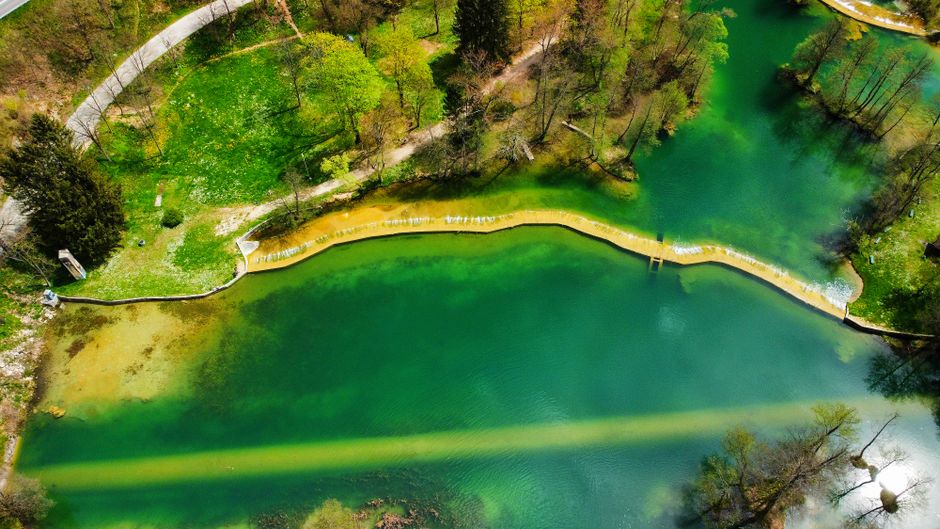
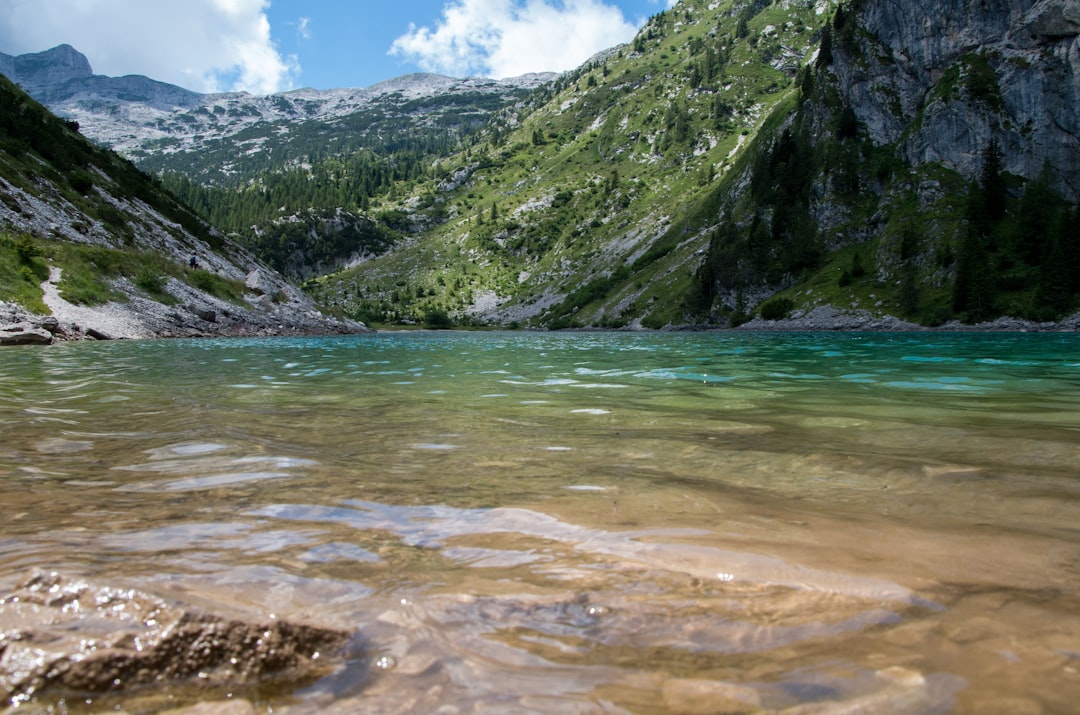
I didn't just arrive at the Una National Park; I was dumped into it. The rental car sputtered, overheating on the narrow asphalt ribbon that clings to the gorge wall, while a local driver in a beat-up Fiat gave me a thumbs up and kept driving as if my mechanical failure was just another Tuesday afternoon in Bosnia and Herzegovina. The air smelled of wet limestone and pine resin. Below me, the river wasn't blue. It was a violent, churning turquoise, a color so aggressive it felt radioactive against the grey rock. This isn't a postcard destination where you sip espresso and watch the world go by. This is a place where the water fights back, where the silence of the forest is broken only by the roar of rapids and the occasional shout from a kayaker who just realized they're upside down. I came to find peace, but the Una River gave me adrenaline instead.
There is a specific kind of madness in trying to conquer a river that has carved its way through solid rock for millions of years. You stand on the edge of the canyon, looking down at the white water, and you feel small. Not the romantic, spiritual smallness of a mountain peak, but the physical, visceral smallness of an insect watching a flood. The Una River doesn't care about your travel itinerary. It cares about gravity and momentum. And if you're smart, you respect that. I spent three days here, swapping a paddle for a hiking stick, trying to understand why this remote corner of the Balkans holds such a fierce grip on the soul. It's not just about the scenery; it's about the resistance. The landscape here is hard, the water is cold, and the beauty is earned, not given.
The Turquoise Vein of the Balkans
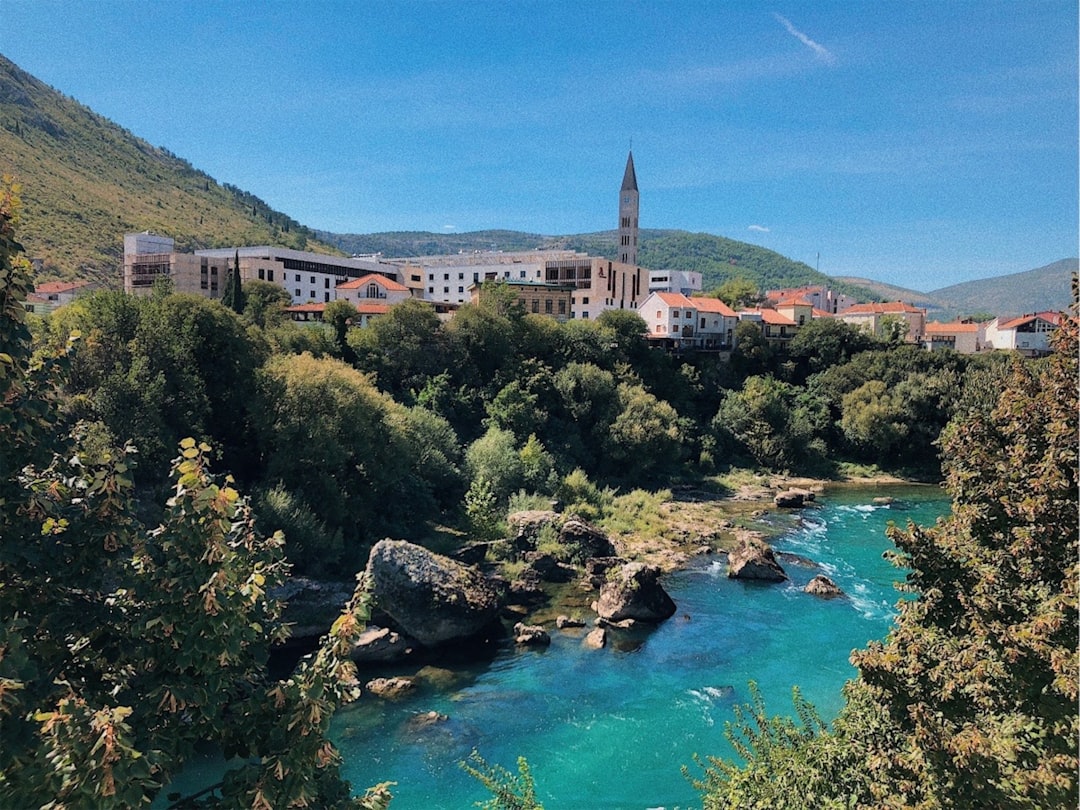
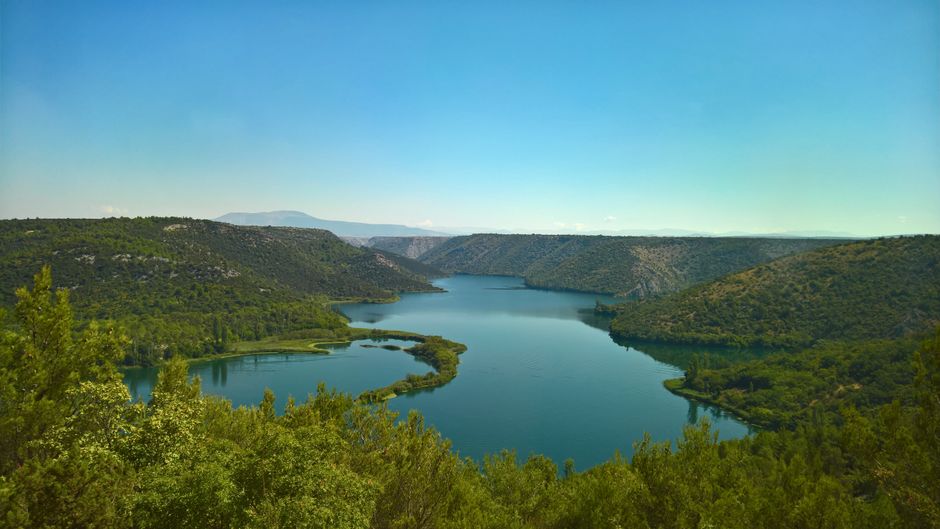
The Una River begins in the Velebit mountains of Croatia, but it finds its character in Bosnia. It flows through a canyon that is deep, narrow, and fiercely protected. The water temperature rarely exceeds 12 degrees Celsius, even in the height of July. This coldness is a shock to the system, a reminder that nature here is untamed. The canyon walls rise hundreds of meters on either side, creating a microclimate that is humid, green, and dense with vegetation. It's a place where time seems to move slower, not because of the pace of life, but because the isolation is so complete that the modern world feels like a distant rumor.
What makes this place unique isn't just the river itself, but the way it has shaped the culture of the surrounding towns. In Bihać, the capital of the Una-Sana Canton, the river is a source of pride and industry. But just a few kilometers upstream, in the village of Martin Brod, it's a playground. The contrast is stark. One moment you're in a city with cafes and shops, the next you're in a wilderness where the only sound is the wind in the trees. This duality is what makes the Una National Park so compelling. It's not just a hiking trail or a kayaking spot; it's a living, breathing entity that demands your attention.
The park was established in 2008, but the protection of this area has a longer history. The water quality is among the best in Europe, which is why it's a haven for trout and other aquatic life. But it's also a haven for those who want to escape the noise of the modern world. There's something primal about being on a river that hasn't been dammed or diverted. It's a reminder that some things in this world are still wild, and that's a rare and precious thing.
Paddling the Rapids: A Kayaker's Guide
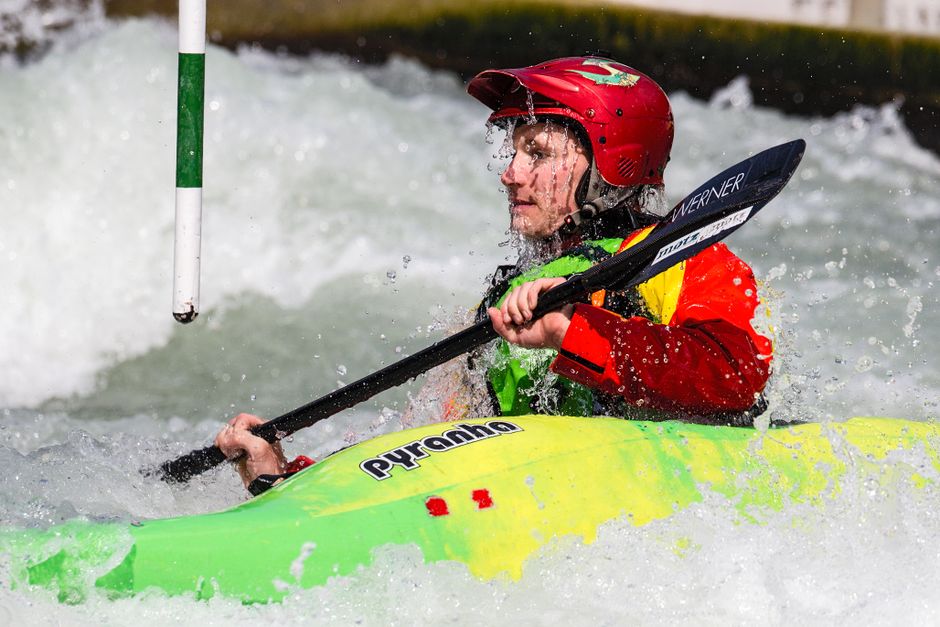
If you're going to kayak the Una, you need to know what you're getting into. This isn't a gentle drift on a lazy stream. The rapids here are classified as Class III and IV, which means they're technical, fast, and potentially dangerous. You need experience, or at least a very good guide. The best place to start is in Martin Brod, where several outfitters offer guided tours. The water is cold, so a drysuit is essential, even in summer. The rocks are slippery, and the current is strong, so one mistake can lead to a quick immersion.
The most popular section for kayakers is the stretch from Martin Brod to the waterfall of Štrbački Buk. This route covers about 15 kilometers and takes around 4-5 hours, depending on your skill level and the water conditions. The rapids here are challenging, but they're also incredibly rewarding. The scenery is spectacular, with the canyon walls closing in around you and the water churning white around the rocks. It's a test of skill and endurance, but it's also a chance to see the river from a perspective that few people ever get.
For beginners, there are calmer sections of the river that are suitable for rafting or canoeing. These are usually located further downstream, near Bihać, where the water is slower and the rapids are less intense. But even here, the current is strong, and the water is cold. You need to be prepared for a workout, not a leisurely float. The best time to go kayaking is in late spring or early autumn, when the water levels are high but the weather is still mild. In summer, the heat can be oppressive, and the crowds can be thick. In winter, the river is frozen, and the rapids are impassable.
Hiking the Canyon Walls: Trails and Waterfalls
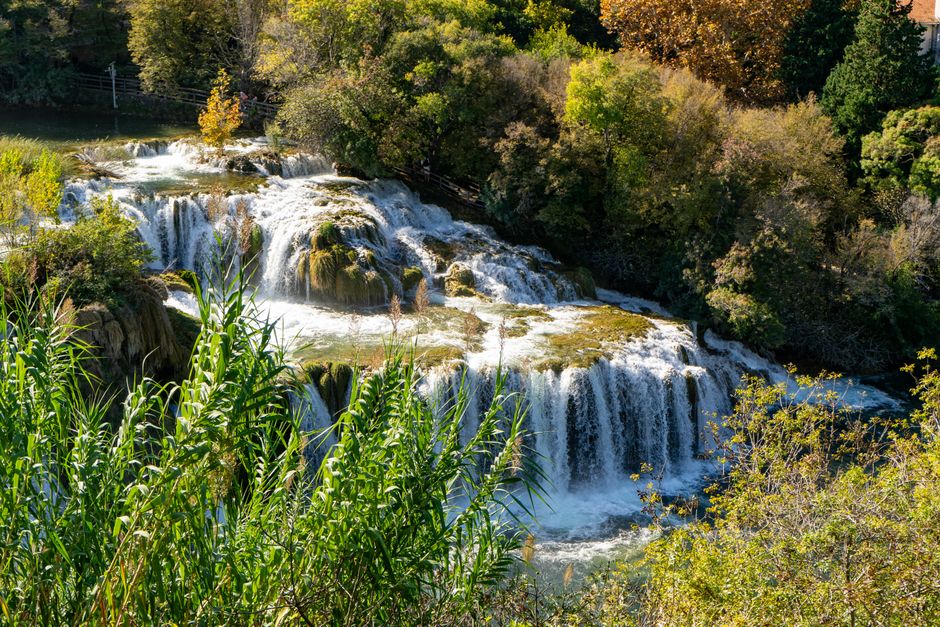
When your arms are too tired to paddle, you hike. The Una National Park has a network of trails that wind along the canyon walls, offering views of the river from above. The most famous of these is the trail to the Štrbački Buk waterfall, which is one of the largest in Europe. The hike is about 3 kilometers one way, and it takes around 1.5 hours. The trail is well-marked and moderately difficult, with some steep sections and rocky paths. But the reward is worth it. The waterfall is massive, cascading down a cliff face into a pool below. It's a sight that takes your breath away, and it's a perfect place to cool off after a long day of hiking.
Another popular hike is the trail to the Martin Brod waterfall, which is closer to the village. This hike is shorter and easier, making it a good option for families or those with less time. The waterfall is smaller than Štrbački Buk, but it's still impressive, and the views of the canyon are just as spectacular. There are also trails that lead to old monasteries and historical sites, which add a cultural dimension to the hike. The park is rich in history, and these trails offer a chance to explore that past.
For those who want a more challenging hike, there are trails that lead to the peaks above the canyon. These hikes are longer and more difficult, requiring good fitness and experience. But the views from the top are unbeatable. You can see the entire canyon, the river winding through the rock, and the surrounding mountains. It's a perspective that puts everything into context, and it's a reminder of how small we are in the face of nature. The best time to hike is in the morning, when the light is soft and the air is cool. In the afternoon, the heat can be intense, and the trails can be crowded.
Routes & Trail Info
Route 1: Martin Brod to Štrbački Buk
Starting Point: Martin Brod Village Parking
Total Distance: 3 km (one-way)
Elevation Gain: 150 m
Estimated Duration: 1.5 hours
Difficulty: Intermediate
Route 2: Kayak Descent from Martin Brod to Bihać
Starting Point: Martin Brod Launch Site
Total Distance: 15 km (one-way)
Elevation Drop: Significant (Class III/IV Rapids)
Estimated Duration: 4-5 hours
Difficulty: Experienced
Route 3: Una Canyon Rim Trail (Partial)
Starting Point: Štrbački Buk Entrance
Total Distance: 6 km (loop)
Elevation Gain: 300 m
Estimated Duration: 3 hours
Difficulty: Intermediate
Getting There & What to Expect
The nearest major city is Bihać, which is about 10 kilometers from the heart of the park. You can reach Bihać by bus from Zagreb, Croatia, or from Sarajevo. The journey from Zagreb takes about 2.5 hours and costs around 10-15 EUR. From Sarajevo, it's a longer trip, about 4-5 hours, depending on traffic and border crossings. Once in Bihać, you can take a local bus or a taxi to Martin Brod. The taxi will cost you about 10 EUR, and the bus is much cheaper, around 2 EUR.
Accommodation in the area is limited but growing. In Bihać, you can find budget hotels for around 30-50 EUR per night. In Martin Brod, there are guesthouses and campsites. Camping is a popular option, with sites costing around 5-10 EUR per person. Meals in local restaurants are affordable, with a typical dinner costing 10-15 EUR. Kayaking tours range from 50-100 EUR per person, depending on the length of the trip and the level of expertise required.
The best time to visit is from May to September. The water is coldest in the spring, but the flow is higher, which is good for kayaking. In the summer, the water is warmer, but the crowds are thicker. Autumn is beautiful, with the leaves changing color, but the weather can be unpredictable. Winter is not recommended for outdoor activities, as the trails can be icy and the river is frozen.
Search accommodation in Bihać on Booking.com →
The Cold Truth of the Balkan Wild
As I packed up my gear, shivering from the cold water and the long hike, I realized something. This place doesn't want to be loved. It wants to be respected. The Una River doesn't care if you take a good photo or if you post it on Instagram. It cares if you can survive its rapids, if you can climb its trails, if you can handle its cold. It's a harsh, unforgiving place, but it's also one of the most beautiful I've ever seen. And that's the paradox of the Balkans. The beauty here is never soft. It's hard, it's cold, and it's real. And if you're lucky enough to experience it, you'll never forget it.
Comments