


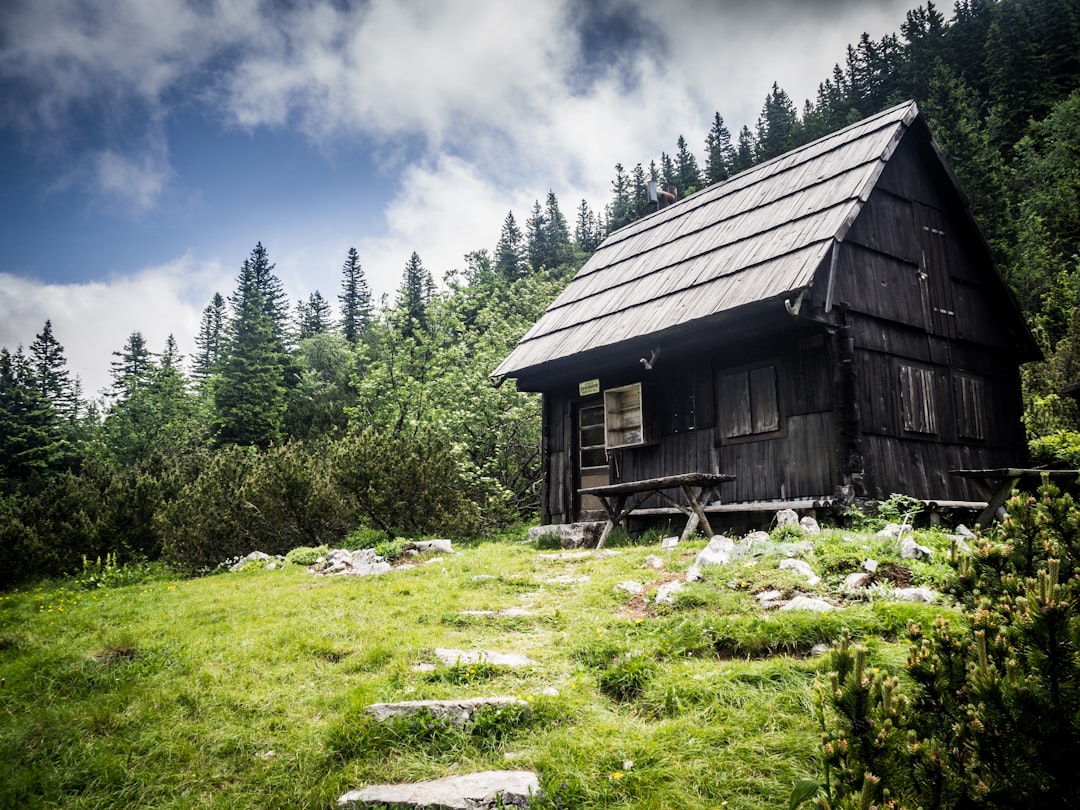
The rain on the Velebit doesn't fall; it assaults you. I was standing knee-deep in mud at the base of the Velebit Nature Park, shivering in a windbreaker that had given up hours ago, watching a local ranger chew on a cigarette like it owed him money. He pointed a thick, calloused finger toward a ridge vanishing into gray mist. "They are there," he said, nodding at the trees. "But you will not see them unless you stop trying to look." I wasn't there for the views. I was there because someone told me this strip of limestone and pine was the last true wild heart of Croatia, a place where the Eurasian lynx still roams and the Golden eagle circles overhead like a silent judge. If you want postcard-perfect mountains, go to the Alps. If you want to feel like an intruder in a place that doesn't care if you live or die, come here.
The Velebit Mountain Eco-Trail isn't a tourist path. It's a spine. It runs along the northern and central sections of the Velebit range, a massive limestone barrier that separates the Dalmatian coast from the Pannonian plains. The air here tastes different—sharper, colder, laced with the scent of decaying pine needles and wet stone. There are no gift shops. There are no cafes. There is just the crunch of gravel under your boots, the howl of the wind through the Paklenica National Park gorges, and the occasional, heart-stopping glimpse of something moving in the periphery. This is hard travel. It demands patience, sturdy footwear, and a willingness to sit in silence for hours. But if you listen, the mountain talks back.
The Ghosts of the Forest
Wildlife watching here isn't about spotting deer grazing in a meadow. It's about reading signs. The lynx is a ghost, elusive and rare. You won't see it unless you are lucky enough to stumble upon its tracks in the soft mud of a forest track or find scratch marks on an old oak. The forest floor is a library of clues. Look for the scat, the claw marks, the disturbed brush. The ranger I met, a grizzled man named Marko who has spent thirty years tracking these animals, taught me to look down, not up. "The big ones walk quietly," he said. "If you hear them, you are already too close." The Eurasian lynx population in Croatia has made a remarkable comeback, thanks to strict protection laws and reforestation efforts. But they are shy, solitary, and masters of camouflage. Seeing one is a privilege, not a guarantee.
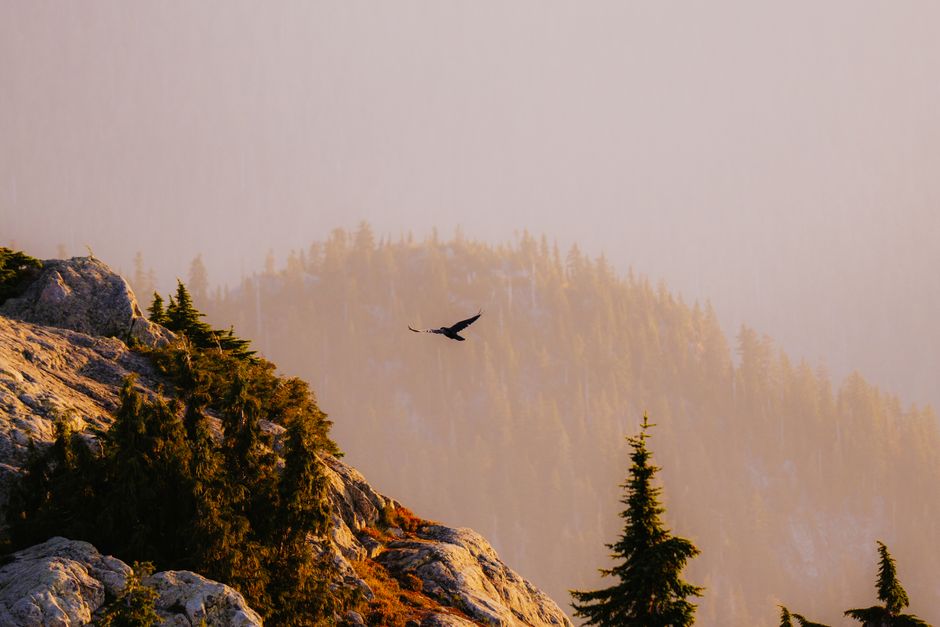
The Golden eagle is easier to spot, but only if you know where to look. They nest on the sheer limestone cliffs of the Velebit, circling high above the forest canopy. On a clear day, you can see them as dark specks against the blue sky, riding the thermal currents with effortless grace. They are predators of the highest order, hunting hares, foxes, and even young deer. I spent two hours sitting on a rocky outcrop, binoculars pressed to my eyes, watching the sky. Then, a shadow passed over me. I looked up, and there it was—a massive bird, wings spread wide, silent as a stone. It didn't care that I was there. It was hunting. That indifference is what makes this place special. You are not the main character here. You are just another animal passing through.
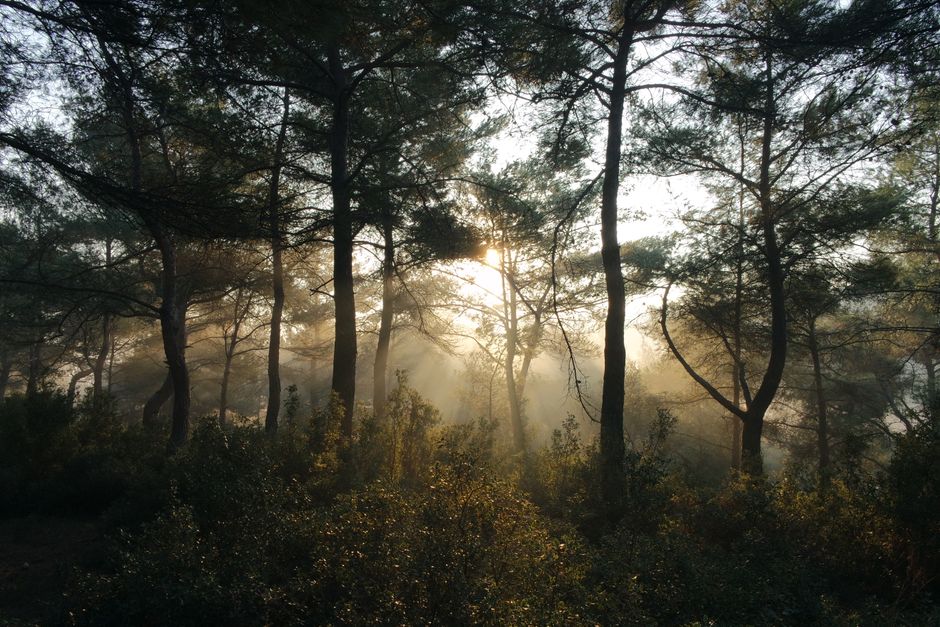
The Limestone Labyrinth
The Velebit is not just a mountain; it's a geological puzzle. The limestone here is ancient, folded and faulted by millions of years of tectonic pressure. The result is a landscape of jagged peaks, deep karst gorges, and hidden caves. The Eco-Trail winds through this labyrinth, offering glimpses of the mountain's raw beauty. In the north, the trail follows the Northern Velebit Nature Park, a UNESCO Global Geopark known for its dramatic cliffs and alpine meadows. The vegetation changes with the altitude. At the bottom, dense beech and fir forests give way to dwarf pine and heather as you climb higher. The air gets thinner, the views more expansive. On a clear day, you can see the Adriatic Sea stretching out to the horizon, a deep blue ribbon against the green and brown of the coast.
The trail itself is well-marked but rugged. It crosses streams, climbs steep ridges, and descends into deep valleys. The footing can be treacherous, especially after rain. I slipped on a patch of wet moss near the Paklenica National Park entrance, scraping my knee and cursing in three languages. But the pain was worth it for the view that opened up moments later. The trail passes through the Velebit Mountain Eco-Trail main route, which connects several key points in the region. It's not a race. It's a pilgrimage. You stop to rest, to eat, to watch the clouds roll in. You learn to respect the mountain's power. One wrong step, one moment of carelessness, and it will remind you who is in charge.
On the Ground: Base Camps and Bivouacs
There are no hotels on the trail. You sleep in mountain huts, bivouacs, or your own tent. The huts are basic—wooden beds, shared bathrooms, and hearty food prepared by local volunteers. The Paklenica National Park visitor center offers information on hut bookings, but it's best to reserve in advance, especially in summer. The huts are run by the Croatian Mountain Rescue Service and local mountain clubs. They are clean, safe, and provide a warm place to rest your head. The food is simple but filling—stews, sausages, and fresh bread. It's fuel for the next day's climb.
If you prefer camping, there are designated areas near the trailheads. But be prepared for the elements. The weather on the Velebit can change in minutes. I woke up one morning to a blizzard, despite it being July. The tent flapped violently in the wind, and the temperature dropped below freezing. It was a humbling experience. But it also taught me to appreciate the simple things—a hot cup of coffee, a dry pair of socks, the warmth of a sleeping bag. The trail tests you. It strips away the comforts of modern life and forces you to rely on yourself. That's part of the appeal. You leave the trail a little tougher, a little wiser.
Routes & Trail Info
The main Velebit Mountain Eco-Trail is a long-distance route, but most hikers tackle sections of it. The most popular section runs from the Paklenica National Park entrance to the Northern Velebit Nature Park summit area. Here are three key routes for wildlife watchers:
Route 1: Paklenica Gorges to Velebit Summit
Starting Point: Paklenica National Park Visitor Center
Distance: 12 km (one-way)
Elevation Gain: 1,200 m
Estimated Duration: 6-7 hours
Difficulty: Experienced. Steep climbs, rocky terrain. Best for eagle spotting.
Route 2: Forest Tracks of Northern Velebit
Starting Point: Velebit Nature Park Entrance (near Labin)
Distance: 8 km (loop)
Elevation Gain: 400 m
Estimated Duration: 3-4 hours
Difficulty: Intermediate. Gentle slopes, dense forest. Best for lynx tracks and deer.
Route 3: Alpine Meadows of the Central Velebit
Starting Point: Velebit Hut (Sveti Rok)
Distance: 10 km (one-way)
Elevation Gain: 600 m
Estimated Duration: 5 hours
Difficulty: Intermediate. Open terrain, high altitude. Best for chamois and wild goats.
Getting There & What to Expect
The nearest major town is Karlovac, about 50 km from the Paklenica entrance. From Zagreb, it's a two-hour drive. Buses run regularly from Zagreb and Split to Karlovac and nearby villages. From there, you can hike to the trailheads or arrange a shuttle. The trailheads are well-signposted, but GPS is essential. There is no mobile signal in many parts of the mountain.
Accommodation: Mountain hut beds cost 20-30 EUR per night, including food. Camping is free in designated areas. Mid-range hotels in Karlovac or nearby towns range from 40-60 EUR per night. Budget hostels are available in Zagreb and Split, starting from 15-25 EUR per night.
Best months to visit: May to October. July and August are crowded, but the weather is stable. May and September offer fewer crowds and lush greenery, but the weather is unpredictable. Winter hiking is possible but requires technical gear and experience.
Search accommodation in Karlovac on Booking.com →
The Silence After the Storm
I sat on the edge of a cliff, legs dangling over the void, watching the sun set behind the Velebit. The wind had died down. The clouds had parted. For a moment, the mountain was still. It was a rare gift. I thought about the lynx, hidden somewhere in the trees. I thought about the eagle, circling high above. I thought about the ranger, chewing his cigarette, telling me to stop looking. He was right. You don't find the wild by chasing it. You find it by letting it come to you. By sitting still. By listening. The Velebit doesn't give up its secrets easily. But if you are patient, if you are respectful, it will show you what it has to offer. Not a postcard. Not a selfie. A moment of pure, unfiltered truth. And that is worth more than any view.
Comments