


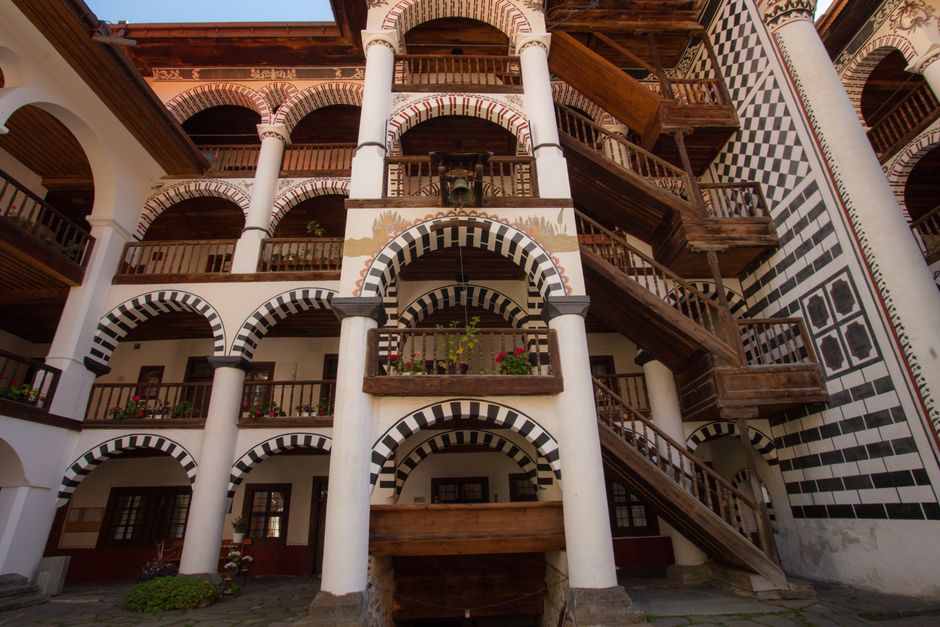
History & Identity
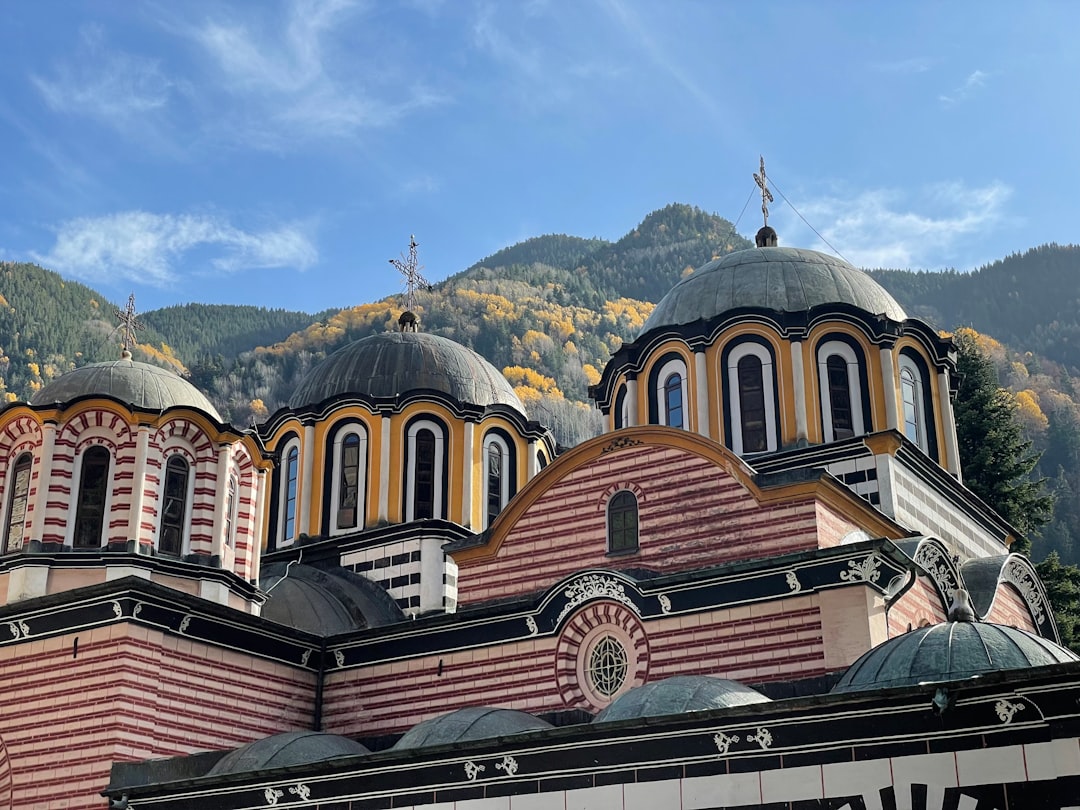
I arrived at the gates of Rila Monastery with the kind of exhaustion that only a twelve-hour drive from the coast can deliver. The air in the Rila Mountains is thinner, sharper, smelling of damp pine and ancient stone dust. I wasn't looking for a postcard. I was looking for the ghosts of the 19th century, the men who painted their souls onto the walls before the world had invented the camera. The monastery is not a quiet retreat; it is a fortress of faith, a sprawling complex that has survived Ottoman sieges, communist suppression, and the slow decay of time. It stands as the largest and most famous Orthodox monastery in Bulgaria, a symbol of national identity that feels more like a living, breathing entity than a museum.
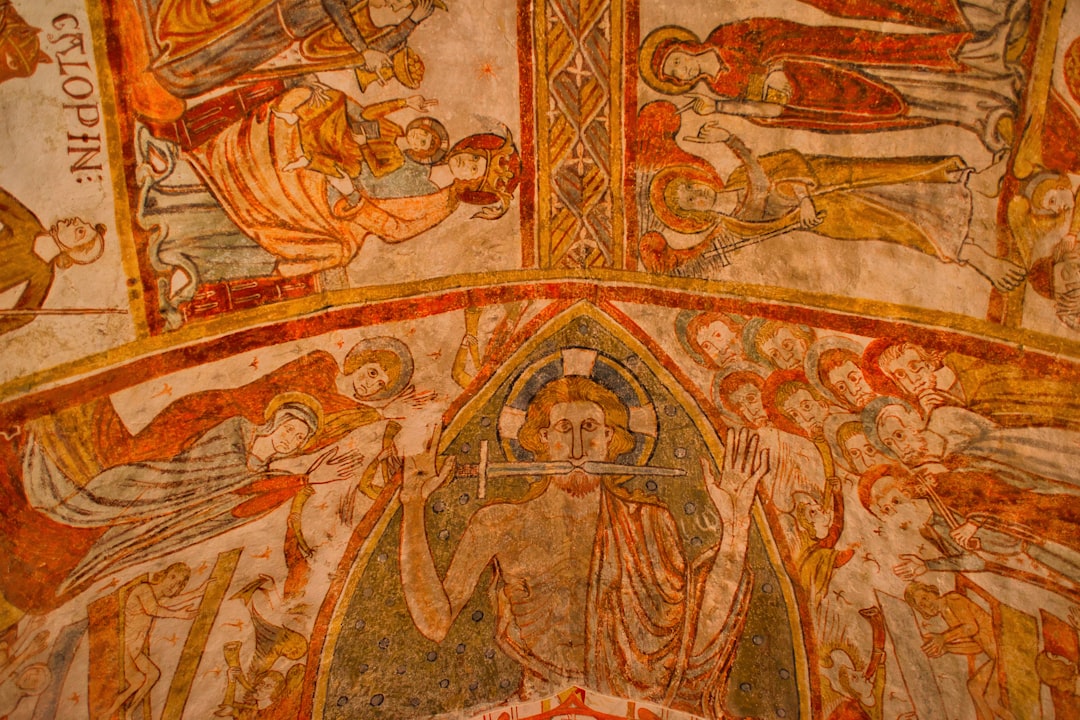
The frescoes that draw thousands are not medieval relics in the traditional sense. They are the work of the Revival period, a time when Bulgarian culture was being suppressed under Ottoman rule, yet artists found a way to rebel with color. The walls are covered in scenes from the Bible, but also in portraits of the Ottoman sultans and local lords, a complex layering of power and piety. To walk through these halls is to walk through a psychological landscape where faith and fear are painted in the same vibrant hues. The history here is not textbook dry; it is visceral. You can almost hear the brushstrokes of the artists who worked in secret, knowing their art might be the last thing their people saw before the end.
Where to Go
The Church of the Nativity of the Virgin Mary — This is the heart of the monastery and the home of the most famous frescoes. The ceiling is a riot of color, depicting the Last Judgment with a ferocity that is almost modern. The faces of the damned are twisted in agony, while the saints gaze down with serene detachment. Entry is free for non-Orthodox visitors if you pay a small fee, but the emotional cost is higher. The best time to visit is early morning, before the tour buses arrive, when the light filters through the high windows and makes the gold leaf shimmer. The acoustics here are strange; every whisper seems to echo off the stone walls, as if the saints are listening.
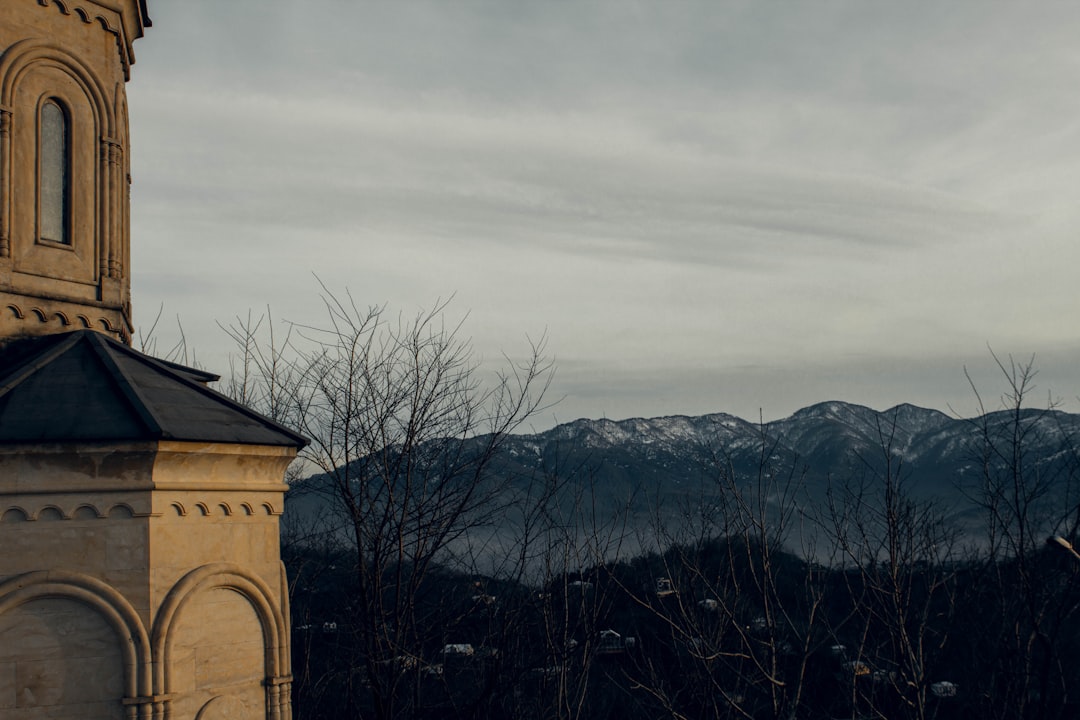
The Clock Tower — Standing at the entrance, this tower is the icon of Bulgaria. It was built in 1882 and is said to have been a symbol of resistance, with the clock face visible from afar. The frescoes here are less known but equally powerful, depicting scenes of daily life and religious processions. The tower offers a view of the entire complex, a sprawling maze of courtyards and buildings. The climb to the top is steep, but the view of the Rila Mountains in the distance is worth it. The air up here is cold, even in summer, and the wind carries the scent of the forest.
The Treasury — This is where the monastery's wealth is kept. Silver chandeliers, embroidered vestments, and ancient manuscripts are displayed in a series of rooms. The frescoes here are smaller, more intimate, depicting scenes from the lives of the saints. The lighting is dim, designed to protect the artifacts from the sun. The atmosphere is hushed, reverent. It feels like walking through a cathedral of silence. The treasury is a testament to the resilience of the monastery, which has managed to preserve its treasures through centuries of turmoil.
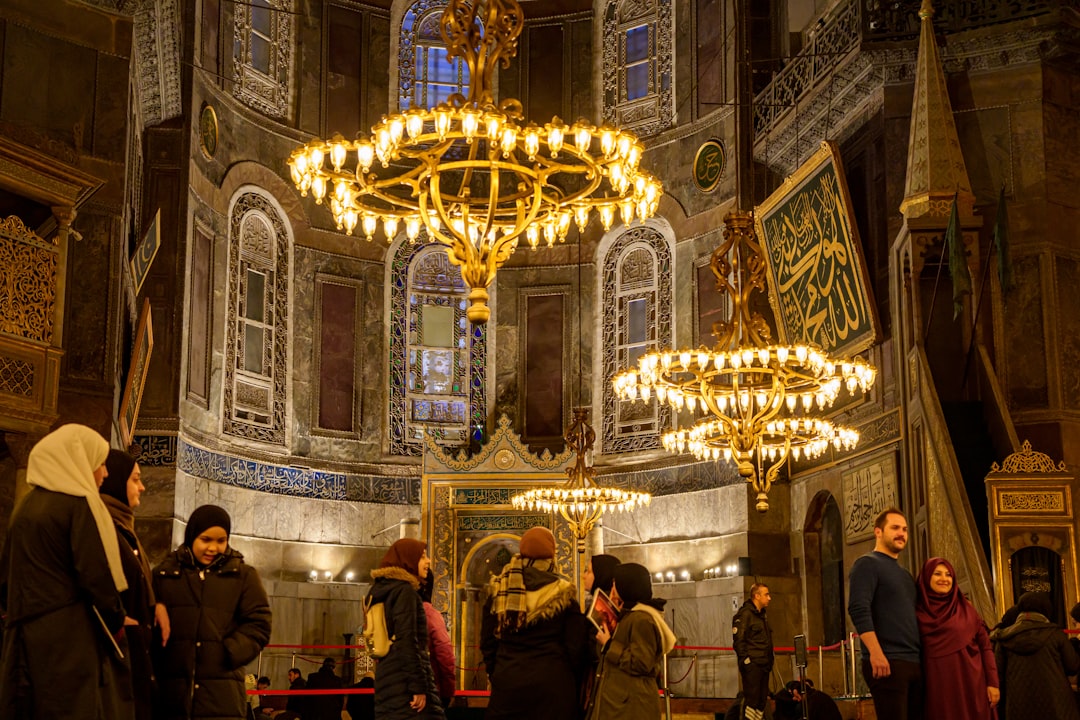
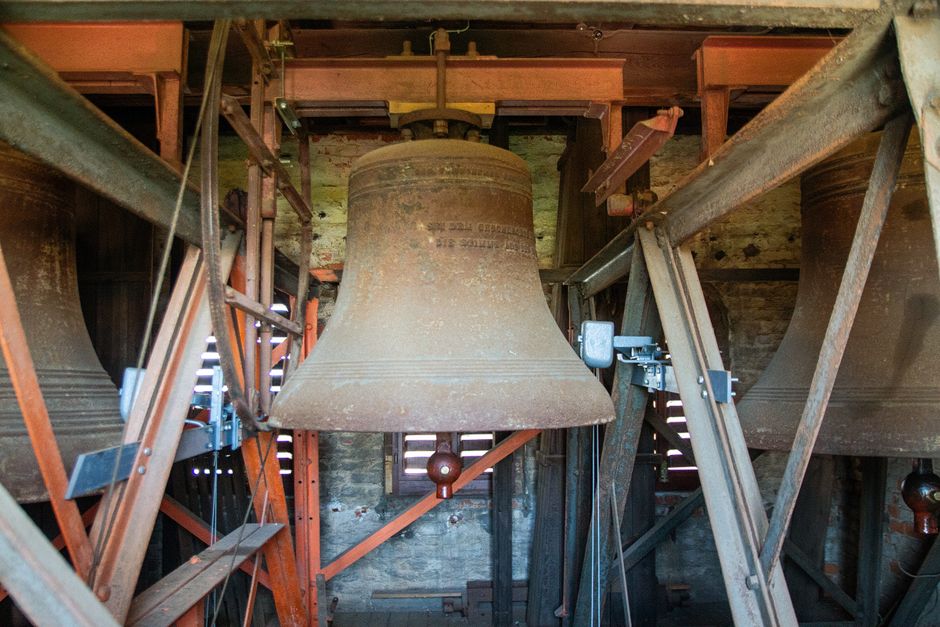
The Bell Tower — The bells of Rila Monastery are famous for their sound, which can be heard for miles. The tower is a marvel of engineering, with a series of bells that are rung by hand. The frescoes here depict the angels who are said to ring the bells in heaven. The view from the top is breathtaking, with the monastery spread out below like a miniature city. The sound of the bells is a physical force, vibrating in your chest. It is a reminder of the power of faith, and the endurance of the human spirit.
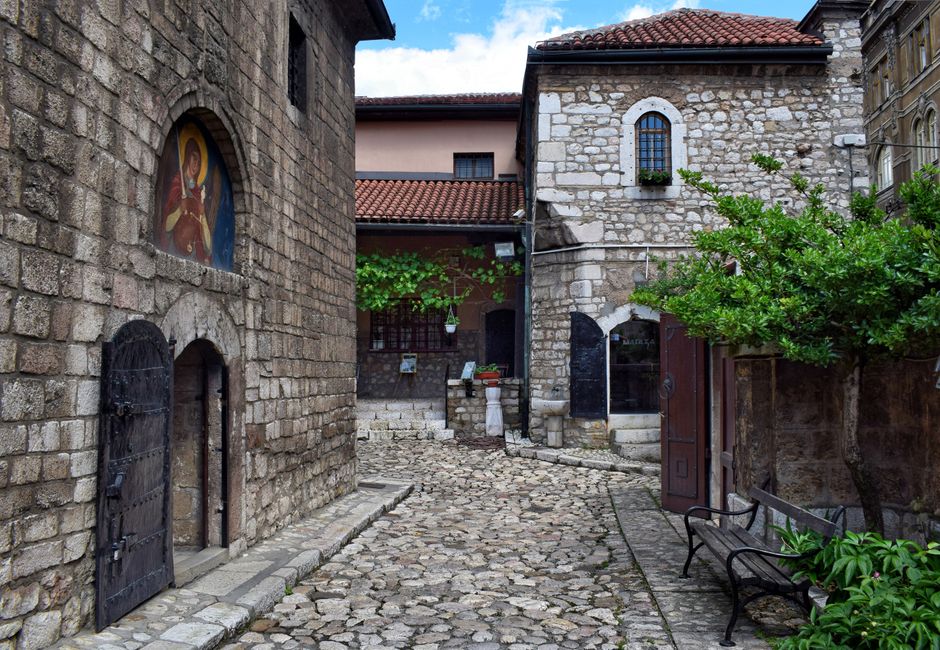
The Courtyards — The monastery is a labyrinth of courtyards, each with its own character. The main courtyard is filled with tourists, but the smaller ones are quiet, hidden away behind walls covered in ivy. The frescoes here are often overlooked, but they are just as beautiful. They depict scenes of daily life, of monks working in the gardens, of pilgrims arriving from distant lands. The courtyards are a place to rest, to reflect, to escape the crowds. The air is sweet with the scent of flowers, and the sound of birdsong fills the silence.
What to Eat & Drink
You cannot leave Rila without tasting the food of the monastery. The refectory serves simple, hearty meals made from ingredients grown in the monastery's own gardens. Monastery bread — 2-3 EUR — is dense, dark, and tastes of honey and herbs. Kiselo mlyako (yogurt) — 1-2 EUR — is thick, creamy, and tangy, made from the milk of the monastery's cows. Shop salad — 4-6 EUR — is a mix of diced tomatoes, cucumbers, onions, and peppers, topped with grated white cheese and a dollop of yogurt. It is fresh, light, and perfect after a long day of walking. Starchenitsa — 3-5 EUR — is a traditional dessert made of flour, butter, and sugar, often served with coffee. It is sweet, rich, and comforting.
The budget for a meal in the refectory is around 10-15 EUR per person, which includes a main course, a salad, and a drink. For a more casual option, there are several cafes and restaurants in the village of Rila, which is a short walk from the monastery. Rila is the main street, lined with shops and eateries. You can find banitsa (cheese pie) for 2-4 EUR, and kyufte (meatballs) for 5-8 EUR. The food here is simple, honest, and delicious. It is the kind of food that nourishes the body and the soul.
Nightlife
There is no nightlife in Rila. The monastery closes its gates at dusk, and the village of Rila falls silent. The only sound is the wind in the trees, and the occasional bark of a dog. If you are looking for bars and clubs, you will have to go to Sofia, which is a two-hour drive away. But if you are looking for peace, for quiet, for a place to think and to dream, then Rila is the place for you. The night sky here is clear, and the stars are bright. It is a reminder of the vastness of the universe, and the smallness of human concerns. The silence of Rila is a gift, a chance to escape the noise of the world.
Getting There & What to Expect
The nearest major city is Sofia, which is about 120 kilometers away. You can get to Rila by bus or by car. The bus takes about two hours and costs around 5-10 EUR. The drive takes about an hour and a half, and the road is scenic, winding through the Rila Mountains. The village of Rila is a small place, with a few hotels and guesthouses. A room in a budget hotel costs around 30-50 EUR per night, while a room in a mid-range hotel costs around 60-100 EUR. The best time to visit is between May and October, when the weather is mild and the crowds are smaller. In winter, the roads can be icy, and the monastery may be closed for part of the day.
The monastery is open from 9:00 AM to 5:00 PM in summer, and from 10:00 AM to 3:00 PM in winter. Entry is free for Orthodox Christians, but non-Orthodox visitors must pay a fee of 10-15 EUR. The fee includes a guide, who will take you through the church and explain the frescoes. The guide is essential, as the frescoes are complex and difficult to understand without context. The monastery is a place of pilgrimage, and visitors are expected to dress modestly. Shoulders and knees must be covered, and hats must be removed inside the church. The atmosphere is reverent, and visitors are expected to speak in hushed tones.
Search accommodation in Rila on Booking.com →
The Weight of Color
I left Rila as the sun was setting, the sky turning a deep shade of purple. The frescoes were still in my mind, the faces of the saints and the damned staring at me from the darkness. I felt a strange sense of loss, as if I had left a part of myself behind. The monastery is a place of contradictions, a place of beauty and brutality, of faith and fear. It is a place that demands to be seen, to be felt, to be understood. And yet, it is also a place that resists understanding, that keeps its secrets close. The ghosts of Rila are real, and they are watching. They are waiting for you to return, to see them again, to hear their stories. And when you do, you will find that they have changed, just as you have. The frescoes are not static; they are alive, breathing, evolving. They are a mirror of the human soul, reflecting our hopes and our fears, our joys and our sorrows. And in that reflection, we find ourselves.
Comments