


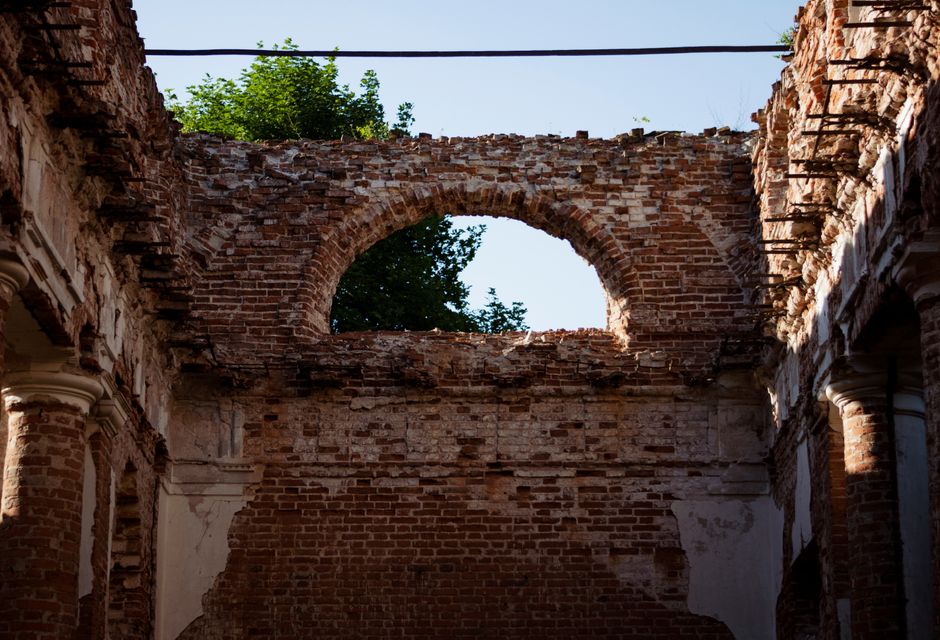
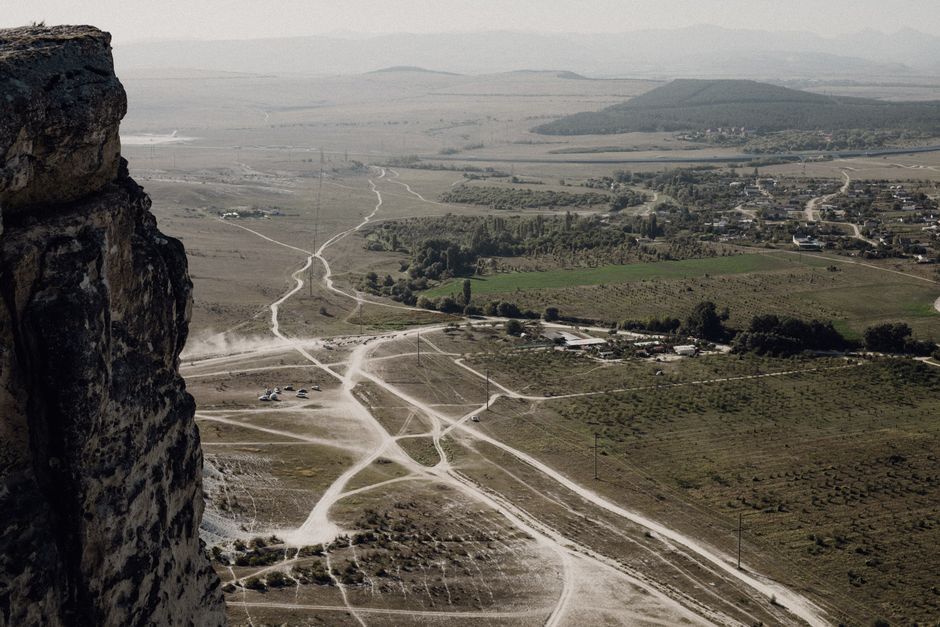
The wind on the Fruška Gora plateau doesn't whisper; it screams through the cracked limestone like a banshee who just lost a bet. I'm standing knee-deep in tall, golden grass, the Serbian sun beating down on the back of my neck like a hammer. There are no tourists here. No selfie sticks. Just me, a half-eaten sandwich from a gas station in Zaječar, and the crumbling, majestic remains of an empire that decided to throw a party so lavish it still hasn't finished cleaning up. This isn't your polished, velvet-rope Roman ruin in Rome or Pompeii. This is raw, unfiltered, and fiercely independent. It's the ghost town of Emperor Galerius, a man who built a palace so grand he practically declared himself God, and then died in it, leaving behind a skeleton crew of history that still holds its ground against the elements.
I arrived here with the kind of exhaustion that only comes from a 400-kilometer drive through Balkan backroads, fueled by cheap coffee and the desperate hope that the GPS wasn't lying to me. When the dirt track finally gave way to the paved perimeter of the Gamzigrad-Romuliana archaeological park, I felt a sudden, sharp drop in my stomach. Not fear. Anticipation. This place feels less like a museum and more like a crime scene where the victim was a tyrant and the weapon was his own ego. I stepped out of the car, the dust coating my boots, and looked at the towering, solitary column that still stands guard over the complex. It's a silent sentinel, weathered by two millennia of rain, snow, and human folly. I'm here to find out if the ghost of Galerius still haunts these stones, or if it's just the wind making noise.
History & Identity
To understand Gamzigrad, you have to understand the madness of the Tetrarchy. In the late 3rd and early 4th centuries, the Roman Empire was tearing itself apart. To save it, Diocletian split the empire into four parts, ruled by four emperors. One of those men was Galerius. He wasn't just a soldier; he was a brute, a fanatic, and a builder of impossible ambition. He chose this remote spot in eastern Serbia, near the borders of the known world, to build his retirement palace. He named it Romuliana, after his brother Romulus, who died in battle. It wasn't just a house; it was a statement. A fortress-palace designed to project power to the barbarians beyond the Danube and to remind his subjects that even in retirement, an emperor is still an emperor.
The identity of this place is tied to the myth of the "King's Grave." For centuries, local legend spoke of a golden sarcophagus hidden somewhere within the ruins, filled with the riches of a king. Archaeologists finally found it in 1976, but it was empty. The treasure was gone, likely looted during the numerous invasions that swept through the Balkans. But the tomb itself is a masterpiece of Roman engineering, adorned with intricate mosaics that depict scenes from the life of the emperor. It's a stark reminder of how fleeting power is. The mosaics are still vivid, the colors surprisingly bright after 1,700 years, telling stories of triumph and tragedy that feel eerily relevant today. The site was inscribed as a UNESCO World Heritage site in 2007, but that designation feels almost secondary to the sheer, visceral impact of standing in the shadow of such a colossal failure of immortality.
Where to Go
The Temple of Hercules — This is the crown jewel of the complex. Dedicated to the god of strength, Hercules was Galerius's personal patron deity. The temple is one of the best-preserved structures, with its towering columns and intricate reliefs. The reliefs depict scenes from the Twelve Labors of Hercules, but with a twist: Galerius is depicted in the guise of Hercules, suggesting he saw himself as the savior of the empire. The interior is cool and shadowed, a welcome relief from the heat. Entry to the park is 3 EUR, which covers access to all the major sites. Best visited early in the morning when the light hits the columns just right, casting long, dramatic shadows across the floor.
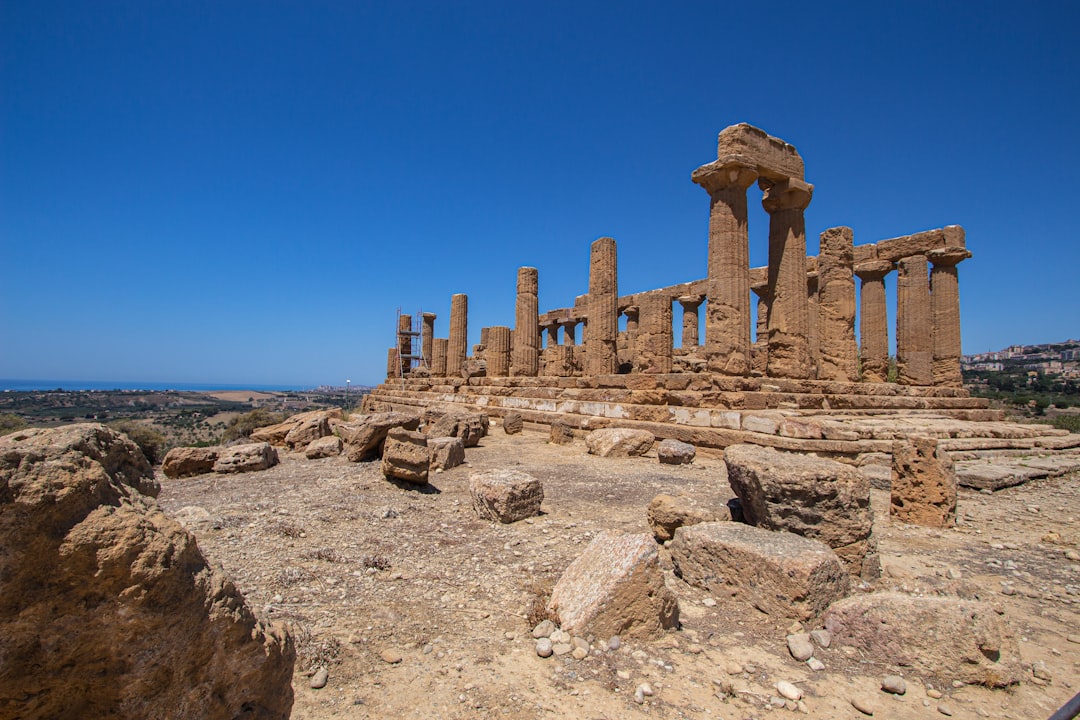
The Emperor's Palace — The heart of Romuliana. This massive complex includes residential quarters, administrative buildings, and a large courtyard. The mosaics here are exceptional, depicting mythological scenes and geometric patterns. The sheer scale of the palace is staggering. You can almost hear the echoes of imperial decrees and the clatter of sandals on marble floors. The preservation is variable, with some areas reduced to foundations and others still standing tall. It's a labyrinth of stone and memory. Walk the perimeter slowly, tracing the lines of the walls with your eyes, imagining the lives that unfolded within them. It's a humbling experience to realize that all this grandeur now belongs to the birds and the wind.
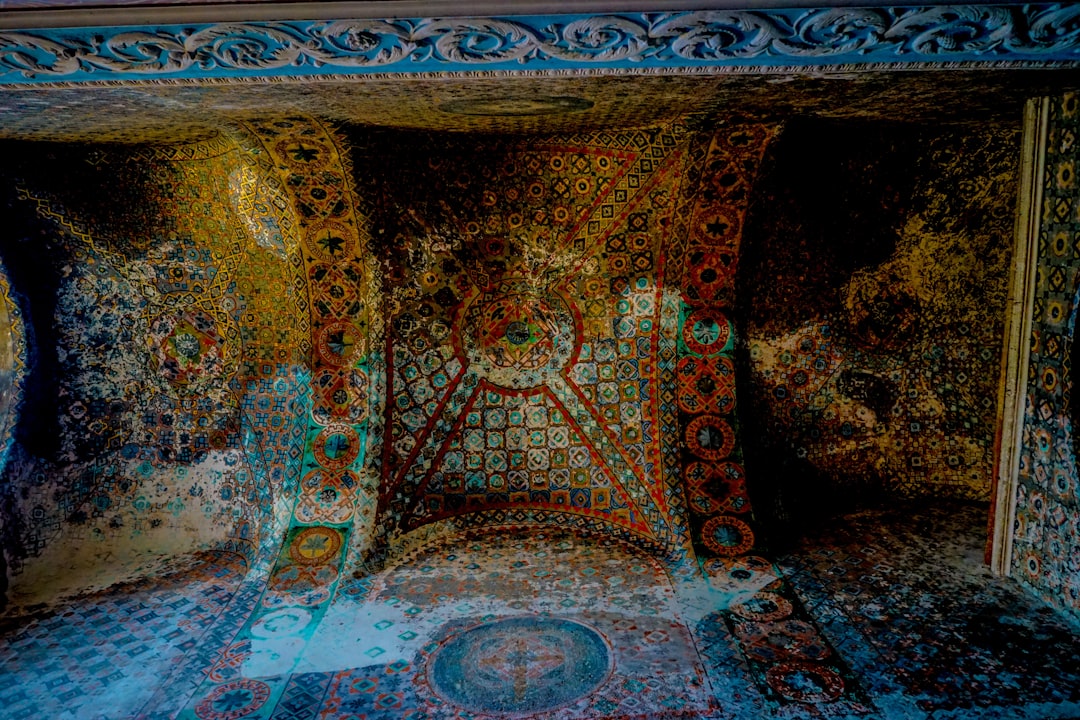
The King's Tomb — The final resting place of Galerius. Located slightly outside the main palace complex, the tomb is a circular structure with a vaulted ceiling. The interior is adorned with beautiful mosaics, though many have been damaged over time. The atmosphere here is somber and reflective. It's a place to ponder the inevitability of death, even for those who rule the world. The tomb is small and intimate, a stark contrast to the grandeur of the palace. It's a reminder that in the end, we all return to dust, regardless of our power or wealth. Visit this last, after you've absorbed the full scale of the complex. It provides a poignant conclusion to your journey through time.
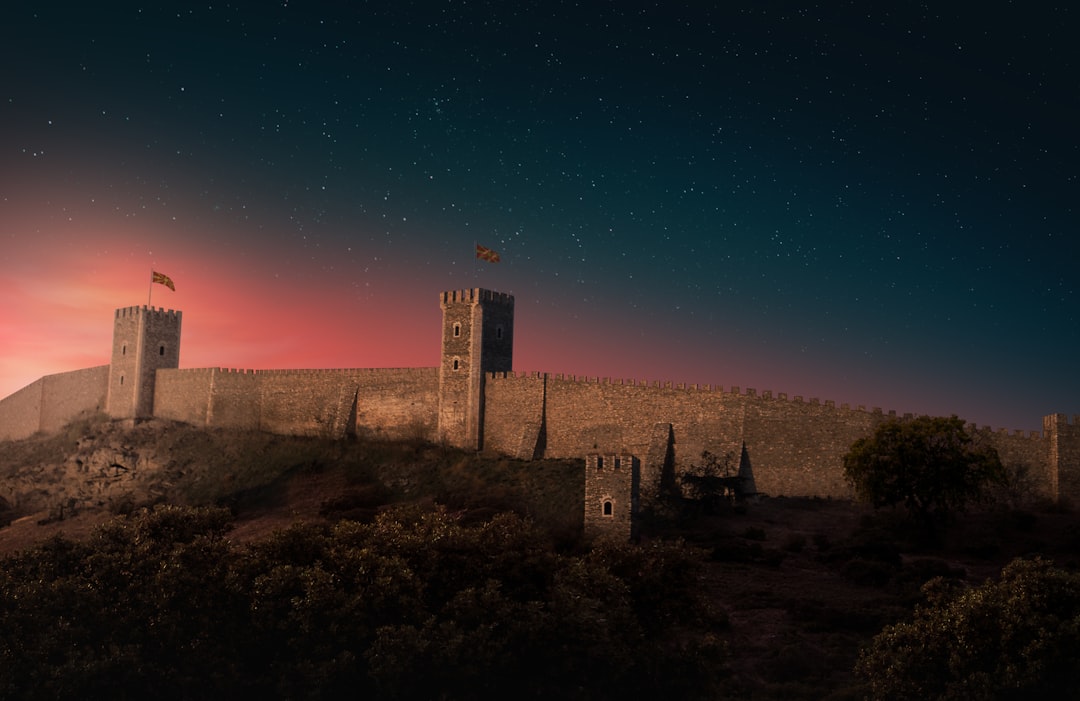
The Fortress Walls — The outer defenses of Romuliana. These walls are still impressive, with towers and gates that speak to the military prowess of the Roman army. The walls encircle the entire complex, providing a sense of security and isolation. Walking along the top of the walls offers panoramic views of the surrounding countryside. It's a great spot for photography, especially at sunset when the sky turns shades of orange and purple. The walls are rugged and uneven, requiring some careful footing. Bring sturdy shoes and a sense of adventure. The view from here is worth the effort, offering a perspective on the landscape that Galerius himself might have enjoyed.
What to Eat & Drink
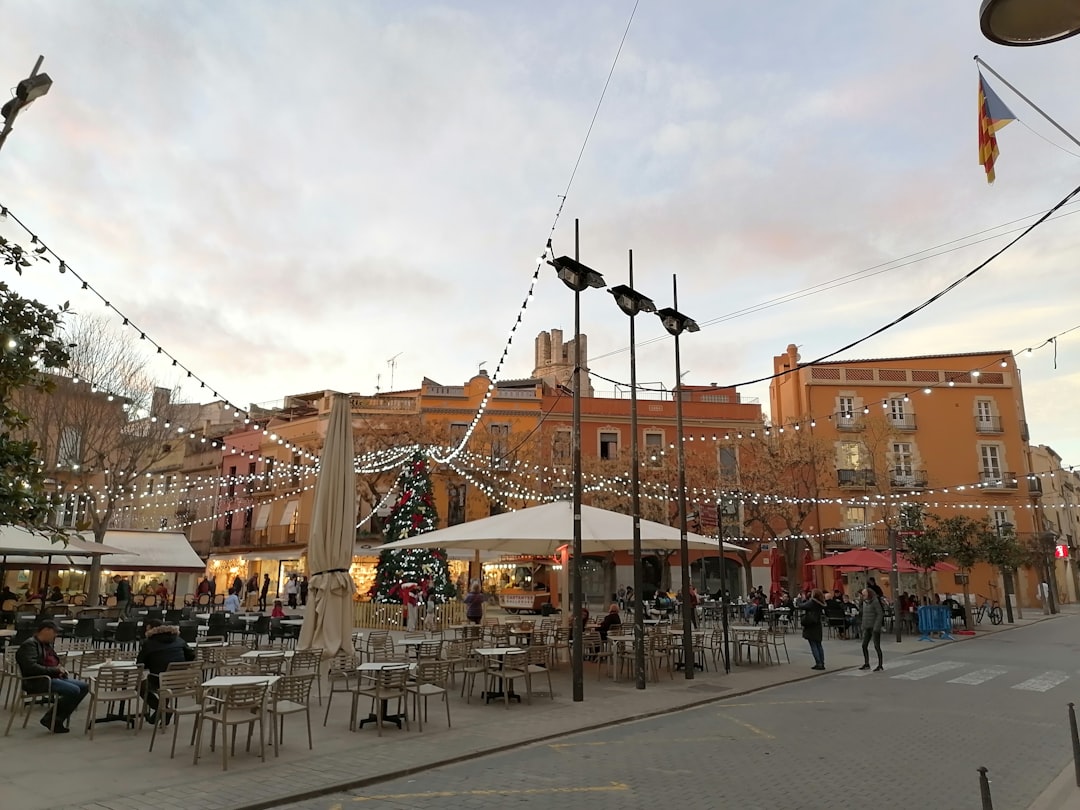
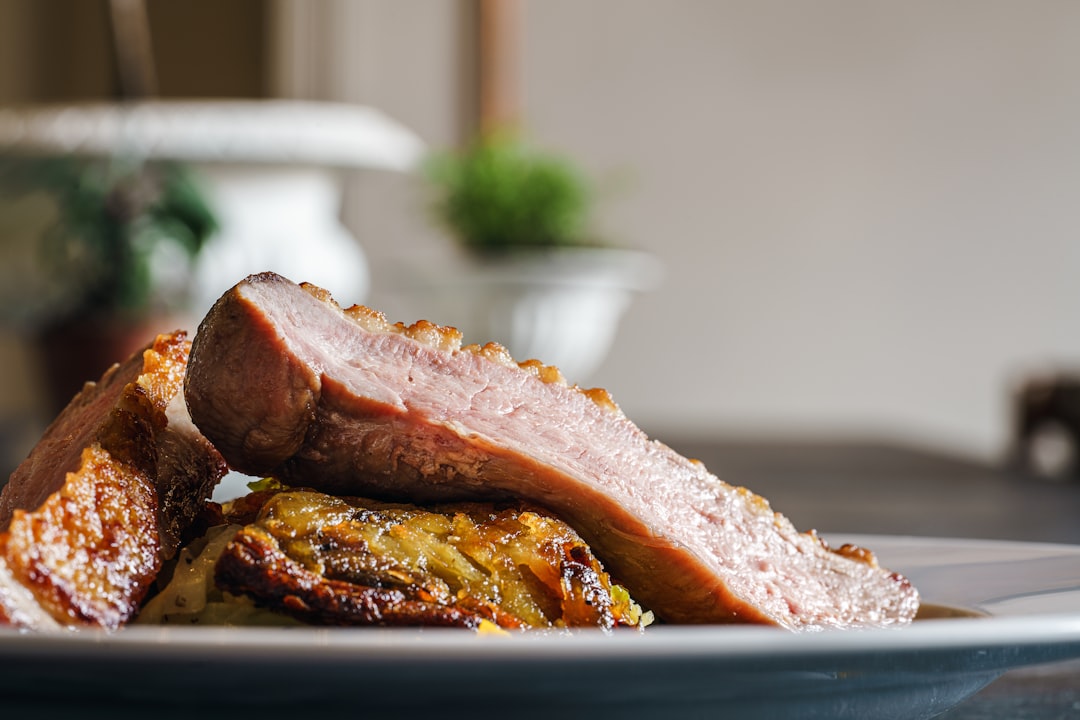
Food in this part of Serbia is hearty, rustic, and designed to fuel a day of exploration. You won't find Michelin-starred restaurants here, but you will find some of the best local cuisine in the Balkans. The town of Zaječar, the nearest major hub, is the place to go for a proper meal. Look for traditional Serbian dishes like ćevapi — small, grilled sausages served with flatbread and onions — which cost around 3-4 EUR. Burek, a flaky pastry filled with meat, cheese, or spinach, is a cheap and delicious breakfast option, typically priced at 1-2 EUR. For a lighter meal, try šopska salata, a refreshing mix of tomatoes, cucumbers, onions, and peppers, topped with kajmak (a creamy dairy product). This usually costs around 3 EUR.
Budget travelers can easily survive on street food and take-away options for under 5 EUR per meal. Sit-down restaurants in Zaječar offer a wider range of dishes, with average costs between 8-15 EUR per person. Mid-range restaurants, which offer a more comfortable dining experience and a broader menu, typically charge between 15-25 EUR per person. The main restaurant district in Zaječar is around the main square, where you'll find a mix of traditional Serbian eateries and some international options. For a unique experience, try pljeskavica, a large Serbian burger, often served with all the fixings. It's a meal that will leave you satisfied for hours. Don't forget to try the local rakija, a strong fruit brandy that is a staple of Serbian culture. It's cheap, potent, and best enjoyed slowly, with a view of the ruins.
Nightlife
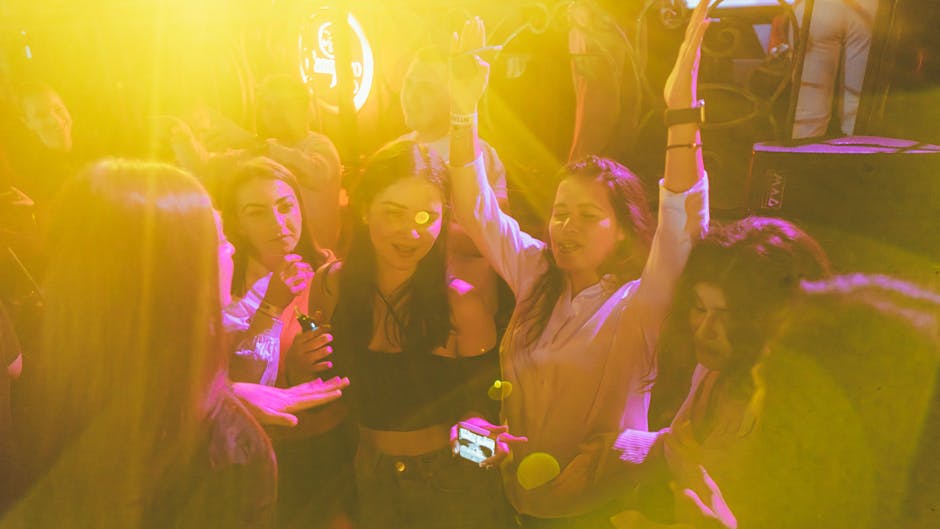
Nightlife in Zaječar is modest but vibrant. The town comes alive in the evenings, with locals gathering in bars and clubs to socialize and unwind. The main nightlife district is around the river Timok, where you'll find a concentration of bars and clubs. The atmosphere is relaxed and friendly, with a mix of young people and older locals. Music is a big part of the scene, with live bands playing traditional Serbian folk music, pop, and rock. Cover charges are generally low, often under 5 EUR, or free if you buy drinks. Drinks are also affordable, with beers costing around 1-2 EUR and cocktails ranging from 3-5 EUR.
One of the most popular venues is Club Arena, which hosts live music and DJ sets on weekends. The crowd is mixed, with both locals and tourists enjoying the lively atmosphere. Another option is Bar Timok, a cozy spot with a good selection of beers and rakija. It's a great place to meet locals and learn more about the region. For a more upscale experience, try Restaurant Hotel Zaječar, which has a bar and lounge area with live music on Friday and Saturday nights. The dress code is casual, so you don't need to dress up to have a good time. The nightlife here is not about excess or extravagance; it's about community and connection. It's a chance to slow down, enjoy a drink, and listen to the music. It's the perfect way to end a day of exploring the ruins.
Getting There & What to Expect
The nearest major city to Gamzigrad-Romuliana is Belgrade, the capital of Serbia. From Belgrade, the drive to Zaječar takes about 3.5 to 4 hours, covering a distance of approximately 280 kilometers. The road is mostly highway, but the last stretch to Gamzigrad is a rural road that requires careful driving. Buses run regularly from Belgrade to Zaječar, with tickets costing around 10-15 EUR one way. The journey takes about 4 to 5 hours, depending on traffic. From Zaječar, you can take a taxi or a local bus to Gamzigrad. Taxis are affordable, with fares ranging from 10-15 EUR for the one-way trip. Local buses are cheaper but less frequent, so it's best to check the schedule in advance.
Accommodation in Zaječar is affordable, with budget hostels charging around 20-40 EUR per night. Mid-range hotels offer more comfort and amenities, with prices ranging from 40-80 EUR per night. For a more authentic experience, consider staying in a guesthouse or a rural homestay, which can cost as little as 15-30 EUR per night. The best time to visit Gamzigrad-Romuliana is from April to October, when the weather is mild and the roads are clear. Summer can be hot and crowded, so it's best to visit early in the morning or late in the afternoon. Winter is cold and snowy, with some roads potentially closed. Spring and autumn offer the best balance of good weather and fewer tourists. Pack comfortable walking shoes, a hat, and plenty of water. The site is extensive, and you'll be on your feet for hours. Bring a camera to capture the stunning views and the intricate details of the ruins. It's a place that demands your attention and rewards your curiosity.
Search accommodation in Zaječar on Booking.com →
The Ghost in the Machine
As the sun dipped below the horizon, painting the sky in shades of bruised purple and fiery orange, I sat on a crumbling wall, my legs dangling over the edge. The wind had died down, replaced by a heavy, humid silence. I could hear the distant sound of crickets and the occasional hoot of an owl. The ruins around me were shrouded in shadow, their shapes distorted and menacing. I felt a strange sense of peace, a connection to something ancient and enduring. I thought about Galerius, his ambition, his power, and his eventual demise. I thought about the treasure that was lost, the mosaics that were damaged, and the memories that were forgotten. But I also thought about the resilience of this place, the way it has survived against all odds. It's a testament to the human spirit, the desire to create, to build, to leave a mark on the world. Even if that mark is eventually erased by time, the act of creation itself is what matters. I stood up, brushed the dust off my pants, and walked back to the car. The ghost of Galerius was still here, not in the stones, but in the air, in the wind, in the silence. And I was glad to have met him.
Comments