


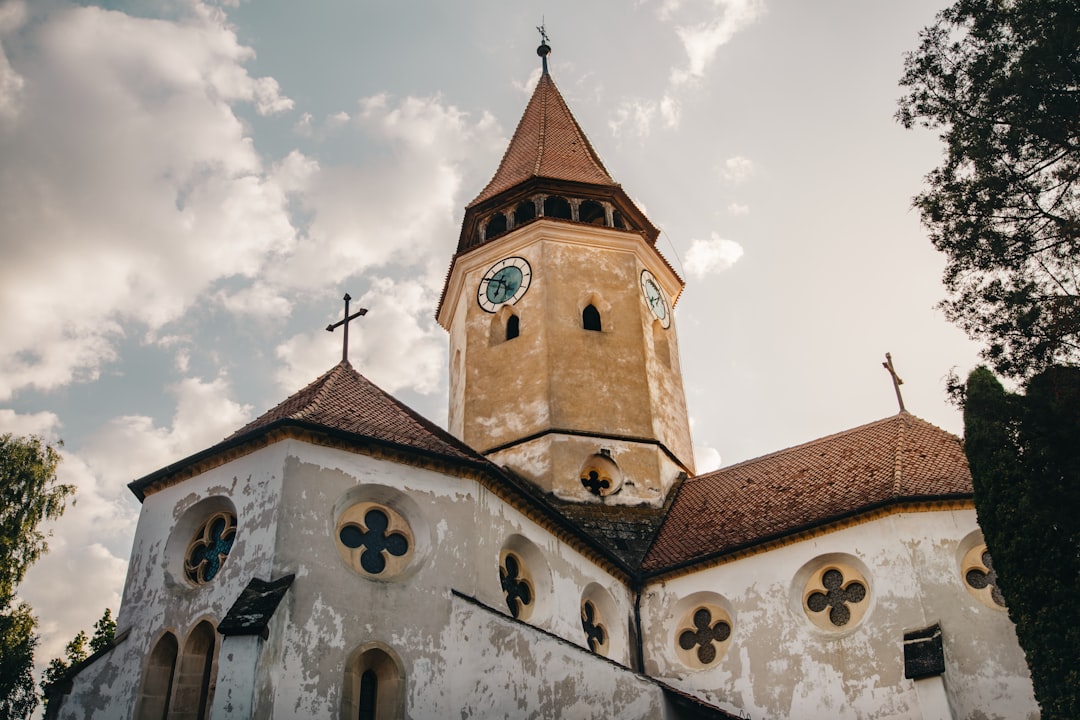
The rain in Suceava doesn't fall; it hangs in the air like wet wool, pressing against my face as I stand before the crumbling stone walls of a fortress church. My boots are caked in the distinctive red mud of Moldavia, and my notebook is already warping from the humidity. I am here to see the frescoes, the famous "Painted Churches," but the reality is grittier than the glossy travel brochures suggest. These aren't just pretty decorations; they are a desperate, colorful scream against the encroaching darkness of Ottoman raids and political instability. The air smells of damp earth and old incense. A local shepherd, leaning on a gnarled staff, watches me with suspicion, his eyes reflecting the same weary resilience etched into the saints' faces above me. This is not a place for passive sightseeing. It is a confrontation with history, painted in ochre, vermillion, and bone-white lime.
I spent three days driving the backroads of northern Romania, dodging potholes and navigating narrow mountain passes. The churches are scattered, hidden in remote villages, often requiring a hike or a ride in the back of a pickup truck. The experience is raw. You don't just look at these paintings; you feel the chill of the centuries. The artists who created them were not mere decorators; they were theologians, storytellers, and survivors, using pigment to preserve their faith and identity in a volatile borderland. This journey is less about tourism and more about witnessing a visual archive of a people who refused to disappear.
The Fortress of Faith
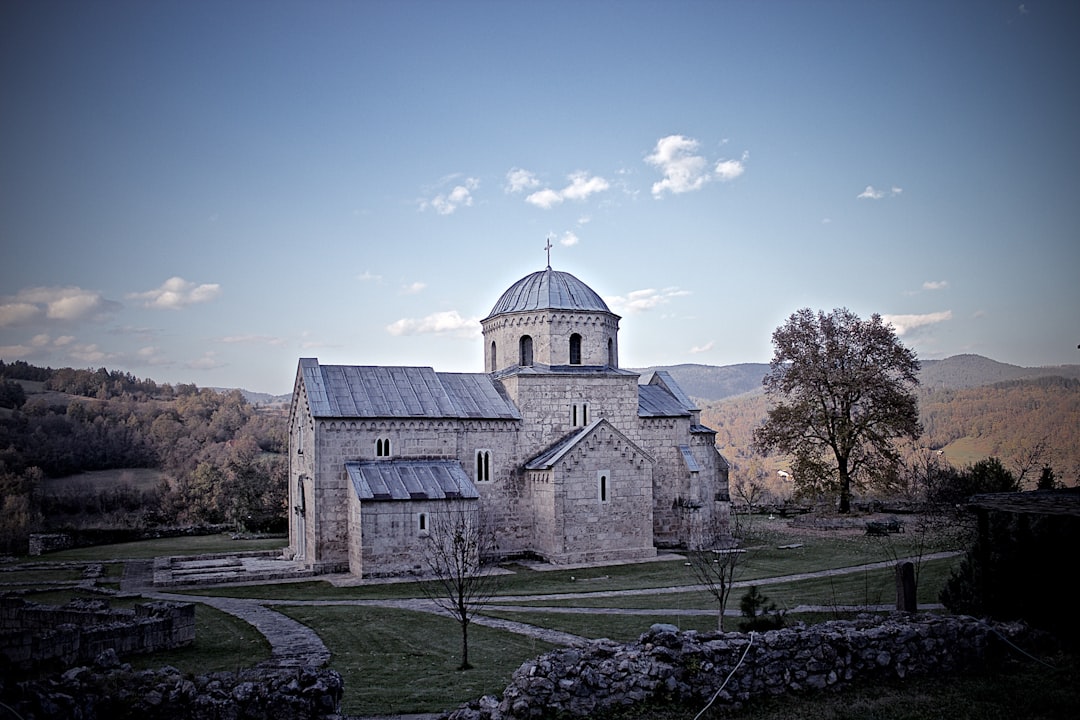
The Painted Churches of Moldavia are not merely religious buildings; they are architectural paradoxes. Built primarily between the 15th and 18th centuries, these structures served a dual purpose: places of worship and fortified strongholds. The thick walls, narrow windows, and defensive towers were designed to withstand sieges by Ottoman forces and Tatar raiders. The frescoes, painted on the exterior walls, were a bold declaration of Christian presence in a region constantly under threat. The images depict biblical scenes, saints, and apocalyptic visions, serving as a visual catechism for an illiterate populace. The art is a fusion of Byzantine tradition, local folklore, and the harsh realities of life in the Carpathian foothills.
The choice to paint the exteriors was practical and symbolic. Interior walls were vulnerable to smoke and dampness, and the limited light made viewing difficult. Exterior frescoes, however, were exposed to the elements, requiring constant maintenance and repainting. The vibrant colors, now often faded or obscured by grime, were originally intended to be seen from a distance, signaling the presence of a community and its faith. The churches stand as testaments to the resilience of the Moldavian people, who invested their resources and artistic talent in these stone sanctuaries despite the constant danger. The art is a record of survival, a visual history written in pigment and plaster.
Sogndio and the Dance of Death
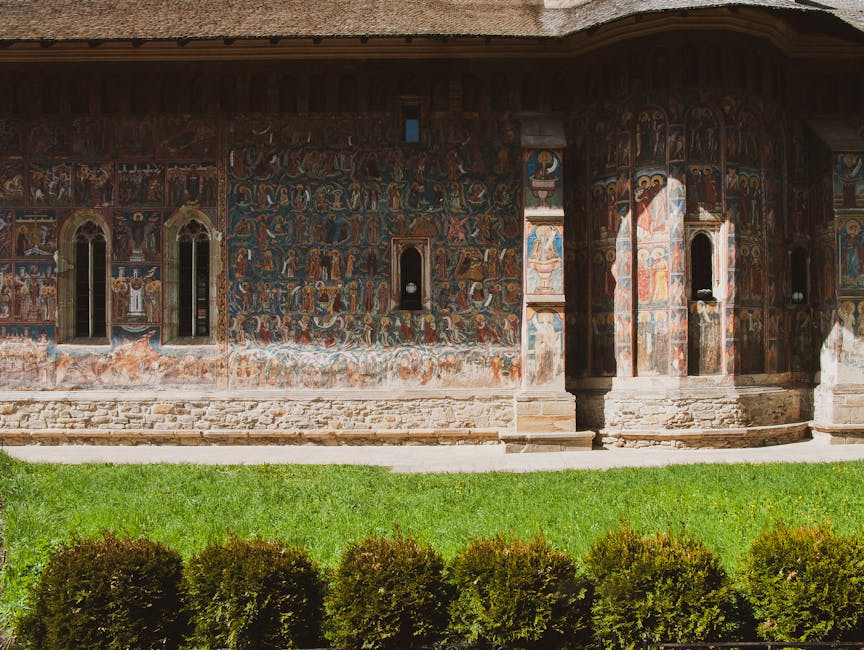
My first stop was Sogndio, a remote village nestled in a narrow valley. The church here, built in the 15th century, is a masterpiece of medieval art. The most striking feature is the "Dance of Death," a series of frescoes depicting skeletons leading figures from all walks of life—kings, peasants, priests, and merchants—to their graves. The imagery is stark and unsettling, a reminder of the universality of death and the futility of worldly power. The skeletons are not grotesque but elegant, their movements fluid and rhythmic, as if death itself is a dance. The figures being led are not terrified but resigned, their expressions reflecting a deep acceptance of their fate.
The "Dance of Death" at Sogndio is one of the most famous examples of this theme in Eastern Europe. It reflects the medieval preoccupation with mortality and the afterlife, but it also has a specific local context. The region was plagued by wars, plagues, and invasions, making death a constant companion. The frescoes served as a memento mori, urging viewers to live virtuously and prepare for the judgment to come. The art is powerful because it is honest, confronting the viewer with the inevitability of death without offering false comfort. It is a visual sermon, delivered in the language of pigment and stone.
Moldovita and the Tree of Life
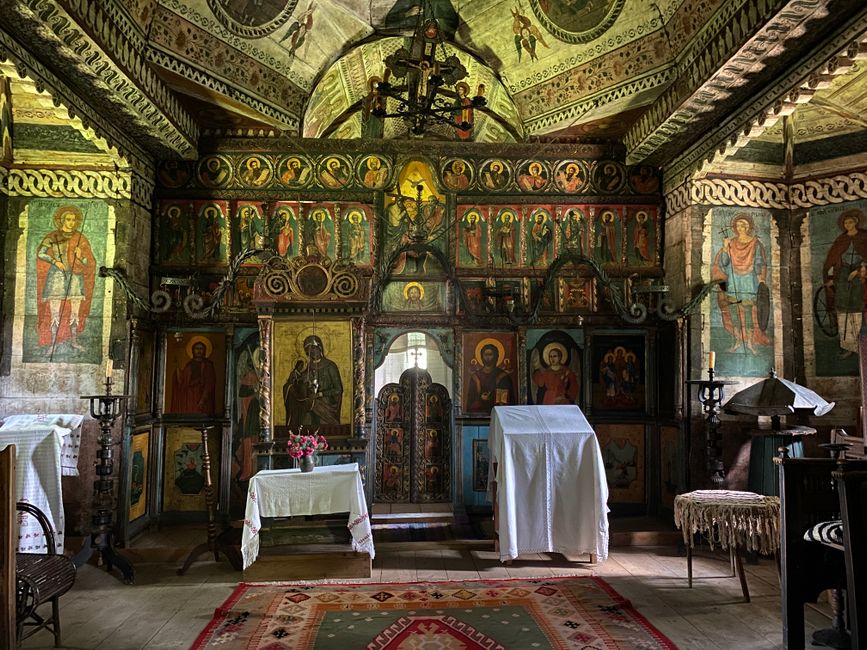
Next, I drove to Moldovita, a larger village with a more accessible church. The frescoes here are less somber than those at Sogndio, featuring a vibrant "Tree of Life" and scenes from the Old and New Testaments. The Tree of Life, a central motif in Christian iconography, is depicted as a flourishing tree with branches reaching towards the heavens, symbolizing eternal life and the connection between God and humanity. The colors are brighter, the figures more dynamic, reflecting a sense of hope and renewal. The church also features a detailed depiction of the "Last Judgment," with Christ seated in glory, judging the souls of the dead. The imagery is complex and layered, inviting close inspection and interpretation.
The art at Moldovita showcases the skill and creativity of the local painters, who blended Byzantine traditions with local artistic styles. The figures are expressive, their faces conveying a range of emotions from joy to sorrow. The landscapes are detailed, with mountains, rivers, and forests rendered with a sense of realism. The frescoes are not just religious images; they are works of art that reflect the culture and worldview of the Moldavian people. The church is a place of beauty and contemplation, offering a respite from the harsh realities of daily life. The art is a celebration of faith and a testament to the enduring power of creativity.
Curtea de Arges and the Royal Legacy
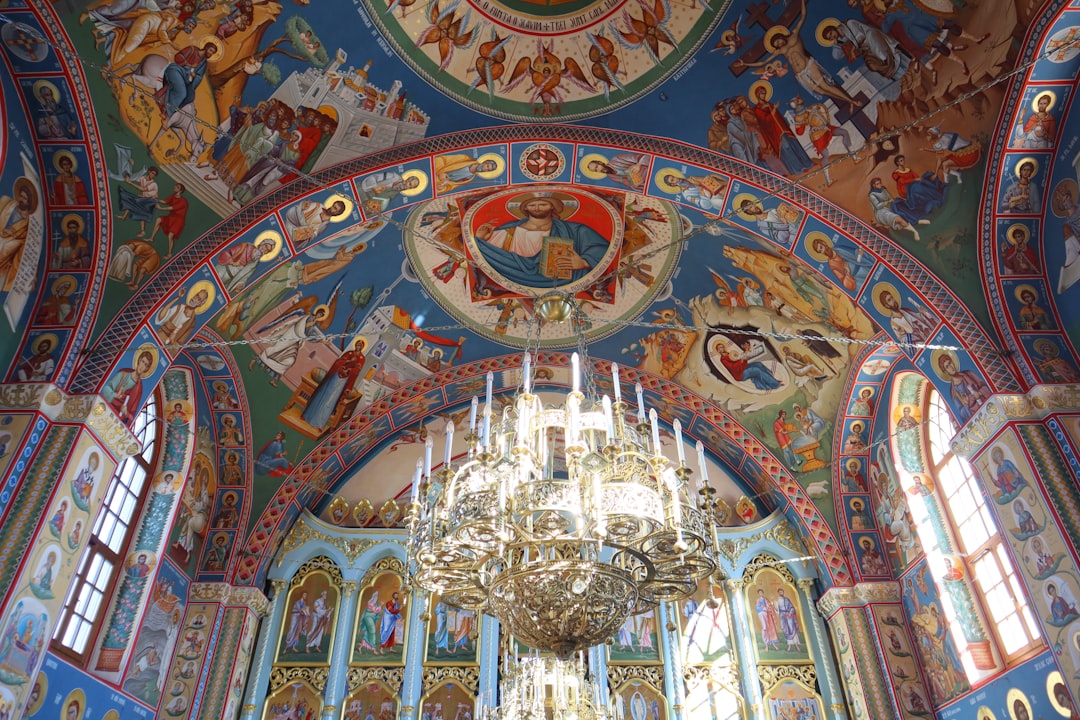
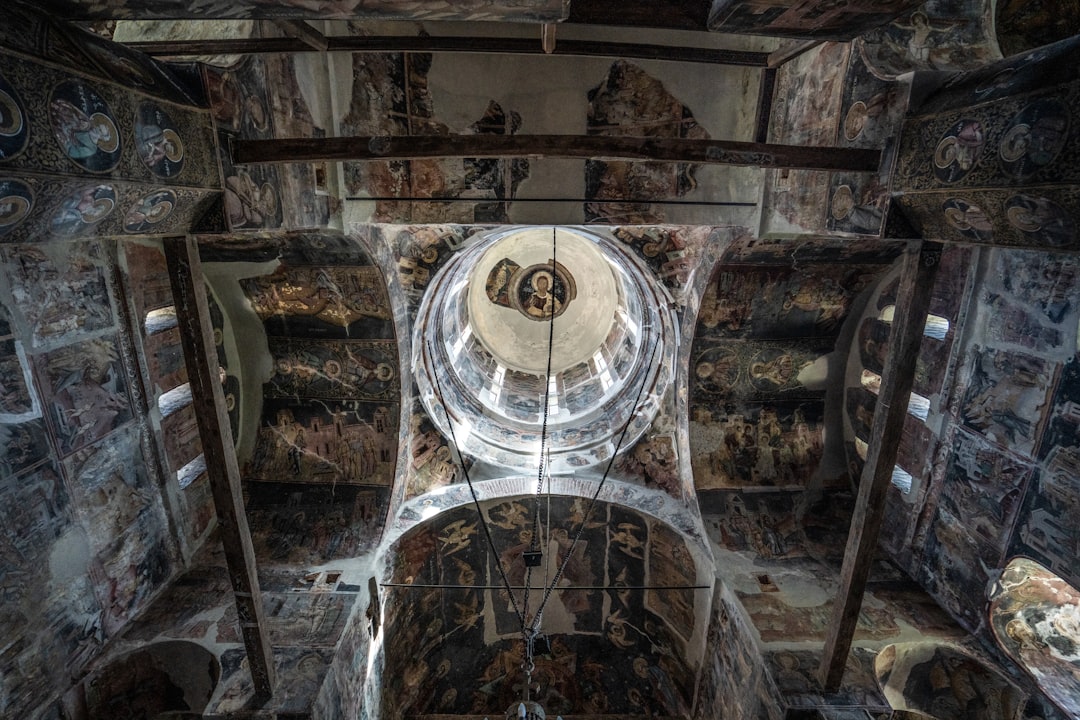
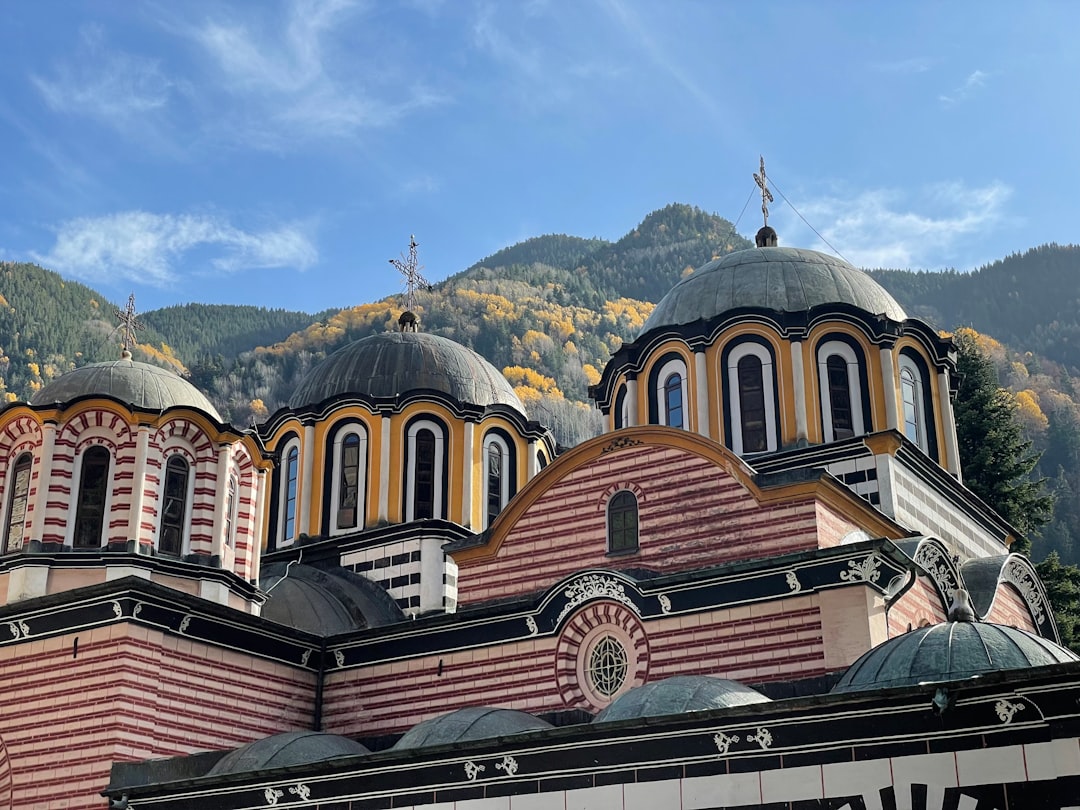
While the most famous painted churches are in northern Moldavia, the tradition extends south to Curtea de Arges. The monastery here, founded in the 16th century by the Wallachian ruler Vlad the Impaler's cousin, is a masterpiece of Brancovenesc architecture. The interior is adorned with intricate frescoes and icons, depicting biblical scenes and the lives of the saints. The art is more refined and sophisticated than that of the northern churches, reflecting the influence of the royal court. The monastery also features a beautiful church with a high dome and ornate decorations, showcasing the wealth and power of the Wallachian princes. The site is a testament to the importance of religion in the political and cultural life of the region.
The frescoes at Curtea de Arges are a visual record of the royal patronage of the arts. The images are detailed and meticulously executed, reflecting the high standards of the court artists. The monastery is a place of pilgrimage, attracting visitors from across Romania and beyond. The site is well-preserved and offers a glimpse into the rich cultural heritage of the region. The art is a celebration of faith and a testament to the enduring legacy of the Wallachian princes. The monastery is a place of beauty and spirituality, offering a sanctuary from the modern world.
Routes & Trail Info
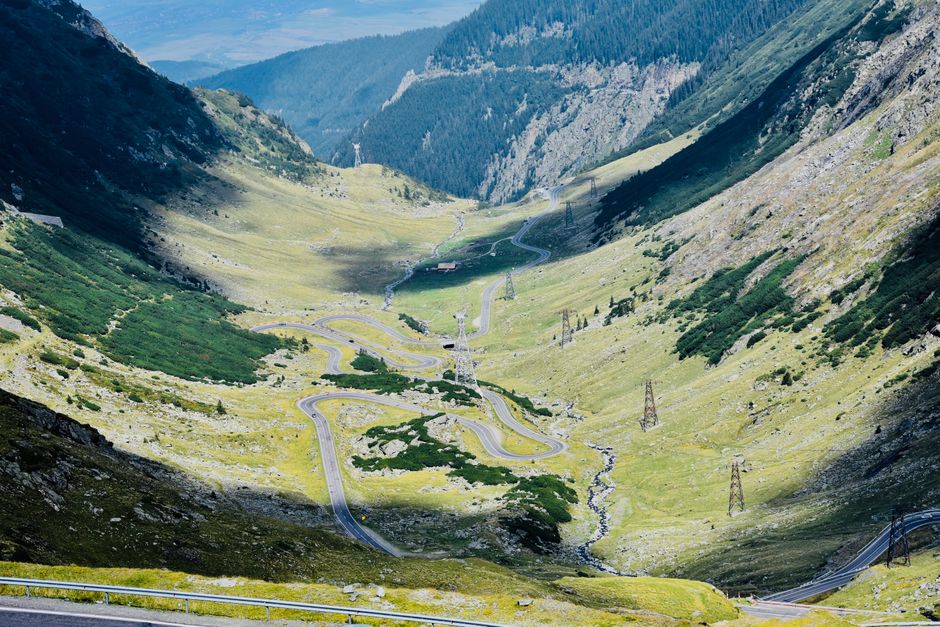
Visiting the Painted Churches requires a self-drive tour, as public transport is limited and infrequent. The main route follows the DN17 and DN18 highways, connecting Suceava with Sogndio, Moldovita, and other sites. The roads are narrow and winding, with steep climbs and sharp turns. Driving requires caution and experience, especially in bad weather. The journey is slow, but the scenery is spectacular, with views of the Carpathian Mountains and the surrounding valleys. The route takes approximately 3-4 days to complete, allowing time for exploration and contemplation. The best time to visit is between May and October, when the weather is mild and the roads are dry. The churches are open daily, but visitors should respect the local customs and dress modestly.
For those who prefer hiking, there are several trails that connect the churches and offer breathtaking views of the landscape. The "Painted Churches Trail" is a 50-kilometer route that passes through Sogndio, Moldovita, and other sites. The trail is moderately difficult, with steep ascents and descents. Hikers should be prepared for changing weather conditions and carry appropriate gear. The trail offers a unique perspective on the region, allowing visitors to experience the beauty and isolation of the painted churches. The journey is a physical and spiritual challenge, but the rewards are immense.
Getting There & What to Expect
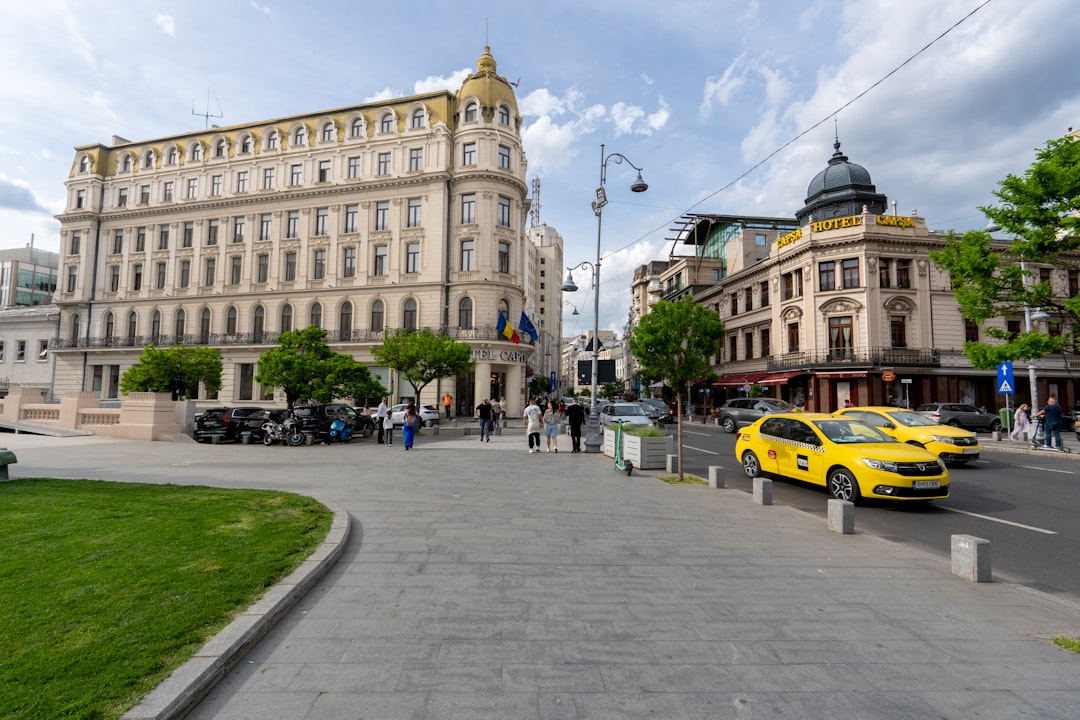
The nearest major city is Suceava, which has an airport with limited international connections. Most visitors fly into Bucharest and drive north, a journey of approximately 6-7 hours. Buses and trains also connect Bucharest with Suceava, but the journey is long and uncomfortable. Car rental is the best option, as it provides flexibility and independence. The roads are well-marked, but navigation can be challenging in remote areas. Accommodation is available in Suceava and nearby villages, with prices ranging from 20-40 EUR for a basic room to 60-100 EUR for a more comfortable hotel. Meals are inexpensive, with a typical dish costing 5-10 EUR. The region is safe, but visitors should be cautious of pickpockets in crowded areas. The experience is authentic and immersive, offering a glimpse into the heart of Romania.
Search accommodation in Suceava on Booking.com →
The Pigment of Persistence
As I left the last church, the sun breaking through the clouds to illuminate the faded frescoes, I felt a profound sense of connection to the past. These paintings are not just art; they are a testament to the human spirit's ability to endure and create beauty in the face of adversity. The artists who created them did not know if their work would survive, but they painted with passion and purpose, knowing that their images would speak to future generations. The Painted Churches of Moldavia are a visual history, a record of faith, fear, and hope. They remind us that art is not a luxury; it is a necessity, a way of making sense of the world and finding meaning in the chaos. The journey is challenging, but the reward is a deeper understanding of the human condition. The colors may fade, but the message remains: we are here, we have suffered, we have believed, and we have created.
Comments