


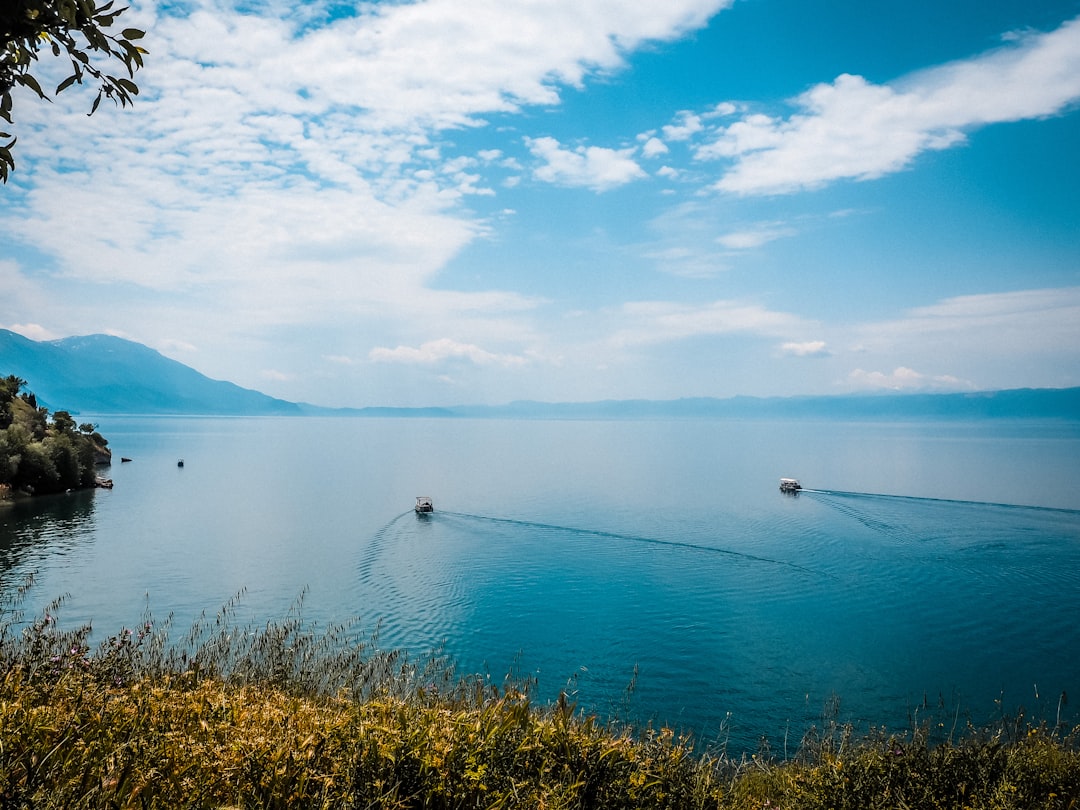
The coffee here tastes like it was brewed over a campfire in 300 BC, and maybe it was. I sat on a cracked stone bench in Ohrid, watching a fisherman cast his line into water so clear it looked like liquid glass. The air smelled of pine resin, woodsmoke, and the faint, metallic tang of the lake itself. A local man in a faded suit nodded at me, his eyes crinkling with a humor that felt older than the Cyrillic alphabet. He didn't speak English, but he pointed to the water, then to the distant mountains, then raised an eyebrow as if to say, "You think you know what you're looking at?" I didn't. Not yet. This isn't just a vacation spot; it's a living archive, a place where the ancient trade routes that connected the Mediterranean to the Danube still hum beneath the surface of every tavern, every stone path, and every bottle of wine.
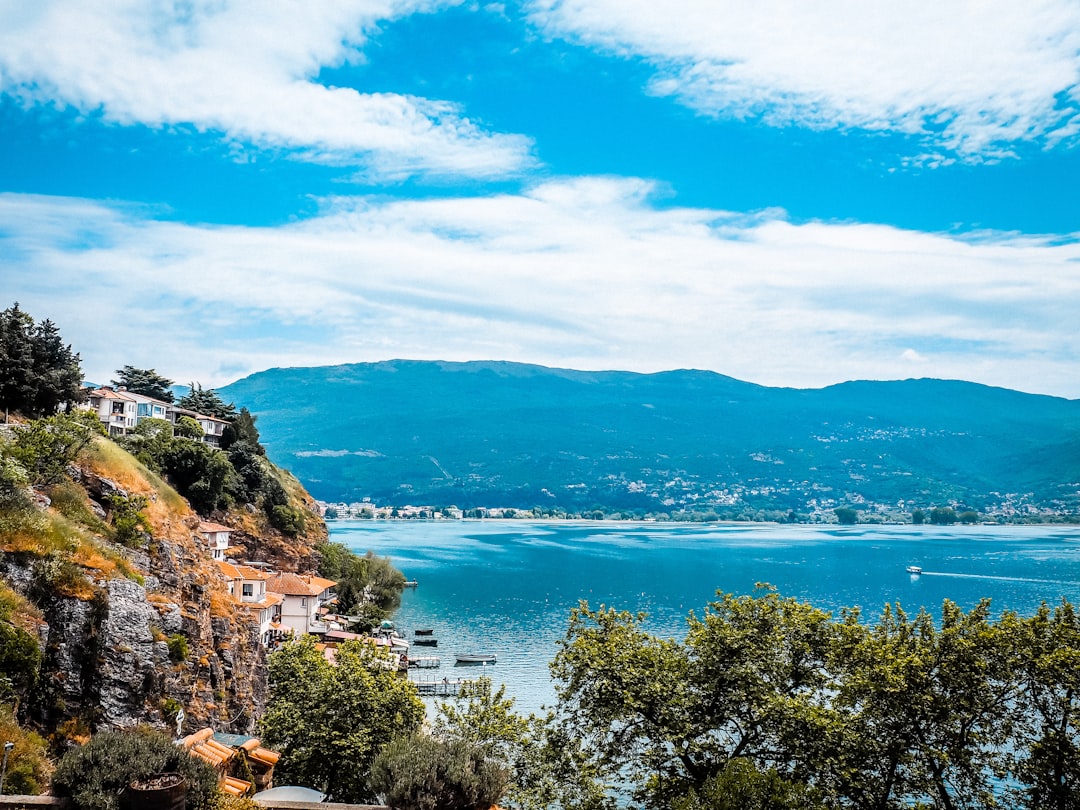
Ohrid Lake isn't just water. It's a time machine. For millennia, this lake has been a crossroads, a barrier, and a bridge. Romans, Slavs, Byzantines, Ottomans—all have left their fingerprints here, not just in the museums, but in the way the locals argue over football, the way they grind their coffee, the way they look at you when you ask for directions. I came here to trace those ancient routes, to see how the past bleeds into the present, and to find out if the soul of the Balkans still beats in this quiet corner of North Macedonia.
History & Identity
Ohrid Ohrid has been inhabited for over 8,000 years, making it one of the oldest continuously inhabited settlements in Europe. Its strategic position on the shores of Ohrid Lake Lake Ohrid made it a vital node in ancient trade networks. The lake itself, shared with Albania, is a UNESCO World Heritage site, not just for its beauty, but for its unique ecosystem and geological significance. During the Roman era, it was known as Lychnidos, a key stop on the Via Egnatia, the great highway that linked Rome to Constantinople. Later, under the Byzantine Empire, it became a major religious and cultural center, home to the Ohrid Literary School, which played a crucial role in the spread of Christianity and the development of the Cyrillic script.
The city's identity is a palimpsest. You walk down the stone-paved streets of the Old Town and you can feel the layers. The Ottoman period left its mark in the architecture, the mosques, and the bazaars, while the medieval churches and monasteries speak of a different era. Today, Ohrid is a city of contrasts: ancient and modern, sacred and secular, quiet and vibrant. It's a place where history isn't just preserved in glass cases; it's lived, breathed, and argued over in the cafes and taverns.
Where to Go
Samuil's Fortress — This imposing medieval fortification sits atop a hill overlooking the city and the lake. Named after King Samuil, who ruled the region in the early 11th century, the fortress offers panoramic views that are worth the climb. Inside, you'll find ruins of walls, towers, and a small museum that tells the story of the fortress's role in defending the city. Entry is 8 EUR. Best visited early in the morning or late in the afternoon to avoid the heat and crowds.
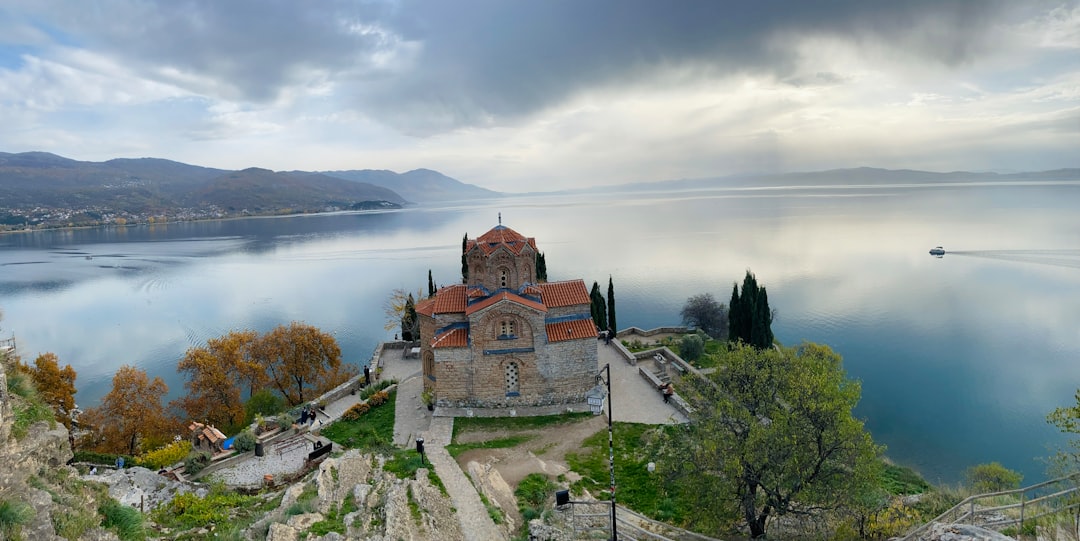
St. John at Kaneo — This tiny, white-washed church sits on a small island in the lake, accessible only by a narrow stone causeway. It's one of the oldest churches in the region, dating back to the 11th century. The simplicity of its architecture and the isolation of its location make it a place of profound peace. There's no entry fee, but donations are appreciated. It's a photographer's dream, especially at sunrise or sunset.
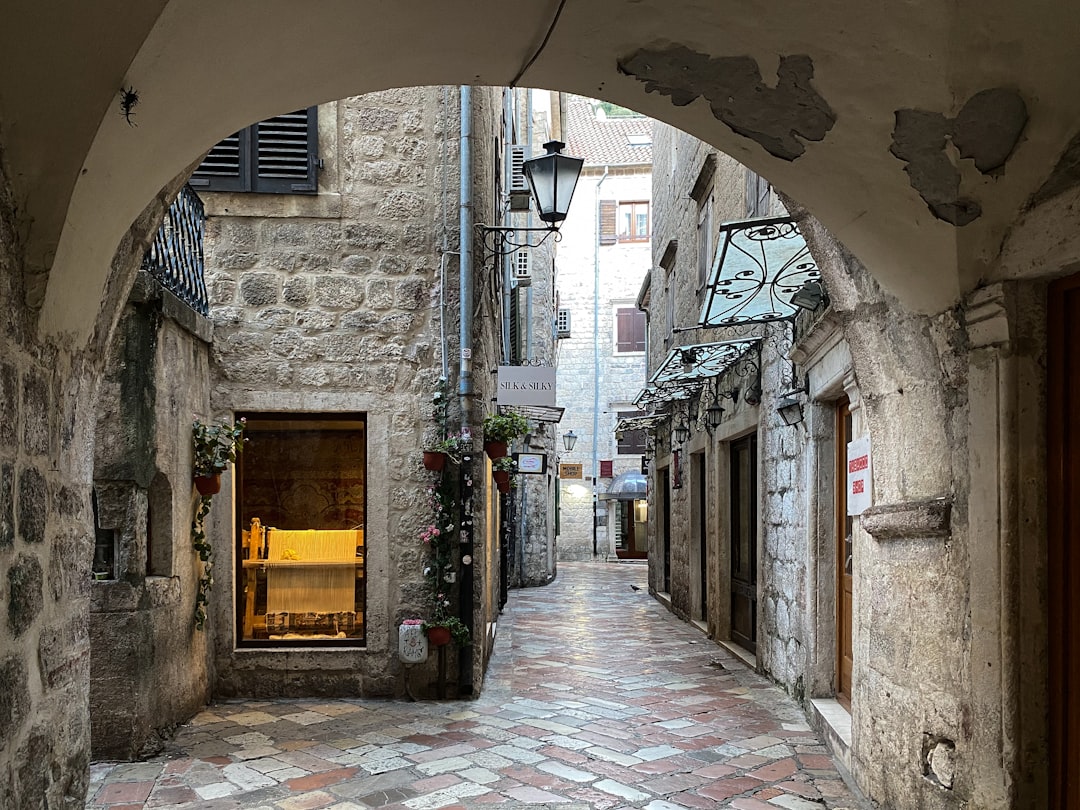
The Old Bazaar — This labyrinth of narrow streets and alleys is a sensory overload. It's a place where time seems to have stopped. You'll find artisans working at their crafts, selling handmade jewelry, leather goods, and traditional textiles. The air is thick with the smell of spices, roasted coffee, and fresh bread. It's a place to get lost, to wander, to discover. There's no entry fee, and it's open year-round. Best visited in the late afternoon when the light is golden and the streets are filled with locals.
Galichica National Park — Located on the eastern shore of the lake, this national park is a haven for hikers and nature lovers. The park is home to ancient forests, waterfalls, and some of the best viewpoints in the region. The hike to Galičica Monastery is a must, offering not only stunning views but also a glimpse into the monastic life that has flourished here for centuries. Entry to the park is 5 EUR. Best visited in spring or autumn when the weather is mild and the crowds are smaller.
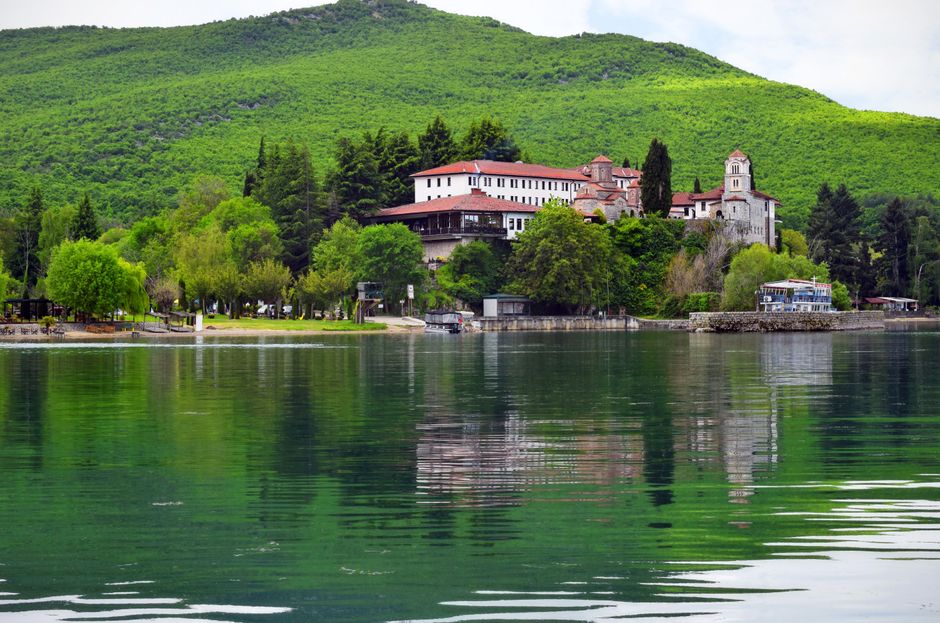
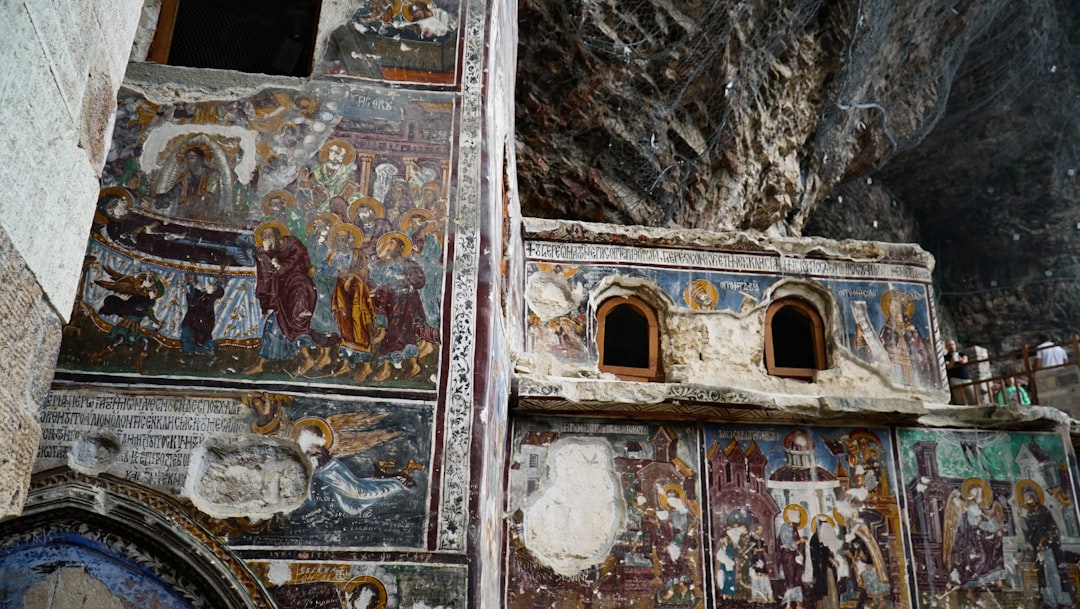
Plaosnik — This archaeological site is home to the ruins of a medieval basilica and a small church with some of the best-preserved frescoes in the region. The site is a testament to the religious and cultural significance of Ohrid during the medieval period. Entry is 8 EUR. Best visited with a guide who can explain the history and significance of the frescoes.
What to Eat & Drink
Eating in Ohrid is an experience in itself. The food is simple, hearty, and deeply rooted in tradition. You'll find plenty of options for every budget, from street food to sit-down restaurants. Here are some local dishes you must try:
- Tavče Gravče — A traditional bean stew, slow-cooked with vegetables and spices. It's a comfort food staple, often served with bread. 5-8 EUR
- Moussaka — A layered dish of eggplant, minced meat, and béchamel sauce. It's rich, flavorful, and filling. 6-10 EUR
- Šopska Salata — A fresh salad of tomatoes, cucumbers, onions, and peppers, topped with a generous amount of sirene (white cheese). It's light, refreshing, and perfect for hot days. 3-5 EUR
- Trilek — A local red wine, made from a blend of three grape varieties. It's bold, fruity, and pairs well with hearty dishes.
- Rakia — A strong fruit brandy, often made from plums or grapes. It's a popular digestif, best enjoyed in small quantities.
Budget travelers can find street food and take-away options for under 5 EUR per meal. Sit-down local restaurants typically cost 8-15 EUR per person, while mid-range restaurants range from 15-25 EUR. The Old Bazaar is a great place for budget-friendly eats, with plenty of small stalls and cafes. For a more upscale experience, head to the lakeside restaurants, which offer stunning views and a wider selection of dishes.

Nightlife
Ohrid's nightlife is surprisingly vibrant, despite its small size. The main bar and club district is centered around Strand Boulevard, the lakeside promenade that stretches along the shore. Here, you'll find a mix of bars, clubs, and live music venues, catering to all tastes. Some well-known venues include:
- Bar Lake — A popular spot for locals and tourists alike, known for its relaxed atmosphere and live music. Cover charge is usually 2-5 EUR.
- Club Kana — A larger venue with a dance floor, DJ, and a more energetic vibe. Cover charge is 5-10 EUR.
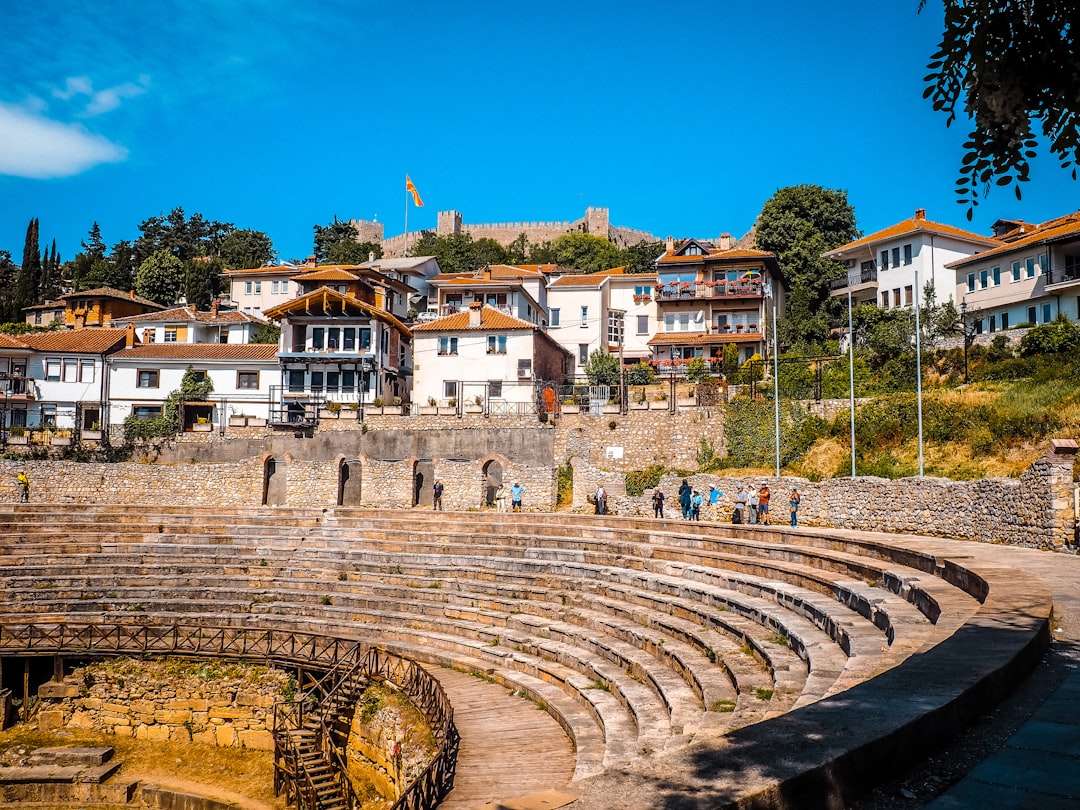
- Amphitheatre — Not a club, but a must-visit for live music and cultural events. The ancient Roman amphitheatre hosts concerts and performances throughout the summer. Ticket prices vary, but expect 10-20 EUR for most events.
The nightlife scene is best experienced in the summer months, when the weather is warm and the crowds are larger. In the winter, the scene is quieter, but there are still plenty of cozy bars and cafes to enjoy.
Getting There & What to Expect
The nearest airport is Skopje Alexander the Great Airport, located about 160 kilometers away. From Skopje, you can take a bus to Ohrid, which takes about 3 hours and costs around 10-15 EUR. You can also rent a car, which gives you more flexibility and allows you to explore the surrounding areas. Buses run frequently from other major cities in the region, including Tirana, Albania, and Thessaloniki, Greece.
Accommodation in Ohrid ranges from budget hostels to luxury hotels. Budget hostels cost around 20-40 EUR per night, while mid-range hotels range from 50-100 EUR. Luxury hotels can cost 150-300 EUR or more. The best time to visit is in the spring or autumn, when the weather is mild and the crowds are smaller. Summer is peak season, with warm weather and plenty of events, but it's also more crowded and expensive.
Search accommodation in Ohrid on Booking.com →
The Ghost in the Wine
I ended my trip in a small winery on the outskirts of the city, the owner pouring me a glass of Vranec, a local red that tasted of earth and iron. He spoke little English, but his eyes were alive with a story he couldn't quite tell. Outside, the lake was still, reflecting the stars like a mirror. I thought about the traders who had walked these paths, the monks who had prayed in these churches, the soldiers who had fought on these hills. They were gone, but their presence was everywhere, in the wine, in the water, in the stone. Ohrid isn't just a place; it's a feeling, a reminder that the past is never truly gone, and that sometimes, the best way to understand the present is to listen to the echoes of the past.
Comments