


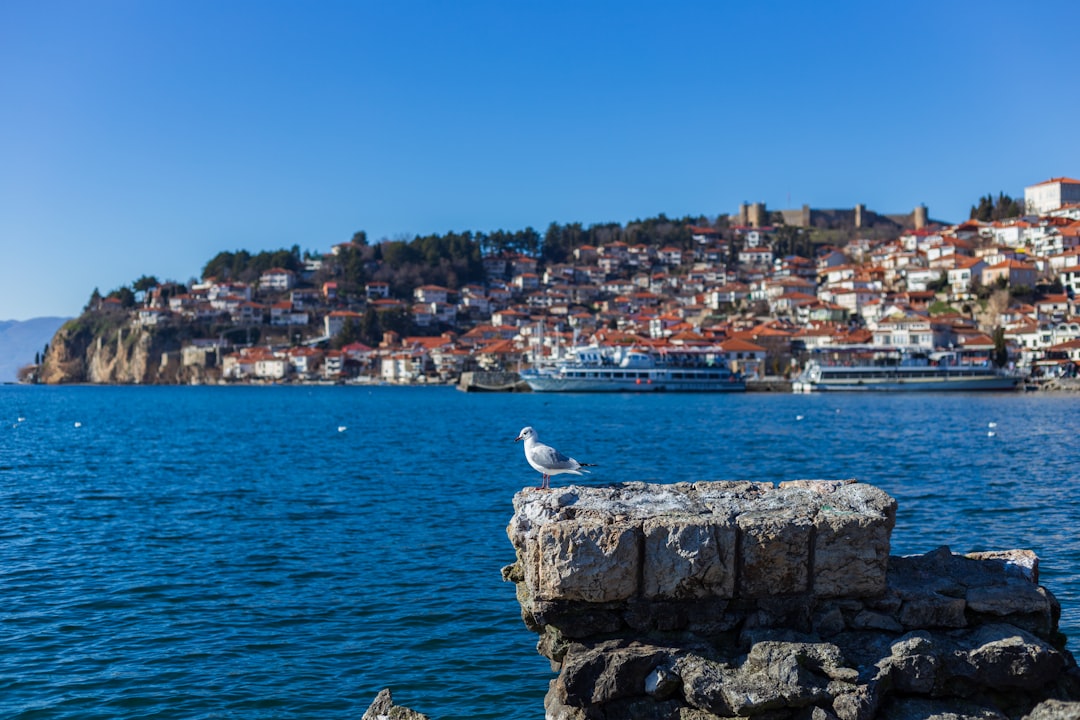
The air in the old quarter of Ohrid doesn't just smell of history; it smells of damp stone, roasted chestnuts, and the faint, metallic tang of the lake. I am standing on a cobblestone so worn it feels like polished glass, my boots slipping slightly as I navigate the narrow artery of the bazaar. It is mid-morning, and the sun is slicing through the canopy of plane trees, creating a strobe-light effect on the weathered facades of the shops. A local man in a faded vest is shouting about the price of peppers, his voice echoing off the Ottoman-era houses that lean into each other like conspiring old men. This is not a postcard. This is a living, breathing, slightly chaotic organism that has survived empires, wars, and the slow creep of modern tourism. I came here looking for the Ottoman footprint, expecting a museum-like silence. Instead, I found a pulse.
Ohrid is often sold as a Christian holy city, a place of golden domes and Byzantine mosaics. And it is that. But to ignore the Ottoman layer is to read half the book. The Ottomans ruled this corner of the Balkans for nearly five centuries. They didn't just pass through; they built, they prayed, they cooked, they died here. Their legacy is not erased; it is woven into the very fabric of the streets, hidden in plain sight beneath the frescoes and the church bells. Tracing this legacy requires a different kind of sight—one that looks for the minaret where a bell tower stands, the bathhouse hidden behind a modern sign, and the silence between the church chimes.
History & Identity
The Ottoman Empire arrived in the region in the late 14th century, and for almost 500 years, Ohrid was part of their sprawling administrative map. It wasn't always a peaceful occupation, but it was a long one. The Ottomans integrated Ohrid into their system, building mosques, hammams, and markets. They brought their own architectural language—stone, wood, and tile—into a city already defined by its Christian heritage. This created a unique urban palimpsest, where layers of history are stacked, sometimes harmoniously, sometimes not.
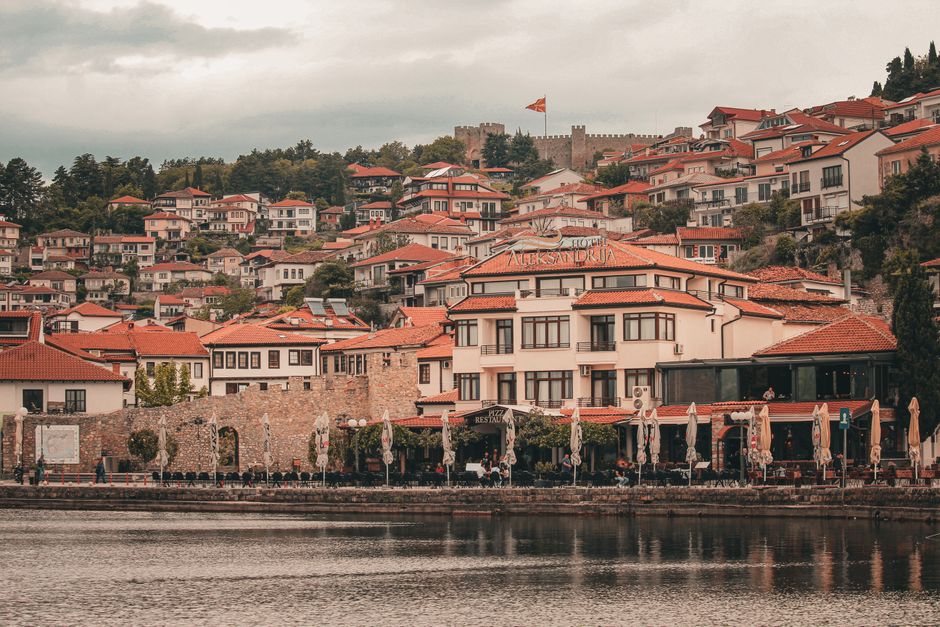
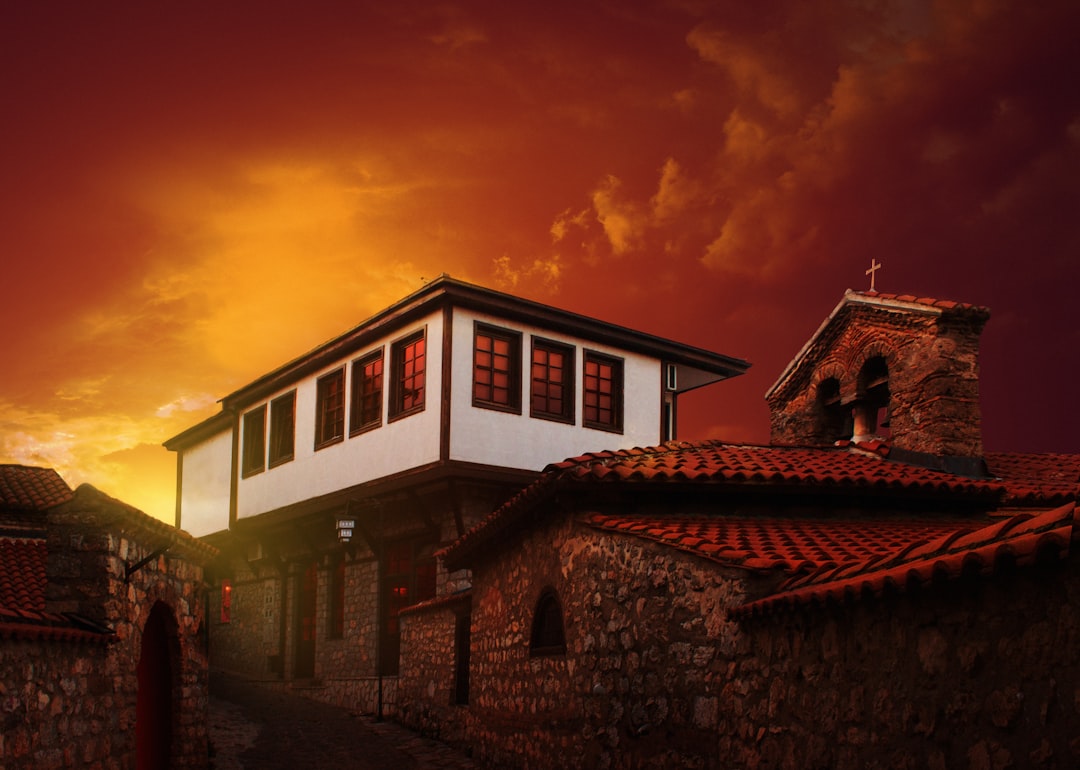
The identity of Ohrid today is a complex negotiation between these layers. The city is a UNESCO World Heritage site, celebrated for its Christian monasteries and lakeside beauty. Yet, walk through the Old Bazaar, and you are walking through an Ottoman city. The narrow, winding streets, the two-story stone houses with wooden upper floors, the public fountains—these are all Ottoman imprints. The challenge for any visitor is to see beyond the dominant Christian narrative and recognize the Islamic influence that shaped the city's daily life for centuries.
Where to Go
The Old Bazaar (Čaršija) — This is the heart of the Ottoman legacy. It is a labyrinth of narrow streets lined with shops selling leather goods, copperware, spices, and traditional sweets. The architecture is the main attraction here. Look for the two-story stone houses with wooden balconies and intricate lattice windows. The bazaar is not just a market; it is an open-air museum of Ottoman urban planning. The best time to visit is early morning or late afternoon when the crowds thin out and the light is soft. Entry is free, but expect to spend money on the tempting local crafts.
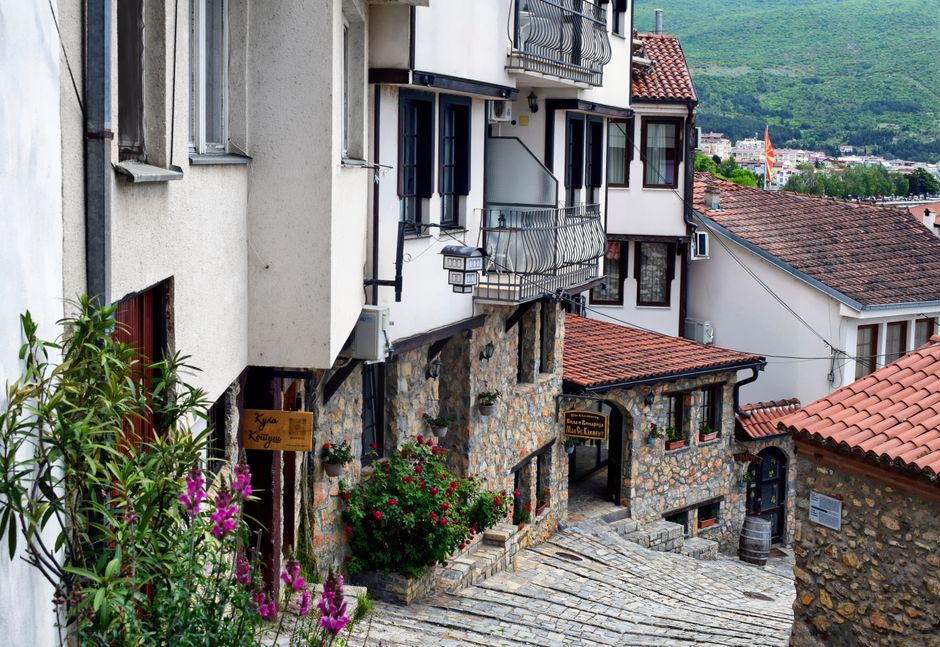
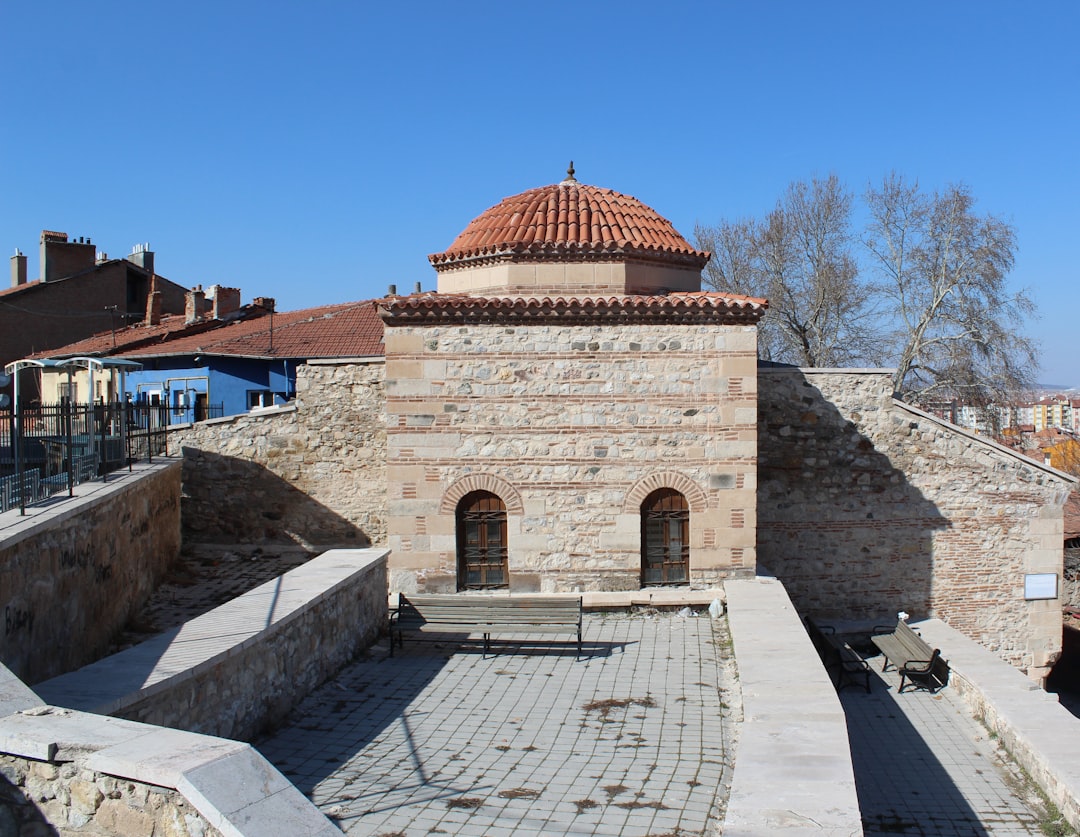
The Hamam (Turkish Bath) — Located in the heart of the Old Bazaar, this is one of the few surviving Ottoman bathhouses in the city. Built in the 16th century, it is a remarkable example of Ottoman public architecture. The building is constructed of stone and brick, with a central domed hall and smaller rooms on either side. Although it is no longer in use as a bath, it has been preserved and is sometimes used for cultural events. The structure itself is a testament to the importance of public hygiene and social gathering in Ottoman society.
The Sinan Pasha Mosque — This is the most prominent surviving mosque in Ohrid, built in the 16th century by the Ottoman governor Sinan Pasha. It is a simple, elegant structure with a tall, slender minaret. The mosque is still in use, and visitors are welcome to visit the courtyard and admire the architecture. The interior is modest, decorated with geometric patterns and calligraphy. The mosque stands as a powerful reminder of the city's Islamic past and the coexistence of different faiths.
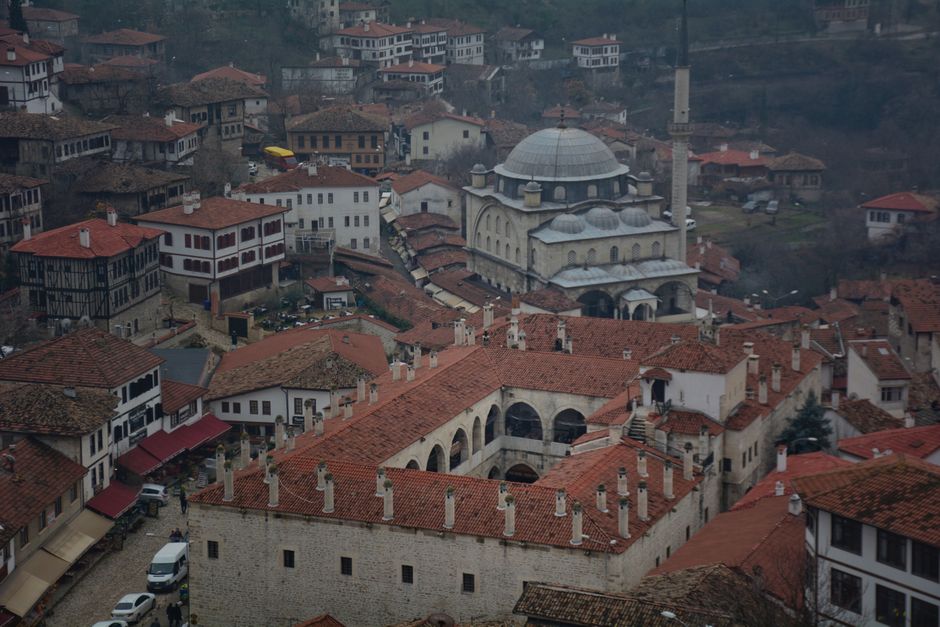
The Pasha Han — A han was a caravanserai, a roadside inn for merchants and travelers. The Pasha Han in Ohrid is one of the best-preserved examples in the Balkans. Built in the 16th century, it served as a hub for trade and communication. The building is a large, rectangular structure with a central courtyard and rooms on the upper floor. Today, it houses a museum and a café, but the original layout and architecture are still visible. It offers a glimpse into the commercial life of Ottoman Ohrid.
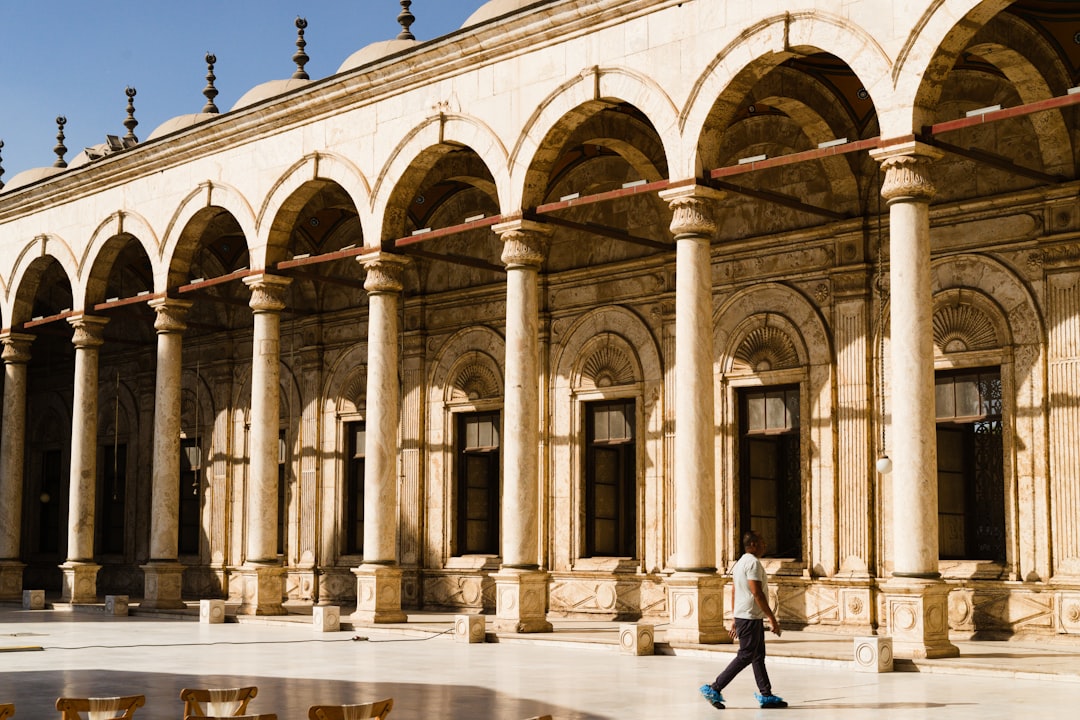
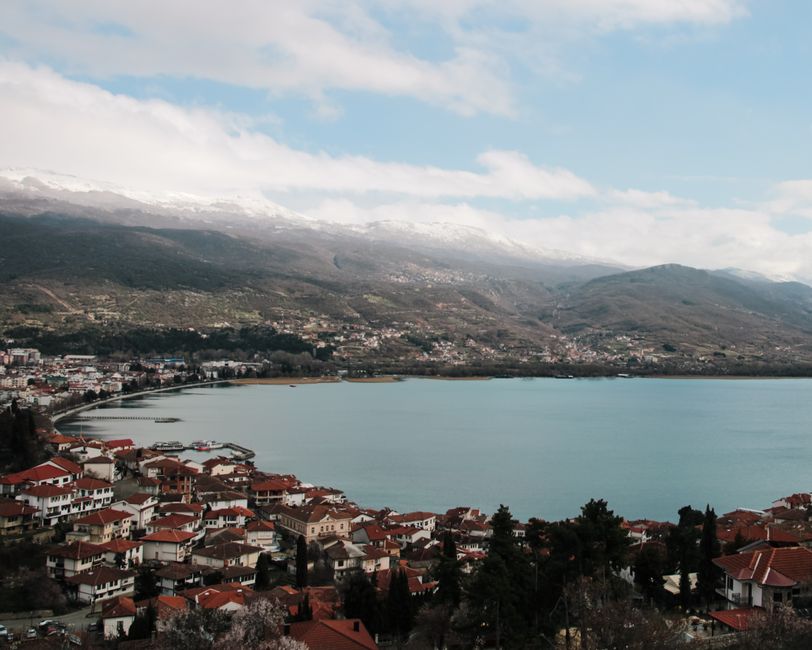
The Clock Tower — Standing at the edge of the Old Bazaar, the Clock Tower is a symbol of the city. Built in the 18th century, it is a typical Ottoman clock tower, with a conical roof and a clock face on each side. It was originally built to mark the call to prayer, but it soon became a central landmark for the whole city. You can climb the tower for a panoramic view of the bazaar and the lake. Entry is around 3 EUR.
What to Eat & Drink
The food in Ohrid is a delicious blend of Balkan and Ottoman influences. The Ottomans introduced many ingredients and cooking techniques that are now staples of the local cuisine. Here are some must-try dishes:
Burek — A flaky pastry filled with meat, cheese, or spinach. It is a breakfast staple and a popular snack. You can find it in bakeries throughout the city, especially in the Old Bazaar. A slice costs around 2-4 EUR.
Tavče Gravče — This is the national dish of North Macedonia, baked beans in a clay pot. It is a hearty, flavorful dish that is perfect for a cold day. It is served in most restaurants and taverns. A portion costs around 6-8 EUR.
Kopasto — A traditional Ohrid dish made from dried fish from Lake Ohrid. It is often served with bread and a side salad. It is a unique taste of the lake. A portion costs around 8-10 EUR.
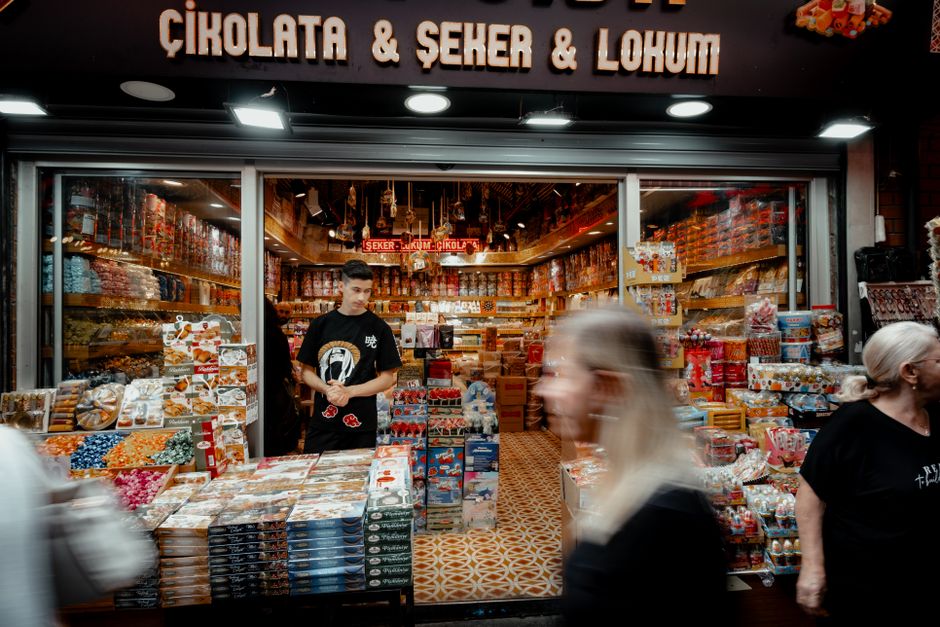
Lokum — Also known as Turkish delight, this sweet confection is a popular souvenir. You can find it in various flavors and colors in the shops of the Old Bazaar. A small box costs around 5-10 EUR.
For a sit-down meal, a local taverna in the Old Bazaar will cost you around 15-25 EUR per person for a meal with drinks. For a quick bite, street food and bakeries offer options under 5 EUR. The Old Bazaar itself is the best place for food, with numerous shops and small eateries. The area around the Clock Tower also has several restaurants and cafes with outdoor seating.
Nightlife
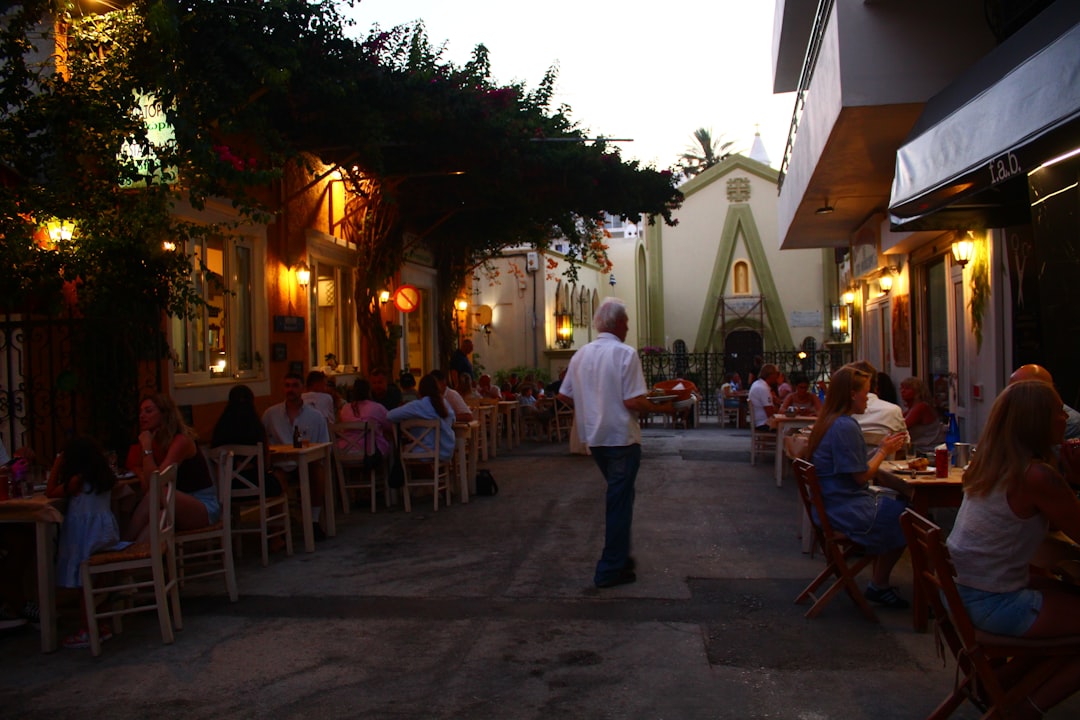
Ohrid is not a party city in the traditional sense, but it has a charming nightlife scene, especially in the summer. The main area for bars and clubs is along the lakeside promenade and in the Old Town. The atmosphere is relaxed and friendly, with a mix of locals and tourists.
Barok — This is a popular bar in the Old Town, known for its cocktails and live music. It has a cozy, intimate atmosphere and is a great place to meet locals. Cover charge is around 5-10 EUR on weekends.
Club 18 — Located on the lakeside, this is one of the main clubs in Ohrid. It plays a mix of pop, dance, and local music. It is popular with younger crowds and is open late. Cover charge is around 5-10 EUR.
Lakeside Cafes — For a more relaxed evening, there are numerous cafes along the lakeside promenade. They serve coffee, wine, and light snacks. You can sit and watch the sunset over the lake. Drinks cost around 3-6 EUR.
Getting There & What to Expect
The nearest airport is Skopje International Airport, about 150 km away. You can take a bus or a taxi from Skopje to Ohrid. The bus takes around 3 hours and costs around 15-20 EUR. A taxi is more expensive, around 80-100 EUR. There are also direct flights to Ohrid Airport in the summer, but options are limited.
From other Balkan hubs, you can take a bus. From Sofia, Bulgaria, the bus takes around 4-5 hours and costs around 15-20 EUR. From Thessaloniki, Greece, it takes around 3-4 hours and costs around 15-20 EUR.
Accommodation in Ohrid ranges from budget hostels to luxury hotels. A bed in a hostel costs around 15-25 EUR per night. A mid-range hotel room costs around 50-80 EUR per night. Luxury hotels can cost per night.
The best time to visit Ohrid is from May to October, when the weather is warm and pleasant. July and August are the busiest months, with peak tourism. If you want to avoid the crowds, visit in May, June, or September.
Search accommodation in Ohrid on Booking.com →
The Weight of Stone
As the sun sets over Lake Ohrid, painting the water in shades of orange and purple, I find myself back in the Old Bazaar. The shops are closing, the streets are quieting down. The call to prayer from the Sinan Pasha Mosque blends with the distant chimes of the Christian churches. It is a sound that has echoed here for centuries, a musical testament to the coexistence of different faiths and cultures. I am struck by the resilience of this place, the way it has absorbed the layers of history and made them its own. The Ottoman legacy is not a ghost here; it is a living presence, woven into the stone, the food, the sounds. It is a reminder that history is not a single story, but a complex tapestry of many threads. And as I walk back to my hotel, my pockets full of lokum and my head full of thoughts, I feel a deep sense of connection to this place, to its past, and to its enduring spirit.
Comments