


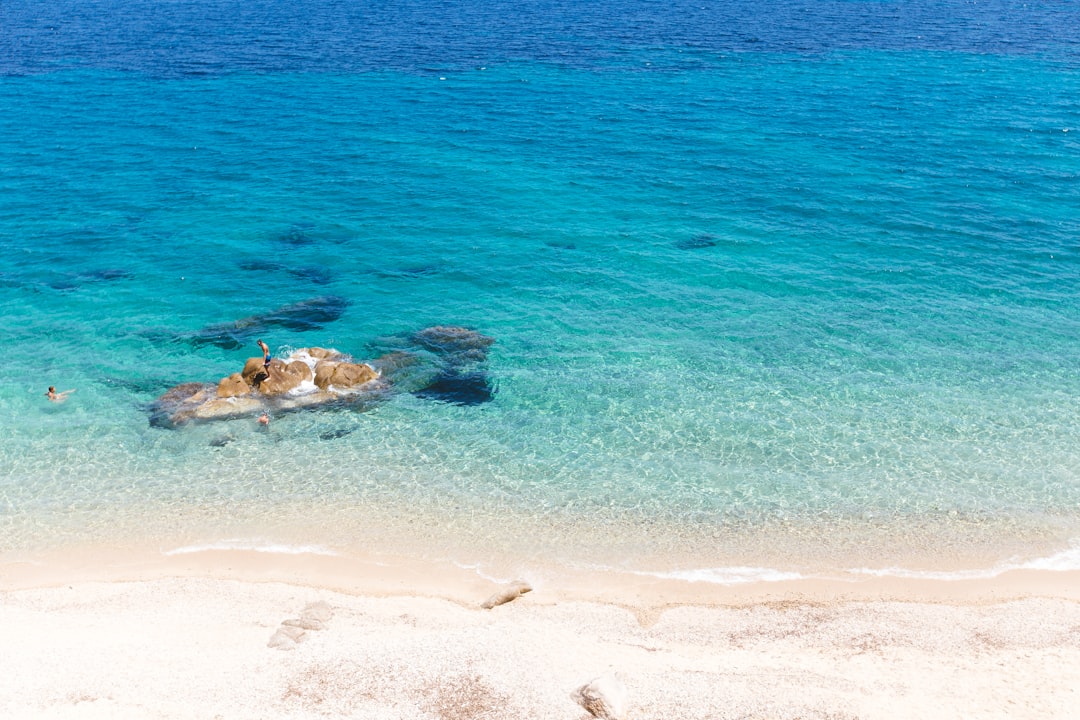
The Neon Wake
I was standing waist-deep in the freezing Aegean, staring into a void that looked like someone had spilled a bucket of cyan paint into the ocean. The Greek island of Milos is famous for its lunar landscapes, its red sand, and its volcanic history, but at 2 AM in the bay near Pollonia, it feels like an alien planet. I slapped the water. A shockwave of electric blue light rippled outward, illuminating the ripples like a strobe light in a dive bar. This isn't magic. It's biology. It's dinoflagellates, microscopic organisms that glow when disturbed. And it was the most disorienting, exhilarating, and slightly terrifying thing I have ever experienced while trying not to drown in the dark.
You don't just stumble upon this. You have to hunt it. The bioluminescence in the Greek islands is not a permanent resident; it's a visitor, dependent on temperature, nutrient levels, and moon phases. I arrived in Adamantas, the main port of Milos, with a headlamp, a snorkel set, and a healthy dose of skepticism. The locals warned me it was rare. They said you needed luck. I spent two nights staring at a black mirror, seeing nothing but my own reflection. On the third night, the water turned on. It was like flipping a switch in a stadium, but the crowd was invisible, and the cheers were silent flashes of neon blue.
The Science of the Glow
Before you chase the light, you need to understand the beast. The glow comes from Lingulodinium polyedrum, a species of dinoflagellate. These tiny plankton are everywhere in the ocean, but in most places, their numbers are too low to see. In specific bays like the one near Pollonia, or occasionally in the sheltered waters of Sifnos or Andros, conditions align. Warm water, low wind, and a lack of heavy wave action allow these organisms to bloom. When you move through the water, you disrupt their cell membranes, triggering a chemical reaction between luciferin and luciferase. The result? A flash of light. It's a defense mechanism, a burglar alarm for the microscopic world.
The intensity varies. Some nights, a gentle paddle creates a soft, ghostly shimmer. Other nights, a vigorous kick sends sparks flying like underwater fireworks. The best conditions are typically in late spring and early summer, when the water warms up but before the summer winds pick up. You need a dark sky, so avoid full moons. You need calm water, so check the weather forecast for wind speeds under 5 knots. And you need patience. I spent hours treading water in the dark, waiting for the density of the bloom to increase. It was worth it. The moment the water exploded in blue, I forgot about the cold, the salt in my eyes, and the mosquitoes buzzing around my ankles.
Where to Hunt for Light
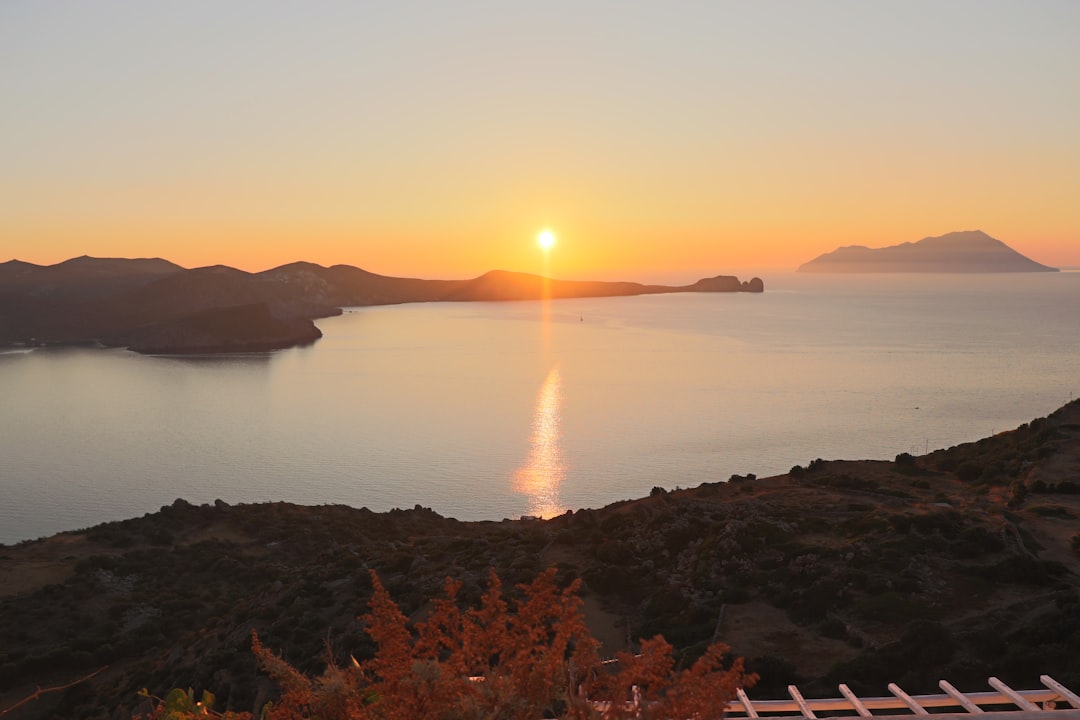
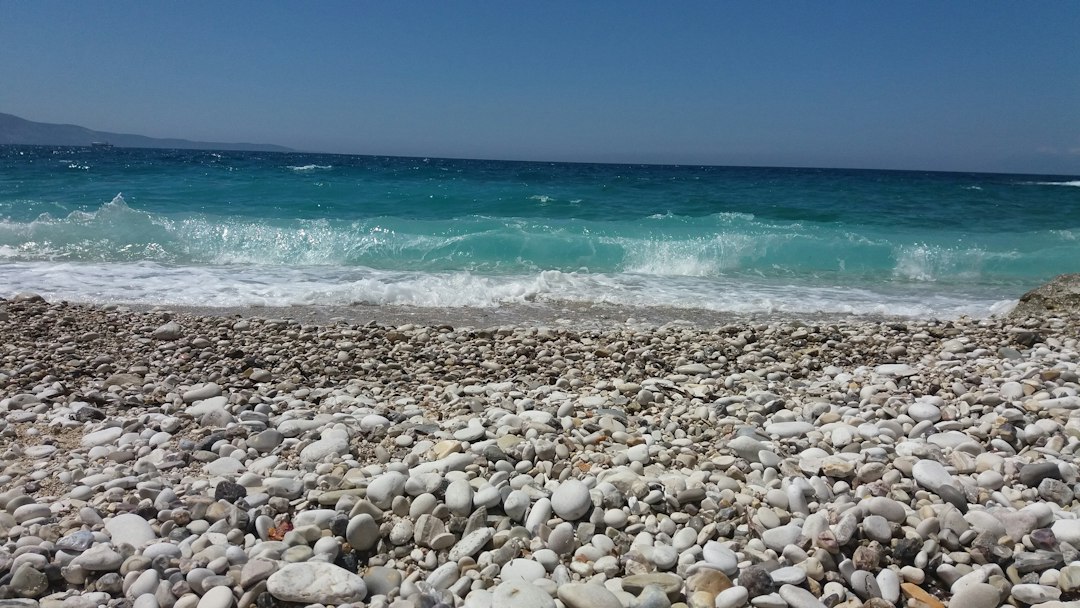
While Milos is the current hotspot, bioluminescence is unpredictable. It can appear anywhere in the Cyclades. However, sheltered bays with shallow waters and limited current are the best candidates. In Milos, the area around Pollonia Village is the primary spot. The beach there is pebbly, and the water is relatively shallow, making it easy to stand and move around without needing to swim far. Another potential spot is the bay near Adamas, but the harbor traffic and boat wakes can disrupt the calm needed for the bloom to concentrate.
If you're flexible, keep an eye on Sifnos. The bay around Kamares has also reported sightings. The key is to find a spot that is protected from the prevailing Meltemi winds. You want a bay that faces north or east, sheltered from the afternoon heat and wind. Once you find a calm spot, wait for the sun to set completely. Let your eyes adjust to the darkness. Then, start moving slowly. Tap the water. Kick gently. Watch for the response. If you see a flash, you're in the right place. If not, move to a different spot. It's a game of trial and error, played in the pitch black.
Pollonia Bay, Milos — The most reliable spot for bioluminescence on Milos. Shallow, pebbly beach with calm waters. Best visited at night, after dark. No entry fee. Bring a headlamp and a snorkel.
Gear Up for the Dark
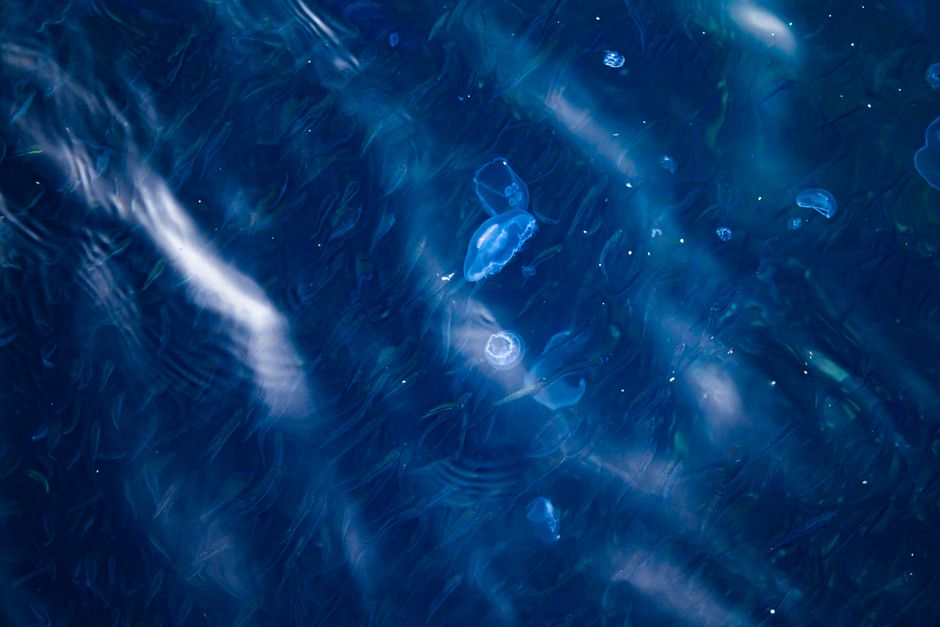
You don't need much gear, but you need the right gear. A headlamp is essential. You need hands-free lighting to navigate the shore and to signal to your companions. A red-light mode is best, as it doesn't disrupt your night vision or scare away the organisms. A snorkel set is useful for looking down into the water, where the glow is often more intense. You can see the dinoflagellates swirling around you, like a galaxy of tiny stars. A wetsuit or rash guard is recommended, even in summer. The water can be cold at night, and you'll be standing still for long periods. Hypothermia is a real risk if you're not prepared.
Bring a dry bag for your phone and keys. You don't want to risk dropping your phone in the glowing water. Also, bring bug spray. Mosquitoes love the same calm, warm conditions that the dinoflagellates do. They will be everywhere, buzzing in your ears and biting your ankles. Don't forget a change of clothes and a towel. You'll be wet, salty, and possibly covered in sand when you get out. And bring a waterproof camera or a GoPro. Capturing the glow is difficult, as the light is faint and fleeting, but it's possible with the right settings. Use a high ISO, a wide aperture, and a slow shutter speed. Be prepared for a lot of trial and error.
Safety First in the Abyss
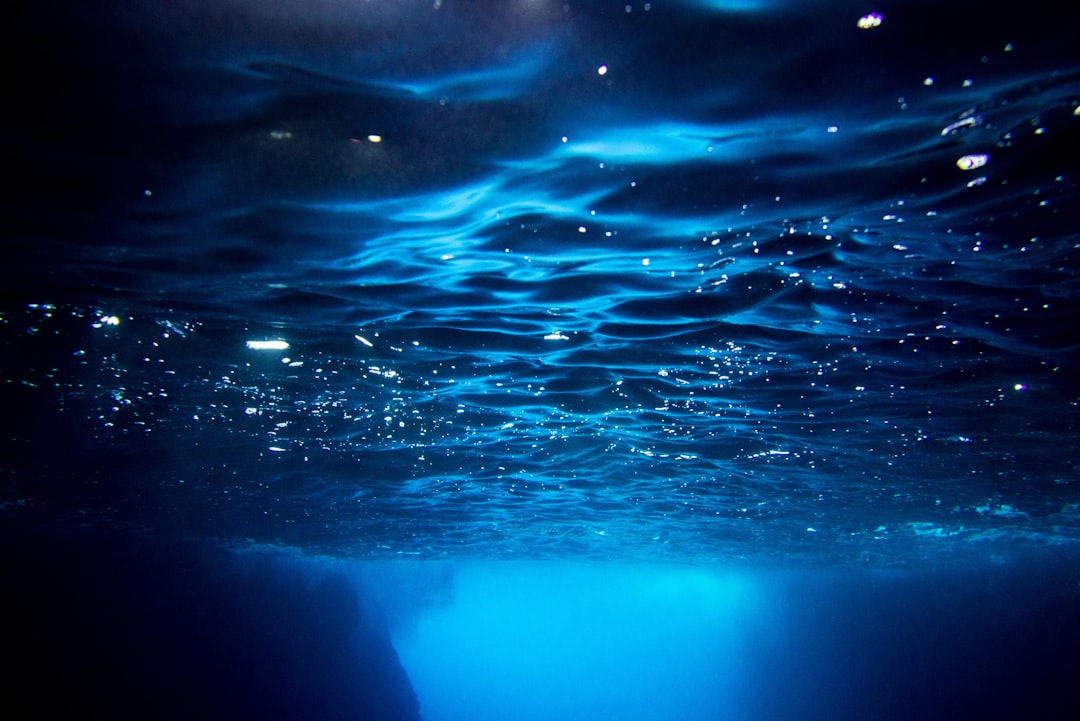
Swimming in the dark is dangerous. You can't see rocks, currents, or other swimmers. Always go with a partner, or better yet, a group. Stay in shallow water where you can stand. Don't venture too far from shore. The glow can be mesmerizing, and you might lose track of your surroundings. Keep your headlamp on, and use it to signal to others. If you get separated, stay calm and call out. The sound carries well over calm water.
Be aware of the currents. Even in calm bays, there can be subtle undercurrents that can pull you away from shore. Test the water before you go in. If the water feels like it's pulling you, don't fight it. Swim parallel to the shore until you're out of the current. Also, be mindful of boat traffic. Even in sheltered bays, there might be fishing boats or pleasure crafts passing through at night. Keep an eye on the horizon, and use your headlamp to signal if you see a boat approaching. Safety is paramount. The glow is beautiful, but your life is more important.
Getting There & What to Expect
Milos is easily accessible from Athens. You can take a ferry from the Port of Piraeus to Adamas. The journey takes about 5-6 hours, depending on the ferry type. There are also flights from Athens International Airport to Milos Island National Airport, which is a 45-minute flight. From the airport or the port, you can rent a car or an ATV to get to Pollonia. The drive is about 20 minutes. Make sure your vehicle has good lights, as the roads are unlit.
Accommodation in Milos ranges from budget hostels to luxury villas. In Adamas, you can find hostels for 20-40 EUR per night. Mid-range hotels in Pollonia or Adamantas cost around 80-150 EUR per night. If you want to be close to the action, book a room in Pollonia. The village is small, but it has a few tavernas and shops. For meals, expect to pay 10-20 EUR for a simple dinner at a local taverna. Street food, like gyros or souvlaki, is available in Adamas for 3-5 EUR. The best time to visit is from May to September, when the water is warm and the weather is calm. Avoid the peak of August, when the island is crowded and the winds are stronger.
Search accommodation in Milos on Booking.com →
The Afterglow
When you finally emerge from the water, shivering and gasping, the world looks different. The colors are sharper, the stars brighter. You've seen something rare, something that most people only see in documentaries or photos. You've touched the living light. It's a humbling experience. You realize how little we know about the ocean, even in our backyard. The bioluminescence of Milos is a reminder that nature is still full of surprises, if you're willing to look for them. And if you're lucky, you might just find yourself swimming in a sea of stars.
Comments