


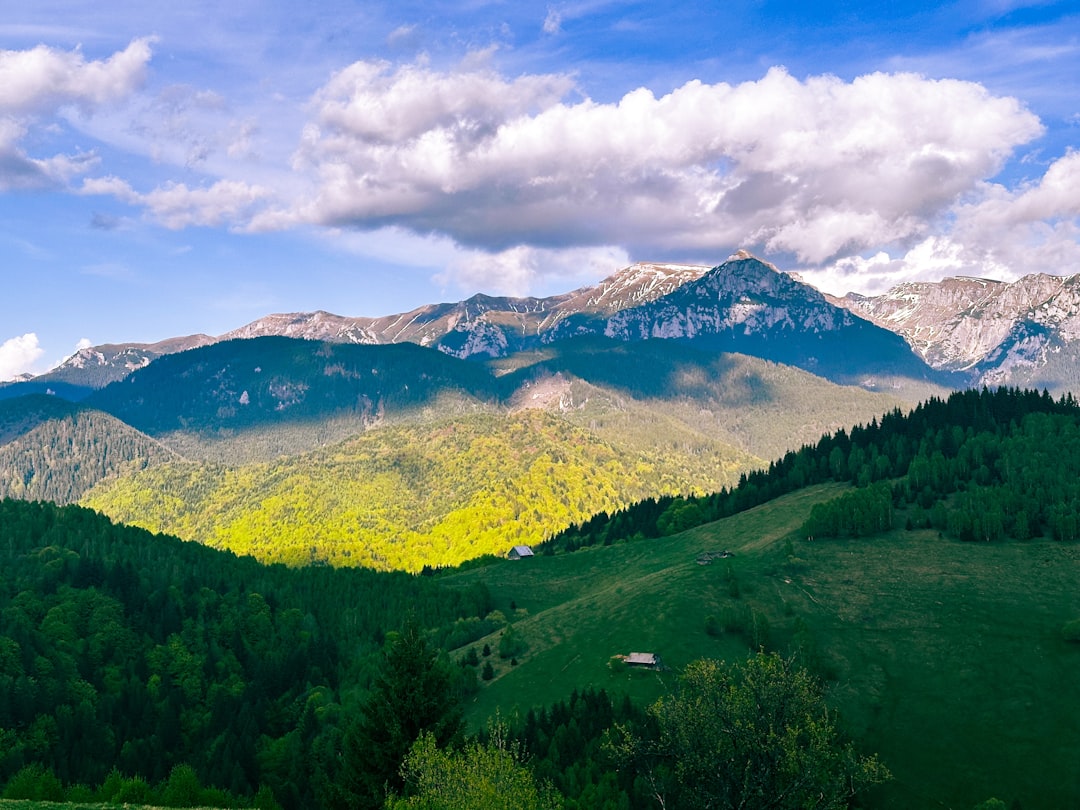
I didn't see a wolf. If I had, I probably would have shit myself, or at least dropped my camera. That's the honest truth. I stood there in the freezing mist of Retezat National Park, shivering in a jacket that was definitely not rated for the altitude, listening to a silence so profound it felt like a physical weight pressing against my eardrums. The air smelled of damp pine, rotting leaves, and something muskier, wilder. A shepherd from Novaci, an old man with a face like cracked leather, told me they had heard the howls just two nights prior, echoing off the granite peaks. He didn't smile. He spat on the ground and told me to keep my flashlight off. "They can see it," he said. "And they don't like visitors." I wasn't there to pet a puppy. I was there to understand why this jagged spine of rock in western Romania is one of the last places on Earth where the grey wolf still rules the night, and why getting close to them requires more humility than a hiking boot.
This isn't a safari. You cannot buy a ticket to see a pack tearing into a deer carcass. That's the myth sold by adventure tourism agencies that don't know the difference between a Carpathian wolf and a zoo exhibit. This is about tracking signs, respecting boundaries, and immersing yourself in a landscape that feels ancient, indifferent, and fiercely protective. The Retezat Mountains are not just a hiking destination; they are a fortress of biodiversity, a place where the human footprint is worn thin by altitude and strict conservation laws. If you are coming here expecting a guaranteed photo op, go to a zoo. If you are coming to feel the primal chill of being a guest in a predator's kingdom, pack light, move quiet, and read on.
The Kingdom of Granite and Ice
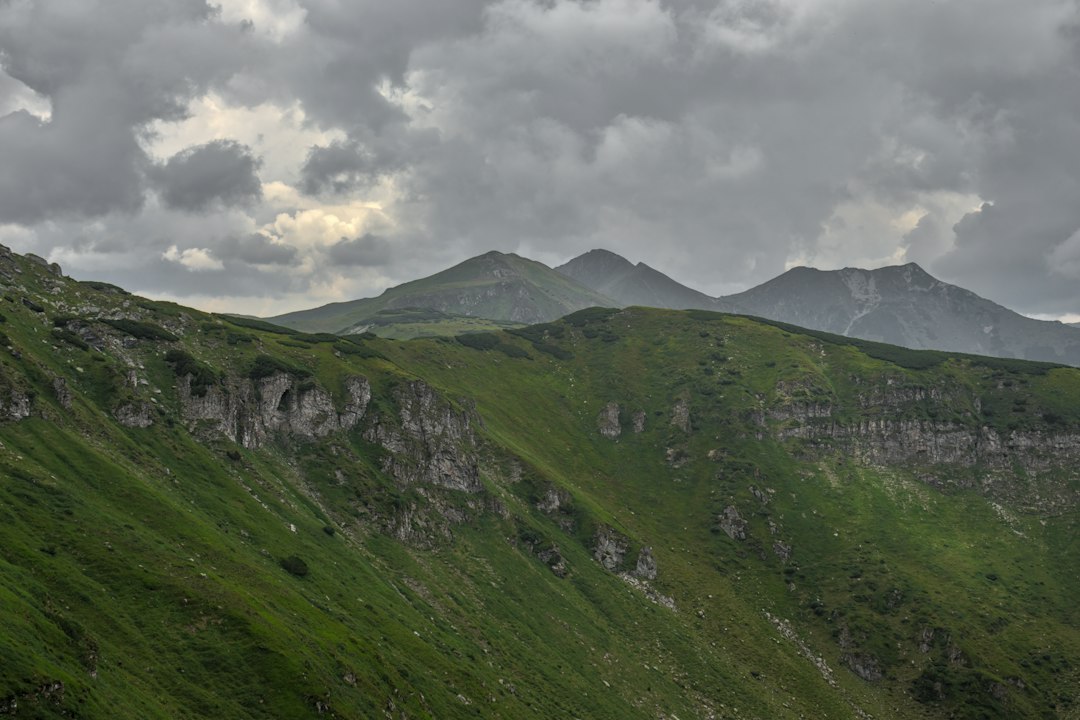
Let's get the geography straight, because the terrain dictates the behavior of every animal here. Retezat National Park Retezat National Park is the core of the story. Established in 1935, it was Romania's first national park, a testament to early 20th-century conservation instincts that are still relevant today. The park is dominated by the Retezat Mountains Retezat Mountains, a range of granite peaks that rise abruptly from the surrounding valleys. The highest point, Petelele Retezatului Petelele Retezatului, reaches 2,509 meters, but the real drama is in the cirques—the bowl-shaped valleys carved by ancient glaciers.
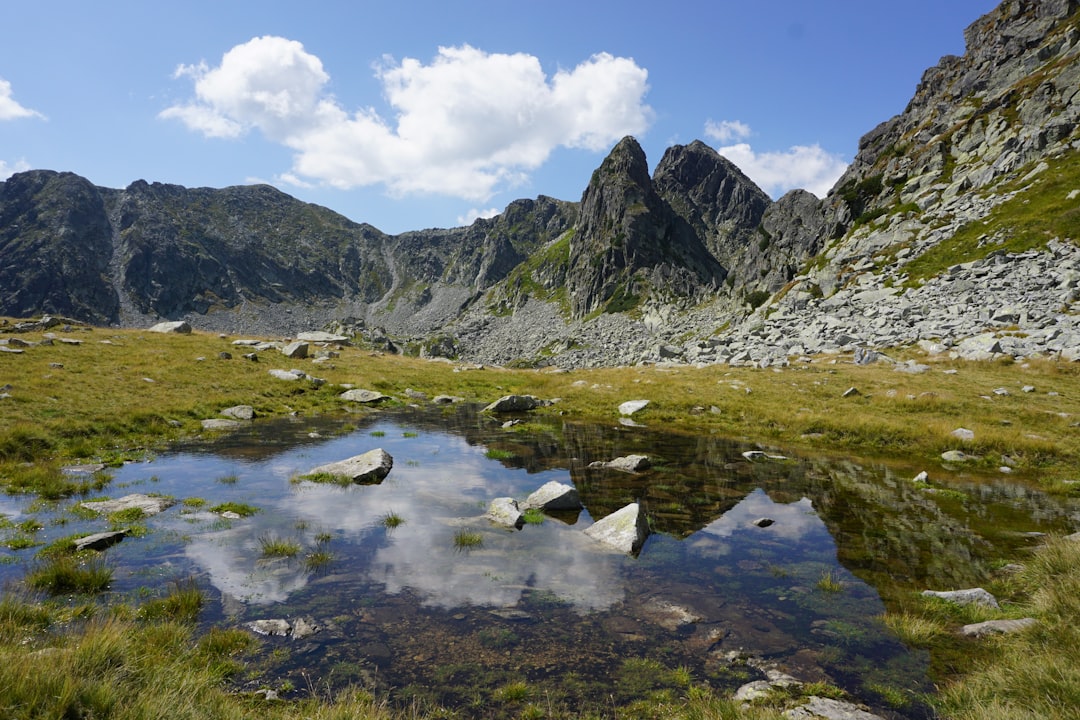
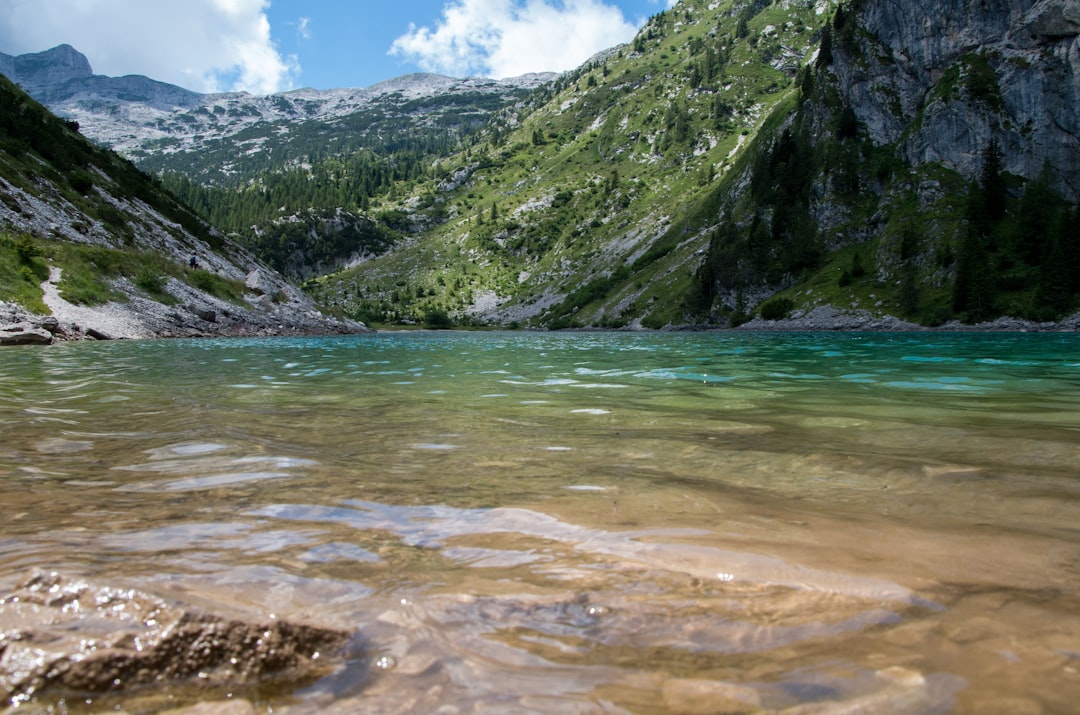
These cirques are home to the Retezat Glacial Lakes Retezat Glacial Lakes, a collection of over 80 alpine lakes. The water is so clear it looks like liquid glass, reflecting the jagged peaks above. But look closer at the shoreline. You'll see tracks. Not just deer or wild boar, but the distinct, wide-padded prints of a large canid. The wolves here are apex predators, keeping the ungulate populations in check, which in turn prevents overgrazing and maintains the delicate alpine ecosystem. The presence of wolves is a sign of a healthy forest. If the wolves are gone, the forest collapses. That's the ecological reality, stripped of romance.
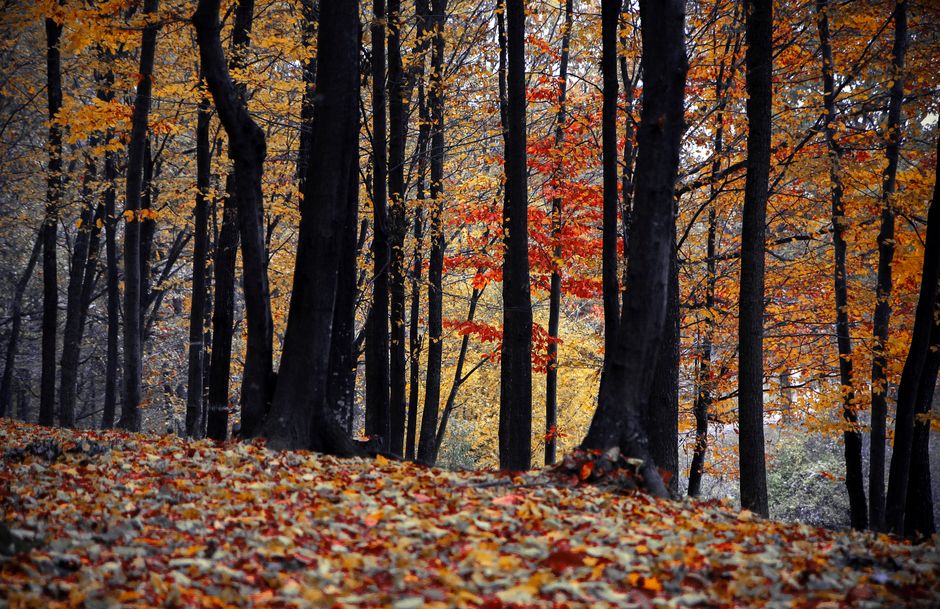
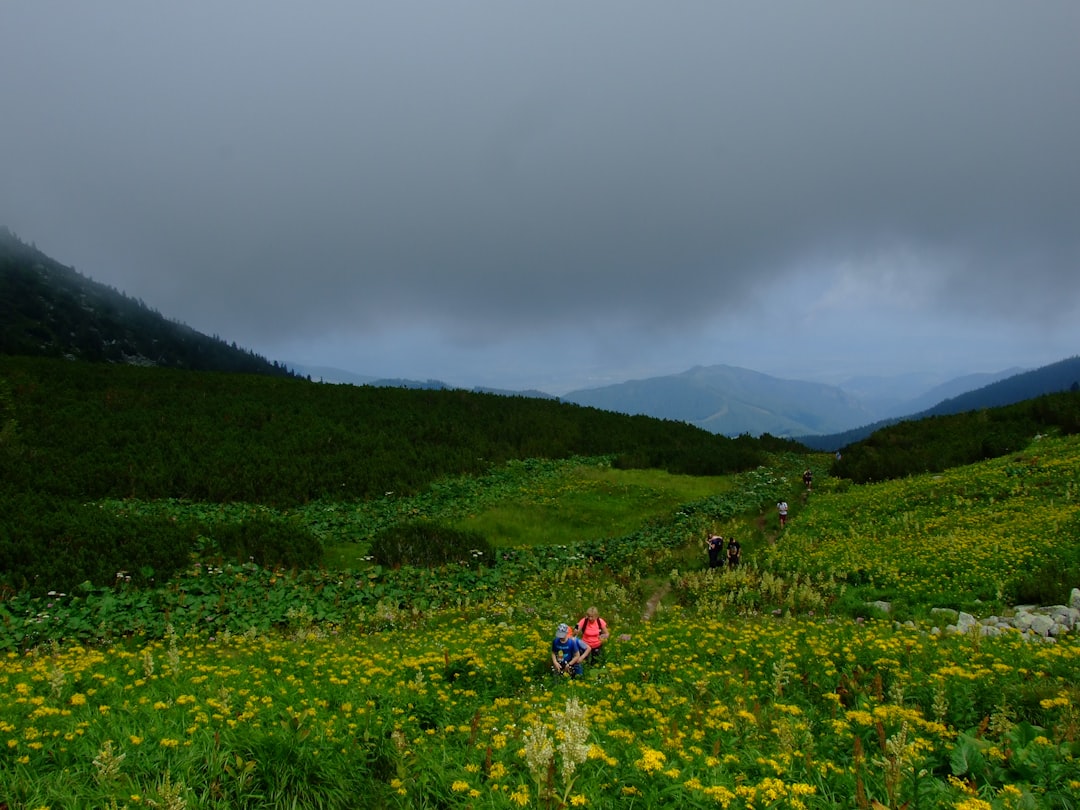
The park is divided into two main zones: the protected core, where hiking is restricted to marked trails, and the peripheral zone, where some shepherding and limited tourism occur. The wolves prefer the dense beech and fir forests in the lower elevations, moving up into the alpine meadows in summer to follow the herds. Understanding this movement is key to any chance of spotting them. You don't look for them on the open ridge; you look for them in the shadow of the tree line, where the light fails and the senses of the wild take over.
Trails of the Predator
You can't just wander in here. The trails are marked, and for good reason. The most accessible route for wolf tracking is the loop around the Deita Lake Deita Lake and the Upper Retezat Lakes Upper Retezat Lakes. This trail is not for the faint of heart. It involves steep ascents, rocky scrambles, and exposure to sudden weather changes. But it passes through the heart of the wolf's territory. The trailhead is at Cioclovina Cave Cioclovina Cave, a dramatic limestone sinkhole that feels like the entrance to another world. From there, you climb into the beech forests, where the canopy is so thick it's dark even at noon.
Another critical route is the approach to Novac Lake Novac Lake, one of the higher and more remote lakes. This trail is less crowded, which means more chance of seeing fresh signs. The path winds through dense spruce forests, where the ground is soft with pine needles. Look for scat, scratch marks on trees, and the occasional howl that echoes from a distant ridge. The key is to move slowly. Wolves have a keen sense of smell and hearing. If you are too loud, too fast, or too aggressive, you will scare them off. Patience is the only currency that matters here.
For those willing to push further, the trail to Bâlea Lake Balea Lake in the neighboring Făgăraș Mountains offers a broader view of the wolf's range, but Retezat is the core habitat. The trails here are marked with red and white paint on rocks and trees. Stick to them. Going off-trail damages the fragile alpine vegetation and increases the risk of getting lost. The park rangers are strict, and for good reason. They are the guardians of this wilderness, and they will not tolerate trespassing.
Signs of the Wild
So, how do you know you're in wolf country? It's not about seeing the animal; it's about reading the landscape. The first sign is the absence of other predators. Wolves displace bears and lynx from prime hunting grounds, so if you see no bear tracks, that's a clue. The second sign is the presence of ungulates. Red deer, roe deer, and wild boar are the primary prey. If you see fresh deer tracks, follow them. The wolves will be following the same path.
Listen for the sounds. The forest is never truly silent. Birds sing, wind rustles the leaves, but there's a specific silence that falls when a predator is near. It's a sudden, eerie quiet. If you hear that, stop. Freeze. Listen. You might hear the low, guttural bark of a wolf, or the distant howl that signals a pack is moving. Don't shine your flashlight into the dark. Use night vision if you have it, or just wait. The wolves are smarter than you. They will watch you, just as you watch them.
Look for physical evidence. Scat is the most common sign. It's often found on trails or near water sources, and it contains hair and bone fragments from their prey. Scratch marks on trees are another sign, often found at eye level for a wolf. And then there's the kill site. If you are lucky, you might find a deer carcass, partially consumed. This is a sacred site for the wolves. Do not approach. Observe from a distance, if at all. Respect their food. This is their kingdom.
Routes & Trail Info
Route 1: Cioclovina to Upper Retezat Lakes Loop
Starting Point: Cioclovina Cave Parking Area
Distance: 14 km (round-trip)
Elevation Gain: 800 m
Estimated Duration: 6-8 hours
Difficulty: Experienced. This route involves steep climbs, rocky terrain, and potential exposure to weather. Not suitable for beginners or those with knee problems.
Route 2: Novaci to Novac Lake
Starting Point: Novaci Village Parking
Distance: 10 km (one-way)
Elevation Gain: 1,200 m
Estimated Duration: 5-6 hours one-way
Difficulty: Intermediate to Experienced. Steep ascent through dense forest. Good for tracking signs, but requires endurance.
Route 3: Peștera to Deita Lake
Starting Point: Peștera Village
Distance: 8 km (one-way)
Elevation Gain: 600 m
Estimated Duration: 4-5 hours one-way
Difficulty: Intermediate. More gradual ascent, suitable for fit hikers. Good for accessing the lower forest zones where wolf signs are common.
Getting There & What to Expect
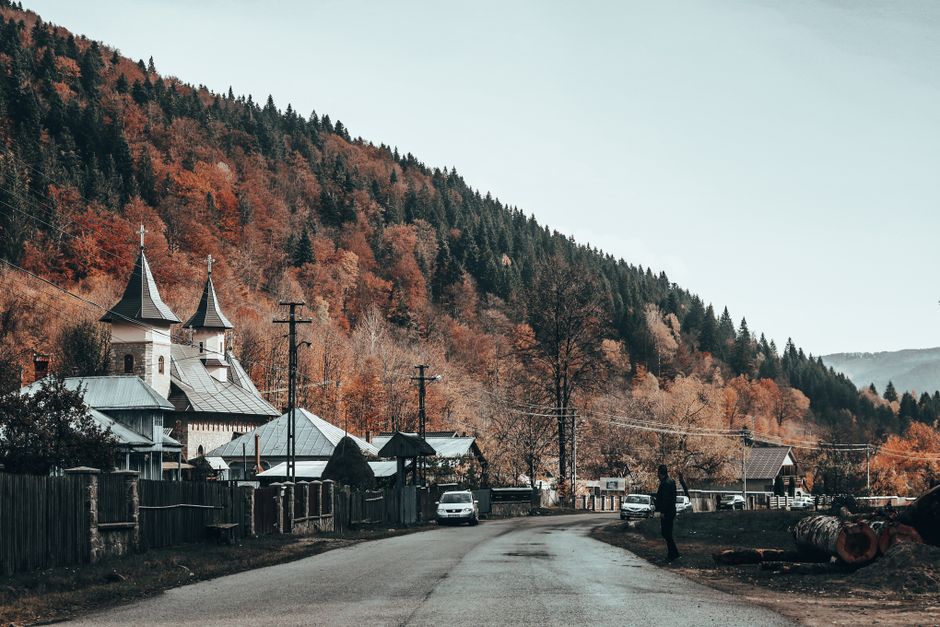
The nearest major city is Timișoara, Romania, which is about 150 km away and takes roughly 2.5 hours by car. From Timișoara, you can take a bus or rent a car and drive south to Novaci, Romania, the gateway town to the park. Buses from Timișoara to Novaci run several times a day and cost around 10-15 EUR. Once in Novaci, you can find local guides who specialize in wildlife tracking. Do not go alone. A guide knows the signs, the safe routes, and how to behave in wolf country.
Accommodation in Novaci is basic but functional. Budget hostels cost around 20-30 EUR per night, while mid-range guesthouses range from 40-60 EUR per night. Inside the park, there are mountain refuges, such as the Retezat Refuge, which offer bunk beds and simple meals. Book in advance, especially in summer. The cost for a night at the refuge is about 15-25 EUR, including dinner and breakfast. Meals in Novaci are affordable, with a typical dinner costing 10-15 EUR per person.
The best months to visit are May through October. May and June offer lush greenery and active wildlife, while September and October provide crisp air and fewer crowds. Winter hiking is possible but requires specialized gear and experience. The trails are icy, and the weather is unpredictable. If you are not an expert, stick to the summer months. Remember, this is wild terrain. There is no cell service in most of the park. Bring a map, a compass, and a satellite phone if you can. Respect the rules, respect the animals, and you might just hear the howl that echoes through the granite peaks.
Search accommodation in Novaci on Booking.com →
The Silence Remains
I left Retezat National Park with empty hands and a full heart. I didn't see a wolf. I didn't see a carcass. I didn't even see a bear. But I heard the silence. I felt the weight of the ancient forest pressing against my skin. I saw the tracks in the mud, the scratch marks on the trees, the scat on the trail. These were the signatures of a ghost, a predator that lives in the shadows, unseen but always present. The shepherd in Novaci was right. They don't like visitors. But they tolerate them, as long as we stay on the path, stay quiet, and stay humble. This is not a theme park. This is the wild. And in the wild, you are not the master. You are the guest. And sometimes, the best souvenir is the memory of a howl that fades into the mist, leaving you alone with the granite and the ice, wondering what is watching you from the dark.
Comments