


History & Identity
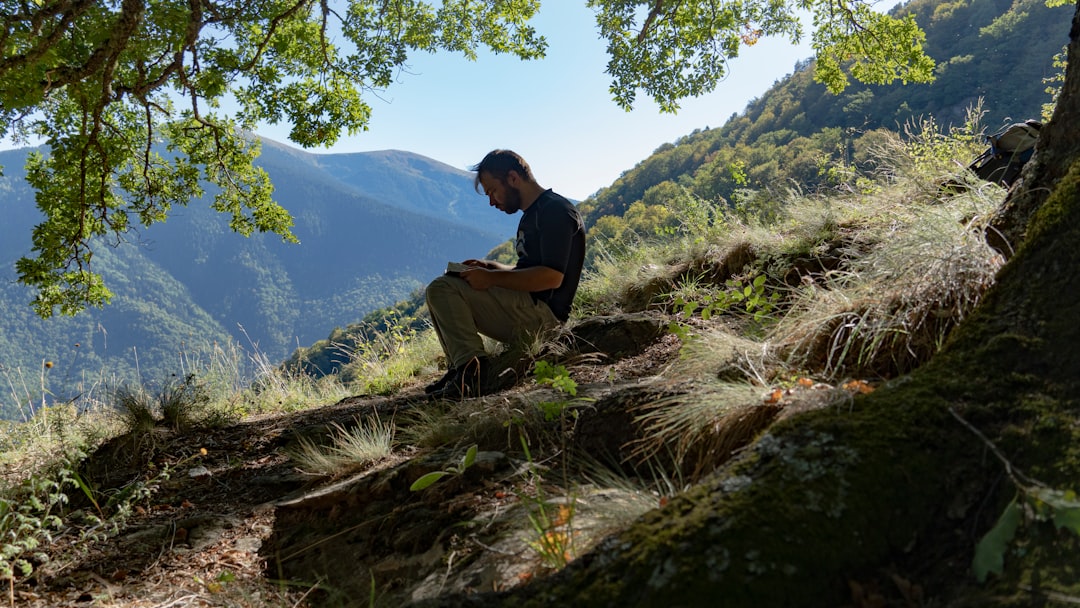
The first thing that hits you isn't the smell of incense or the sight of gold leaf. It's the silence. It's a heavy, deliberate silence that swallows the roar of the Rila Mountains behind you. I arrived at Rila Monastery with a notebook full of questions and a head full of noise, expecting a spiritual retreat. Instead, I found a fortress of faith that has survived Ottoman sieges, communist purges, and the relentless march of modern tourism. The monks here don't just preserve history; they weaponize it against forgetfulness.
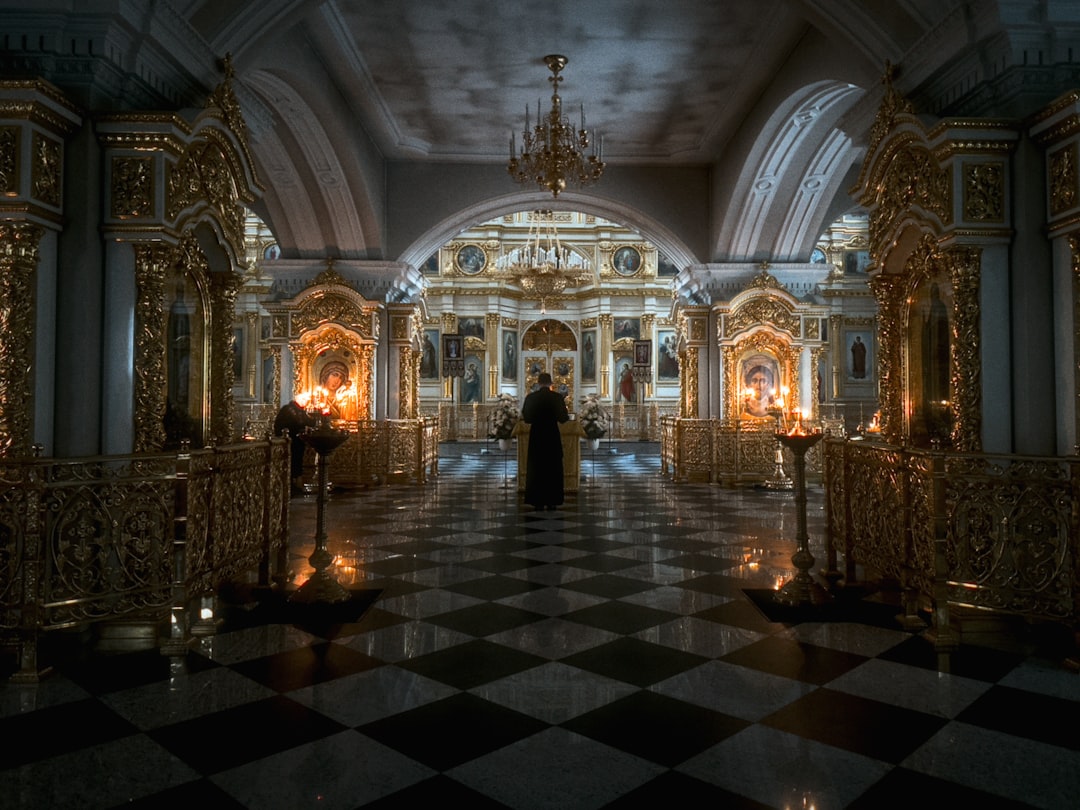
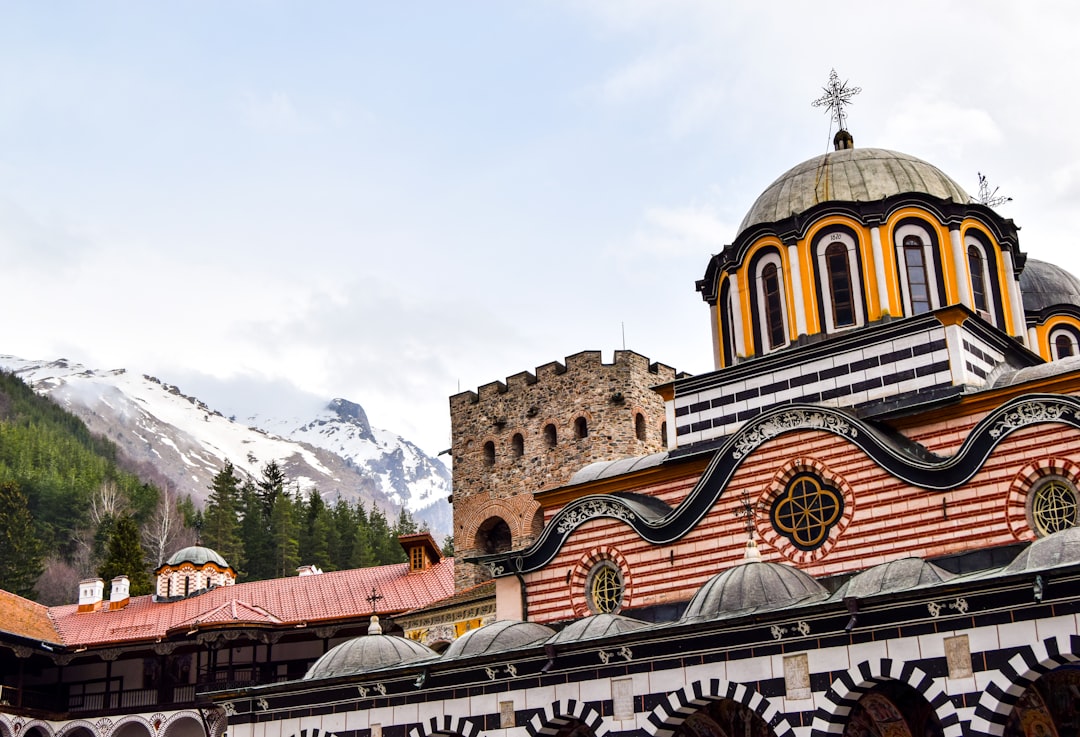
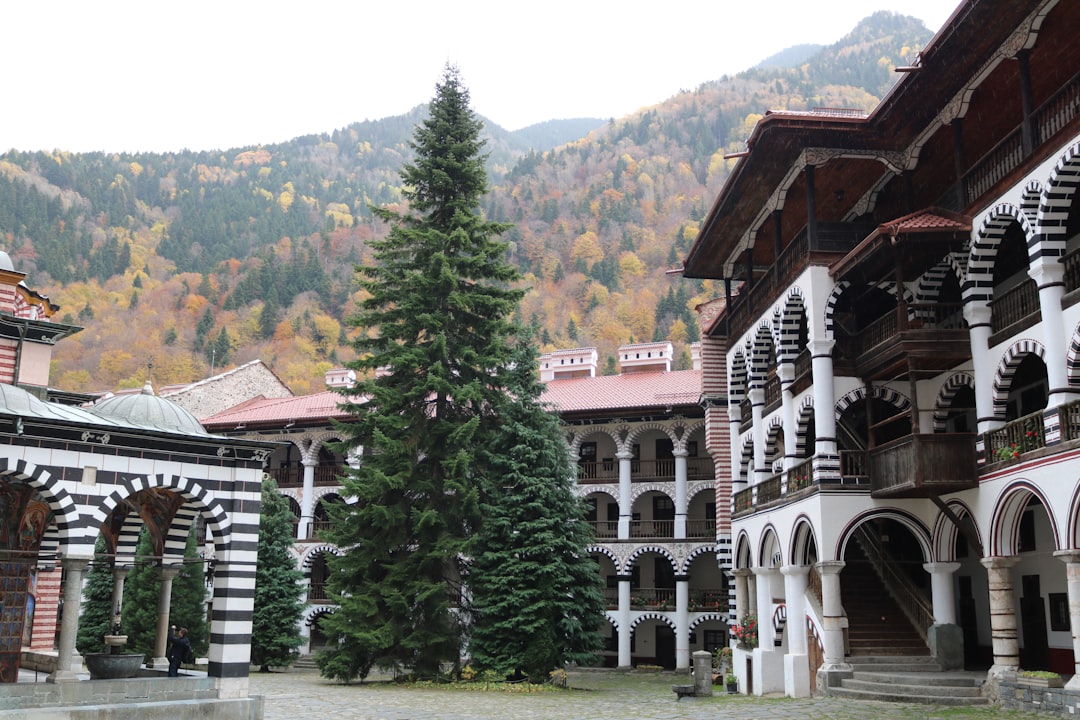
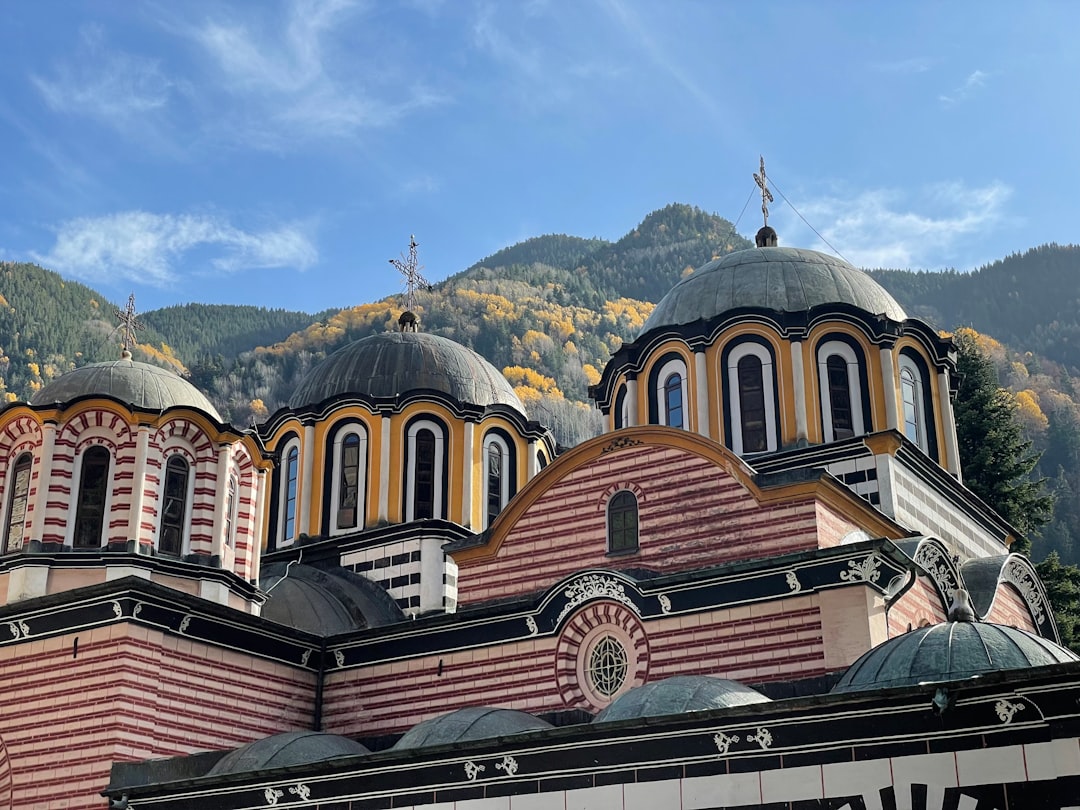
Built in the 10th century, this place is the spiritual heart of Bulgaria. It was destroyed, rebuilt, sacked, and saved, over and over. The current baroque structure you see today is largely from the 19th century, a defiant statement of Bulgarian identity during the Ottoman era. Inside, the air is thick with the scent of beeswax and old paper. The iconostasis, a towering wall of religious paintings, is so ornate it feels like stepping inside a jewelry box. But look closer. Behind the gold leaf are layers of struggle. This isn't just a church; it's a museum of survival.
The monastery's role in preserving Bulgarian culture during centuries of foreign rule cannot be overstated. It was a center of education, a printing house, and a sanctuary for those fleeing persecution. Today, it stands as a symbol of national resilience. The monks, still living by ancient rules, offer a glimpse into a world that moves at a different pace. Their hospitality is genuine, but their boundaries are firm. This is their home, not a theme park.
Where to Go
The Main Church of the Nativity of the Virgin — The crown jewel of the complex. The interior is a shock to the system: blinding gold, intricate wood carvings, and frescoes that seem to move in the flickering candlelight. Entry is free, but donations are expected. Go early in the morning to avoid the tour bus crowds and experience the space in relative peace. The acoustics are incredible; even a whisper echoes with reverence.
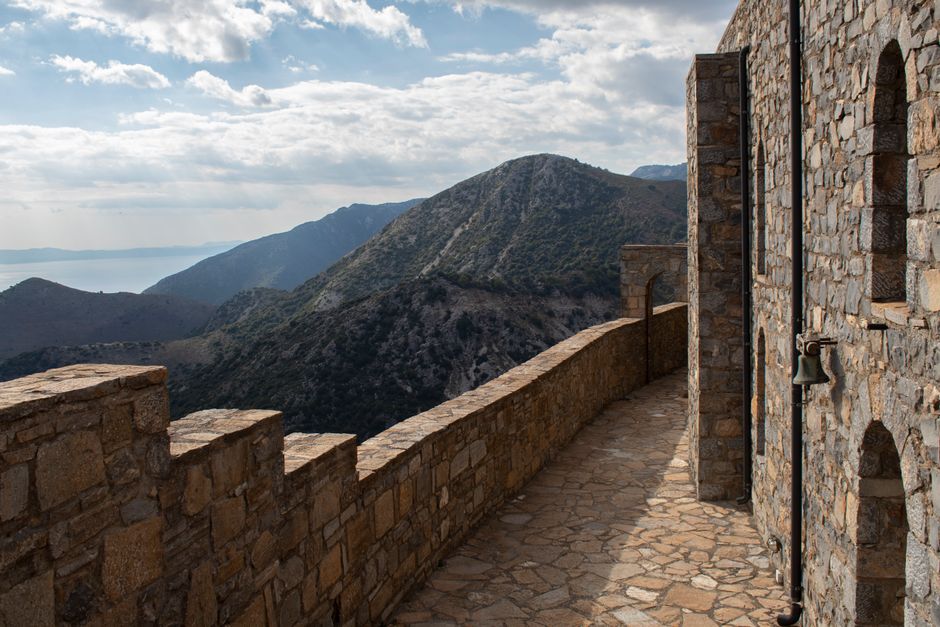
The Bell Tower — Rising 62 meters above the complex, this tower offers a panoramic view of the monastery and the surrounding mountains. Climbing the 200 steps is a workout, but the view is worth it. You can see the layout of the entire monastery, the surrounding forests, and on a clear day, the peaks of the Rila range. It's a great spot for photos, but remember to be respectful of the monks who are praying below.
The Monastery Museum — Located in the basement of the main church, this small but powerful museum houses icons, manuscripts, and artifacts from the monastery's history. The collection is modest but deeply moving. You'll see original manuscripts, some dating back to the 12th century, and personal items of the monks who lived here. The entry fee is 5 EUR, and the visit takes about 30 minutes. It's a quiet, reflective space that provides context for what you're seeing above ground.
The Refectory — The monks' dining hall is open to visitors, and you can watch them eat their simple meals. The atmosphere is solemn and disciplined. You won't hear chatter or laughter. It's a glimpse into the daily life of the community. There's a small cafe where you can buy coffee and pastries, but the real experience is observing the ritual of the meal.
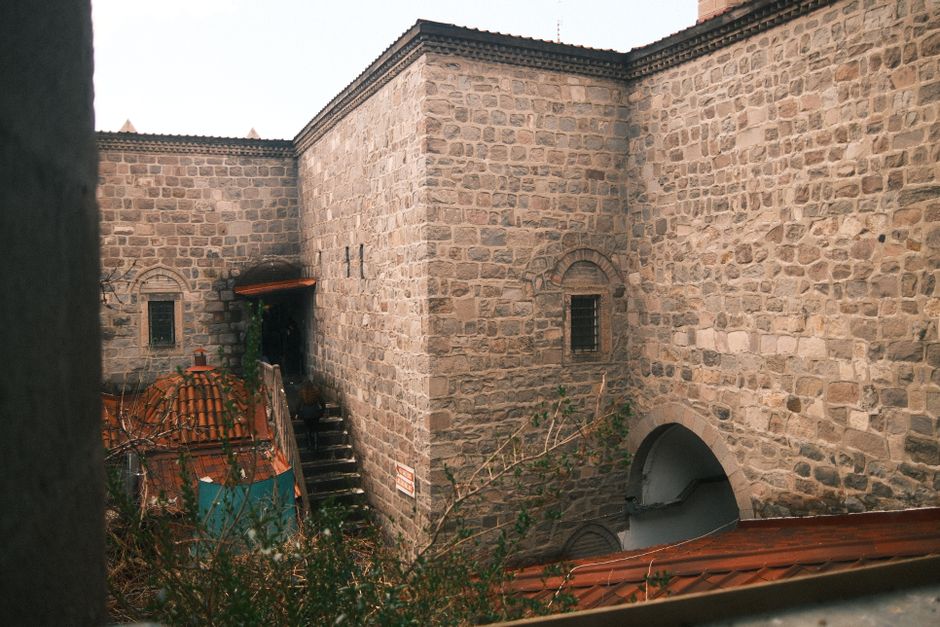
The Outer Walls and Courtyards — The monastery is surrounded by high walls, a reminder of its defensive past. Walk along the perimeter and explore the smaller courtyards and gardens. You'll find smaller chapels, a library, and workshops where the monks create icons and candles. It's easy to get lost in the maze of paths, but that's part of the charm. Take your time and let the silence wash over you.
What to Eat & Drink
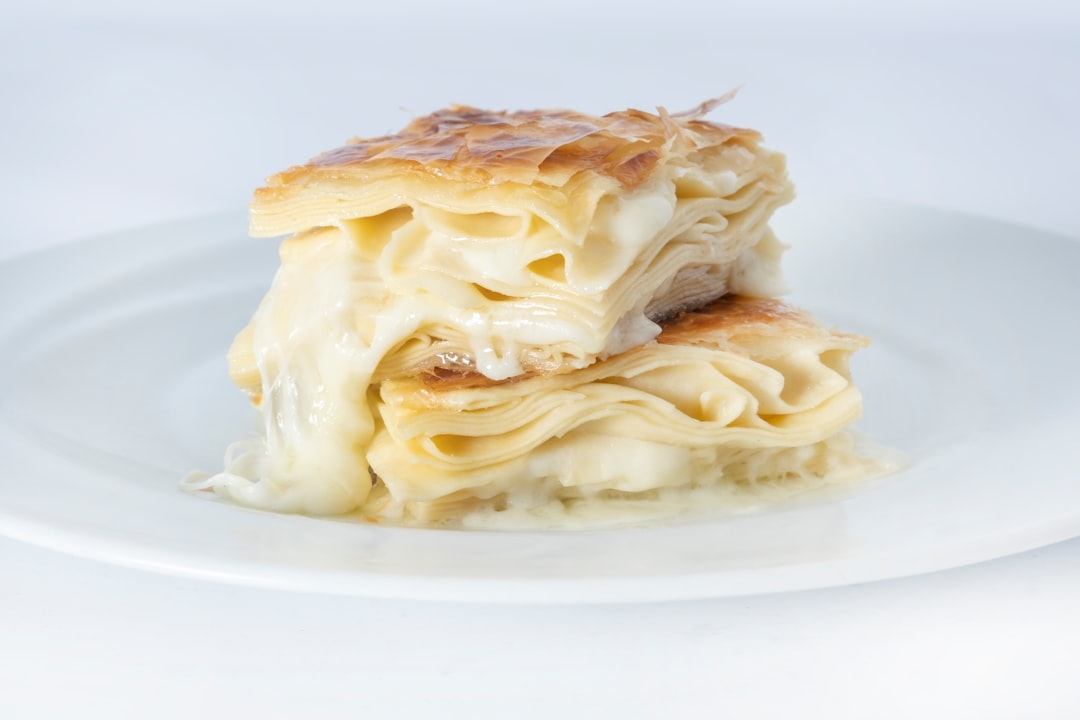
Food at Rila Monastery is simple, hearty, and deeply connected to the land. The monks grow much of their own produce, and the meals reflect this self-sufficiency. You won't find fancy gourmet dishes here. Instead, you'll find banitsa (a savory pastry filled with white cheese) for 2-3 EUR, shopska salata (a fresh tomato, cucumber, and onion salad with cheese) for 3-4 EUR, and shopska pita (a pie filled with potatoes and cheese) for 4-5 EUR. These are staples of Bulgarian cuisine, and they taste best when made fresh.
For a sit-down meal, the monastery's restaurant offers a range of traditional dishes. A full meal, including a main course, salad, and drink, will cost you around 10-15 EUR. The food is good, but the experience is more about the setting than the cuisine. The restaurant has a large terrace with views of the mountains, making it a perfect spot for a leisurely lunch.
For budget travelers, there are several small cafes and kiosks around the monastery where you can buy coffee, tea, and pastries. A coffee and a pastry will set you back around 3-5 EUR. There's also a small supermarket in the nearby village of Rila where you can buy groceries for a picnic. This is a great option if you want to save money and enjoy the scenery.
Nightlife
Let's be clear: there is no nightlife at Rila Monastery. The monks observe strict rules of silence and prayer, and the complex closes to visitors in the evening. The nearest town, Rila, is small and quiet. There are a few bars and cafes, but they close early. If you're looking for clubs and late-night entertainment, you'll need to head to Sofia, which is about two hours away. The beauty of Rila Monastery is its tranquility. Embrace the silence and let the darkness fall.
Getting There & What to Expect
The nearest major city is Sofia, about 120 kilometers away. You can reach Rila Monastery by bus, car, or organized tour. Buses run regularly from Sofia's Central Bus Station, and the journey takes about 2.5 hours. A one-way ticket costs around 8-10 EUR. If you're driving, the road is well-maintained and offers stunning views of the mountains. Parking is available near the monastery, and it costs 2-3 EUR per day.
Accommodation options are limited. There are several guesthouses and hotels in the village of Rila, with prices ranging from 30-50 EUR for a budget room to 80-120 EUR for a mid-range hotel. The monastery itself does not offer accommodation to visitors. The best time to visit is between May and October, when the weather is mild and the trails are accessible. Winter visits are possible, but the roads can be icy and slippery.
Search accommodation in Rila on Booking.com →
The Weight of the Silence
I left Rila Monastery with my notebook untouched. Some things can't be written down. The silence there isn't empty; it's full. It's full of prayers, of history, of a thousand years of faith. It's a place that demands respect, not just admiration. You don't just visit Rila Monastery; you surrender to it. And in a world that's constantly screaming for attention, that surrender is a rare and precious thing. The gold leaf will fade, the frescoes will crack, but the silence will remain. It's the one thing the monks have kept, and it's the one thing you'll take with you.
Comments