


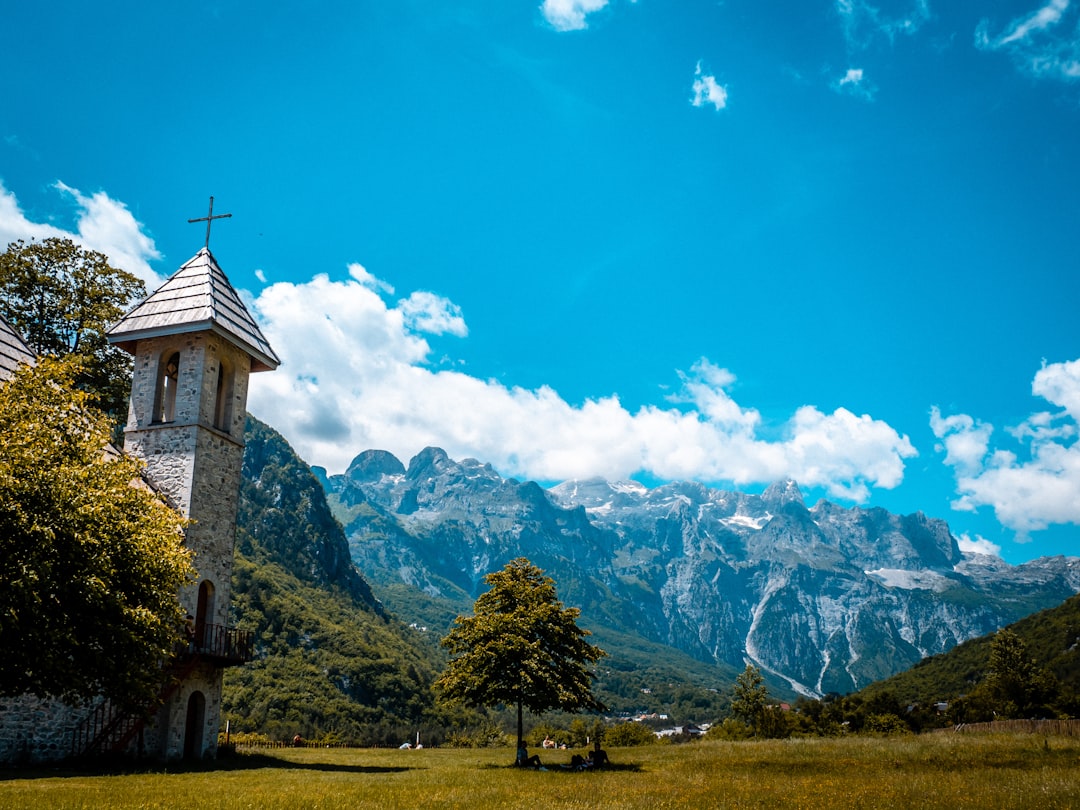
The road to Theth doesn't end; it just gives up. My rental Dacia, a rusted relic that smelled of stale tobacco and diesel, groaned against the asphalt as it climbed the serpentine pass from Shkodra. The driver, a local man named Besnik with a cigarette permanently wedged in his lip, didn't speak English, didn't seem to care about my nervous glances at the sheer drops, and drove with the terrifying confidence of someone who had done this route every day since 1990. Outside, the clouds weren't above us; they were inside the car, swirling through the cracked windows, turning the world into a wet, gray soup. This is the Prokletije Prokletije, the Accursed Mountains, where the geography feels less like a landscape and more like a physical argument between the earth and the sky. You don't just visit this place; you survive it, or it spits you out.
I arrived at the trailhead with my boots muddy, my lungs burning, and a profound sense of isolation that hit me harder than the altitude. There are no ticket booths here, no rangers handing out maps, no Starbucks on the corner to warm your hands. There is only the stone, the silence, and the occasional bleat of a goat that looks at you with the judgmental stare of a creature that has seen civilizations rise and fall while it chewed cud. This is the raw, unpolished spine of the Balkans, and it demands respect.
The Stone Cathedral
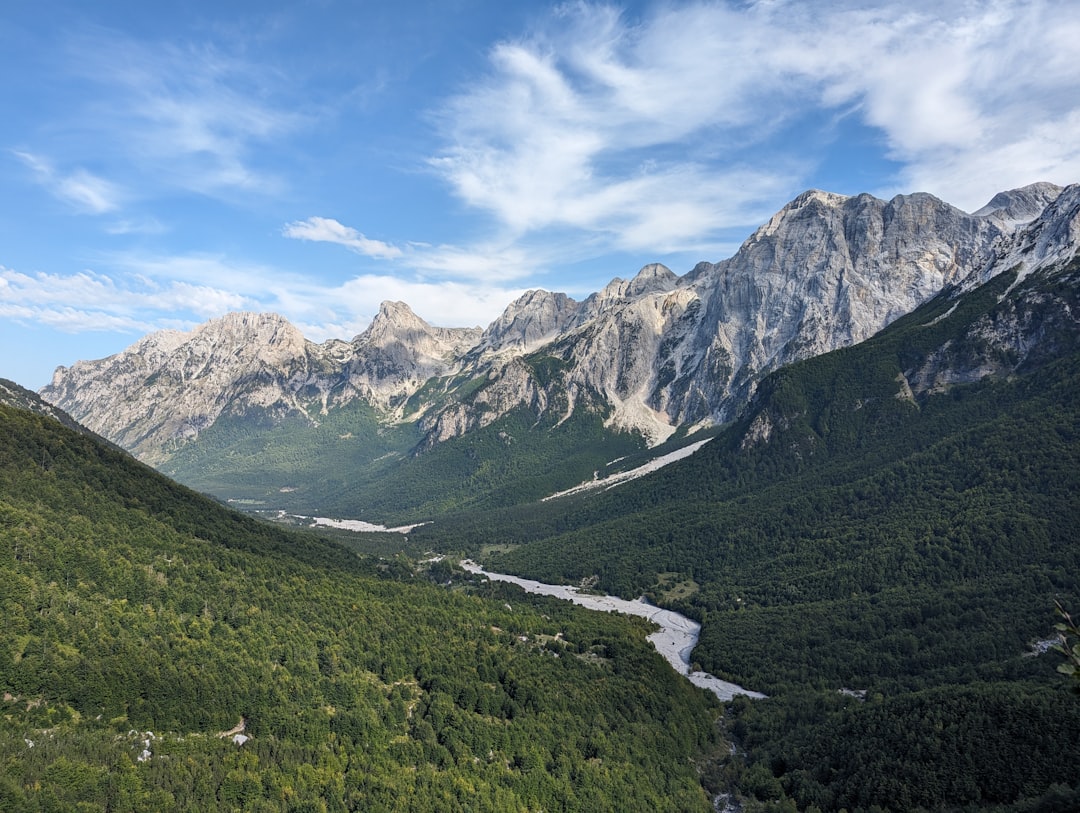
The Accursed Mountains are not gentle. They are jagged, vertical, and imposing, stretching along the border of Albania, Montenegro, and Kosovo. The name Prokletije Prokletije translates to "Accursed," a name given by locals who believed the terrain was too harsh for human habitation, a place where the gods themselves had cursed the ground. But curse it did. The peaks rise abruptly from the valleys, creating a landscape that feels ancient and untouched. The air here is thin and sharp, tasting of pine resin and cold stone. It is a place where time moves differently, measured not in hours but in the slow erosion of rock and the migration of sheep.
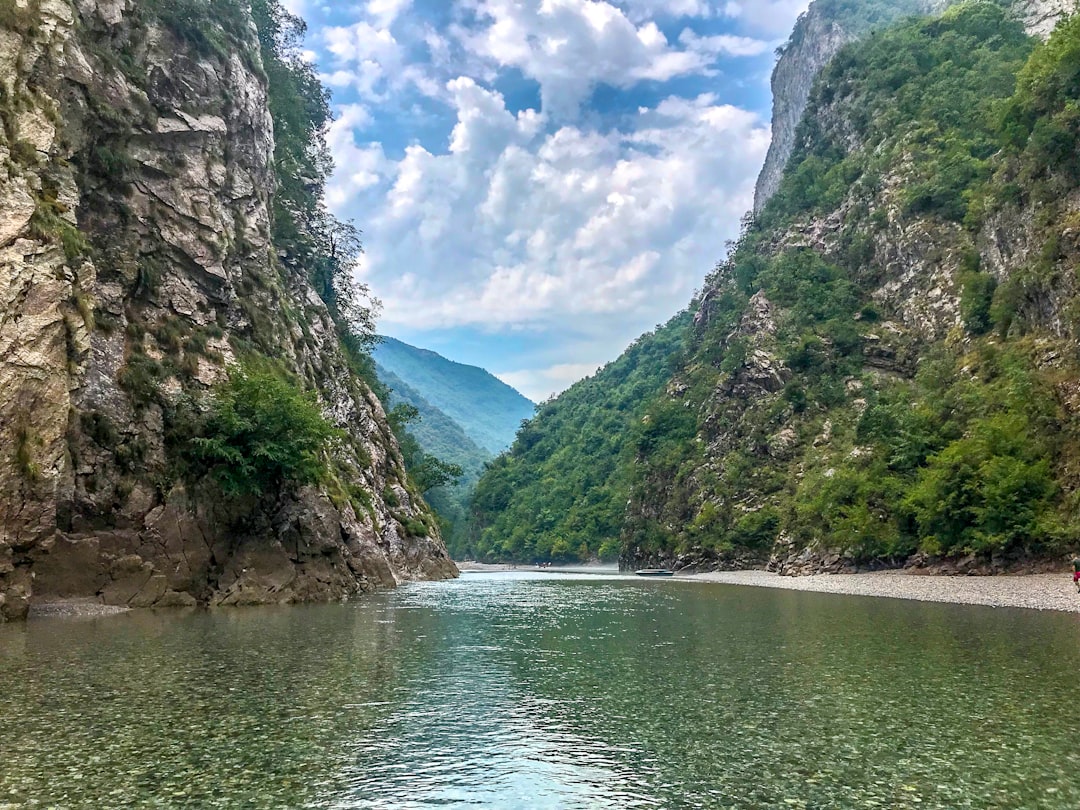
The region is part of the Albanian Alps Albanian Alps, a subrange of the Dinaric Alps. The geology is dramatic, with limestone formations that have been carved by glaciers into sharp ridges and deep valleys. Water is everywhere, tumbling down in waterfalls that seem to defy gravity, pooling in crystal-clear lakes that reflect the sky with a clarity that feels almost artificial. The biodiversity is staggering, with rare species of flora and fauna that have adapted to the harsh conditions. It is a wilderness that feels genuinely wild, not curated for tourism, not sanitized for comfort. It is raw, untamed, and utterly captivating.
The Trail: Theth to Valbona
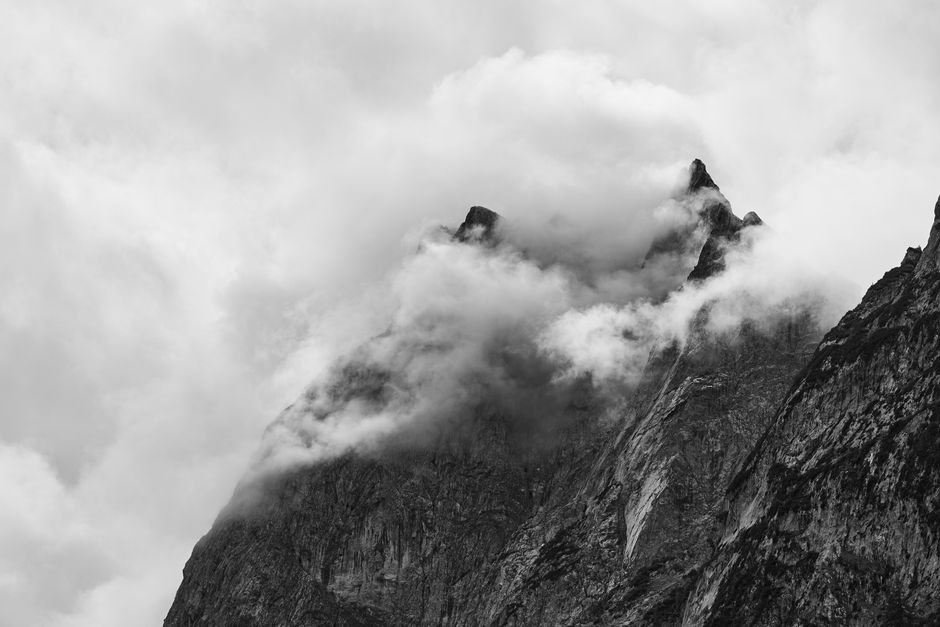
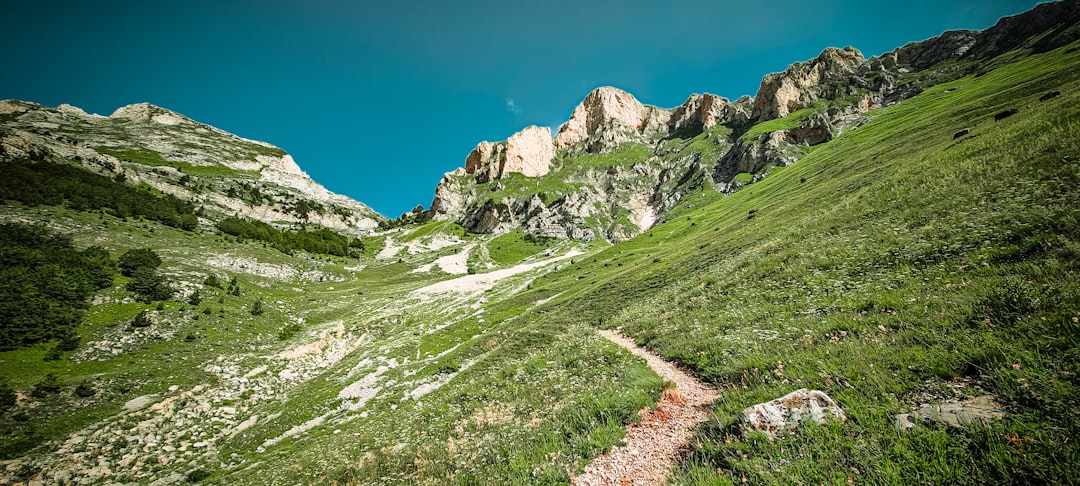
The most famous trek in the region is the crossing from Theth Theth to Valbona Valbona. It is a classic route, well-trodden but far from easy. The trail begins in the village of Theth, perched high in a valley surrounded by towering peaks. From there, it climbs steeply to the Theth Pass Theth Pass, a saddle that offers panoramic views of the surrounding mountains. The descent into Valbona is equally challenging, winding down through dense forests and alongside rushing streams. The entire trek takes about 6-8 hours, depending on your pace and how many breaks you take to catch your breath or admire the view.
The trail is not marked consistently, so navigation skills are essential. You will need a good map, a compass, and the ability to read the terrain. The path can be rocky and uneven, with sections that are steep and exposed. Weather can change rapidly, so be prepared for rain, wind, and even snow, even in summer. The lack of infrastructure means there are no rescue teams, no cell service, and no easy way out if you get into trouble. This is not a hike for the faint of heart. It is a commitment, a test of endurance and mental fortitude. But if you are up to the challenge, the reward is a sense of accomplishment that is hard to match anywhere else.
Along the way, you will encounter shepherds tending their flocks, their dogs watching you with wary eyes. You might see a group of locals carrying supplies on their backs, moving with a grace that speaks of a lifetime spent on these slopes. These are the people who call this harsh landscape home, who have adapted to its rhythms and respected its power. They live in a world that is increasingly disconnected from the modern age, yet they are not isolated. They are part of a larger community, connected by family ties and shared traditions. Their presence adds a human dimension to the landscape, reminding you that this is not just a wilderness, but a home.
Routes & Trail Info
Route Name: Theth to Valbona Crossing
Starting Point: Theth Village Center
Ending Point: Valbona Village
Total Distance: 13 km (one-way)
Elevation Gain: 700 meters
Estimated Duration: 6-8 hours
Difficulty: Intermediate to Experienced
The trail is suitable for hikers with a good level of fitness and some experience in mountain terrain. It is not recommended for beginners or those with knee problems, as the steep sections can be taxing. Children over the age of 10 may be able to do it, but it depends on their fitness level and experience. The trail is open from May to October, but the best time to go is late spring or early autumn, when the weather is stable and the crowds are smaller. In summer, the trail can be hot and crowded, with many tourists attempting the crossing. In winter, the trail is closed due to snow and ice.
There are no facilities along the trail, so you must carry all your own food, water, and supplies. It is advisable to bring at least 2-3 liters of water per person, as there are no reliable water sources along the route. You should also bring a first-aid kit, a headlamp, and extra clothing in case the weather changes. If you plan to stay overnight in Valbona, book your accommodation in advance, especially during peak season. There are several guesthouses in the village, ranging from basic to comfortable, with prices starting at 20-40 EUR per night.
Getting There & What to Expect
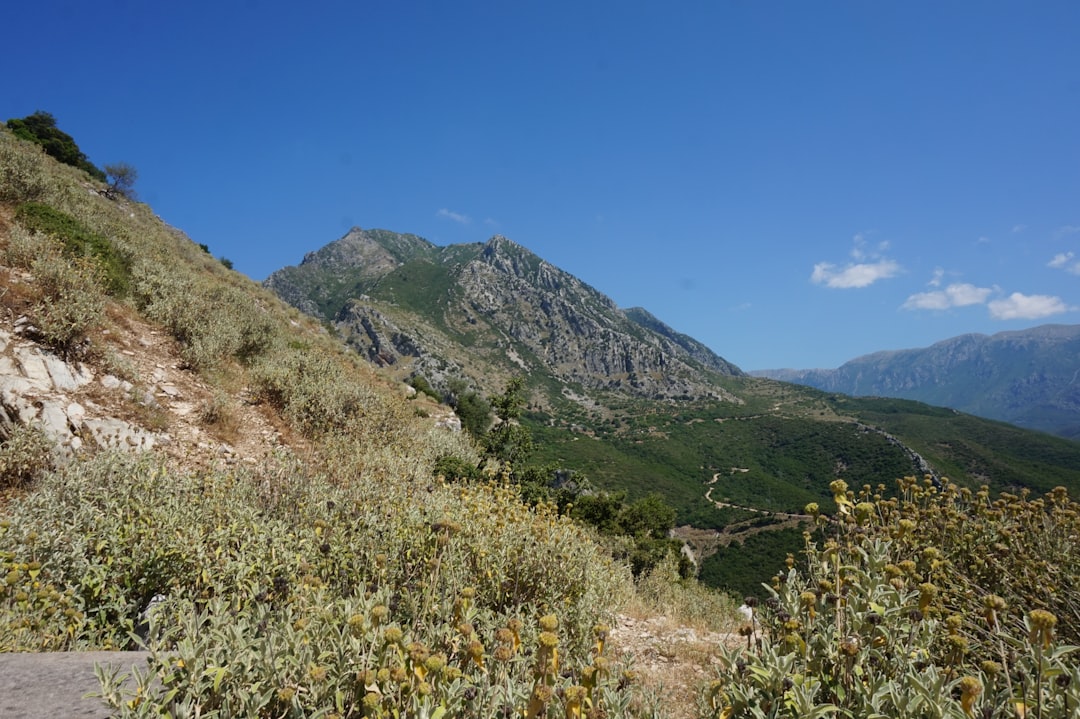
Getting to Theth is an adventure in itself. The nearest major city is Shkodra Shkodër, which has an airport with limited international connections. From Shkodra, you can take a bus or a minivan to Theth, a journey of about 2-3 hours depending on road conditions. The bus is cheaper, costing around 5-10 EUR per person, but the minivan is faster and more comfortable. Alternatively, you can rent a car and drive yourself, but be prepared for rough roads and challenging driving conditions. The road to Theth is narrow, winding, and often damaged, so drive carefully and allow plenty of time.
Once in Theth, you can stay in one of the many guesthouses in the village. Prices range from 15-30 EUR for a basic room to 40-60 EUR for a more comfortable option with private bathroom. Meals are affordable, with a typical lunch costing 5-10 EUR and dinner 8-15 EUR. The food is hearty and homemade, featuring local specialties like byrek, qofte, and fresh cheese. There are no supermarkets in Theth, so bring snacks and supplies from Shkodra if you need them.
The village of Valbona, at the end of the trail, is slightly larger and has more amenities. There are several guesthouses, restaurants, and a small shop. Prices are similar to Theth, with accommodation starting at 20-40 EUR per night. The village is located in the Valbona Valley National Park Valbona Valley National Park, a protected area that is home to bears, wolves, and eagles. Keep an eye out for wildlife, but do not approach or feed them. The park is managed by the Albanian government, which is working to promote sustainable tourism and protect the natural environment.
Search accommodation in Theth, Albania on Booking.com →
The Last Stretch
I reached the edge of Valbona as the sun began to dip below the peaks, painting the sky in shades of orange and purple. My legs ached, my feet were blistered, and my pack felt heavier than it had all day. But I didn't care. I sat on a rock, pulled out a piece of dry bread, and just watched. The valley below was quiet, the only sound the rush of the river and the distant bleat of a sheep. I felt small, insignificant, and yet somehow connected to everything around me. This is the magic of the Accursed Mountains. They strip you down, remove the noise and the distractions, and leave you with nothing but the essentials. And in that emptiness, you find something real. Something true. I drank the last of my water, stood up, and walked into the village, ready for a hot shower, a stiff drink, and a night of sleep that would last forever.
Comments