


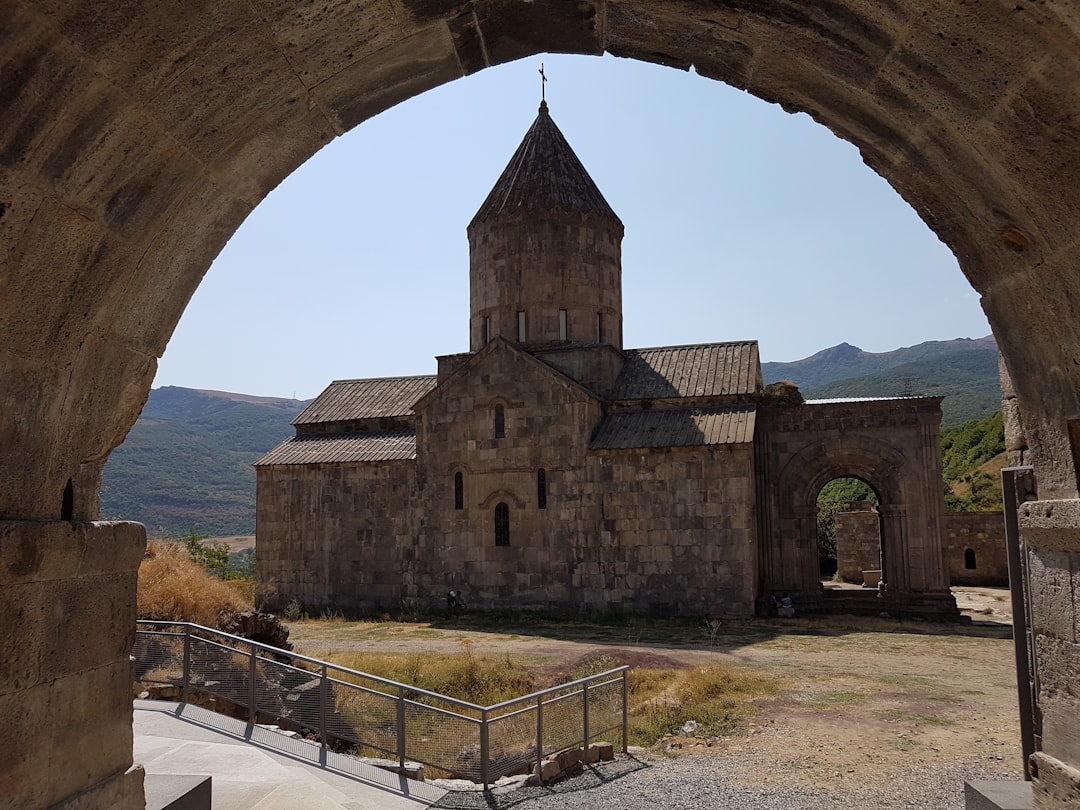
I drove into the Ibar River valley with a head full of cheap rakija and a heart full of noise, expecting a quiet stop on the way south. I was wrong. The air here doesn't just smell of pine and damp stone; it smells of incense that hasn't burned out for eight centuries. I parked my rental car, kicked off my shoes, and walked across the cold flagstones of the courtyard. A monk, older than the trees surrounding the complex, looked at me with eyes that had seen empires rise and crumble without blinking. He didn't smile. He just pointed toward the Church of the Virgin Mary and said something in Serbian that sounded like a warning. I followed him. The silence inside was heavy, physical. It pressed against my eardrums. This isn't a tourist trap. This is a fortress of faith, painted in gold and egg yolk, where the icons stare back at you with a judgment that feels uncomfortably personal.
Studenica isn't just a building. It's a statement. King Stefan Nemanja founded this place in 1190, turning his back on a kingdom to become a monk, leaving his son to fight the wars. The walls are thick, the architecture is austere, but the inside? The inside is a riot of color and theology. The iconography here isn't decorative. It's a weapon. It's a way of teaching the illiterate masses about heaven, hell, and everything in between, using visual language so potent it still stops you in your tracks today. I spent hours sitting on the stone floor, ignoring the "do not sit" signs, just watching the light shift across the frescoes of the Nemanjić dynasty. They look less like saints and more like tired kings who finally found rest.
History & Identity
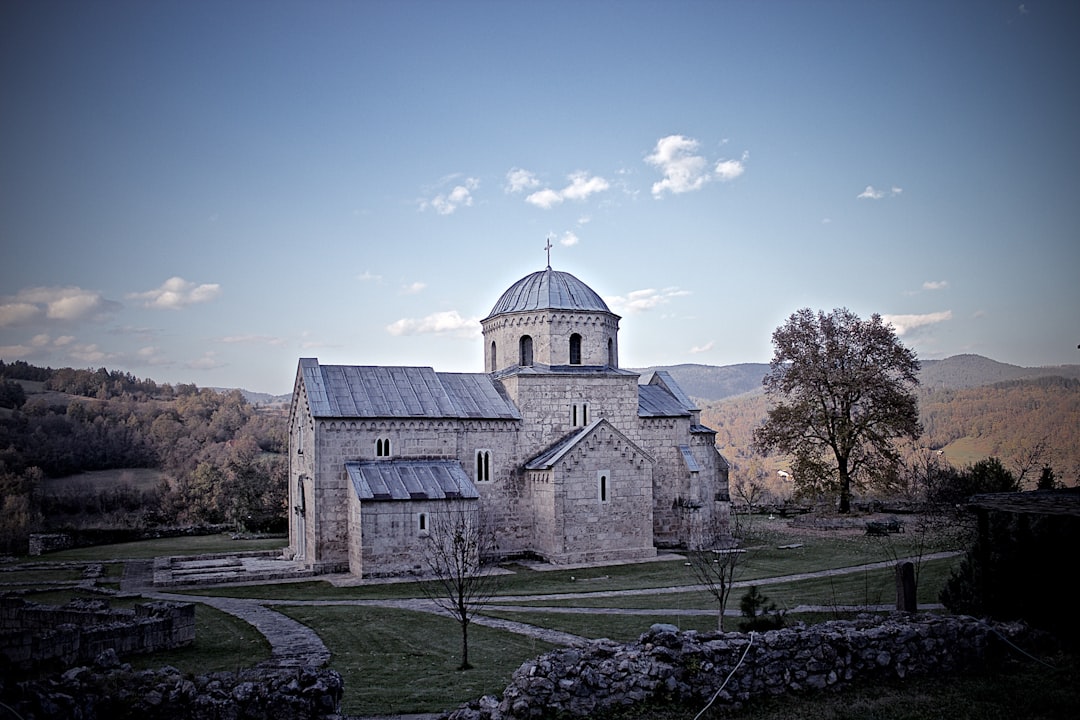
The story of Studenica is the story of Serbia itself: a cycle of creation, destruction, and stubborn rebirth. Founded by Stefan Nemanja, the father of the medieval Serbian state, the monastery was intended to be the spiritual center of his new kingdom. It wasn't just a place for prayer; it was a political tool, a way to legitimize the Nemanjić dynasty through divine right. The architecture reflects this dual purpose. The exterior is fortress-like, with thick walls and small windows, designed to withstand sieges. The interior, however, is a celebration of Byzantine art, filled with light and color.
Over the centuries, Studenica has been burned, looted, and abandoned. The Ottomans, the Austrians, and even modern wars have left their scars. But each time, the monks returned. The frescoes we see today are a palimpsest, a layering of different artistic periods. The earliest works, from the 12th and 13th centuries, show a direct influence from Constantinople. Later additions, from the 14th and 15th centuries, reflect the unique Serbian style that emerged as the kingdom expanded. The most famous fresco, the "Last Judgment," is a masterpiece of 14th-century art, depicting the end of the world with a terrifying clarity that still chills modern visitors.
Today, Studenica is a living monastery, part of the Serbian Orthodox Church. It is also a UNESCO World Heritage site, recognized for its cultural and historical significance. But to call it a "museum" is a mistake. The monks here are not actors. They are caretakers of a tradition that has survived against all odds. The iconography is not just art; it is a living testament to faith, resilience, and the enduring power of the human spirit.
Where to Go
The Church of the Virgin Mary — This is the heart of the complex, built in the 12th century. The frescoes inside are the main draw, featuring some of the finest examples of medieval Serbian art. The "Last Judgment" fresco is the highlight, a massive panel that covers the entire western wall of the church. Entry is 5 EUR for adults, which supports the maintenance of the site. Visit early in the morning to avoid the tour groups and catch the light hitting the icons just right.
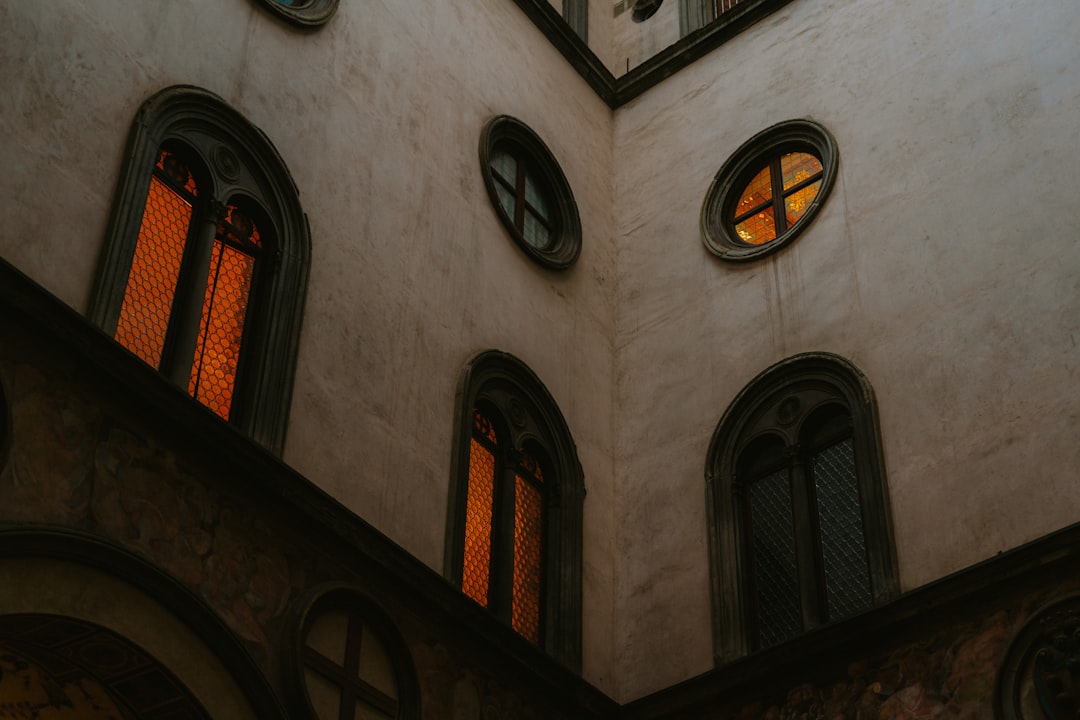
The Church of St. Nicholas — Built later, in the 14th century, this smaller church is often overlooked by visitors. But it holds some of the most intimate and personal frescoes in the complex. The style is softer, more emotional, reflecting the changing tastes of the later medieval period. It's a quiet place, perfect for reflection. There is no separate entry fee; it's included in the main ticket.
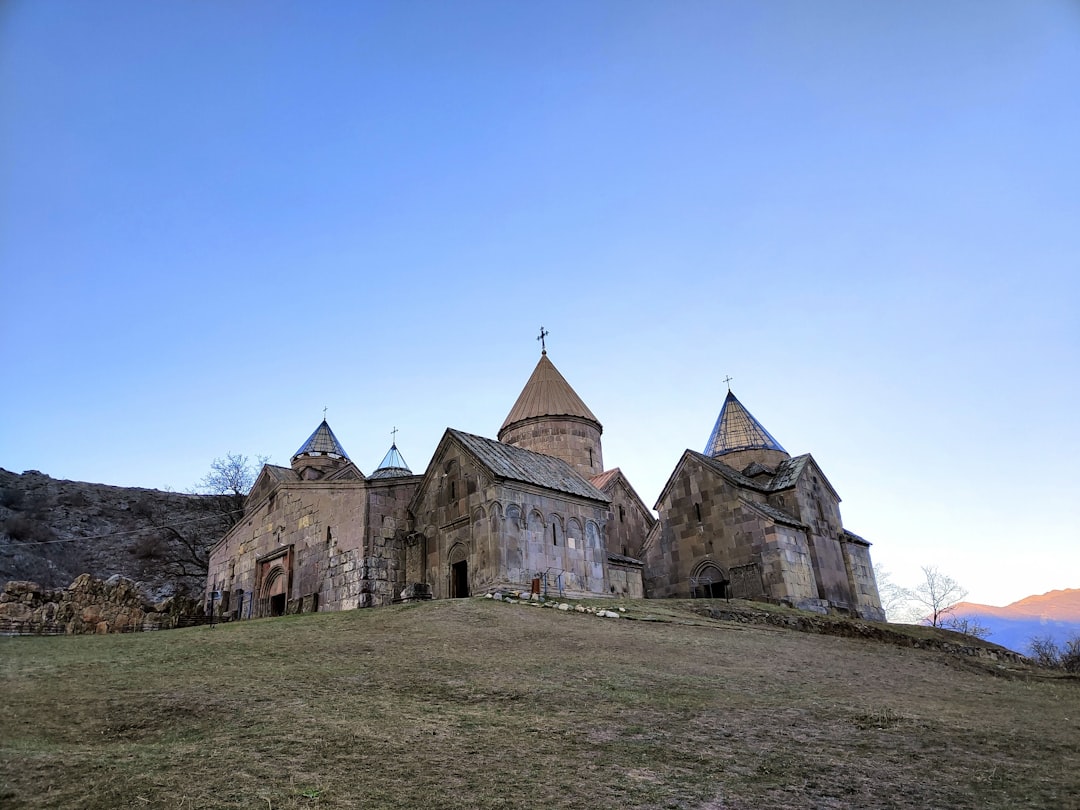
The Nemanjić Mausoleum — Located in the western part of the Church of the Virgin Mary, this is where King Stefan Nemanja and his son, Saint Sava, are buried. The sarcophagi are simple stone boxes, but the spiritual weight is immense. It's a place of pilgrimage for many Serbs, and the atmosphere is solemn. Respect the silence here; it's not a photo op, it's a shrine.
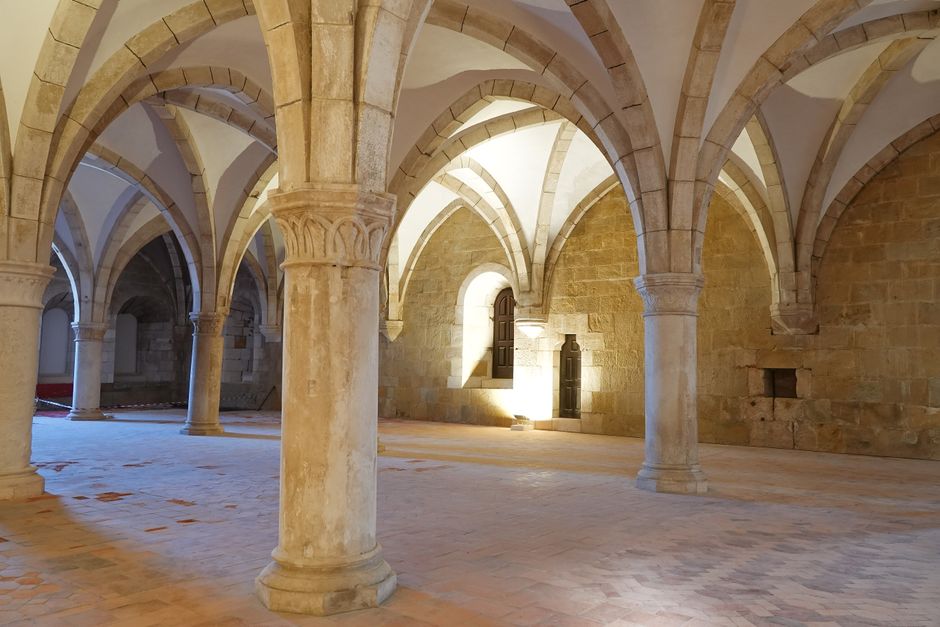
The Monastery Library — While not always open to the public, the library houses a collection of medieval manuscripts and icons that are invaluable to scholars of Byzantine art. If you can arrange a visit, it's a rare glimpse into the intellectual life of the monastery. Contact the administration in advance. Entry is but requires permission.
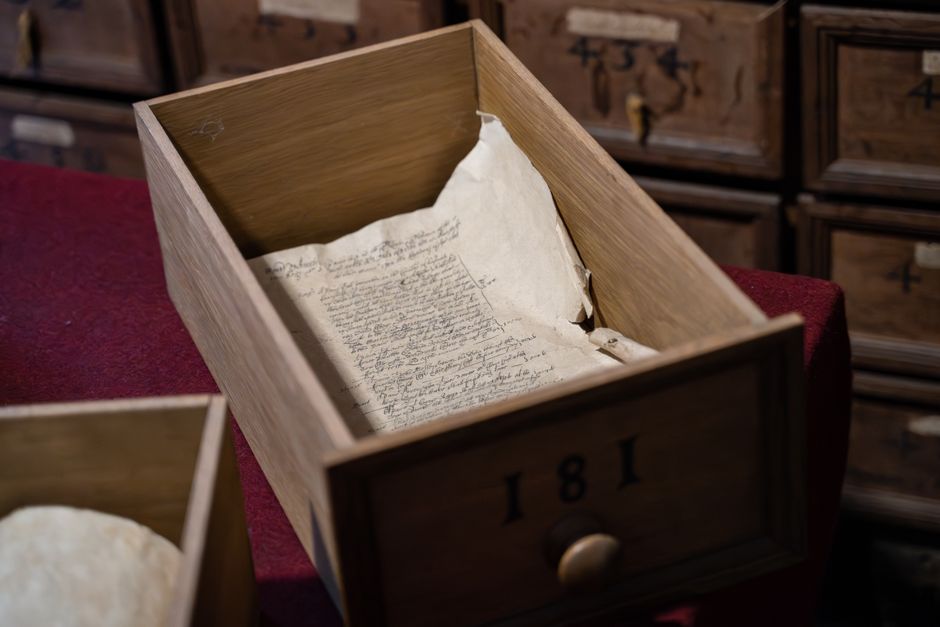
The Convent of St. Archangel Michael — Located nearby, this convent is less visited but offers a glimpse into the daily life of the nuns. The architecture is simpler, but the frescoes are equally impressive. It's a peaceful spot, away from the main crowds. Entry is 3 EUR.
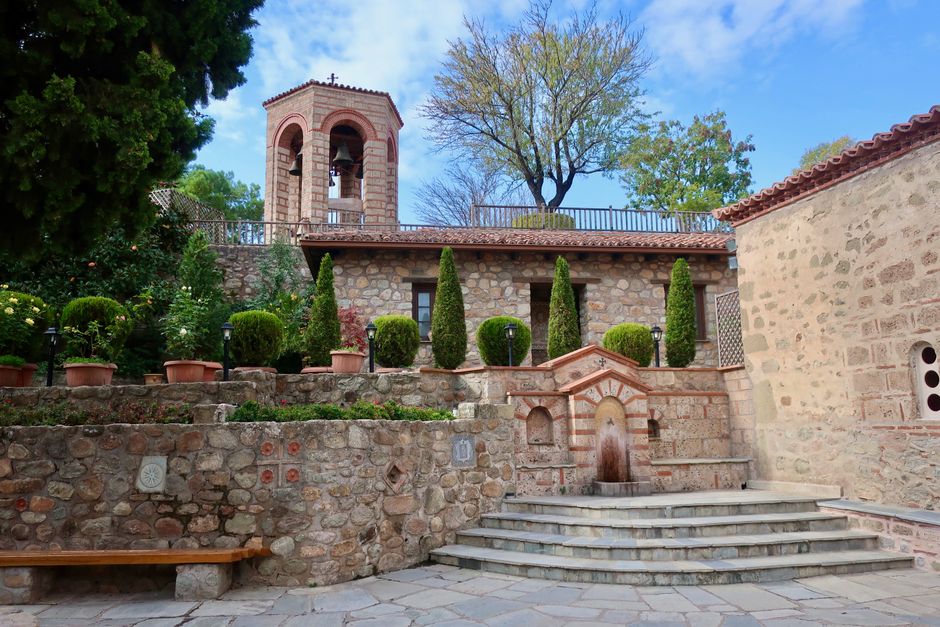
What to Eat & Drink
You don't come to Studenica for the food, but you'll leave hungry if you don't plan ahead. The monastery itself doesn't have a restaurant, but the nearby village of Studenica has several small eateries. Ćevapi — grilled minced meat sausages — are a staple, costing 3-4 EUR for a small plate. Burek — flaky pastry filled with meat, cheese, or spinach — is 1-2 EUR and perfect for a quick bite. Šopska salata — a refreshing mix of tomatoes, cucumbers, and peppers — is 2-3 EUR. For a sit-down meal, expect to pay 8-15 EUR per person at a local restaurant. Street food and take-away options are limited, so bring snacks if you plan to spend a long time exploring the grounds.
The local market in the nearby town of Kraljevo is worth a visit if you have time. It's a short drive away and offers fresh produce, local cheeses, and homemade rakija. It's a great place to taste the region's flavors and support local farmers. Budget travelers can pick up ingredients for a picnic here and eat in the monastery gardens. It's a cheap and authentic way to experience the local culture.
Nightlife
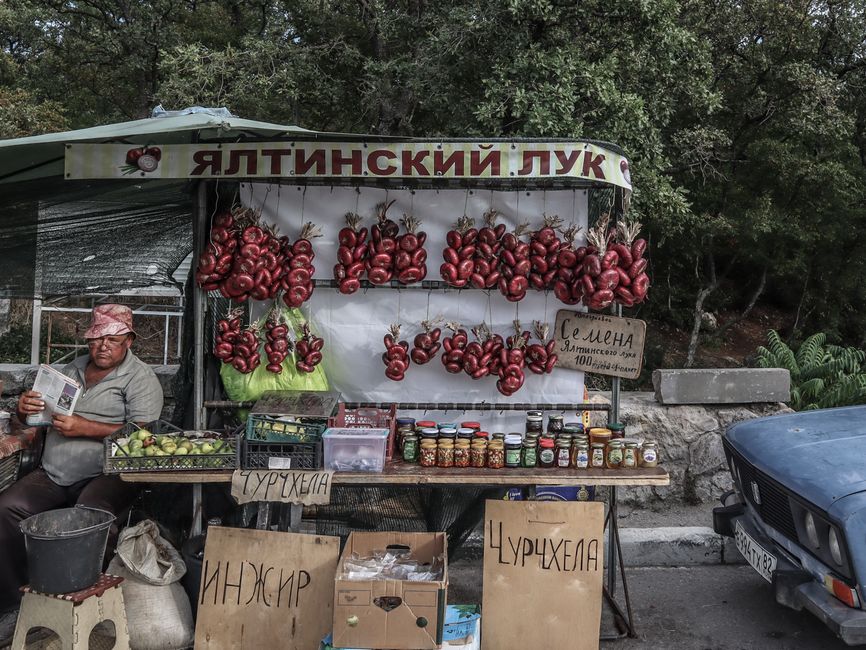
Let's be clear: there is no nightlife in Studenica. The nearest town with any semblance of bars or clubs is Kraljevo, about 20 kilometers away. In Kraljevo, you'll find a few small bars along the main street, playing local folk music or rock. Cover charges are low, usually 2-5 EUR, if they exist at all. The atmosphere is relaxed, and the locals are friendly. But don't expect a wild party scene. This is a region of history and faith, not hedonism. If you're looking for a night out, head to Belgrade or Novi Sad. Studenica is for quiet reflection, not loud music.
Getting There & What to Expect
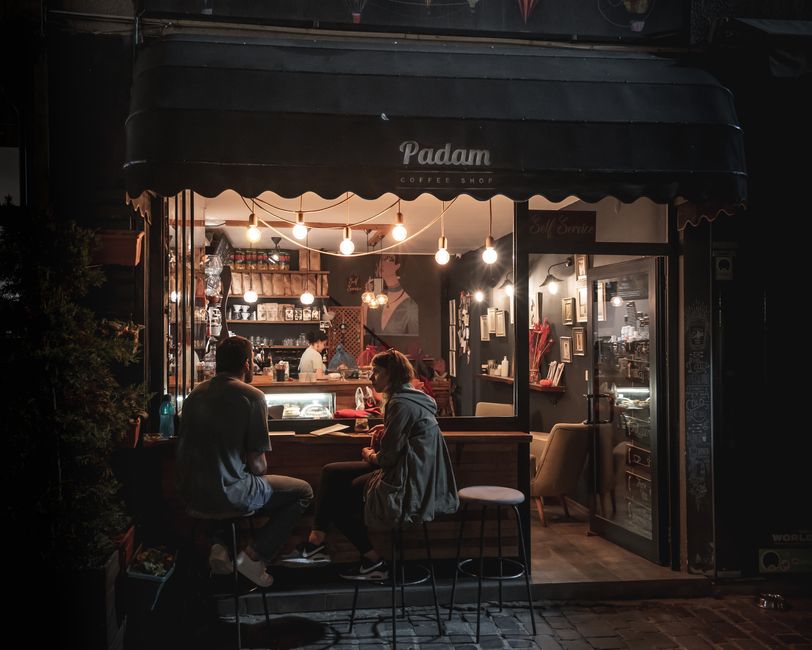
The nearest airport is Belgrade Nikola Tesla Airport, about 120 kilometers north. From Belgrade, you can take a bus or train to Kraljevo, then a local bus or taxi to Studenica. The bus from Belgrade to Kraljevo takes about 2 hours and costs 5-7 EUR. The taxi from Kraljevo to Studenica is 10-15 EUR and takes about 20 minutes. If you're driving, take the E75 highway south from Belgrade, then exit at Kraljevo and follow the signs to Studenica. The drive is scenic, winding through mountains and valleys.
Accommodation options near Studenica are limited. The best bet is to stay in Kraljevo, where you'll find a range of hotels and guesthouses. Budget hostels are 15-25 EUR per night, mid-range hotels are 30-50 EUR per night. The monastery itself does not offer accommodation, but you can contact them to arrange a visit. The best time to visit is spring or autumn, when the weather is mild and the crowds are smaller. Summer can be hot and crowded, while winter can be cold and snowy, but the snow-covered monastery is a beautiful sight.
Search accommodation in Kraljevo on Booking.com →
The Weight of Gold
I left Studenica as the sun was setting, the sky turning a deep purple over the Ibar valley. My head was still spinning, not from alcohol this time, but from the sheer weight of what I'd seen. The icons weren't just paintings; they were windows into a world that no longer exists, yet feels more real than the one I came from. The monks were still there, tending to their gardens, their lives measured in prayers and silence. I got back in my car, the engine roaring to life, and drove away. But the silence followed me. It's a strange thing, to visit a place that feels so alive with ghosts. Studenica doesn't just show you history; it makes you feel it, in your bones, in your breath. And once you've felt it, you can't go back to the noise.
Comments