


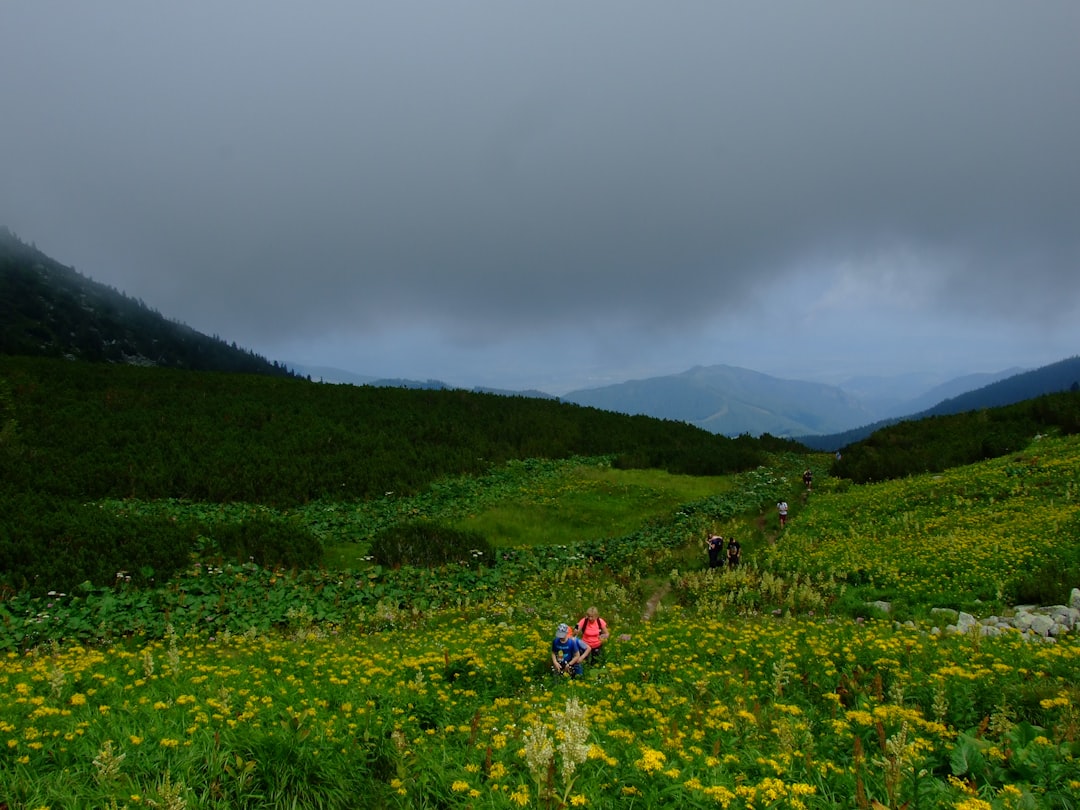
I didn't expect the silence to be so loud. It wasn't the peaceful quiet of a library or the muffled hum of a city at 3 AM. It was a physical weight, pressing against my eardrums, broken only by the crunch of my own boots on granite and the distant, mournful call of a bird that sounded like it belonged to another century. I had come to Retezat National Park to track wildlife, to find the ghosts of the Carpathians, but within the first hour, I realized I wasn't hunting. I was being watched. A pair of amber eyes, low to the ground, locked onto mine from behind a rhododendron bush. A wild boar, tusks visible, breathing hard. It didn't run. It assessed. I froze, my camera bag feeling suddenly very heavy and very useless. This is not a zoo. This is not a safari where the animals know their place. This is the Balkan frontier, and the rules here are written in claw marks and territorial scents.
Most tourists flock to the Transfăgărășan highway for the dramatic curves or head to the Delta for the birds. They miss this. They miss the jagged, granite teeth of the Retezat Massif, a place that feels older and harder than the rest of the country. Tracking here isn't about spotting a cute deer in a meadow. It's about reading the landscape like a map. It's about understanding that the bear, the wolf, and the lynx are not just residents; they are the architects of this ecosystem. I spent three days in this wilderness, sleeping in refuges that smell of damp wool and woodsmoke, learning that to see the wildlife, you have to disappear first.
The Granite Cathedral
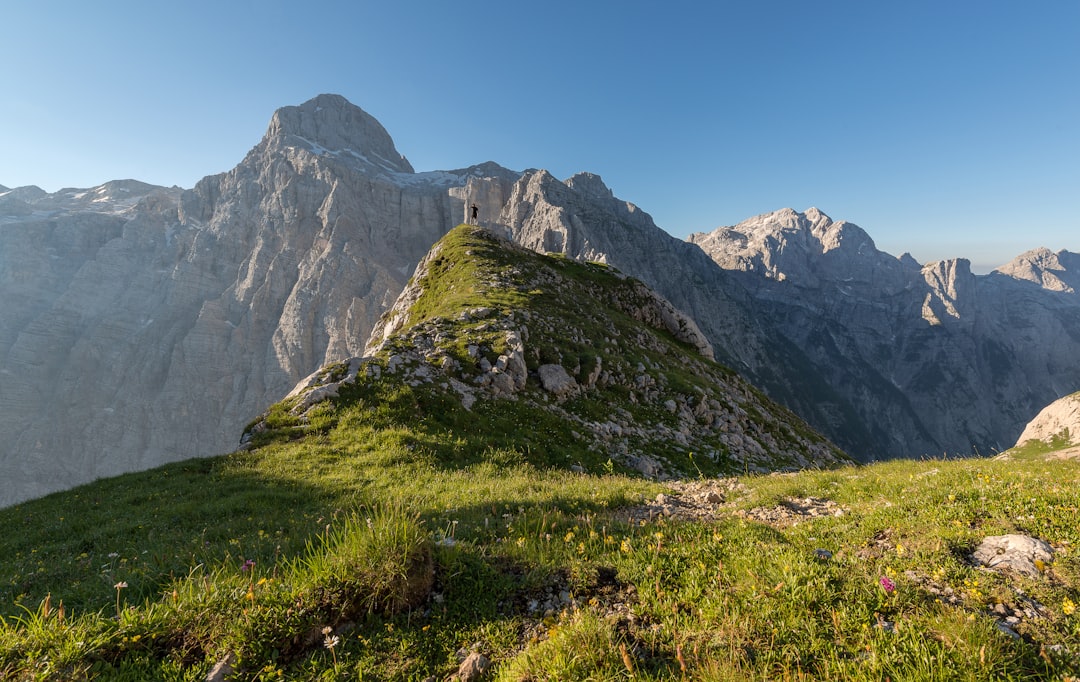
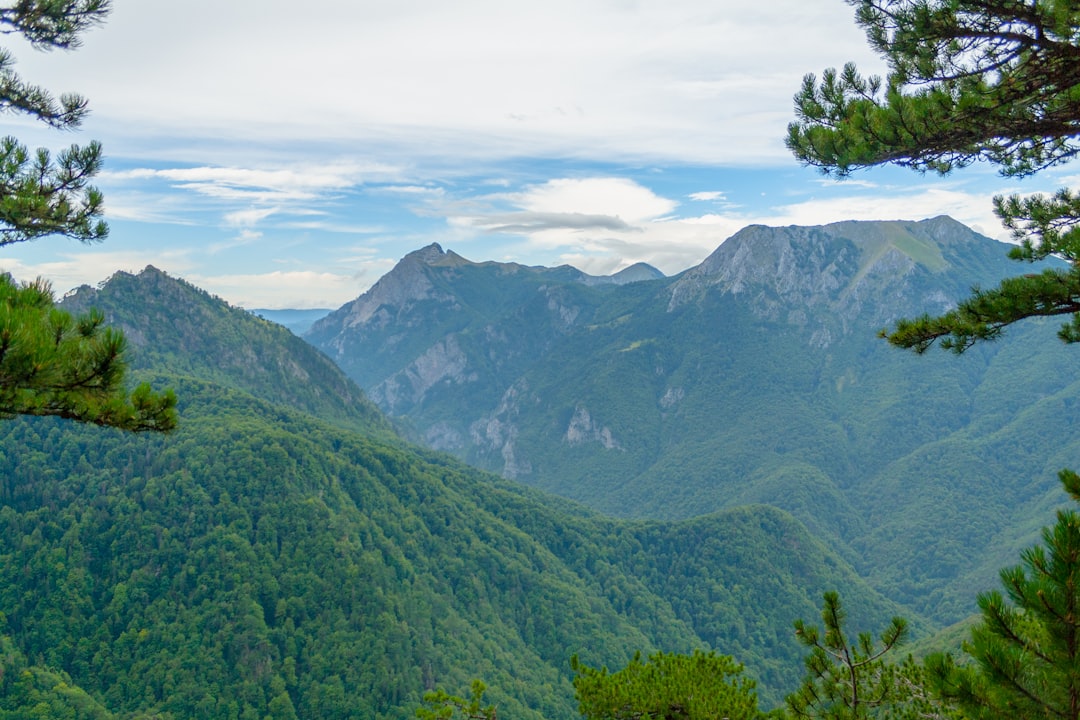
Retezat National Park sits in the heart of the Southern Carpathians, near the city of Timișoara, but it feels worlds away. Established in 1935, it was Romania's first national park, a designation that saved these peaks from the relentless logging that stripped nearby ranges. The park is dominated by Mount Retezat, the second-highest peak in the country, a massive granite monolith that rises abruptly from the surrounding plateaus. The geology here is brutal. Glaciers carved out deep cirques and sharp ridges during the last ice age, leaving behind a landscape that is stark, beautiful, and unforgiving. There are no gentle slopes here. The terrain is a series of vertical challenges, scree fields, and exposed ridges that demand respect.
The vegetation changes dramatically with altitude. At the bottom, dense forests of beech, fir, and spruce provide cover for the park's larger mammals. As you climb, the tree line gives way to alpine meadows, then to the "carpathian steppe," and finally to the bare, grey granite summits. This vertical zonation is crucial for wildlife tracking. You won't find bears in the alpine meadows, but you might find their tracks in the mud of the forest floor. You won't find vultures in the dense spruce, but you'll see them circling the thermal columns above the peaks. Each zone is a different chapter in the story of the park's biodiversity.
What makes Retezat unique is its isolation. The surrounding valleys are sparsely populated, and the park itself is largely roadless. The main access points are through small villages like Obârșia Lotrului or Căimești, but once you cross the boundary, the asphalt ends. This isolation has allowed the wildlife to thrive without the constant pressure of human development. The bears here are not scavenging from garbage bins; they are foraging for berries and roots in the wild. The wolves are hunting deer and wild boar in the deep forests. This is a functional ecosystem, not a managed reserve. It is wild in the truest sense of the word.
Signs of the Invisible
Tracking wildlife in Retezat is less about seeing the animal and more about interpreting the evidence it leaves behind. On my second morning, I joined a local guide, a grizzled forester named Andrei who knew every trail in the park. He didn't carry a rifle; he carried a pair of binoculars and a notebook. "Look at the mud," he said, pointing to a depression in the trail. "Look at the size. Look at the depth." It was a bear track. Large, plantigrade, with five distinct toes. "He was walking slowly," Andrei noted. "He wasn't running. He was looking for food." This is the skill of tracking: reading the narrative of the landscape.
We moved deeper into the forest, Andrei pointing out subtle signs that I had missed. A scrape on a tree trunk, marked by a wolf's claws. A pile of scat, fresh and steaming, containing the remains of a marmot. A nest of grass and feathers in a low-hanging branch, belonging to a capercaillie. Each sign was a clue, a piece of the puzzle that revealed the presence of the invisible. We didn't see a single wolf, but we knew they were there. We didn't see a bear, but we knew it had passed this way an hour before. This is the thrill of tracking: the knowledge that you are sharing the space with these animals, even if you never make eye contact.
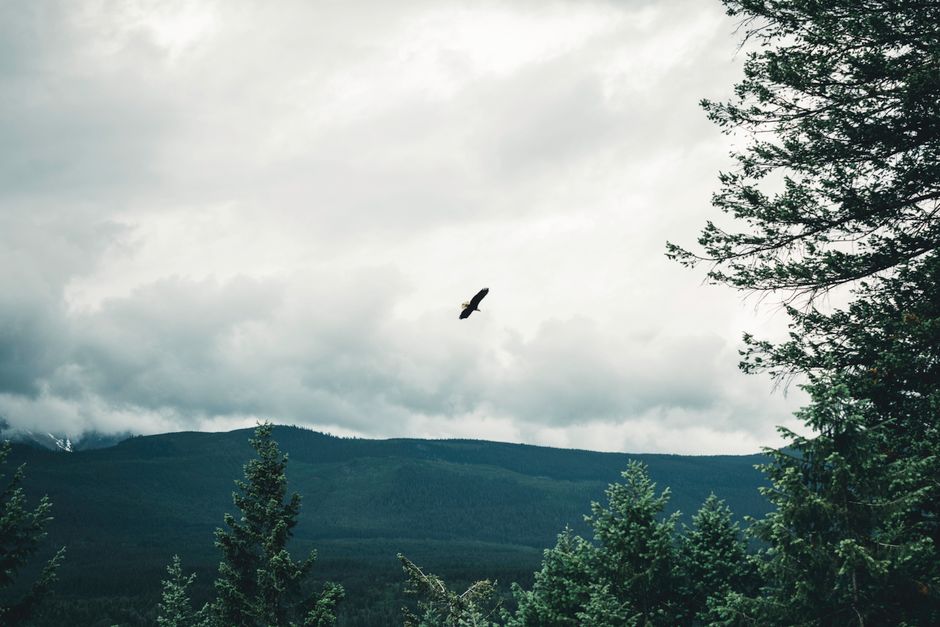
The most rewarding moment came on the third day, when we were tracking a pair of golden eagles. Andrei led us to a rocky outcrop on the edge of a cirque, where we set up a blind. For two hours, we sat in silence, watching the sky. Then, a shadow passed over us. The eagles circled high above, their massive wingspans catching the sunlight. They were hunting, diving and soaring with a precision that was mesmerizing. We didn't get a close-up photo, but we got something better: a moment of connection with these apex predators, a reminder of the power and beauty of the wild. It was a moment that no zoo or safari could ever replicate.
Refuges and Rations
Surviving in Retezat requires preparation. The weather can change in minutes, and the terrain is unforgiving. There are no shops or restaurants inside the park. The only places to stay are the mountain refuges, which are basic but essential. The most famous is Cabana Retezat, located at the base of the main peak. It is a sturdy, wooden building with dormitory-style rooms and a large communal dining hall. The food is simple but hearty: stews, soups, and homemade bread. The atmosphere is lively, filled with hikers from all over Europe, sharing stories and swapping tips. It is a place of community, a haven in the wilderness.
For those who want more solitude, there are smaller huts and shelters scattered throughout the park. These are more basic, often with no running water or electricity, but they offer a chance to sleep closer to the wildlife. Camping is allowed in designated areas, but it is strictly regulated. You must carry out all your trash, and you must follow the "leave no trace" principles. The park is fragile, and it is up to the visitors to protect it. The cost of staying in a refuge is reasonable, around 15-25 EUR per night, including a meal. This makes it accessible to a wide range of travelers, from budget backpackers to experienced hikers.
Meals in the refuges are a highlight of the experience. The food is cooked from local ingredients, often sourced from the surrounding villages. You might eat soup made from wild mushrooms, or stew made from venison or lamb. The bread is baked fresh each day, and the cheese is made from local milk. It is simple, honest food, but it tastes incredible after a long day on the trail. The communal dining hall is a place to rest, refuel, and connect with other travelers. It is a reminder that even in the wildest places, human connection is essential.
Routes & Trail Info
The best way to experience Retezat is on foot. There are hundreds of kilometers of marked trails, ranging from easy walks to challenging ascents. For wildlife tracking, the best routes are those that take you through the forest and up to the alpine meadows. The "Trans-Retezat" trail is the most famous, connecting the valleys on either side of the massif. It is a long, demanding hike, but it offers a comprehensive view of the park's biodiversity. For a shorter option, the trail from Obârșia Lotrului to Cabana Retezat is a classic, taking you through dense forest and up to the refuge in about 4-5 hours.
Another excellent route is the "Circle of Lakes" trail, which takes you around the famous glacial lakes of the park. This is a more challenging hike, with significant elevation gain, but it offers stunning views of the lakes and the surrounding peaks. The lakes are home to a variety of fish and waterfowl, making it a great spot for birdwatching. For those who want to see the highest peaks, the ascent of Mount Retezat is a must. It is a steep, rocky climb, but the view from the top is worth it. You can see for miles in every direction, from the Danube Plain to the distant peaks of the Southern Carpathians.
Difficulty levels vary widely. The forest trails are generally easy to moderate, suitable for most hikers. The alpine trails are more challenging, requiring good fitness and some experience with mountain terrain. The ascents of the highest peaks are difficult, requiring scrambling and exposure to heights. Always check the weather before you go, and be prepared for sudden changes. Bring plenty of water, food, and warm clothing. And most importantly, be respectful of the wildlife. Do not feed the animals, and do not disturb them. They are wild, and they deserve their space.
Getting There & What to Expect
Getting to Retezat National Park requires some planning. The nearest major city is Timișoara, which is about 150 km away. You can drive to the park, or take a bus from Timișoara to the villages of Obârșia Lotrului or Căimești. The drive is scenic, taking you through the Carpathian foothills and up into the mountains. The roads are generally in good condition, but some sections are narrow and winding. If you are driving, be careful and take your time.
Once you arrive at the park, you will need to register at the visitor center. This is a legal requirement, and it helps the park authorities monitor visitor numbers and protect the wildlife. The entrance fee is 5-10 EUR, depending on the season and the length of your stay. This fee helps to fund the maintenance of the trails and the protection of the park. It is a small price to pay for the privilege of experiencing this incredible wilderness.
The best time to visit Retezat is from June to September, when the weather is warm and the trails are clear. In the spring, the snow can still be deep, and the trails can be slippery. In the autumn, the leaves are changing color, but the weather can be unpredictable. The summer is the most popular time, but it is also the busiest. If you want to avoid the crowds, consider visiting in the shoulder seasons. The wildlife is still active, and the landscape is still beautiful. Just be prepared for colder temperatures and shorter days.
Accommodation options are limited but sufficient. The mountain refuges are the best option for most hikers, offering a place to sleep and eat. For those who want more privacy, there are some guesthouses in the surrounding villages. Prices range from 30-50 EUR per night for a double room, to 10-20 EUR per night for a dorm bed in a refuge. Camping is also an option, but you must use designated areas and follow the rules. The park is a fragile ecosystem, and it is up to the visitors to protect it.
Search accommodation in Timisoara on Booking.com →
The Ghost in the Machine
On my last night in the park, I sat outside the refuge, watching the stars. The air was cold and still, and the silence was absolute. I thought about the bear I had seen, the wolf tracks I had found, the eagles I had watched. I thought about the fragility of this place, and the importance of protecting it. Retezat is not just a national park; it is a sanctuary. It is a place where the wild things still roam, free and unbothered by the human world. It is a reminder that we are not the masters of this planet, but just one species among many. And as I sat there, listening to the wind in the trees, I felt a sense of peace that I had never felt before. I was part of something bigger, something older, something wild. And that was enough.
Comments