


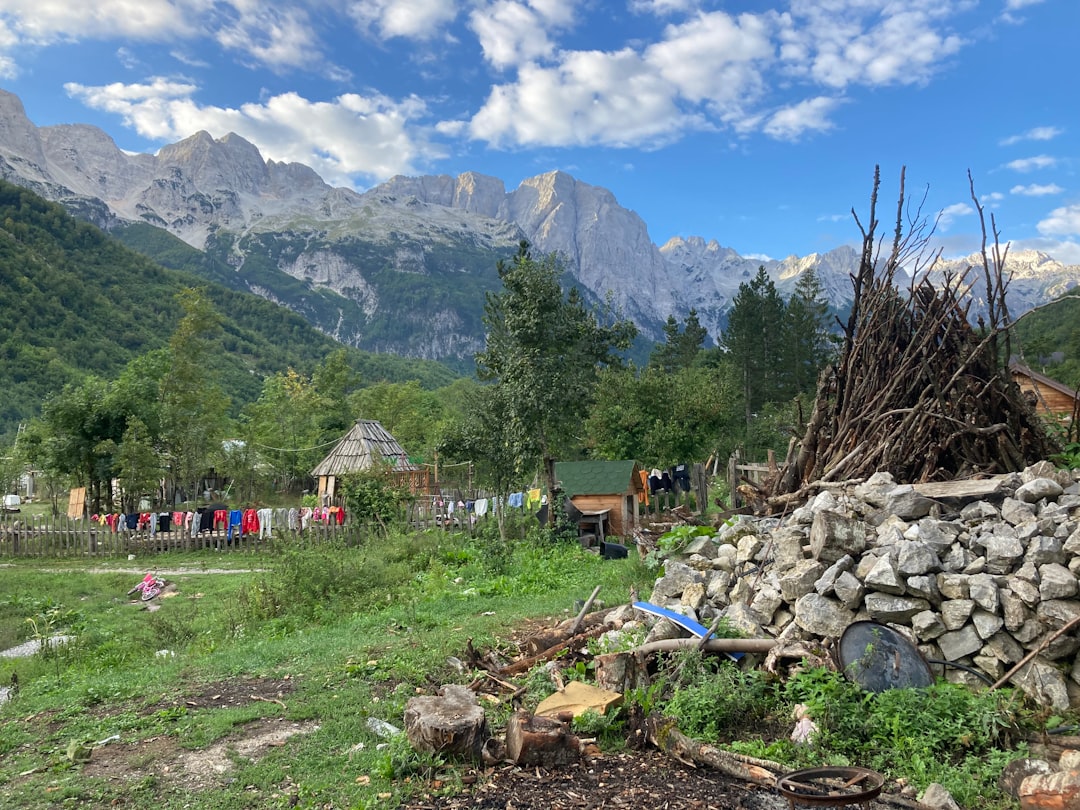
I woke up with the taste of pine resin and diesel in my mouth, shivering under a thin wool blanket in a stone house that felt more like a medieval bunker than a bed and breakfast. Outside, the fog was so thick it had texture, pressing against the window like wet wool. This was Theth, a village clinging to the side of a valley in northern Albania, and I was supposed to be starting the most famous hike in the Balkan Peninsula. My host, a man named Arben with a beard that could house small birds, handed me a glass of raki so strong it made my eyes water and my soul briefly leave my body. "For the mountains," he grunted, pointing a calloused finger toward the grey void beyond the roof. I drank. I regretted it immediately. The hike ahead was not a leisurely stroll; it was a vertical assault on the Accursed Mountains, a range so rugged and politically isolated for decades that it remained one of the last true wildernesses in Europe. I was about to find out if the pain was worth the view.
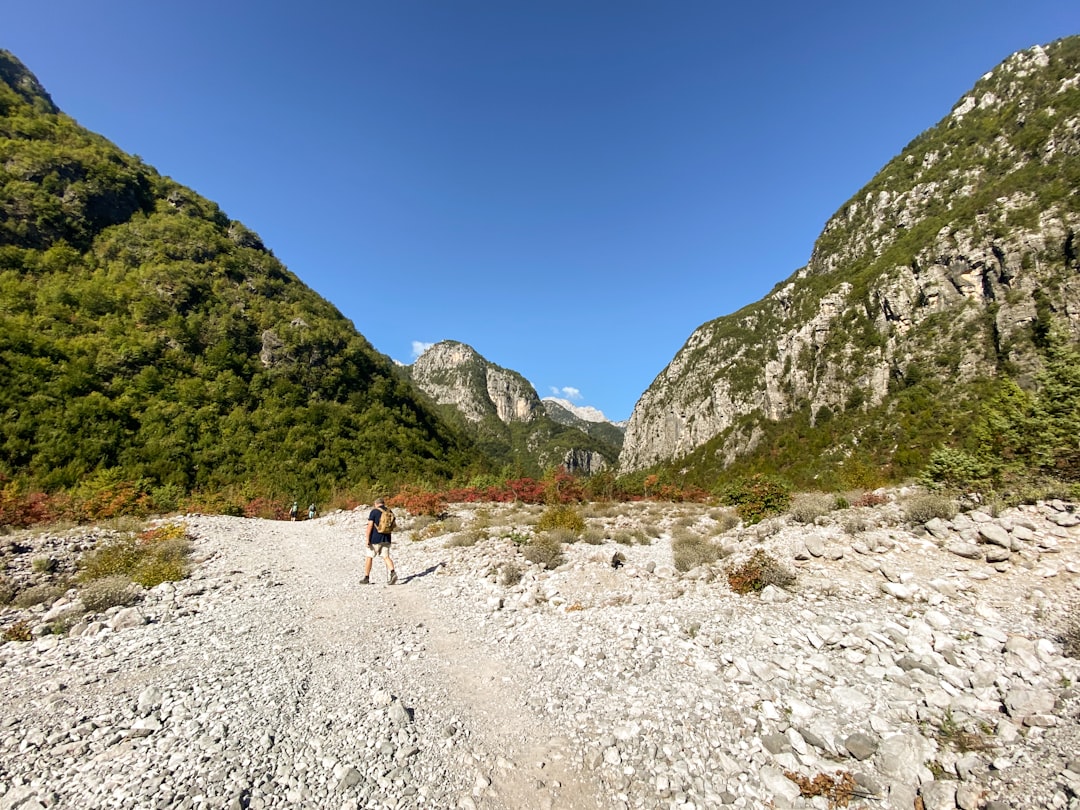
The legend of this trek is simple: cross from the Theth National Park to the Valbona Valley National Park in a single day. It sounds like a line on a map, a simple dash between two dots. In reality, it is a fourteen-kilometer journey over a mountain pass that feels designed by someone who hated humans. There are no guardrails. There are no signs. There is only the path, the rocks, and the occasional goat that looks at you with the disdain of a creature that knows the terrain better than you ever will. I started at dawn, joined by a group of strangers from Berlin, Tirana, and Sydney, all united by the masochistic desire to see the Bjeshkët e Nemuna from the top. By midday, we were sweating through our shirts. By sunset, we were delirious with exhaustion and euphoria, collapsing into the arms of a new host family in Valbona, our legs trembling, our hearts full. This is not tourism. This is pilgrimage.
The History of the Accursed Mountains
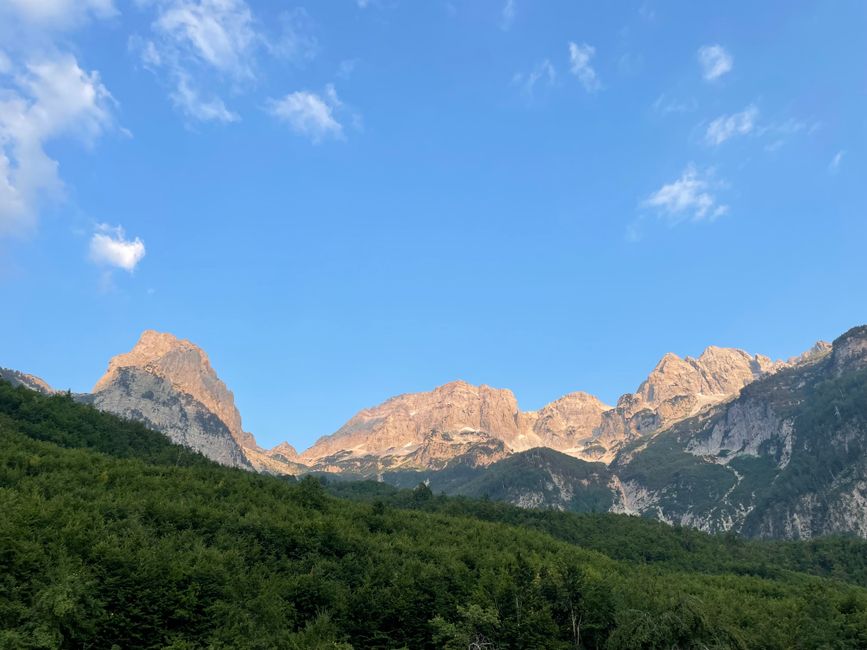
To understand the silence of these mountains, you have to understand the history of the people who lived in them. The Albanian Alps, known locally as Bjeshkët e Nemuna or the Cursed Mountains, were a sanctuary for the Ghegs, the northern Albanian tribes known for their fierce independence and strict code of honor known as Kanun. For centuries, the central government in Tirana had little control over these high valleys. The mountains were a refuge for those fleeing Ottoman rule, and later, during the communist era under Enver Hoxha, they became a zone of exclusion. Villages like Theth and Valbona were cut off from the world, their electricity and roads neglected, their people left to survive on their own terms.
This isolation created a unique cultural bubble. The Kanun of Lekë Dukagjini, a medieval code of laws, was still enforced in many areas well into the 20th century. Blood feuds, or gjakmarrja, were real and deadly. A single insult could lead to generations of families being confined to their homes, fearing retaliation. This dark history adds a layer of gravity to the landscape. When you walk through these valleys, you are walking through places where men hid in caves for years, where women managed entire households alone, and where the state was a distant, abstract concept. The ruggedness of the terrain is not just geological; it is political, cultural, and deeply human.
Today, the Kanun is largely a memory, replaced by the slow creep of modernity. Electricity has reached most villages. Mobile phones have signal. But the spirit of the mountains remains. The people here are proud, resilient, and deeply connected to the land. They welcome trekkers not because they are desperate for money, but because they are curious about the world beyond their peaks. The Albanian Alps National Park, established in 2022, aims to protect this fragile ecosystem while supporting the local communities. It is a delicate balance, one that trekkers must respect.
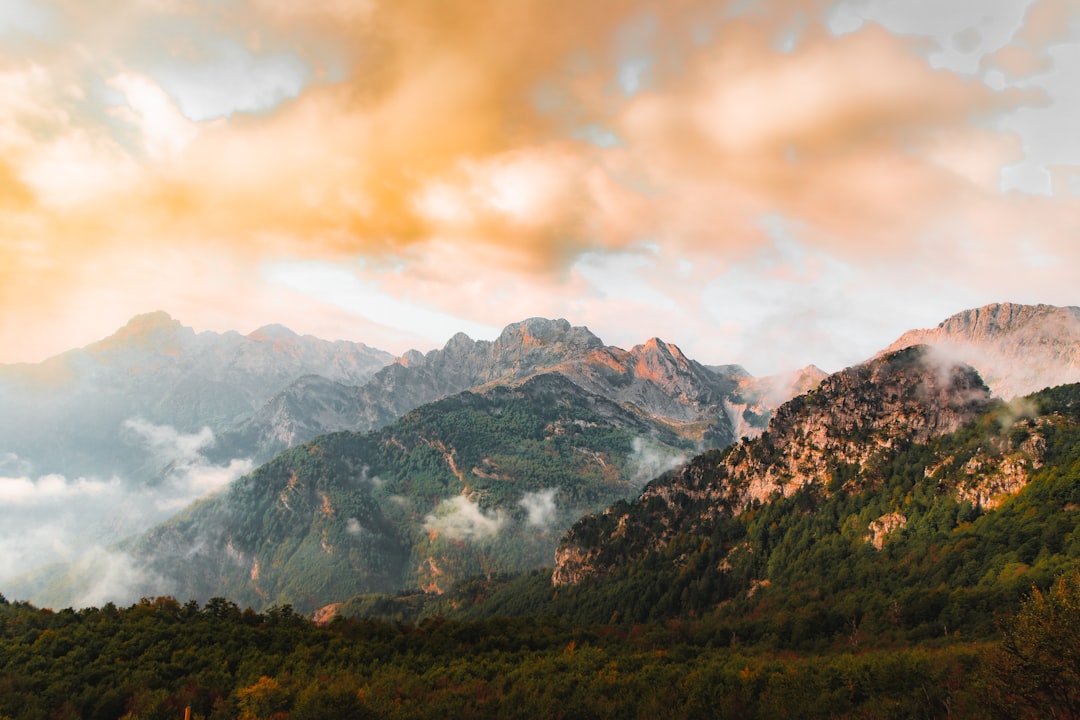
Where to Go: The Trail and Its Landmarks
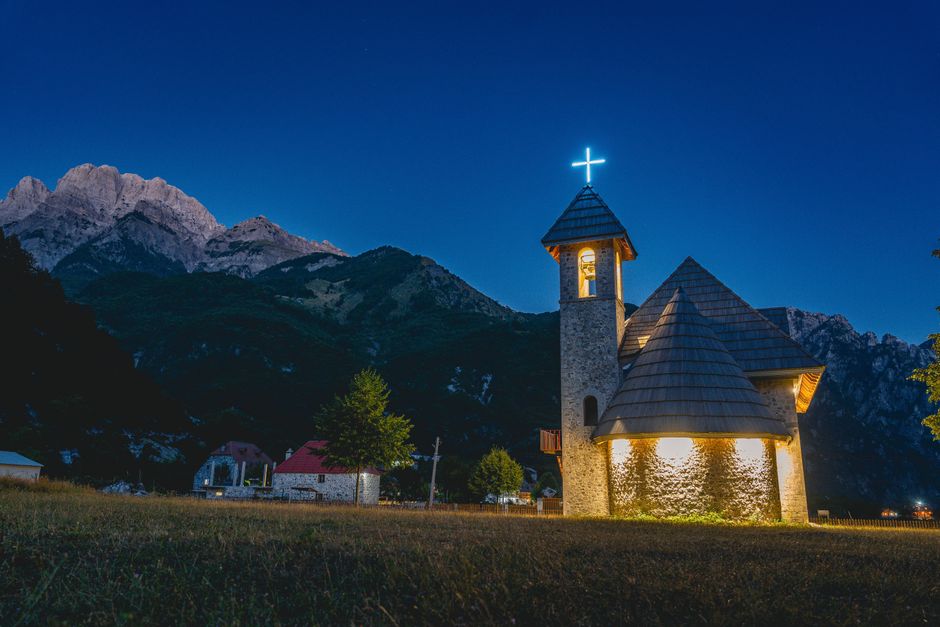
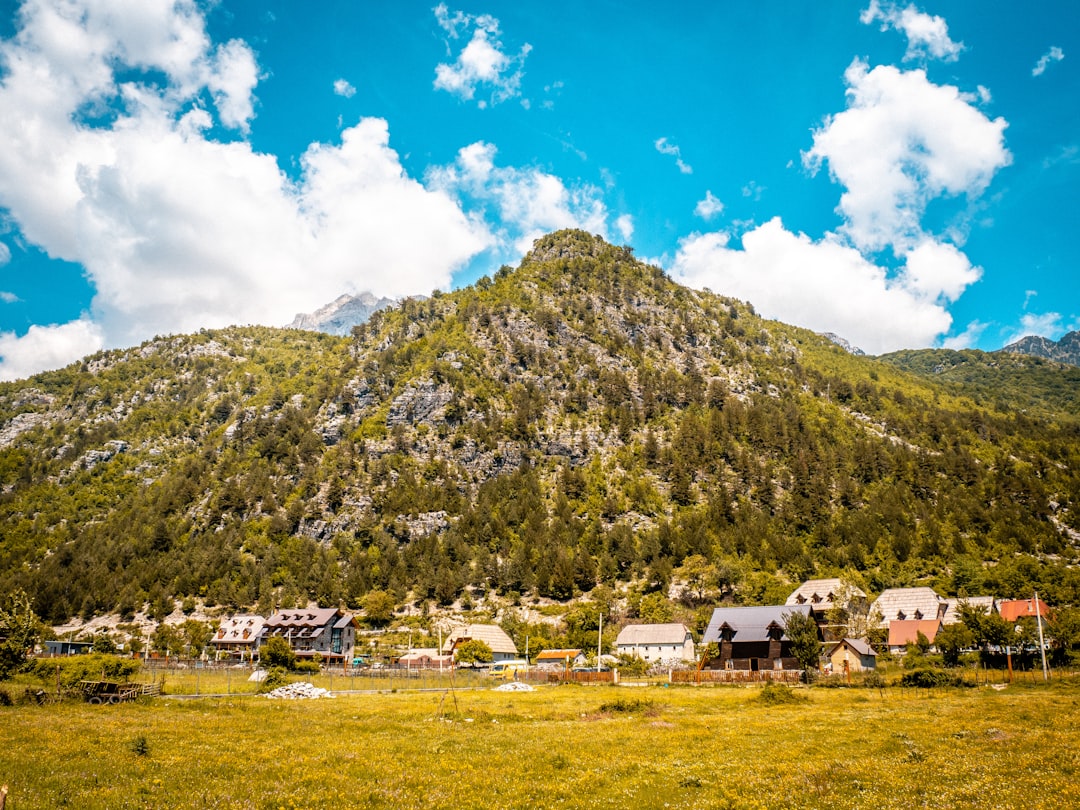
Theth Village — The starting point of the trek, Theth is a cluster of stone houses built into the side of a valley, surrounded by towering peaks. The village has no electricity in the main area, relying instead on solar panels and generators, which adds to its timeless feel. The Theth National Park protects the surrounding forests and waterfalls. Before you start the hike, take a short walk to the Blue Eye of Theth, a small waterfall that drops into a turquoise pool. It is a perfect warm-up for the legs. Entry to the national park is 3 EUR, which helps fund local conservation efforts.
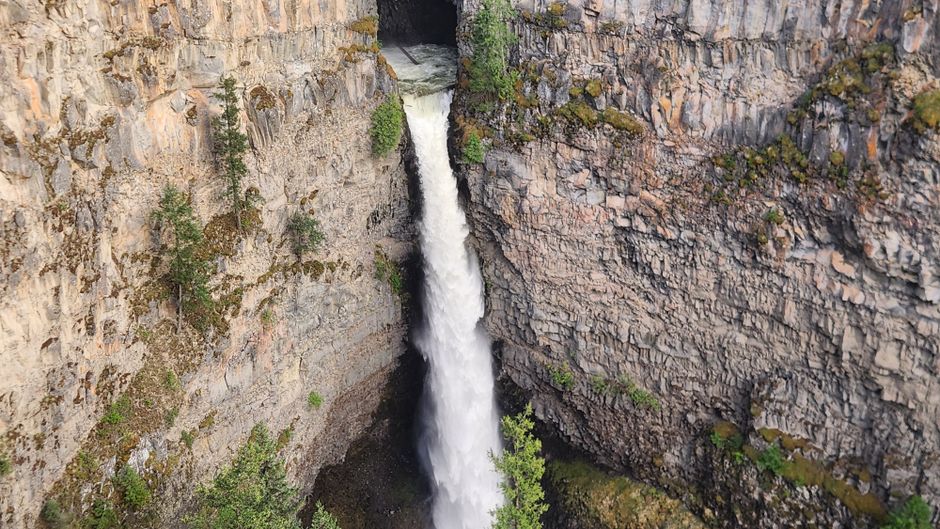
Grunas Waterfall — Located just outside of Theth, the Grunas Waterfall is one of the highest in Albania, dropping over 200 meters into a deep gorge. The path to the waterfall is steep and slippery, especially after rain, but the view is rewarding. You can hike to the base of the falls or continue to a viewpoint that offers a panoramic look at the Theth Valley. This is a great side trip if you arrive in Theth a day early.
Valbona Pass — The highest point of the trek, Valbona Pass sits at 2,000 meters above sea level. It is a barren, rocky landscape with no trees and no shelter. The wind is fierce, and the temperature can drop rapidly. This is the moment of truth for every hiker. The view from the top is spectacular, with the Albanian Alps stretching out in every direction. On a clear day, you can see the peaks of Korab and Jabllanica. There is a small stone shelter at the pass, but it is often occupied by other trekkers. Bring a warm layer and plenty of water.
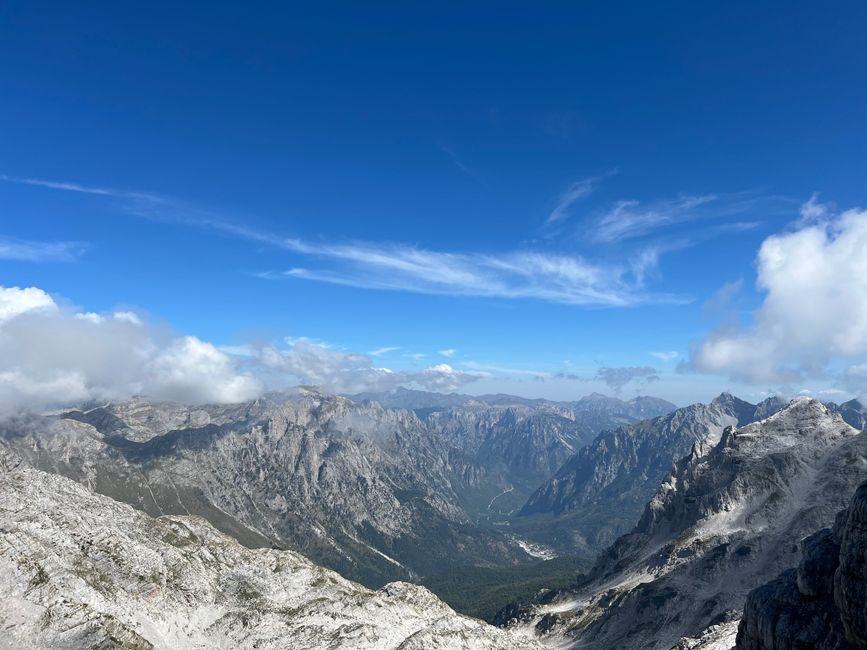
Valbona Valley — The end of the trek is the Valbona Valley, a wide, green expanse that feels like a different world compared to the narrow, dark gorge of Theth. The Valbona River flows through the valley, providing a constant, soothing sound. The village of Valbona is larger and more developed than Theth, with more hotels and restaurants. The Valbona Valley National Park protects the surrounding forests and meadows. After the hike, you can relax by the river or take a short walk to the Valbona Waterfall, which is smaller than Grunas but equally beautiful.
What to Eat & Drink
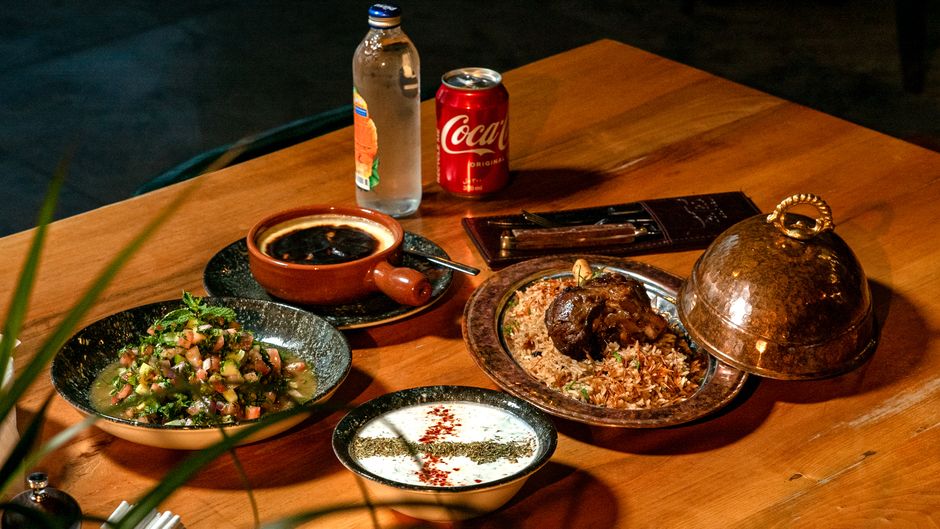
Food in the Albanian Alps is simple, hearty, and designed to fuel long days in the mountains. You will eat at family-run guesthouses, where the meals are cooked from scratch using local ingredients. Expect Byrek, a flaky pastry filled with cheese, spinach, or meat, which is a staple breakfast item and costs around 2-3 EUR. For lunch, you might have Trilece, a traditional dessert, or a simple salad of tomatoes, cucumbers, and onions.
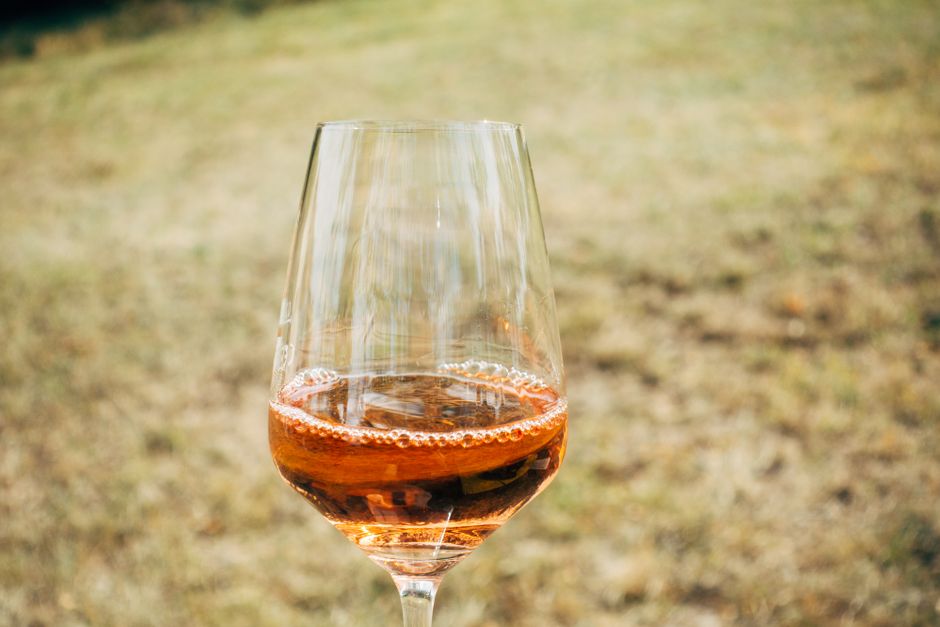
Dinner is the main event. Look for Japrak, grape leaves stuffed with rice and meat, or Tavë Kosi, baked lamb with yogurt and rice, which is a national dish and costs 8-12 EUR. Meat is common, but there are vegetarian options like Mandule, fried cheese balls, or Speca me Qërpik, peppers stuffed with cheese. Drinks include Raki, a strong fruit brandy that is often homemade and served freely, and Boza, a fermented grain drink that is sweet and slightly alcoholic. Beer is also available, with local brands like Cast and Blue being popular.
Budget travelers can eat well on 15-25 EUR per day, including accommodation. Street food is limited in the mountains, but you can find Plakosi, a type of flatbread, in the villages. For a quick snack, try Baklava or Trilece from a local bakery. If you are hiking, bring your own water and snacks, as there are no shops on the trail. The guesthouses in Theth and Valbona are accustomed to trekkers and will provide a welcome meal after your hike.
Nightlife
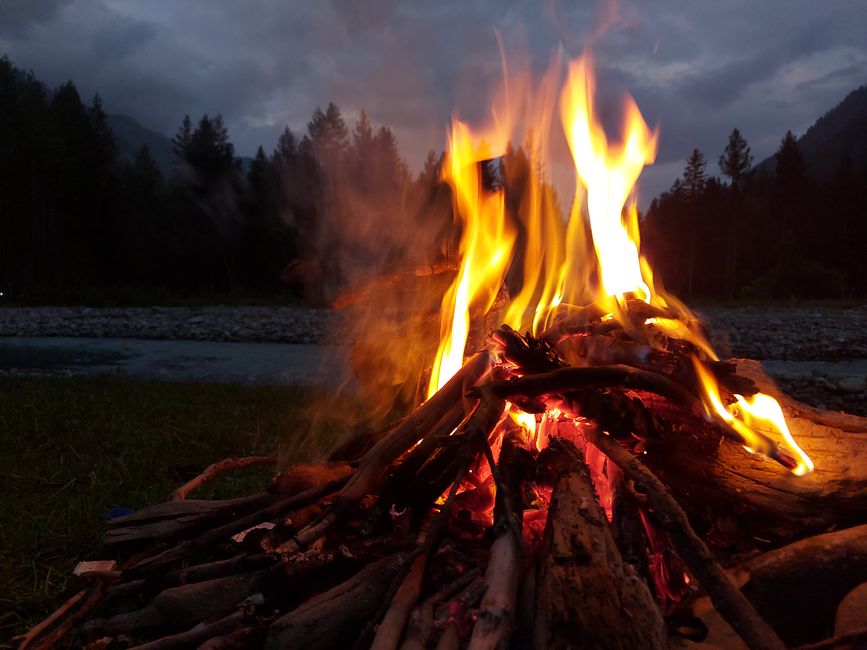
There is no nightlife in the Albanian Alps. The villages go to sleep early, usually by 10 PM. The "nightlife" consists of sitting around a fire with your host family, drinking Raki, and listening to stories about the mountains. This is not a place for clubs or bars. It is a place for silence, stars, and reflection. The lack of light pollution means the night sky is incredibly clear, offering a stunning view of the Milky Way. If you are looking for partying, go to Durrës or Sarandë. If you are looking for peace, stay here.
The social interaction is intimate and personal. You will share meals with other travelers from around the world, exchanging stories and tips. The atmosphere is friendly and relaxed. There is no pretense, no commercialization. It is just people, mountains, and food. This is the true spirit of the Albanian Alps. It is not about what you do, but about who you are with.
Getting There & What to Expect
Getting to Theth is part of the adventure. There is no direct road from Tirana or Shkodër. You must take a bus or a private transfer to Theth Village, which involves a winding, unpaved road that can be rough in the rain. The journey from Shkodër takes about 3-4 hours and costs around 10-15 EUR. From Tirana, it is about 5-6 hours and costs 20-30 EUR. The road is not suitable for large buses, so you will likely transfer to a smaller van or car for the last leg of the journey.
Accommodation in Theth and Valbona is basic but comfortable. Guesthouses charge around 15-25 EUR per night for a private room, including breakfast and dinner. Dormitory beds are available for 8-12 EUR per night. The rooms are clean and warm, with shared bathrooms. There is no electricity in the main village of Theth, so bring a headlamp and a power bank. In Valbona, electricity is available, but it may be intermittent.
The best time to hike the Theth to Valbona trek is from June to September. The weather is warm and stable, and the trails are dry. In July and August, it can be hot and crowded, so start early in the morning. In June and September, the crowds are thinner, but the weather is less predictable. The trail is not recommended in winter or early spring due to snow and ice.
Children over the age of 10 can do the hike if they are experienced walkers. The trail is steep and rocky, with no guardrails. It is not suitable for beginners or those with a fear of heights. Bring sturdy hiking boots, a warm layer, a rain jacket, and plenty of water. There are no facilities on the trail, so you must carry everything with you.
Search accommodation in Shkoder on Booking.com →
The Final Descent
I remember the last kilometer most clearly. The valley opened up, and the Valbona River appeared, shimmering in the late afternoon sun. My legs felt like lead, but my mind was light. I had done it. I had crossed the Accursed Mountains. I had faced the silence, the wind, and the rocks, and I had survived. It was not just a hike; it was a test of will. And when I finally collapsed onto the wooden deck of my guesthouse in Valbona, looking out at the green valley, I knew I would be back. The mountains had claimed me, and I was okay with that. They are not just a place on a map. They are a state of mind. And in the Albanian Alps, you find out who you really are.
Comments