


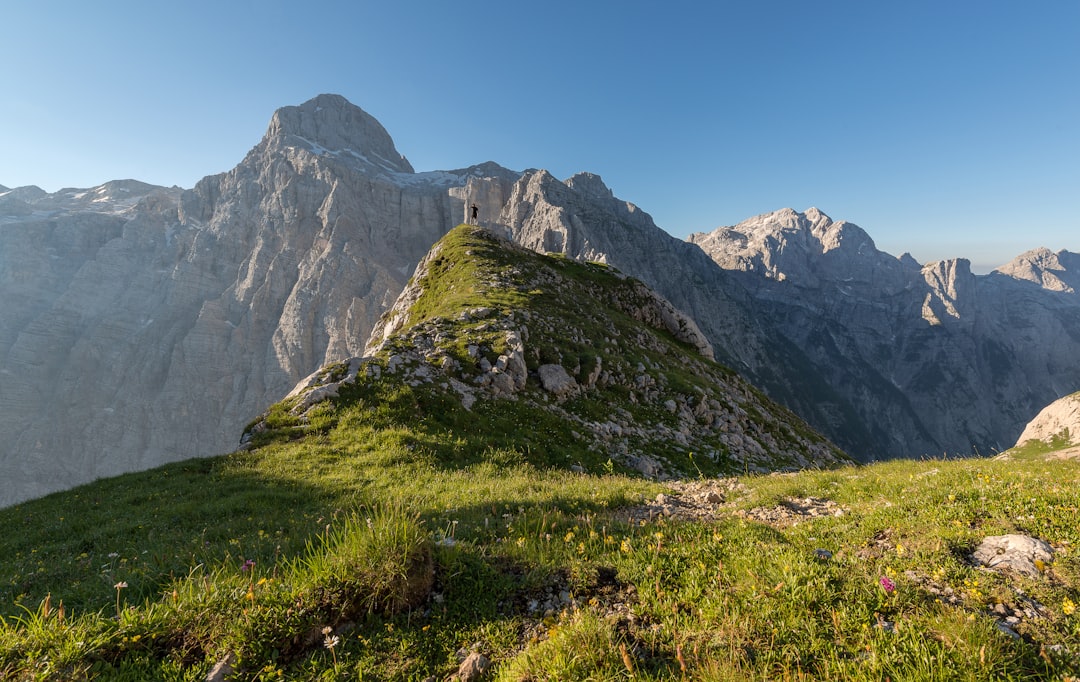
The fog in the Julian Alps doesn't roll in; it attacks. I was standing on a slick slab of limestone near Kranjska Gora, watching the mist swallow the peaks of Triglav like a hungry beast. My boots were soaked, my fingers numb from gripping the pack straps, and I had just realized I'd missed the turnoff for the shelter because a goat had decided to block the trail. This isn't a polite hike. This is the Via Dinarica, a 1,200-kilometer spine of rock and pine that stitches the Balkans together, and the Slovenian leg is the wildest, most unforgiving introduction to the Dinaric Alps. You don't just walk this trail; you negotiate with it.
I'm not here for the postcard shots of emerald lakes. I'm here because the air tastes like wet stone and pine resin, and because somewhere up there, in the thinning oxygen, the border between Slovenia and the rest of the Balkans dissolves. The trail is old, the rocks are sharp, and the weather changes faster than a politician's promise. If you want comfort, go to a spa. If you want to feel the raw, jagged pulse of the Balkans, you strap on your boots and head for the Julian Alps.
The Spine of the Balkans
The Via Dinarica is a modern concept with ancient roots. Conceived by a group of Slovenian mountaineers and historians, the trail follows the Dinaric Alps from the Adriatic coast in Croatia up through Bosnia, Montenegro, and into Albania. But it's the Slovenian section, the Via Dinarica Slovenica, that serves as the gateway. It cuts through the heart of Triglav National Park, a UNESCO-protected biosphere reserve where the mountains feel less like scenery and more like a living, breathing entity. The trail here is well-marked, but "well-marked" doesn't mean easy. It means you know exactly where you are when you slip.
This isn't a casual stroll through a botanical garden. The Julian Alps are tectonic nightmares, formed from the collision of the African and Eurasian plates. The rock is unstable, the slopes are steep, and the weather is notoriously fickle. One minute you're basking in alpine sunshine, the next you're dodging hail the size of marbles. The trail connects remote valleys, high-altitude meadows, and rugged peaks, offering a glimpse into a landscape that has resisted human domination for millennia. It's a place where shepherds still drive their flocks to high pastures in summer, and where the silence is so profound you can hear your own heartbeat.
The cultural significance of this route cannot be overstated. For centuries, these mountains were a barrier, isolating communities and fostering a fierce sense of regional identity. Today, the Via Dinarica is a symbol of connection, a thread linking the Balkan states in a shared heritage of mountain culture. Walking it is an act of pilgrimage, a way to understand the physical and historical landscape that has shaped the people of this region. You'll pass old stone huts, cross wooden bridges that creak under your weight, and sleep in mountain refuges that have stood for generations. It's raw, it's real, and it's unforgettable.
Triglav: The King of the Alps
You cannot hike the Julian Alps without acknowledging Triglav, the highest peak in Slovenia at 2,864 meters. It's not just a mountain; it's a national icon, featured on the Slovenian coat of arms. The ascent is challenging, requiring sure-footedness and a head for heights, but the reward is a panoramic view that stretches from the Dolomites in the north to the Adriatic Sea in the south. The trail to the summit is exposed in places, with steep ridges and narrow paths that will test your nerves. But once you reach the top, standing on the rocky summit with the wind whipping around you, you feel a primal sense of achievement.
The best approach is via the Planika route, which starts from the Planika valley. It's a long day, usually taking 8-10 hours round trip, but it offers a gradual ascent through pine forests and alpine meadows before the final push to the summit. Alternatively, you can take the more direct route from Praded, which is steeper but shorter. Whichever path you choose, start early. The weather can turn quickly, and you don't want to be caught in a storm on the exposed ridges. The views from the summit are worth the effort, but safety should always be your priority.
At the summit, you'll find a small shrine and a panoramic table listing the surrounding peaks. It's a humble monument to a mighty mountain, but it feels fitting. Triglav doesn't need fanfare. It stands tall and proud, a silent guardian of the Julian Alps. Take a moment to soak in the views, but don't linger too long. The descent can be tricky, especially in poor visibility, and you'll want to be back in the valley before dark.
Routes & Trail Info
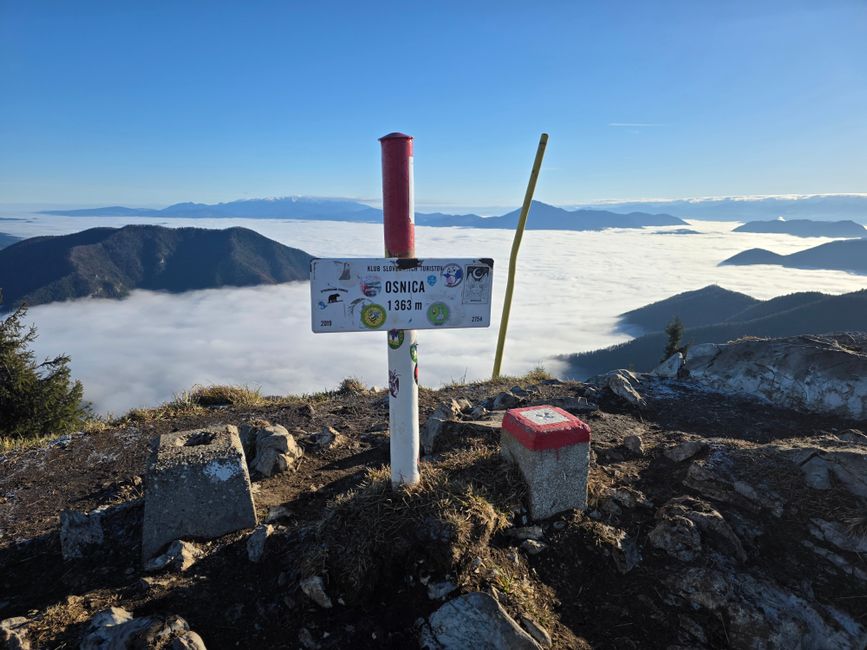
The Slovenian section of the Via Dinarica is divided into several stages, each with its own character and challenges. Here are the main routes for hikers looking to tackle the Julian Alps:
Kranjska Gora to Planica — This is a gentle introduction to the trail, following the Sava Dolinka river through lush valleys and pine forests. It's a flat, easy walk, perfect for acclimatization. Distance: 12 km one-way. Elevation gain: 200 m. Duration: 3-4 hours. Difficulty: Beginner.
Planica to Vrata Valley — The terrain gets steeper here, with climbs through alpine meadows and pastures. You'll pass traditional stone huts and enjoy views of the surrounding peaks. Distance: 15 km one-way. Elevation gain: 600 m. Duration: 5-6 hours. Difficulty: Intermediate.
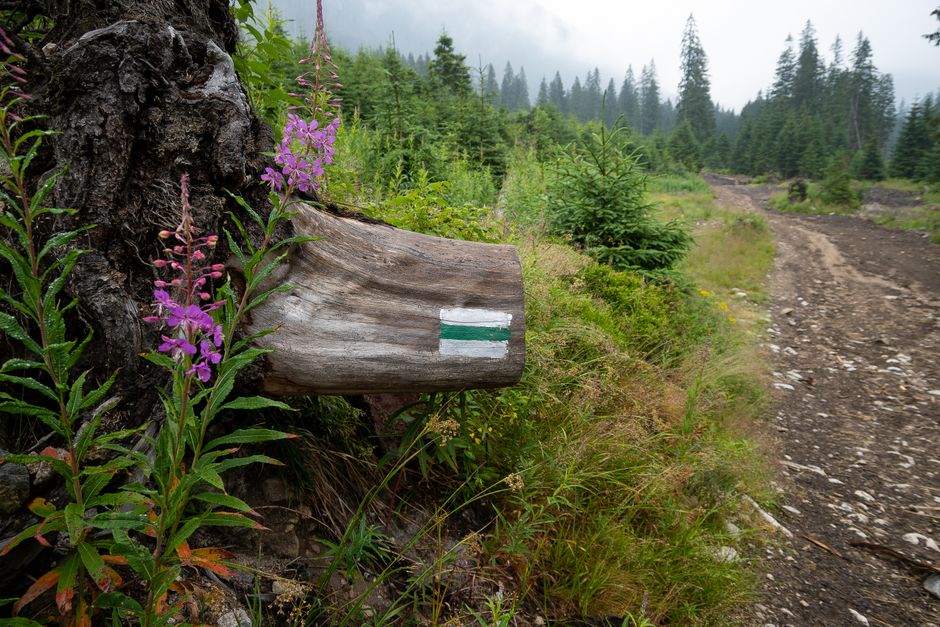
Vrata Valley to Triglav Summit — This is the challenging part of the route, involving a steep ascent to the highest peak in Slovenia. The trail is well-marked but exposed in places, requiring sure-footedness and a head for heights. Distance: 10 km one-way. Elevation gain: 1,200 m. Duration: 8-10 hours. Difficulty: Experienced.
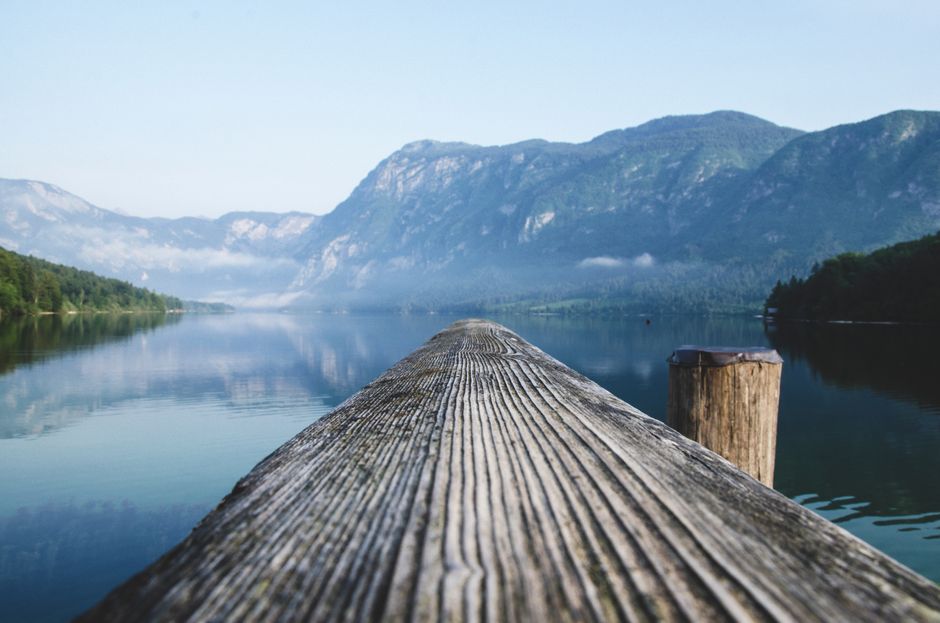
For those looking for a less strenuous option, the Bohinj Lake Loop offers a beautiful circular route around Bohinj Lake, with stunning views of the Julian Alps. It's a flat, easy walk, perfect for families and casual hikers. Distance: 10 km round trip. Elevation gain: 100 m. Duration: 2-3 hours. Difficulty: Beginner.
Getting There & What to Expect
The nearest major city is Ljubljana, the capital of Slovenia, which is about 100 km from Kranjska Gora. You can drive there in about 1.5 hours, or take a bus from Ljubljana's central station, which takes around 2 hours. From Kranjska Gora, local buses connect to the trailheads in Planika and Vrata Valley. If you're driving, there's parking available at the trailheads, but it can fill up quickly in peak season, so arrive early.
Accommodation options range from budget hostels in Kranjska Gora to mountain refuges along the trail. A night in a hostel costs around 20-40 EUR, while a bed in a mountain refuge is about 30-50 EUR. Meals in the refuges are hearty and reasonably priced, with a typical dinner costing 15-25 EUR. If you're camping, there are designated campsites near Bohinj Lake, costing around 10-15 EUR per night. Bring all your own food and water, as supplies are limited along the trail.
The best time to hike the Via Dinarica in Slovenia is from late June to early October, when the snow has melted and the weather is stable. July and August are the busiest months, so expect crowds on popular trails. September offers fewer tourists and cooler temperatures, making it a great time for a more peaceful hike. Always check the weather forecast before setting out, and be prepared for sudden changes in conditions. The mountains are unpredictable, and respect is the only currency that matters here.
Search accommodation in Ljubljana on Booking.com →
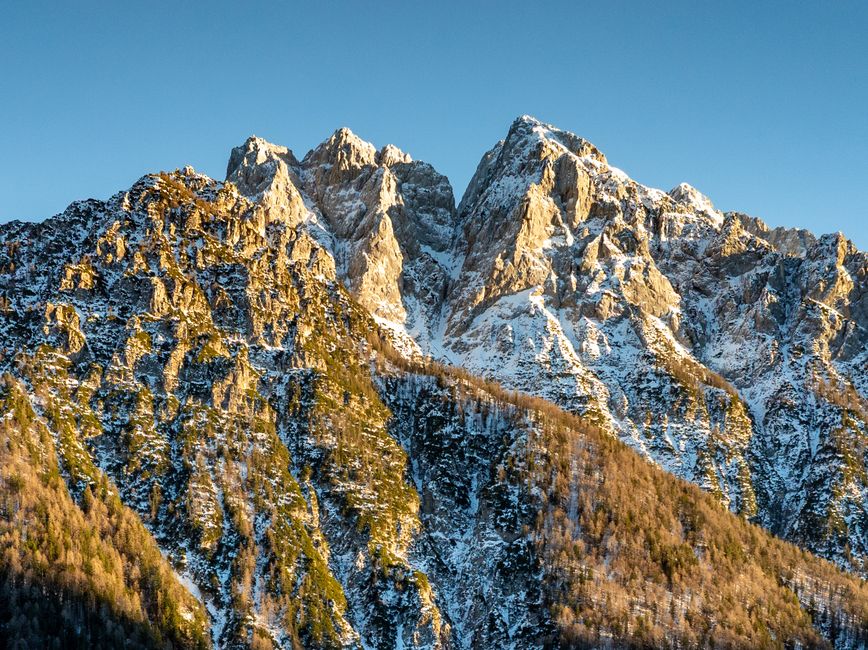
The Silence After the Storm
I sat on a rock above the tree line, watching the storm clouds break over the valley. The rain had stopped, leaving the air crisp and clean, smelling of wet earth and pine. My boots were caked in mud, my clothes were soaked through, and I was exhausted. But I felt alive in a way I hadn't in years. The Julian Alps don't care about your plans or your schedule. They demand your presence, your respect, and your humility. And in return, they give you something rare in this connected, noisy world: silence. Real, profound silence. It's not empty. It's full of everything that matters.
The trail continues south, into Croatia, Bosnia, and beyond. But this section, this gateway to the Dinaric spine, is enough to change you. You don't conquer the Julian Alps. You survive them, you learn from them, and you leave a piece of yourself on their rocky slopes. And when you return to the flat, noisy world below, you'll carry that silence with you, a quiet reminder of what it means to be small, and human, in the face of something vast and ancient.
Comments