


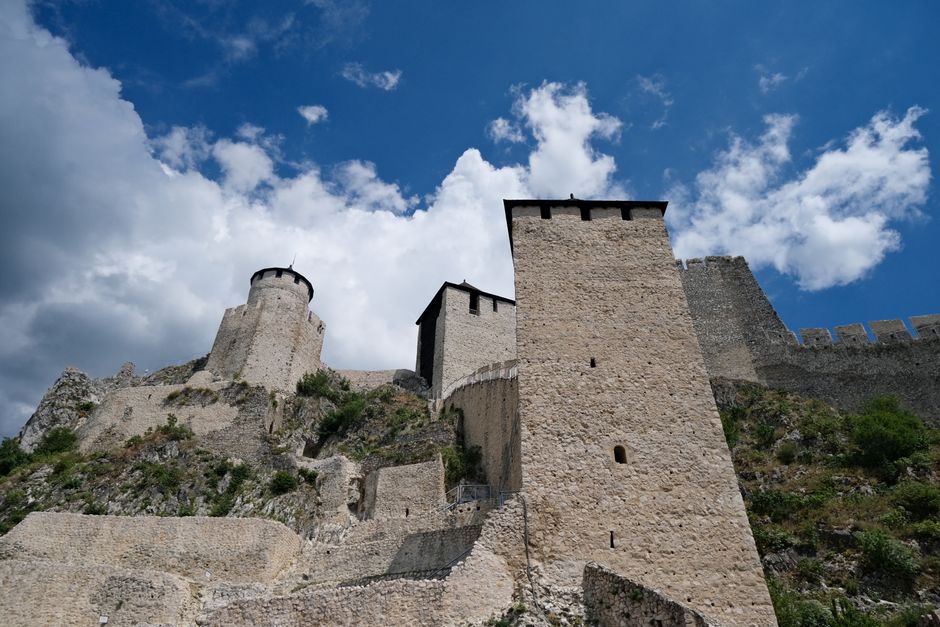
The wind on the ridge above Smederevo doesn't just blow; it screams. It tears through the jagged teeth of the fortress walls, carrying the scent of wet limestone and cheap tobacco. I'm standing on a parapet that has seen empires rise and crumble like dry bread, shivering in a jacket that isn't quite thick enough for the Serbian Highland chill. A local fisherman, wrapped in a wool sweater that has seen more winters than I have days alive, leans against a cannon that hasn't fired in three centuries. He doesn't care about my camera. He lights a cigarette, offers me one, and points toward the Danube, where the water turns brown and sluggish. "They built walls to keep enemies out," he says in broken English, smoke curling from his lips. "Now we build them to keep the past in." This isn't a postcard. This is a graveyard of ambitions, scattered across the rolling, mist-shrouded hills of central Serbia, where every stone holds a secret and every view comes with a price of silence.
Most tourists flock to Belgrade's Kalemegdan, loud and crowded with street performers and overpriced coffee. But the real story of Serbia's medieval soul isn't in the capital's polished parks. It's out here, in the highlands, where the fortresses cling to rocky outcrops like barnacles on a dying whale. These are places of raw, unfiltered history. No gift shops. No guided tours with headsets. Just you, the wind, and the overwhelming sense that you are trespassing on a memory that refuses to die. I spent three days driving the backroads, chasing ruins that feel more alive than many of the towns below them. Here, history isn't taught; it's felt in the bones of the stone.
History & Identity
The Serbian highlands are a landscape defined by conflict. For centuries, this region was the frontline between the Byzantine Empire, the Ottoman Turks, and the rising Serbian principalities. The fortresses weren't just military installations; they were statements of power, built by kings who knew their time was short. Stefan Lazarević, the despote who ruled in the early 15th century, was a poet and a warrior, and his legacy is etched into the very fabric of these walls. He understood that stone outlives flesh, so he built accordingly.
When the Ottomans took over, many of these fortresses were abandoned, others repurposed. But they never truly fell silent. During the Serbian Revolution in the 19th century, these same walls witnessed the struggle for independence. Today, they stand as silent witnesses to a national identity forged in fire. Walking through the ruins of Đerdap National Park, you can feel the weight of that history. It's not romanticized; it's brutal, beautiful, and deeply ingrained in the local psyche. The people here don't just live near these fortresses; they live with them. The stone is part of their daily life, a constant reminder of where they come from and what they've survived.
The architecture is a fascinating mix of styles. You'll see Byzantine influences in the domes and arches, Ottoman touches in the defensive layouts, and distinctly Serbian innovations in the use of local limestone. Each fortress tells a different story, shaped by its location and the rulers who commissioned it. Some are sprawling complexes with multiple courtyards and towers, while others are compact, fortified strongholds designed to withstand siege. But they all share one thing: a sense of isolation. They were built to be unreachable, perched on cliffs and hills, looking down on the valleys below with a cold, unblinking stare.
Where to Go
Smederevo Fortress — This is the beast. One of the largest fortresses in the Balkans, it sits on the banks of the Danube, a massive, angular monster of brick and stone. Built by Stefan Lazarević, it was the last stronghold of the Serbian Despotate before the Ottoman conquest. The scale is overwhelming. The walls are thick, the towers are imposing, and the central keep still stands tall. It's not fully restored, which gives it a raw, authentic feel. You can wander through the ruins without feeling like you're in a theme park. Entry is 4 EUR, but it's worth every penny. Go early in the morning when the mist hangs low over the river, and the fortress looks like it's floating on water.
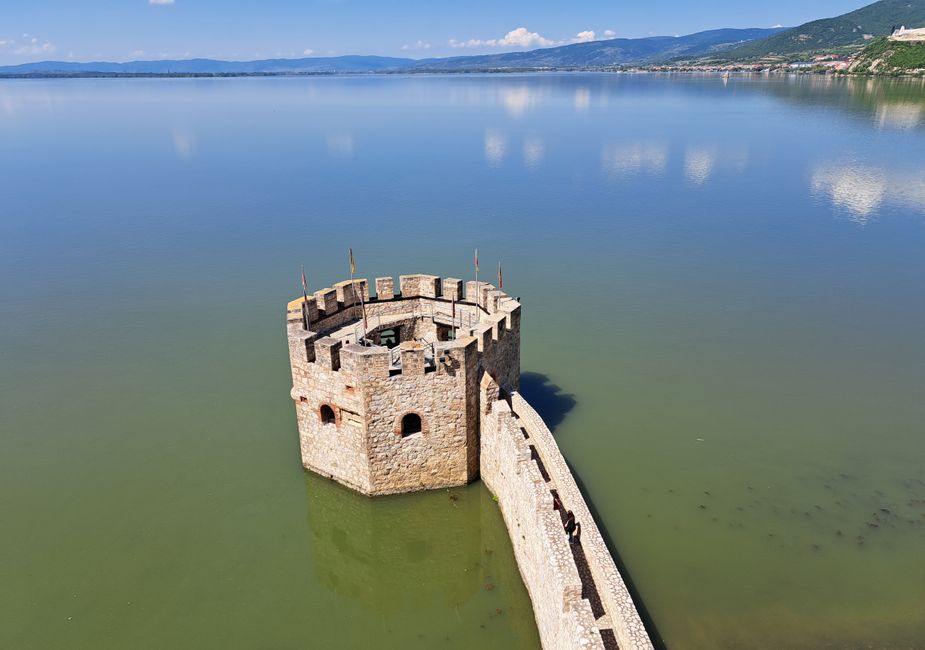
Ras Fortress — If Smederevo is the body, Ras is the soul. Located near Novi Pazar, this is the birthplace of the medieval Serbian state. It's a UNESCO World Heritage site, and for good reason. The ruins are extensive, covering a large area atop a rocky hill. You can see the remains of churches, palaces, and defensive walls. The view from the top is staggering, looking out over the valley and the surrounding mountains. It's a bit more of a hike to get to the highest points, but the effort is rewarded with a sense of timelessness. Entry is 3 EUR. Bring sturdy shoes; the terrain is uneven and rocky.
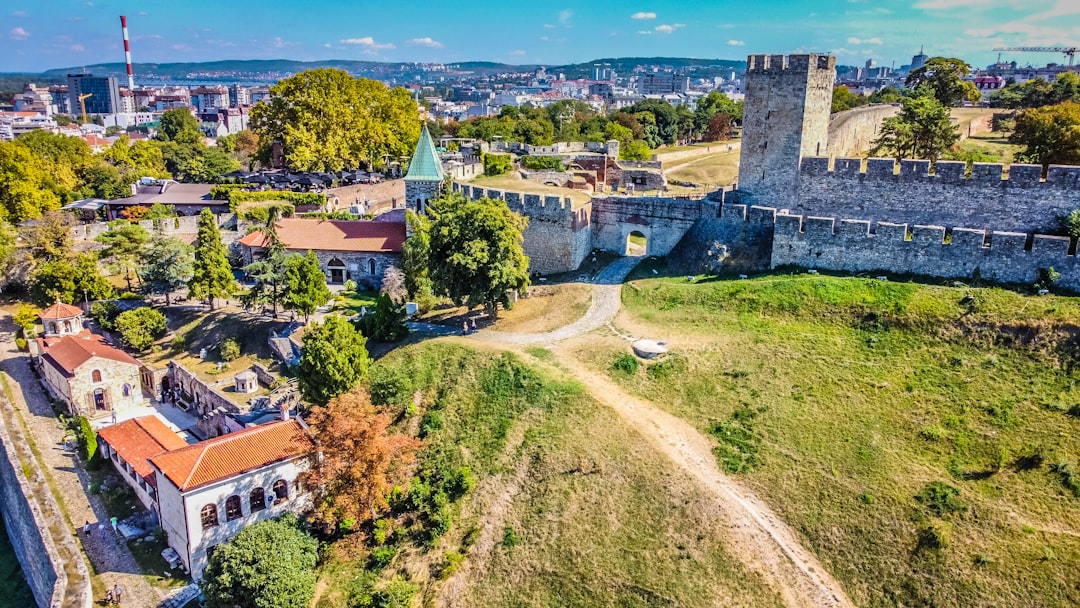
Belgrade Fortress (Kalemegdan) — I know, I know. I said I was avoiding the capital. But you can't talk about Serbian fortresses without mentioning Kalemegdan. It's the most visited, the most polished, and yes, the most crowded. But it's also the most accessible and the most complete. The fortress sits at the confluence of the Sava and Danube rivers, offering a strategic view that has been vital for centuries. The lower town is a maze of ruins and gardens, while the upper town offers panoramic views of the city and the river. It's a great place to start or end your journey, especially if you want to see a fortress that's still in active use. Entry is free, but there's a small fee for the underground exhibition. 5 EUR.
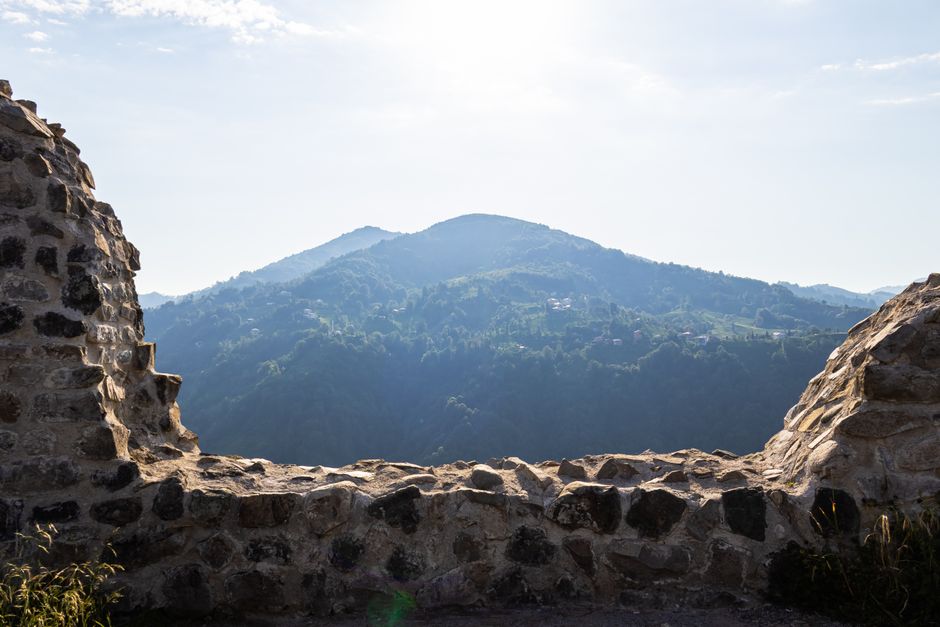
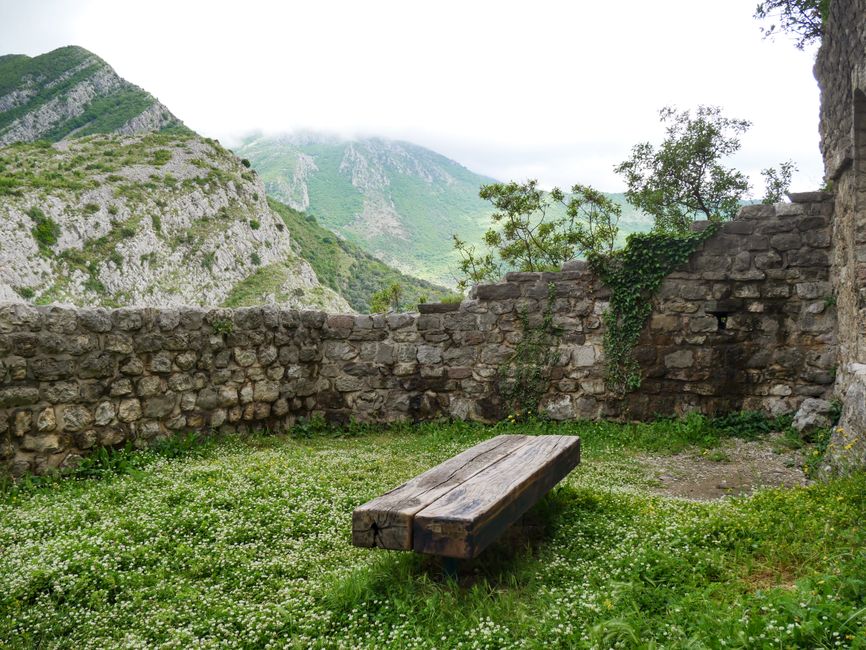
Maglič Fortress — This one is for the intrepid. Located near the town of Soko Banja, Maglič is a medieval fortress that has been largely ignored by tourists. It's perched on a steep hill, overlooking the Drina River. The ruins are extensive, with remains of walls, towers, and a church. The access is rough, requiring a bit of a hike, but the isolation is part of the appeal. It feels like you're the only person in the world. There's no entry fee, just the effort of getting there. It's a place for reflection, for sitting on the walls and listening to the wind.
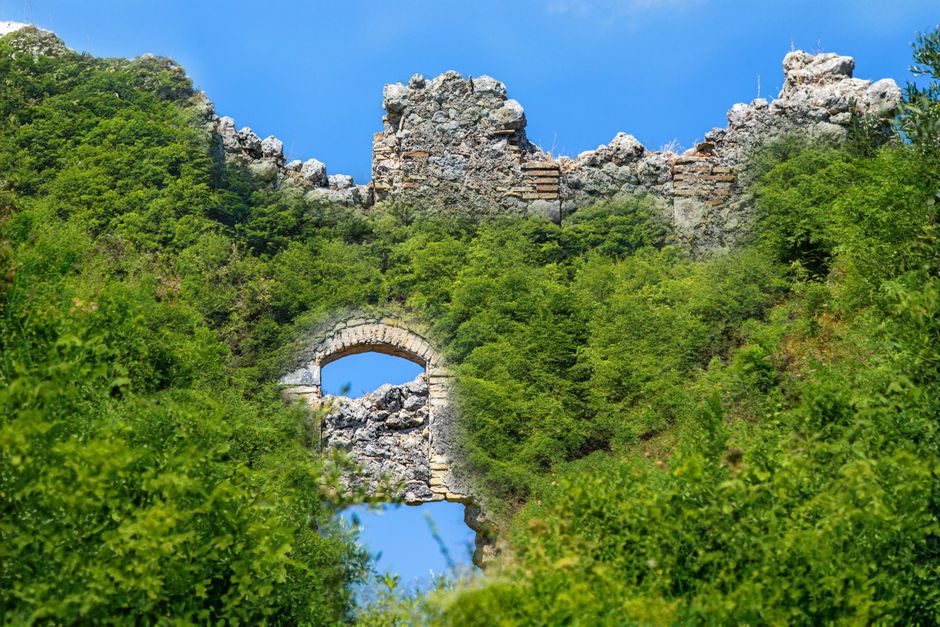
Gradina Fortress — A smaller, more intimate ruin near the town of Kruševac. This fortress is less famous, but it offers a glimpse into the daily life of medieval soldiers. The ruins are compact, with a small courtyard and a few remaining towers. It's a quick visit, but it adds to the tapestry of Serbian history. Entry is 2 EUR.
What to Eat & Drink
You can't hike these highlands on air. You need fuel. Serbian cuisine is hearty, meat-heavy, and perfect for refueling after a day of climbing stone walls. In the towns near the fortresses, you'll find small, family-run restaurants that serve food that hasn't changed in generations.
- Ćevapi — Small grilled sausages, served with somun (flatbread) and onions. 3-4 EUR
- Šopska Salata — A fresh salad of tomatoes, cucumbers, onions, and peppers, topped with kajmak (clotted cream). 2-3 EUR
- Karađorđeva Šnicle — A breaded pork cutlet, served with fries or mashed potatoes. 5-7 EUR
- Pljeskavica — A large grilled burger, often served with cheese and peppers. 4-6 EUR
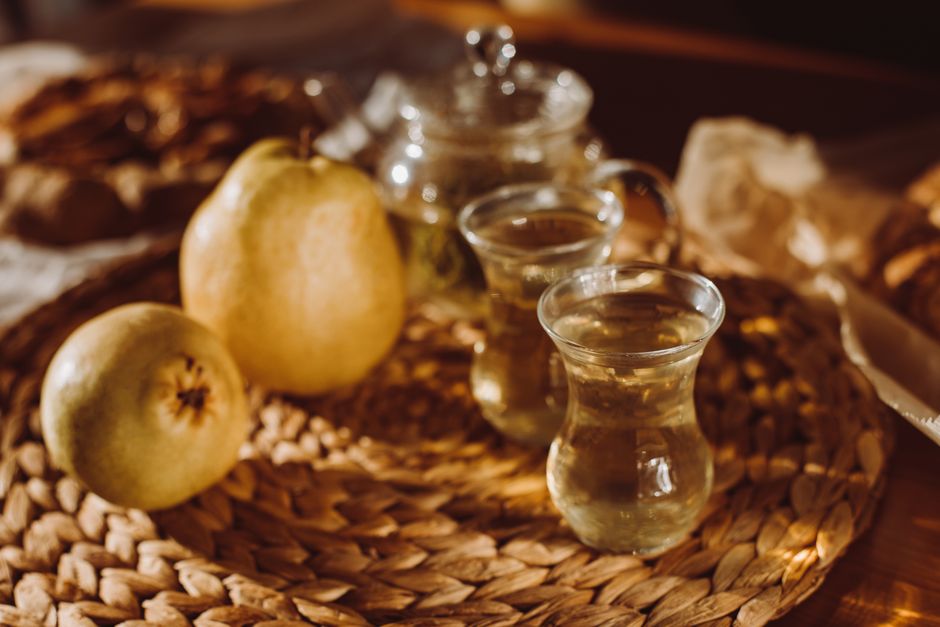
- Rakija — The national drink. A fruit brandy that packs a punch.
Budget breakdown: You can eat well on a budget. Street food and take-away options like ćevapi are under 5 EUR. A sit-down meal at a local restaurant will cost you 8-15 EUR per person. Mid-range hotels and nicer restaurants will run you 15-25 EUR. In Smederevo, head to the old town market for fresh produce and local delicacies. In Novi Pazar, the main square has several good restaurants. And don't forget the rakija. It's cheap, it's strong, and it's the perfect way to warm up after a day in the wind.
Nightlife
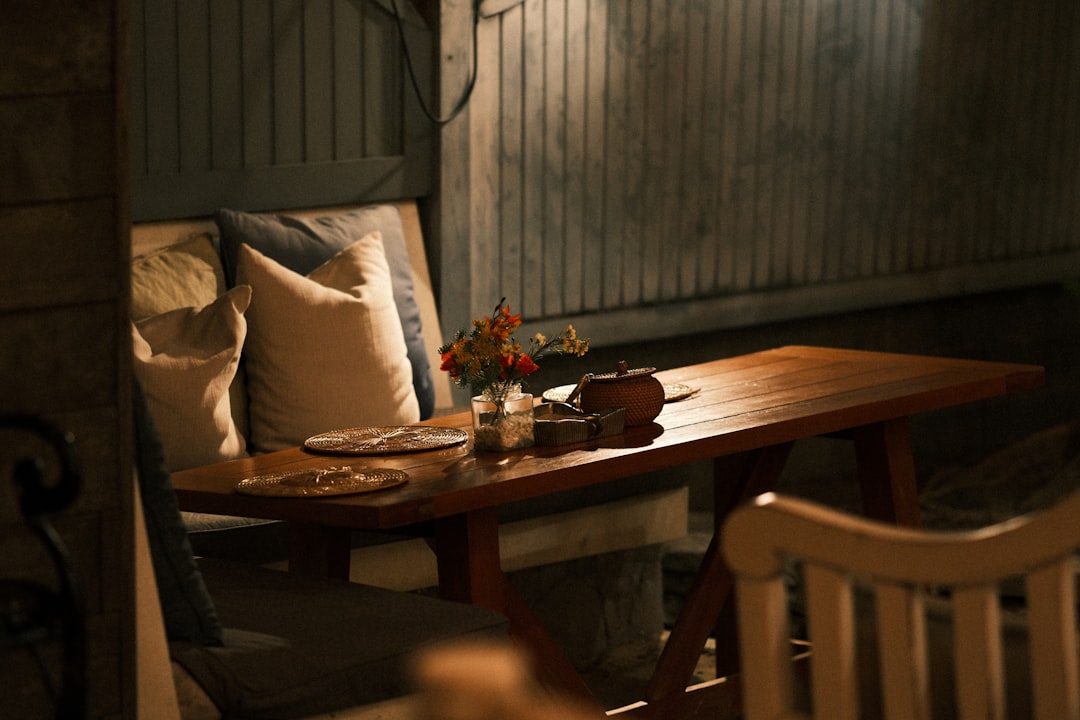
Forget clubs. Nightlife in the Serbian highlands is about conversation, rakija, and live music. In the evenings, the towns come alive with a different energy. People gather in small bars, known as kafanas, where they drink, eat, and listen to traditional music. It's not about dancing; it's about connecting.
In Smederevo, the old town has a few good kafanas. Kafana "Pod Gradom" is a local favorite, with a cozy atmosphere and live music on weekends. Cover is free, but you're expected to drink. . In Novi Pazar, the main square has several bars, but the real vibe is in the smaller streets. Kafana "Bosanski Potok" is a bit further out, but it's worth the trip for the authentic experience. Music is usually traditional, with accordion and trumpet. It's loud, it's lively, and it's a great way to end the day.
If you're in Belgrade, the nightlife is a different beast. Skanzen is a bohemian district with bars and clubs, but it's far from the fortress. For something closer, head to Dorćol, an old neighborhood with a mix of bars and restaurants. Ambar is a large complex with multiple venues, but it's more about partying than culture. Stick to the kafanas for the real experience.
Getting There & What to Expect
The nearest major hub is Belgrade. From there, you can rent a car, which is the best way to explore the highlands. The roads are decent, but some of the access roads to the fortresses are rough. Expect to spend 50-70 EUR per day on a rental car. Fuel is cheap, around 1.20 EUR per liter.
From Belgrade to Smederevo is about 1 hour by car. To Novi Pazar is about 3 hours. To Maglič is about 4 hours. If you don't want to drive, there are buses from Belgrade to most of these towns. Buses are cheap, around 5-10 EUR, but they're infrequent and can be uncomfortable. Trains are even slower and less reliable.
Accommodation ranges from budget hostels to mid-range hotels. In Smederevo, you can find a hostel bed for 15-25 EUR per night. A mid-range hotel will cost 40-60 EUR. In Novi Pazar, prices are similar. Maglič is more remote, so options are limited. You might need to stay in Soko Banja, which has a few hotels and guesthouses. Camping is an option in some areas, but check local regulations.
Best months to visit are May to October. The weather is mild, and the days are long. Winter is harsh, with snow and ice making the fortresses difficult to access. Spring and autumn are beautiful, but the weather can be unpredictable.
Search accommodation in Belgrade on Booking.com →
The Weight of Stone
As I left Maglič, the sun was setting behind the Drina River, painting the sky in shades of orange and purple. I sat on the edge of the cliff, my legs dangling over the void, and let the silence wash over me. It wasn't a peaceful silence. It was heavy, loaded with the ghosts of soldiers, kings, and common people who had walked these same stones. I felt small, insignificant, but also connected. Connected to a history that was brutal, beautiful, and unapologetically real.
These fortresses aren't just ruins. They're reminders of what it means to be human. To build, to fight, to lose, and to endure. They don't offer easy answers or pretty postcards. They offer something better: truth. And in a world that's increasingly fake, that's a rare and precious thing. So pack your bags, bring your sturdy shoes, and head to the Serbian highlands. The wind is waiting.
Comments