


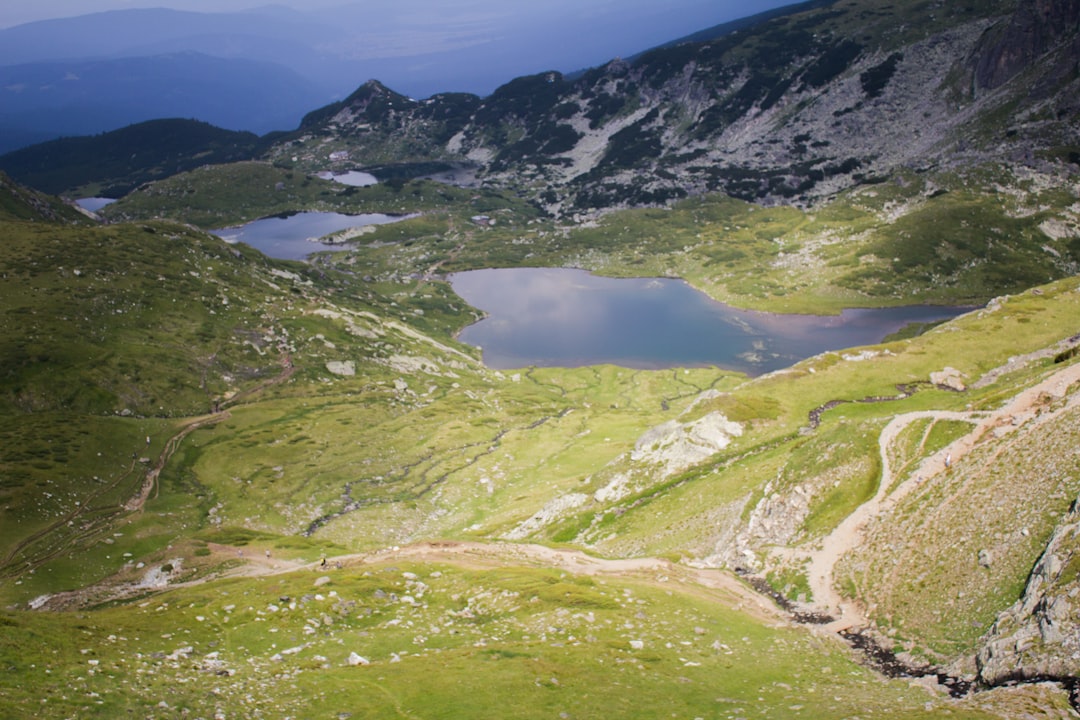
I woke up at 4:30 AM in Rila Monastery, Bulgaria, with a headache that felt like a geological event. The air was so thin and cold it tasted of iron and centuries-old incense. I had spent the previous night nursing a cheap rakia with a local shepherd who claimed the mountain spirits were angry because I was wearing neon sneakers. By dawn, the bells were ringing — deep, bronze-throated sounds that vibrated in my sternum. I didn't sleep. I walked out into the pre-dawn grey, past the stone walls that have survived Ottoman sieges, communist purges, and the slow erosion of modern indifference. This wasn't a vacation. It was an interrogation by the landscape. Rila Mountain doesn't care about your itinerary. It demands you feel something real, even if it's just the ache in your calves from climbing toward the Seven Rila Lakes.
The transition from the monastery's spiritual gravity to the alpine wilderness is jarring. One minute you're surrounded by Byzantine frescoes and the weight of Orthodox history; the next, you're breathing air so clean it burns your lungs, staring at glacial lakes that look like shards of broken sky. I came here to run from the noise of Sofia, but I found a different kind of noise — the roar of wind through pine trees, the crunch of gravel under boots, the silence that screams. This is the heart of the Balkans, raw and unpolished. Let's talk about how to survive it, and why you should.
History & Identity: The Fortress of Faith
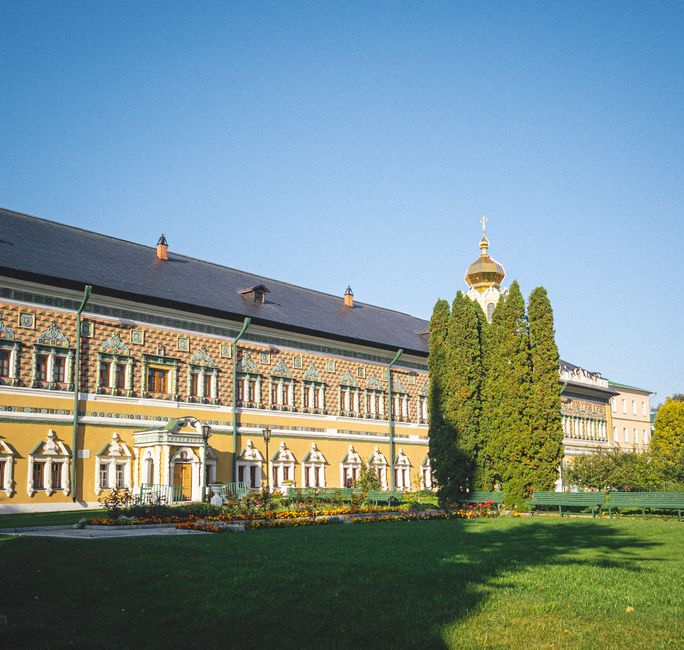
The Rila Monastery is not just a church; it is a symbol of Bulgarian national identity that survived when the state did not. Founded in the 10th century by St. John of Rila, the current structure dates mostly to the 19th century, rebuilt after being destroyed by fire in 1833. During the Ottoman occupation, it served as a hidden school for Bulgarian language and culture, a secret resistance hub disguised as a religious site. The walls you see today are thick, fortified, and defiant. Walking through the main courtyard, you feel the tension between piety and survival. The architecture is a riot of Baroque and Revival styles — colorful frescoes, intricate woodcarvings, and a bell tower that dominates the valley. It's a visual shout against erasure.
Today, the monastery is a UNESCO World Heritage site, but it remains an active religious community. Monks still live here, chanting in the crypts and tending to the gardens. The atmosphere is a mix of spiritual reverence and tourist traffic. Locals treat it with a quiet respect that often clashes with the selfie-stick generation. For the traveler willing to look past the crowds, the details are staggering: the hand-painted icons, the stone carvings of lions and eagles, the way the light hits the golden domes at sunset. It's a place where history isn't just written; it's lived, breathed, and sometimes, loudly debated.
Where to Go: From Stone Walls to Glacial Water
Rila Monastery — The anchor of the region. Entry is free, but a donation is expected. The main church, the Church of the Nativity of the Virgin Mary, holds some of the most important Orthodox frescoes in Southeast Europe. Visit early morning or late afternoon to avoid the peak tour bus crowds. The courtyard offers a panoramic view of the surrounding peaks. Dress modestly: shoulders and knees covered. Women should carry a scarf for the head inside the church. The silence inside is profound, a stark contrast to the bustling exterior. Spend at least two hours here to absorb the scale and detail. The museum nearby holds religious artifacts and manuscripts, worth a quick stop if you have time.
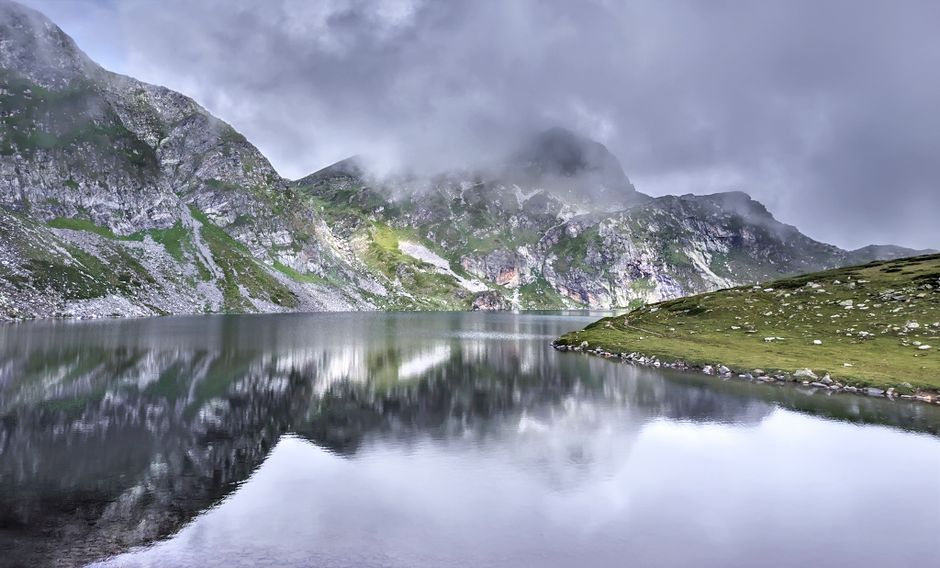
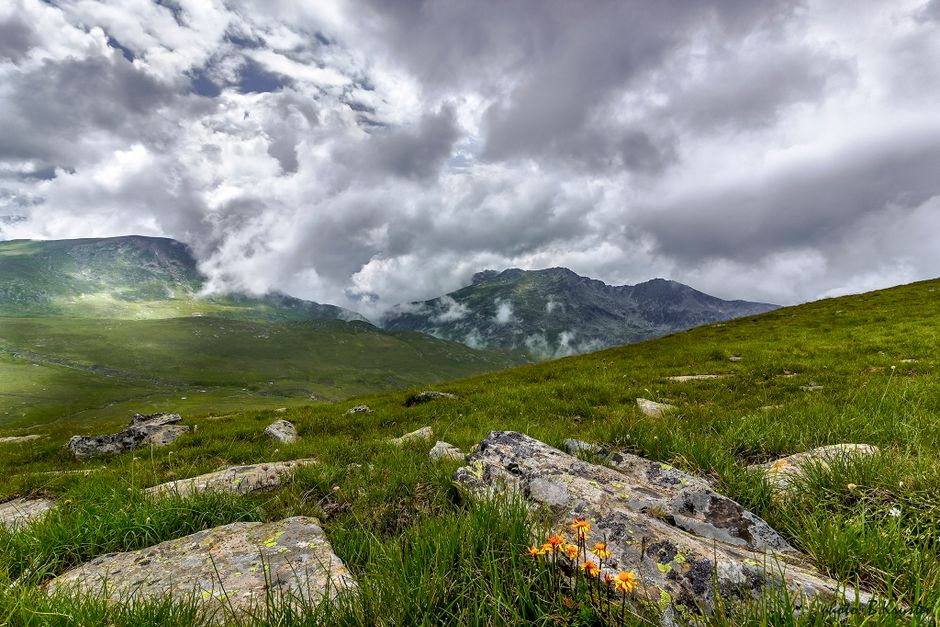
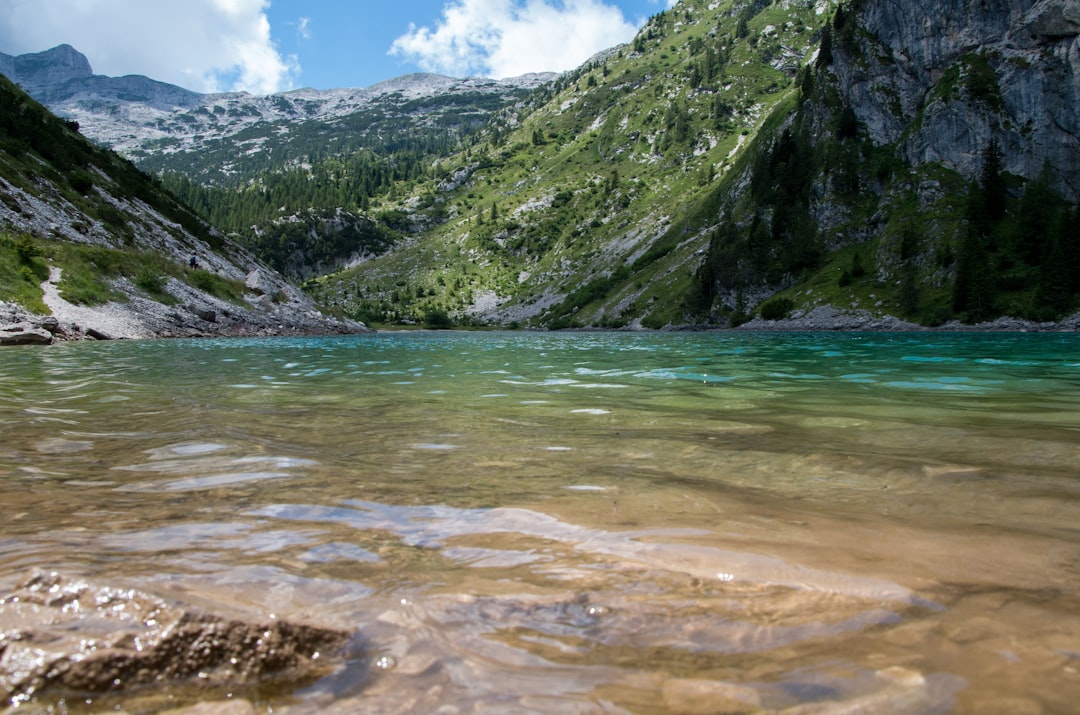
Seven Rila Lakes — The crown jewel of Rila National Park. These glacial lakes, formed during the last ice age, are named after the seven deadly sins, though they look anything but sinful. They are deep, cold, and impossibly blue, set in a high-altitude cirque above the tree line. The trek to the upper lake is strenuous but rewarding. The water is so clear you can see the rocky bottom even in the deepest parts. In winter, the lakes freeze, creating a surreal, icy landscape. In summer, the alpine meadows burst with wildflowers. The views from the rim of the upper lake, looking down over the forested slopes, are among the most dramatic in Bulgaria. Bring layers; the weather changes fast.
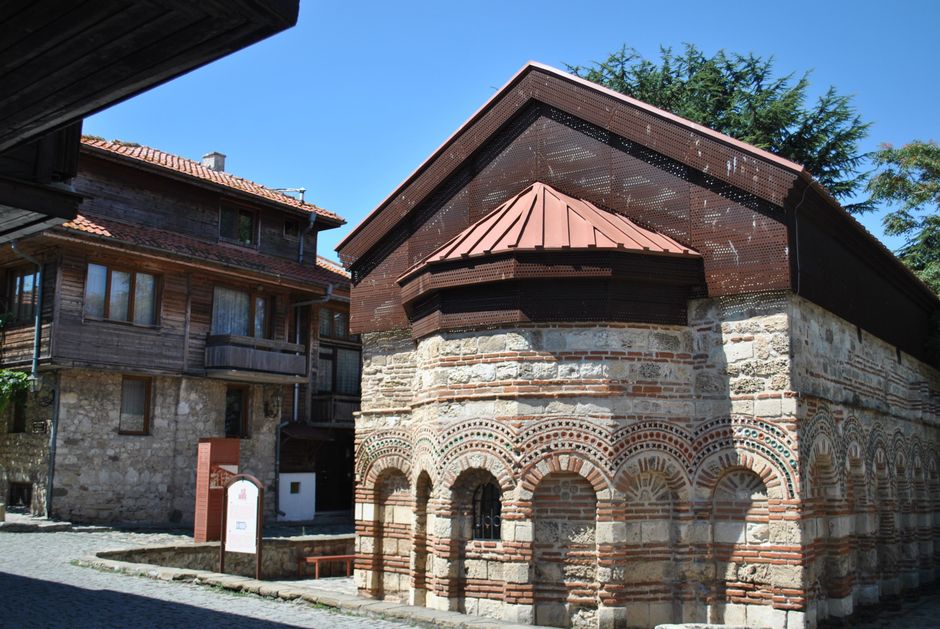
Boyana Church — Located on the outskirts of Sofia, this small medieval church is a UNESCO site and a masterpiece of Bulgarian Revival architecture. The frescoes inside are considered some of the finest in Europe, depicting religious scenes with a naturalism that was revolutionary for the 13th century. The exterior is built into the hillside, with a stone base and a wooden upper level. It's a short drive from the city, but the artistic value is immense. The museum next door provides context for the iconography and the history of Bulgarian painting. It's a quiet, contemplative stop that offers a different perspective on the region's artistic heritage.
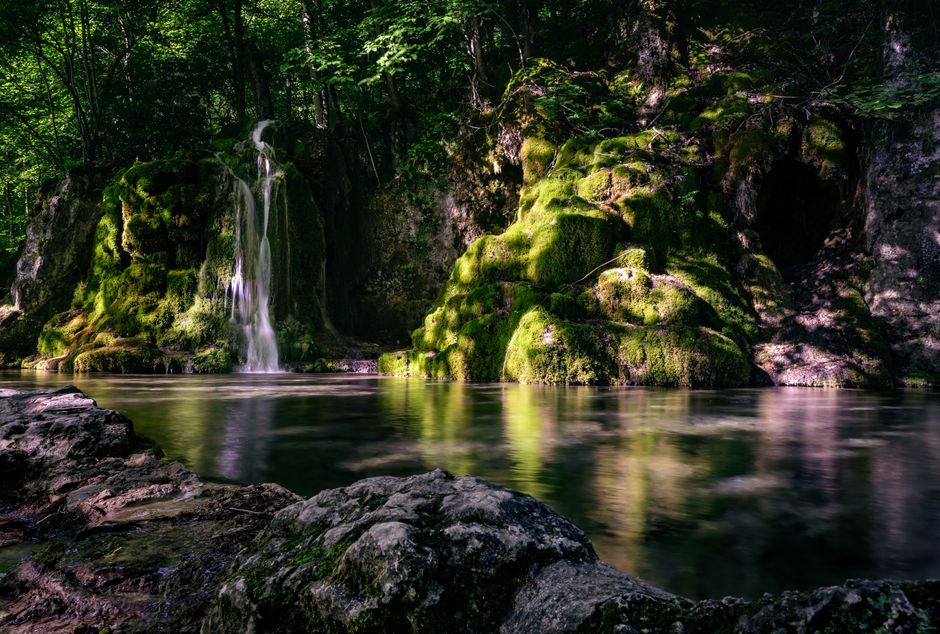
Dragaletski Waterfall — A powerful cascade in the Rila Mountains, formed by the Dragalechka River. The waterfall is accessible via a well-marked trail from the village of Dragalets. The hike is moderate, taking about an hour each way, and passes through dense beech and pine forests. The sound of the water is constant, a roaring backdrop to the hike. The area around the waterfall is lush and green, with plenty of spots for a picnic. It's a great warm-up hike before tackling the more demanding trails to the Seven Lakes. The mist from the falls creates rainbows on sunny days, adding a touch of magic to the rugged landscape.
What to Eat & Drink: Fuel for the Ascent
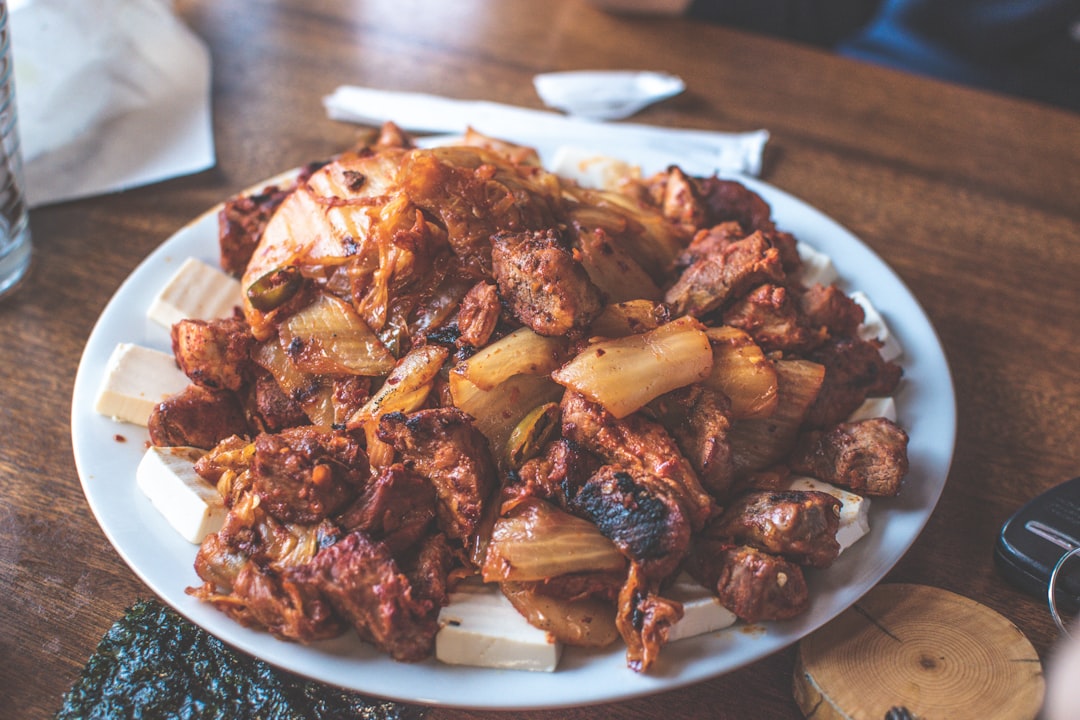
Mountain hiking demands serious calories. In Rila, the food is hearty, rustic, and designed to keep you warm. Start with banitsa 2-4 EUR — a flaky pastry filled with eggs and white cheese, often served with yogurt. It's the standard breakfast, available in every village kafene. For lunch, look for kavarma 8-12 EUR — a slow-cooked meat stew with onions, peppers, and paprika, served with bread. It's heavy, but it fuels the climb. Don't skip the shopska salata 4-6 EUR — chopped tomatoes, cucumbers, onions, and peppers, topped with grated sirene cheese. It's fresh, crisp, and cuts through the richness of the meat.
Drinks are equally important. Rakia 3-5 EUR is the local spirit, usually grape or plum-based. It's potent, clear, and often homemade. Drink it in small shots, preferably after a meal. For something lighter, try ayran 1-2 EUR — a yogurt drink that's refreshing and hydrating. In the mountains, you'll find small lodges serving simple meals. Budget for 15-25 EUR per person for a sit-down meal in a village restaurant. Street food options are limited in the high mountains, but in Rila town or Samokov, you can find kebapche 4-6 EUR — minced meat sausages grilled on skewers. They're cheap, filling, and perfect for a quick bite before hitting the trail.
Nightlife: Quiet Villages and Mountain Silence
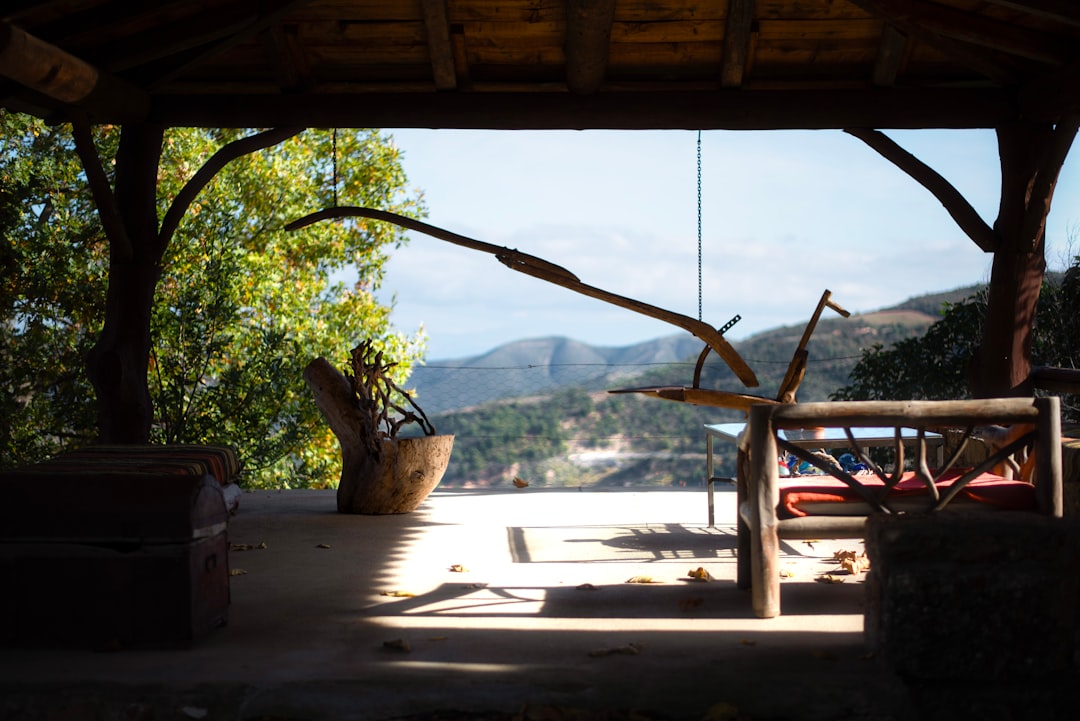
Let's be clear: Rila Mountain is not a party destination. The "nightlife" here is the sound of wind, the chirp of crickets, and the occasional distant bark of a sheepdog. In the village of Rila, near the monastery, there are a few small bars and cafes where locals gather for rakia and conversation. The atmosphere is relaxed, friendly, and deeply rooted in community. Music is usually traditional folk or soft rock, played at a volume that allows for actual talking. This is not the place for clubs or loud DJs. The beauty of Rila is in its stillness. After a long day of hiking, the best "nightlife" is a hot bath, a glass of wine, and the dark, star-filled sky above the peaks. Sleep early. The mountains will be calling you again at dawn.
Getting There & What to Expect
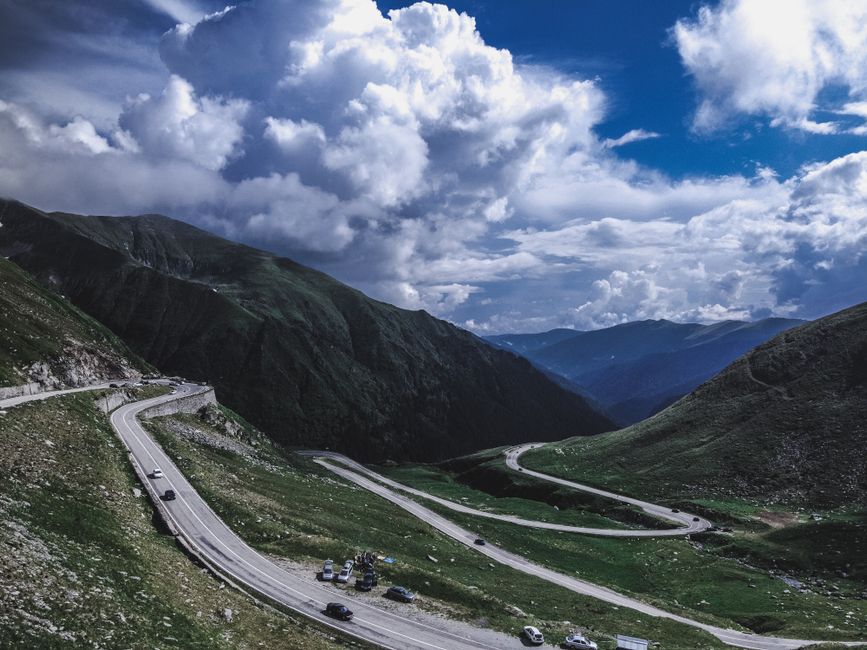
Getting to Rila Mountain starts in Sofia, the capital. The drive takes about 2-3 hours via the Rila Highway, which winds through the western Balkans. The road is well-maintained, but mountain weather can change quickly. Buses run regularly from Sofia's central bus station to Rila town and Samokov, costing around 8-12 EUR one way. If you're driving, rent a car in Sofia . The trailhead for the Seven Lakes is in the village of Boyano, near the monastery. From there, the hike begins. Accommodation ranges from basic guesthouses in Rila village to mountain huts near the lakes . Book in advance during summer and autumn. The best months to visit are June to September for hiking, and December to February for winter sports. Temperatures drop significantly at altitude, so pack layers, waterproof gear, and sturdy boots. The mountain is unforgiving to the unprepared.
Search accommodation in Rila on Booking.com →
The Ascent: A Personal Reckoning
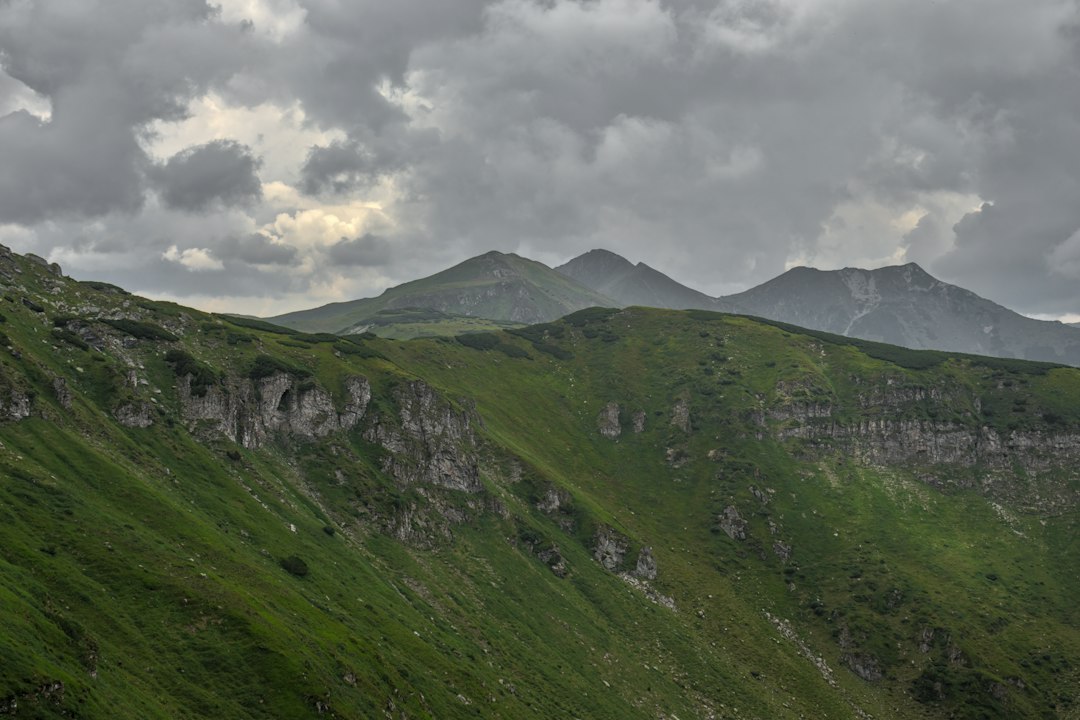
I made it to the upper Seven Rila Lakes by noon, my legs burning, my lungs raw. The silence up there is absolute. No traffic, no voices, just the wind and the occasional cry of a hawk. I sat on a rock, eating a piece of dry bread, watching the clouds move over the peaks. It struck me then: this place doesn't want to be conquered. It wants to be witnessed. The monastery below, with its history of resistance and faith, and the lakes above, with their ancient, frozen beauty, are two sides of the same coin. They speak of endurance. Of survival. Of finding meaning in the harshness of the world. I left the mountain exhausted, but changed. The neon sneakers stayed in the bag. I walked down barefoot, metaphorically speaking, feeling the earth beneath my feet. Rila doesn't offer answers. It offers presence. And in a world that's constantly moving, that might be the most radical thing of all.
Comments