


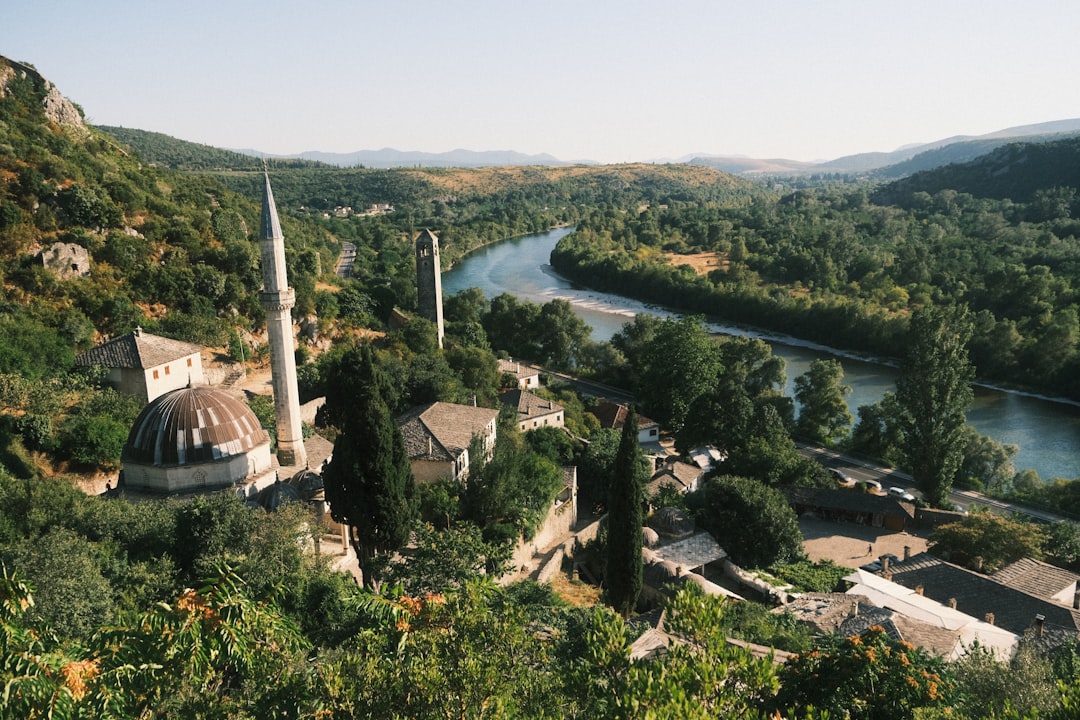
The coffee in the village of Stolac isn't just bitter; it's a warning. I'm sitting on a plastic chair that has seen three decades of Balkan summers, watching a goat stare at me with the judgmental intensity of a tax auditor. The air here, at 1,800 meters, is thin and sharp, smelling of pine resin and damp earth. There is no Wi-Fi. There is no signal. There is just the wind whipping off the peaks of Bjelasica Mountain and the distant, rhythmic clanging of a shepherd's bell. This isn't the polished, Instagram-ready Bosnia you see in the travel brochures featuring Mostar's bridge. This is the raw, unvarnished spine of the country, where the roads end and the real adventure begins. I came here looking for a hike, but I found a place that feels dangerously close to vanishing from the modern map, preserved in amber by its own stubborn isolation.
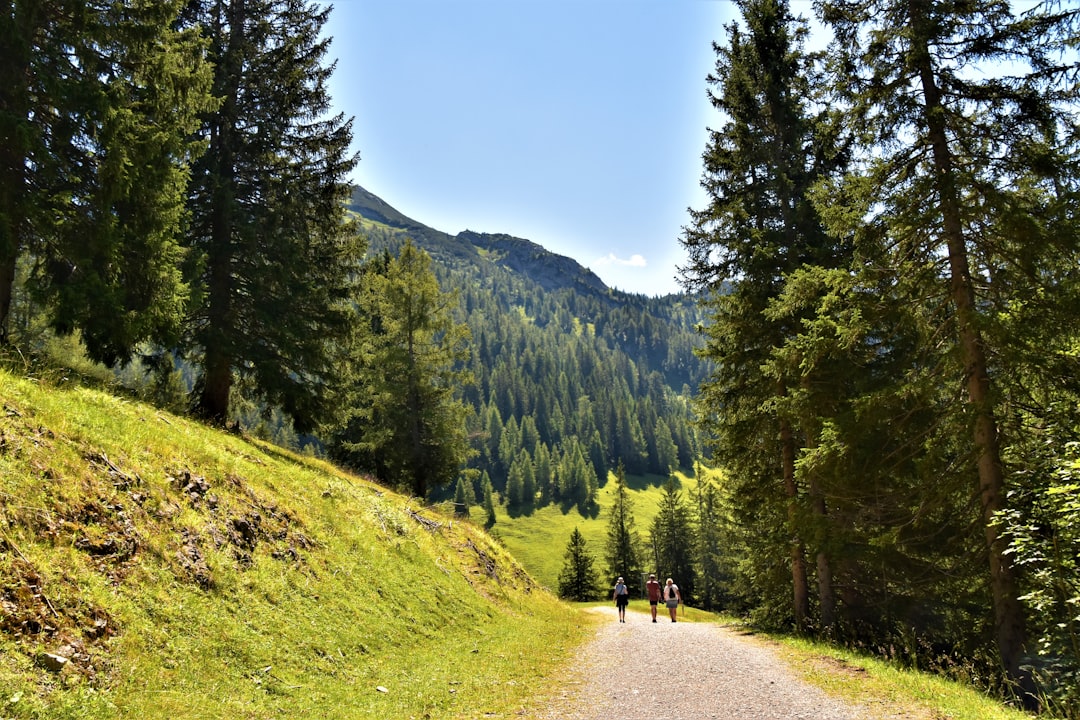
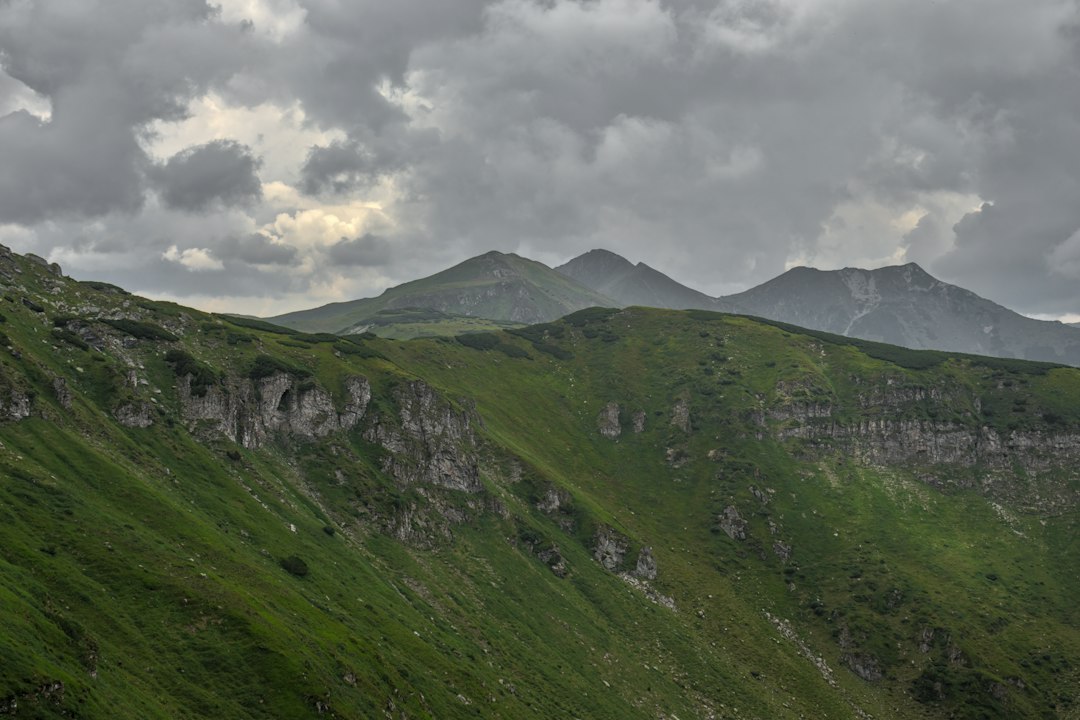
Bjelasica, which translates to "The White Mountain," lives up to its name in winter, but in summer, it is a sea of green so dense it feels suffocating. The trails are not marked with bright ribbons or GPS coordinates. You follow the hoof prints. You follow the smoke rising from the chimneys of stone houses that look like they were assembled by giants. This is eco-tourism in its most primitive and honest form. You don't pay for an experience here; you earn it by breathing the air, walking the paths, and respecting the silence that has hung over these peaks for centuries. It is exhausting, exhilarating, and utterly necessary.
History & Identity
The history of Bjelasica is written in stone and silence. For centuries, this mountain range served as a natural fortress and a hiding place for those fleeing conflict or oppression. The rugged terrain, with its deep gorges and sheer cliffs, made it an impenetrable stronghold. During the Ottoman era, the mountain was a refuge for local tribes who maintained their independence through sheer tenacity. The villages scattered across its slopes are not tourist inventions; they are living monuments to survival. The architecture here is distinct—low, stone houses with thick walls to withstand the harsh winters, topped with heavy wooden roofs. These structures are not just shelters; they are statements of endurance.
The modern identity of Bjelasica is tied to its role as a protected natural area. Designated as a nature park, it is one of the few places in the Balkans where industrial development has been largely kept at bay. The local community has embraced eco-tourism not as a commercial opportunity, but as a means of preservation. The villagers, many of whom are descendants of the original inhabitants, are the guardians of this landscape. They offer accommodation in their homes, serve food grown in their gardens, and guide visitors through trails that have not changed in generations. This is not a curated experience; it is an immersion into a way of life that is rapidly disappearing elsewhere in the region.
Where to Go
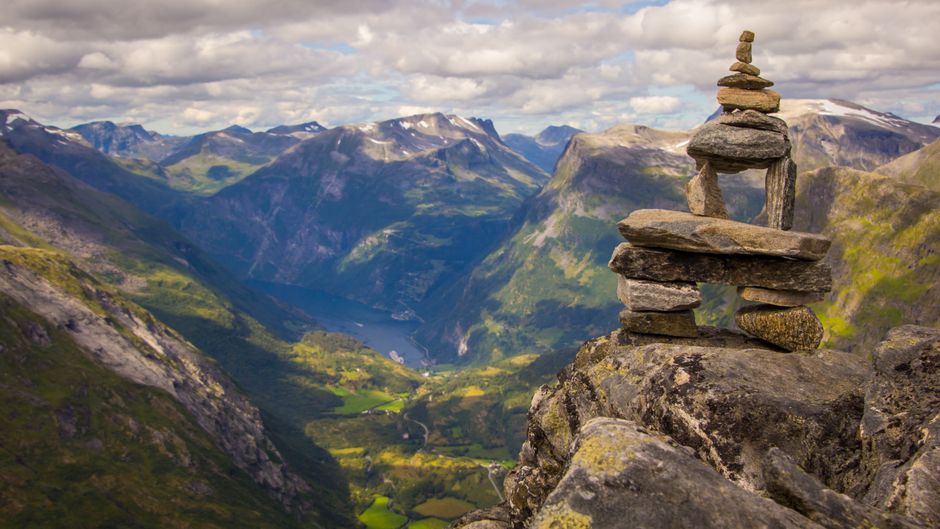
Vrhbjelasica Peak — The highest point of the mountain, standing at 1,895 meters. The climb is steep and demanding, but the view from the top is a reward that justifies every step. On a clear day, you can see the surrounding valleys and even the distant peaks of the Dinaric Alps. The summit is marked by a small stone cairn, a silent witness to the countless hikers who have reached this point. Best visited in early morning to avoid afternoon clouds. Entry is free, but respect the terrain.
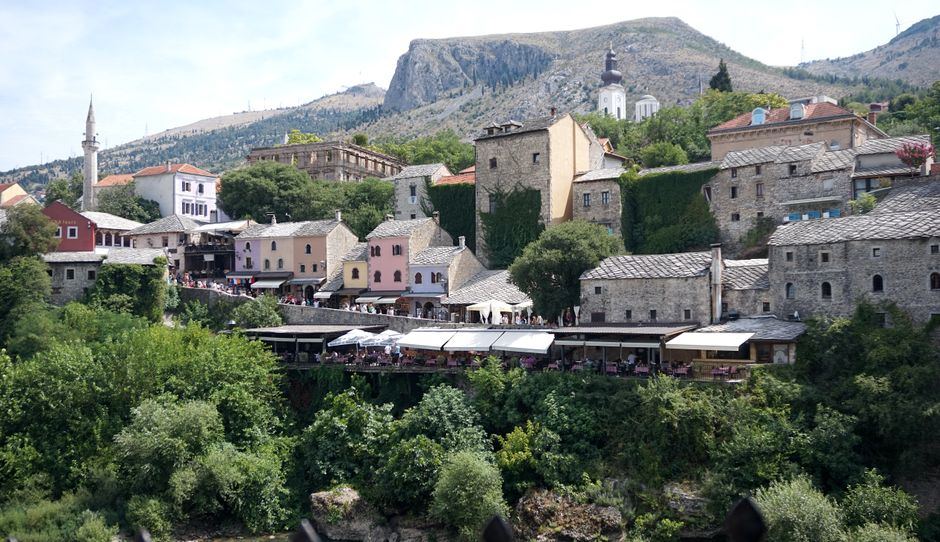
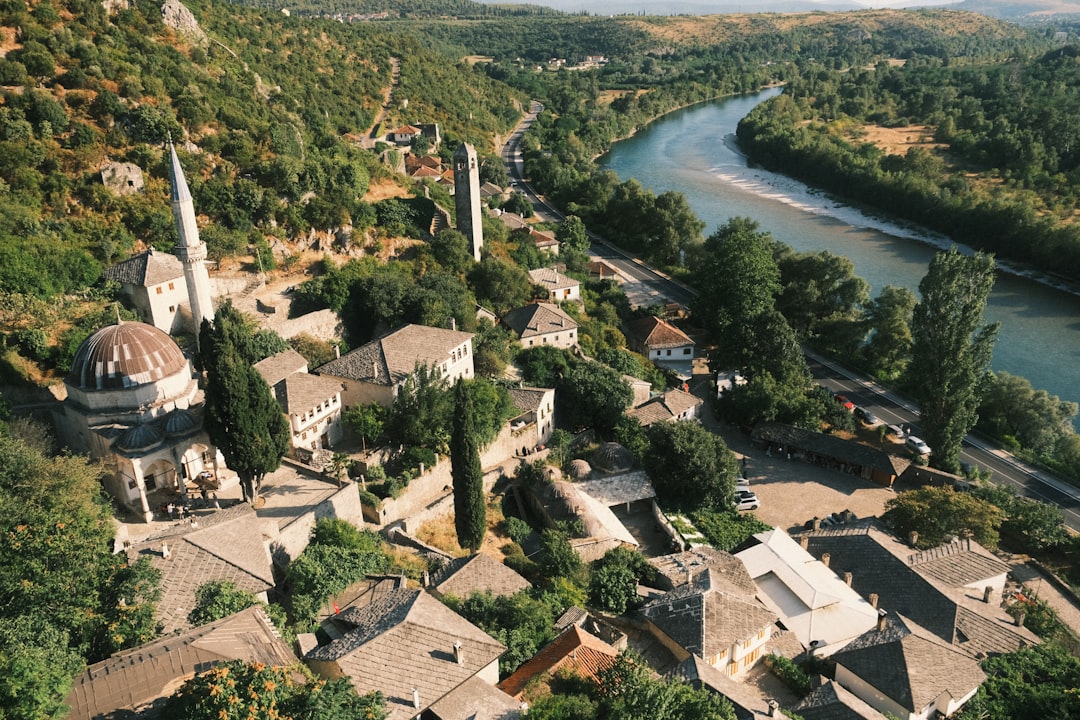
Stolac Village — The traditional heart of the Bjelasica region. This village is a cluster of stone houses, a church, and a few family-run guesthouses. It is the perfect base for exploring the mountain. The village square is a hub of activity, especially in the evenings when locals gather to share stories and drinks. The atmosphere is warm and welcoming, a stark contrast to the rugged landscape surrounding it. Don't miss the local bakery, where the bread is baked in a wood-fired oven.
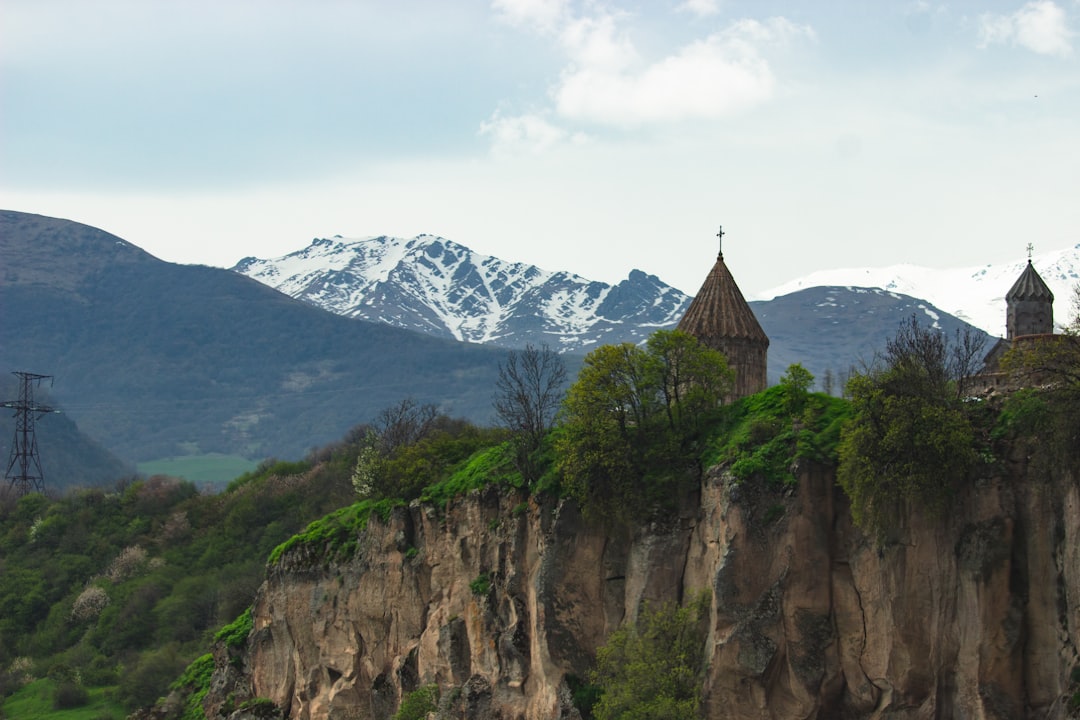
Crkva Sv. Arhangela Mihaila — A small Orthodox church perched on a hillside overlooking the village. The church is a simple stone structure, but its location offers a stunning view of the surrounding valley. The interior is adorned with frescoes that have survived centuries of weather and war. It is a place of quiet reflection, far removed from the hustle and bustle of the tourist centers. Entry is free, but donations are appreciated.
Jezerski Vrh — A lower peak that offers a more accessible hike for those who are not up for the full climb to Vrhbjelasica. The trail is well-marked and takes about two hours to complete. The view from the top is equally impressive, with a panoramic vista of the mountain range. It is a great option for families or those who want a shorter, less strenuous hike.
What to Eat & Drink
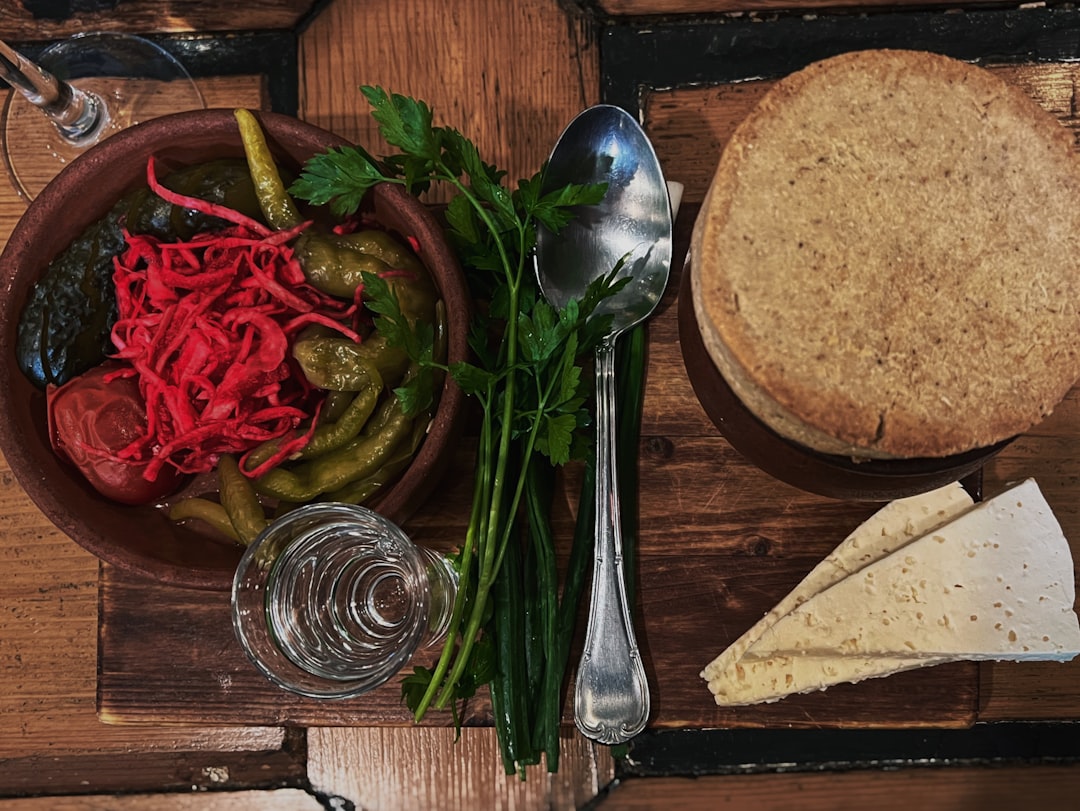
Food in Bjelasica is not about gourmet presentations or Michelin stars. It is about sustenance, flavor, and tradition. The local cuisine is heavily influenced by the mountain environment, with a focus on meat, dairy, and wild herbs. Kajmak — a creamy dairy product, 3-5 EUR per serving, is a staple, often served with bread and cheese. Pršut — dry-cured ham, 8-12 EUR per portion, is another local specialty, smoked over beechwood and aged for months. Kuvano vino — mulled wine, 2-4 EUR per glass, is the perfect way to warm up after a day of hiking.
Budget travelers can find a meal for 5-8 EUR at a local family-run guesthouse, where the food is homemade and the portions are generous. Street food is not really a thing here, but you can find fresh bread and cheese at the village bakery for 1-2 EUR. For a more substantial meal, expect to pay 10-15 EUR per person at a local restaurant. The best place to eat is in the village of Stolac, where several family-run establishments offer a taste of authentic Bosnian mountain cuisine. Don't miss the opportunity to try jagnjetina — lamb, 15-20 EUR per serving, which is often roasted in a traditional oven.
The drink scene is equally simple. Local wine, made from grapes grown in the surrounding valleys, is the beverage of choice. 3-5 EUR per glass, it is robust and earthy, perfect for pairing with the heavy, flavorful food. Raki, a strong fruit brandy, is also widely available and is often served as a digestif. 2-4 EUR per shot, it is a fiery end to a meal, but one that is worth experiencing for the warmth it brings.
Nightlife
Nightlife in Bjelasica is not about clubs or bars. It is about community, conversation, and connection. In the evenings, the locals gather in the village square or in the common room of the guesthouses. The atmosphere is relaxed and informal, with music playing softly in the background. The music is traditional, often featuring the accordion and the violin, and it is a perfect accompaniment to the night.
There are no cover charges here, and the drinks are affordable. The focus is on socializing, not partying. It is a chance to talk to the locals, to learn about their lives, and to share your own stories. It is a different kind of nightlife, one that is more about connection than consumption. For those who are looking for a wild night out, Bjelasica is not the place to be. But for those who are looking for a genuine experience, it is unparalleled.
Getting There & What to Expect
Getting to Bjelasica is not easy, and that is part of its charm. The nearest major city is Sarajevo, which is about 100 kilometers away. The drive takes about two hours, but the last part of the journey is on a narrow, winding road that can be challenging to navigate. There are no regular bus services to the mountain, so you will need to rent a car or arrange for a private transfer. The cost of a car rental is around 30-50 EUR per day, and the fuel cost is approximately 15-20 EUR for the round trip.
The trailhead for the main hike to Vrhbjelasica is in the village of Stolac. There is a small parking area near the village square, but it is limited in size, so arrive early. The hike is strenuous, and you should be prepared for a full day of walking. Bring plenty of water, snacks, and warm clothing, even in summer. The weather on the mountain can change rapidly, and it is important to be prepared for all conditions.
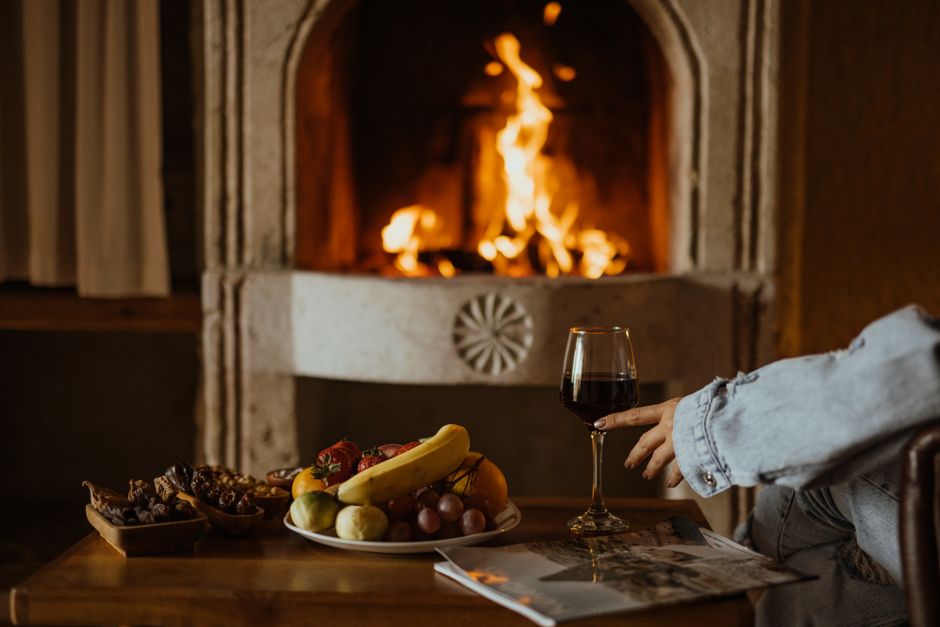
Accommodation in Bjelasica is basic but comfortable. Guesthouses in the village of Stolac offer rooms for 20-40 EUR per night, including breakfast. The rooms are simple, with shared bathrooms, but the hospitality is exceptional. For those who prefer to be closer to nature, camping is allowed in designated areas, and the cost is minimal, around 5-10 EUR per night. The best time to visit is from June to September, when the weather is warm and the trails are clear. In winter, the mountain is covered in snow, and the roads are often closed, making it accessible only to experienced skiers and snowshoers.
Search accommodation in Stolac, Bosnia and Herzegovina on Booking.com →
The Last Refuge
As I pack my bag in the dim light of the guesthouse, the goat is still staring at me. It hasn't blinked. I realize that I have been staring back, trying to understand what it knows that I don't. The answer, I think, is that it understands the value of stillness. In a world that is constantly moving, constantly changing, constantly demanding our attention, Bjelasica offers something rare: a place to stop. To breathe. To listen.
Leaving the mountain feels like leaving a part of myself behind. The road back to Sarajevo is long and winding, and the city lights seem harsh and intrusive after the darkness of the peaks. But I know that I will return. Not for the hike, or the food, or the nightlife. But for the silence. For the stone. For the goat that judges me with the wisdom of centuries. Bjelasica is not just a mountain; it is a state of mind. And it is waiting for those who are willing to find it.
Comments