


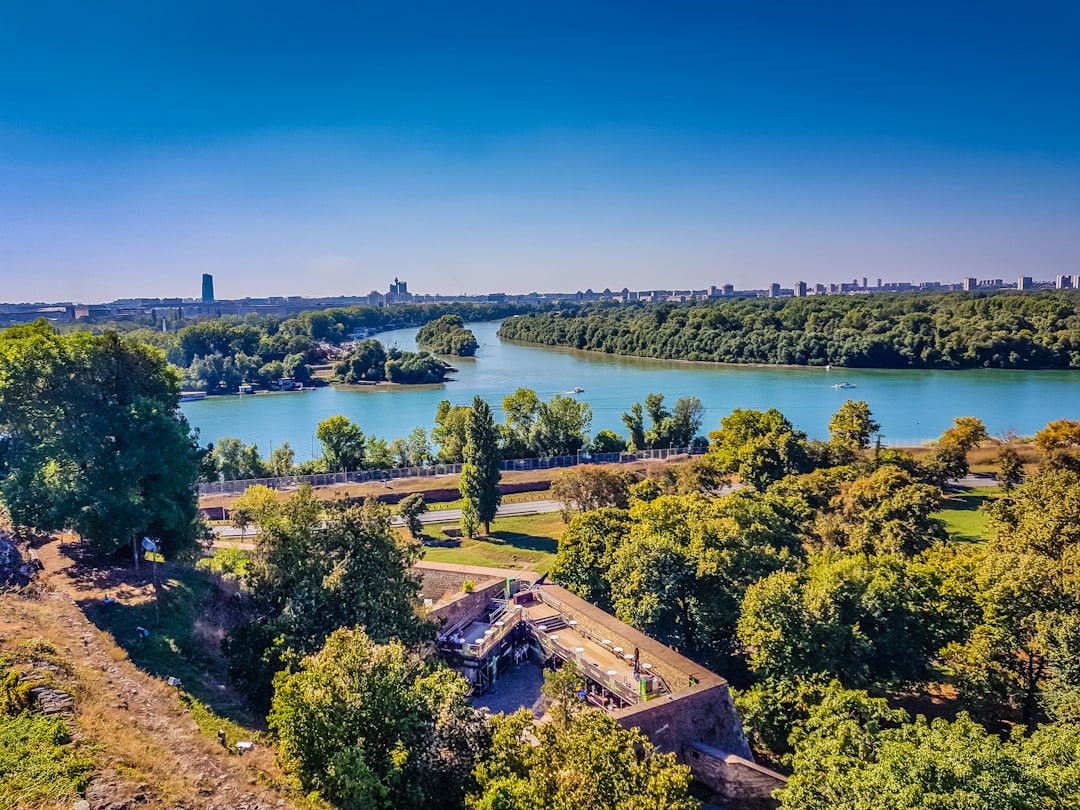
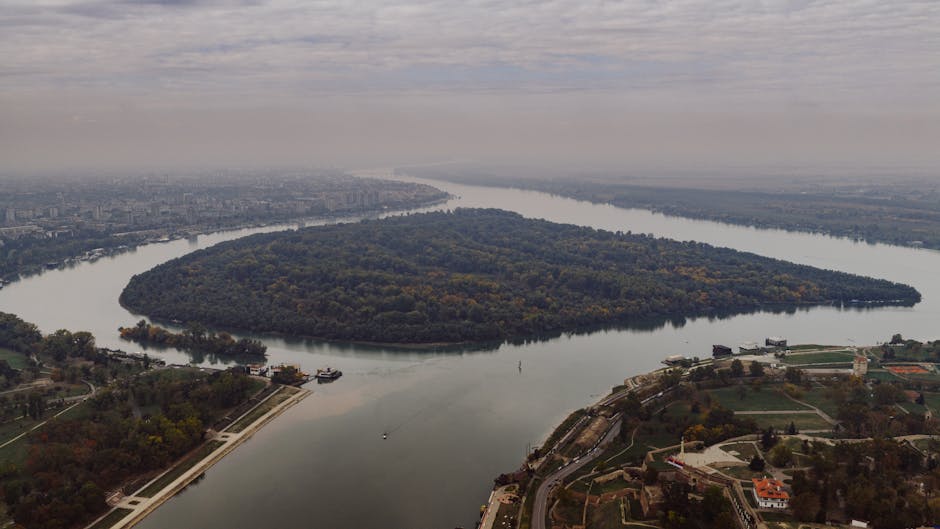
The wind off the Danube hits you with the force of a cheap kick to the ribs. I am standing on the ramparts of Kalemegdan Fortress, watching the grey, churning water smash against the ancient stone walls that have repelled empires for two thousand years. My coffee is lukewarm, my boots are muddy, and the Serbian sky is the color of a bruised plum. This is not a postcard. This is a scar on the landscape, a place where history doesn't just whisper; it screams from the cannon emplacements.
A local in a faded leather jacket lights a cigarette beside me, ignoring the "No Smoking" sign with the casual indifference of someone who has seen armies march through this exact spot. "They come, they go," he says, gesturing vaguely at the river confluence where the Sava feeds into the Danube. "The fortress stays. We stay. The rest is just noise." He's right. Belgrade is a city of survivors, and this fortress is its beating, stubborn heart.
History & Identity
Belgrade is not a city that grew around a fortress; it is a city that exists because of it. For millennia, whoever held Kalemegdan Fortress controlled the gateway between East and West. The Romans called it Singidunum, the Ottomans used it as a military stronghold, and the Austrians tried to fortify it into an impenetrable bastion. Every layer of stone here tells a story of siege, surrender, and rebellion. The fortress is not a museum piece; it is a palimpsest of violence and resilience.
The modern identity of Belgrade is inextricably linked to this site. After the city was destroyed in the 1990s, Kalemegdan became a sanctuary. It is the green lung of the capital, a place where citizens retreat to escape the urban chaos. The juxtaposition of the brutalist military architecture with the lush, sprawling parkland creates a dissonance that defines the city. You can feel the weight of the past in the silence between the cannon shots, a silence that is never quite empty.
Where to Go
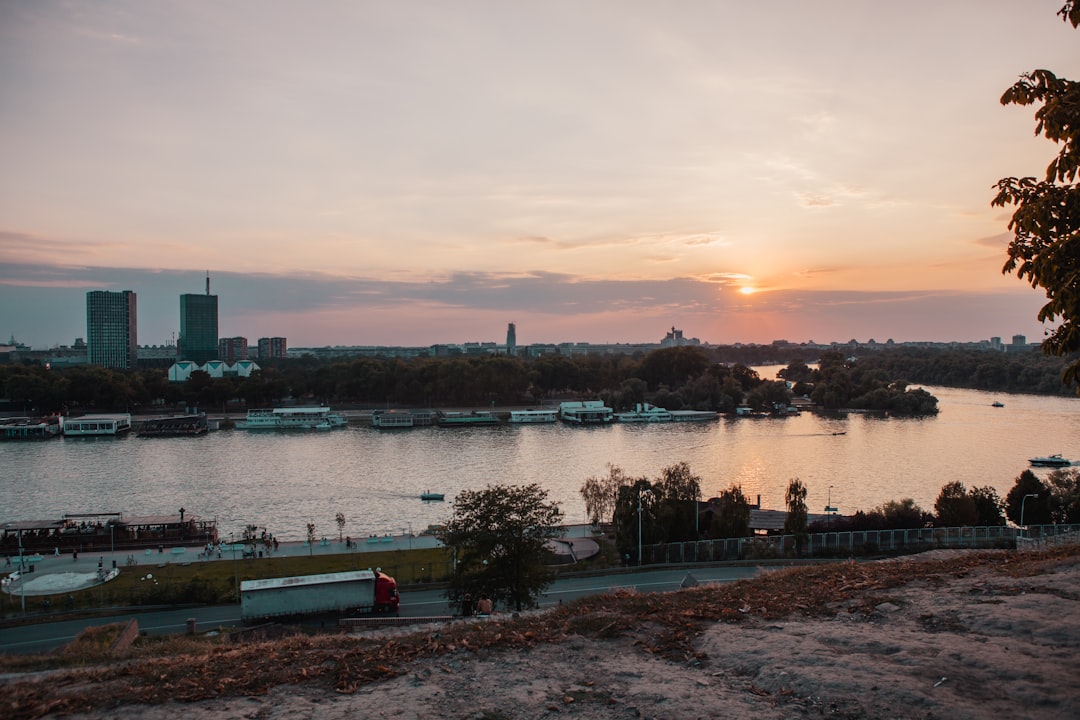
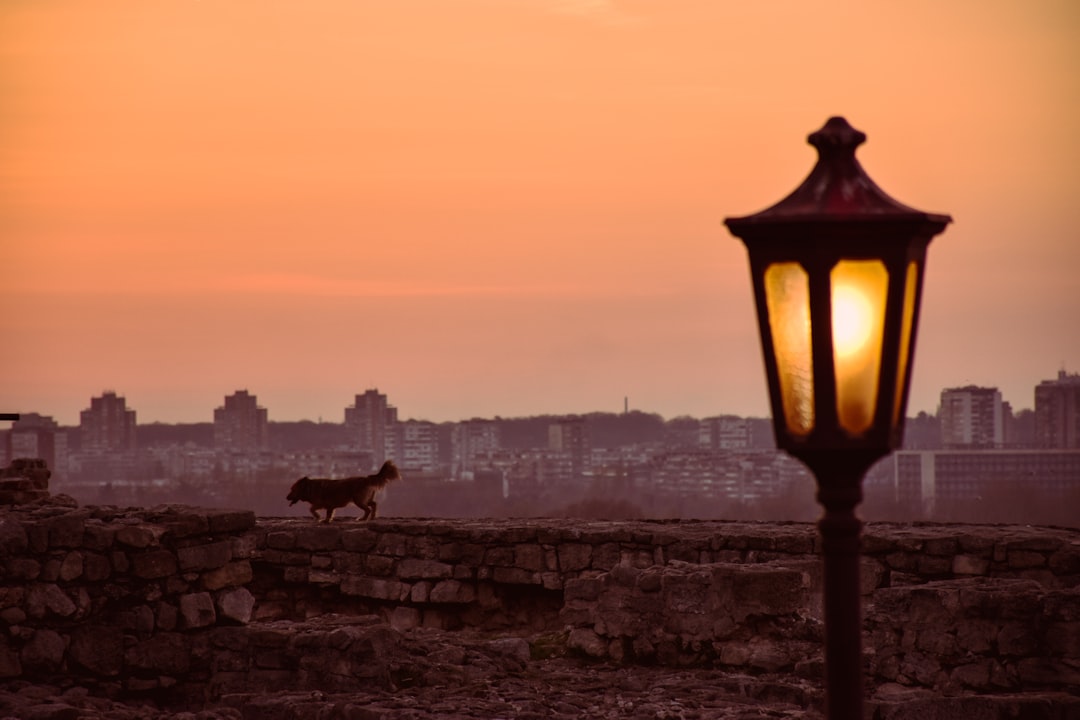
The Fortress Walls — The outer walls are the spine of the experience. Walking along the ramparts offers unobstructed views of the river confluence. The stone is cold and rough, scarred by centuries of cannon fire. Entry to the fortress grounds is free, but the view is priceless. Go at sunset when the light turns the water to gold and the city lights flicker on.
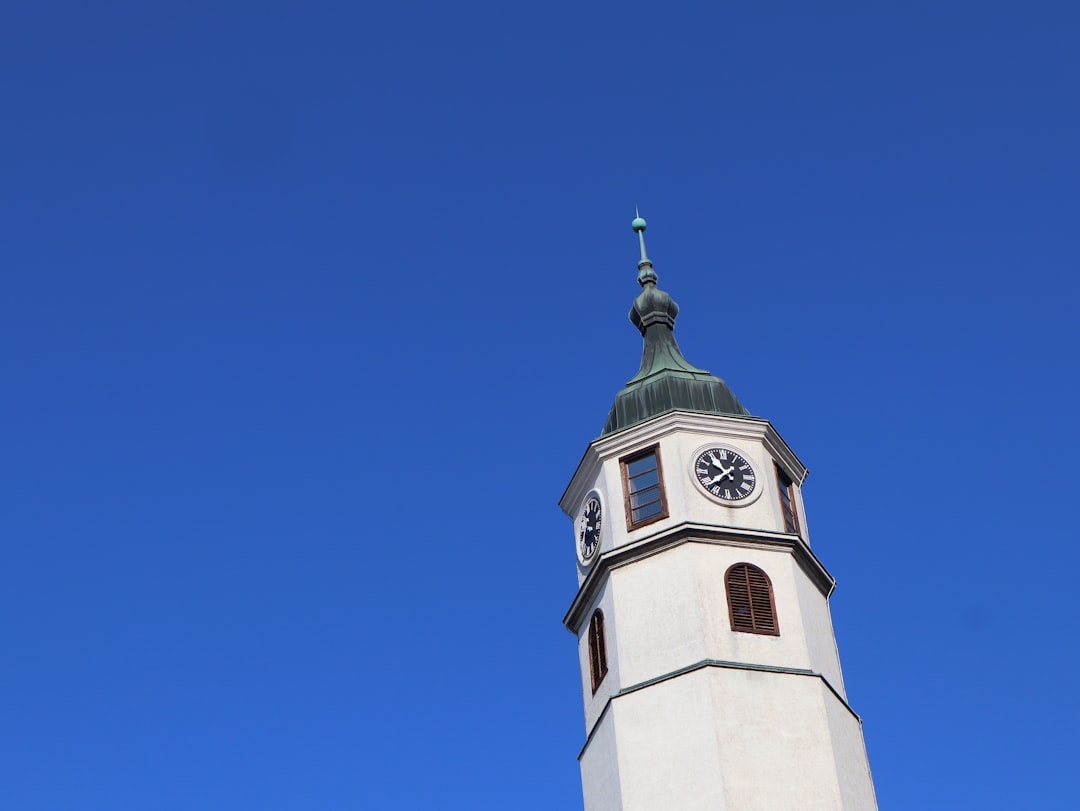
The Clock Tower (Sahat Kula) — This Ottoman-era tower is one of the oldest structures in Belgrade. It stands as a testament to the city's layered history, where Christian and Muslim influences clashed and merged. The tower offers a narrow, steep climb to a viewing platform that rewards you with a 360-degree view of the city. The climb is 3 EUR, a small price for the perspective.
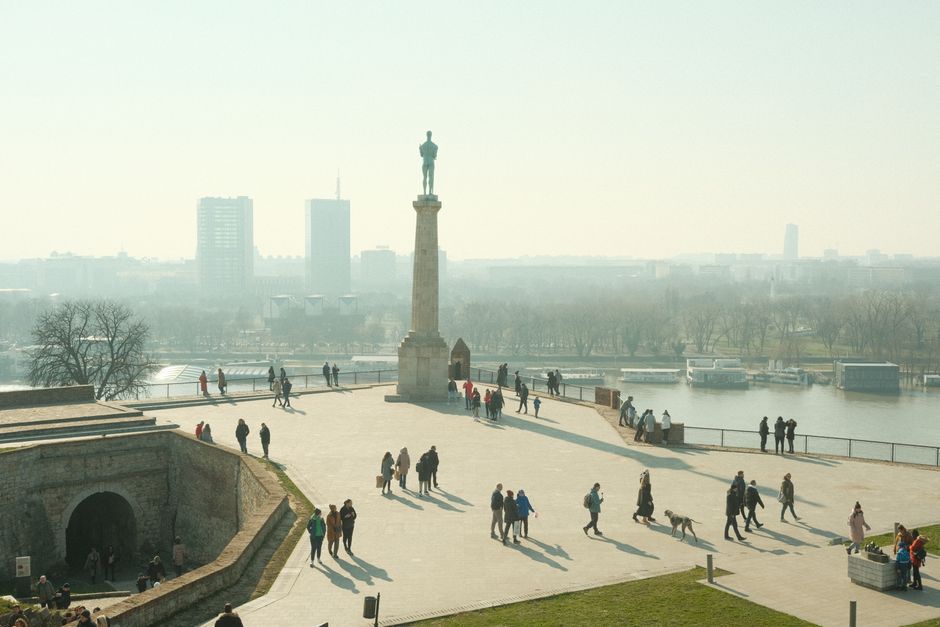
The Monument to Victory — This towering white statue dominates the fortress grounds, symbolizing the resilience of the Serbian people. Erected in 1928, it stands as a stark reminder of the sacrifices made during the Balkan Wars and World War I. The monument is a focal point for national pride and a popular spot for photography. The surrounding gardens are perfect for a quiet moment of reflection.
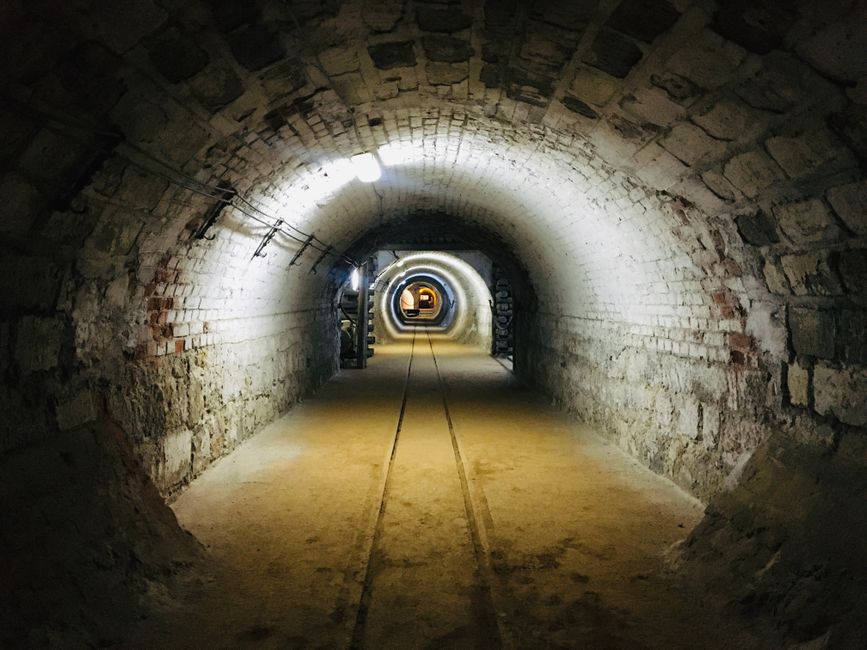
The Underground City — Beneath the fortress lies a network of tunnels and bunkers built during World War II. These underground spaces offer a chilling glimpse into the city's wartime history. The tour is 5 EUR and takes about an hour. The damp air and dim lighting create an eerie atmosphere, making you feel like you are walking through a time capsule.
The Naval Museum — Located near the riverbank, this small museum houses artifacts from the Yugoslav Navy. It is an eclectic collection of ships, submarines, and naval equipment. The museum is 4 EUR and offers a quirky insight into the military history of the region. The outdoor exhibits, including a submarine, are particularly popular with children.
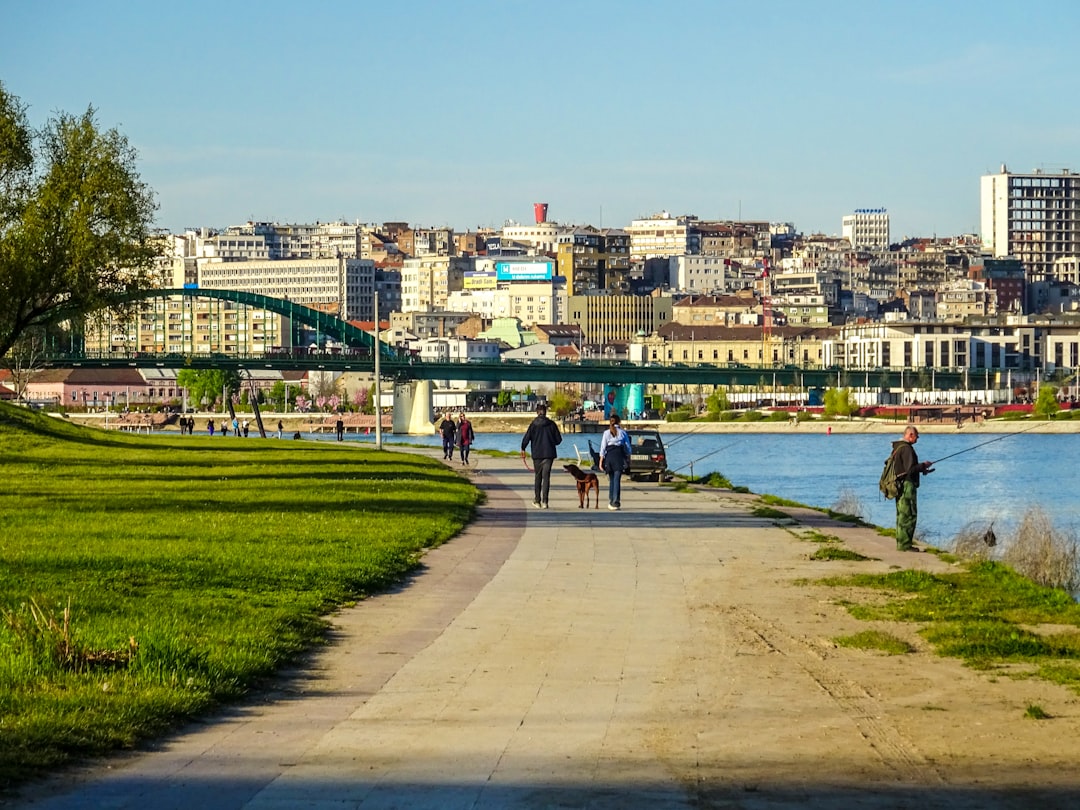
The Kalemegdan Park — Beyond the fortress walls lies the sprawling Kalemegdan Park. This green space is a favorite among locals for walking, jogging, and picnics. The park is dotted with cafes, restaurants, and playgrounds, making it a lively hub of activity. It is the perfect place to unwind after exploring the fortress.
What to Eat & Drink
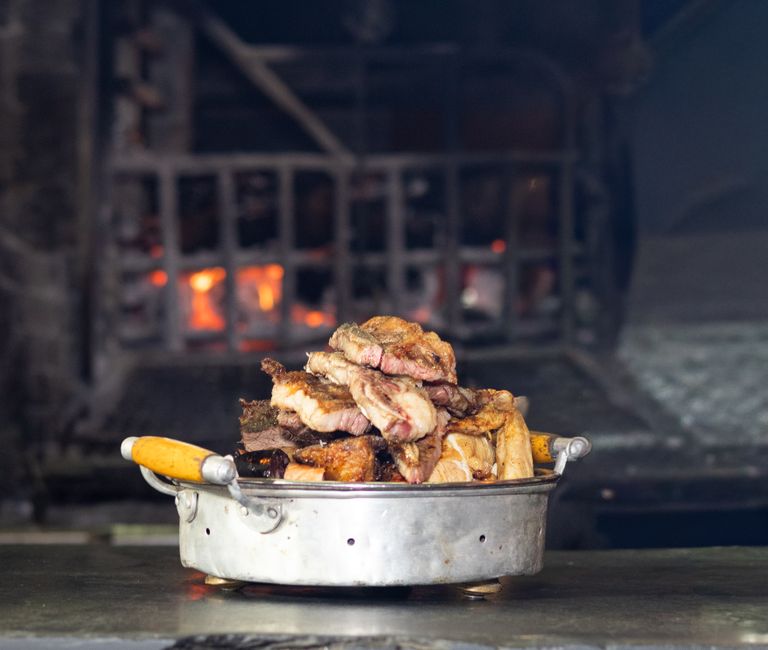
Belgrade's food scene is a hearty reflection of its history. Expect robust flavors, generous portions, and a focus on meat. Ćevapi are the national dish — small, grilled minced meat sausages served with flatbread and onions. You can get a plate for 4-6 EUR at any računara (grill house). Sarma, stuffed cabbage rolls, is another staple, often served with sour cream for 5-7 EUR. For a sweet finish, try gibanica, a savory cheese pie, for 2-3 EUR per slice.
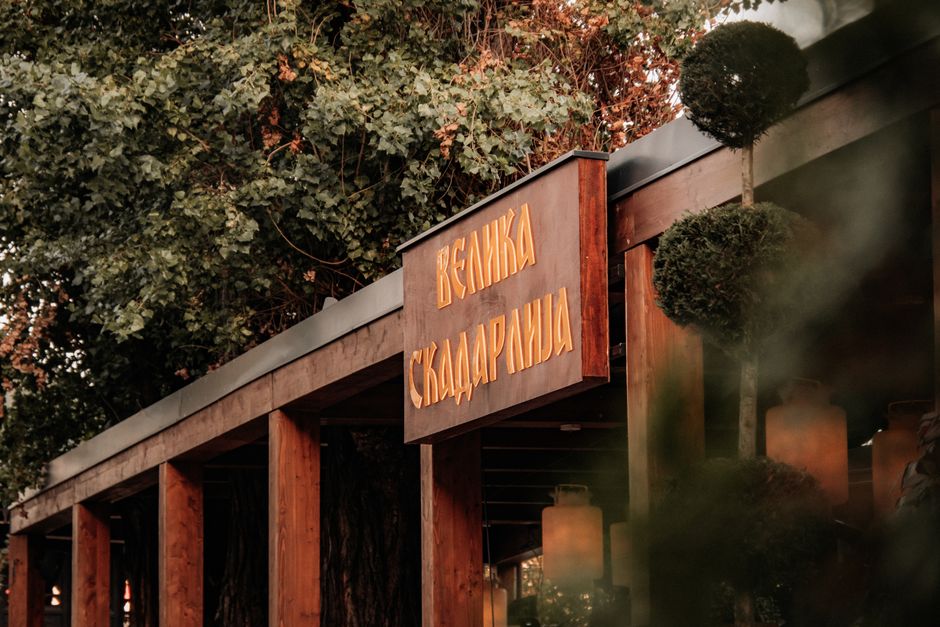
Budget travelers will find plenty of options under 5 EUR per meal, with street food and take-away options available throughout the city. Sit-down local restaurants typically cost 8-15 EUR per person, while mid-range dining can range from 15-25 EUR. The Skadarlija district is known for its bohemian atmosphere and traditional restaurants, while Takovska Street is a hub for modern cafes and bars. For a quick bite, visit the Dorćol Market for fresh produce and local delicacies.
Nightlife
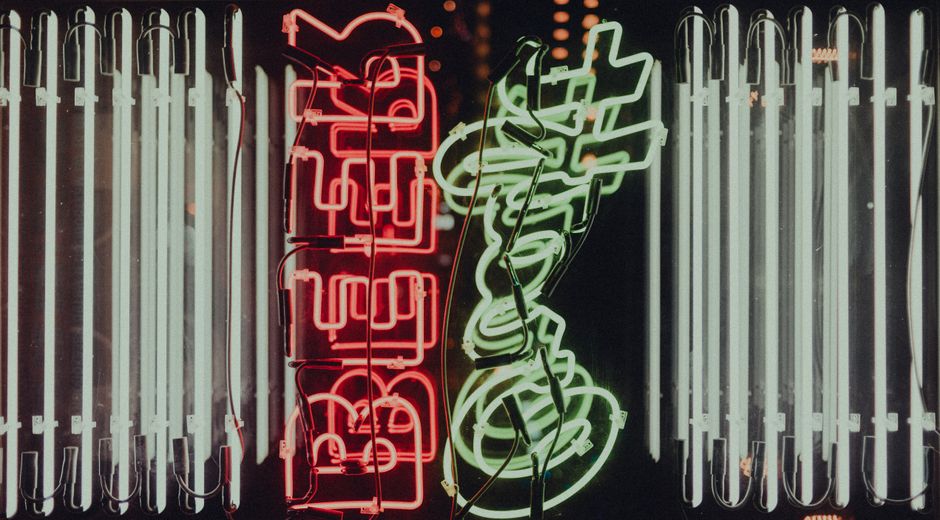
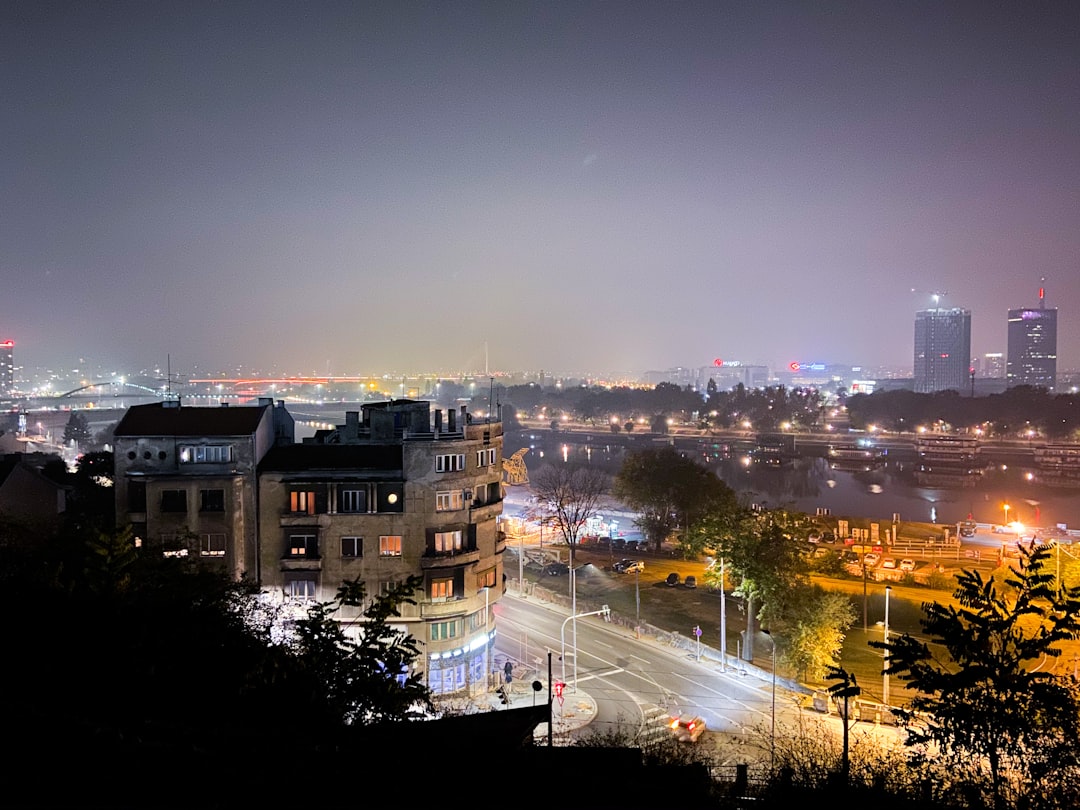
Belgrade's nightlife is legendary, fueled by a combination of cheap drinks, vibrant clubs, and a resilient spirit. The Boemsko Naselje (Bohemian Settlement) is a hub of bars and cafes, perfect for a relaxed evening. For a more energetic vibe, head to the Dorćol Plateau, where clubs like Limun and B92 throb with techno and house music. Cover charges are typically 5-10 EUR, and drinks range from 2-4 EUR. The Ruski Trg (Russian Square) is another popular spot, with its mix of bars and restaurants overlooking the fortress.
Getting There & What to Expect
Belgrade is well-connected by air, rail, and road. Belgrade Nikola Tesla Airport is the nearest airport, with direct flights from major European hubs. The city is also a major rail junction, with connections to Zagreb, Budapest, and Sofia. Buses are a cheap and efficient way to travel within the city, with tickets costing 1-2 EUR. Taxis are readily available, but negotiate the fare beforehand.
Accommodation in Belgrade ranges from budget hostels at 15-25 EUR/night to mid-range hotels at 40-80 EUR/night. Luxury options are available but can be pricey. The best time to visit is between May and September, when the weather is warm and the fortress grounds are at their most vibrant. Winter can be cold and grey, but the city has a certain charm in the snow.
Search accommodation in Belgrade on Booking.com →
The Echo of Guns
As the sun dips below the horizon, the fortress transforms. The cannon shots that echo every hour become a rhythmic heartbeat, a reminder of the violence that shaped this place. I walk back down the ramparts, my mind full of images and sounds. Belgrade is not a city for the faint-hearted. It is raw, loud, and unapologetic. And that is exactly why you have to come.
Comments