


The search term "плажа," the Slavic word for beach, has surged in popularity as travelers prepare for the 2026 summer season. Recent global travel rankings and regional tourism reports highlight a significant shift in destination preferences, with Balkan coastlines gaining unprecedented attention. International travel platforms and tourism boards are promoting the region’s pristine waters, rich history, and emerging infrastructure as top-tier alternatives to traditional Mediterranean hotspots. This trend is particularly notable for countries like Croatia, Montenegro, and even landlocked Serbia, which is leveraging its Danube riverside resorts to capture the summer leisure market.
As global travelers seek authentic experiences away from overcrowded hubs, the Balkans are positioning themselves as a premier destination. The convergence of affordable luxury, stunning natural landscapes, and cultural depth is driving this interest. For the Balkan audience, this recognition validates years of investment in tourism infrastructure and environmental protection. It also signals a growing economic opportunity for local businesses, from boutique hotels to eco-tourism operators, who are ready to welcome an influx of international visitors in the coming months.
Global Recognition and Rising Demand
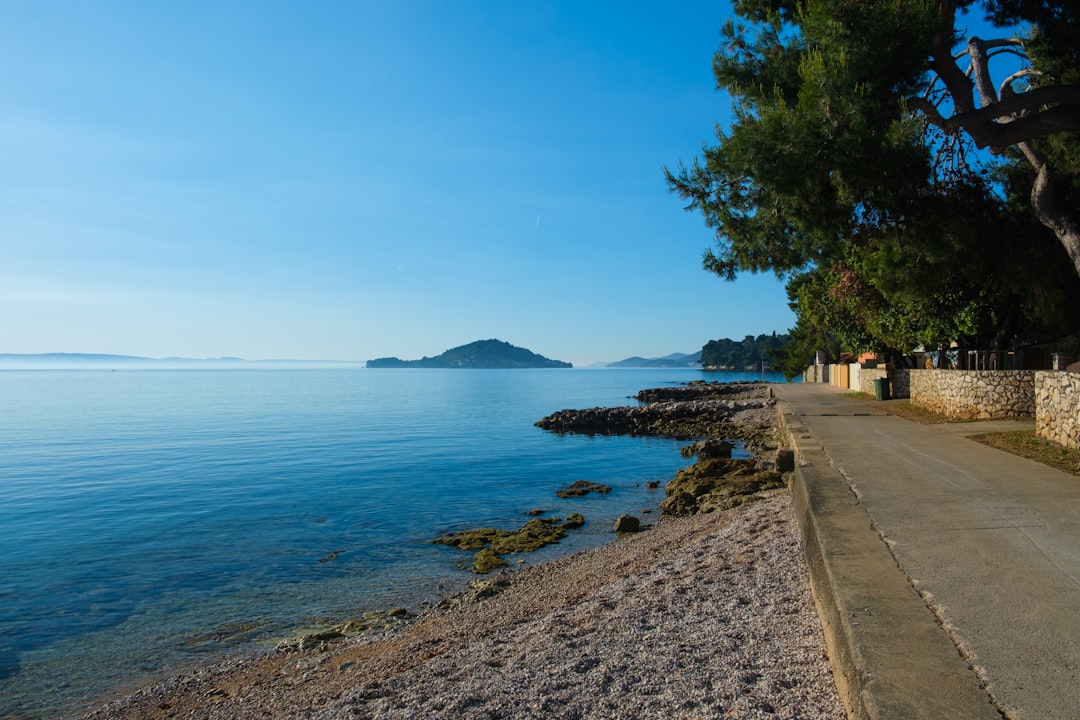
Recent assessments by global travel organizations have placed several Balkan beaches among the world’s best for 2026. The criteria for these rankings often include water clarity, environmental sustainability, and overall visitor experience. The Adriatic Sea, which borders Croatia, Montenegro, and Albania, is frequently cited for its exceptional water quality, rivaling the Mediterranean’s most famous destinations. This recognition is not merely symbolic; it translates into increased booking inquiries and higher hotel occupancy rates projected for the upcoming season.
The trend is further amplified by digital media, where social media influencers and travel bloggers are showcasing hidden gems across the region. From the secluded coves of the Dalmatian coast to the rugged cliffs of the Montenegrin Riviera, these visuals are driving significant search volume. Travelers are increasingly looking for destinations that offer both relaxation and adventure, and the Balkans provide a diverse range of activities, including kayaking, diving, and hiking along coastal paths. This diversification appeals to a broader demographic, including younger travelers and eco-conscious tourists.
International airlines have responded to this growing interest by adding new routes and increasing flight frequencies to key Balkan airports during the summer months. Major carriers and low-cost airlines are expanding their networks to connect European capitals with cities like Split, Dubrovnik, and Podgorica. This improved connectivity makes the region more accessible, reducing travel time and costs for potential visitors. The synergy between positive media coverage and logistical improvements is creating a favorable environment for sustained tourism growth.
The Balkan Angle: Croatia, Montenegro, and Serbia
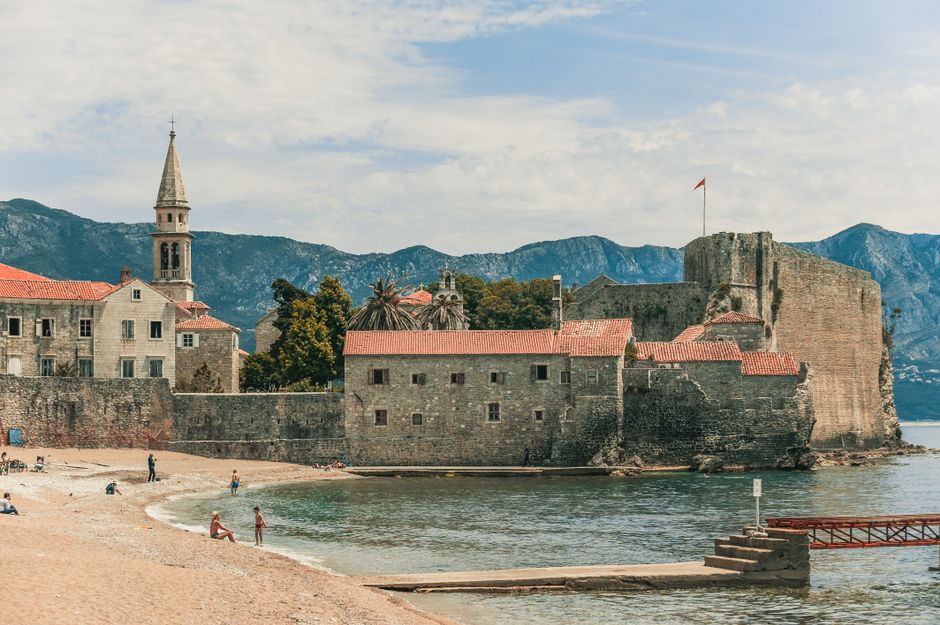
Croatia remains a leader in the region’s tourism appeal, with its islands and coastal towns consistently ranking high in global surveys. The country’s well-developed infrastructure, combined with its rich historical heritage, offers a complete package for tourists. Cities like Dubrovnik and Split continue to attract millions of visitors, while lesser-known islands such as Vis and Korčula are gaining traction for those seeking quieter retreats. The Croatian government’s focus on sustainable tourism practices is helping to manage the environmental impact of this growing popularity.
Montenegro is also capitalizing on the trend, promoting its compact coastline as a destination of natural beauty and luxury. The Bay of Kotor, a UNESCO World Heritage site, draws visitors interested in both culture and nature. Beaches like Sveti Stefan and Kumbor are iconic symbols of Montenegrin hospitality and scenic beauty. The country’s investment in high-end resorts and marina facilities is attracting affluent travelers, while its vibrant nightlife and culinary scene appeal to a younger crowd. This dual strategy ensures a steady flow of tourists throughout the summer season.
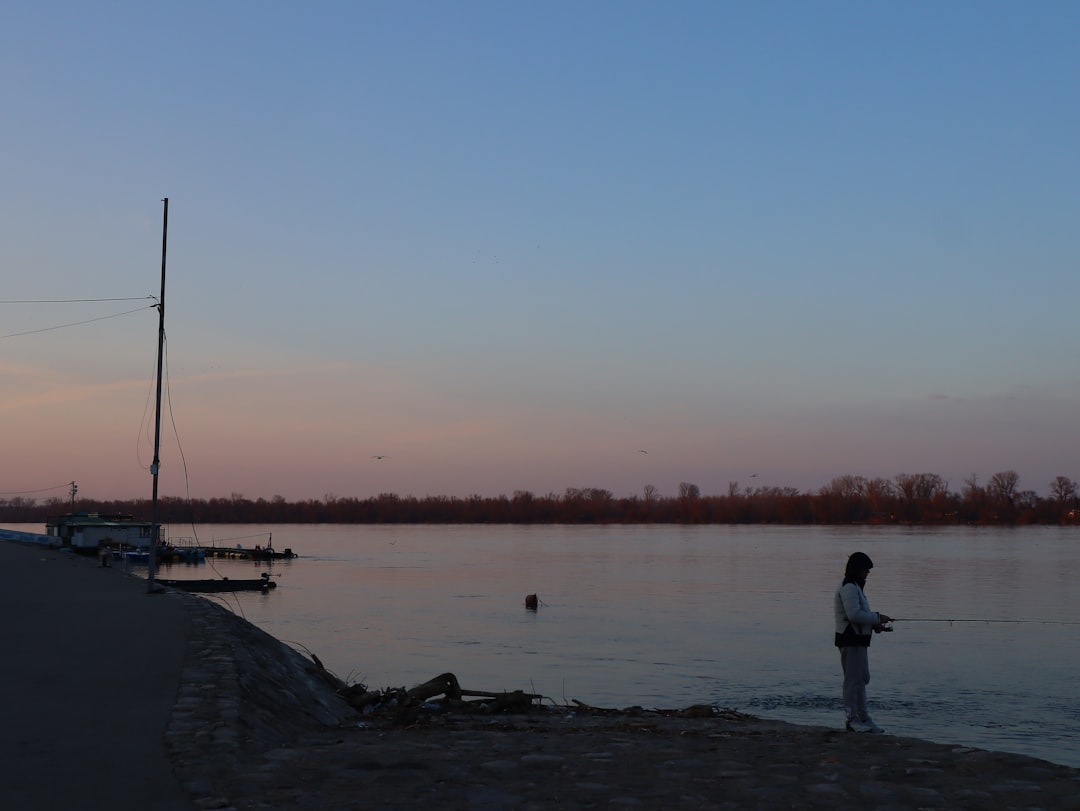
Interestingly, landlocked Serbia is also joining the beach conversation. While it lacks a sea coast, Serbia is promoting its Danube riverside resorts and artificial lakes as viable summer destinations. Places like Ada Ciganlija in Belgrade and the Đerdap National Park area are being marketed as "beach" locations for locals and regional tourists. This creative approach to tourism highlights the versatility of the Balkan region and its ability to adapt to changing traveler preferences. It also underscores the importance of domestic tourism in supporting the local economy.
Impact on Local Economies and Sustainability
The surge in interest in Balkan beaches has a direct impact on local economies. Small businesses, including family-run hotels, restaurants, and tour operators, are benefiting from the increased visitor numbers. This economic boost is crucial for rural coastal communities, providing employment opportunities and supporting local crafts and agriculture. The tourism sector is becoming a key driver of economic growth, encouraging further investment in infrastructure and services.
However, the rapid growth also brings challenges, particularly regarding environmental sustainability. Over-tourism can strain local resources, lead to waste management issues, and damage fragile ecosystems. Local authorities and tourism boards are increasingly focusing on sustainable practices, such as limiting visitor numbers in sensitive areas, promoting eco-friendly accommodations, and enforcing strict waste disposal regulations. These efforts are essential to preserve the natural beauty that attracts tourists in the first place.
Community involvement is another critical aspect of this trend. Local residents are being engaged in tourism planning to ensure that development benefits the community as a whole. This inclusive approach helps to mitigate potential social tensions and ensures that tourism remains a positive force for the region. By balancing economic growth with environmental and social responsibility, the Balkans can maintain their appeal as top-tier travel destinations for years to come.
As the 2026 season approaches, the focus remains on delivering high-quality experiences while preserving the region’s unique character. Travelers should look for certified eco-friendly accommodations and support local businesses to contribute to sustainable tourism. The Balkans offer a compelling mix of natural beauty, cultural richness, and emerging modernity, making them a must-visit destination for anyone planning a summer getaway. The rising global interest in "плажа" is a testament to the region’s potential and its growing place on the world tourism map.
Comments