


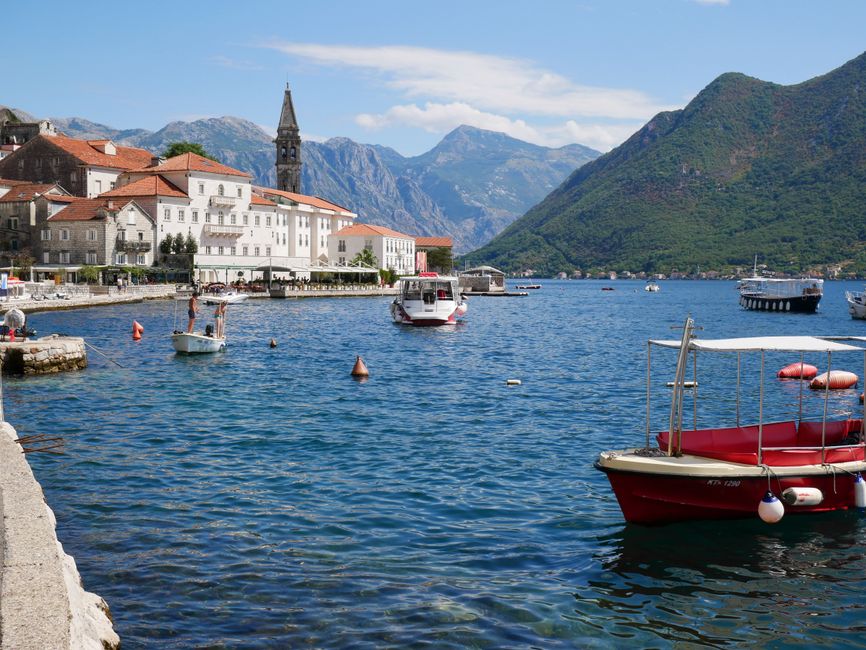
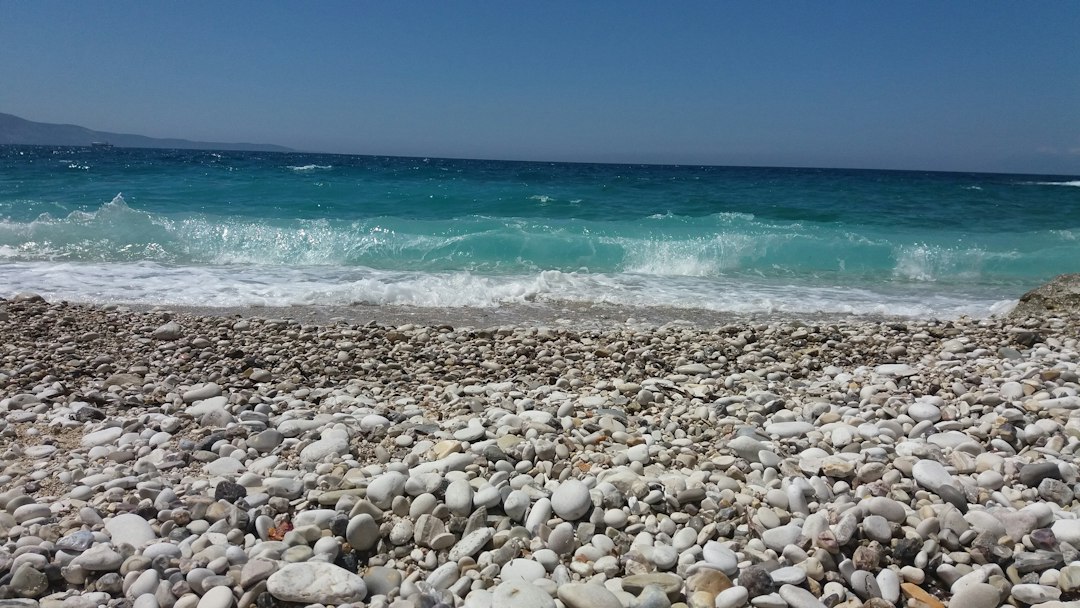
The diesel engine cuts out, and the silence that follows isn't empty; it's heavy with the scent of pine, salt, and hot asphalt. I'm drifting into a cove so small my GPS thinks I've crashed into a mountain. The water isn't just blue; it's a violent, electric turquoise that hurts the eyes if you stare too long. A local fisherman in a rusted aluminum skiff glances at my sailboat, shakes his head at my expensive gear, and tosses a line to a rock that's more jagged teeth than anchor point. This is the Luštica Peninsula. It's not a postcard. It's a labyrinth of limestone fingers stabbing into the Adriatic, a place where the maps lie and the currents have their own agenda. I came here to escape the cruise ship crowds of Kotor, but I found something more intense: a sailing ground that demands respect, not just admiration.
Most tourists treat Montenegro like a single destination, a quick stop between Croatia and Albania. They miss the nuance. They miss the way the Luštica Peninsula bends the light and warps your sense of direction. To sail here is to enter a world where the wind comes from the north, sharp and cold, then shifts to a southerly warmth that feels like a betrayal. The water is clear enough to see the bottom at thirty feet, a visibility that makes you want to jump in, but the rocks below are sharp and unforgiving. This isn't a place for the casual boater. It's for those who want to get lost, to find the hidden beaches that don't appear on the charts, and to taste the wine that tastes like the sun-baked soil it came from.
History & Identity
The Luštica Peninsula has always been a crossroads, a place where empires met and fought. The Romans saw it as a strategic point, building forts along the coast to control the sea lanes. Today, you can still see the remnants of their work, crumbling walls that blend into the limestone cliffs. The peninsula's history is one of isolation and resilience. For centuries, it was a haven for pirates and smugglers, who used its complex coastline to evade the authorities. That spirit of independence still lingers in the local villages, where the fishermen speak with a dialect that's hard to understand and the locals guard their secrets fiercely.
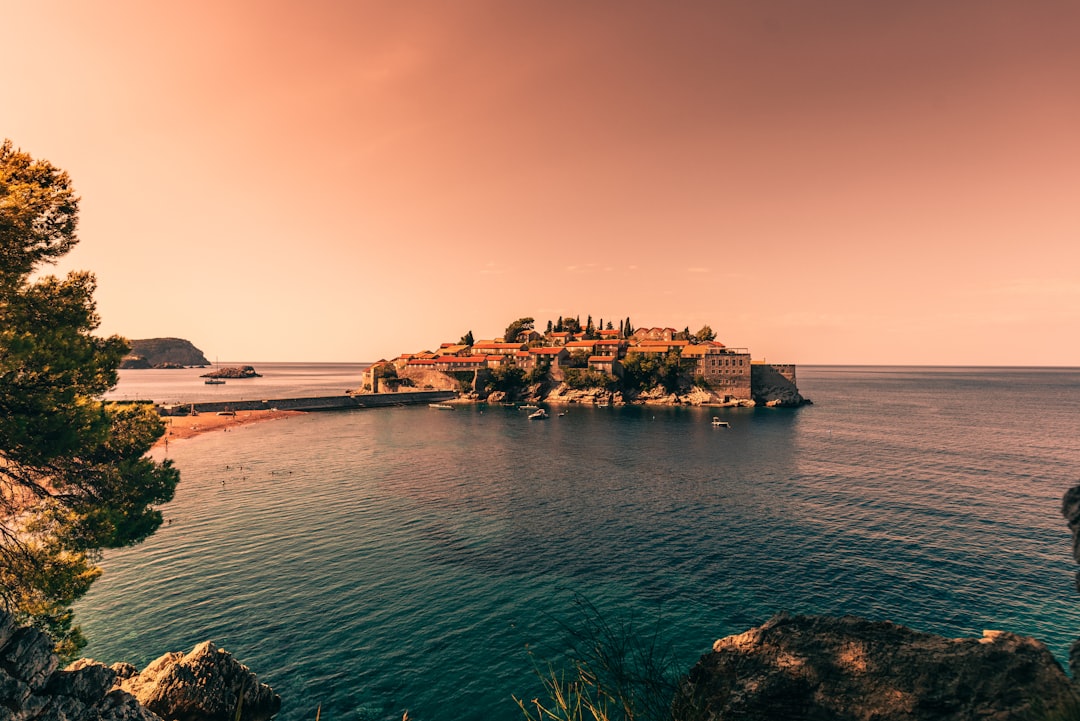
But the peninsula is also a place of beauty. The Lavša Beach is a pebble strip that's popular with locals, but the real treasure is the hidden coves that dot the coast. The Sveti Stefan island, now a luxury hotel, was once a fishing village, its red-roofed houses connected to the mainland by a sandbar that appears and disappears with the tide. The contrast between the old and the new is stark. The Tivat marina is a showcase of superyachts and glamour, while the villages of Perast and Risan cling to the hillsides, timeless and unchanging.
Where to Go
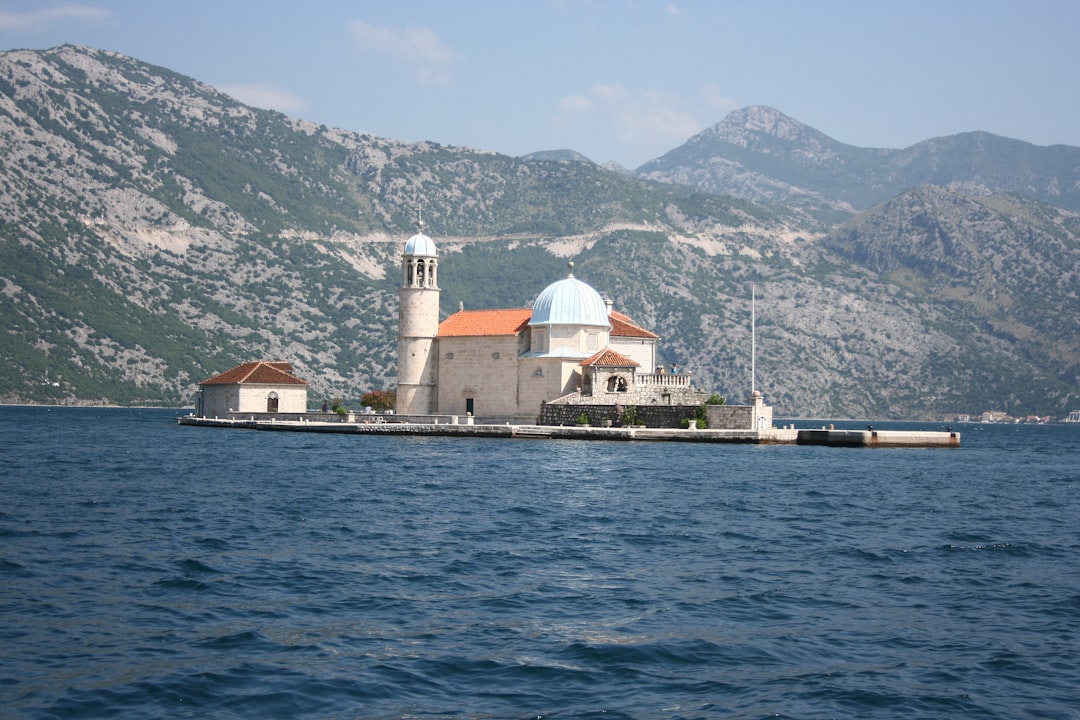
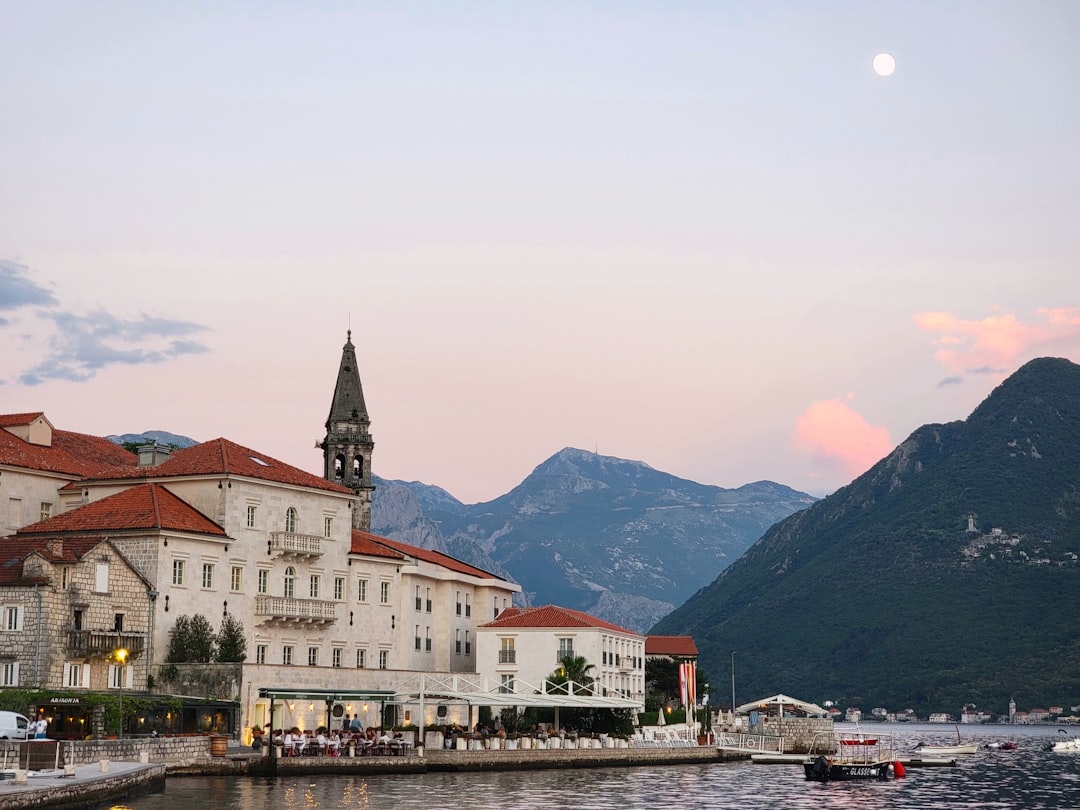
Perast — This is the jewel of the bay, a baroque town that sits on a hillside overlooking the water. The Our Lady of the Rocks is a man-made island church, built by the locals over centuries to protect sailors from storms. The view from the harbor is iconic, but the real magic is in the narrow streets, where you can find small galleries and cafes that serve local wine. Entry to the church is 5 EUR, and the best time to visit is early morning, before the tour boats arrive.
Risan — A quieter alternative to Perast, Risan is a fishing village with a long history. The King's Palace is a Venetian fortress that now houses a museum, and the beach is a mix of pebbles and concrete platforms. The town is a good base for exploring the northern part of the bay, and the food is fresh and affordable. A meal at a local taverna costs around 15-20 EUR per person.
Lavša Beach — This is the most popular beach on the peninsula, a long strip of pebbles that's perfect for swimming and sunbathing. The water is clear and calm, and there are plenty of cafes and bars along the shore. It's a good place to relax after a day of sailing, but it can get crowded in the summer. The entrance is free, but parking costs 3-5 EUR per hour.
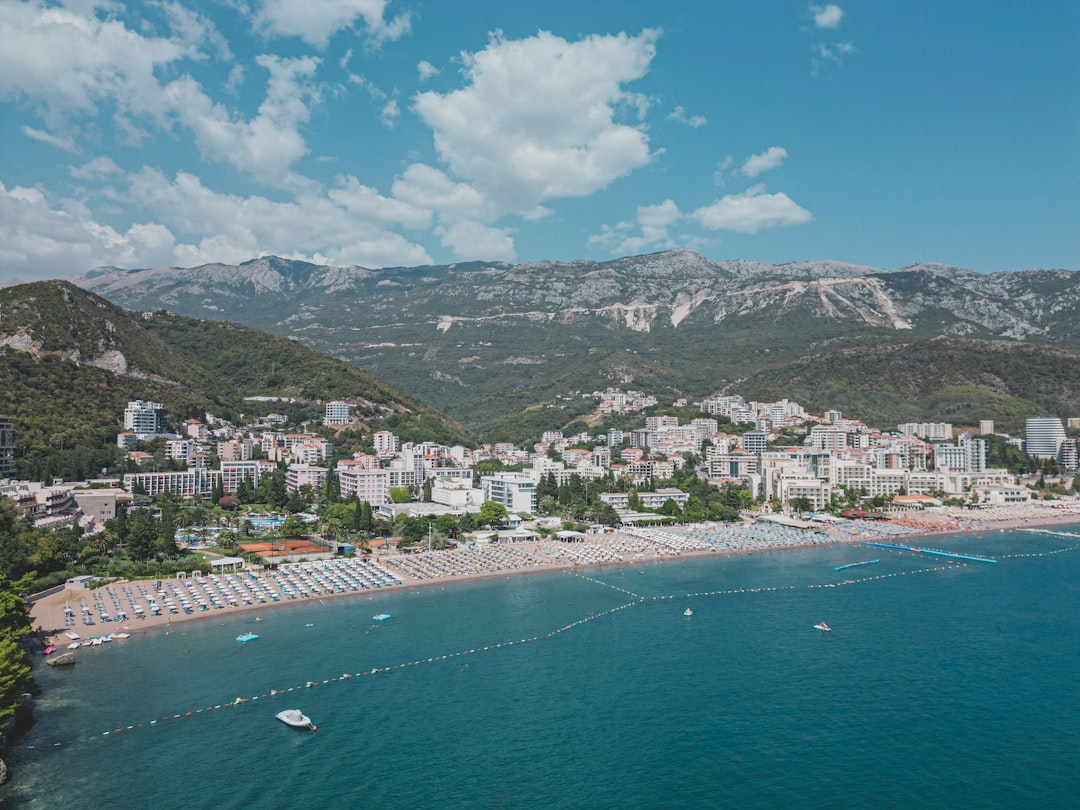
Sveti Stefan — This is the most famous landmark in Montenegro, a luxury hotel on a small island connected to the mainland by a sandbar. The island is off-limits to non-guests, but the view from the beach is worth the trip. The Stefan Island Beach is a pebble shore that's perfect for swimming, and the water is clear and calm. A drink at the hotel bar costs around 10-15 EUR, but the view is priceless.
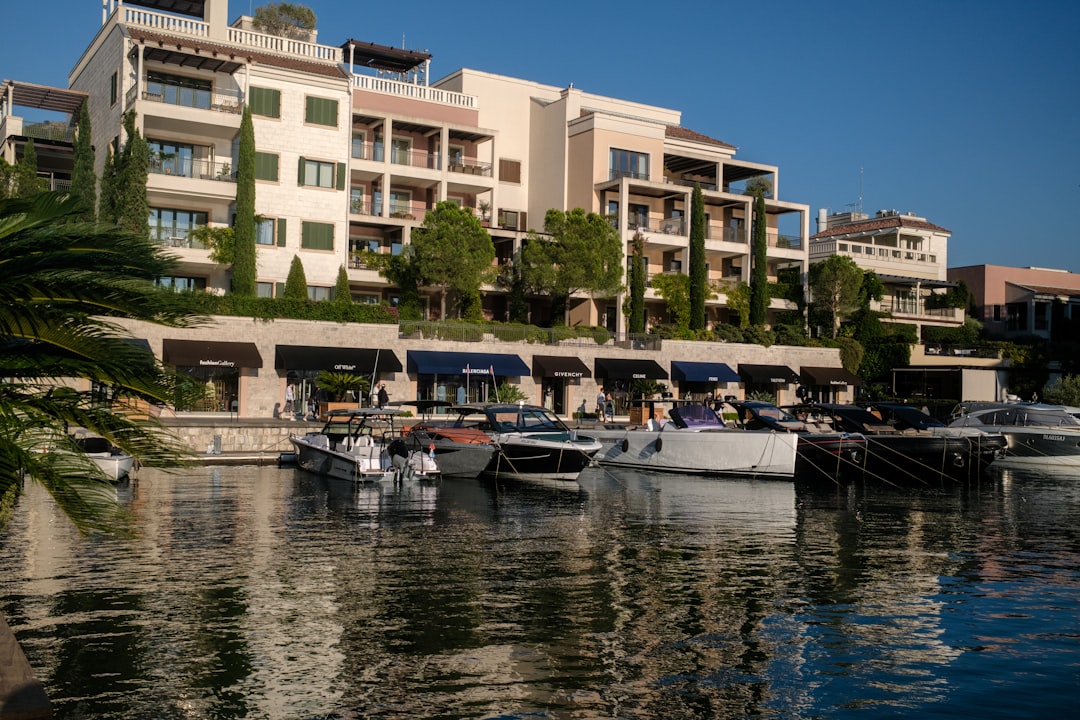
Tivat Marina — This is the heart of Montenegro's yachting scene, a modern marina that hosts some of the biggest superyachts in the world. The marina is a showcase of luxury, with high-end shops and restaurants lining the waterfront. It's a good place to see the other side of Montenegro, the one that's all about glamour and excess. A coffee at a waterfront cafe costs around 5-8 EUR.
What to Eat & Drink
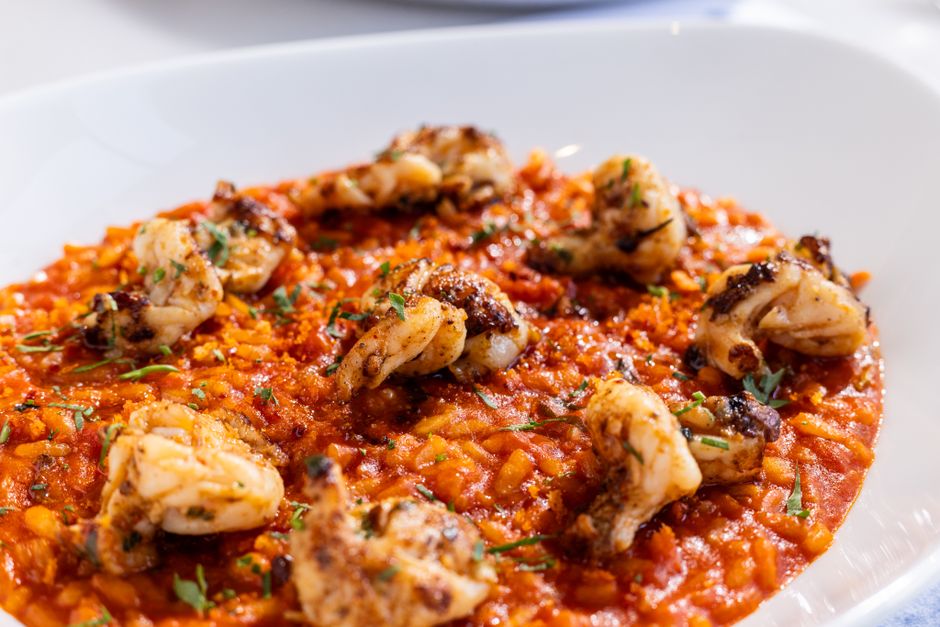
The food on the Luštica Peninsula is a mix of Montenegrin and Italian influences, with a focus on fresh seafood and local wine. The Crni Riz is a black risotto made with squid ink, and it's a must-try. The Skampi are prawns that are grilled with garlic and herbs, and they're served with fresh bread. The Pizza is also good, with a thin crust and plenty of toppings. A meal at a local restaurant costs around 15-25 EUR per person, but you can find cheaper options at the tavernas and cafes along the shore.
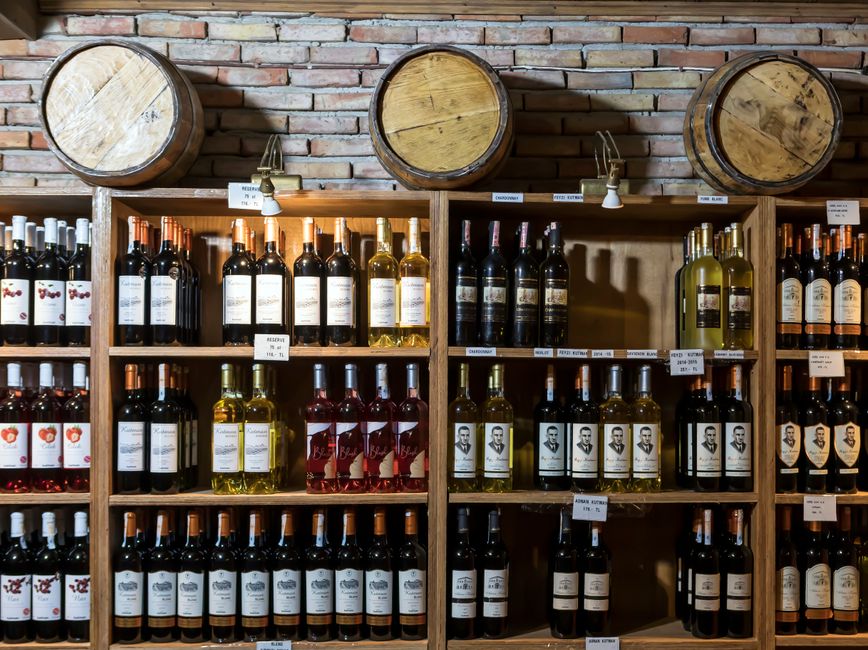
The wine is also excellent, with local varieties like Vranac and Žilavka that are produced in the nearby vineyards. The Žilavka is a white wine that's crisp and refreshing, and it's perfect with seafood. The Vranac is a red wine that's bold and full-bodied, and it's good with meat dishes. A glass of wine costs around 3-5 EUR at a local taverna, and a bottle costs 10-15 EUR at a restaurant.
Nightlife
The nightlife on the Luštica Peninsula is concentrated in Tivat and Herceg Novi, where there are plenty of bars and clubs along the waterfront. The Tivat Marina is the heart of the action, with bars like Blue Bay and Marina Bar that serve cocktails and live music. The Herceg Novi waterfront is also a good place to go, with bars like Old Town Bar and Porta Bar that have a more relaxed atmosphere. The cover charge is usually free, but the drinks are expensive, with a cocktail costing around 8-12 EUR.
Getting There & What to Expect
The nearest airport is Tivat Airport, which has flights from major European cities. From the airport, you can take a taxi to Tivat or Herceg Novi, which costs around 20-30 EUR. There are also buses and trains that connect Tivat to Podgorica and Belgrade, but the journey is long and tiring. The best way to get around the peninsula is by car, which you can rent at the airport or in Tivat. A rental car costs around 50-80 EUR per day, and fuel is expensive, with a liter of gasoline costing 1.50-1.80 EUR.
Accommodation on the peninsula ranges from budget hostels to luxury hotels. A bed in a hostel costs around 20-30 EUR per night, while a room in a mid-range hotel costs 50-80 EUR per night. A luxury hotel room can cost 200-500 EUR per night, but the view is worth it. The best time to visit is from May to October, when the weather is warm and the sea is calm. The summer months of July and August are the busiest, so book in advance if you're planning to visit then.
Search accommodation in Tivat on Booking.com →
The Salt in Your Veins
I'm leaving the peninsula with salt in my hair and sun in my bones. The Luštica Peninsula has changed me. It's taught me to respect the sea, to appreciate the beauty of the landscape, and to value the simplicity of life. The water is still turquoise, the rocks are still jagged, and the locals are still suspicious of outsiders. But I'm no longer an outsider. I'm part of the peninsula now, a part of its history and its identity. And I'll be back. Not for the glamour of Tivat, or the luxury of Sveti Stefan, but for the hidden coves, the hidden beaches, and the hidden secrets that only the peninsula knows. The diesel engine roars to life, and the silence is broken. The journey is over, but the memory remains. The Luštica Peninsula is a place that stays with you, long after you've left.
Comments