


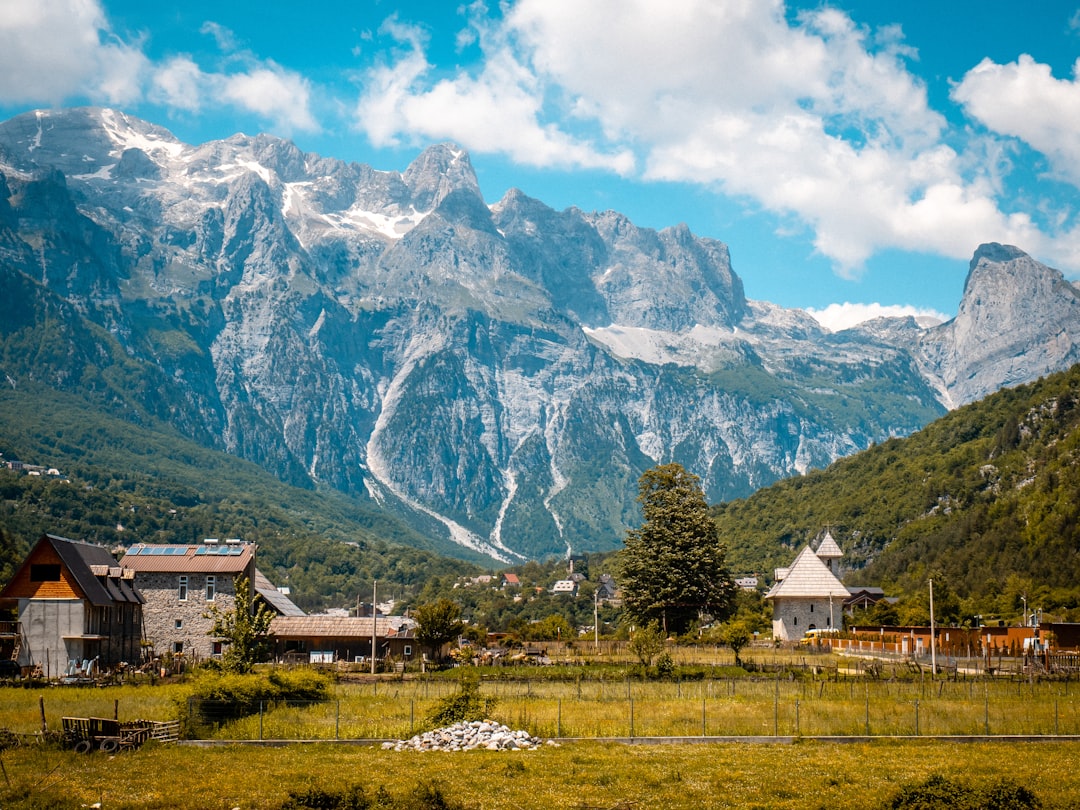
The wind in the Albanian Alps doesn't whisper; it screams. I was sitting on a rock the color of dried blood, three thousand feet above the valley floor, watching a shepherd herd a flock of sheep that looked like they were walking on stilts. My boots were caked in mud that had been there since the Ottoman Empire, and my stomach was rumbling over a breakfast of stale bread and strong coffee. The guide, a man named Arben who spoke more to his cigarette than to me, pointed a calloused finger toward a jagged ridge and said, "That is the pass. You walk, you see God, or you die. Both are good." It's not a joke. The trek from Theth to Valbona is the crown jewel of Balkan hiking, a brutal, beautiful, and slightly chaotic crossing that feels less like a tourist trail and more like a border crossing between two different centuries.
This isn't a groomed path in a national park with gift shops and water fountains. This is raw, untamed terrain where the infrastructure is as rugged as the landscape. You are walking through a land of blood feuds, ancient stone towers, and mountains so sharp they look like they were carved by a madman's chisel. The air tastes of pine and woodsmoke. The silence is heavy, broken only by the bleating of goats and the crunch of gravel underfoot. If you're looking for comfort, go to a beach in Antalya. If you're looking for something that will change your perspective, pack your bag and head north.
The Road to the Sky
The journey begins in Theth, a village that clings to the side of a mountain like a barnacle on a whale. There are no paved roads leading directly to Theth from the main highway. You take a minibus, or "furgon," from Shkodër, a city that smells of salt and history, and endure a two-hour ride on a dirt road that would make a rally driver nervous. The bus swerves, stalls, and restarts, but it gets you there. Theth is small, with a handful of guesthouses, a few bars, and a church that sits at the top of a hill, watching over the village like a silent sentinel.
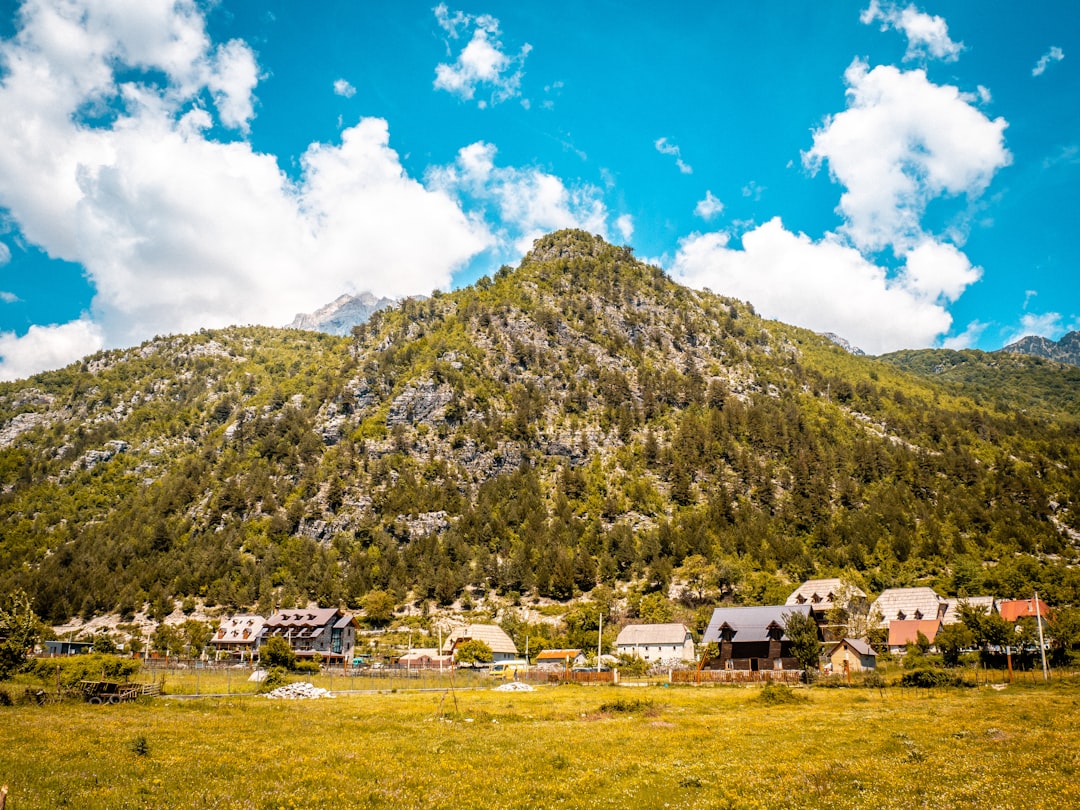
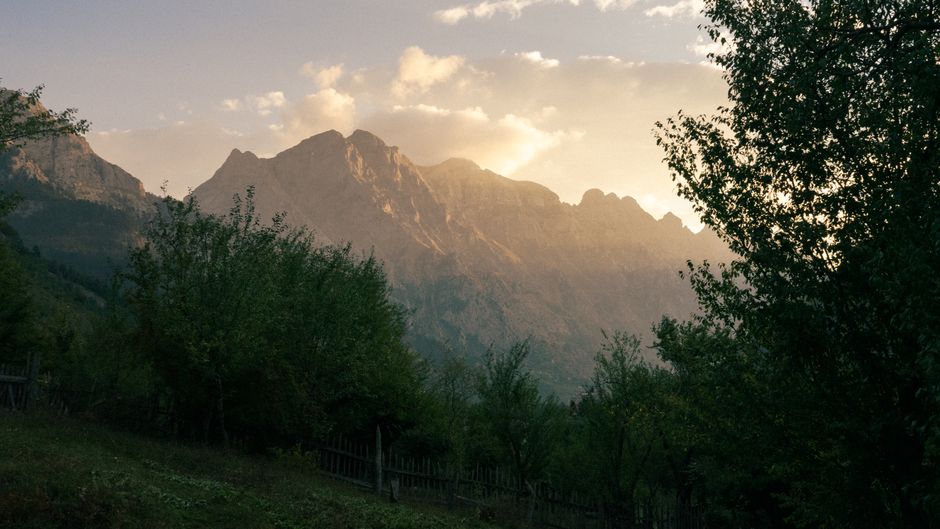
The village itself is a study in contrasts. Traditional stone houses with wooden balconies sit next to modern guesthouses with satellite dishes. The people are friendly, curious, and used to seeing foreigners who look like they've just come from another planet. The main attraction in Theth is not the village, but the view. From the church on the hill, you can see the Theth National Park stretching out before you, a sea of green and brown with peaks that pierce the sky. It's a view that stops you in your tracks and makes you forget the bumpy ride.
Theth National ParkBut the real draw is the trek. The path from Theth to Valbona is about 14 kilometers long and takes most people six to eight hours to complete. It's not a long distance, but the elevation gain and the terrain make it feel much longer. The trail starts in the village, winding through fields and forests before climbing steeply into the mountains. The first few hours are the hardest, as you gain elevation and the air gets thinner. But as you climb, the views open up, and the effort starts to feel worth it.
Walking the Edge
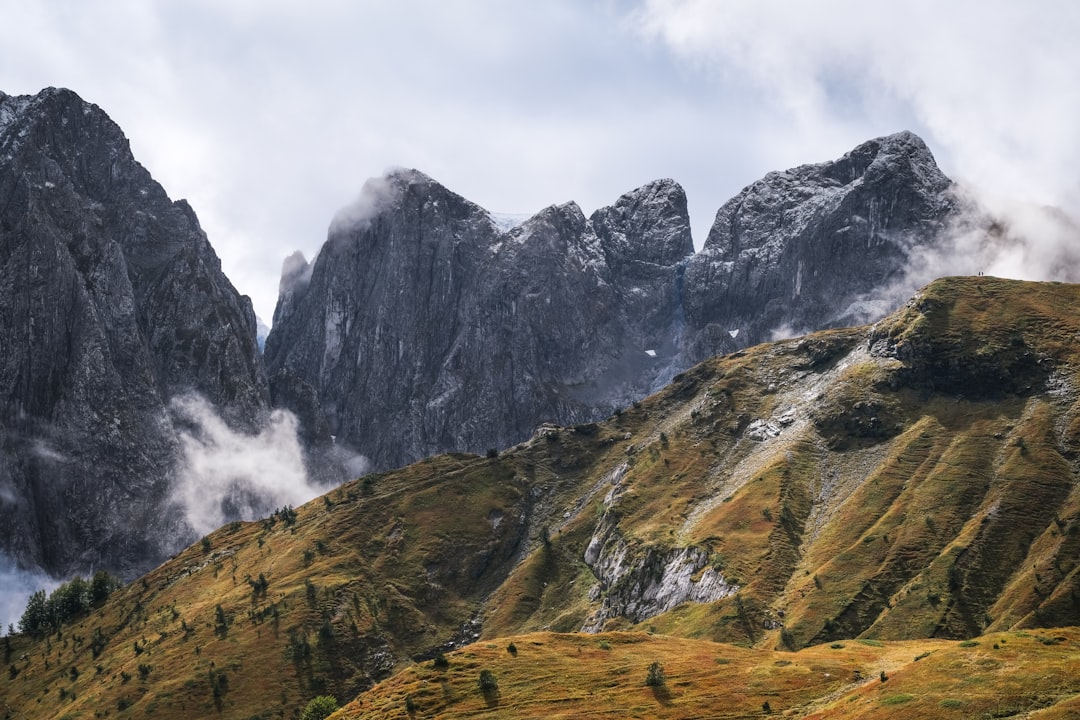
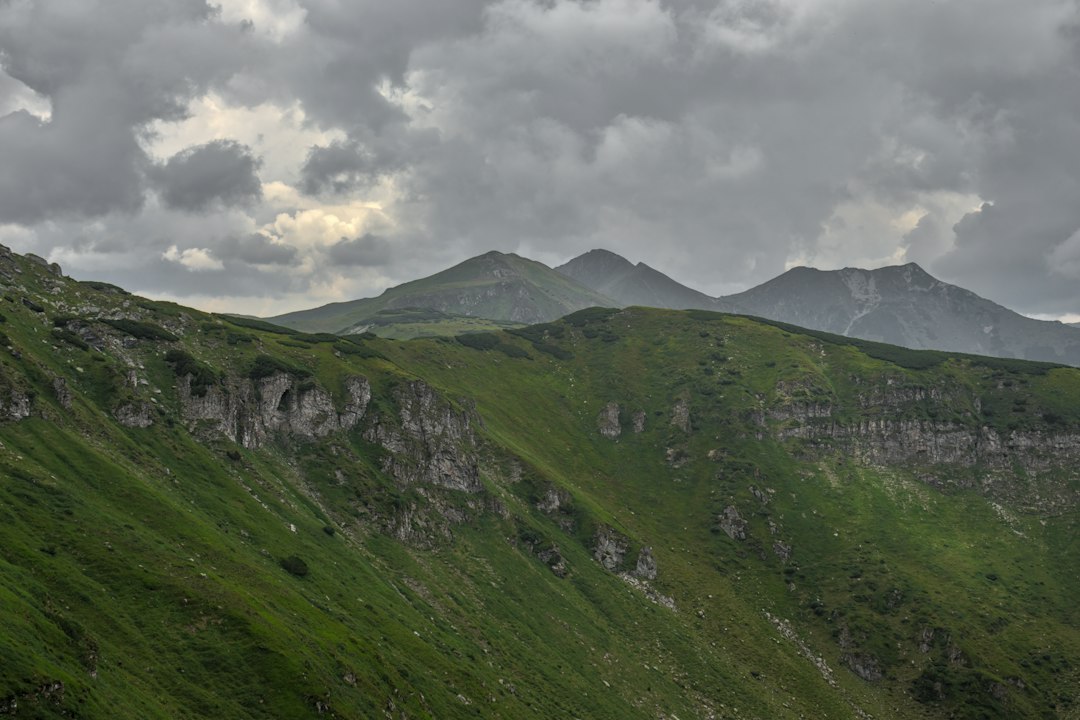
The pass itself, known as Theth-Valbona Pass, is a narrow ridge that offers panoramic views of the surrounding peaks. On a clear day, you can see for miles in every direction. The mountains are jagged and imposing, with cliffs that drop away into deep valleys. It's a place that makes you feel small and insignificant, but also connected to something larger than yourself. The silence is profound, broken only by the wind and the occasional call of a bird.
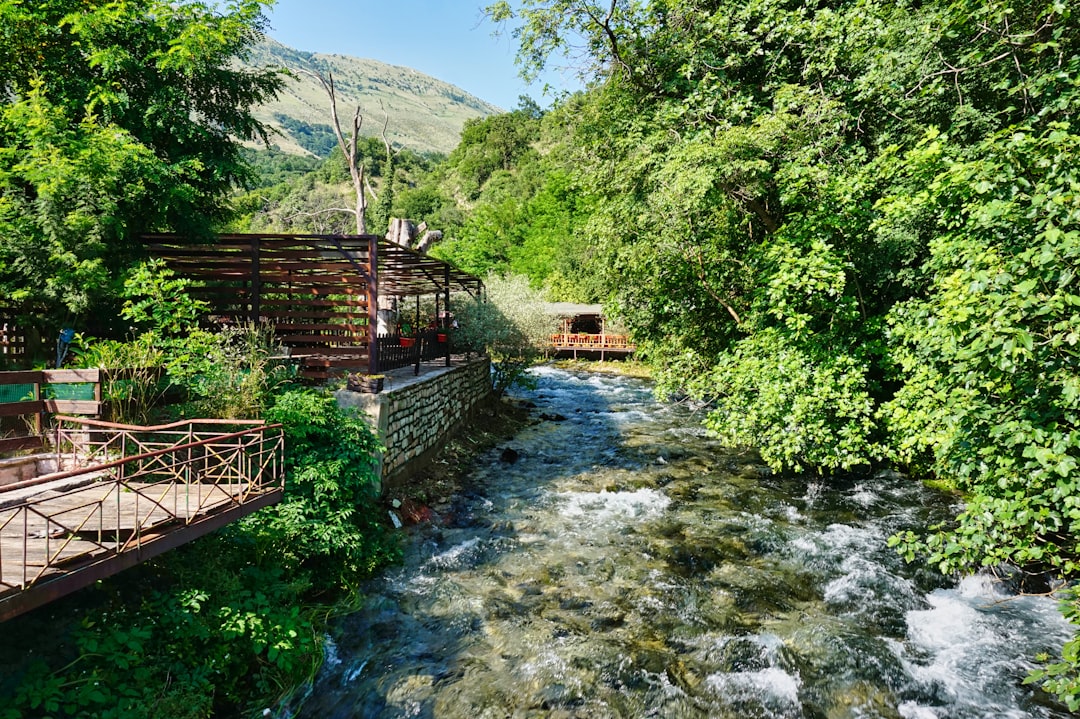
The descent into Valbona is steeper and more technical. The trail winds down through forests and meadows, passing by streams and waterfalls. The air is cooler and fresher, and the scenery is lush and green. As you descend, you start to see signs of civilization again — sheep, goats, and eventually, the roofs of the houses in Valbona. It's a feeling of relief and accomplishment, knowing that you've made it through one of the most challenging and beautiful treks in the Balkans.
Valbona Valley National ParkValbona is a larger village than Theth, with more guesthouses, restaurants, and shops. It's also more touristy, but it still retains a sense of authenticity and charm. The Valbona River runs through the village, and on a hot day, you can swim in the clear, cold water. It's a good place to rest and recover after the trek, with plenty of food and drink to go around.
Routes & Trail Info
The standard route from Theth to Valbona is well-marked but not always easy to follow. The trail is a mix of dirt paths, rocky sections, and steep climbs. It's important to have a good map or a GPS device, as some sections of the trail can be confusing, especially in bad weather. The best time to do the trek is from June to September, when the weather is warm and the trails are dry. In the winter, the pass is closed due to snow and ice.
For the main Theth to Valbona Trek: - Starting Point: Theth village center - Total Distance: 14 km (one-way) - Elevation Gain: ~800 meters - Estimated Duration: 6-8 hours - Difficulty: Intermediate to Experienced
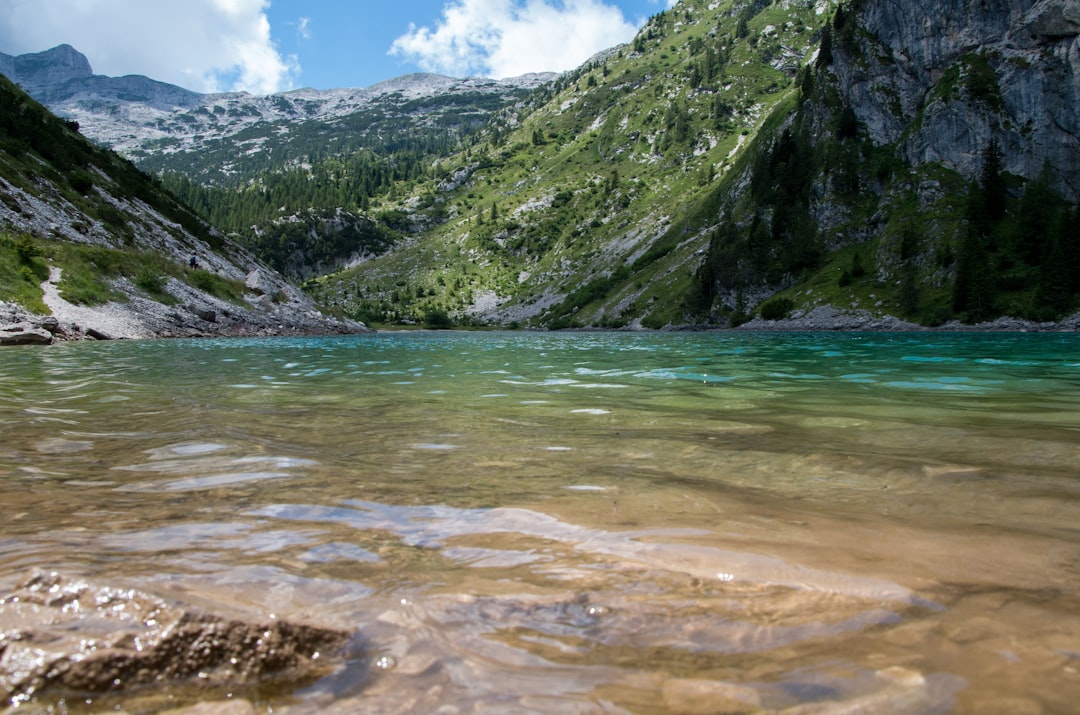
An alternative route is to hike from Theth to Valbona via the Blue Eye of Theth (Syri i Kaltër). This adds a few kilometers to the trek but allows you to see one of the most beautiful natural springs in Albania. The Blue Eye is a deep blue pool of water that emerges from the ground, surrounded by lush vegetation. It's a popular spot for swimming and picnics, and a good place to take a break on the way to the pass.
Getting There & What to Expect
Getting to Theth requires some planning. The nearest major city is Shkodër, which is about 80 kilometers away. You can take a furgon from Shkodër to Theth, which takes about two hours and costs around 5-7 EUR. The buses leave from the main bus station in Shkodër and run several times a day. It's a bumpy ride, but it's the only way to get to Theth without a car.
From Tirana, the capital of Albania, it's about 200 kilometers to Shkodër. You can take a bus or a furgon from Tirana to Shkodër, which takes about 4-5 hours and costs around 10-15 EUR. From there, you transfer to the furgon to Theth. It's a long day, but it's doable if you're prepared.
Accommodation in Theth is limited, so it's important to book in advance, especially during the peak season. Most guesthouses offer basic rooms with private bathrooms, and some have restaurants. Prices range from 20-40 EUR per night for a double room. In Valbona, there are more options, including hotels and hostels. Prices are similar, ranging from 20-50 EUR per night. Meals in both villages are cheap and delicious, with typical Albanian dishes like qofte (meatballs), byrek (baked pastry), and tarator (cold yogurt soup) costing around 3-5 EUR per dish.
The trek itself is free, but you may need to pay a small fee to enter Theth National Park or Valbona Valley National Park. The fee is usually around 2-5 EUR and is collected at the entrance to the park. It's a small price to pay for the privilege of walking through one of the most beautiful landscapes in Europe.
Search accommodation in Theth on Booking.com →
If you don't want to carry a heavy backpack, there are services in Theth that will transport your luggage to Valbona for a fee. This costs around 10-15 EUR per bag and is a good option if you want to travel light. Just make sure to arrange this in advance, as the service is limited.
The Last Mile
As the sun sets over the Albanian Alps, casting long shadows across the valley, I sit on the porch of my guesthouse in Valbona, nursing a glass of raki, the local grape brandy that burns going down and warms you up. My legs are tired, my feet are blistered, and I smell like wet dog. But I've never felt more alive. The trek from Theth to Valbona is not for everyone. It's hard, it's muddy, and it's unpredictable. But it's also real, in a way that few other places in the world are. It's a reminder that the world is still wild, and that we are still capable of being amazed by it.
The mountains don't care about your worries, your deadlines, or your social media followers. They only care about whether you have the strength to climb them. And if you do, they'll reward you with a view that will stay with you forever. So pack your boots, grab your map, and head north. The Albanian Alps are waiting, and they don't wait for anyone.
Comments