


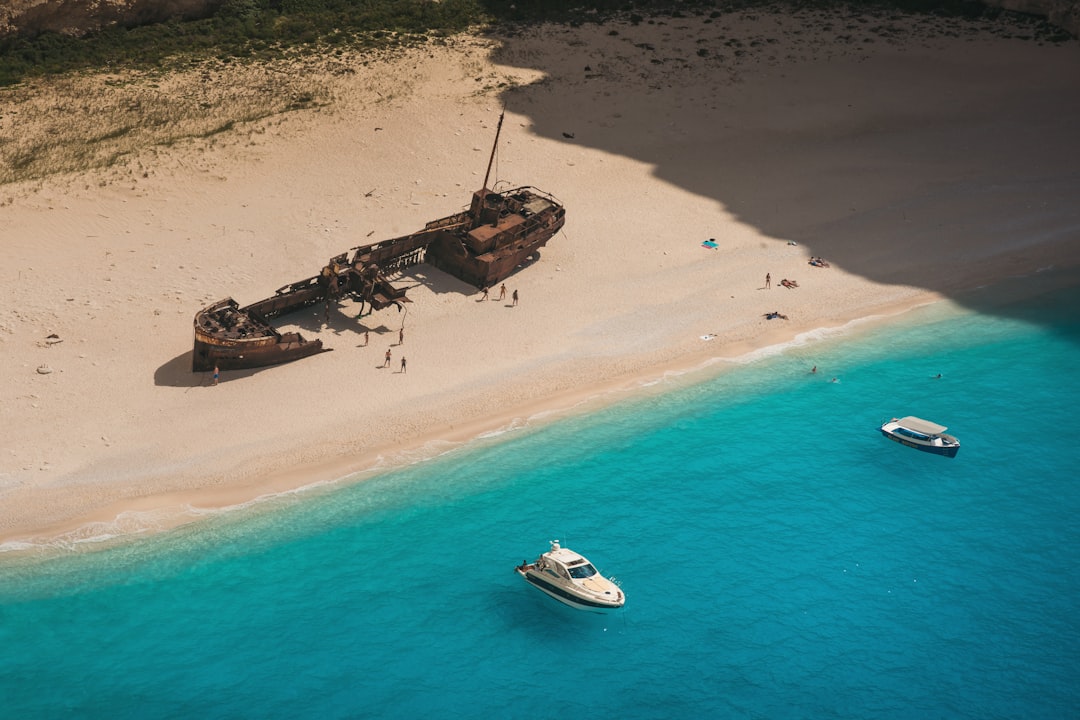
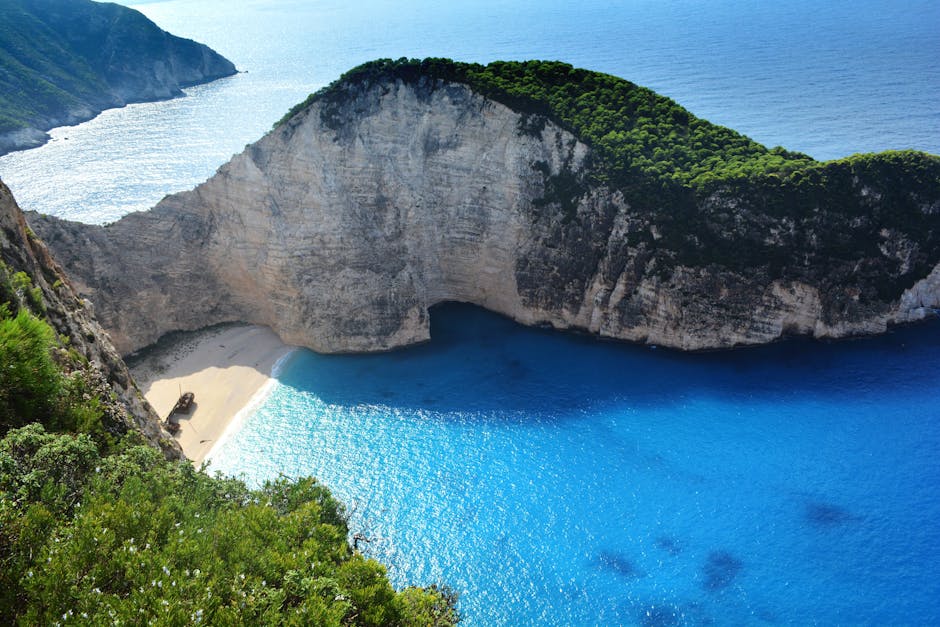
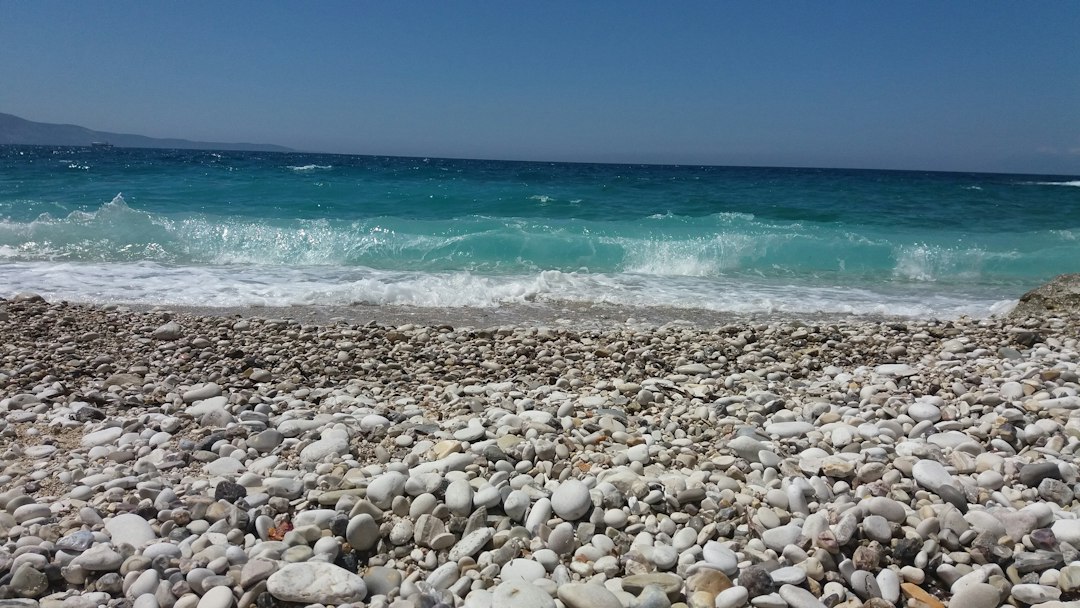
I sat on the black shingle of Navagio Beach at dawn, watching a Greek customs patrol boat cut through the glassy water like a knife. The famous wrecked freighter, rusted and skeletal against the cliff face, looked less like a postcard and more like a crime scene. A seagull landed on the hull, pecking at something I couldn't see. I ordered a coffee from the only open kiosk, the cup shaking slightly in my hand as the wind whipped off the Ionian. This isn't just an island; it's a collision zone. Geologically, culturally, and literally. The tectonic plates grind here. The tourists crash here. And if you're not careful, you'll end up on the wrong side of the cliff, staring down at the water while a ranger shouts at you to get back.
Zakynthos demands you take it seriously. It's not the lazy, sun-drenched cliché of the Greek isles. It's rugged, volcanic in spirit, and fiercely protective of its secrets. The loggerhead turtles nesting on the north coast are not pets; they are ancient, armored survivors that have outlived empires. The shipwreck isn't a party spot; it's a reminder of the sea's indifference. I came here to find the edge, the raw, unpolished boundary where civilization meets the deep blue. What I found was an island that fights back.
History & Identity
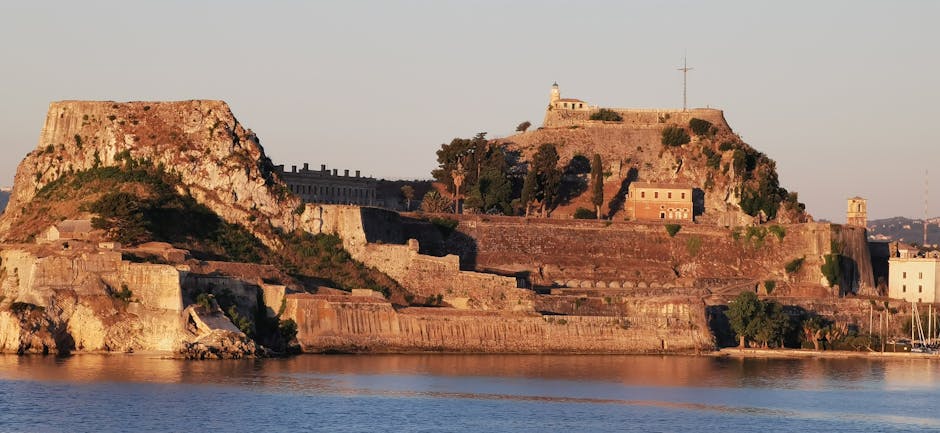
Zakynthos has a soul forged in fire and water. For centuries, it was a battleground for the great powers of the Mediterranean. The Venetians ruled for 400 years, leaving behind the Zakynthos Town neoclassical architecture and the Frangokastello fortress. Then came the French, the British, and finally Greece. Each left a mark, but the island's true identity is rooted in its resilience. The 1953 Zakynthos earthquake leveled the capital, killing 1,300 people. The town was rebuilt with neoclassical grandeur, a phoenix rising from the rubble, but the scars remain in the bedrock and the collective memory.
The island's culture is a unique blend of Ionian and Peloponnesian influences. The music is haunting, the Zyntiraki dance is energetic, and the hospitality is fierce. But beneath the surface lies a deep respect for nature. The National Marine Park of Zakynthos was established to protect the loggerhead turtles, and the islanders have largely embraced this role as guardians. It's a shift from exploitation to protection, a recognition that the island's true wealth isn't in its stone, but in its living, breathing ecosystems.
Where to Go
Navagio Beach (Shipwreck Beach) — The icon. The magnet. The trap. Accessible only by boat, this cove is framed by 60-meter limestone cliffs and dominated by the rusted hull of the MV Panagiotis, smuggled goods, and a decade of illegal landings. You cannot walk on the beach; you must stay on the designated platforms or in the water. Boats from Porto Vromi leave every 30 minutes. It's crowded, it's hot, and it's essential. Go at sunrise or sunset to avoid the midday crush. Entry is via boat ticket 15-20 EUR.
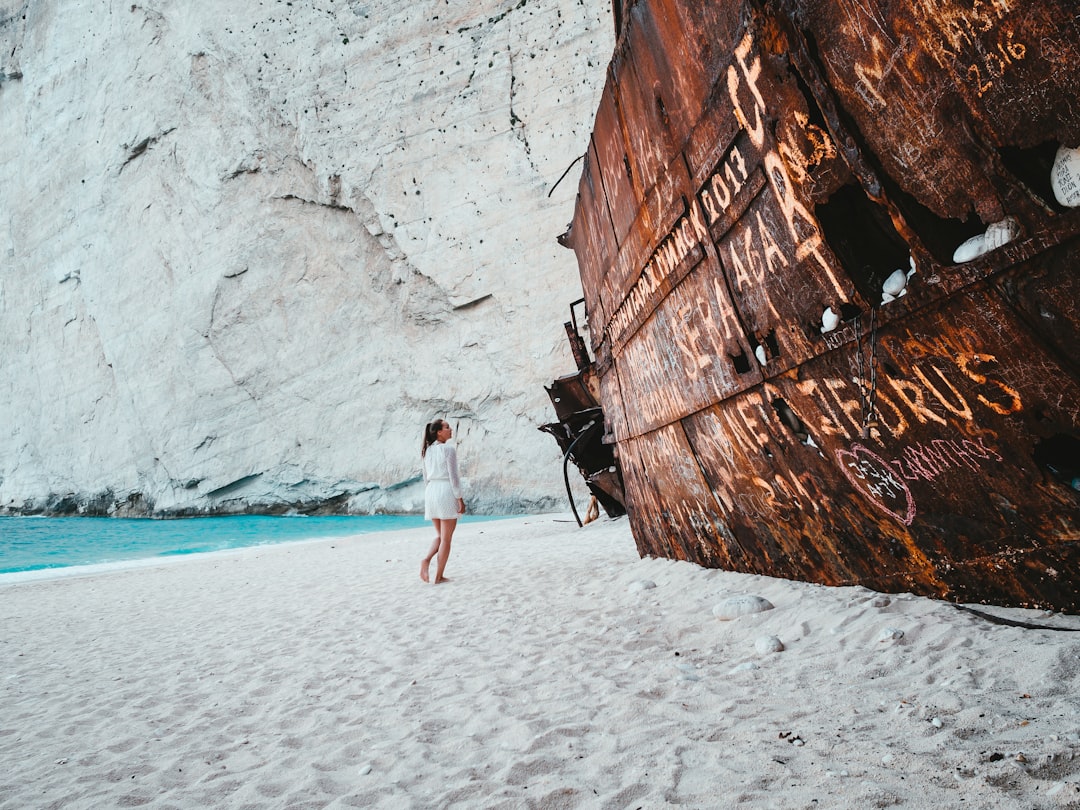
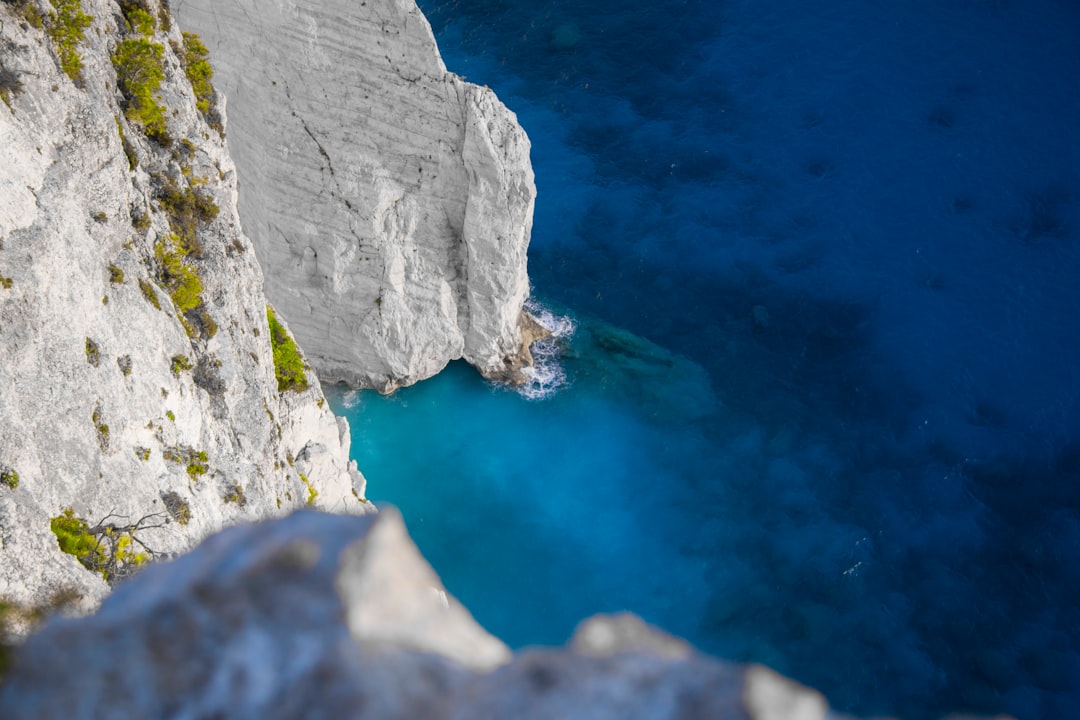
Blue Caves — Nature's cathedral. The sea erodes the limestone cliffs into a series of interconnected grottoes where sunlight filters through the water, creating an ethereal blue glow. The entrance is narrow and low; you must be able to swim or stay on the boat. The caves are best visited in the morning when the light is optimal and the seas are calm. Boat tours from Agios Nikolaos or Laganas include stops at Gerakas and Keri Caves. Ticket 10-15 EUR.
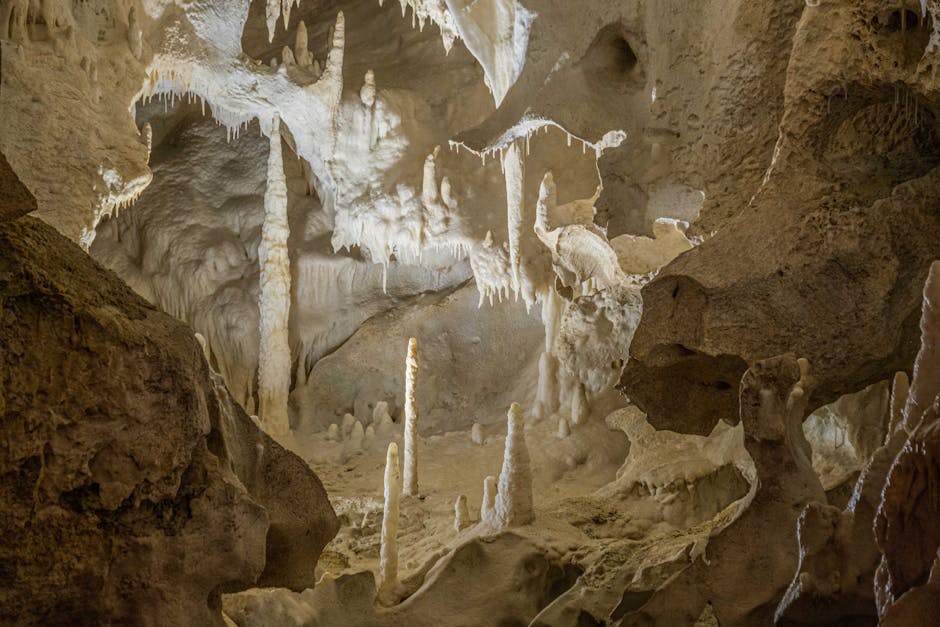
Cerigo Cave — The island's heart of stone. This massive, cathedral-like cave is one of the largest in Greece, with stalactites, stalagmites, and a subterranean lake. Legend says it was the home of the god Pan. The path down is steep and paved, but the view from the top is worth the climb. The cave is cool even in summer, a refuge from the heat. Entry 5 EUR.
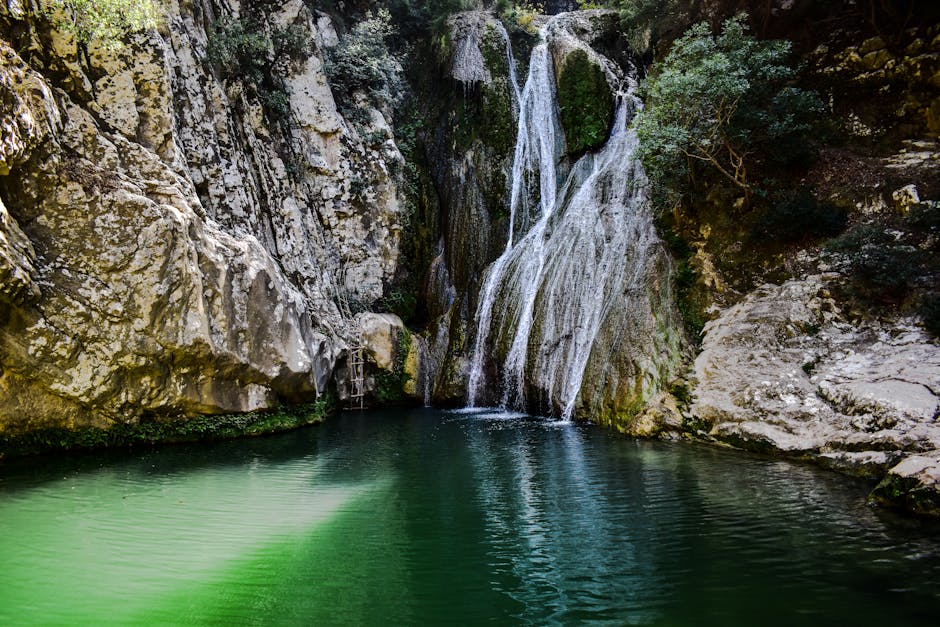
Volimes Waterfall — A hidden gem in the mountains. Tucked away in a dense forest, this waterfall cascades into a turquoise pool. The hike down is steep and slippery, but the reward is a natural swimming hole surrounded by greenery. It's a stark contrast to the coastal beaches, a reminder of the island's volcanic past. No entry fee, but respect the nature trail.
Zakynthos Town — The neoclassical capital. Rebuilt after the 1953 earthquake, the town is a grid of elegant buildings, wide boulevards, and the Lambert Castle perched on a hill overlooking the sea. The Archeological Museum and the Ionian Parliament are key stops, but the real attraction is the atmosphere. Wander the streets, sip coffee at Plateia Lampadarios, and watch the sunset from the castle. It's sophisticated, clean, and surprisingly lively.
What to Eat & Drink
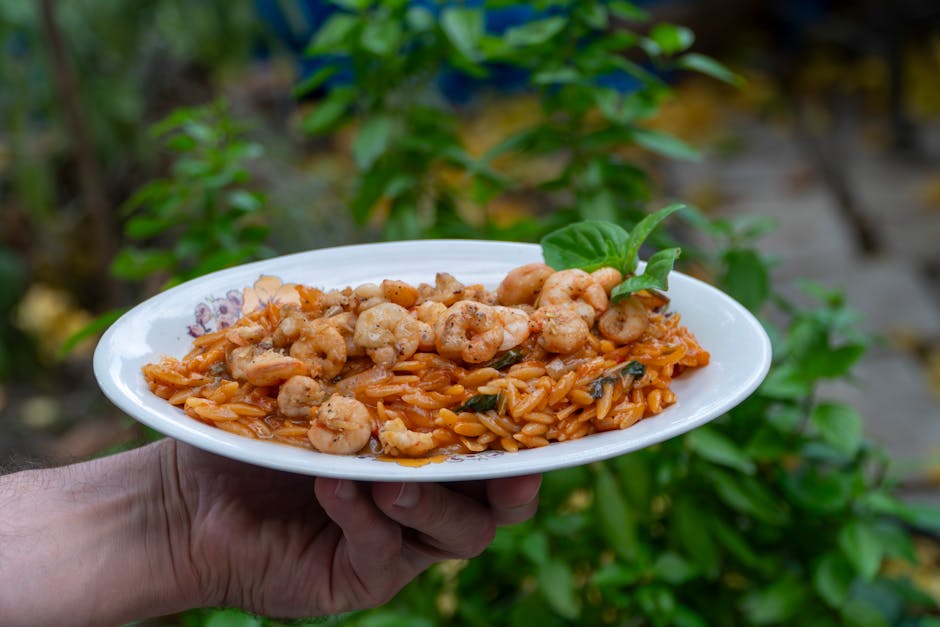
Zakynthos cuisine is a reflection of its history and geography. The island is famous for its Matzola, a type of pasta made with flour, water, and olive oil, often served with Stafidoto, a sweet cake made with raisins and mahlab. But the real star is the seafood. Fresh fish, octopus, and squid are grilled simply with lemon and olive oil. Don't miss the Formelles, a savory pie filled with ricotta and herbs, and the Gliko Koutaliou, a fruit preserve served as a digestif.
Matzola — 8-10 EUR. Grilled Octopus — 12-15 EUR. Formelles — 6-8 EUR. Stafidoto — 3-4 EUR. Local Wine — 5-7 EUR per glass.
For budget travelers, the Zakynthos Town Market is a goldmine. Fresh produce, cheese, and olives are cheap, and you can find take-away gyros and souvlaki for under 5 EUR. The Laganas area has a variety of budget-friendly tavernas, but the quality varies. For a sit-down meal, expect to pay 15-25 EUR per person for a meal with wine. The Porto Vromi and Gerakas areas have more upscale options, with prices starting at 25-40 EUR per person.
Two specific streets to explore for food: Plateia Lampadarios in Zakynthos Town for traditional tavernas and cafes, and Agios Nikolaos for a mix of budget and mid-range options. The Zakynthos Town Market is also worth a visit for fresh ingredients and local specialties.
Nightlife
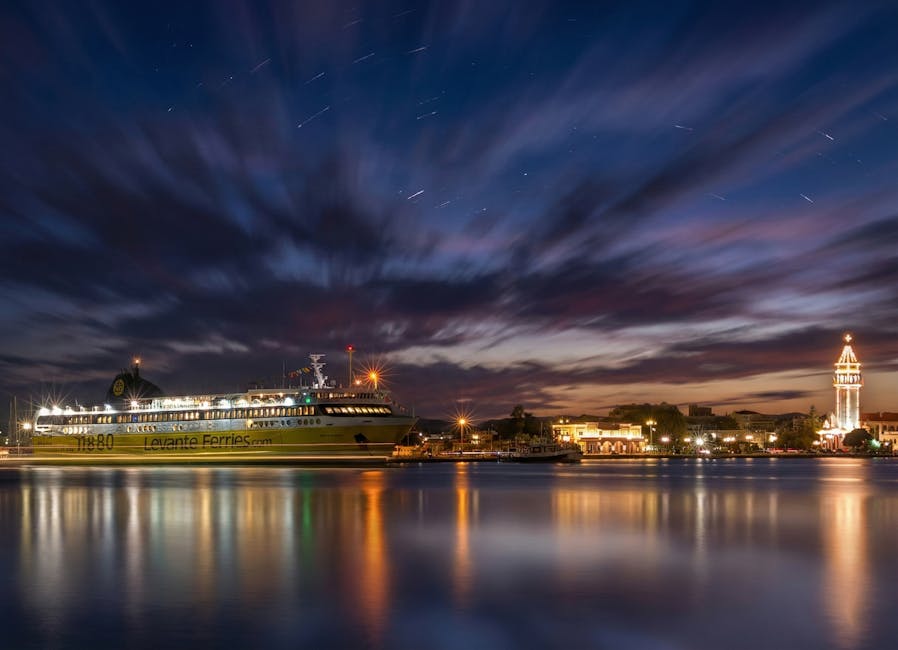
Zakynthos nightlife is concentrated in Laganas, a town that has earned a reputation as the party capital of the Ionian. The strip along the beach is lined with bars, clubs, and restaurants, many of which cater to the younger crowd. The music is a mix of pop, dance, and Greek rembetika, and the atmosphere is lively and energetic. Paradise Beach is the epicenter, with clubs like Boomerang and Club 7 drawing crowds until dawn.
For a more sophisticated experience, head to Zakynthos Town. The Lambert Castle area has several upscale bars and lounges with panoramic views of the sea. The music is more relaxed, and the crowd is older and more refined. Gerakas also has a selection of beach bars and tavernas with live music, offering a more laid-back vibe.
Cover charges at clubs in Laganas range from 5-15 EUR, depending on the venue and the night. In Zakynthos Town, drinks are more expensive, with cocktails starting at 8-12 EUR. The nightlife season runs from May to October, with the peak in July and August.
Getting There & What to Expect
The nearest airport is Dioscouri Airport (ZTH), located near Zakynthos Town. It has direct flights from major European cities, including London, Paris, Berlin, and Rome. During the summer, there are also direct flights from Athens. The flight from Athens takes about 1 hour and 15 minutes. Bus connections from Kerkyra (Corfu) and Patras are available, but the journey is long and involves a ferry crossing. The bus from Patras takes about 4-5 hours, including the ferry.
Once on the island, rent a car or a scooter. The roads are well-maintained, but some of the mountain roads are narrow and winding. Public buses connect the main towns and villages, but they are infrequent and slow. Taxis are expensive and hard to find outside of Zakynthos Town and Laganas.
Accommodation ranges from budget hostels and guesthouses to luxury hotels and villas. A budget hostel bed costs 15-25 EUR per night, a mid-range hotel room 50-100 EUR, and a luxury villa 200-500 EUR or more. The best time to visit is May to June or September to October, when the weather is warm, the crowds are smaller, and the prices are lower. July and August are hot and crowded, but the nightlife is at its peak.
Expect a mix of luxury and ruggedness. The beaches are pristine, the food is delicious, and the culture is rich. But the island is also fragile, and the environmental impact of tourism is a growing concern. Respect the turtles, stay on the designated paths, and leave no trace. Zakynthos is not just a vacation spot; it's a place that demands respect.
Search accommodation in Zakynthos on Booking.com →
The Ionian Edge
I left Zakynthos with a sunburn, a full stomach, and a head full of contradictions. The island is both ancient and modern, wild and civilized, fragile and resilient. It's a place where you can swim with turtles in the morning and dance until dawn at night. It's a place where the past is always present, in the ruins, the stories, and the landscape. And it's a place where the edge is always close, whether it's the cliff overlooking the sea, the boundary between land and water, or the line between tourism and sustainability.
Zakynthos doesn't want to be just another stop on the map. It wants to be remembered. It wants to be respected. And if you're willing to look beyond the postcards and the parties, you'll find an island that's as complex and compelling as any in the Mediterranean. It's not easy. It's not simple. But it's real. And that's the best kind of edge there is.
Comments