


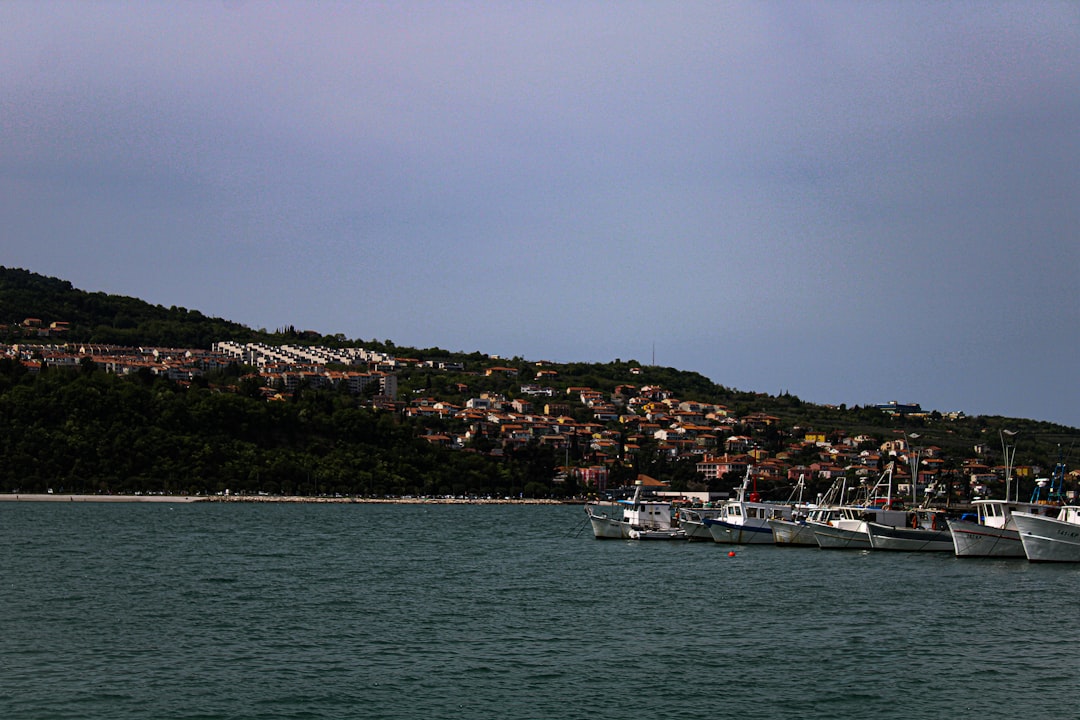
The air in Portorož doesn't just smell like the sea; it smells like sulfur, eucalyptus, and old European money. I'm standing on the edge of a pool that looks suspiciously like a swimming hole in a luxury hotel, but the water is warm enough to make my shoulders drop three inches. A woman in a towel draped like a toga is sipping a wine cooler while staring at the Adriatic Sea through steam that hasn't quite cleared. This isn't a spa in the traditional sense. This is Slovenia's weird, wonderful obsession with mixing the ocean's salt with the earth's heat, creating a hydrotherapy circuit that feels less like medicine and more like a ritual for the exhausted modern soul.
I came here thinking I'd get a quick dip and head back to the bus. Instead, I spent six hours moving from cold plunges to hot whirlpools, convinced that if I stayed long enough, my bad decisions would simply wash away. The coastal strip is narrow, squeezed between the Alps to the north and the Adriatic Sea to the south, but the thermal infrastructure is massive. It's a place where the geography fights itself, and the bathers win.
History & Identity
Slovenia's coast is tiny, barely 46 kilometers long, but its history of thermal bathing runs deep. The area around Piran and Portorož was once a backwater for the Venetian Republic, known more for malaria and marshes than luxury. The turning point came in the 19th century when Austrian doctors, obsessed with hydrotherapy, began prescribing the mineral-rich waters for respiratory and skin conditions. The grand hotels that line the promenade today weren't built for Instagram; they were built for the Habsburg elite who needed a place to cough and recover in style.
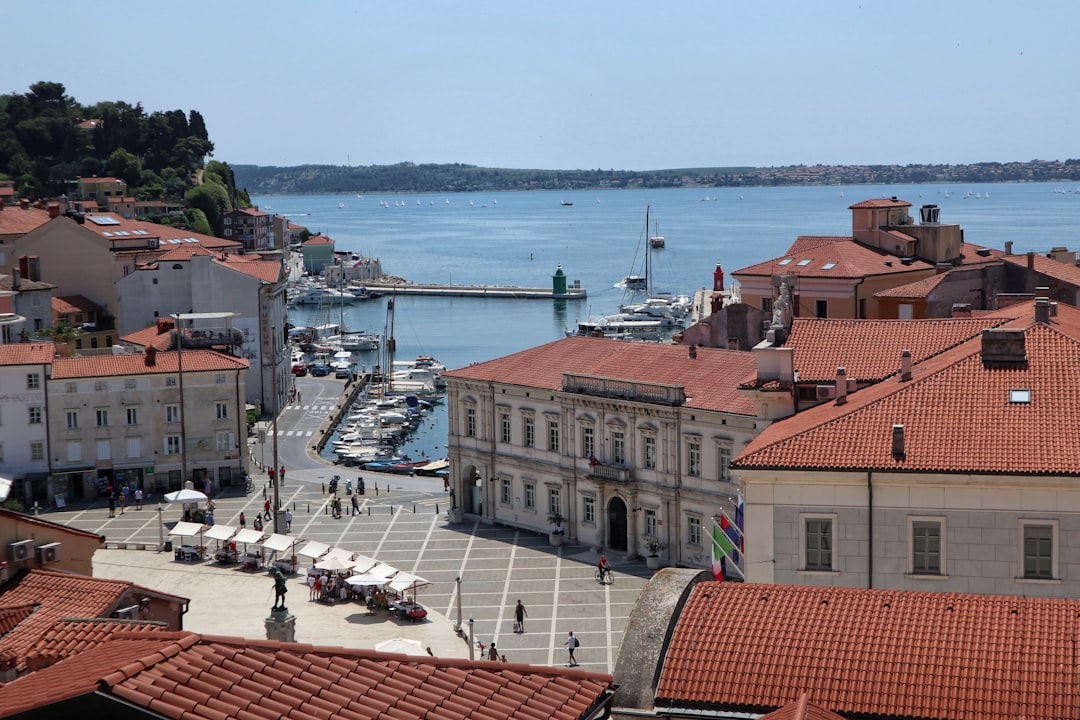
Today, the identity of these towns is split. On one side, you have the bustling, sometimes tacky, resort vibe of Portorož, with its casinos and large conference centers. On the other, you have the preserved, melancholic beauty of Piran, a Venetian-style town that feels frozen in time. The thermal baths bridge this gap. They are the modern iteration of the old cure, updated for a generation that wants wellness tourism with a view of the Koper marina. The culture here is about "izlet" — the excursion — a day trip where the goal is to do absolutely nothing productive for twelve hours straight.
Where to Go
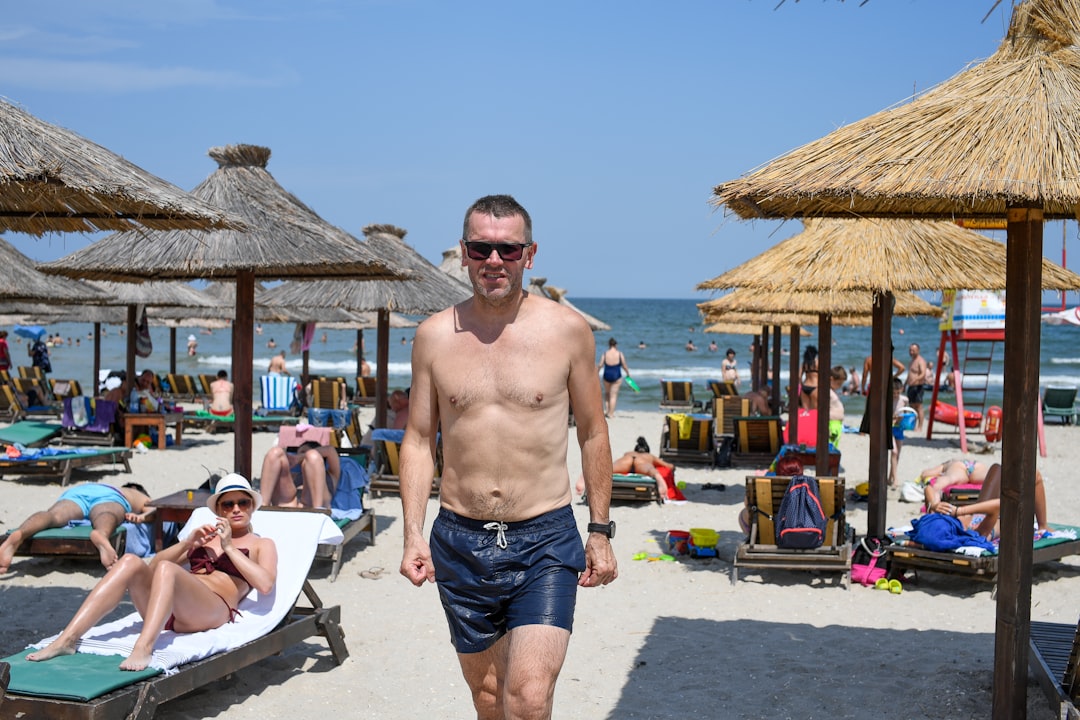
Aqua Park Portorož — This is the heavyweight champion of Slovenian thermal bathing. It's not a quiet sanctuary; it's a sprawling complex with indoor and outdoor pools, saunas, and a massive thermal circuit. The highlight is the outdoor thermal pool that sits right next to the beach, allowing you to swim in warm mineral water and then jump into the cold Adriatic. It's chaotic, popular, and undeniably effective for loosening stiff joints. Entry is around 25-30 EUR for a day pass. Go early, before 10 AM, if you want a towel on a bench.
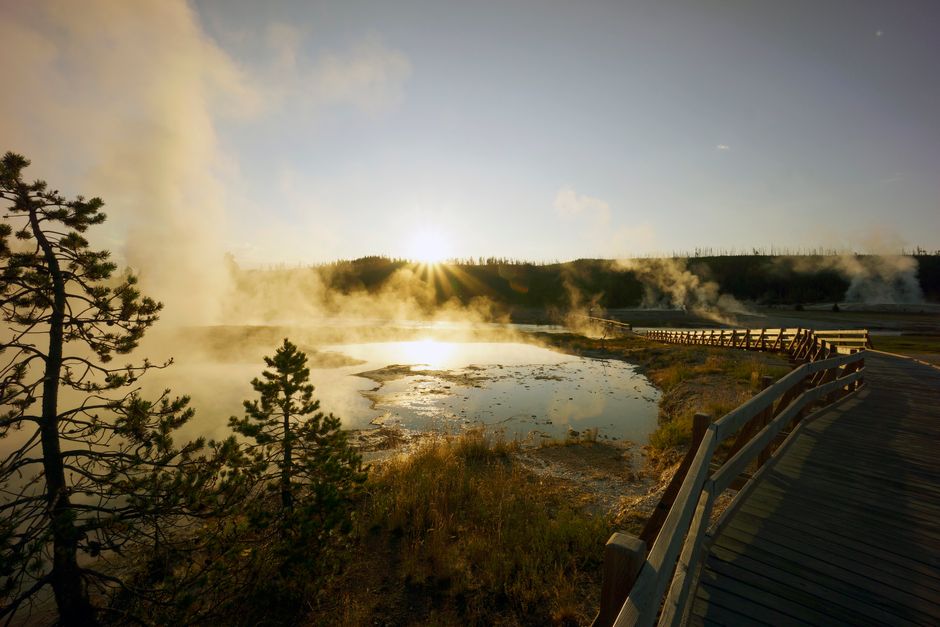
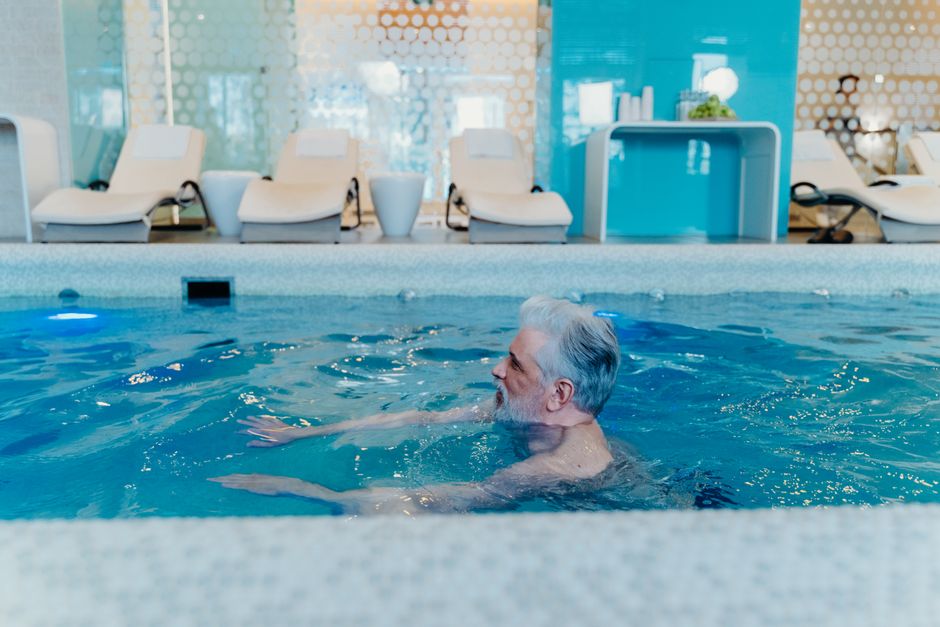
Wellness Center Grand Hotel Koper — If Portorož is the party, Koper is the quiet neighbor. The wellness center here is tucked into a modern hotel complex, offering a more subdued, adult-focused thermal experience. The pools are smaller, the lighting is dimmer, and the focus is strictly on relaxation rather than activity. It's a good spot for a mid-day break when the sun is too hot for the beach. Entry is typically included with hotel stays or available for guests, with day passes around 20-25 EUR.
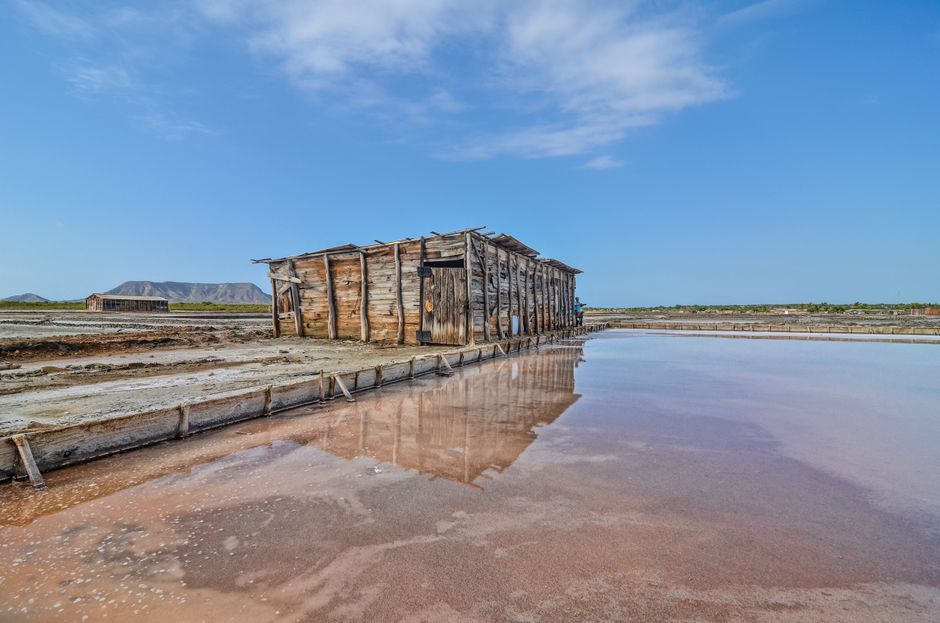
Thermal Baths in Sečovlje — Further south, near the Italian border, lies Sečovlje, known for its salt pans. While not a massive resort complex like Portorož, the area offers smaller, more intimate thermal experiences often linked with mud treatments. The salt air here is thicker, and the mud baths are a local specialty for skin conditions. It's a more rustic, less polished experience, perfect for those who want to escape the main tourist drag. Entry fees vary but are generally lower, around 15-20 EUR.
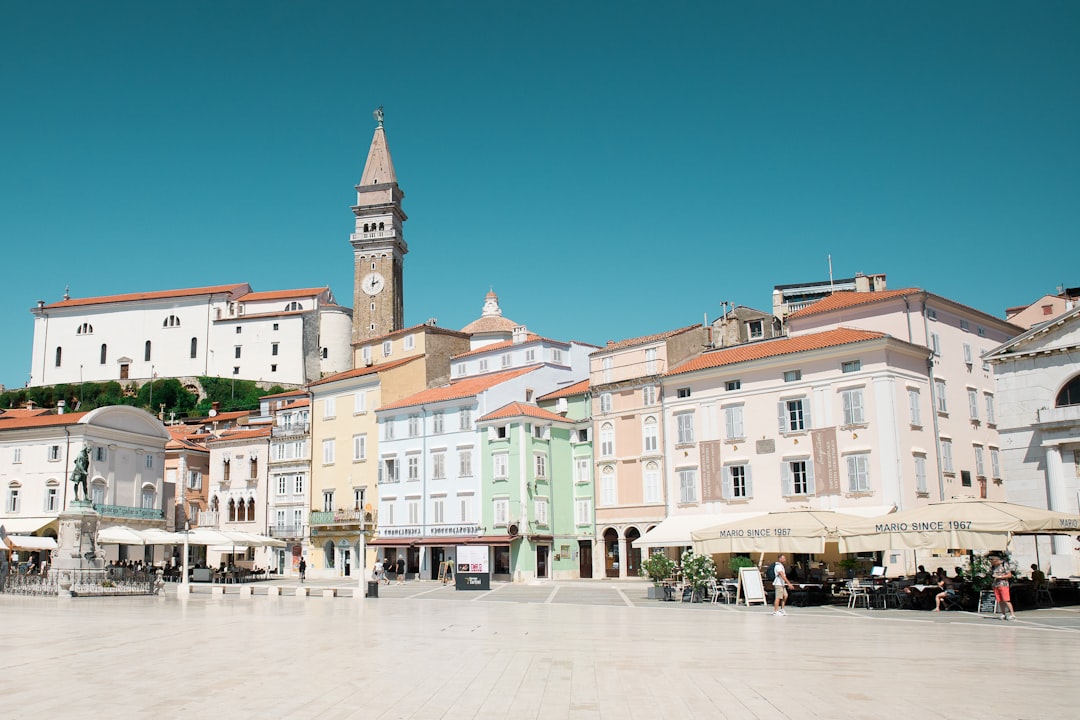
Piran Town Center — While Piran doesn't have a massive thermal park, the town itself is a must-visit for the atmosphere. The Tartini Square is the heart of the town, surrounded by cafes and the Venetian architecture that defines the region. It's not a thermal site, but it's the cultural anchor of the coast. Spend an hour here walking the narrow streets before or after your soak. Entry is free, but your wallet will suffer from the gelato prices.
What to Eat & Drink
The diet of the Slovenian coast is heavily influenced by its Italian neighbor, with a focus on fresh seafood, olive oil, and local wines. After a day in the thermal pools, you'll need to replenish your salt and hydration.
- Friulian-style pasta — Look for fuži, a local pasta shape made by rolling dough on a board, usually served with a creamy mushroom sauce or fresh fish. Price: 10-15 EUR.
- Grilled Octopus — A staple on every menu, served with potatoes and olive oil. It's chewy, salty, and perfect after a swim. Price: 12-18 EUR.
- Refošk Wine — The local white wine, crisp and slightly acidic, cuts through the richness of the seafood. A glass costs 3-5 EUR.
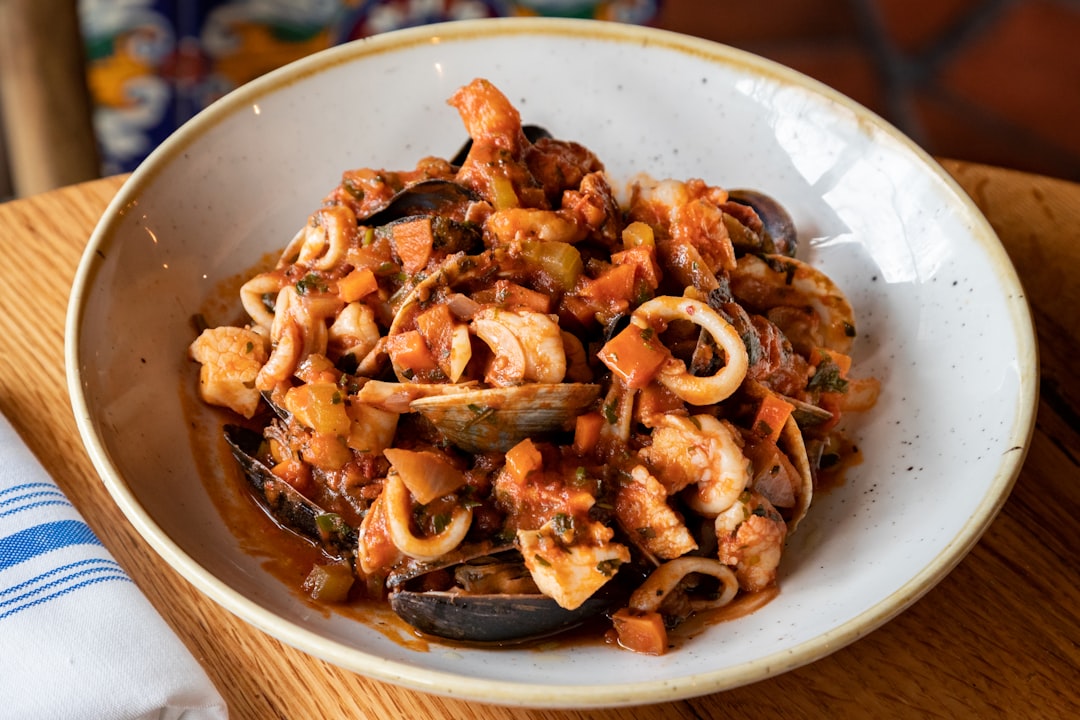
- Seafood Risotto — Creamy, rich, and loaded with local catch. A heavier option, but comforting. Price: 12-16 EUR.
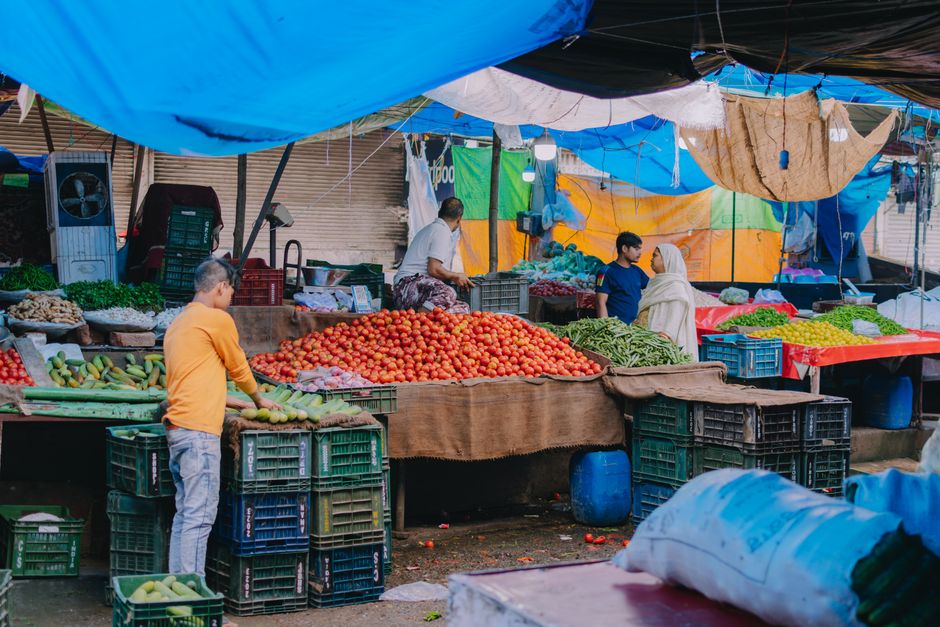
Budget breakdown: Street food like prosciutto sandwiches or štruklji (rolled dough with filling) can be found for 3-5 EUR. A sit-down meal at a local tavern in Piran will run you 20-30 EUR per person, while mid-range restaurants in Portorož can hit 30-50 EUR. For budget travelers, the Koper market area offers cheaper options, with food courts and take-away spots keeping meals under 10 EUR.
Nightlife
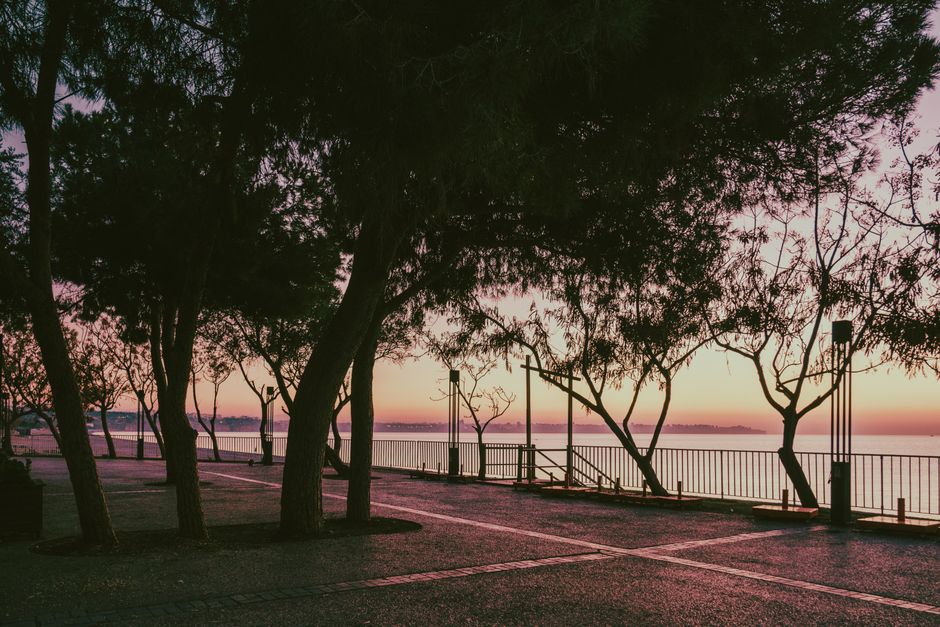
Nightlife on the Slovenian coast is split between the glitzy and the local. Portorož is the hub, with the Kongres Hotel and Aleksandra Hotel hosting bars and lounges that cater to conference attendees and tourists. The Portorož Promenade is lined with outdoor bars where you can grab a drink and watch the sunset. It's not a wild party scene, but it's lively enough for a post-spa drink.
In Piran, the nightlife is quieter, centered around the bars near Tartini Square. It's more about conversation and wine than dancing. For a more local vibe, head to Koper, where the Old Town has a few bars that attract locals. Cover charges are rare, usually just the cost of a drink, which is around 4-6 EUR for a beer or wine.
Getting There & What to Expect
The nearest major airport is Ljubljana Jože Pučnik Airport, about 80 kilometers away, with a bus or taxi ride taking around 1-1.5 hours. From Trieste, Italy, it's a 30-minute drive or bus ride. Buses connect Ljubljana to Portorož and Koper frequently, with a ticket costing around 10-15 EUR and a travel time of 1.5 hours. Trains also run to Koper, with a journey from Ljubljana taking about 2 hours for 10-15 EUR.
Accommodation prices vary wildly. Budget hostels in Koper or Piran can be found for 20-30 EUR per night. Mid-range hotels in Portorož range from 80-150 EUR per night, while luxury resorts can exceed 200 EUR. The best months to visit are May, June, and September, when the weather is warm but the crowds are thinner. July and August are peak season, with higher prices and more people.
Search accommodation in Portorož on Booking.com →
The Steam Never Lies
As I walk out of Aqua Park at dusk, my skin is pruned, my muscles are loose, and my wallet is lighter. The steam from the pools is still rising, mixing with the salt air of the Adriatic. A group of elderly locals is playing cards on a bench, ignoring the tourists rushing by. This is the real Slovenia: not the postcard-perfect castles of Ljubljana, but this weird, wet, warm corner where the earth tries to heal you, whether you believe in it or not. I don't know if the sulfur cured my back pain, but I know I'm not going to think about it for the rest of the week. And in the Balkans, that's a victory worth every euro.
Comments