


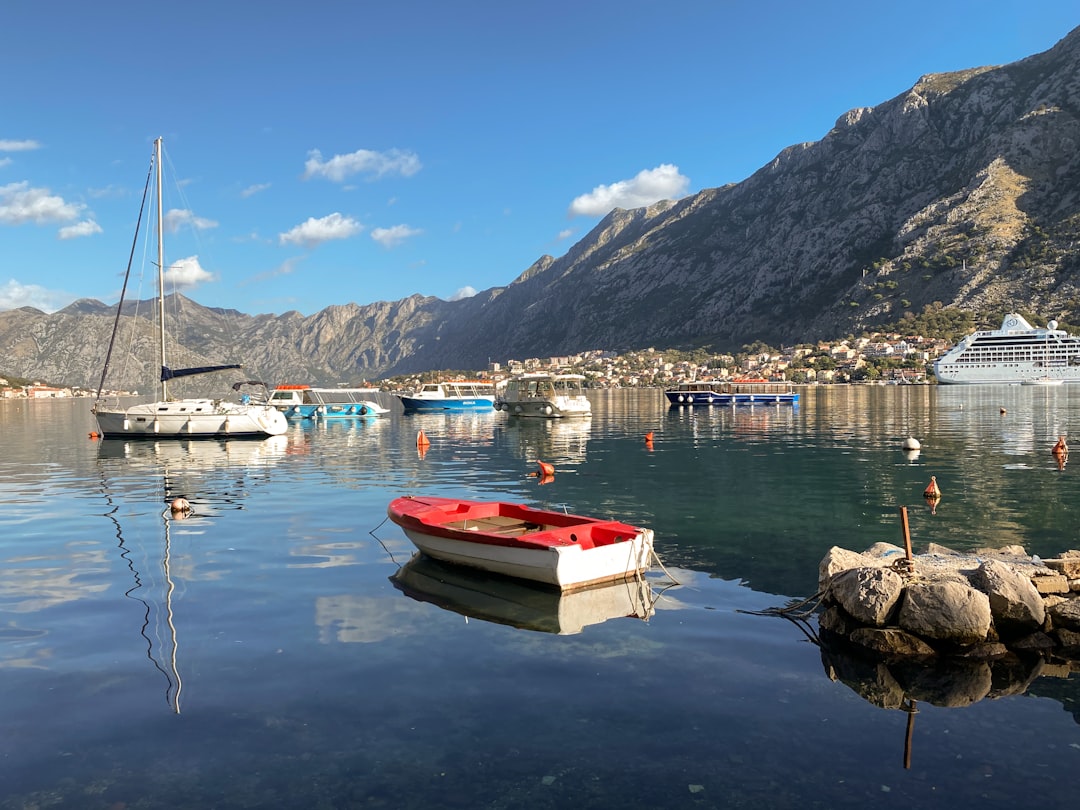
I’m not here for the Instagram shots of the medieval walls. I’m here because the air in Perast tastes like salt and diesel, and the water in the Bay of Kotor looks less like a sea and more like a mirror held up to the jagged teeth of the Dinaric Alps. I strapped into a carbon-fiber kayak at dawn, the hull cold against my thighs, while the local fishermen in Kotor argued over mooring spots with the kind of aggressive camaraderie that only exists in places where land is scarce and pride is plentiful. The guide, a local named Marko with forearms like tree trunks, didn’t say a word. He just pointed up the fjord, toward the Bojana River, where the water turns from deep indigo to a milky, glacial turquoise. This isn’t a postcard. This is a concrete-lined, mountain-choked gorge that demands respect. If you think kayaking is about relaxation, you’re in the wrong boat. Here, it’s about survival, silence, and the sheer, unadulterated madness of paddling into a canyon that feels like it’s closing in on you.
The Bay of Kotor is technically a ria, a flooded river valley, but call it that and you’ll lose friends. It’s a fjord in spirit if not in glacial origin, a dramatic, serpentine inlet carved by the sea into the heart of the Balkans. Most tourists cruise the surface on glass-bottomed boats, sipping overpriced rakija and snapping photos of the Our Lady of the Rocks. They see the view from the outside. We’re going in. We’re going under the bridges, past the abandoned stone quarries, and into the narrow channels where the only sound is the slap of the paddle and the distant echo of church bells from Risan. This is the Balkans stripped of its tourist veneer, raw and vertical.
The Concrete & The Canyon
Montenegro’s Bay of Kotor is a geological paradox. On one side, you have the Lovćen National Park Lovćen National Park, a rugged, pine-clad mountain range that rises sharply from the water’s edge. On the other, the Orjen Mountain Orjen, a limestone fortress that looms over the northern arm of the bay. The water is trapped between these two giants, creating a microclimate that’s hot in summer and brutally cold in winter. For a kayaker, this means unpredictable winds. The Bura wind can drop from the mountains without warning, turning the calm bay into a choppy mess in minutes. But on a still morning, the water is glass. You can see the submerged ruins of ancient Roman roads, the Tragur Tragur, that once connected the bay to the Adriatic hinterland. These ruins aren’t just history; they’re hazards. One wrong drift and you’re tangled in two-thousand-year-old stone.
The bay is divided into three main sections: the Upper Bay, the Middle Bay, and the Lower Bay. The Upper Bay is where the action is. It’s narrower, deeper, and less crowded with cruise ships. The Middle Bay, centered around Kotor Kotor, is the tourist trap, but it’s also the launch point for most adventures. The Lower Bay, near Tivat Tivat, is dominated by marinas and yachts. We’re skipping the yachts. We’re heading up the Upper Bay, toward the Bojana River Bojana River, the only freshwater outlet in the bay. The transition from salt to fresh water is subtle, but you can taste it. The water becomes clearer, colder, and alive with different fish. It’s a different world, just a few kilometers away.
What makes this kayak trip unique isn’t just the scenery. It’s the silence. The bay is surrounded by mountains that block out most of the world. When you’re in the narrowest parts of the gorge, near Risan Risan, you can’t hear the traffic from the coastal road. You can’t hear the music from the bars in Perast. You can only hear your own breathing. It’s a meditative experience, but it’s not peaceful. It’s intense. The mountains are watching you. The water is pulling you. And the kayak is the only thing keeping you from being swallowed by the landscape.
Routes & Water Conditions
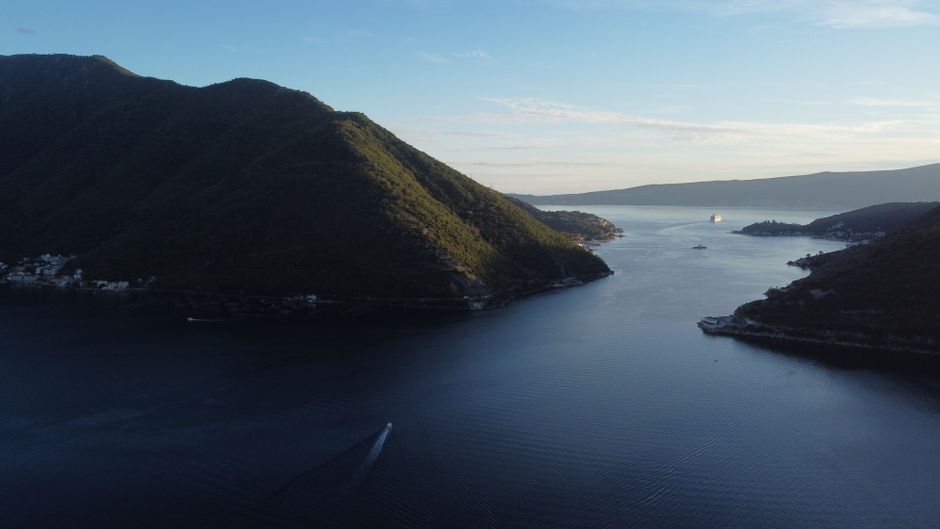
There is no single "trail" in the bay. The route depends on your skill level, your fitness, and the wind. For beginners, the Perast to Kotor loop is the best option. It’s about 10 kilometers round trip, mostly flat water, with plenty of landmarks to keep you oriented. You’ll paddle past the Our Lady of the Rocks Our Lady of the Rocks, a tiny island church that’s a marvel of engineering, built entirely from stones dropped by ships over centuries. The entry fee is 2 EUR if you want to go inside, but the view from the kayak is free. The water here is calm, but watch out for the tourist boats. They don’t see you. They never do.
For intermediate paddlers, the Kotor to Risan route is the real deal. It’s 15 kilometers one way, with a slight current against you as you head up the bay. The water gets narrower, the mountains get closer, and the wind can pick up. You’ll pass the Risan Fortress Risan Fortress, a Venetian-era stronghold that sits on a promontory overlooking the bay. It’s a good spot for a break, if you can find a dry place to sit. The current here is stronger, and the wind can be tricky. You need to know how to brace. If you don’t, you’ll eat water. And not the good kind.
Advanced kayakers can push all the way to the Bojana River Bojana River, the northernmost point of the bay. It’s 25 kilometers one way from Kotor, a full day’s paddle. The water here is cold, even in summer, and the river mouth is a maze of channels and mudflats. You need a local guide. The tides are minimal, but the currents are strong, and the river is home to a different ecosystem. You might see dolphins. You might see nothing but mud. Either way, it’s a challenge. The return trip is easier, with the current behind you, but the wind can still be a factor. Don’t underestimate the bay. It’s not the ocean, but it’s not a bathtub either.
What to Eat & Drink on the Shore
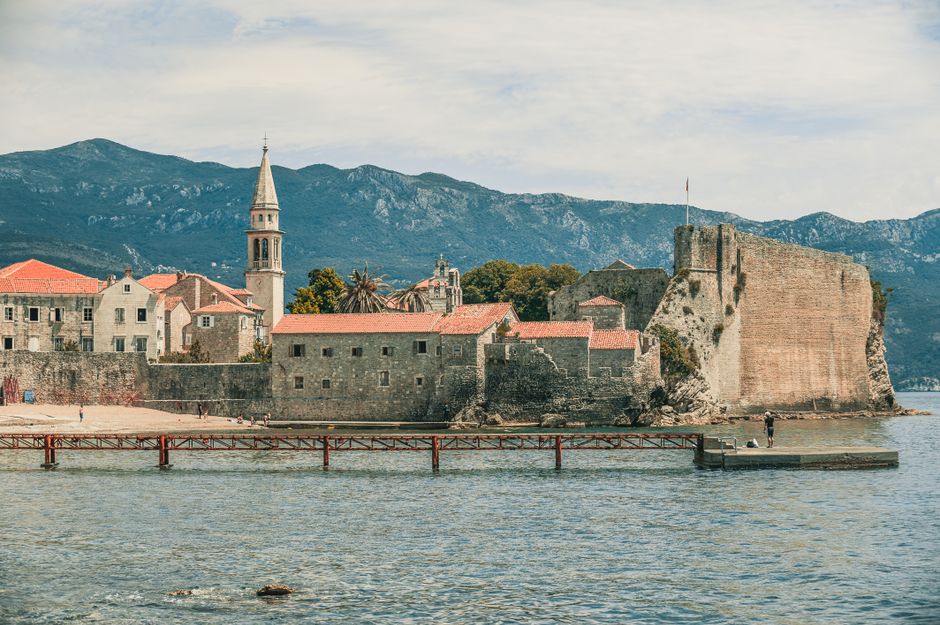
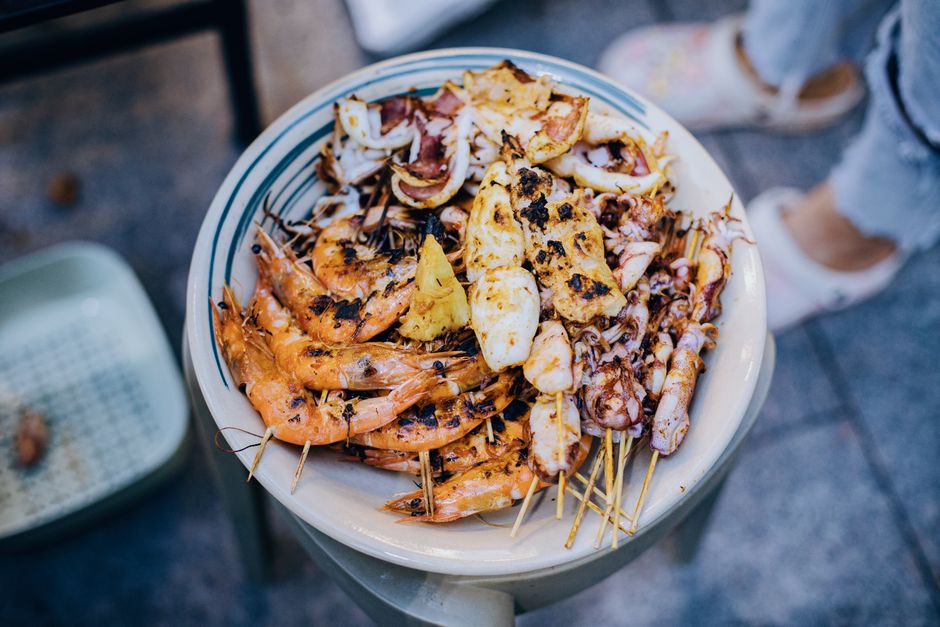
When you’re done paddling, you’re going to be hungry. The bay is famous for its seafood, but you don’t need to spend a fortune to eat well. In Kotor Kotor, the old town is a maze of stone streets, but the real food is in the side alleys. Look for crni rižot 8-12 EUR, a black risotto made with squid ink, that’s rich and briny. It’s heavy, but it’s perfect after a day on the water. Pair it with a glass of Vranac 3-5 EUR, a local red wine that’s bold and earthy. For something lighter, try pršut 4-6 EUR, a dry-cured ham that’s sliced paper-thin and served with olive oil and bread. It’s simple, but it’s delicious.
In Perast Perast, the food is slightly more upscale, but still affordable. The šaran 10-15 EUR, a local carp, is grilled simply with salt and pepper, and it’s tender and sweet. Serve it with roštilj 5-8 EUR, grilled vegetables, and you have a meal that’s both rustic and refined. For dessert, try makovnjača 2-3 EUR, a poppy seed roll that’s sweet and nutty. It’s a traditional Balkan treat, and it’s the perfect way to end a day on the water.
Don’t forget the rakija 2-4 EUR. It’s a fruit brandy that’s strong and fiery, and it’s the drink of choice in Montenegro. You’ll find it in every bar and restaurant, and it’s the best way to warm up after a cold paddle. Just don’t drink too much. You’ll need your balance for the kayak ride back.
Getting There & What to Expect
Getting to the Bay of Kotor is easy. The nearest airport is Tivat Airport Tivat Airport, which is about 10 kilometers from the bay. There are direct flights from major European cities, and the transfer to the bay is quick and cheap. If you’re coming from Belgrade Belgrade, the drive is about 7 hours, but the scenery is worth it. The road from Niš to Pristina is rough, but the rest of the route is smooth and scenic. If you’re coming from Sarajevo Sarajevo, it’s about 4 hours, and the drive through the mountains is breathtaking. But don’t get distracted. The road is narrow and winding.
Kayak rentals in Kotor Kotor start at 20-30 EUR per hour, with discounts for longer rentals. Guided tours are more expensive, but they’re worth it if you’re not familiar with the bay. A half-day tour with a guide costs about 50-70 EUR per person, and it includes equipment and insurance. Full-day tours are 80-100 EUR. Make sure to book in advance, especially in the summer. The bays are popular, and the good spots fill up quickly.
Accommodation in the bay ranges from budget hostels to luxury hotels. A bed in a hostel in Kotor Kotor costs about 15-25 EUR per night. A mid-range hotel is 50-80 EUR per night, and a luxury hotel can be 150-300 EUR or more. If you’re on a budget, stay in Risan Risan or Herceg Novi Herceg Novi, where prices are lower. If you want luxury, stay in Perast Perast or Tivat Tivat, where the views are unbeatable.
The best time to kayak the bay is in the spring (April to June) and the fall (September to October). The water is warm, the weather is mild, and the crowds are smaller. In the summer, the bay is hot and crowded, and the wind can be strong. In the winter, the water is cold, and the weather is unpredictable. Don’t go in the winter unless you’re a professional.
Search accommodation in Kotor on Booking.com →
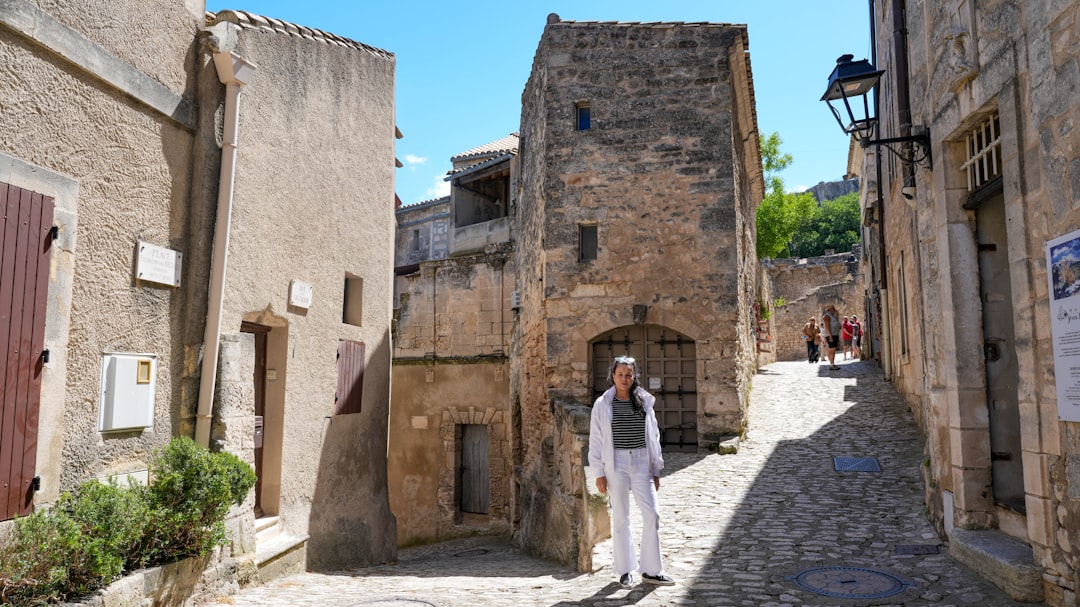
The Silence of the Stone
I pulled the kayak onto the rocks at Risan Risan as the sun was setting, the sky turning a deep, bruised purple. My arms were burning, my back was stiff, and my lips were cracked from the salt air. But I didn’t care. I sat on the rocks, watching the water lap against the shore, and I felt a sense of peace that I hadn’t felt in years. The bay was quiet. The mountains were still. And for a moment, I felt like I was part of the landscape, not just a visitor. This is what the Bay of Kotor is really about. It’s not the history. It’s not the food. It’s the silence. And it’s worth every stroke to find it.
Comments