


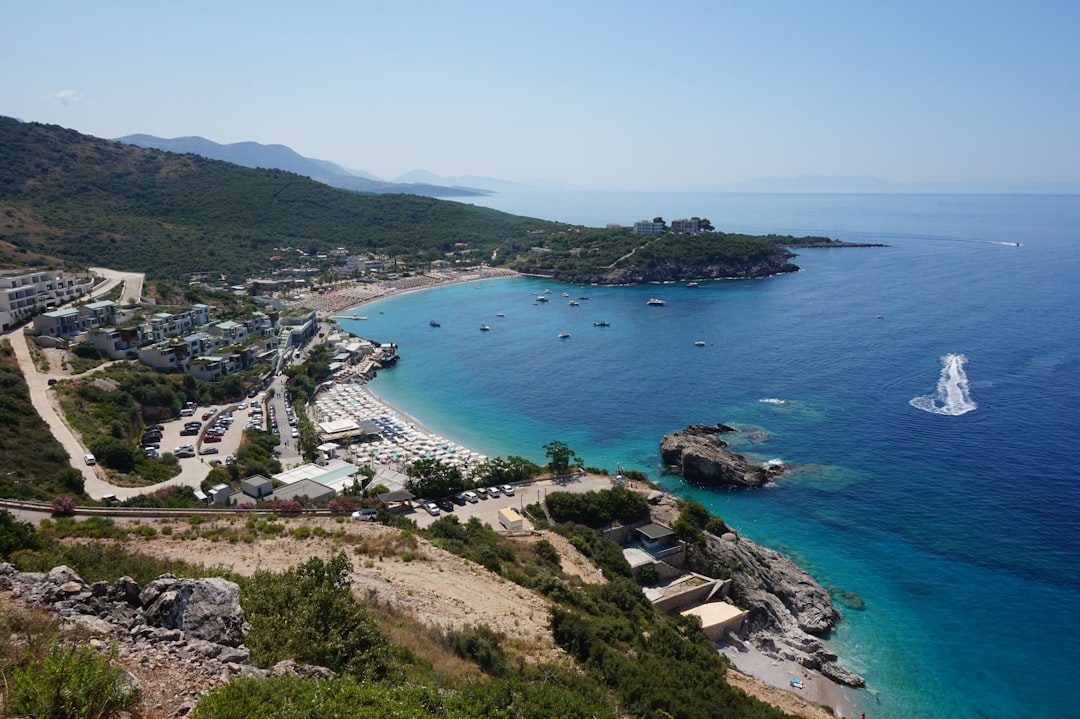
The diesel fumes of the local fishing boat still cling to my shirt as I stand on the deck of a wooden vessel off the coast of Sarandë, staring down into water so clear it feels like a hallucination. We are drifting just past the jagged limestone teeth of Cape Rodon, and the captain, a man with hands like cured leather and eyes that have seen three decades of Adriatic storms, points a calloused finger at a shadow beneath the hull. "There," he says, not bothering to translate into English because the gesture is universal. "The reef starts there. The fish know. You should too."
This isn't the sanitized snorkeling tour of a Mediterranean all-inclusive resort. This is the Albanian Riviera, a strip of coastline where the mountains crash into the sea with violent abruptness, leaving behind caves, submerged arches, and wrecks that history forgot to clean up. The water here is cold in spring, warm in summer, and always, always blue. I'm here to see if the hype about Albania's underwater world holds water, or if it's just another postcard sold to tourists who never leave the beach. So far, the silence under the surface is louder than any brochure.
History & Identity
The Albanian Riviera is a landscape of contrasts, shaped by centuries of isolation and sudden exposure. For decades, Albania was a closed society, a fortress state under the communist regime of Enver Hoxha. The coastline, particularly the southern stretch from Vlorë down to the Greek border, was heavily restricted. Military bunkers dot the hillsides like concrete mushrooms, remnants of a paranoid defense strategy that turned the entire country into a fortress. Today, those bunkers are mostly empty, but their presence adds a layer of eerie history to the diving experience. You aren't just exploring nature; you are navigating a seabed that was once a guarded border.
Before the communism, there was the Ottoman Empire, and before that, the Greeks and the Romans. The ports along this coast were vital trading hubs. Wrecks from centuries ago lie scattered across the seabed, some still intact, others broken by storms and time. The identity of the Riviera is tied to the sea. Fishing is still a way of life, and the local communities are fiercely protective of their waters. This isn't a place where you can just drop an anchor anywhere. Respect for the locals and their livelihoods is non-negotiable. The Riviera is opening up to tourism, but it hasn't lost its soul—yet.
Where to Go
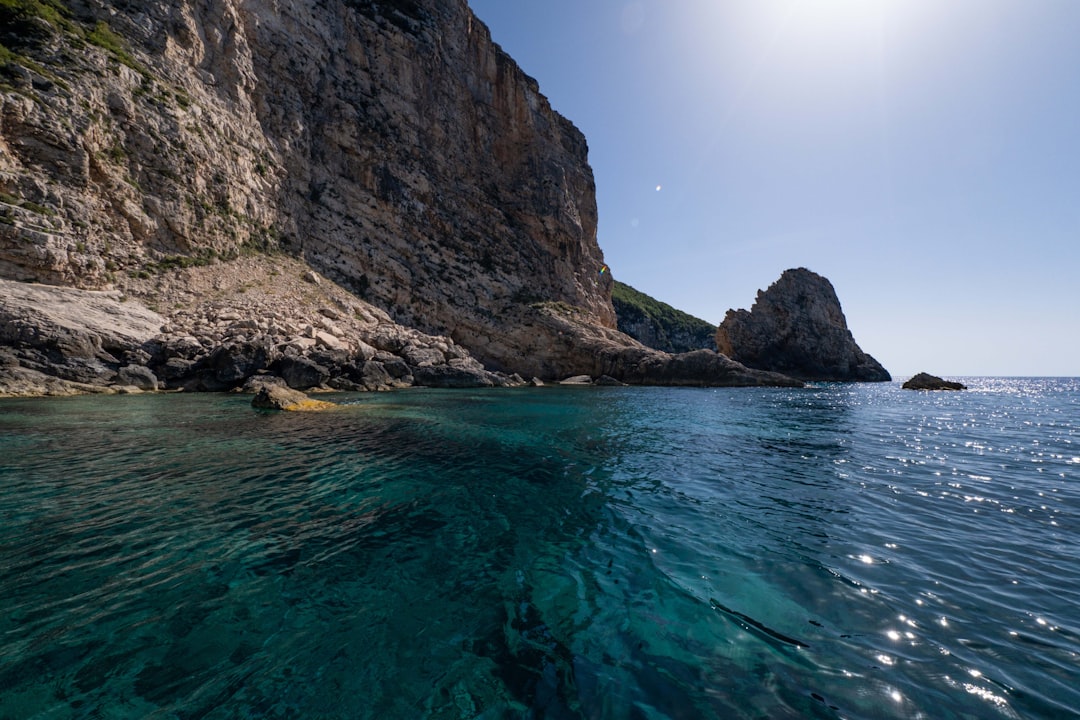
Cape Rodon — This is the crown jewel of the Albanian Riviera's diving. The headland juts out into the Adriatic, creating strong currents and rich marine life. The underwater landscape here is dramatic, with steep walls, caves, and overhangs. It's not for beginners. The currents can be tricky, and visibility can change rapidly. But if you get it right, you'll see groupers, bream, and even the occasional turtle. Entry is free, but you need a guide. Best time to visit is late spring or early autumn when the water is calm.
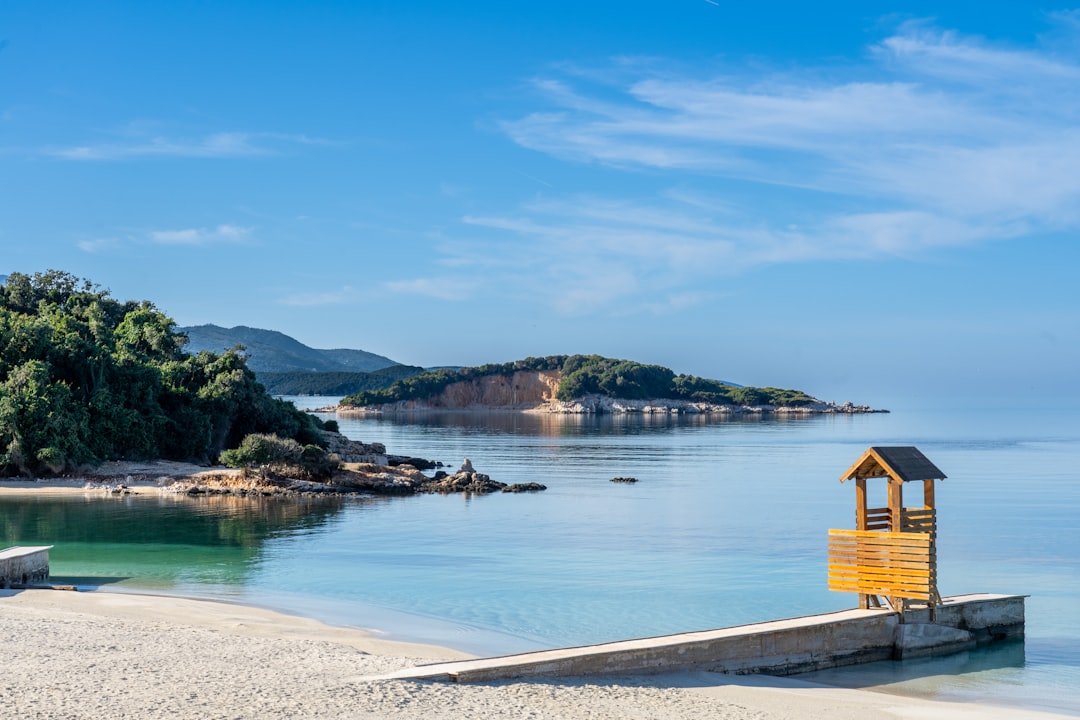
Ksamil Islands — Just a short boat ride from the town of Ksamil, these small islands offer a different kind of diving experience. The water is shallow and calm, perfect for snorkeling and beginner divers. The seabed is covered in seagrass meadows, which are vital for marine life. You'll find small fish, octopus, and even sea turtles. The islands are protected, so no anchoring is allowed. It's a peaceful spot, a contrast to the ruggedness of Cape Rodon.
Sazan Island — This island is a former military base, and its underwater world is still shrouded in secrecy. There are rumors of sunken ships and military equipment on the seabed. Access is restricted, and you need special permission to dive here. But for those who can get in, it's a unique experience. The island itself is a nature reserve, with rugged cliffs and untouched beaches. It's a place where history and nature collide in a way that's hard to find elsewhere.
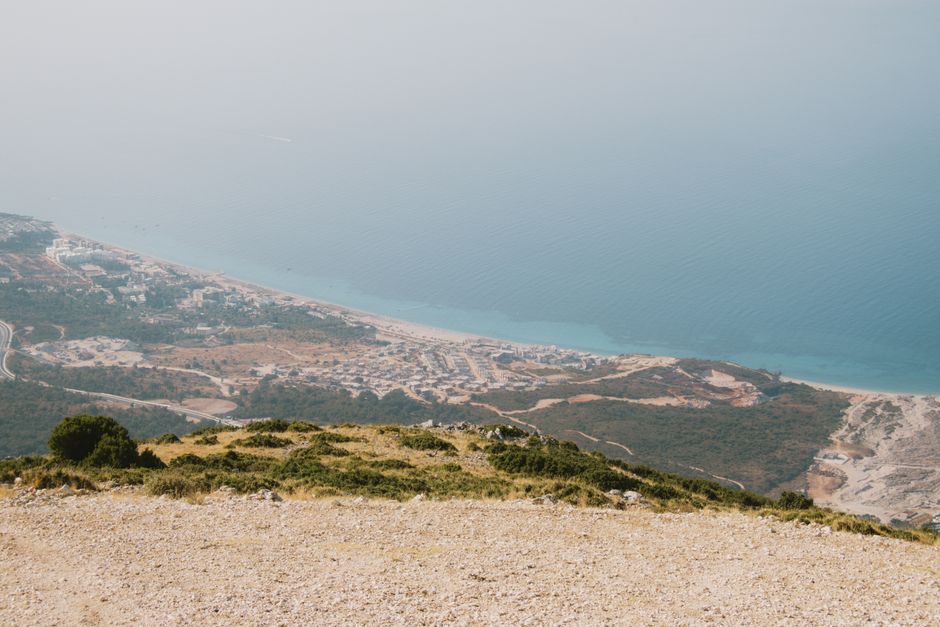
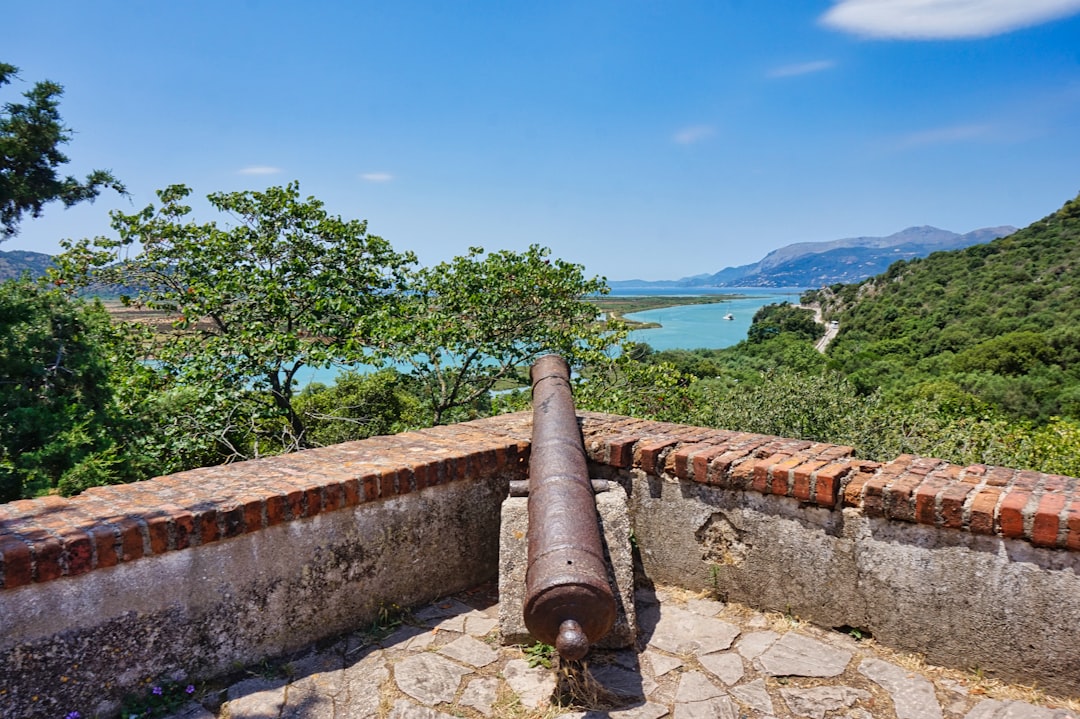
Butrint National Park — While primarily known for its ancient ruins, the waters around Butrint are also worth exploring. The park is a UNESCO World Heritage site, and the underwater archaeology is significant. There are remnants of ancient harbors and settlements on the seabed. Diving here is more about history than marine life, but it's a fascinating experience. You need a guide, and the sites are protected, so no touching or taking anything is allowed.
What to Eat & Drink
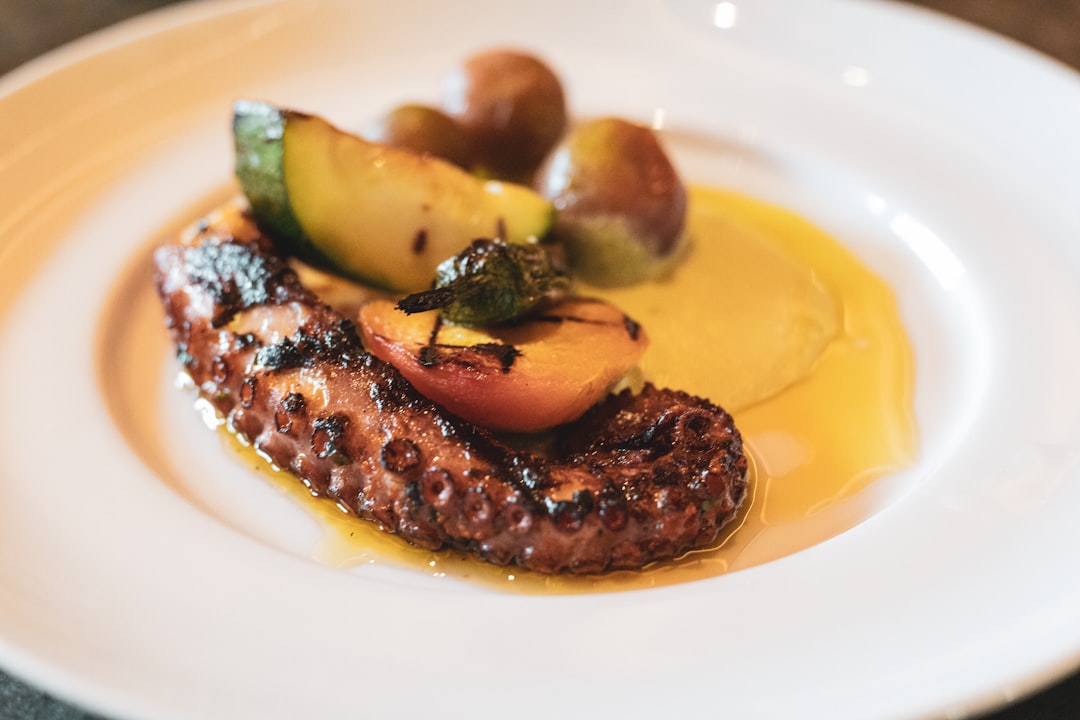
After a day in the water, you're going to need fuel. The Albanian Riviera is famous for its fresh seafood, and the prices are a fraction of what you'd pay in Greece or Italy. Fresh fish — grilled or baked in the oven — costs around 8-12 EUR per person. Squid ink pasta is a local favorite, and you can find it for about 6-8 EUR. Grilled octopus is another must-try, usually priced at 7-10 EUR. For a quick bite, byrek (a savory pastry) is available for 1-2 EUR from street vendors.
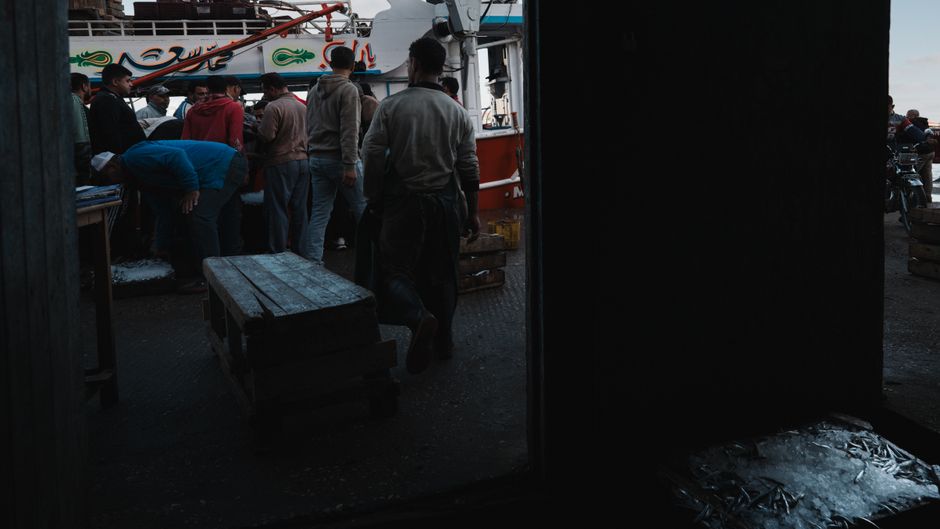
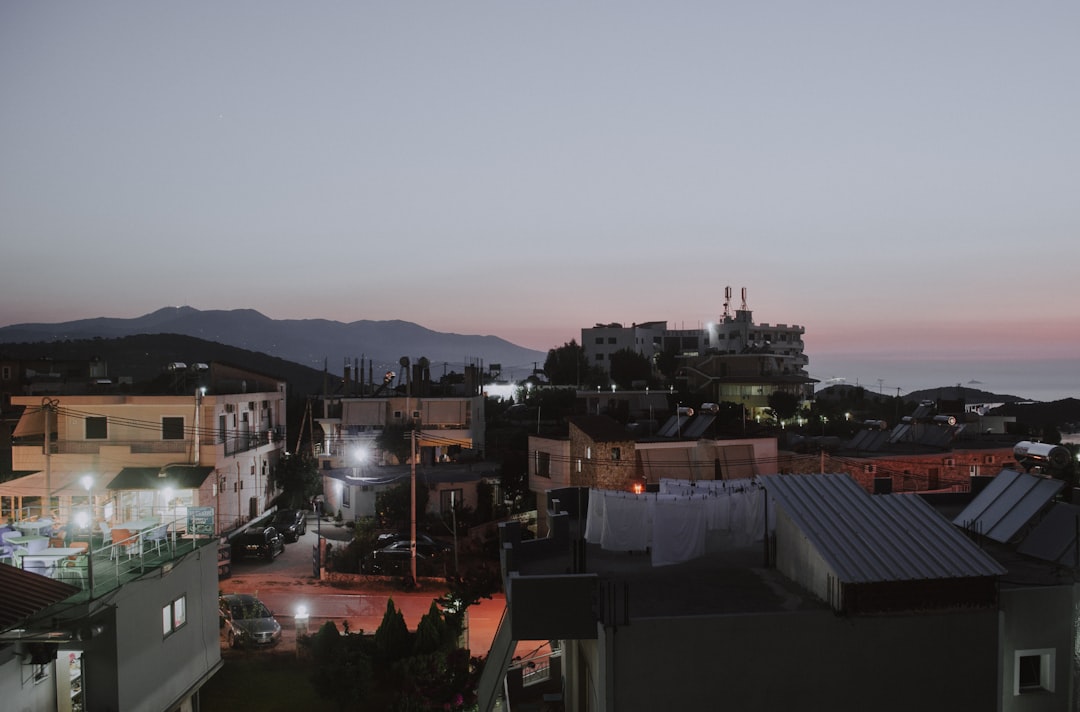
Budget travelers can eat well for under 10 EUR a day if they stick to street food and local markets. Sit-down restaurants in the tourist areas will cost you 15-25 EUR per person for a meal with wine. The food scene in Sarandë is vibrant, with many restaurants lining the main street. The fish market in Sarandë is also worth a visit, especially in the morning when the fresh catch comes in.
Nightlife
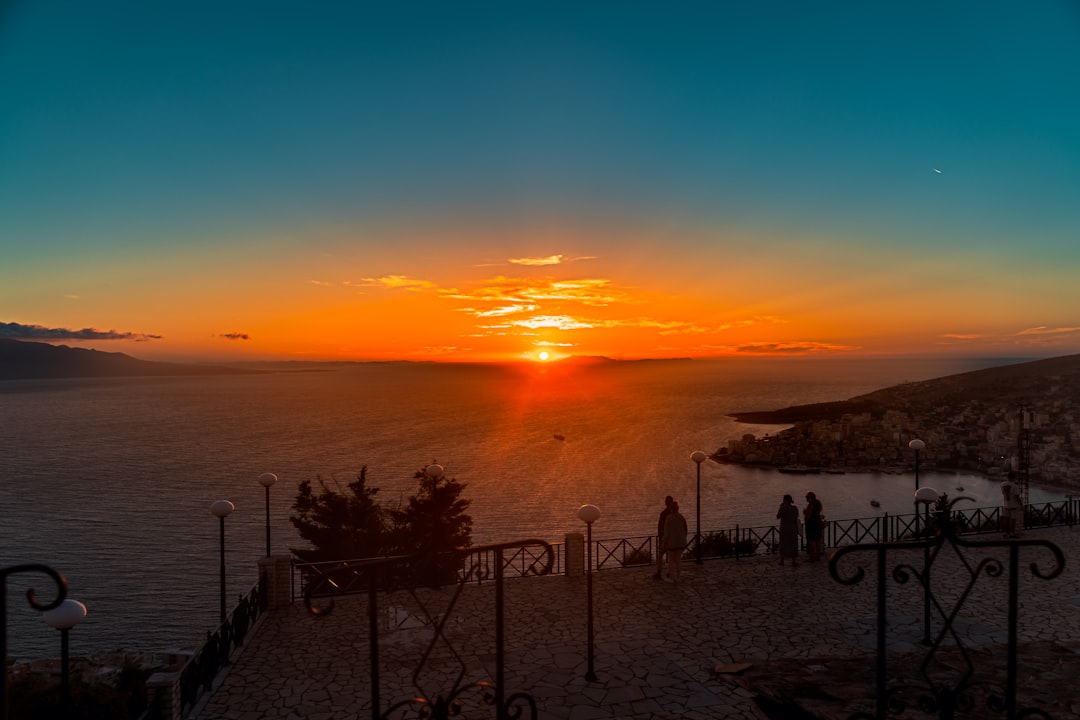
The nightlife in the Albanian Riviera is lively, especially in the summer months. Sarandë is the main hub, with bars and clubs lining the waterfront. The music is a mix of local Albanian pop and international hits. The cover charge at most clubs is around 5-10 EUR, and drinks are cheap compared to Western Europe. A beer costs about 1-2 EUR, and a cocktail is around 3-5 EUR.
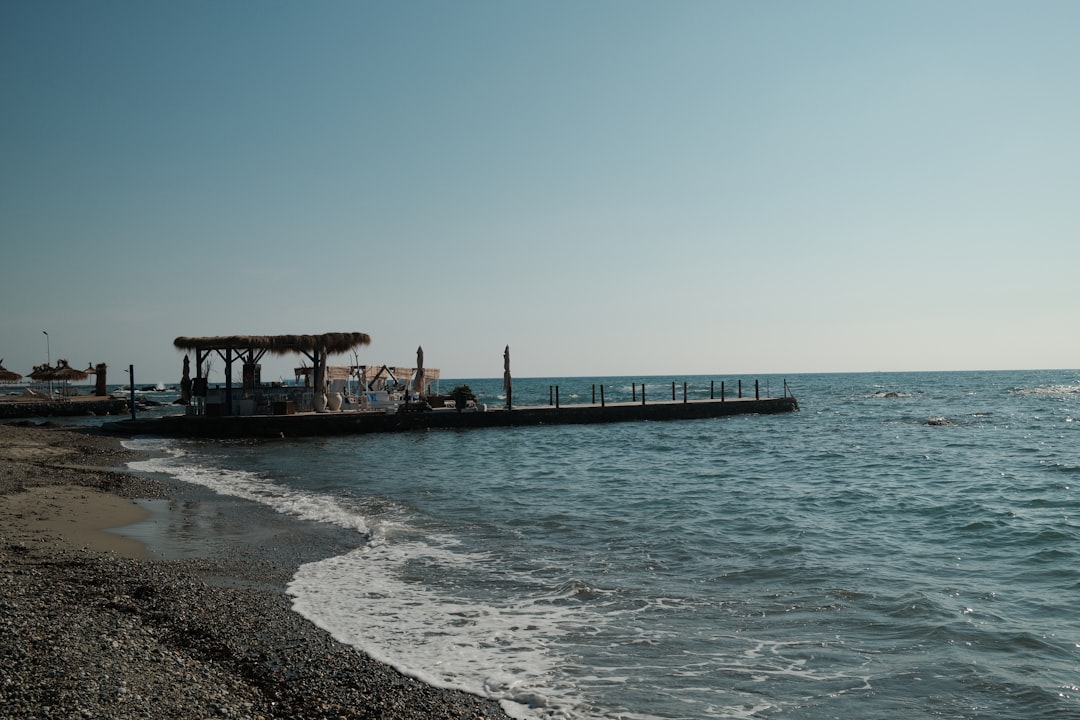
In Himarë, the nightlife is more relaxed, with beach bars that stay open late. The atmosphere is friendly, and the locals are welcoming. In Ksamil, the nightlife is centered around the beach, with music and dancing under the stars. It's not as wild as Sarandë, but it has its own charm. For a more authentic experience, try the local raki, a strong fruit brandy, at a small taverna away from the tourist centers.
Getting There & What to Expect
The nearest airport is in Korçë, but it has limited flights. Most travelers fly into Tirana and then take a bus or car to the Riviera. The drive from Tirana to Sarandë takes about 4-5 hours and costs around 10-15 EUR for a bus. Taxis are more expensive, around 50-70 EUR. Ferries also run from Italy to Durrës, from where you can take a bus to the Riviera.
Accommodation ranges from budget hostels at 15-25 EUR per night to mid-range hotels at 40-70 EUR. Luxury villas can cost 100-200 EUR or more. The best time to visit is between May and October, when the weather is warm and the sea is calm. July and August are the busiest months, so book in advance. Expect crowds in the main tourist areas, but the diving sites are usually less crowded.
Search accommodation in Sarandë on Booking.com →
The Dive That Changed My Mind
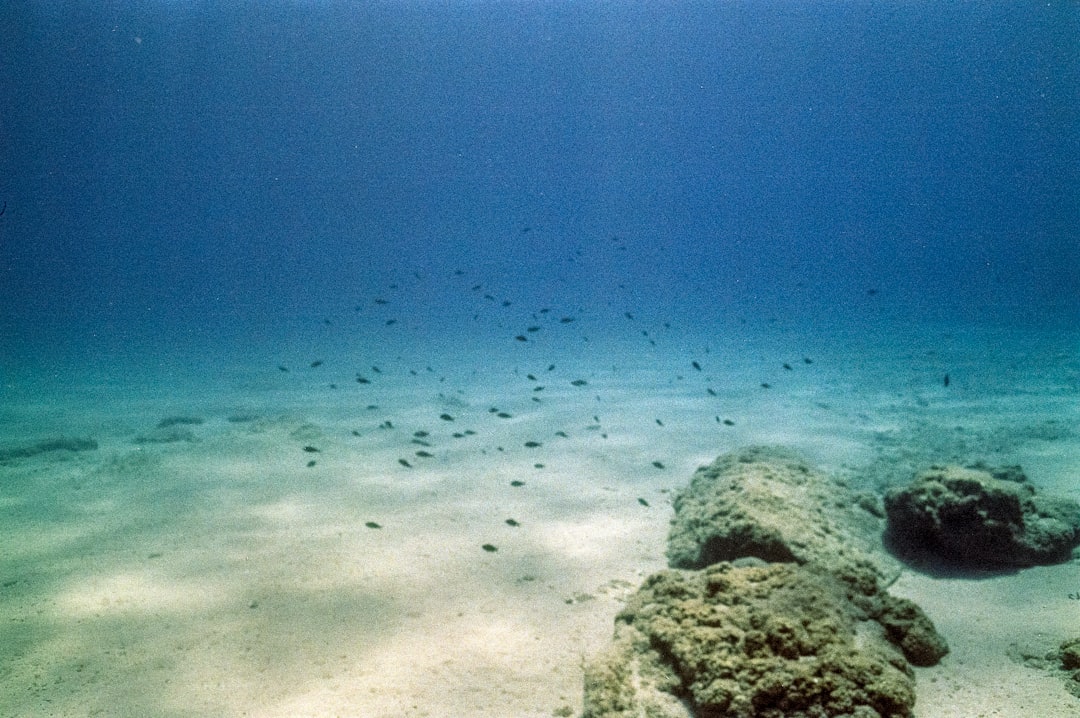
I thought I'd seen it all. I've dived the reefs of Thailand, the walls of the Philippines, the wrecks of the Mediterranean. I was skeptical. But then I dropped into the blue off Cape Rodon, and the world fell away. The silence was absolute. The fish moved in slow motion, indifferent to my presence. A school of bream flashed silver in the sunlight, and then, from the shadows of a cave, a turtle emerged, ancient and calm. It looked at me, or maybe through me, and then swam on, disappearing into the deep.
In that moment, I understood. This isn't just about diving. It's about connection. To the sea, to the history, to the people who live here. The Albanian Riviera is raw, unpolished, and real. It doesn't care about your expectations. It just is. And that's why I'll be back. Not for the postcards, but for the silence. For the blue. For the dive that changed my mind.
Comments