


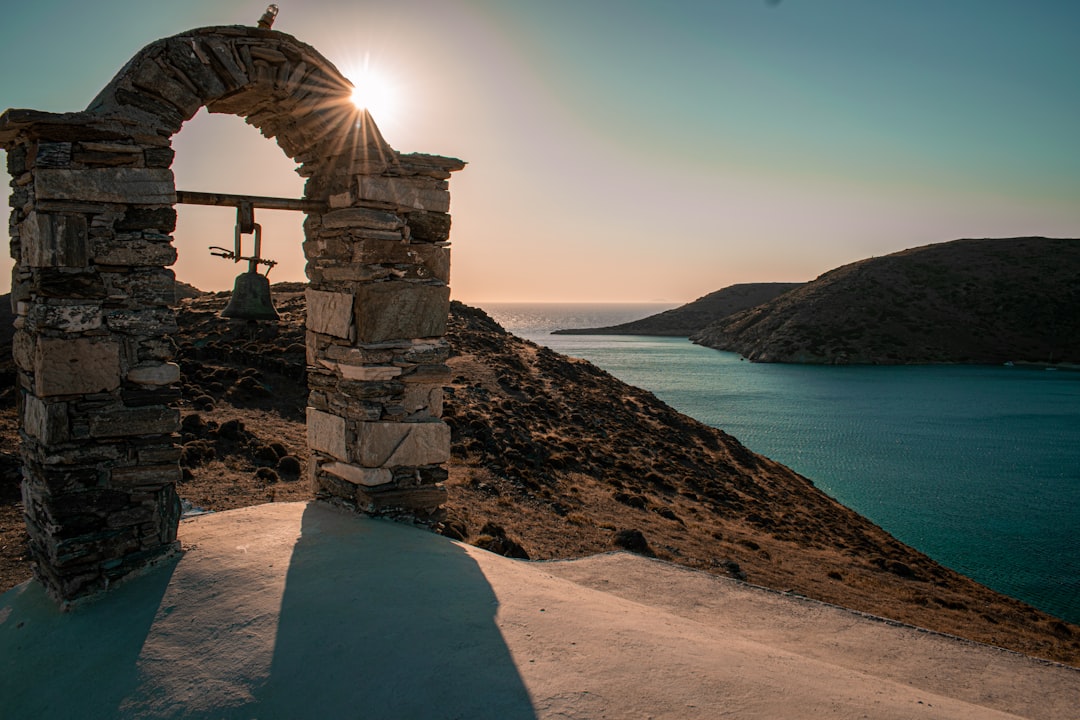
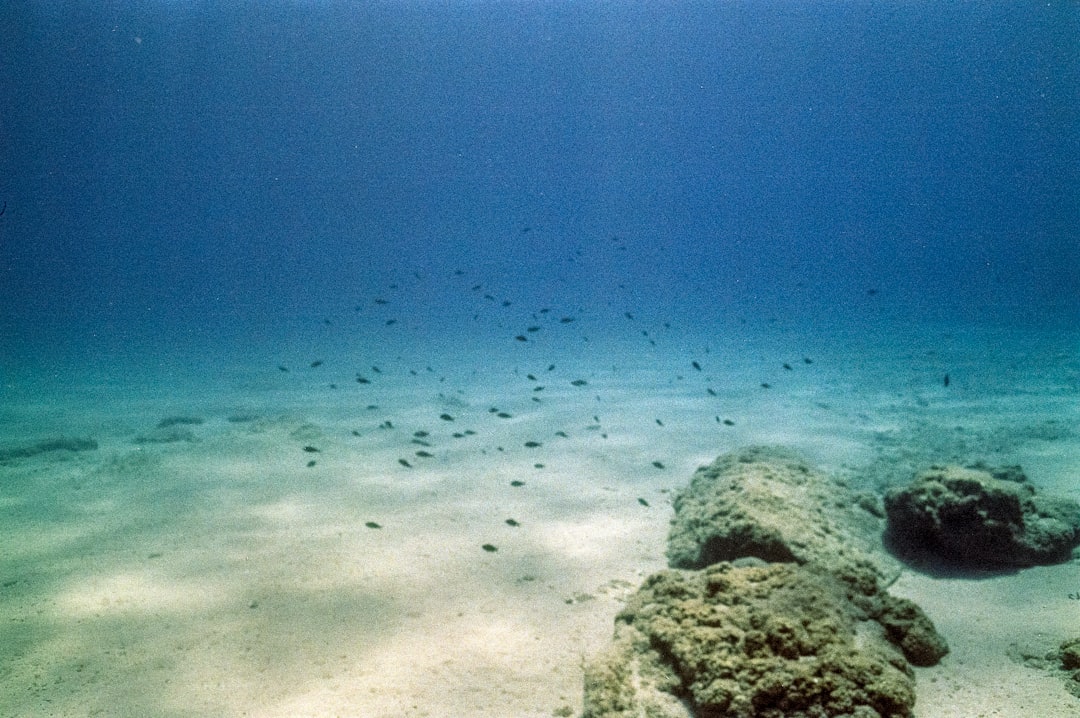
The water off the coast of Bodrum isn't just blue; it's a graveyard. I'm standing on the edge of a weathered stone pier, the sun beating down on my neck, watching a local diver haul himself out of the Aegean with a bucket full of pottery shards. He grins, wiping salt from his beard, and tosses a fragment of a Roman amphora onto the concrete. "This," he says, "is just the trash. The treasure is still down there." I feel a sudden, vertiginous pull toward the deep. The Turkish Aegean isn't just a beach destination; it's an open-air museum where the exhibits are slowly being reclaimed by the sea. I'm here to hunt for the ghosts of antiquity, the sunken cities, the shipwrecks, and the submerged temples that lie just beneath the surface of this turbulent, beautiful water.
Most tourists come for the sunbeds and the rakı, but the real story is underwater. The Aegean has been a crossroads of civilization for millennia, and every storm, every earthquake, every shifting tectonic plate has helped bury a piece of that history. As a journalist, I've seen plenty of ruins, but nothing hits you quite like the realization that the bottom of the sea around these islands is paved with marble, bronze, and broken dreams. This is a gonzo dive into the submerged past, where the only ticket price is a mask, some air, and a willingness to stare into the abyss.
History & Identity
The Turkish Aegean was once the heart of the ancient world's maritime trade. Cities like Halicarnassus (modern-day Bodrum) and Miletus were not just ports; they were economic superpowers, rivaling Athens and Alexandria. The water here is shallow in many places, a shallow shelf that once allowed ships to dock close to shore. But the region is also seismically active. Earthquakes have repeatedly swallowed entire neighborhoods, entire harbors, and entire civilizations. What you see on land is often just the tip of the iceberg. The submerged ruins tell a more complete, and more tragic, story of human ambition and nature's indifference.
The identity of these islands is inextricably linked to the sea. It's not just a backdrop; it's the main character. The ruins underwater are a reminder that civilization is fragile. A single tremor can turn a bustling marketplace into a coral reef. The divers who explore these sites are part archaeologist, part adventurer, and part historian. They are the only ones who can see the full picture, the one that the sun-drenched tourists on the beach will never know. This is a place where the past is literally at the bottom of your feet, waiting to be discovered.
Where to Go
Caesarea Island — Just off the coast of Bodrum, this tiny, uninhabited island is a protected archaeological site. You can't land on it, but you can dive around it. The seabed is littered with columns, statues, and fragments of temples. It's like swimming through a sunken city. The visibility is often excellent, and the feeling of swimming past a fallen column is surreal. Entry is free, but you need a licensed dive operator. Best time to visit is summer for the best visibility.
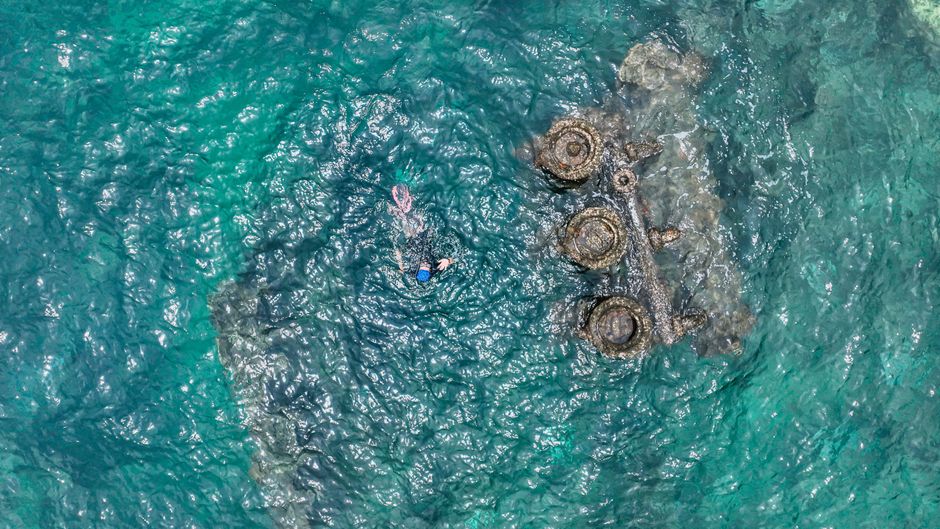
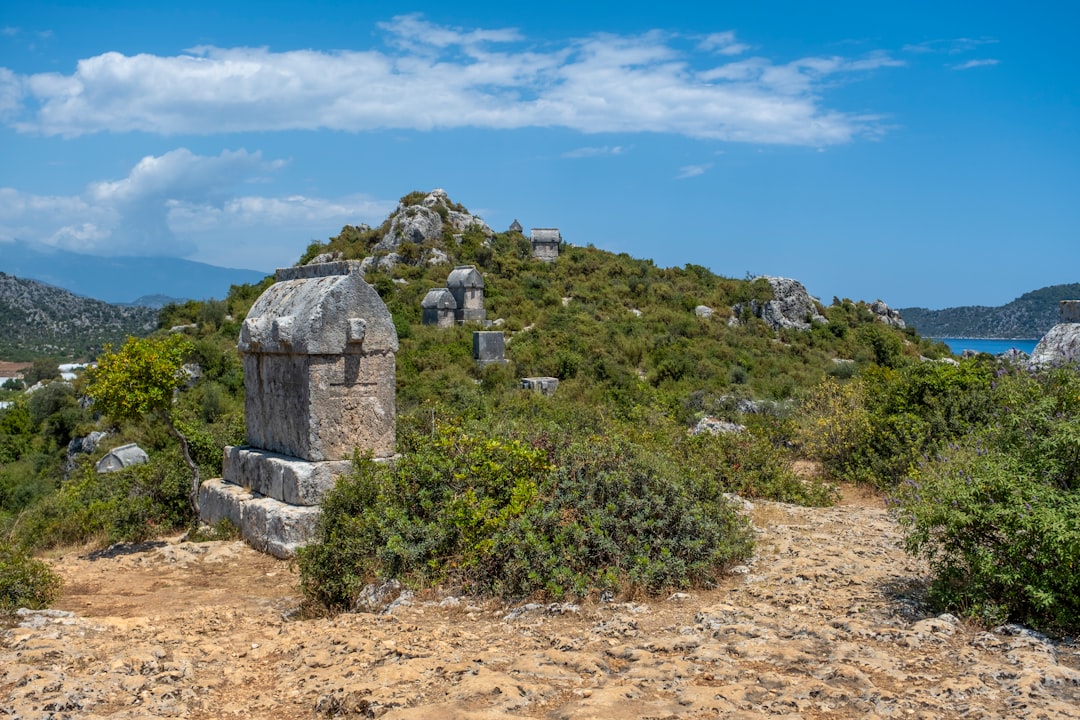
The Sunken City of Kekova — Located near Kas on the Mediterranean coast, this is one of the most famous submerged sites in Turkey. Here, you can see the ruins from a boat or while snorkeling. The city was submerged by an earthquake in the 4th century AD. The ruins include houses, streets, and a necropolis. It's a hauntingly beautiful sight, especially in the morning light. No entry fee, just the cost of a boat tour.
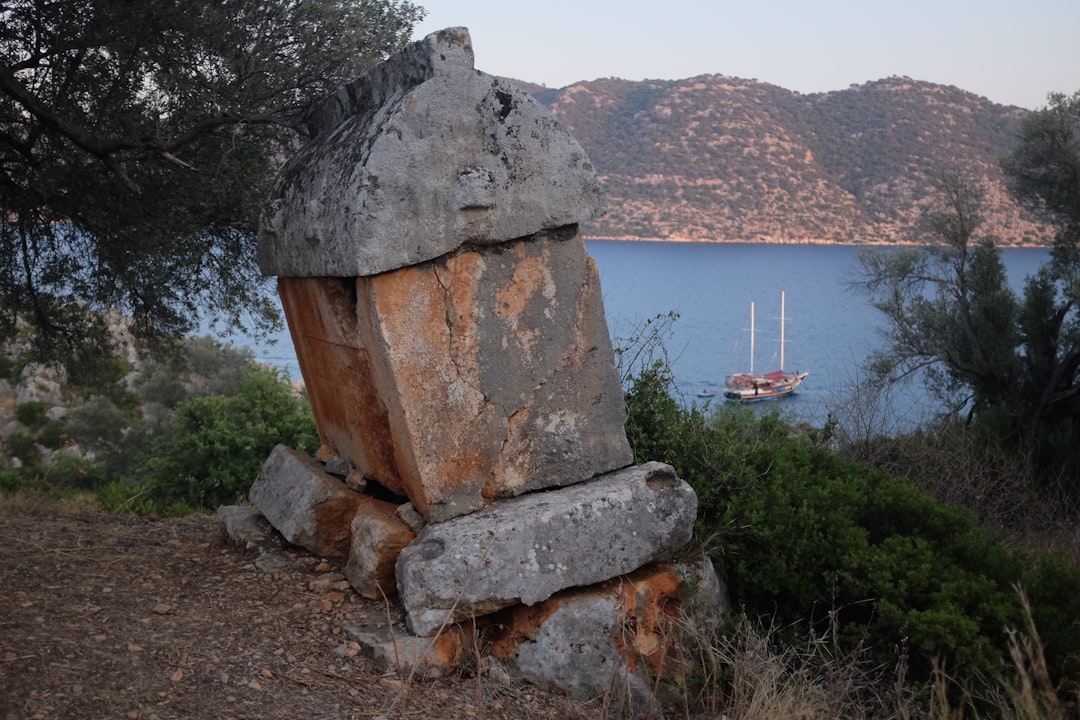
Shipwreck of Uluburun — Off the coast of Kaş, this Bronze Age shipwreck is one of the most important archaeological finds of the 20th century. The wreck itself is not accessible to recreational divers, but the museum in Kaş displays many of the artifacts found there. It's a reminder of the wealth and complexity of ancient trade routes. The museum is a must-visit for anyone interested in ancient history.
The Temple of Athena on Samothrace — While not technically in the Turkish Aegean, the influence of these ruins extends across the region. The temple itself is on land, but the surrounding waters are rich with submerged artifacts. It's a reminder that the Aegean was a connected world, where ideas and goods flowed freely. The temple is a UNESCO World Heritage site, and the view from the top is breathtaking.
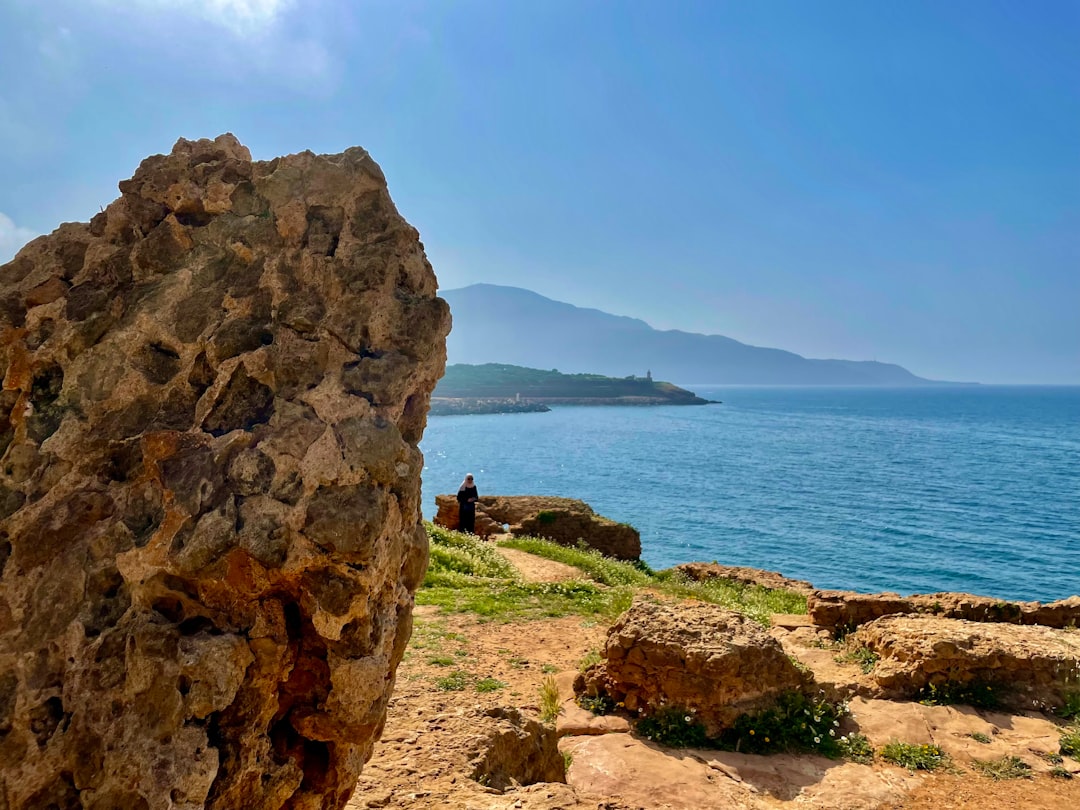
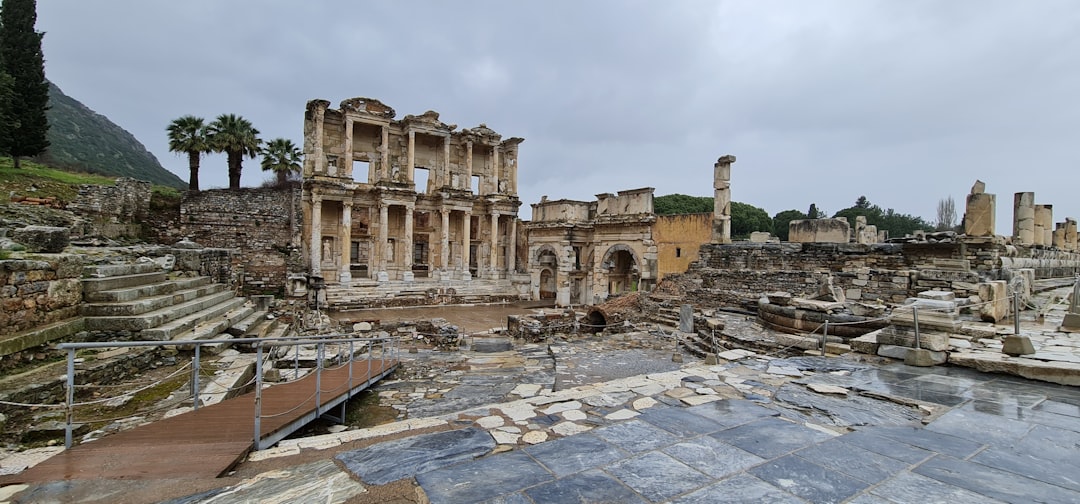
The Sunken Port of Ephesus — The ancient city of Ephesus was once a major port, but the harbor silted up over time. Today, the ruins of the harbor are visible at low tide, and the surrounding waters are rich with submerged artifacts. It's a poignant reminder of how the landscape can change over time. The city of Ephesus itself is a major tourist attraction, but the submerged ruins offer a different perspective.
What to Eat & Drink
Eating in the Turkish Aegean is a sensory overload of fresh seafood, olive oil, and local produce. The food is simple, but the quality is exceptional. Here's what you need to try:
- Grilled Fish — Freshly caught, simply prepared. 15-25 EUR per person.
- Sardines — Grilled or fried, a staple of the region. 5-10 EUR per person.
- Olive Oil Salad — Fresh vegetables, olive oil, and lemon. 3-5 EUR per person.
- Lobster — A luxury item, but worth it if you're feeling flush. 30-50 EUR per person.
Budget breakdown: Street food like simit (sesame bread) is 1-2 EUR. A sit-down meal at a local restaurant is 10-15 EUR per person. Mid-range restaurants are 20-30 EUR per person. For budget travelers, there are plenty of take-away options and food courts in the larger towns.
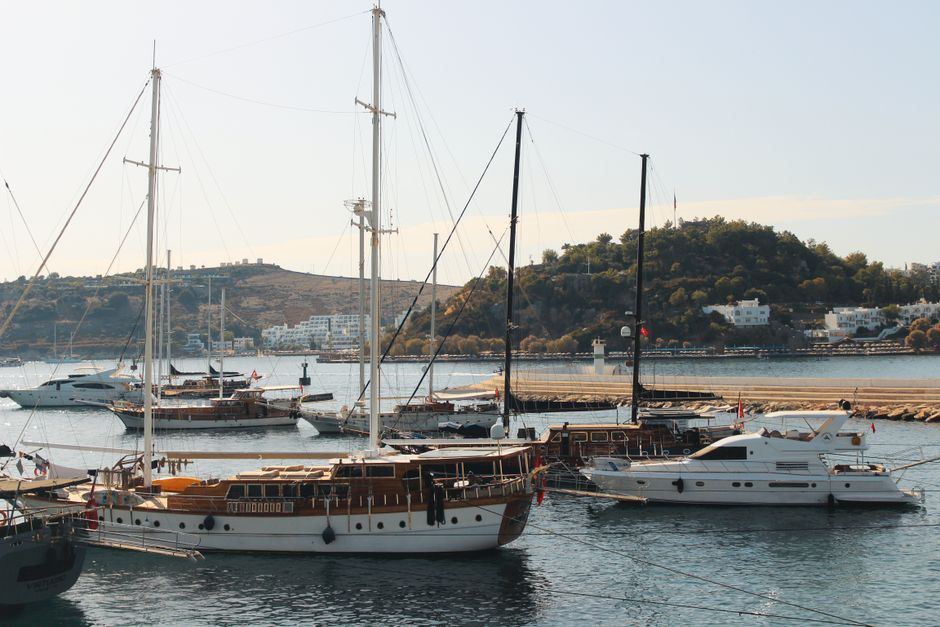
One specific area to check out is the old harbor of Bodrum. There are dozens of restaurants here, ranging from cheap take-away to high-end dining. It's a great place to people-watch and enjoy the view.
Nightlife
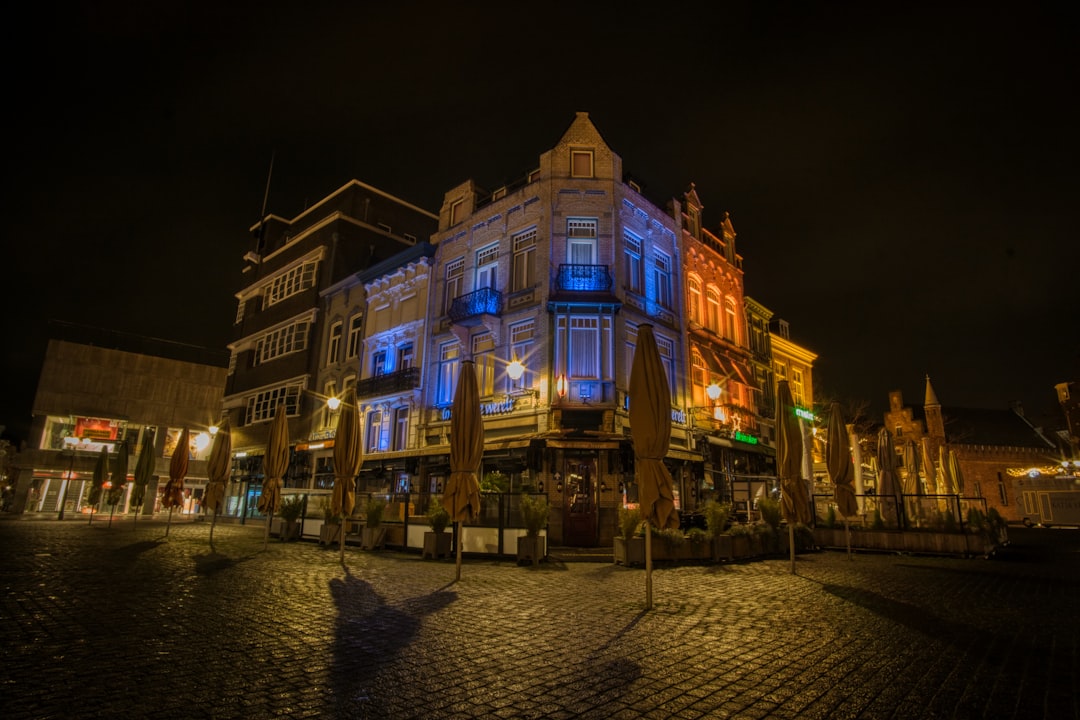
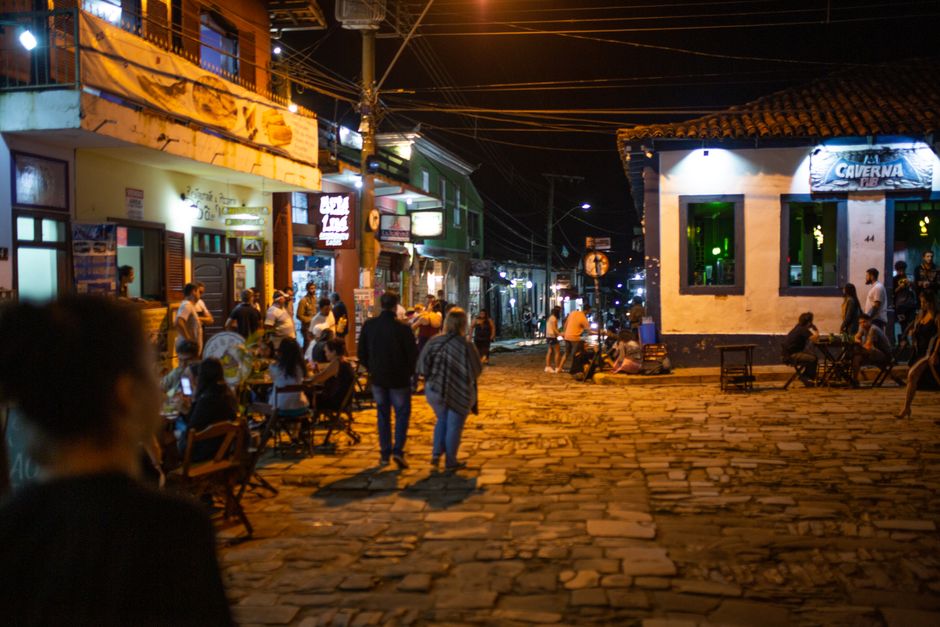
Nightlife in the Turkish Aegean is centered around the old towns and harbors. Bodrum has a reputation for its party scene, with clubs and bars lining the waterfront. The music is a mix of Turkish pop, electronic, and international hits. Cover charges are usually 10-20 EUR, but drinks can be expensive, 5-10 EUR per cocktail.
In Kas, the nightlife is more relaxed. There are plenty of bars and cafes, but the focus is more on conversation and atmosphere. It's a great place to unwind after a day of diving or exploring ruins.
Fethiye has a mix of both, with some lively clubs and some quieter bars. The old town is the main hub for nightlife, with narrow streets lined with venues.
Getting There & What to Expect
The nearest major airport is Milas-Bodrum Airport. From there, you can take a bus or taxi to Bodrum, Kas, or Fethiye. Bus tickets are 10-15 EUR, and taxis are more expensive, 50-100 EUR depending on the distance. Car rentals are available at the airport, and this is the best way to explore the region. The roads are good, and the scenery is beautiful.
Accommodation ranges from budget hostels 20-40 EUR per night to luxury hotels 100-200 EUR per night. Mid-range hotels are 50-80 EUR per night. Camping is also an option, with sites available near most of the major towns.
The best time to visit is between May and October, when the weather is warm and the sea is calm. July and August are the busiest months, so expect crowds and higher prices. Shoulder season (May-June and September-October) is a good compromise, with fewer crowds and lower prices.
Search accommodation in Bodrum on Booking.com →
The Deep End
As the sun sets over the Aegean, the water turns a deep, inky blue. The ruins below are hidden once more, waiting for the morning light. I sit on the edge of the pier, the bucket of pottery shards still nearby, and think about the people who lived and died here. They built cities, traded goods, and worshipped gods. And then, with a single tremor, it was all gone. The sea reclaimed it all. It's a humbling thought, a reminder that we are all just temporary tenants on this earth. The ruins are a testament to our ambition, but also to our fragility. I'll be back, I know. The deep has a way of pulling you back, drawing you in with its secrets and its silence. The Turkish Aegean isn't just a destination; it's a state of mind. And I'm addicted.
Comments