


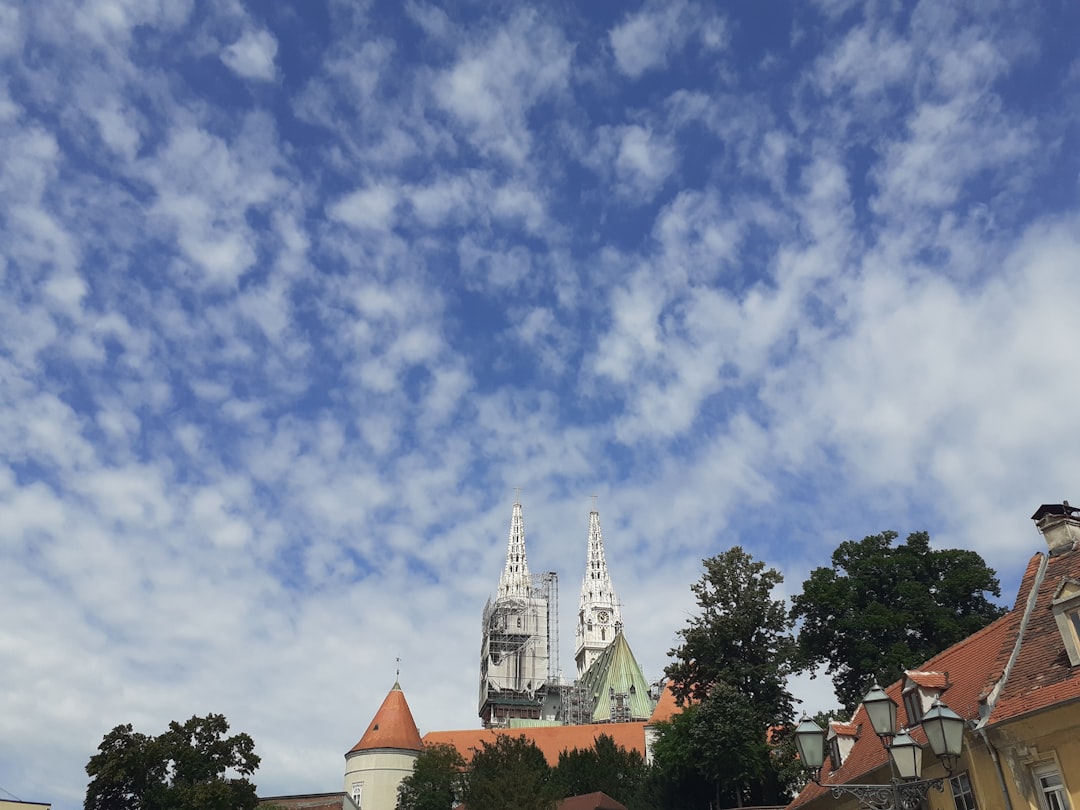
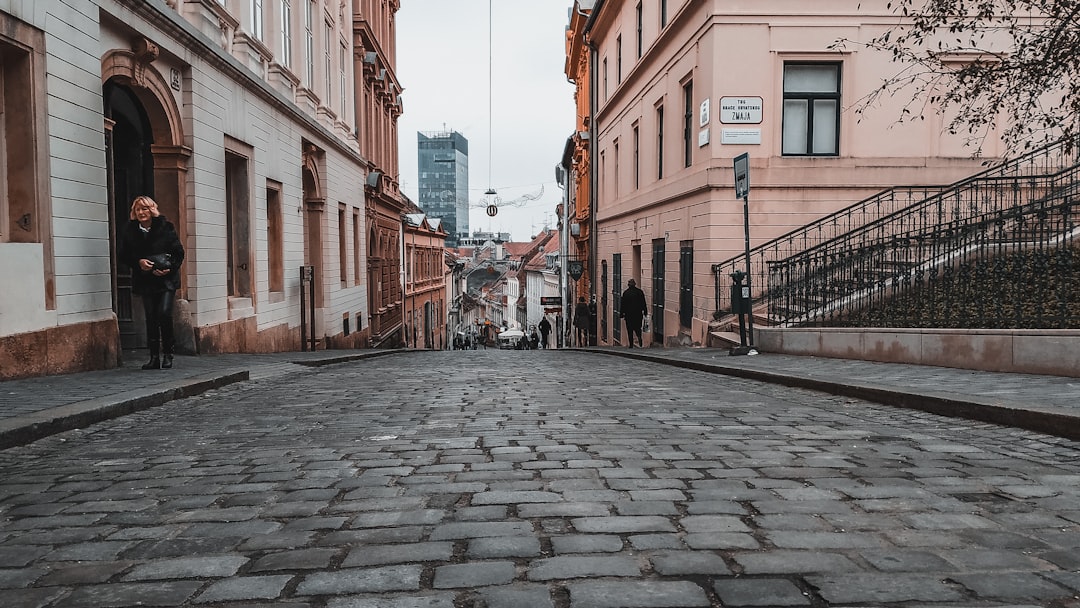
I arrived in Zagreb at 3 a.m., shivering in a damp wind that smelled of wet pavement and roasted chestnuts, clutching a half-empty bottle of rakija a local had shoved into my hands at the border. The taxi driver didn't ask questions. He just drove me through the sleeping streets, past the glowing dome of Zagreb Cathedral, and dropped me near the cobblestones of St. Mark's Square. I stumbled out, tripped over a tram rail, and nearly face-planted into a pigeon. That was my welcome. No red carpets, no curated tourism brochures — just raw, unfiltered city life, even at the witching hour. Zagreb doesn't pretend to be something it's not. It's messy, loud, proudly communist-ruin-punk by day, and unexpectedly elegant by night. And I loved every second of it.
There's a rhythm here that defies the typical Balkan capital script. It's not Belgrade's gritty edge, not Bucharest's imperial grandeur, not even Ljubljana's polite charm. Zagreb is a city that refuses to be pinned down. It's a place where you can sip espresso in a 19th-century café, then stumble into an abandoned factory turned techno club by midnight. Where the upper town feels like a fairy tale and the lower town hums with the energy of a city that never really slept. I spent three days walking every corner, eating everything I could, and talking to anyone who wouldn't walk away. This is what I found.
History & Identity
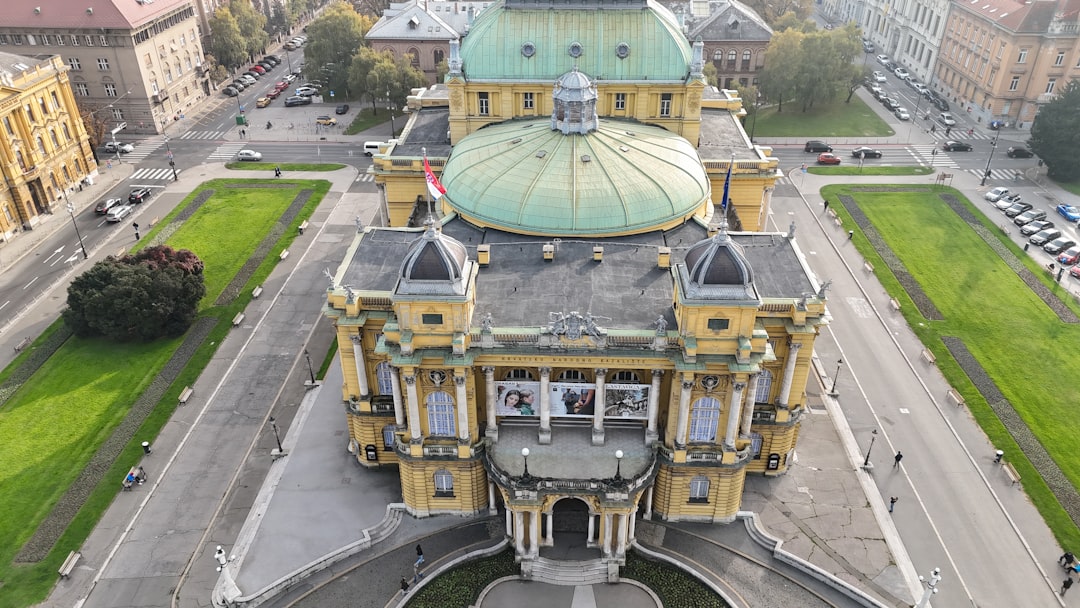
Zagreb's story is written in layers, like the geological strata beneath its streets. Founded by Slavic settlers in the 9th century, it grew from two distinct settlements — Kaptol and Grič — that eventually merged into the city we know today. The medieval walls, still visible in fragments, once protected a town that was more than just a regional hub; it was a crossroads of empires. The Romans called it Andautonia, the Hungarians ruled it for centuries, and the Austro-Hungarian Empire left behind a legacy of architecture that still dominates the skyline.
But Zagreb's identity isn't just about its past. It's a city that has always known how to reinvent itself. After the collapse of Yugoslavia, it became the capital of an independent Croatia, and with that came a wave of modernization, cultural revival, and a fierce sense of local pride. The city's museums, galleries, and public spaces tell a story of resilience and adaptation. The Museum of Broken Relationships, for example, is a testament to the city's ability to turn personal pain into public art. It's a place where history isn't just preserved — it's lived, argued over, and remade.
Where to Go
Lotrščak Tower — Perched on the edge of the Upper Town, this 13th-century tower offers one of the best views in the city. At 6 p.m., a cannon fires from the top, a tradition dating back to the 19th century that signals the end of the workday. Entry is 5 EUR, and the climb is steep but worth it for the panoramic shots of the red-tiled roofs and the Sava River below.
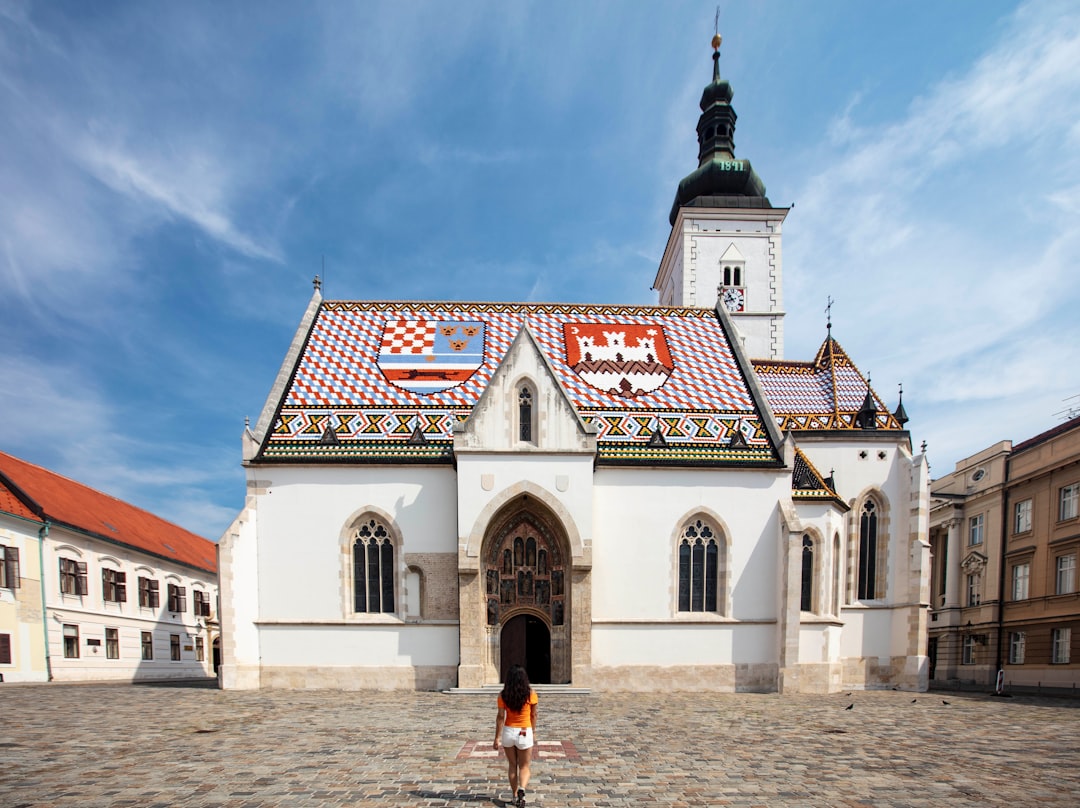
St. Mark's Church — The crown jewel of the Upper Town, this church is famous for its colorful tiled roof, which features the coats of arms of Croatia, Slavonia, Dalmatia, and the City of Zagreb. It's a symbol of the city's historical unity and a must-see for anyone interested in Croatian heritage. Free to enter, but donations are appreciated.
Zagreb City Museum — Housed in a former Jesuit college, this museum offers a deep dive into the city's history, from its Roman roots to its modern-day identity. The exhibits are interactive and well-curated, making it a great stop for families and history buffs alike. Entry is 8 EUR.
Museum of Broken Relationships — This unique museum collects artifacts from failed relationships around the world, each accompanied by a personal story. It's a poignant, sometimes humorous, exploration of love and loss. Entry is 10 EUR, and the small size of the museum means you can see everything in about an hour.
Dolac Market — Known as "Zagreb's Kitchen," this open-air market is a feast for the senses. Vendors sell everything from fresh produce to traditional Croatian dishes, handmade crafts, and local wines. It's best visited in the morning when the stalls are fully stocked and the atmosphere is lively. No entry fee, but expect to spend 5-15 EUR on food and souvenirs.
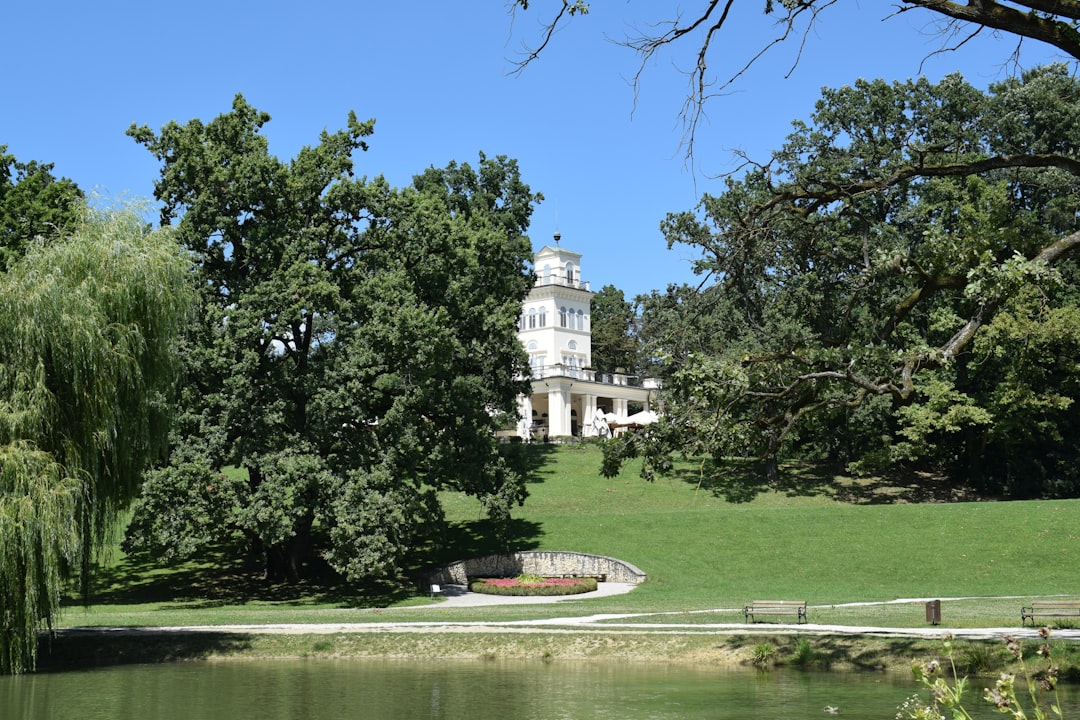
Maksimir Park — The oldest public park in Croatia, Maksimir is a green oasis in the heart of the city. It features a zoo, walking paths, and a lake where you can rent a rowboat. It's a great place to escape the city's bustle and enjoy a peaceful afternoon. Entry to the park is free, but the zoo charges 10 EUR.
What to Eat & Drink
Zagreb's food scene is a delicious mix of traditional Croatian dishes and modern twists. Here's what you need to try:
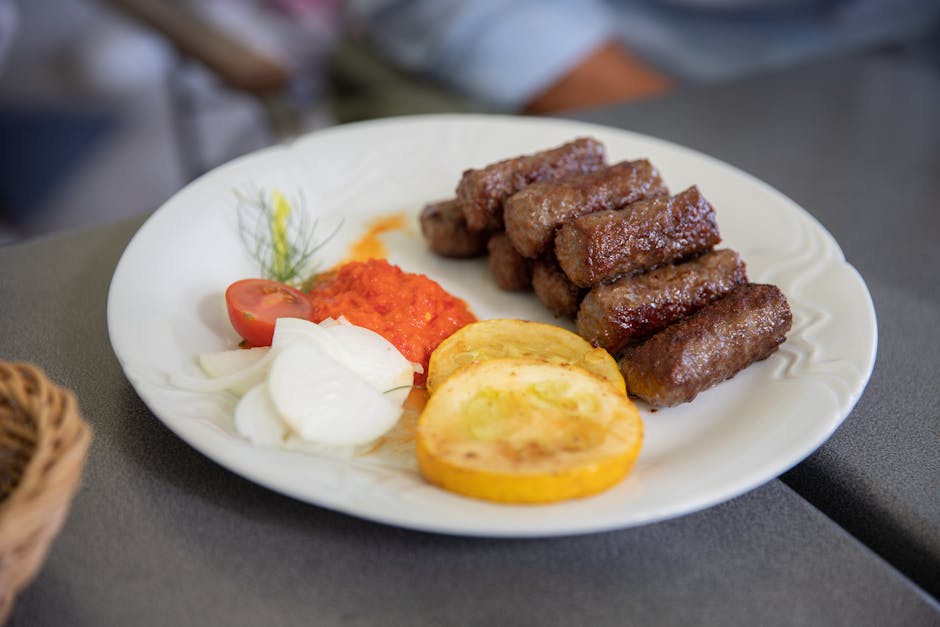
- Ćevapi — Grilled minced meat sausages, typically served with somun bread and onions. 3-4 EUR
- Burek — A flaky pastry filled with minced meat, cheese, or spinach. 1-2 EUR
- Šopska Salata — A fresh salad of tomatoes, cucumbers, peppers, and onions, topped with grated cheese and yogurt. 3 EUR
- Pašticada — A slow-cooked beef stew with vegetables, served with gnocchi. 10-12 EUR
- Rožata — Croatian-style crème brûlée, a perfect dessert to end your meal. 3-4 EUR
Budget-wise, you can eat well on a tight budget. Street food and take-away options are plentiful, with meals under 5 EUR. For a sit-down meal at a local restaurant, expect to spend 8-15 EUR per person. Mid-range restaurants will set you back 15-25 EUR. The Dolac Market is a great place to grab cheap eats, and the area around Ban Jelačić Square has a mix of budget-friendly and upscale dining options.
Nightlife
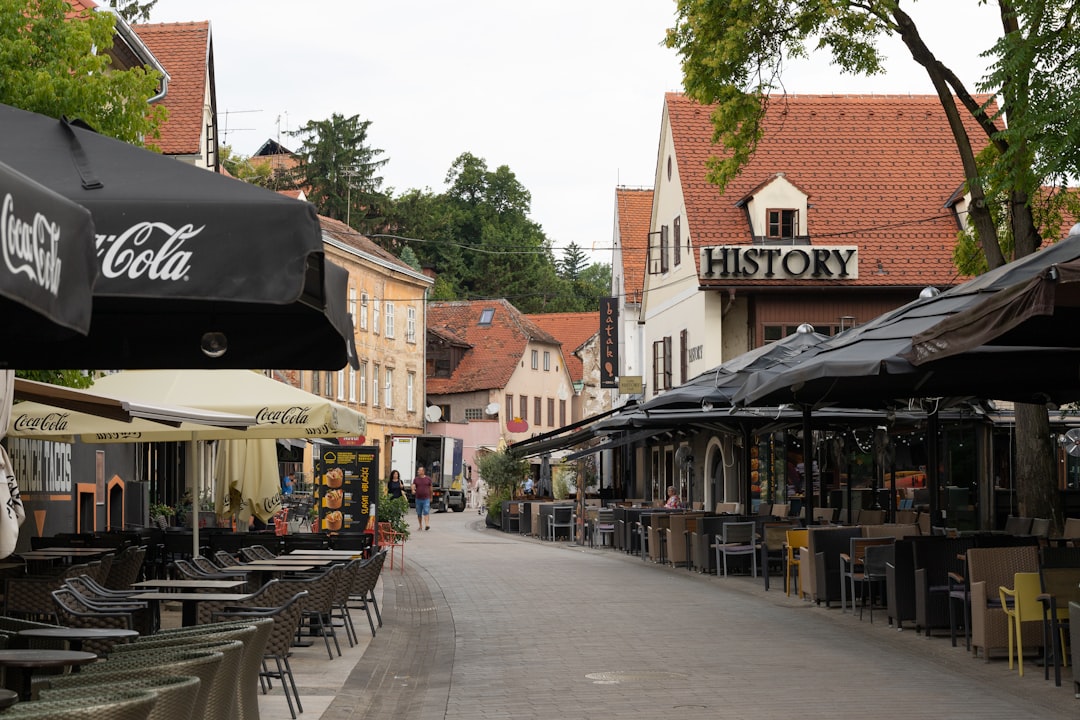
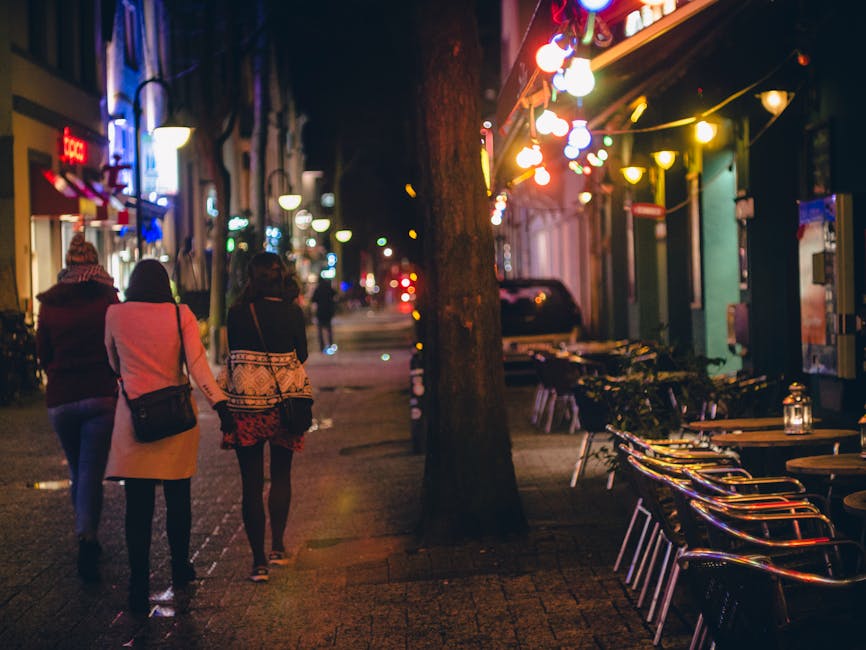
Zagreb's nightlife is vibrant and diverse, with something for every taste. The Lower Town is the main hub, with streets like Tkalčićeva Street and Ilica Street packed with bars, clubs, and restaurants. Here are a few standout spots:
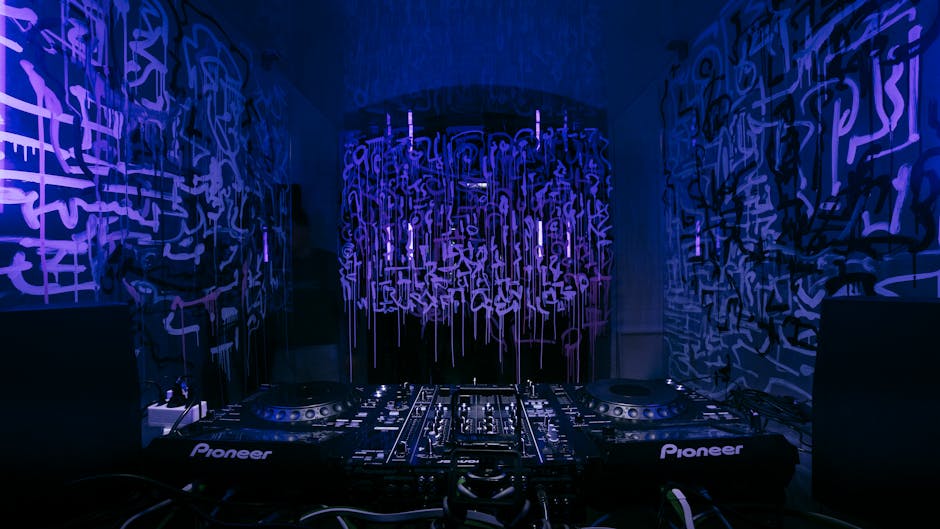
- Tvornica Kulture — An abandoned factory turned cultural center and club, known for its techno and electronic music scene. Cover charge is 5-10 EUR, and the atmosphere is raw and energetic.
- Kava Bar — A cozy café by day, this spot transforms into a lively bar by night, serving craft cocktails and live music. No cover charge, but drinks start at 3 EUR.
- Club 101 — A popular club for younger crowds, featuring pop, hip-hop, and dance music. Cover charge is 5 EUR, and the vibe is fun and laid-back.
The city's nightlife scene is best experienced from Thursday to Saturday, when the streets are at their most alive. Don't be surprised if you find yourself dancing until dawn in a repurposed industrial space or sipping rakija in a hidden courtyard bar.
Getting There & What to Expect
The nearest airport is Zagreb Airport, located about 17 km from the city center. It's well-connected to major Balkan hubs, with direct flights from cities like Belgrade, Bucharest, and Istanbul. From the airport, you can take a bus to the city center for 3 EUR, which takes about 30 minutes. Alternatively, taxis are available for 15-20 EUR.
By train, Zagreb is well-connected to other Croatian cities and neighboring countries. The Zagreb Main Railway Station is centrally located, with regular services to Split, Rijeka, and Ljubljana. Bus services are also frequent and affordable, with tickets ranging from 5-15 EUR depending on the destination.
Accommodation in Zagreb is relatively affordable. Budget hostels start at 20-40 EUR per night, while mid-range hotels range from 50-100 EUR. The best time to visit is from April to October, when the weather is mild and the city's outdoor spaces are at their most inviting.
Search accommodation in Zagreb on Booking.com →
The City That Keeps You Guessing
I left Zagreb with my clothes wrinkled, my shoes scuffed, and my heart full. It's not a city that tries to impress you with polished facades or curated experiences. It's a place that lets you in, if you let it. The streets are narrow, the history is deep, and the people are proud of who they are. Zagreb doesn't need to be pretty to be beautiful. It just needs to be real. And it is.
As I boarded the train back to the border, I realized that Zagreb isn't just a city — it's a feeling. A mix of chaos and charm, of old and new, of pain and joy. It's a place that doesn't apologize for being itself. And in a world that's constantly trying to smooth out the edges, that's a rare and precious thing. I'll be back. I know it.
Comments