


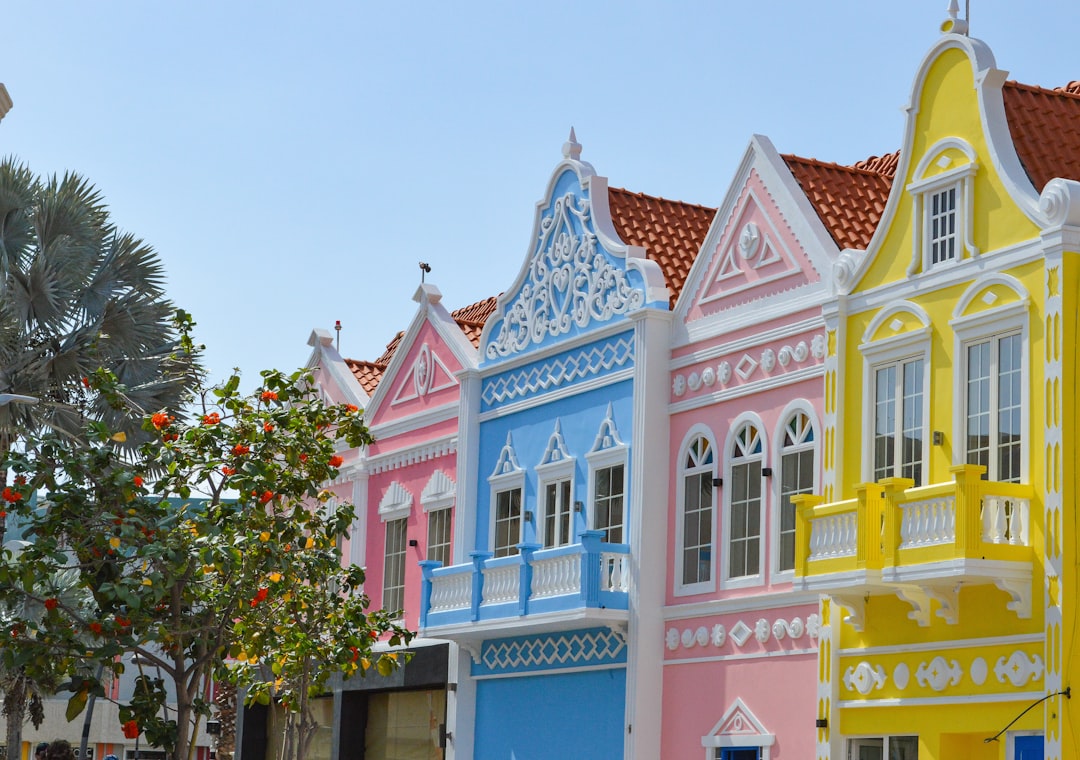
The winter sun is calling, and for travelers across the Balkans, the answer is increasingly pointing to one specific Caribbean destination: Aruba. As temperatures drop in Belgrade, Zagreb, and Athens, the demand for reliable, sunny getaways has surged, making the Dutch Caribbean island a top contender for regional tourists seeking value and luxury. Recent travel trends indicate a significant shift in booking patterns, with Aruba emerging as a "best value" destination that punches above its weight class in terms of amenities and experience. For Balkan travelers, who often face high airfare costs to tropical destinations, Aruba is presenting a compelling case with competitive resort pricing and direct flight connectivity that is slowly improving.
The island, known locally as "One Happy Island," has seen a steady rise in European visitors, particularly from Western Europe, but its appeal is now resonating deeper into the Balkan peninsula. The combination of consistent trade winds, dry climate, and a well-developed tourism infrastructure means that winter trips to Aruba are not just about escaping the cold, but about accessing a high standard of hospitality at a price point that rivals more crowded Mediterranean spots. This shift is significant for the Balkan tourism market, which has traditionally relied on domestic beaches or short-haul European trips, but is now looking toward the Americas for premium winter experiences.
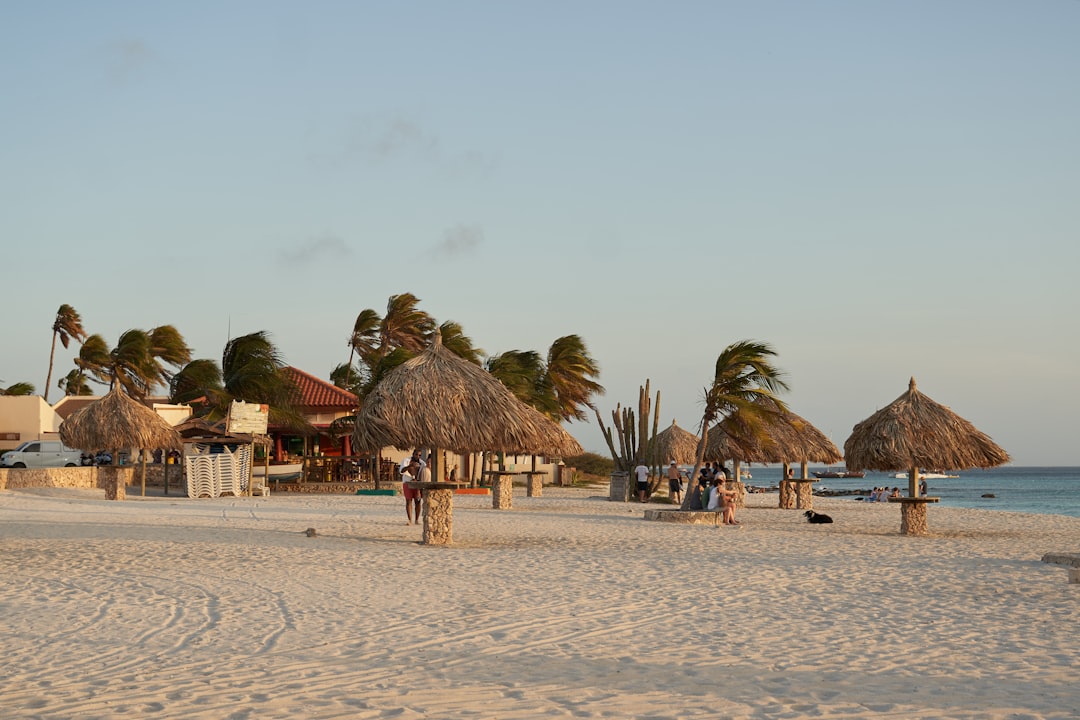
The Value Proposition: Luxury Without the Premium Price Tag
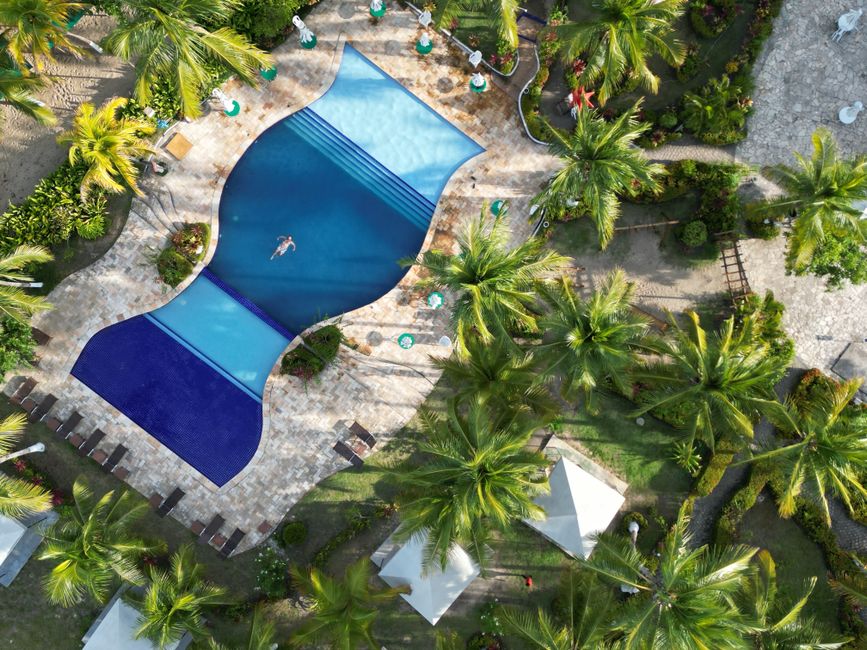
What is driving this trend is a growing perception among travelers that Aruba offers superior value compared to other Caribbean hotspots like the Bahamas or the Dominican Republic. Recent staycations and resort reviews highlight that mid-tier properties in Aruba often provide amenities that would command a five-star price in other regions. Travelers are finding that they can access high-end dining, private pools, and exclusive beach access without the prohibitive costs associated with more famous islands. This "more luxe than expected" sentiment is spreading through social media and travel forums, influencing booking decisions for families and couples from the Balkans who are looking to maximize their budget during the high-season winter months.
The island's tourism board has actively marketed this value proposition, emphasizing that Aruba is a year-round destination with no rainy season. This reliability is a major selling point for Balkan tourists who have experienced unpredictable weather during peak summer holidays in Greece or Croatia. By choosing Aruba in January or February, travelers guarantee sunshine, reducing the risk of a ruined vacation. The currency stability and the widespread acceptance of Euros in many tourist areas also simplify transactions for visitors from the Eurozone-adjacent Balkan economies, making the financial logistics of the trip smoother and more predictable.
Connectivity and the Balkan Travel Corridor
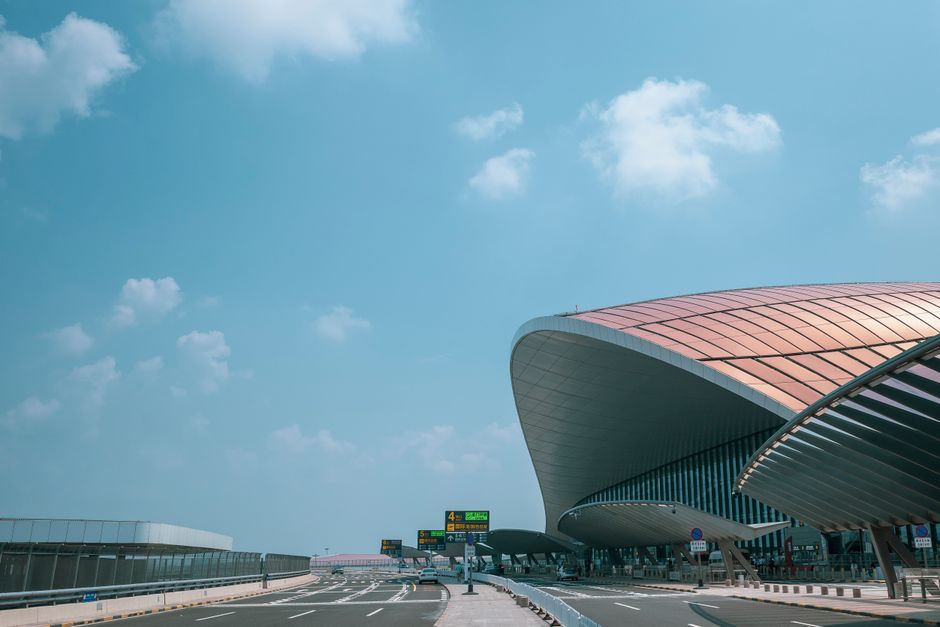
A critical factor in Aruba's rising popularity among Balkan audiences is the evolving flight connectivity. While there are no direct flights from most Balkan capitals to Oranjestad, the island is easily accessible via major European hubs like Amsterdam, Frankfurt, and Brussels. For travelers in the Balkans, this means a manageable layover situation that is often cheaper than flying to other parts of the Caribbean. Airlines such as KLM and Brussels Airlines offer competitive fares from European hubs to Aruba, and Balkan carriers like Air Serbia and Croatia Airlines have expanded their long-haul networks to New York and other US cities, from which connecting flights to the Caribbean are abundant.
This connectivity is becoming more streamlined as travel agents in Belgrade, Sofia, and Bucharest begin to package Aruba trips specifically for the winter season. These packages often include flight connections through Europe or the US, simplifying the multi-leg journey for tourists. The rise of "staycations" in the Caribbean has also led to more flexible visa policies for many nationalities, although Balkan travelers must still navigate US visa requirements if transiting through American soil. Despite this hurdle, the allure of Aruba's consistent climate and value-driven luxury is enough to motivate many to secure the necessary documentation in advance.
The Balkan Angle: A New Winter Tradition?
For the Balkan audience, Aruba represents more than just a destination; it is a symbol of accessible global travel. Historically, long-haul trips to the Americas were the preserve of the wealthy or the adventurous. Now, with the rise of budget-conscious luxury travel, Aruba is becoming a realistic option for the middle class. The cultural appeal is also strong, as Aruba's Dutch, Spanish, and indigenous influences offer a diverse cultural experience that resonates with Balkan travelers who appreciate rich historical layers in their own regions. The island's friendly reputation and low crime rate provide a sense of security that is highly valued by families traveling from the Balkans.
As the winter season approaches, travel experts in the region are predicting a surge in inquiries for Aruba packages. The island's ability to deliver a high-quality experience at a competitive price point makes it a standout choice for those looking to break away from the traditional ski resort or Mediterranean cruise options. For Balkan travelers, the trip to Aruba is becoming a statement of intent: to seek out the best value, the best sun, and the best memories, regardless of the distance. This trend signals a maturation of the Balkan travel market, one that is increasingly global in its outlook and discerning in its choices.
Looking ahead, the key to watch is whether airlines will introduce more direct or convenient connecting options from European hubs to Aruba, which would further cement the island's status as a top winter destination for Balkan tourists. Travelers are advised to book early, as demand is expected to rise, and to check visa requirements carefully. The success of Aruba as a "best value" luxury destination suggests that the Caribbean is no longer an out-of-reach dream for Balkan audiences, but a practical and rewarding winter escape that offers both relaxation and adventure under the sun.
Comments