



History & Identity
Dubrovnik was once a maritime superpower, the Republic of Ragusa, controlling trade routes across the Adriatic and beyond. This legacy of seafaring power means the waters around the city are rich with historical artifacts. The region has seen it all: the naval battles of the 17th century, the blockade of World War I, and the intense naval skirmishes of the Croatian War of Independence in the 1990s. Every wreck tells a different story, from the tragic loss of life to the strategic movements of armies. The identity of Dubrovnik is inextricably linked to the sea. The city's wealth was built on trade, and its defense relied on its navy. When you dive the wrecks here, you are exploring the physical remnants of that history. The wrecks serve as time capsules, preserving not just the ships themselves, but the cargo they carried and the lives of the crew. It's a somber reminder of the fragility of human endeavor against the power of nature and war.Where to Go
The Vela Luka Wreck — Located just off the coast of the Elafiti Islands, this is one of the most accessible wrecks for divers. It's a small fishing vessel that sank in the 1970s, now home to a vibrant community of fish and coral. The wreck is in good condition, with the hull intact and the interior still recognizable. It's a great site for intermediate divers, offering clear visibility and interesting marine life. Entry is typically included in dive charters, costing around 40-60 EUR for a double dive.
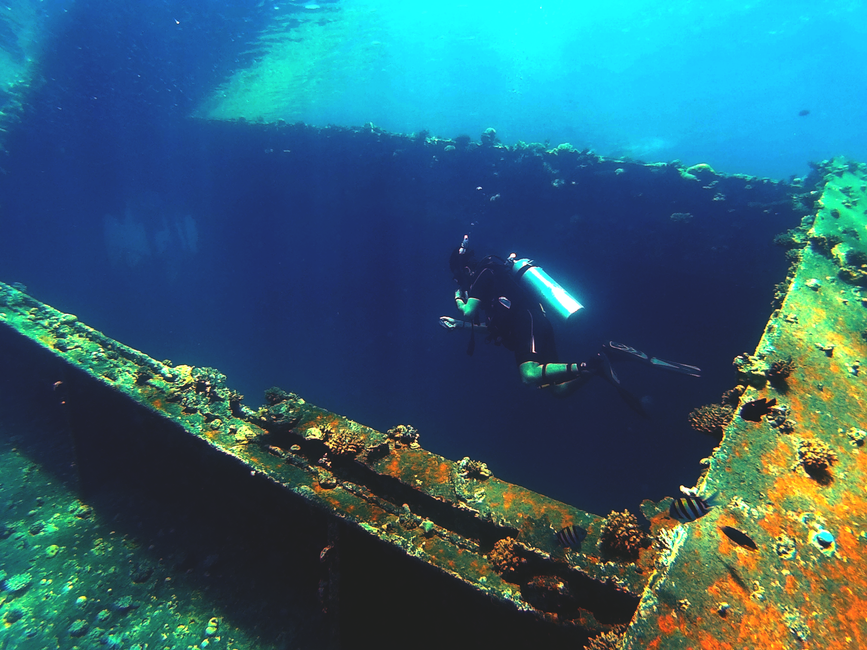
The SS Ljubljana — A larger, more imposing wreck, the SS Ljubljana is a cargo ship that sank during World War II. It lies at a depth of around 30 meters, making it suitable for experienced divers. The wreck is a maze of rusted steel and concrete, with large openings that allow you to swim through the hull. Marine life has taken over, with sea anemones and fish schools adding color to the scene. Dive charters to this site are more expensive, around 80-100 EUR for a single dive, due to the depth and complexity of the site.
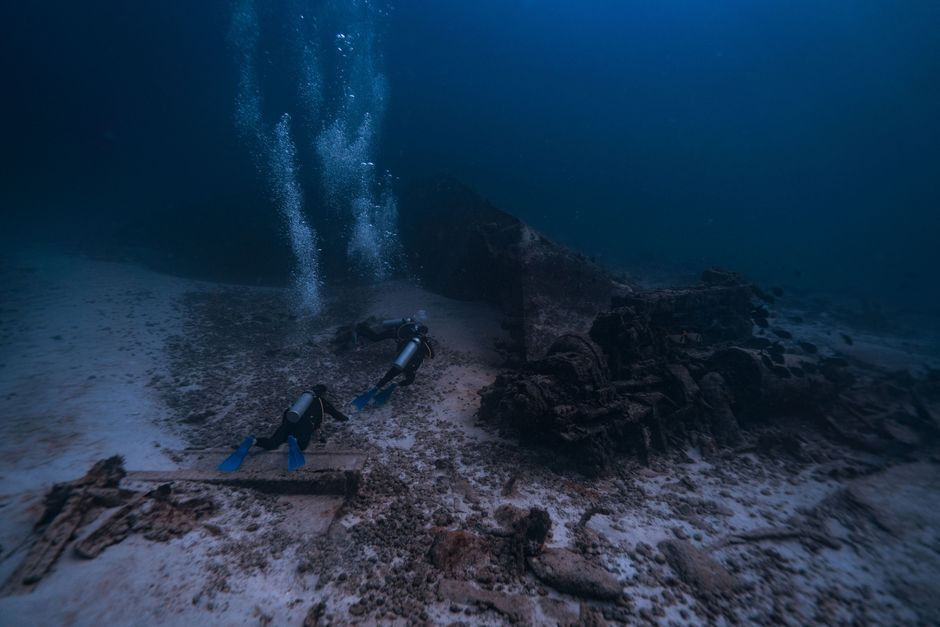
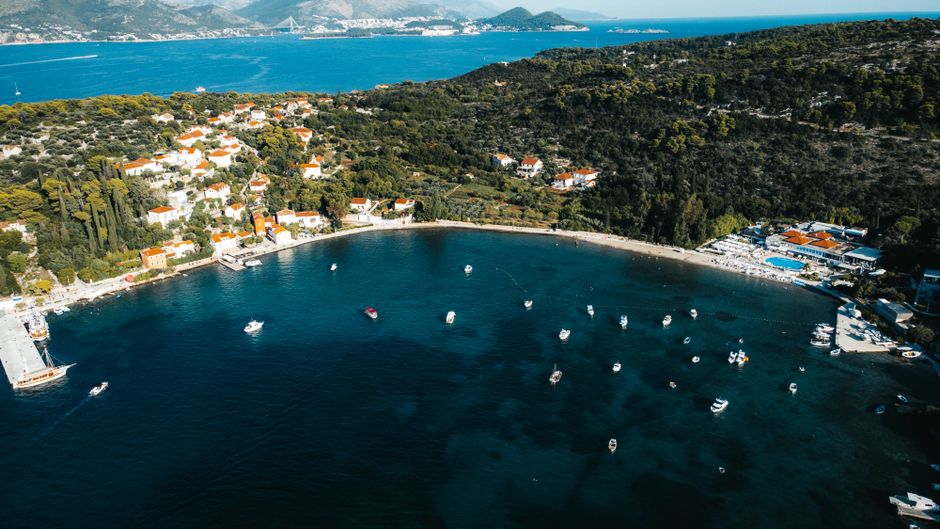
The Elafiti Islands Marine Park — While not a single wreck, the Elafiti Islands offer a series of dive sites that include smaller wrecks and shipwrecks. The waters here are protected, meaning the marine life is abundant and the visibility is often excellent. Divers can explore the wrecks of small fishing boats and yachts, as well as the natural rock formations and caves. It's a great option for divers who want to combine wreck diving with reef exploration. Boat trips to the islands cost around 30-50 EUR per person.
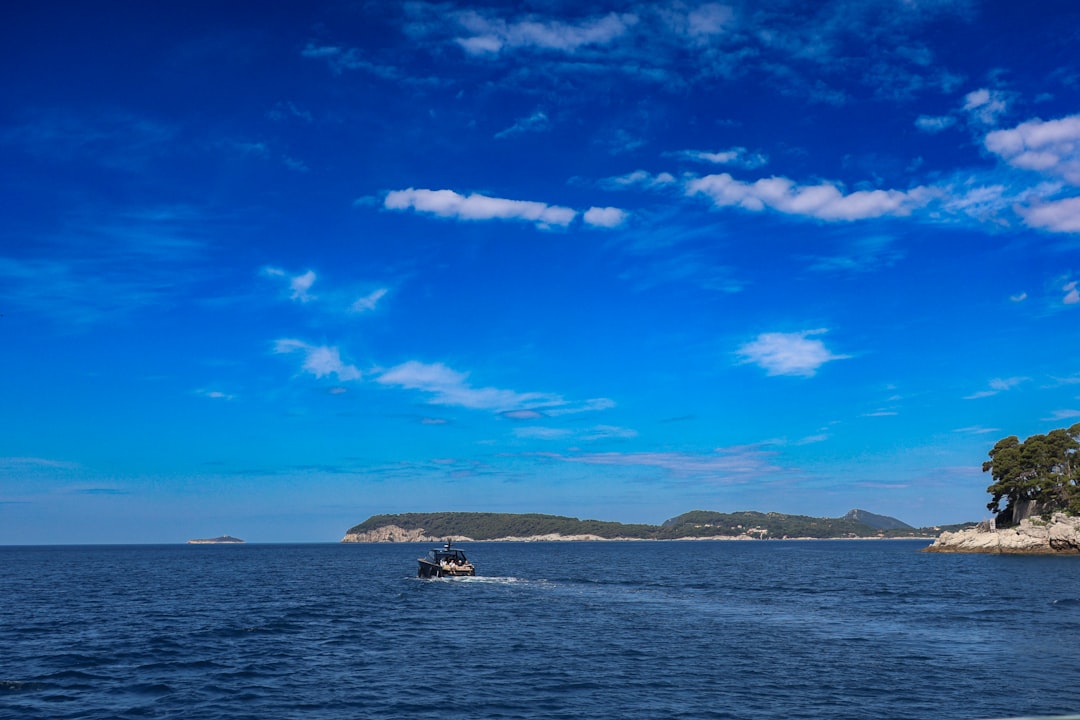
The Orsula Island Wreck — Located near Orsula Island, this wreck is a small motorboat that sank in the 1980s. It's a shallow site, suitable for beginner divers, with the wreck lying at a depth of around 15 meters. The boat is in good condition, with the engine and cabin still intact. It's a popular site for underwater photography, with the wreck providing an interesting backdrop for shots of marine life. Dive charters to this site are affordable, around 30-40 EUR for a double dive.
What to Eat & Drink
After a day of diving, you'll need to refuel. The local cuisine in Dubrovnik is a mix of Mediterranean and Balkan influences, with a focus on fresh seafood and local produce. Here are a few dishes to try: * Black Risotto — Made with cuttlefish ink, this risotto is a Dubrovnik specialty. It's rich and flavorful, with a distinctive black color. Expect to pay around 10-15 EUR per serving. * Grilled Octopus — Fresh octopus, grilled to perfection and served with olive oil and lemon. It's tender and delicious, with a smoky flavor. Expect to pay around 15-20 EUR per serving. * Šopska Salata — A fresh salad made with tomatoes, cucumbers, onions, and peppers, topped with grated cheese and sour cream. It's a refreshing and healthy option. Expect to pay around 5-8 EUR per serving. Budget breakdown: Street food and take-away options are available, with prices starting from 3-5 EUR per meal. Sit-down restaurants in the Old Town can be expensive, with prices ranging from 15-25 EUR per person for a main course. Mid-range restaurants offer good value, with prices around 10-15 EUR per person. For budget travelers, the Dubrovnik Market is a great place to find fresh produce and take-away food. The market is located in the Old Town, near the Pile Gate, and is open every day except Sunday. You can find fresh fruit, vegetables, and seafood, as well as local specialties like burek and ćevapi.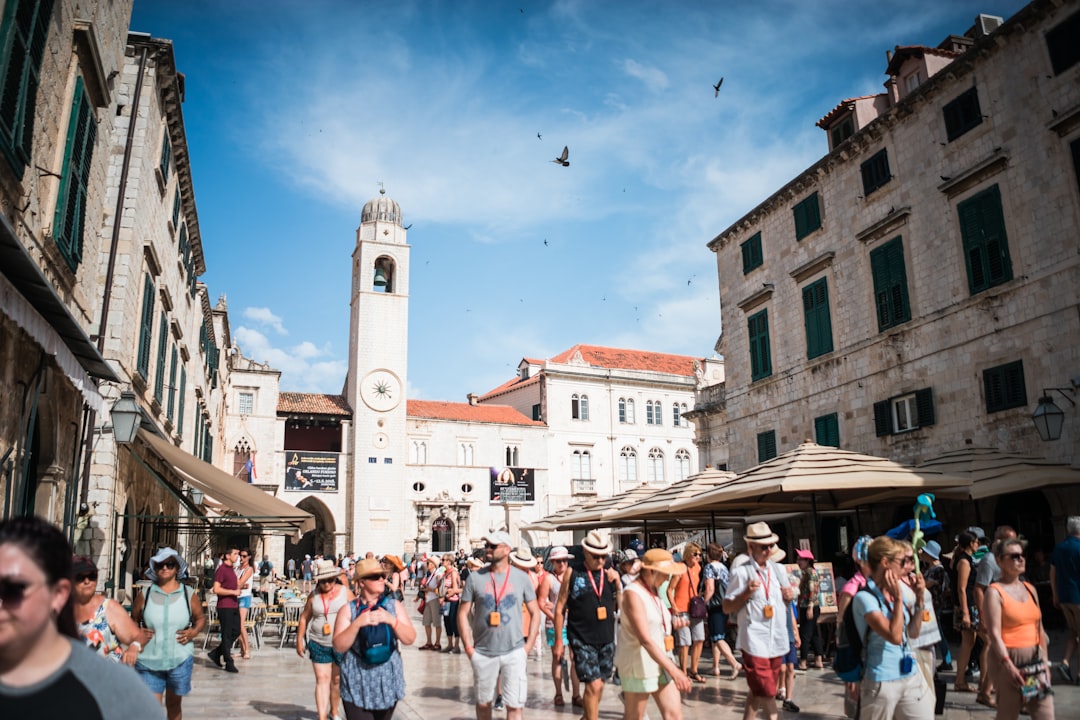
Nightlife
Dubrovnik's nightlife is centered around the Old Town, with a variety of bars and clubs catering to different tastes. The main bar district is around Stradun, the main street in the Old Town, where you'll find a mix of cocktail bars, wine bars, and live music venues. * Loco Bar — A popular cocktail bar with a great view of the Old Town walls. The music is a mix of electronic and indie, and the atmosphere is lively and energetic. Cover charge is around 5-10 EUR. * Red Bar — A trendy bar with a rooftop terrace, offering cocktails and small plates. The music is a mix of house and techno, and the atmosphere is upscale and sophisticated. Cover charge is around 10-15 EUR. * Club Dub — A large club with multiple rooms, offering a mix of electronic and pop music. The atmosphere is energetic and party-focused, with a large dance floor and a bar. Cover charge is around 10-20 EUR.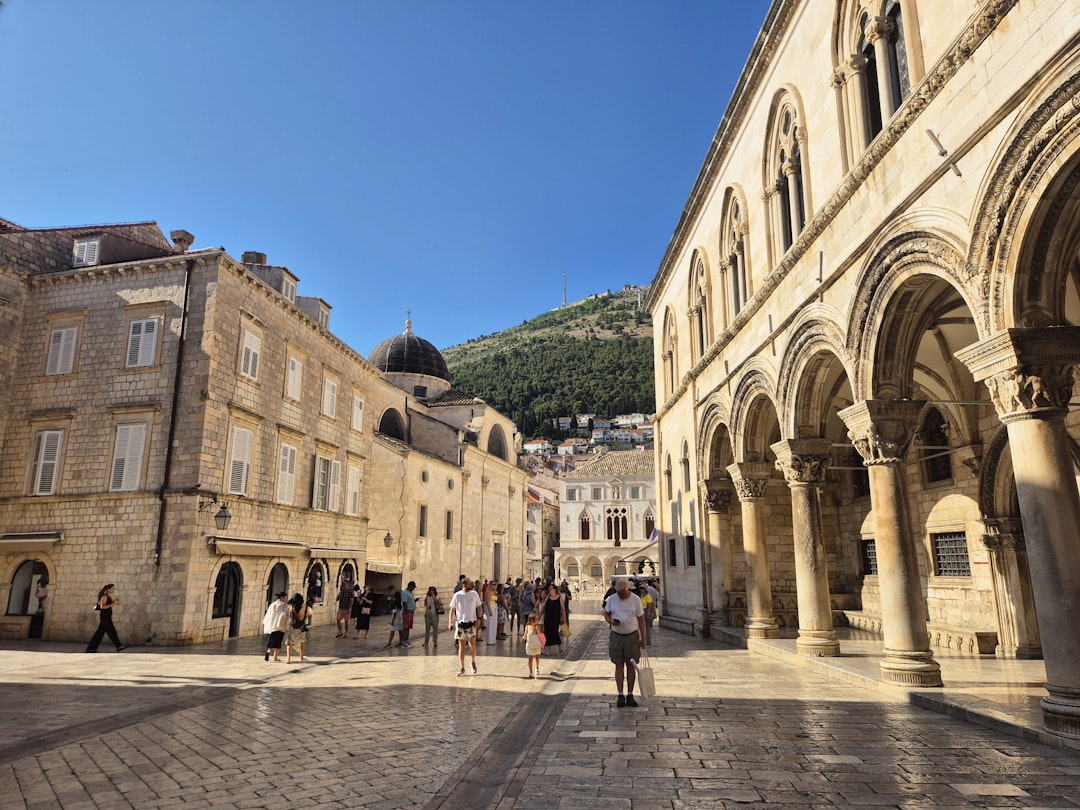
Getting There & What to Expect
The nearest airport to Dubrovnik is Dubrovnik Airport, which is located about 20 kilometers from the city center. There are direct flights from major European cities, as well as connecting flights from other Balkan hubs. The airport is well-connected to the city by bus and taxi, with travel times of around 30 minutes. Bus and train connections are also available, with regular services from Belgrade, Zagreb, and other cities in the region. The journey from Belgrade takes around 12 hours, while the journey from Zagreb takes around 6 hours. Car rental is also an option, with prices starting from 30-50 EUR per day. Accommodation in Dubrovnik ranges from budget hostels to luxury hotels. Budget hostels cost around 20-40 EUR per night, while mid-range hotels cost around 80-150 EUR per night. Luxury hotels can cost upwards of 200 EUR per night. The best months to visit Dubrovnik for diving are from May to October, when the water is warm and the visibility is good. The summer months of July and August can be busy, with large crowds of tourists, so it's best to book in advance.Search accommodation in Dubrovnik on Booking.com →
The Abyss Calls Back
As I surface, gasping for air after a forty-minute dive, the sun is beginning to set over the Adriatic. The sky is a canvas of orange and purple, reflecting off the calm water. My ears are still ringing from the pressure change, and my muscles ache from the kick, but there's a sense of peace that only comes from spending time underwater. The wrecks of the Adriatic are more than just rusted metal; they're a testament to the resilience of the human spirit and the enduring power of the sea. They're a reminder that even in death, there is beauty, and that history is never far beneath the surface. As I climb back onto the boat, I know I'll be back. The sea always calls you back.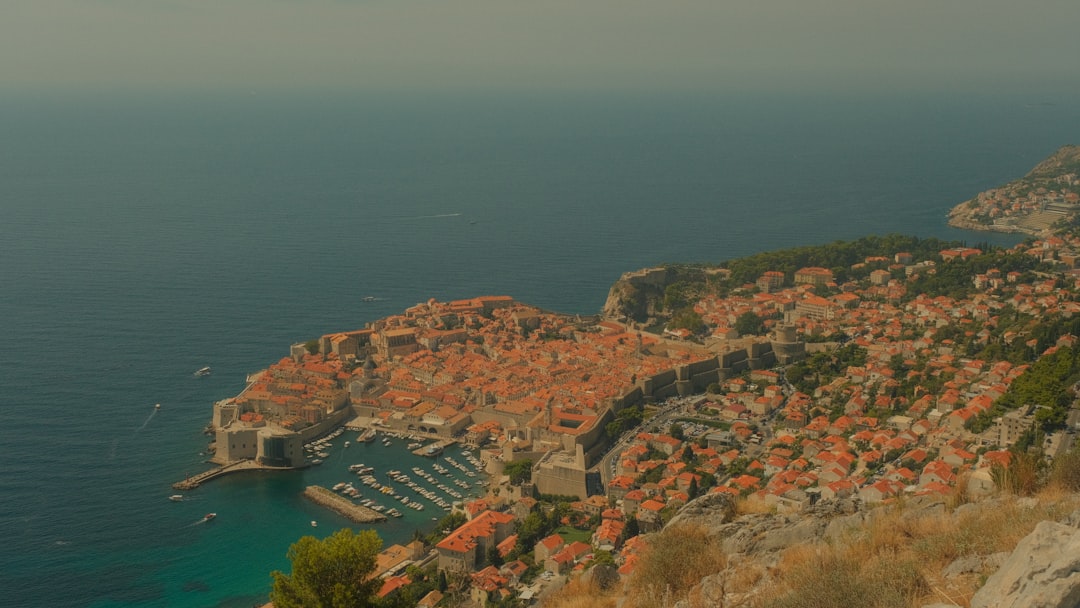
Comments