


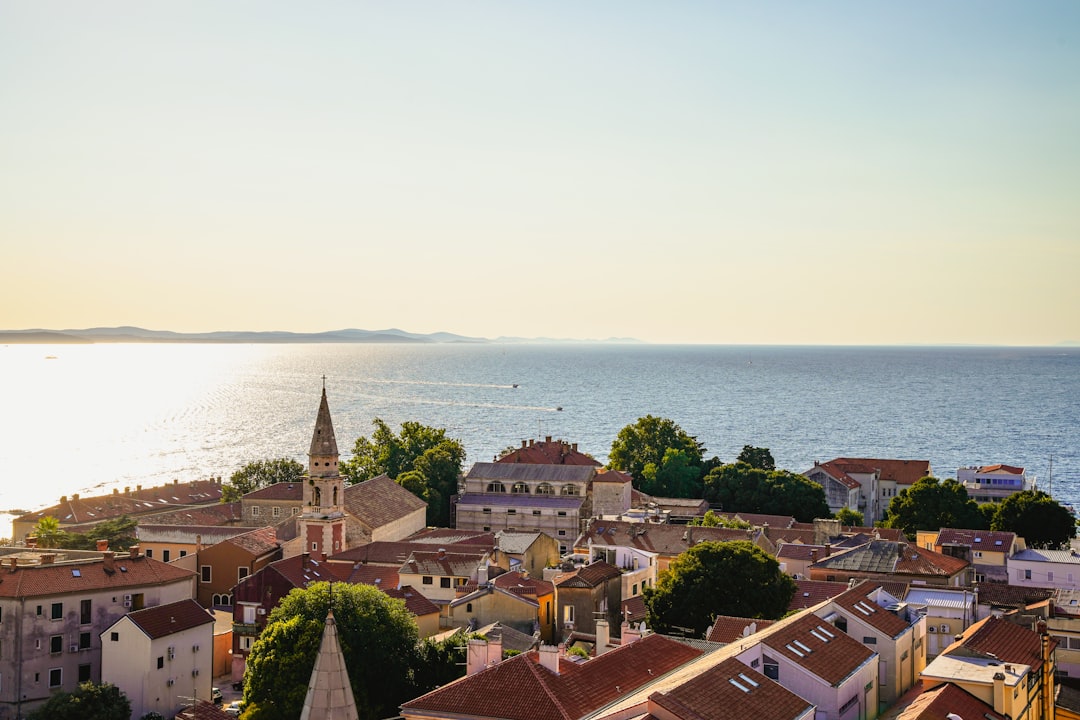
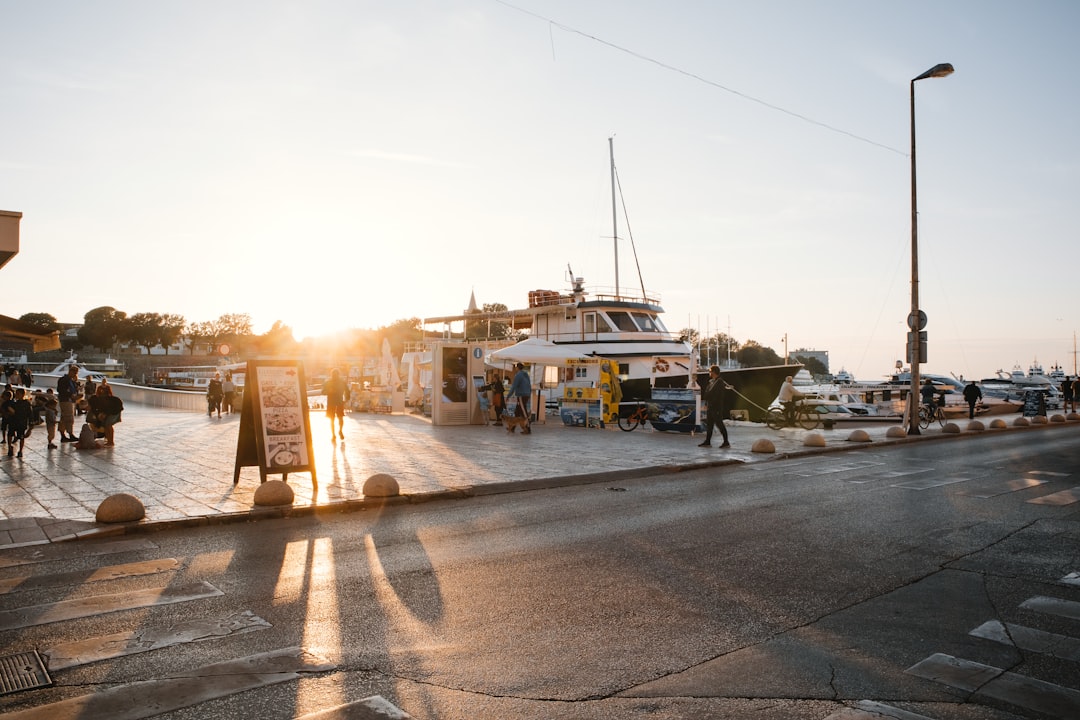
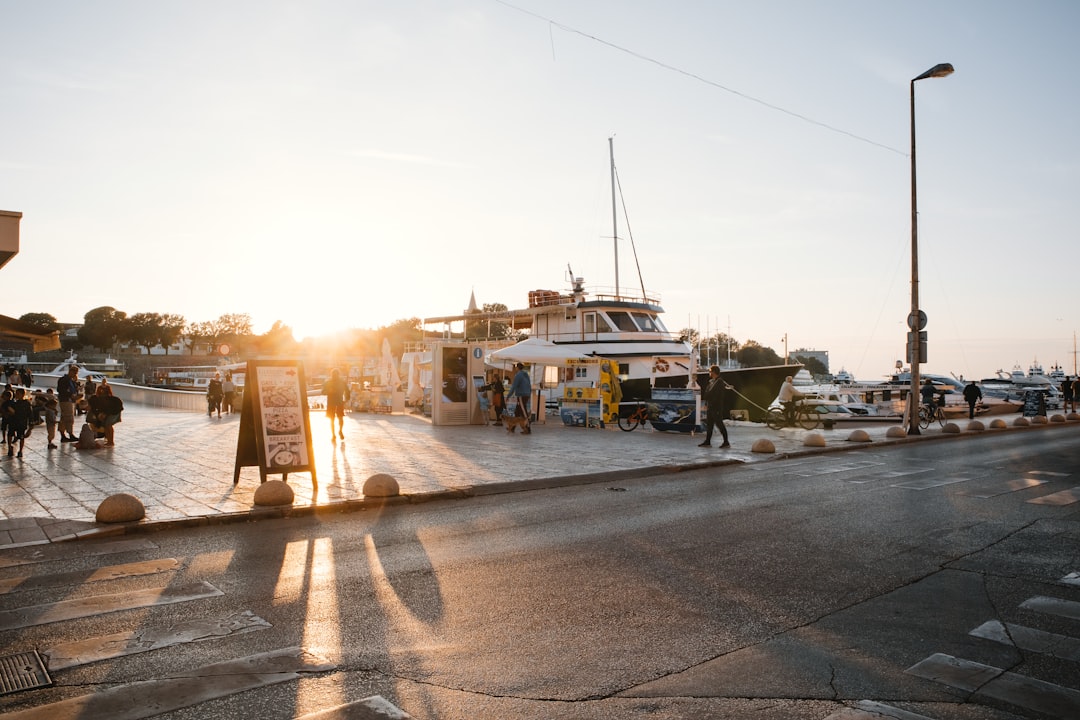
The Adriatic doesn't whisper here; it roars with a bass line that vibrates through the soles of your sneakers. I stood on the stone pavement of the Riva promenade in Zadar, Croatia, watching the sun bleed into the horizon while a low, resonant hum emanated from beneath my feet. It wasn't a subwoofer. It wasn't a ferry engine idling nearby. It was the sea itself, forced through a complex network of PVC pipes and hidden chambers, turning the crashing waves into an impromptu, ever-changing symphony. A local fisherman, smoking a cigarette nearby, didn't even look up. "It's just the organ," he grunted, as if discussing the weather. This is the magic of Sea Organ Zadar: it is so seamlessly integrated into the urban fabric that it becomes invisible until you decide to listen.
There is a specific kind of gonzo energy in walking through a city that has been rebuilt, destroyed, and rebuilt again, only to have its most famous modern attraction be a musical instrument played by the ocean. Zadar isn't the flashy, party-hard capital of Dubrovnik, nor is it the industrial grit of Rijeka. It is a place of quiet defiance, where Roman ruins sit comfortably next to modernist interventions. The Sea Organ, designed by architect Nikola Bašić, isn't just a tourist trap; it's a philosophical statement carved into limestone. It demands that you stop, sit on the steps, and let the water dictate the tempo. I sat there for forty minutes, ignoring the selfie sticks of the tour groups, just feeling the pressure of the tide change the pitch of the notes. It was raw, unpolished, and utterly unlike any concert I had ever attended.
History & Identity
Zadar's identity is forged in salt and stone. For centuries, this city was a battleground for empires—Roman, Byzantine, Venetian, and Austrian—all leaving their architectural fingerprints on the compact old town. The Riva promenade, where the Sea Organ sits, was once a bustling commercial hub. In the late 19th century, the Venetian-era sea walls were demolished to make way for a grand boulevard, but the site remained largely utilitarian for decades. The idea to transform this functional space into an acoustic experience was born in the early 2000s, a time when Zadar was looking to redefine its cultural narrative beyond its Roman heritage.
The project, initiated by the Zadar City Council and realized by architect Nikola Bašić, was a bold gamble. It involved digging out the existing stone steps and installing a sophisticated hydraulic system of pipes and chambers beneath the surface. The goal was not to create a static monument, but a dynamic interface between nature and architecture. When the project was completed in 2005, it sparked debate. Purists worried about the "modern" intrusion on the historic waterfront, while others hailed it as a masterpiece of ecological design. Today, it is the undisputed heart of Zadar's cultural identity, proving that history doesn't have to be frozen in time to be respected.
Where to Go
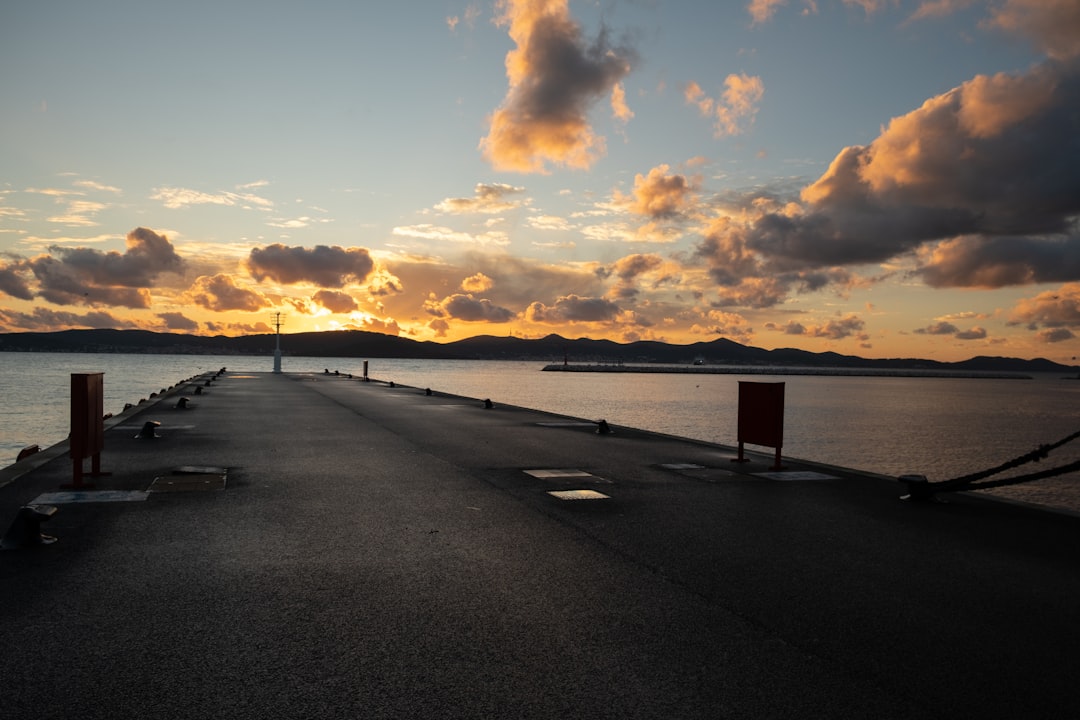
Sea Organ (Organ more) — The star of the show. This architectural marvel consists of 35 steps leading down to the water, with a hidden network of PVC pipes and chambers that amplify the sound of the waves. The best time to visit is either at sunrise or sunset, when the light hits the stone and the acoustics are clearest. There is no entry fee, but the experience is best enjoyed when the sea is slightly choppy, not during a glassy calm. The sound varies from soft, melodic tones to deep, thunderous bass notes depending on the tide and wave intensity.
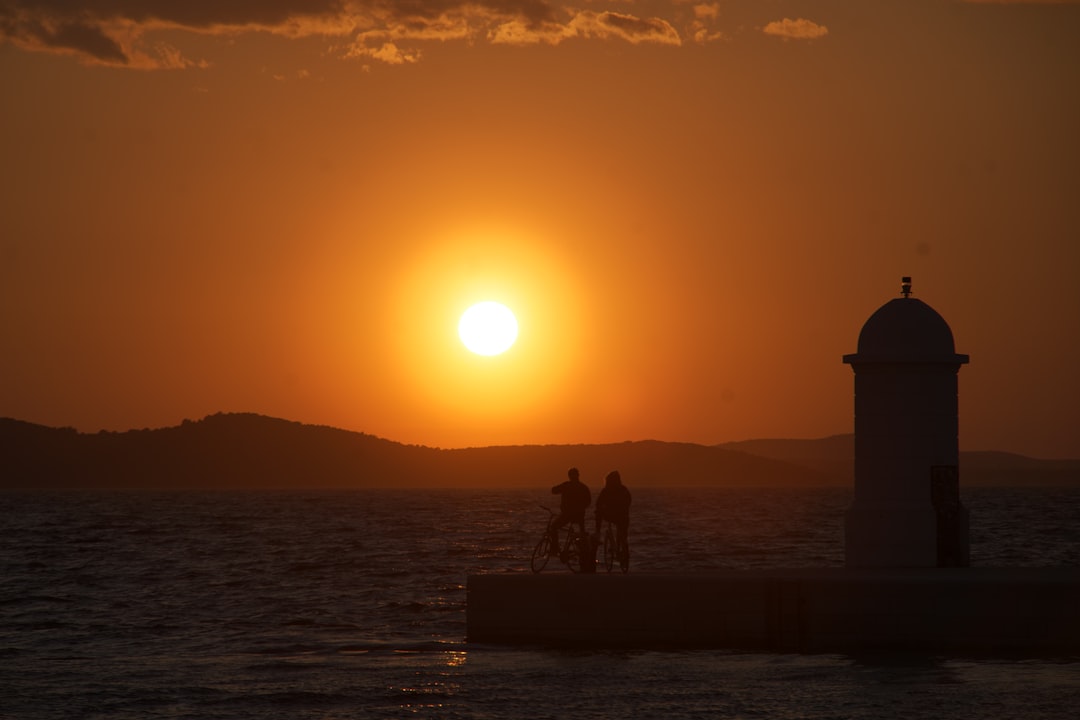
Greeting to the Sun (Pozdrav suncu) — Located directly adjacent to the Sea Organ, this installation is a circular pavement embedded with photovoltaic cells. By day, it absorbs solar energy; by night, it projects a beam of light toward the sky, synchronized with the sun's movement. It works in tandem with the Sea Organ, creating a multisensory experience of sound and light. The installation is free to access and is most striking just after dusk when the light show begins and the first notes of the organ start to play.
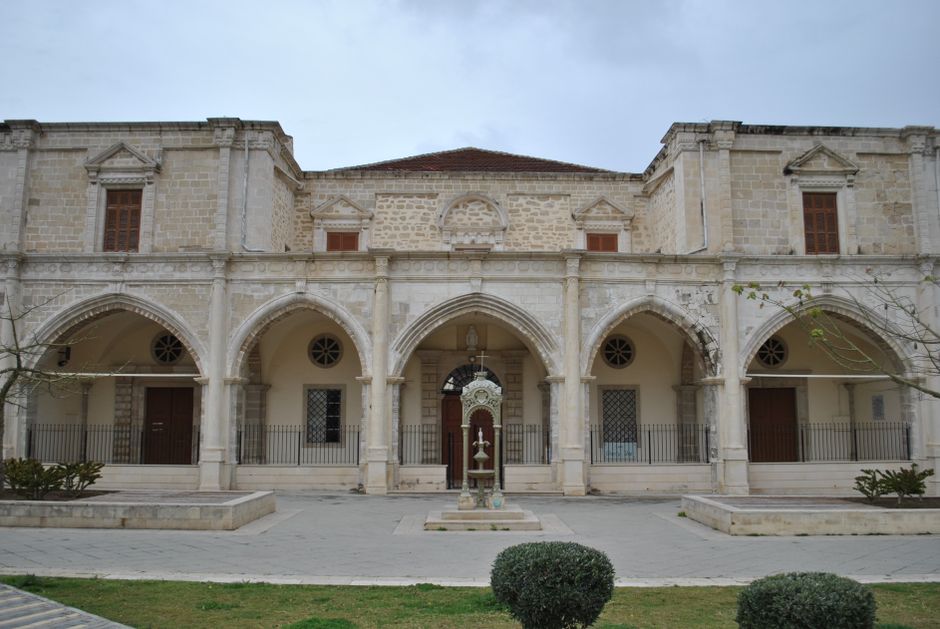
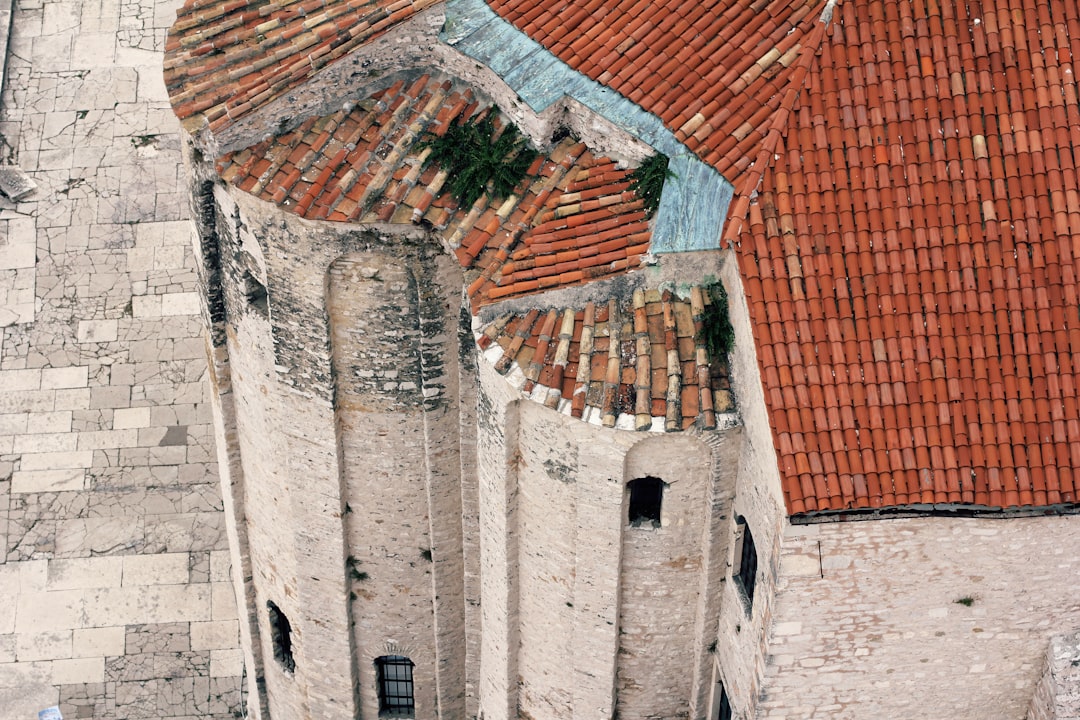
Church of St. Donatus — A short walk from the waterfront, this massive, circular pre-Romanesque church is one of Zadar's most recognizable landmarks. Built in the 9th century, it was originally a cathedral but lost its religious function in the 16th century. Today, it serves as a cultural venue, hosting concerts and exhibitions. Its thick stone walls and central dome create a unique acoustic environment, making it a perfect counterpoint to the open-air sounds of the Sea Organ. Entry is free, though donations are appreciated.
Forum Zadar — The Roman Forum, visible as sunken ruins in the middle of the modern town, is a striking reminder of Zadar's ancient past. The ruins are accessible from multiple levels, with the lower level offering a view of the ancient streets and buildings. It's a quiet, contemplative space that contrasts sharply with the lively atmosphere of the Riva. The site is free to enter and is well-lit at night, making it a good spot for an evening stroll.
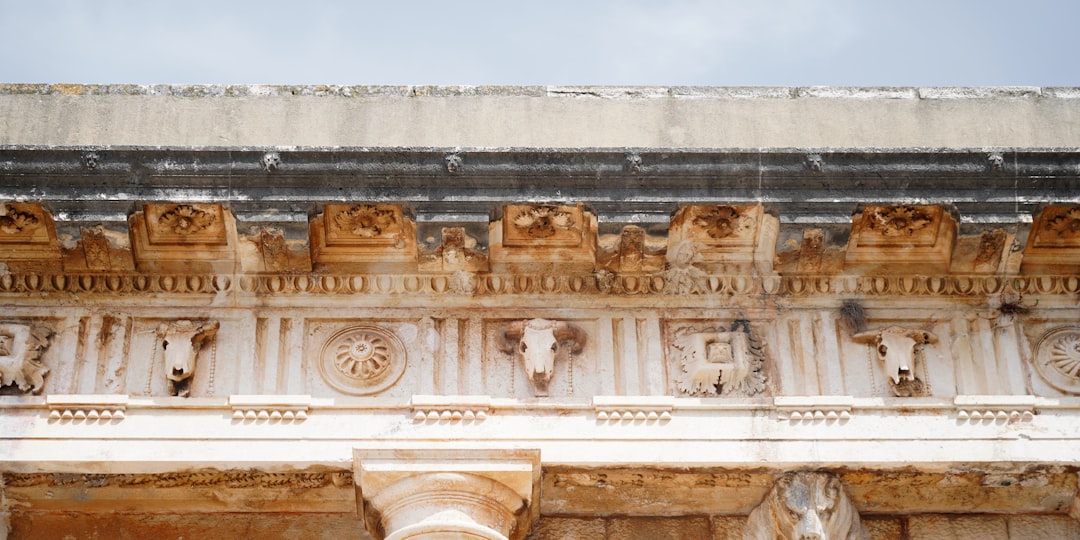
City Walls and Land Gate — Zadar's medieval city walls are well-preserved and offer a different perspective on the city. The Land Gate (Kopnena vrata) is the main entrance to the old town from the north, flanked by two towers. Walking along the walls provides panoramic views of the old town and the sea. The walls are free to access and are a great way to escape the crowds of the Riva. The best time to walk the walls is in the early morning or late afternoon when the light is soft.
What to Eat & Drink
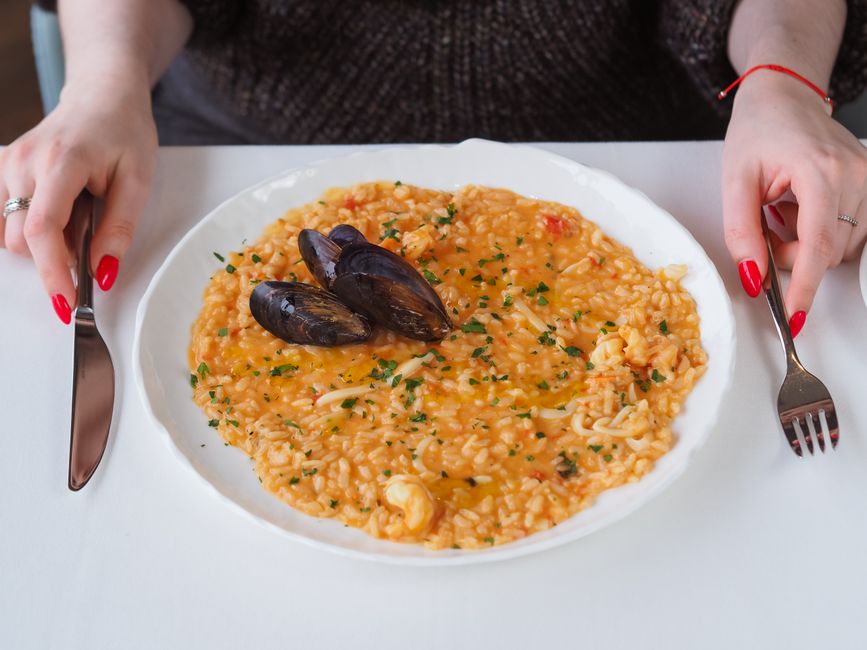
Zadar's culinary scene is a reflection of its coastal location, with a heavy emphasis on fresh seafood and local wines. The Riva promenade is lined with cafes and restaurants, but for a more authentic experience, head to the old town streets. Black risotto (Crni rižot) — made with squid ink — is a local specialty, typically priced at 12-15 EUR per serving. Grilled octopus — served with olive oil and lemon — is another must-try dish, costing around 10-12 EUR. For a lighter meal, pršut — a dry-cured ham similar to prosciutto — is available at local delis for 5-8 EUR per plate. Ribela — a local red wine — is widely available and pairs well with seafood, with a glass costing 3-5 EUR.
Budget travelers can find street food options like pazvassi — grilled beef intestines — at local markets for 3-4 EUR per serving. Sit-down meals at local restaurants typically range from 15-25 EUR per person, while mid-range hotels with on-site restaurants may charge 25-40 EUR. The Zadar Market is a good place to find fresh produce, seafood, and local delicacies, with prices generally lower than in restaurants. For take-away options, there are several bakeries and cafes in the old town offering štrukle — filled pasta — for 2-3 EUR per piece.
Nightlife
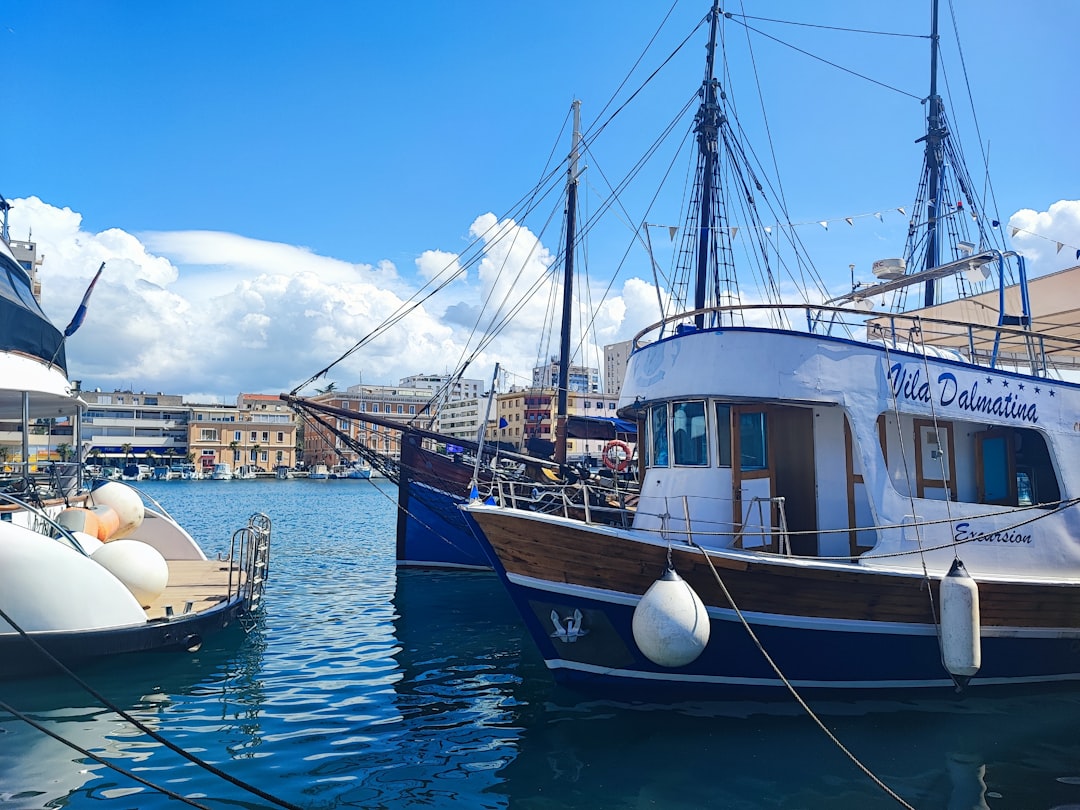
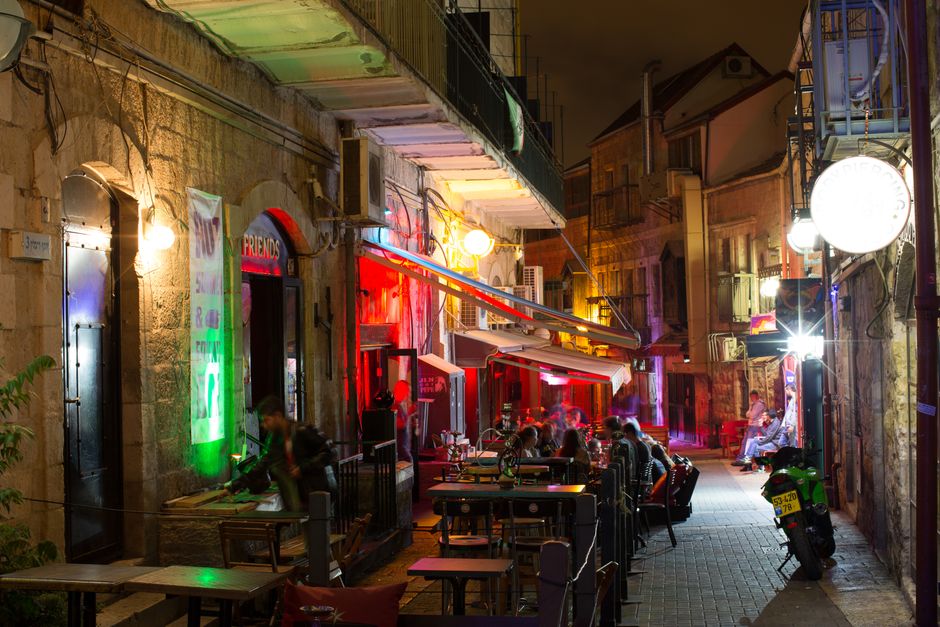
Zadar's nightlife is centered around the Riva promenade and the old town streets. The area is known for its relaxed atmosphere, with many cafes and bars staying open late. Bar 1900 is a popular spot for locals and tourists alike, offering a wide selection of cocktails and live music on weekends. The cover charge is usually 5-10 EUR, depending on the event. Caffe Bar M is another well-known venue, located on the Riva, with a great view of the Sea Organ and Greeting to the Sun. It's a good place to watch the sunset and enjoy a drink before the night begins.
For those looking for a more lively scene, Club 8 is a popular nightclub in the old town, known for its electronic music and dance floor. The cover charge is typically 10-15 EUR, with drinks priced at 5-8 EUR per cocktail. The nightlife in Zadar is generally more laid-back than in other Croatian coastal cities, with a focus on socializing and enjoying the atmosphere rather than wild partying. The best time to experience the nightlife is during the summer months, when the weather is warm and the streets are filled with people.
Getting There & What to Expect
The nearest airport is Zadar Airport, located about 15 km from the city center. There are direct flights from major European hubs, as well as seasonal flights from other Balkan cities. Buses run regularly from the airport to the city center, taking about 20 minutes and costing 5-7 EUR per ticket. Taxis are also available, with a typical fare of 20-25 EUR to the old town. From major Balkan hubs like Zagreb, Belgrade, or Bucharest, you can take a bus or train to Zadar, with travel times ranging from 6 to 12 hours depending on the origin. Bus tickets cost approximately 30-50 EUR, while train tickets are slightly cheaper at 20-40 EUR.
Accommodation in Zadar ranges from budget hostels to luxury hotels. A bed in a hostel dormitory costs around 20-35 EUR per night, while a room in a mid-range hotel is typically 50-80 EUR per night. Luxury hotels can cost 100-150 EUR or more per night. The best months to visit Zadar are from May to October, when the weather is warm and the sea is calm. However, the Sea Organ can be enjoyed year-round, with the winter storms providing a more dramatic acoustic experience. Children of all ages can enjoy the Sea Organ, as it is a safe and accessible attraction. There are no height restrictions or safety concerns, making it a family-friendly destination.
Search accommodation in Zadar on Booking.com →
The Resonance of Stone
As the tide went out, the music faded, leaving behind a silence that felt heavier than the noise. I walked back up the steps, my ears still ringing with the ghost of the bass notes. The Sea Organ is not just a tourist attraction; it is a reminder that nature has its own rhythm, and that architecture can serve as a conduit for that rhythm. In a world of digital noise and artificial sound, there is something profoundly grounding about listening to the sea play a song it has been composing for millions of years. Zadar, with its Roman ruins and modernist interventions, is a city that understands the power of contrast. The Sea Organ is its most potent symbol, a stone instrument that plays the eternal music of the Adriatic. I left the Riva with a sense of peace, knowing that the ocean would continue to play, whether anyone was listening or not. That is the true gift of Zadar: it asks nothing of you but your attention.
Comments