


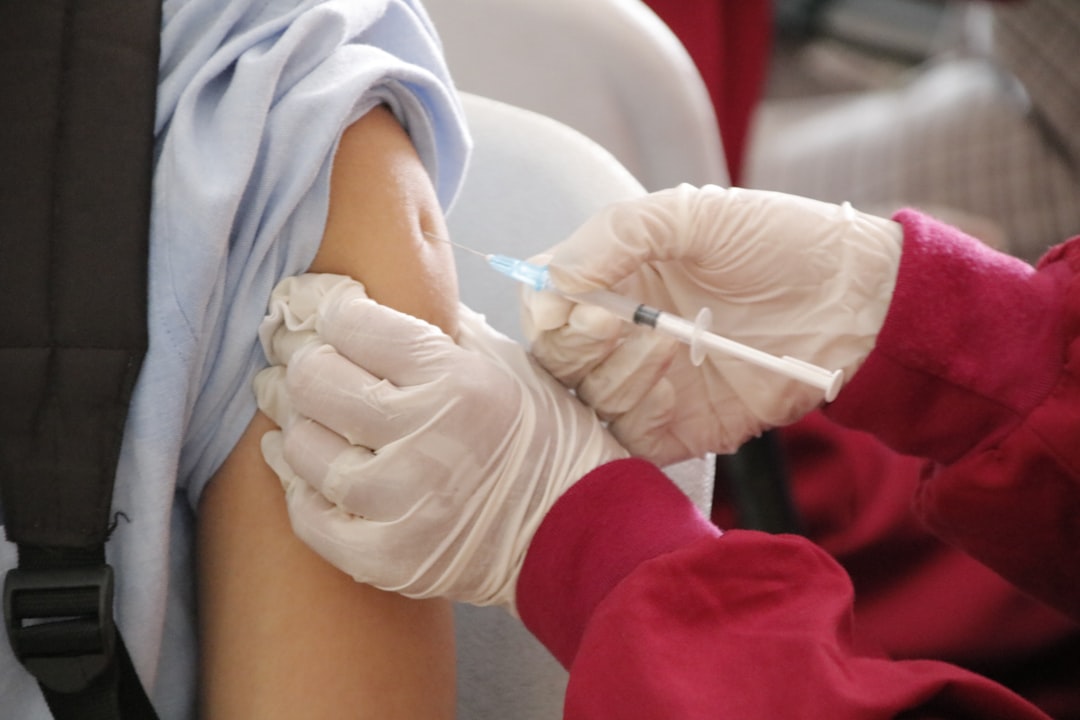
As the world turns its eyes toward the upcoming 2026 FIFA World Cup in North America, public health experts are sounding a warning that transcends the pitch: massive global gatherings are incubators for infectious disease outbreaks. For millions of Balkan fans planning to travel to the United States, Canada, and Mexico, the conversation is shifting from ticket prices to vaccination schedules. Recent analysis from leading epidemiological institutions highlights that large-scale events, including the World Cup, the Olympics, and even major religious pilgrimages, create unique conditions for the rapid spread of pathogens like influenza, measles, and chickenpox. This trend is not merely a theoretical concern; it represents a tangible health risk for travelers who may have let their immunity lapse, particularly those from countries in the Balkans where vaccination coverage has seen recent fluctuations.
The connection between crowd density and disease transmission is well-documented. When hundreds of thousands of people from diverse geographic regions converge in confined spaces—stadiums, host cities, and transit hubs—the potential for viral exchange increases exponentially. For a Balkan audience, this is especially relevant. Countries such as Serbia, Bulgaria, and Romania have faced periodic declines in routine childhood immunization rates in recent years, raising concerns about herd immunity. Fans traveling abroad may unknowingly carry vulnerabilities that could be exploited by circulating strains of common viruses, turning a celebratory trip into a medical emergency.

The Epidemiology of Mass Gatherings
Experts at the Center for Infectious Disease Research and Policy (CIDRAP) at the University of Minnesota have published extensive research on the health risks associated with mass gatherings. Their findings indicate that while the absolute risk of contracting a disease at a sports event may be low for an individual, the overall burden on health systems can be significant. The primary culprits are often vaccine-preventable diseases (VPDs). Influenza remains a top concern due to its high transmissibility and seasonal overlap with major sporting events. Additionally, diseases like measles are highly contagious and can spread rapidly in areas with pockets of under-vaccinated populations. The sheer volume of people moving through airports and hotels creates a "perfect storm" for respiratory and contact-transmitted illnesses.
The mechanism of spread is straightforward but potent. In crowded stadiums, fans are in close proximity for hours, sharing air in enclosed or semi-enclosed environments. Post-match celebrations in city centers further amplify contact rates. For travelers from the Balkans, who may be visiting countries with different endemic disease profiles, the risk is compounded. For instance, while measles is rare in many Western European nations, it remains a threat in regions with lower vaccination coverage. A traveler from Greece or Croatia might assume they are protected, but immunity to diseases like rubella or mumps can wane over time, necessitating boosters that many adults neglect.
Public health officials emphasize that the risk is not limited to the event itself. The travel period—often involving long-haul flights from Belgrade, Sofia, or Athens to North American hubs—is a critical window for transmission. Airplane cabins are known to facilitate the spread of respiratory viruses. Therefore, the "travel vaccine" conversation must begin weeks before departure, not just upon arrival. This proactive approach is essential for maintaining personal health and preventing the introduction of foreign pathogens into local communities, both at the destination and upon return home.
Balkan Vaccination Trends and Traveler Preparedness
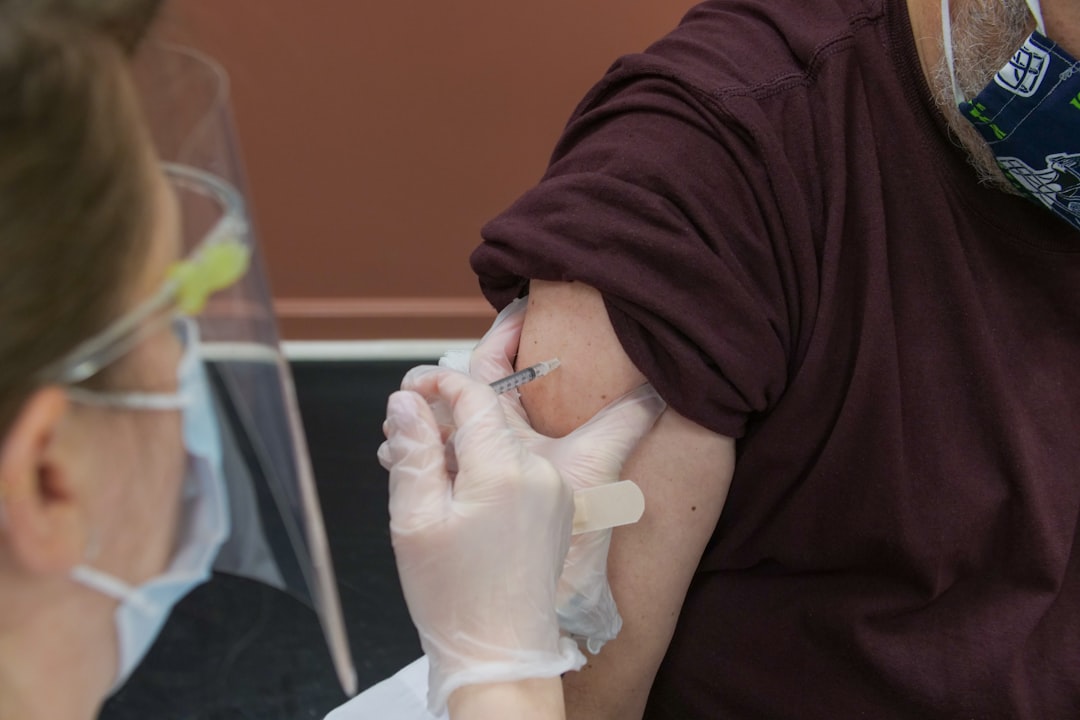
The Balkan region presents a complex picture regarding immunization. While countries like North Macedonia and Montenegro have robust national immunization programs, others have experienced challenges. Bosnia and Herzegovina, for example, has seen varying coverage rates across its entities, with some areas falling below the World Health Organization's recommended thresholds for herd immunity. This variability means that a significant portion of the traveling population may lack adequate protection against common childhood diseases. For adults who received vaccinations decades ago, the immune memory for diseases like polio or diphtheria may be insufficient, especially if they have not received routine boosters.
Furthermore, the perception of risk among Balkan travelers can be skewed. Many view medical travel insurance as sufficient coverage, overlooking the preventive power of vaccination. However, insurance often covers treatment costs, not the prevention of illness. Contracting a vaccine-preventable disease abroad can lead to severe health complications, quarantine requirements, and significant financial strain. Health authorities in countries like Turkey and Albania have recently launched campaigns to remind citizens of the importance of up-to-date vaccination records before international travel. These initiatives underscore a growing regional awareness that health security is a prerequisite for safe global mobility.
For the average Balkan fan, the implications are clear. Before booking flights to the World Cup or any other major event, individuals should consult with their healthcare providers to review their vaccination history. Key vaccines to consider include the seasonal influenza shot, MMR (measles, mumps, rubella) boosters, and Tdap (tetanus, diphtheria, pertussis). Depending on the destination and specific health history, vaccines for hepatitis A and B may also be recommended. This due diligence is not only a personal health measure but also a contribution to global public health, reducing the likelihood of importing outbreaks into host countries.
Navigating Health Regulations and Future Risks
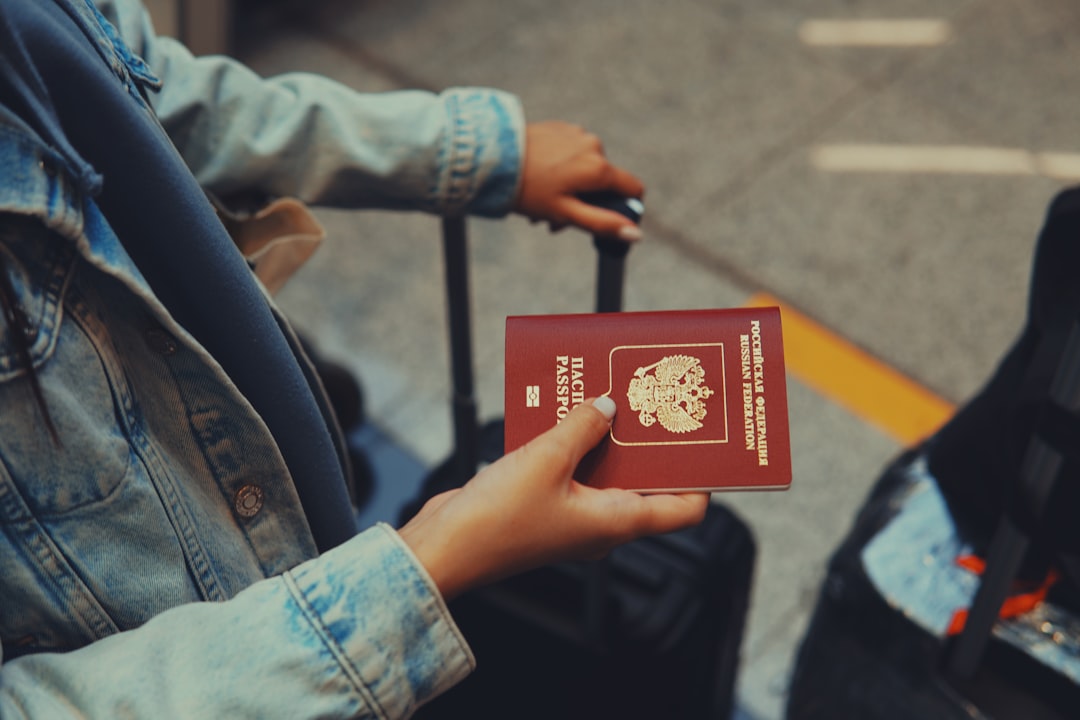
While most countries do not currently mandate specific vaccines for entry from Balkan nations, this landscape can change rapidly. The experience of the COVID-19 pandemic has demonstrated how quickly health regulations can evolve in response to emerging threats. Future mass gatherings may see stricter health screening protocols, including proof of vaccination for certain diseases. Travelers who are already up-to-date will face fewer barriers and enjoy greater peace of mind. Moreover, some international health insurance policies may require proof of certain vaccinations for full coverage, making proactive health management a financial necessity as well as a medical one.
Looking ahead, the intersection of sports tourism and public health will likely become a focal point for policymakers. The World Health Organization (WHO) and the International Olympic Committee (IOC) have already established frameworks for managing health risks at major events. These frameworks emphasize surveillance, rapid response, and public education. For Balkan countries, aligning national health strategies with these international standards will be crucial. This includes improving data collection on vaccination coverage, addressing vaccine hesitancy, and ensuring equitable access to immunization services. By doing so, the region can protect its citizens and maintain its reputation as a safe and responsible source of global travelers.
As the 2026 World Cup approaches, the message for Balkan fans is unequivocal: health preparation is part of the game plan. Ignoring vaccination protocols is not just a personal risk; it is a collective vulnerability. By staying informed and taking proactive steps to update their immunization records, travelers can ensure that their experience is defined by the thrill of the sport, not the threat of disease. The coming months offer a critical window for individuals to consult with medical professionals, review their health records, and make informed decisions that will safeguard their well-being. In an increasingly connected world, the responsibility for health security lies with every traveler, making vaccination a non-negotiable component of modern travel planning.

Comments