


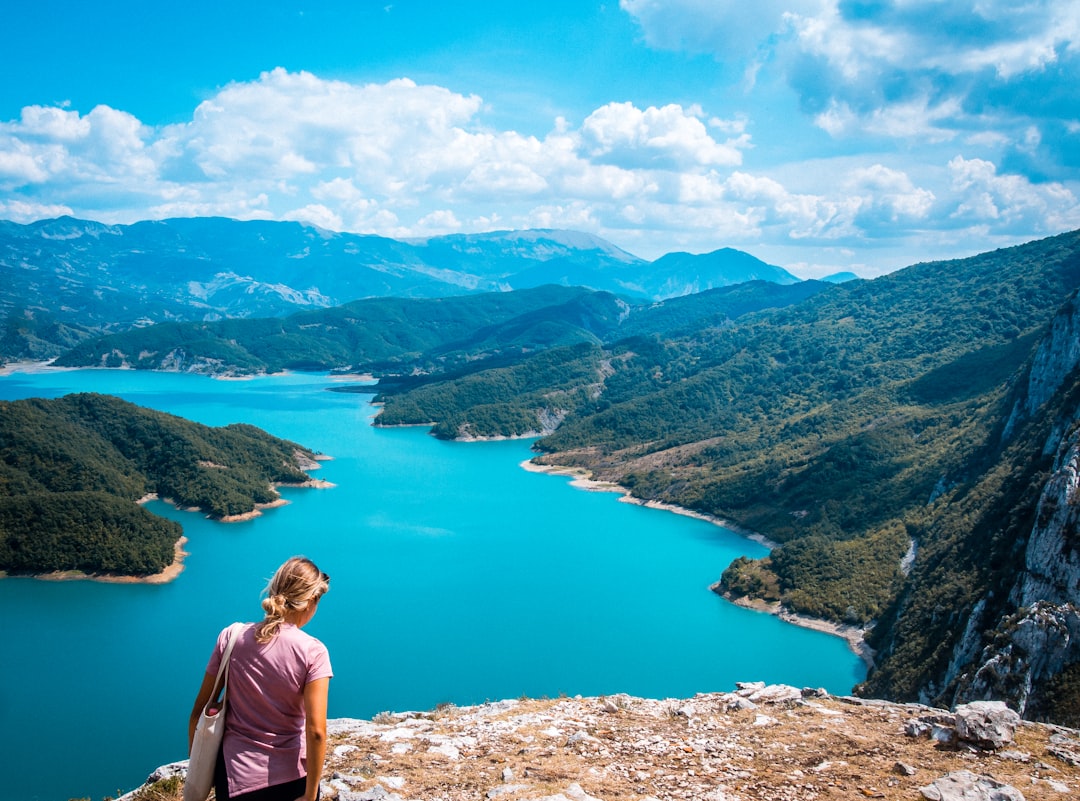
The air at 2,000 meters doesn't just feel thin; it feels judgmental. I stood on the edge of the Theth National Park trailhead, my boots caked in the red dust of the Albanian Alps, watching a shepherd argue with a drone operator. The drone buzzed like an angry hornet, trying to capture the perfect cinematic sweep of the Valbona Valley, while the shepherd, a man carved from granite and tobacco, spat on the ground and shouted something about respect. I was there to walk the ancient shepherds' paths, the High Route of the Alps that stitch the northern highlands together, but I quickly realized this wasn't a hike. It was an audition. The mountains don't care about your fitness tracker. They care if you know how to walk without looking like a tourist who got lost in a IKEA.
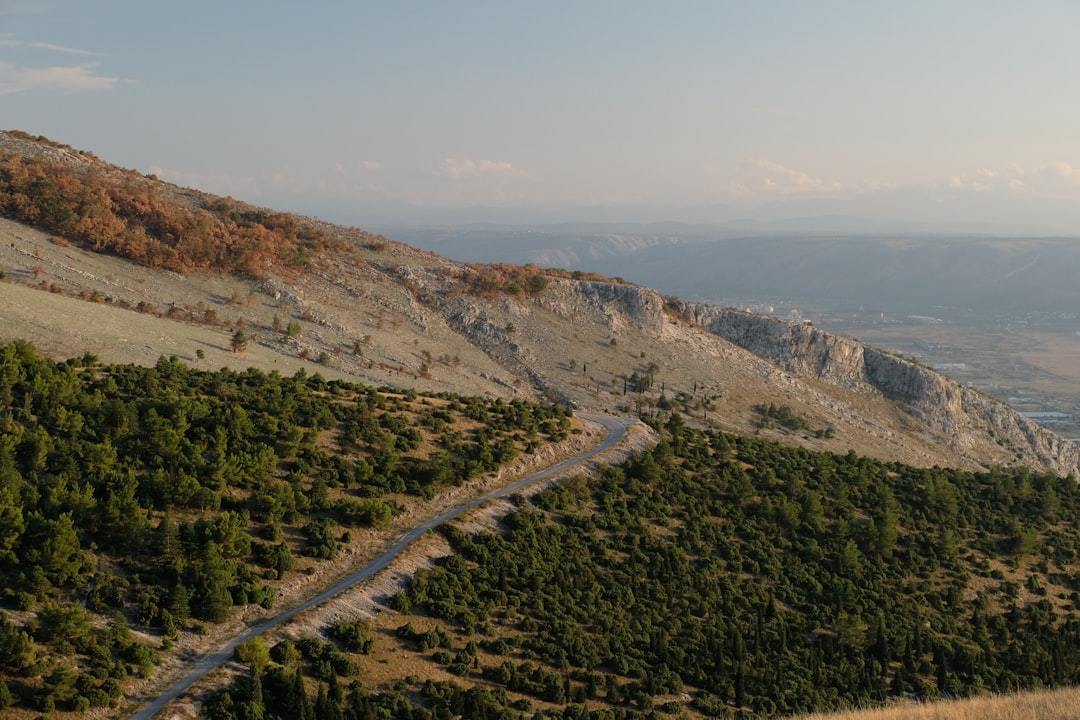
I had arrived from the south, driven up winding roads that felt like they were designed to test the structural integrity of my rental car. The landscape here is brutal, beautiful, and utterly indifferent to your comfort. There are no manicured paths, no informational plaques in five languages, and certainly no Wi-Fi. Just stone, pine, and the occasional horse that looks at you like you're the one who's intruding. I came to find the old ways, the transhumance routes that have been used for centuries, but I found something else: a stark reminder that in the Accursed Mountains, nature is still the boss.
History & Identity
Theth isn't just a village; it's a statement. Nestled in a high valley surrounded by jagged peaks, it has survived centuries of isolation, tribal feuds, and political upheaval. The people here, the Theshtari, are known for their hospitality, but also for their fierce independence. The architecture is a testament to this: stone houses with flat roofs, built to withstand the harsh winters and the weight of history. The Theth community has maintained its traditions, from the traditional costumes worn during festivals to the strict codes of honor that still govern social interactions.
The shepherds' paths are the lifelines of this region. For centuries, families would move their livestock between the high summer pastures and the lower winter valleys, following routes that are barely more than goat tracks today. These paths are not just trails; they are cultural arteries, connecting isolated communities and facilitating trade, marriage, and survival. Walking them today is like stepping into a living museum, where the past is not behind glass but right under your feet, worn smooth by generations of boots and hooves.
The national park was established to protect this fragile ecosystem and the cultural heritage it supports. But protection is a tricky word in the Balkans. The park is vast, rugged, and largely unpoliced. The real guardians are the locals, who have a deep, almost spiritual connection to the land. They don't see it as a resource to be exploited or a commodity to be sold. They see it as home, a place that demands respect and gives back in kind, if you know how to ask.
Where to Go
Theth Village — The heart of the national park, a cluster of stone houses clinging to the hillside. It's the starting point for most hikes and the place to find basic accommodation and food. The village square is a hub of activity, with locals gathering to chat and play cards. Entry is free, but expect to pay 10-15 EUR for a simple meal and 20-40 EUR for a night in a guesthouse.
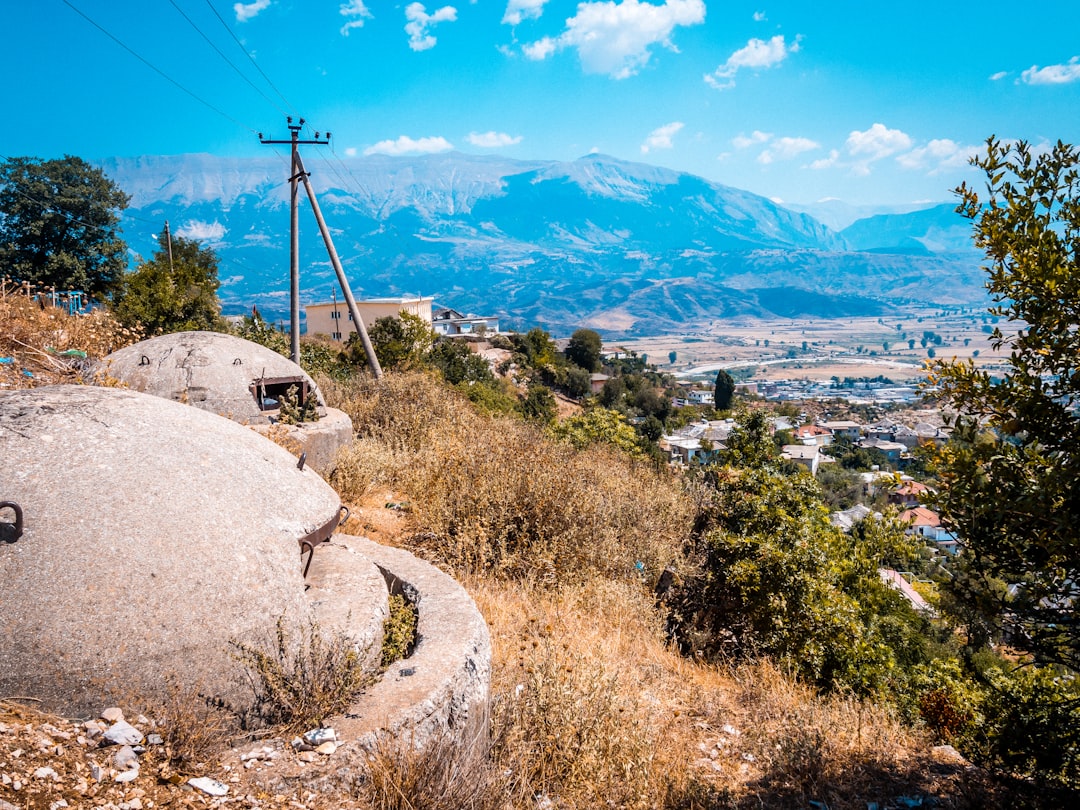
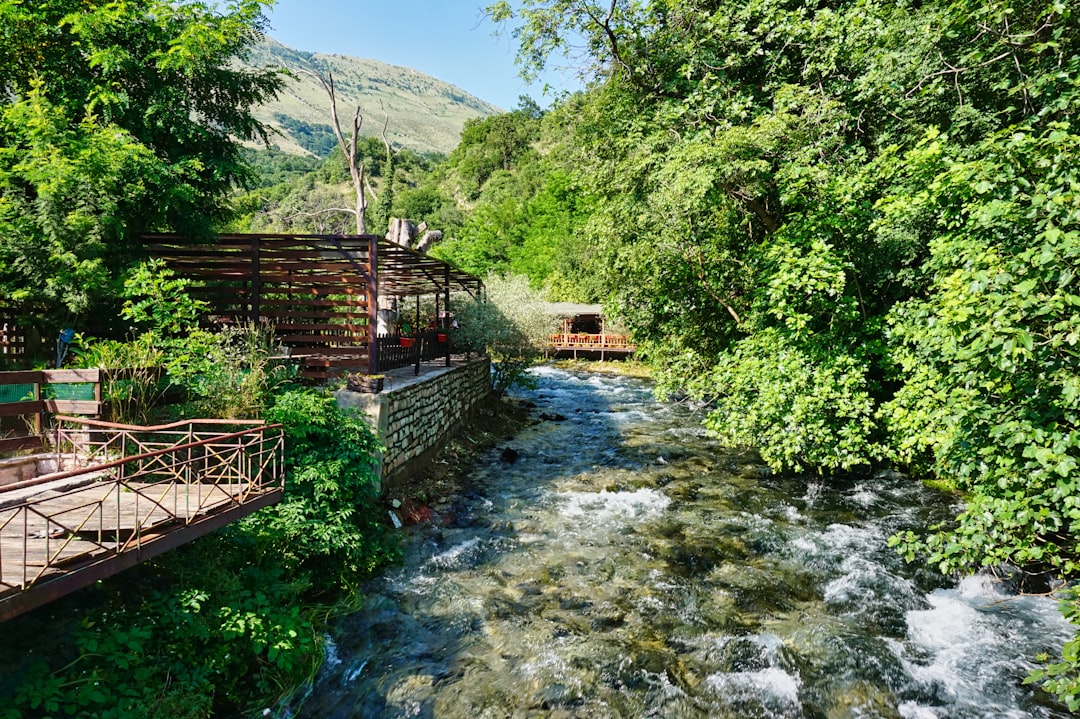
Blue Eye of Theth — A natural spring that forms a deep blue pool, perfect for a refreshing dip on a hot day. It's a short walk from the village, making it a popular stop for hikers. The water is cold and clear, fed by underground springs. No entry fee, but bring a towel and a sense of adventure.
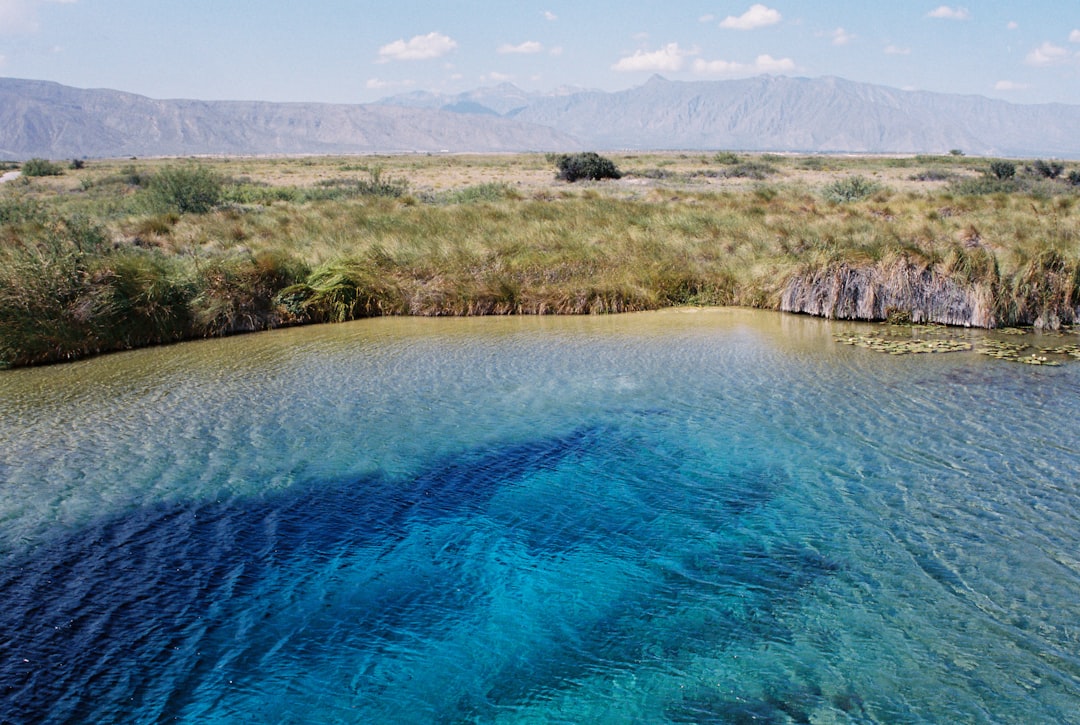
Grand Canyon of Theth — A dramatic gorge carved by the Theth River, with steep cliffs and lush vegetation. The trail along the canyon is challenging but rewarding, offering stunning views of the surrounding peaks. No entry fee, but the hike takes 3-4 hours and requires good fitness.
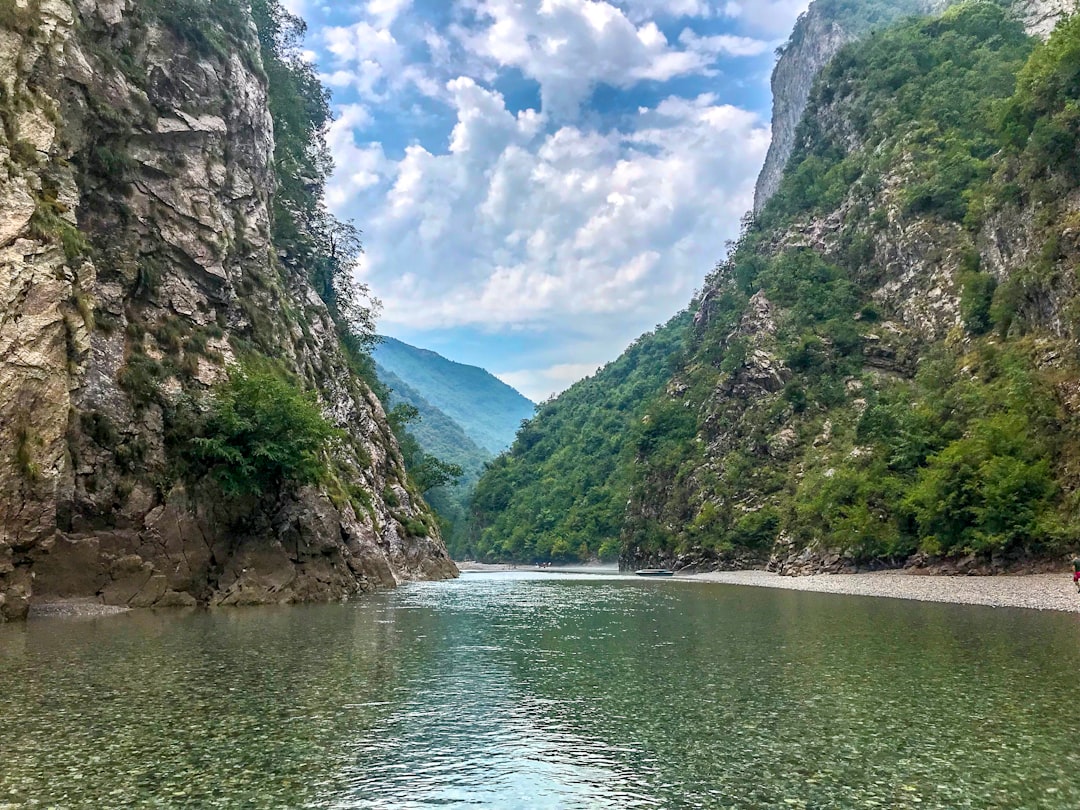
Theth Waterfalls — A series of waterfalls cascading down the mountainside, creating a misty, ethereal atmosphere. The trail to the waterfalls is steep and slippery, so caution is advised. No entry fee, but the hike takes 2-3 hours and requires sturdy boots.
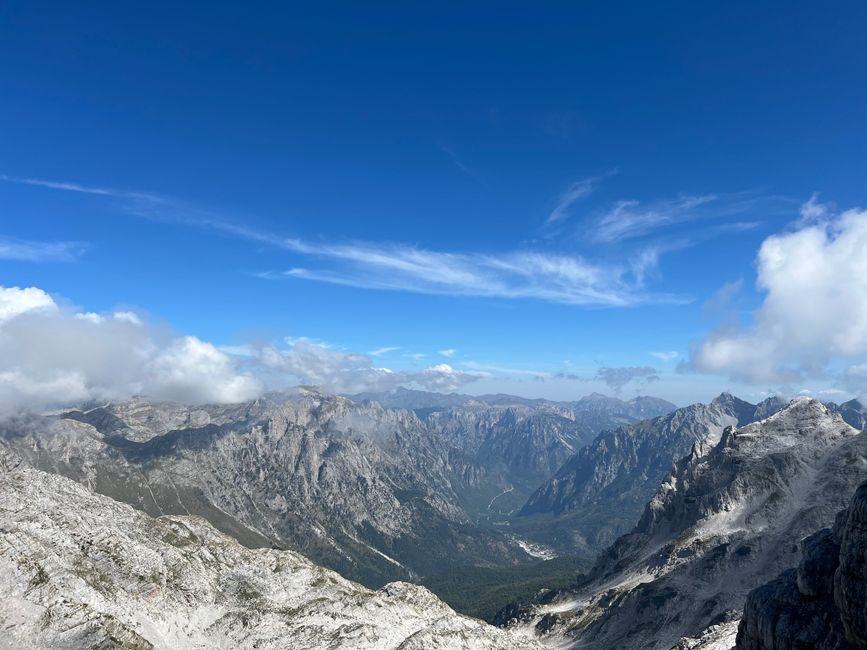
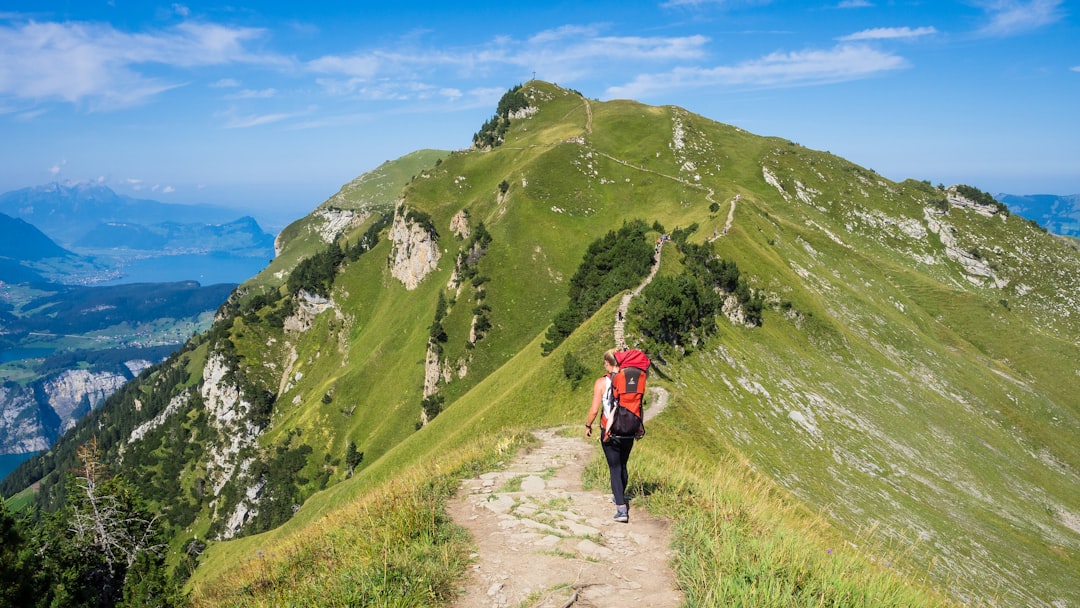
Prelez Pass — The highest point on the trail between Theth and Valbona, offering panoramic views of the entire region. It's a challenging hike, taking 5-6 hours from Theth, but the reward is worth it. No entry fee, but be prepared for altitude and changing weather.
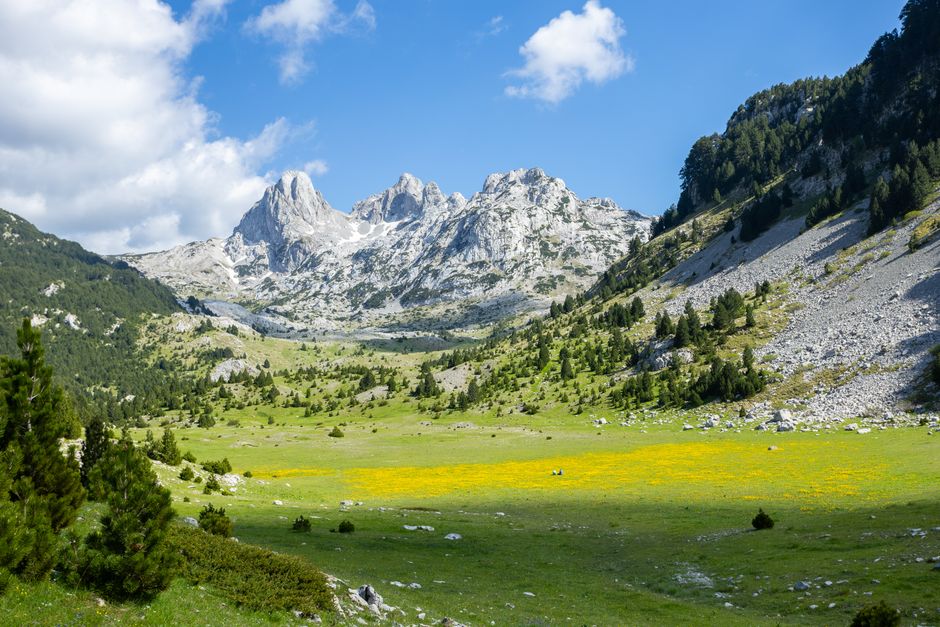
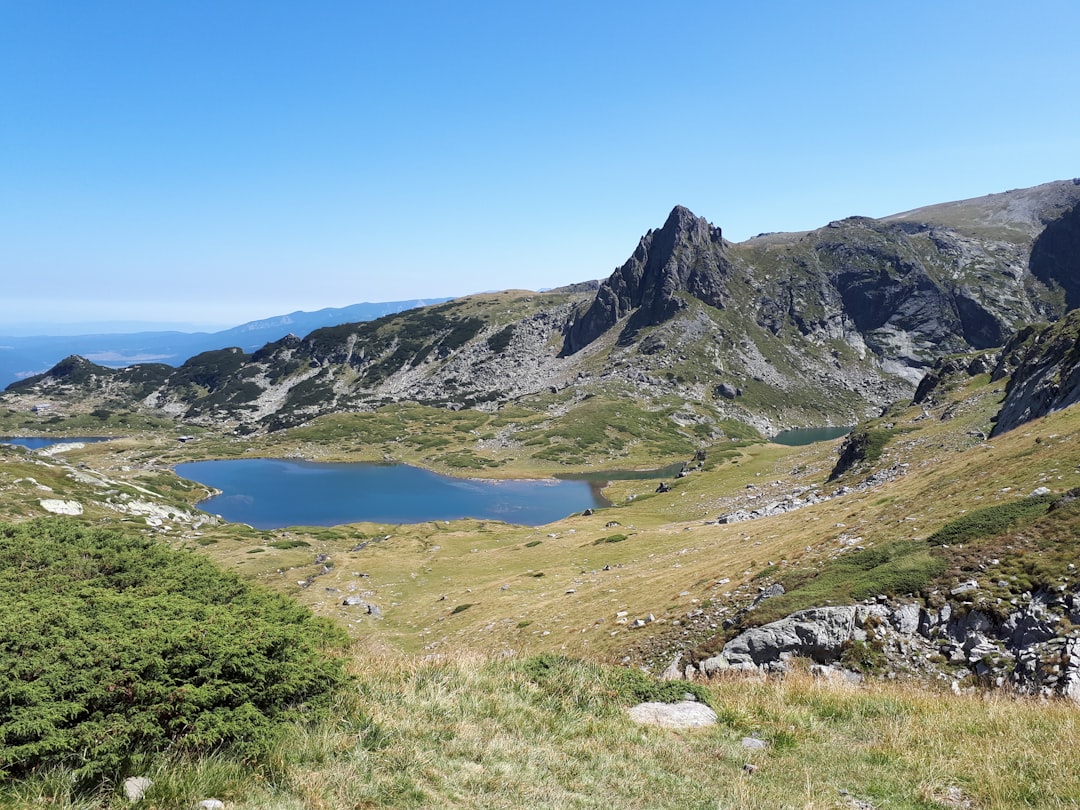
Valbona Valley — The destination for most hikers coming from Theth, a wide, green valley with traditional villages and stunning mountain scenery. It's a different world from Theth, with wider roads and more tourist infrastructure. No entry fee, but accommodation costs 20-50 EUR per night.
What to Eat & Drink
Eating in Theth is an experience in simplicity and flavor. The local cuisine is based on what the mountains provide: lamb, cheese, bread, and vegetables. Expect hearty, filling meals that will give you the energy you need for the hikes. Byrek is a staple, a flaky pastry filled with cheese, spinach, or meat, costing around 2-3 EUR per serving. Qepo is a traditional dish of lamb or beef cooked with onions and spices, costing 8-12 EUR. Trilece, a three-milk cake, is a popular dessert, costing 3-4 EUR.
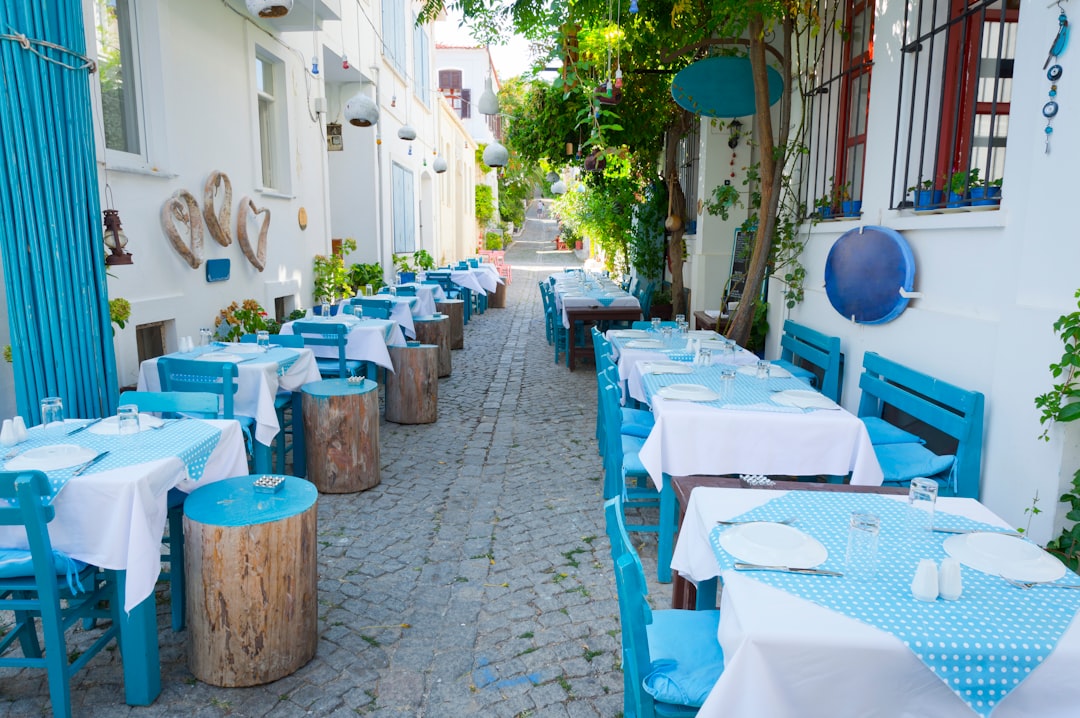
For a sit-down meal in a local restaurant, expect to pay 15-25 EUR per person, including a drink. Street food is limited, but you can find qebapa (grilled minced meat) or plakosi (fried dough) for 2-5 EUR. There are no food courts or fast-food chains here; it's all about the local, home-cooked food. The best place to eat is in the village square, where several guesthouses offer outdoor seating and a view of the mountains.
Nightlife
Nightlife in Theth is not what you'd call vibrant. The village goes to sleep early, and the only "clubs" are the guesthouse bars, where locals and tourists gather to drink raki and play cards. The atmosphere is relaxed and friendly, with live music occasionally provided by local musicians. There are no cover charges, and drinks cost around 2-4 EUR. If you're looking for a wild night out, this isn't the place. But if you want to sit by a fire, drink with the locals, and listen to stories of the mountains, you'll find it here.
Getting There & What to Expect
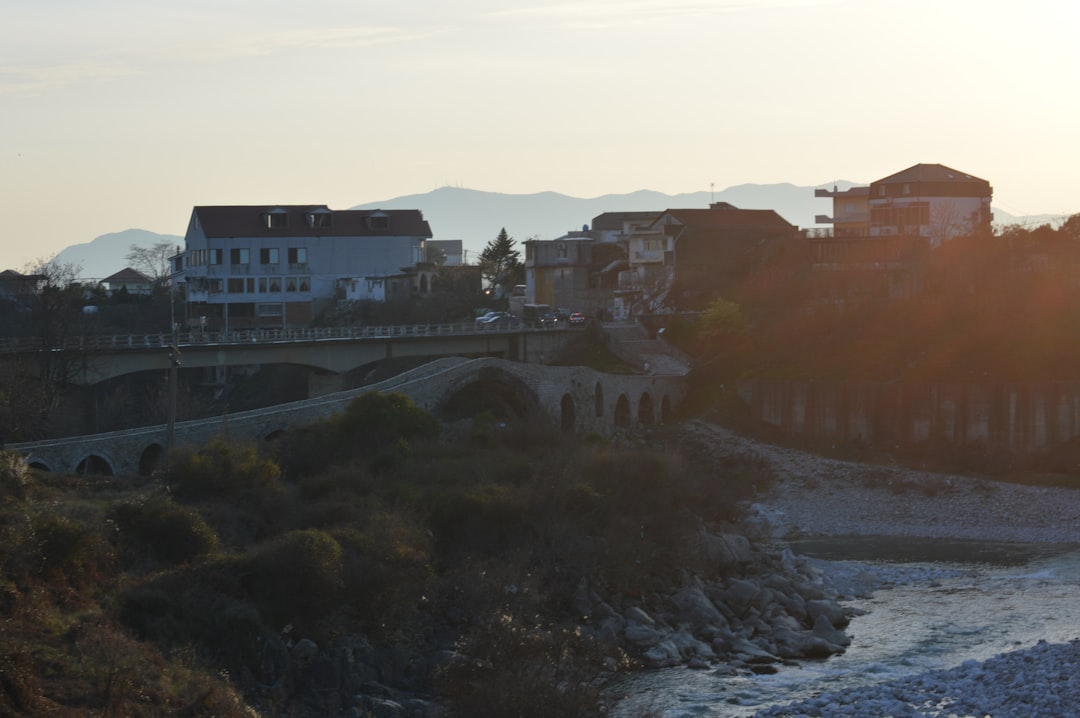
The nearest major city is Shkodra, about 100 km away. From Shkodra, you can take a bus or a private car to Theth, which takes about 2-3 hours depending on the road conditions. The bus costs around 5-7 EUR, while a private car costs 30-50 EUR. From Tirana, the capital, it's about 250 km, taking 5-6 hours by car. There are no direct buses, so you'll need to transfer in Shkodra.
Accommodation in Theth ranges from basic guesthouses to more comfortable hotels. Budget options cost 15-25 EUR per night, while mid-range hotels cost 30-50 EUR. Camping is also an option, with several designated areas near the village. The best time to visit is between June and September, when the weather is warm and the trails are dry. Winters are harsh, with heavy snow and closed roads.
Search accommodation in Theth on Booking.com →
The Mountain Doesn't Care
I left Theth with my knees bruised, my socks soaked, and a profound sense of humility. The mountains don't care about your Instagram followers or your corporate title. They only care if you respect them. The shepherds' paths are not just trails; they are a reminder of a time when humans lived in harmony with the land, not in opposition to it. Walking them is not just a physical challenge; it's a spiritual one. You come down from those peaks changed, not because you conquered them, but because they allowed you to pass. And that, in the end, is the greatest gift of all.
Comments